
2011 Service/Utility Trucks For Sale
Browse 2011 service/utility trucks with mechanics bodies, tool storage, and work-ready chassis for field repair, municipal, and fleet service jobs.
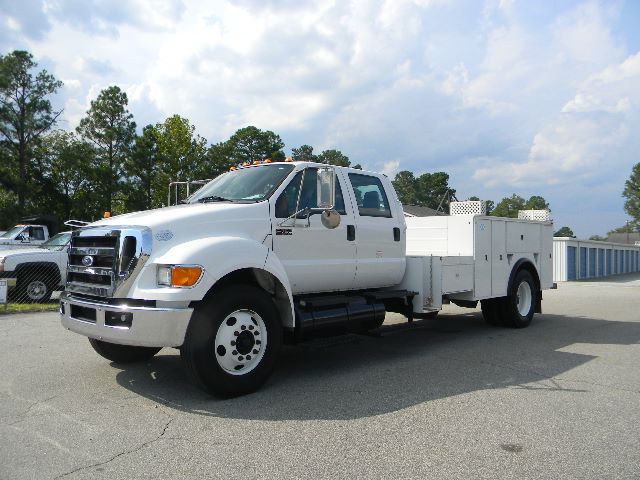
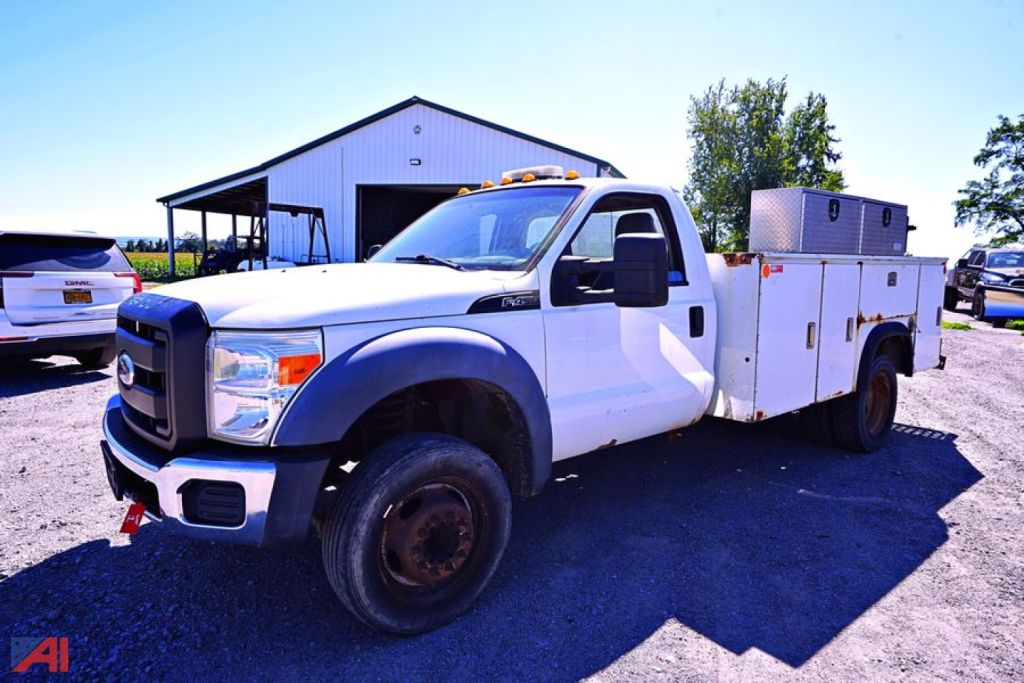
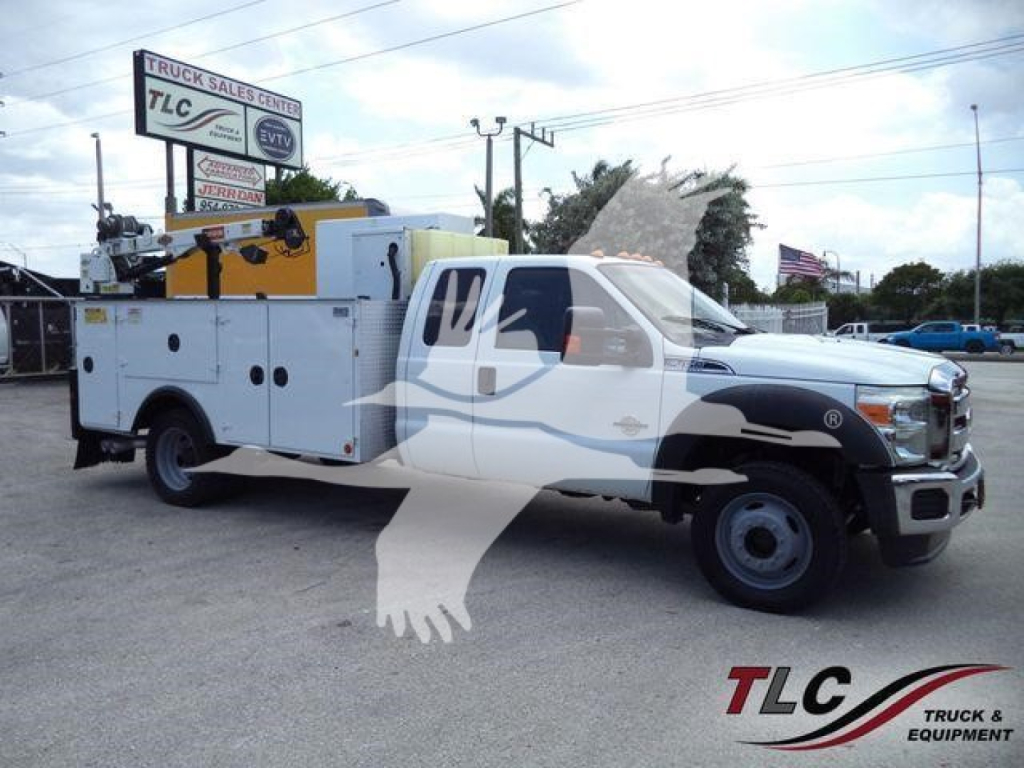
Selling a 2011 service/utility truck? List your 2011 service/utility truck for sale and reach thousands of commercial buyers.
2011 Service/Utility Trucks
For 2011 models, pay close attention to GVWR, axle ratings, wheelbase, and payload after the body and accessories are installed. Many utility trucks from this era were spec'd for construction support, mobile maintenance, municipal repair, oilfield service, HVAC, and contractor work, but not every body is set up the same way. A mechanics body with a telescopic crane, stabilizers, and heavy bumper can be very different from a utility body designed for electricians or telecom crews. Diesel power is common in larger chassis, while gas engines show up often in lighter-duty service units. Buyers should confirm PTO compatibility, crane capacity in ft-lb or lifting pounds, compressor output, inverter or generator setup, and whether the truck stays under CDL thresholds if that matters for the operation.
Condition matters more than age alone on a 2011 service/utility truck because these trucks often idle for long periods and power jobsite equipment in addition to accumulating road miles. Look at compartment floors, door hinges, latch condition, rust at body mounts, and signs of overloading around the rear suspension and frame. If the truck has a crane, inspect service records, cable or boom wear, outrigger operation, and certification history. Hydraulic leaks, PTO engagement issues, worn compressors, and non-functioning reel systems can turn a seemingly usable truck into a repair project. On the chassis side, maintenance history, engine hours if available, transmission behavior, brake condition, and tire date codes are all important because downtime costs more on a service body than on a basic pickup.
The best 2011 service trucks are the ones whose body spec matches the trade. A fleet mechanic may need crane capacity, air power, and secure parts storage. A municipal department may prioritize lighting, ladder racks, and organized side compartments. Utility and service trucks from this model year still appeal to buyers who want a proven work platform without the cost of a new upfit, but the value depends heavily on how the body was equipped and maintained. Focus on usable payload, compartment configuration, PTO-driven equipment, and overall body integrity before making the engine and transmission the only deciding factors.
Frequently Asked Questions about 2011 Service/Utility Trucks
What is the difference between a service truck and a utility truck?
The terms are often used interchangeably, but a service truck usually refers to a mechanics-style unit built for field repair, often with a crane, compressor, welder, or hydraulic tools. A utility truck may describe a broader category with side compartments and organized storage for electricians, plumbers, telecom crews, municipal departments, or general maintenance. The body layout and installed equipment are what define the truck’s real job capability.
What should I inspect first on a 2011 service/utility truck?
Start with the body and the work systems. Check compartment doors, floors, latches, rust, frame mounting points, and rear suspension condition. Then inspect any PTO-driven or hydraulic equipment such as cranes, compressors, generators, outriggers, and hose reels. On many older service trucks, the upfit condition has a bigger impact on value than the cab appearance or odometer reading alone.
Are 2011 service trucks commonly under CDL?
Some are, and some are not. Many lighter service trucks on pickup-based chassis stay at or below 26,000 pounds GVWR, which can help operations avoid CDL requirements depending on local regulations and the way the truck is equipped. Heavier mechanics trucks with cranes, large compressors, and dense tool payloads can quickly move into CDL territory. Always verify the door sticker GVWR and compare it to the actual body and equipment package.
What common equipment is found on a 2011 utility or mechanics truck?
Typical equipment includes side-pack tool compartments, ladder racks, work lights, strobes, PTO systems, air compressors, hose reels, inverters, welders, generators, and service cranes. Mechanics bodies may also have outriggers, vise mounts, and heavy-duty rear bumpers. The exact combination matters because it determines whether the truck is suited for mobile repair, contractor service, municipal maintenance, or specialized trade work.
Is mileage the most important factor on a used 2011 service truck?
No. Mileage matters, but idle time, PTO use, and maintenance history are just as important. Service trucks often spend hours running compressors, hydraulic systems, and electrical equipment while stationary. A lower-mile truck with neglected hydraulics or severe body corrosion can be a worse buy than a higher-mile truck with documented maintenance, solid compartments, and fully functional work equipment.