
XL Specialized Trailers For Sale
Showing 25 to 26 of 26 results
Have xl specialized trailer to sell? List it here to reach thousands of buyers.
XL Specialized Trailers
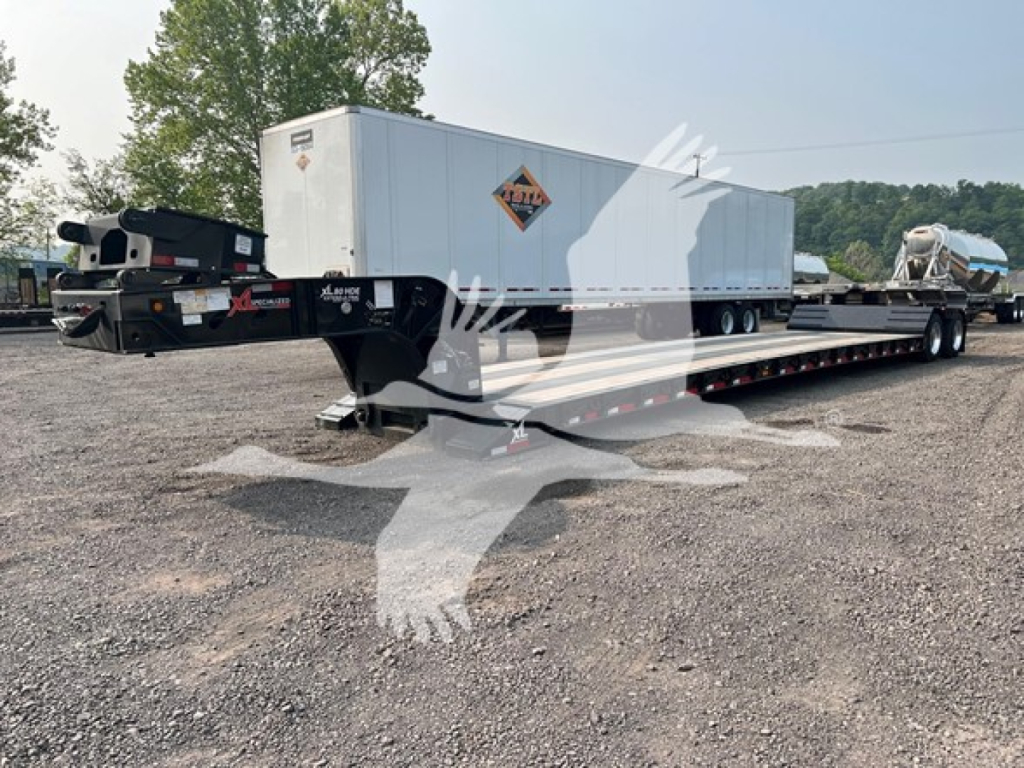
A typical XL Specialized lowboy is configured around a 102-inch wide steel frame, Apitong flooring, air ride suspension, and tandem or tri-axle rear bogies. Main deck lengths often fall in the mid-20-foot range, with overall trailer lengths around 48 to 53 feet on standard fixed-deck models, while some extendable versions stretch significantly for longer freight. Loaded deck height is a major selling point on this brand, with many heavy-haul setups designed in the 15-inch to 20-inch range to help maximize legal loaded height. Common details include 16-inch or 18-inch kingpin settings, adjustable ride height, swing-out outriggers, chain drops, D-rings, bucket wells, boom troughs, and rear ramp packages. On higher-capacity trailers, buyers should pay close attention to the manufacturer's rating in a defined deck length such as 35 ton, 55 ton, or more in 12 feet, because that tells you much more than overall GVWR alone.
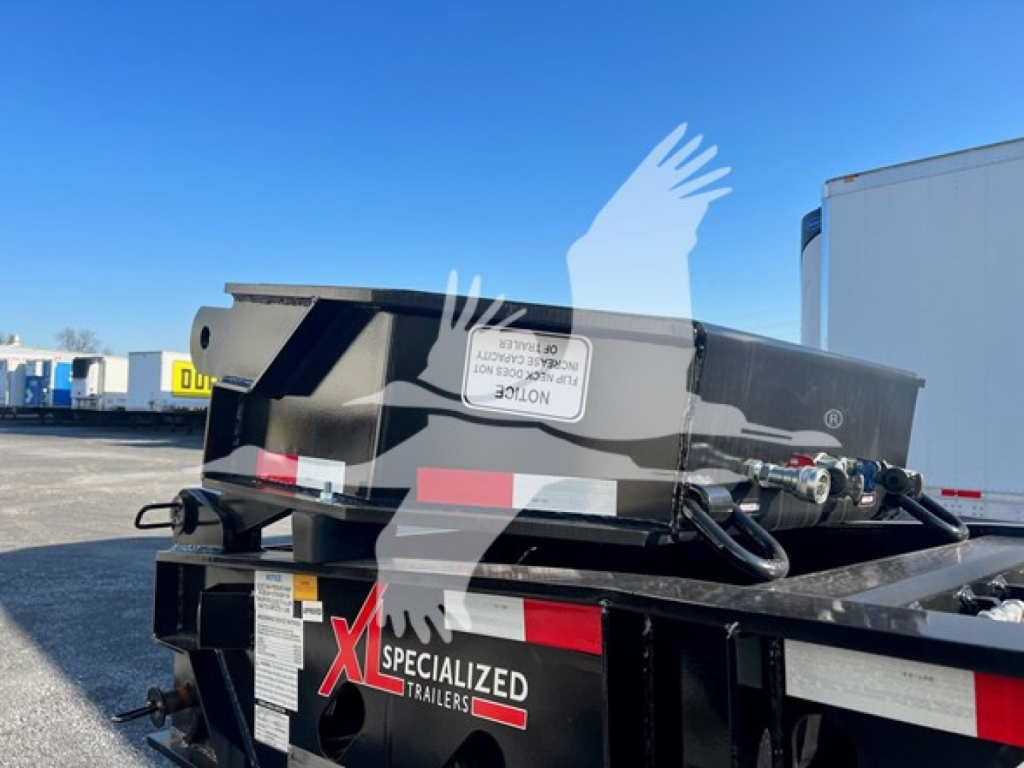
XL Specialized trailers are frequently spec'd for versatility. A hydraulic detachable gooseneck can speed up loading for crawlers, paving machines, and other low-clearance equipment, while a mechanical detach may appeal to buyers who want a simpler setup with fewer hydraulic components to maintain. Flip axle connections, lift axles, spreader bars, and non-ground-bearing necks are all common considerations in this category. Suspension brand, axle spacing, tire size, and wheel material also deserve attention if the trailer will run long distances at highway speed with repeated heavy loads. Features like liquid-filled gauges, toolbox placement, battery-backed strobes, full-width bolsters, and open wheel areas can make a real difference in daily use and load securement efficiency.
When comparing used and newer XL Specialized trailers, inspect frame condition, deck wear, neck bushings and pins, hydraulic system performance, suspension condition, and any evidence of concentrated-load abuse near the main beams. Verify the exact model family and intended load rating, then match it to the equipment you actually move most often. A lowboy that is ideal for excavators may not be the best fit for taller crushers, longer drill components, or machines that need extra deck length and wider securement options. For buyers focused on specialized hauling, XL Specialized remains a strong name because the trailers are designed around real heavy-equipment applications rather than general-purpose freight.
Frequently Asked Questions about XL Specialized Trailers
What are XL Specialized trailers best known for?
XL Specialized trailers are best known for heavy-haul lowboy and detachable gooseneck designs used to transport construction and industrial equipment. The brand is closely associated with low deck heights, strong concentrated load ratings, durable steel construction, and practical loading features such as hydraulic necks, outriggers, chain drops, and flip axle compatibility.
What should I look at first when comparing an XL Specialized lowboy?
Start with the trailer's rated capacity in a specific deck length, not just the gross vehicle weight rating. After that, focus on loaded deck height, main deck length, neck style, axle count, and whether the trailer accepts flip axles or other rear attachments. Those specs determine what machines the trailer can legally and efficiently haul, how easy it is to load, and how flexible it will be for future jobs.
Is a hydraulic detachable or mechanical detachable XL trailer the better choice?
A hydraulic detachable gooseneck is usually the better fit for operations that load frequently, move low-clearance equipment, or want faster trailer setup at the jobsite. A mechanical detachable can be a good choice for buyers who prefer a simpler design with fewer hydraulic components and potentially lower maintenance complexity. The right choice depends on loading frequency, tractor hydraulic capability, and the type of equipment being hauled.
Why is deck height so important on an XL Specialized trailer?
Deck height directly affects total loaded height, which is critical when moving tall equipment under bridge and overpass restrictions. A lower loaded deck can reduce permit issues and expand the range of machines that can be hauled without exceeding legal height limits. On heavy-haul lowboys, even a few inches of deck height difference can matter in day-to-day routing and permitting.
Are flip axles and rear attachments important on XL Specialized heavy-haul trailers?
Yes. Flip axles and related rear attachments can increase flexibility by helping distribute weight, improve bridge compliance, and adapt the trailer to heavier or differently balanced loads. Buyers should confirm whether the trailer is already equipped for a flip axle, what axle spacing it uses, and whether the intended attachment matches the trailer's model and rating.