
XL Specialized Trailers For Sale in Pennsylvania
Browse XL Specialized trailers for sale, including lowboy and detachable gooseneck models built for heavy equipment, machinery, and oversize loads.
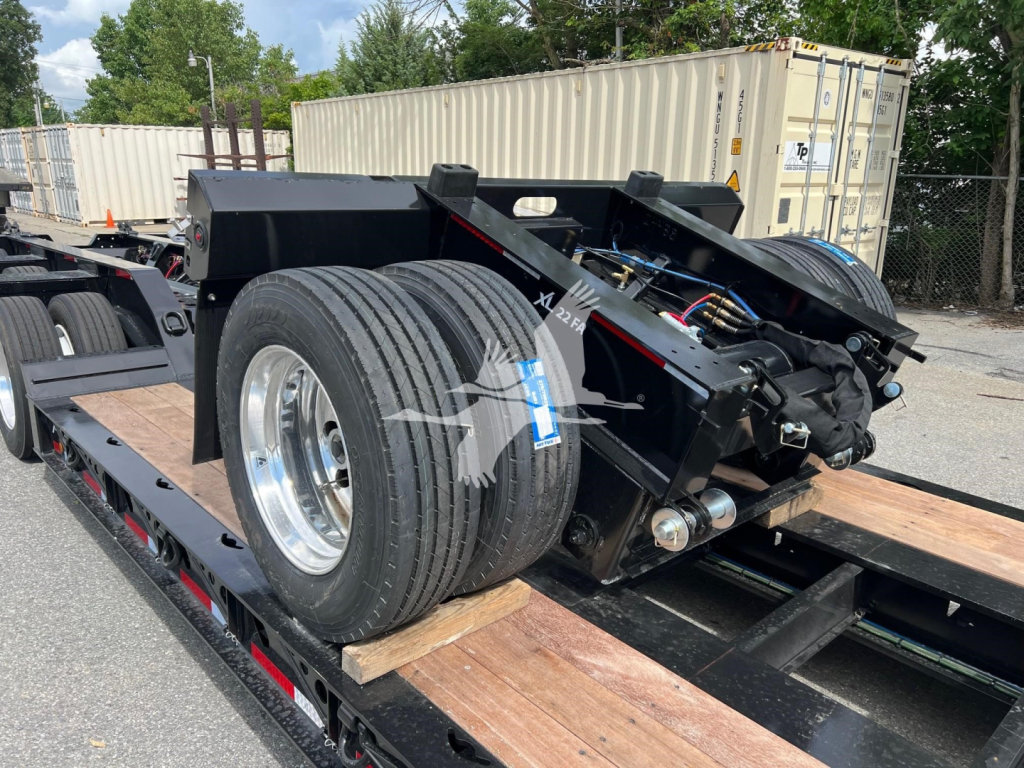
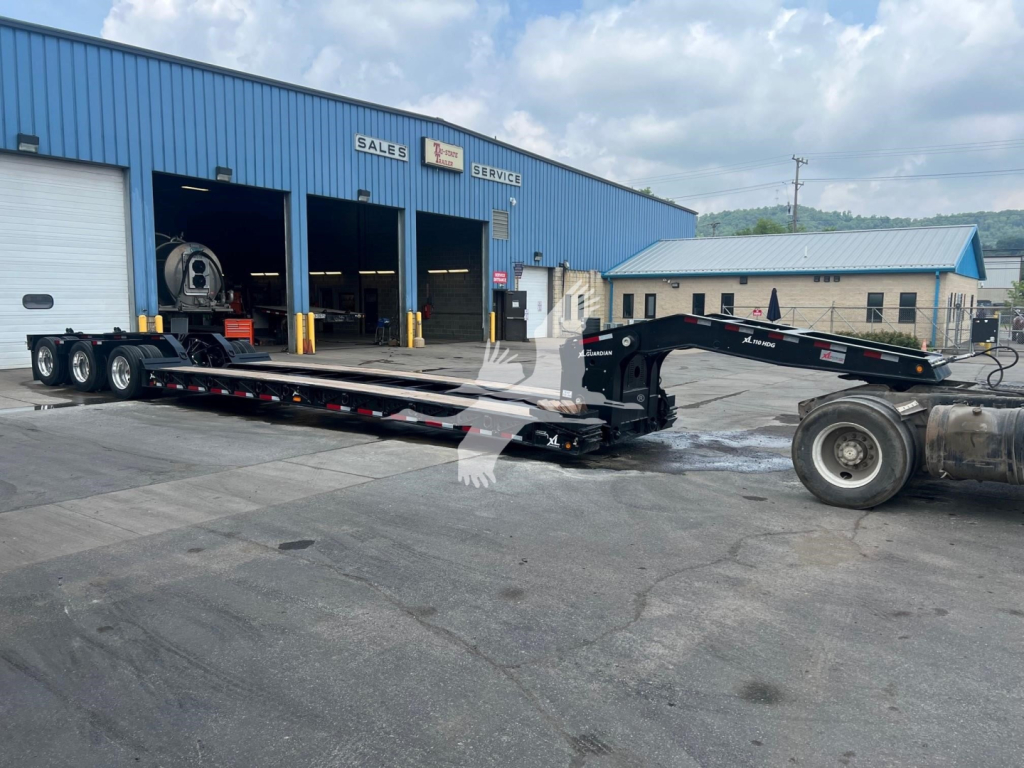
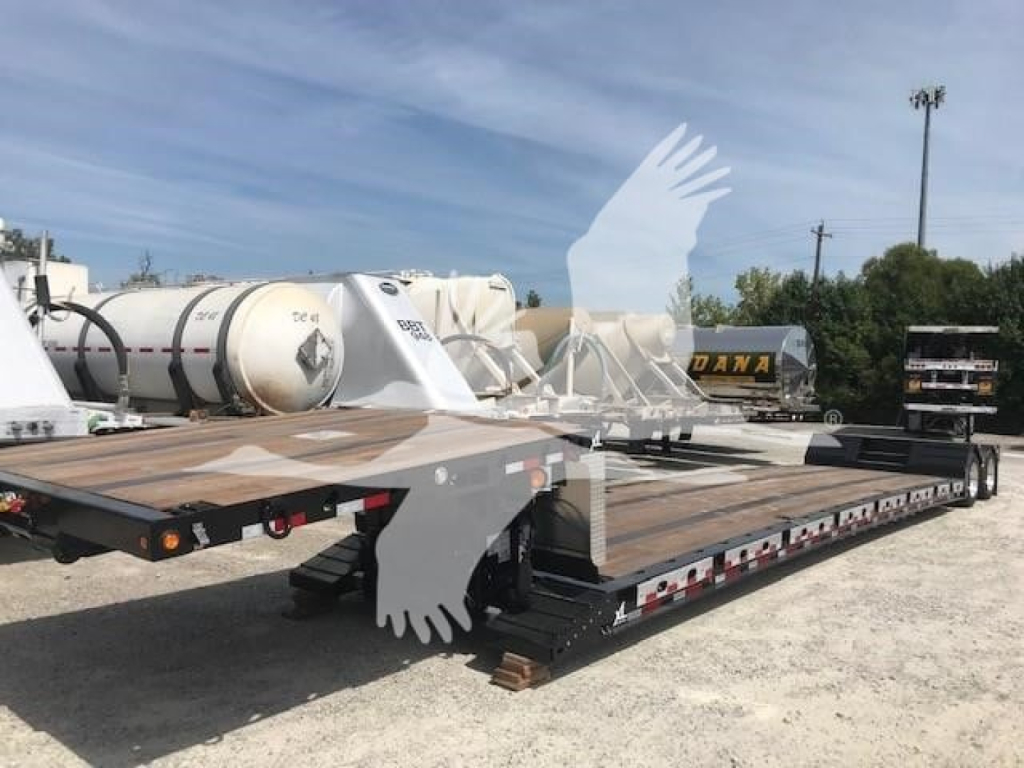
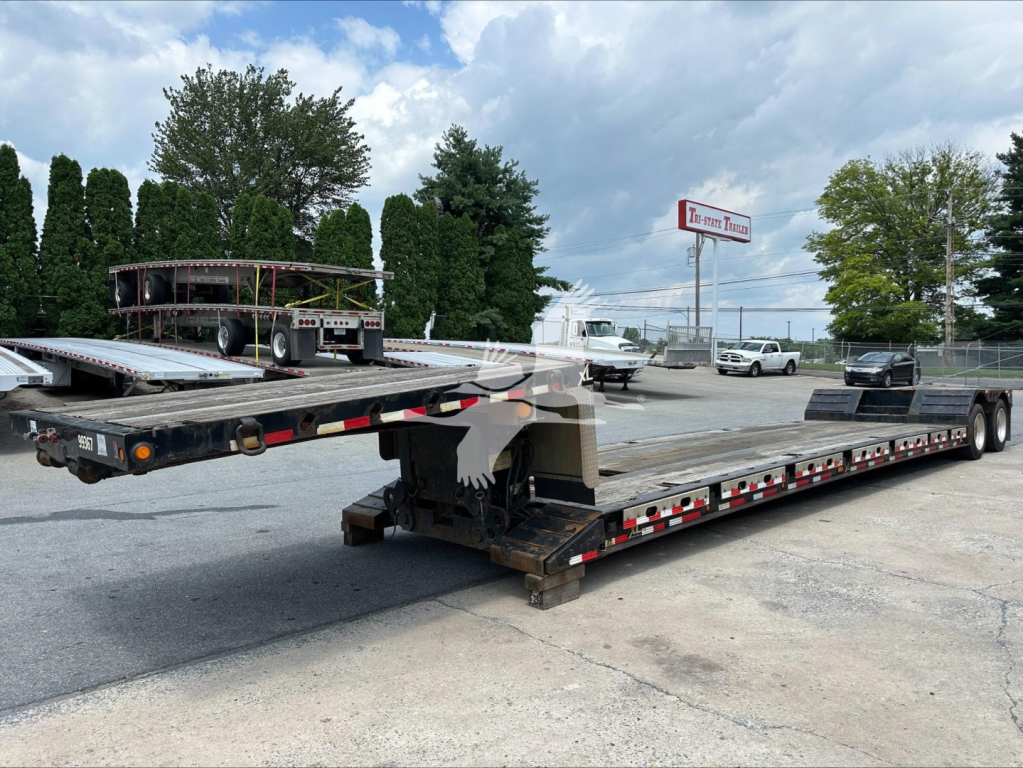
Selling a xl specialized trailer? List your xl specialized trailer for sale and reach thousands of commercial buyers.
XL Specialized Trailers in Pennsylvania
Frequently Asked Questions about XL Specialized Trailers in Pennsylvania
What types of XL Specialized trailers are most common in this category?
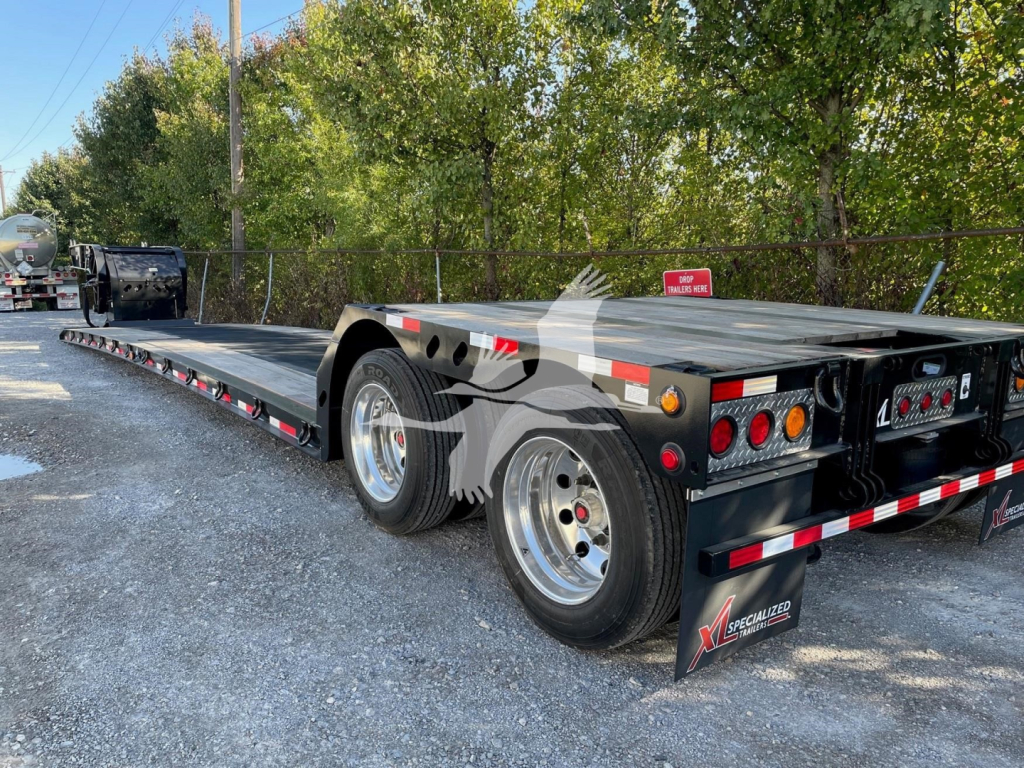
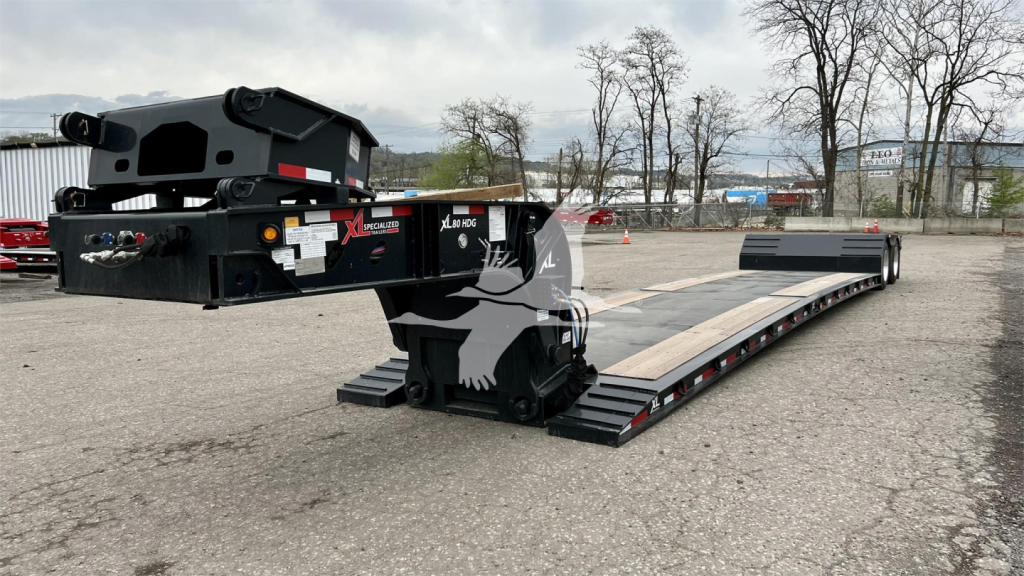
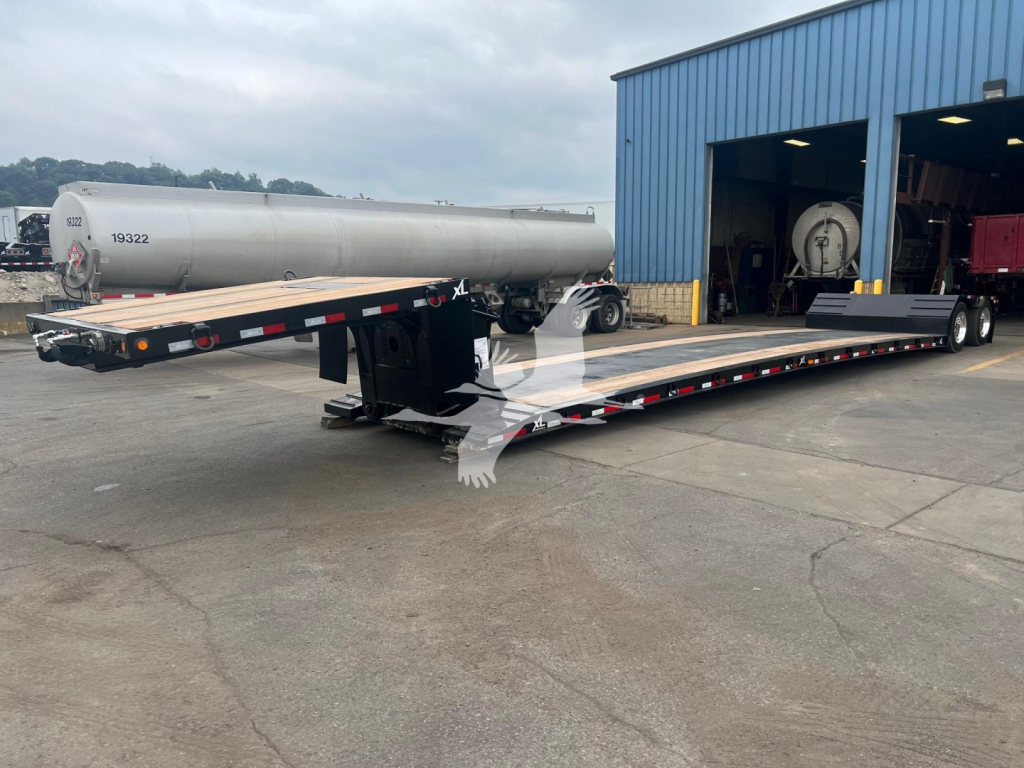
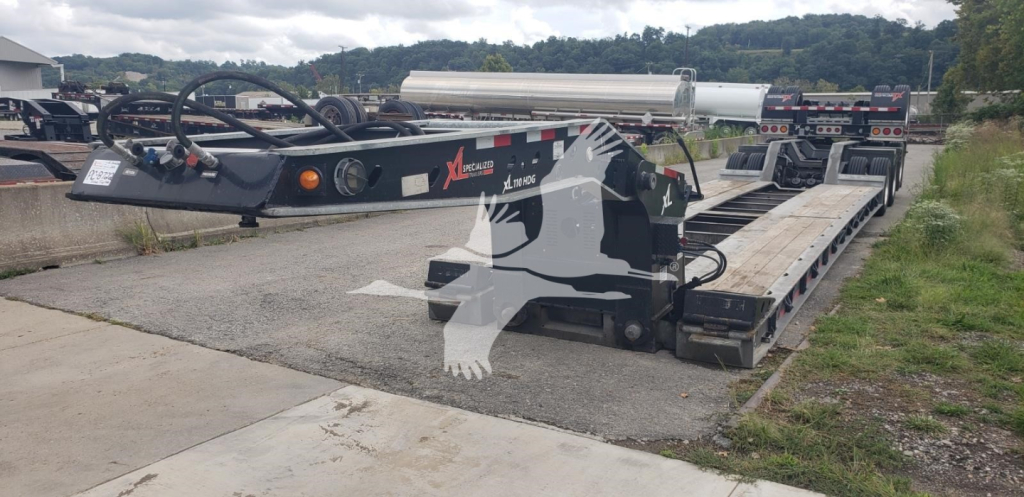
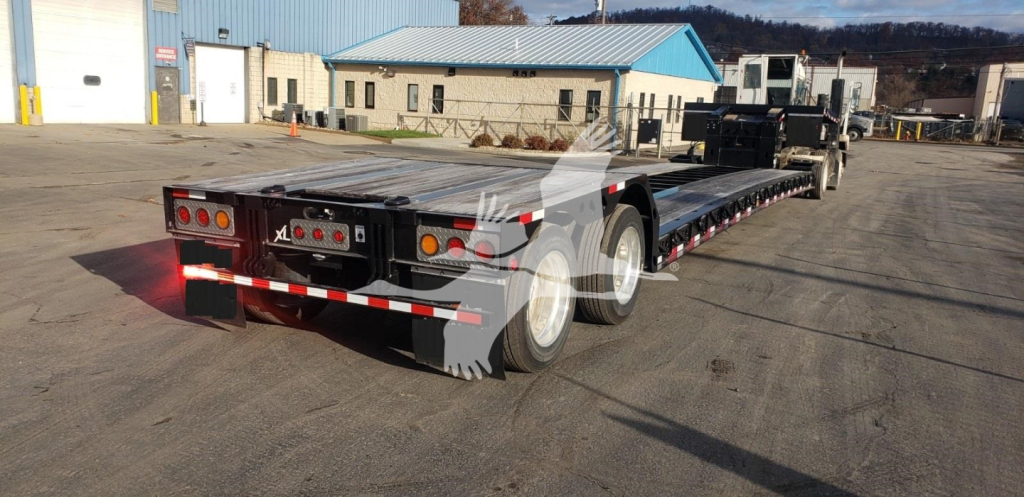
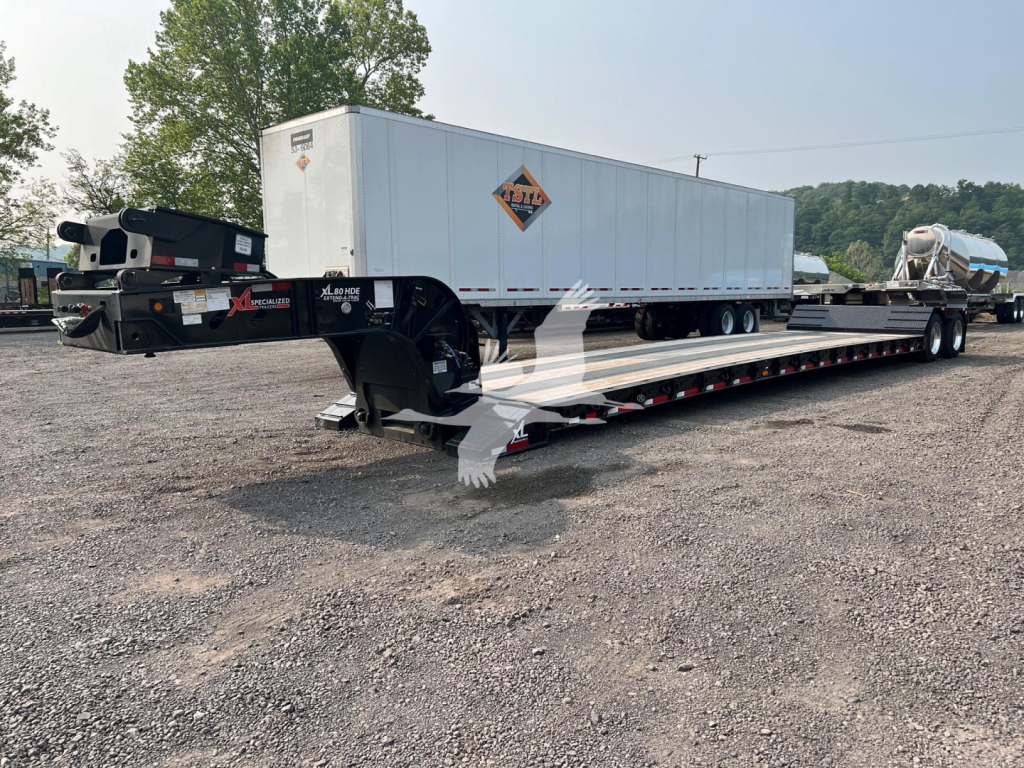
The most common XL Specialized trailers in this category are lowboy trailers, also called detachable gooseneck trailers or RGN-style heavy equipment trailers depending on the neck and loading design. Many are hydraulic detachable gooseneck units with 53-foot overall length, 102-inch width, and a main deck designed for concentrated machinery loads. Buyers will also see mini deck models for lower deck height applications and flip axles that are matched to specific XL 55-ton or 60-ton trailer platforms.
What capacity should I look for in an XL Specialized lowboy trailer?
Capacity depends on the equipment you move and the permits you expect to run. A 40-ton trailer can be a strong fit for compact and mid-size iron, while 55-ton class trailers are common for heavier construction equipment and more demanding load concentration. Published ratings are often stated over a specific deck length, such as 55 tons in 12 feet, so it is important to match the rating to the actual footprint of your machine, not just the gross machine weight. Buyers should also factor in whether a flip axle, lift axle, or spread axle option is needed to keep axle weights legal in their operating states.
Why is loaded deck height so important on an XL Specialized trailer?
Loaded deck height directly affects how much legal overall height you have left once the machine is on the trailer. Many XL Specialized lowboys are built with low loaded deck heights in the 12-inch to 18-inch range, which helps when hauling taller excavators, forestry machines, or other high-profile equipment. A lower deck can reduce permit complications and route restrictions, but it also needs to be considered alongside ground clearance, approach angle, and the type of jobsite access you deal with. In rough terrain or steep transitions, an ultra-low trailer may trade some clearance for hauling height advantage.
What specs matter most when comparing used XL Specialized trailers?
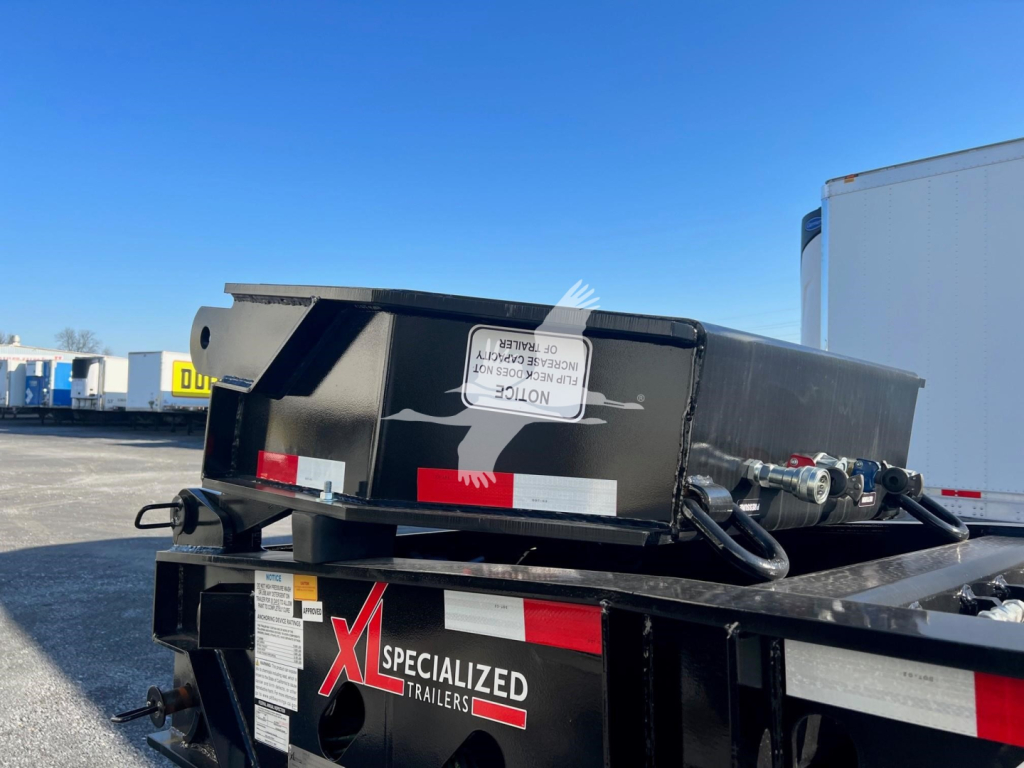
The most important used trailer checks are neck condition, deck structure, suspension health, axle alignment, brake percentage, tire condition, and any evidence of frame or beam repairs. On detachable models, buyers should inspect the hydraulic neck operation, kingpin setting, ride height positions, liquid-filled gauge, dump valve function, and rear connection points for flip axle compatibility. Decking condition matters too, especially on Apitong floors and side rail areas that see concentrated track or tire loading. Service records, inspection status, and wear at outriggers, D-rings, chain drops, and bucket wells can tell you a lot about how the trailer was used.
Are flip axles interchangeable between XL Specialized trailers?
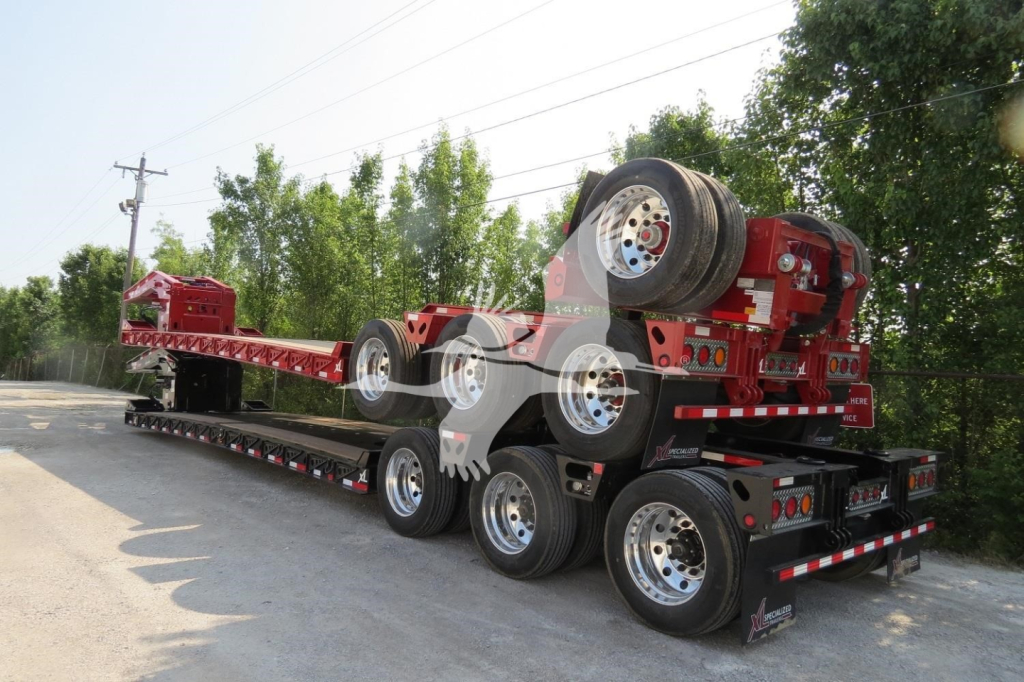
Not always. Flip axles must match the trailer’s rear connection design, rating, axle spacing, and intended legal configuration. Some XL Specialized trailers are designed to accept a specific 1-axle or multi-axle flip axle, while others may also be set up for spreader bars or modular rear connections. Before buying, confirm the compatibility by model, connection hardware, suspension setup, and target weight distribution. A trailer advertised as flip axle ready is not the same as one being sold with the correct flip axle included.