
XL Specialized Lowboy Trailers For Sale in Pennsylvania
Browse XL Specialized lowboy trailers with hydraulic detachable goosenecks, low deck heights, heavy-haul capacity, and flip axle options.
Selling a xl specialized lowboy trailer? List your xl specialized lowboy trailer for sale and reach thousands of commercial buyers.
XL Specialized Lowboy Trailers in Pennsylvania
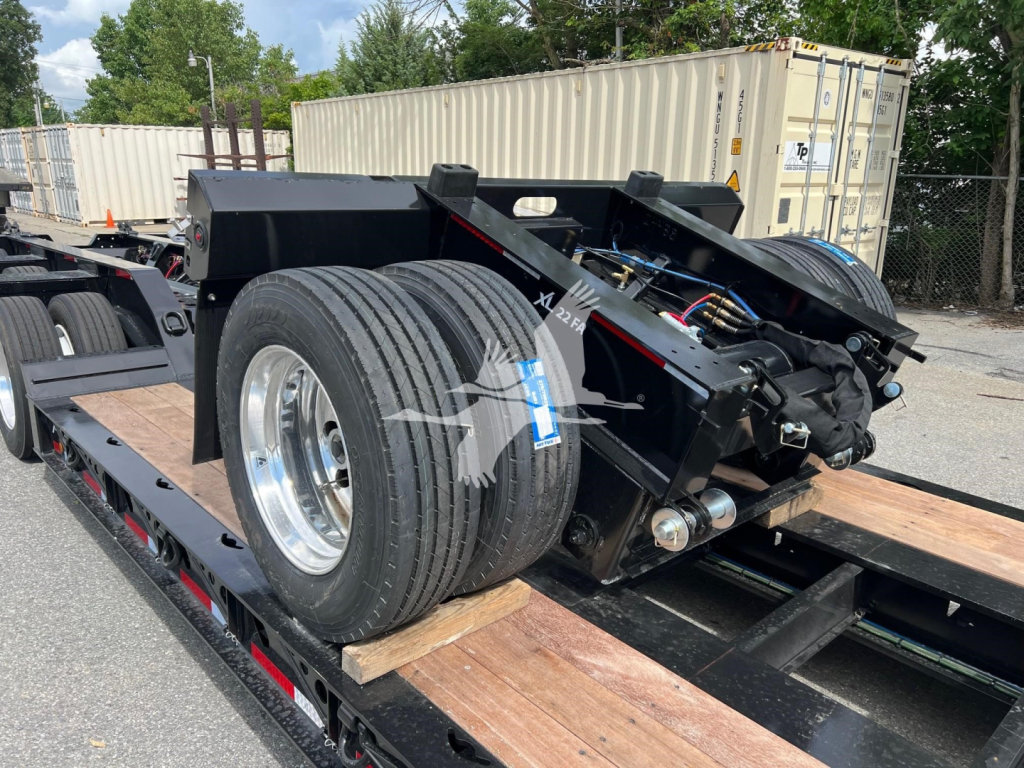
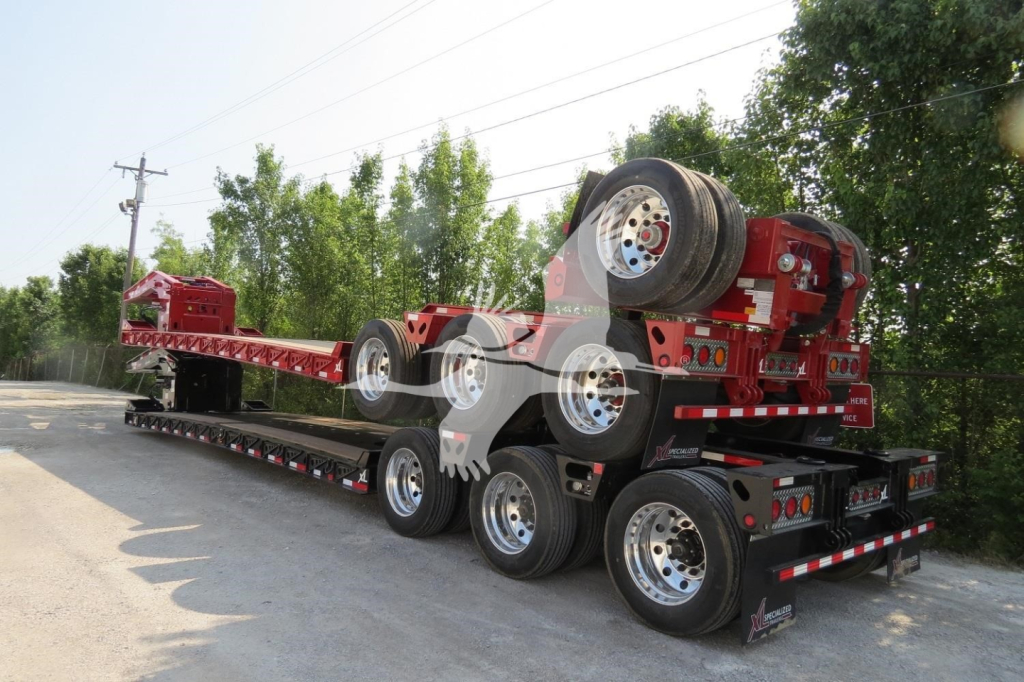
The biggest buying decision is matching the trailer series to the freight. Lighter 2-axle and 3-axle lowboys in the 50-ton to 55-ton class are common for paving equipment, loaders, and general yellow iron, while heavier configurations can be set up for more demanding concentrated loads and axle group additions. Sample specs in this category show features such as 102-inch overall width, Apitong decking, swing-out outriggers on 24-inch centers, bent D-rings, chain drops, and kingpin settings like 16-inch or dual-position arrangements. Many XL Specialized lowboys are flip axle prepped or designed to accept a third or fourth axle, neck extension, or spreader bar. That flexibility is important in Pennsylvania and surrounding states where permit strategy, bridge law, and axle spacing can affect what configuration makes sense for your typical haul.
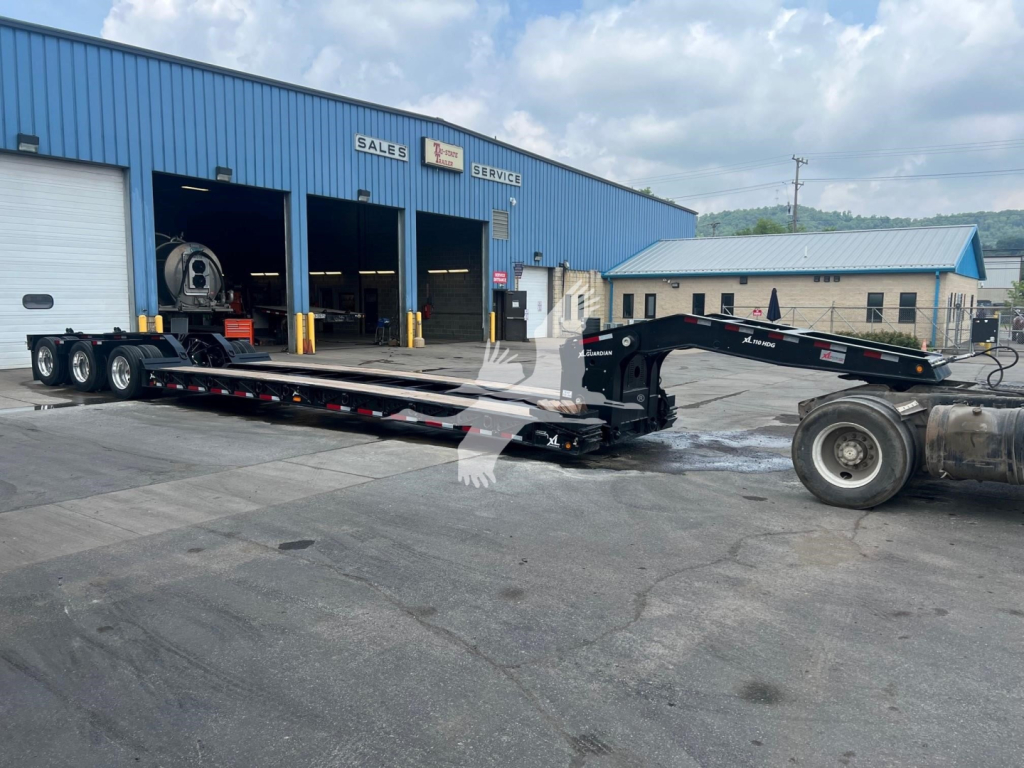
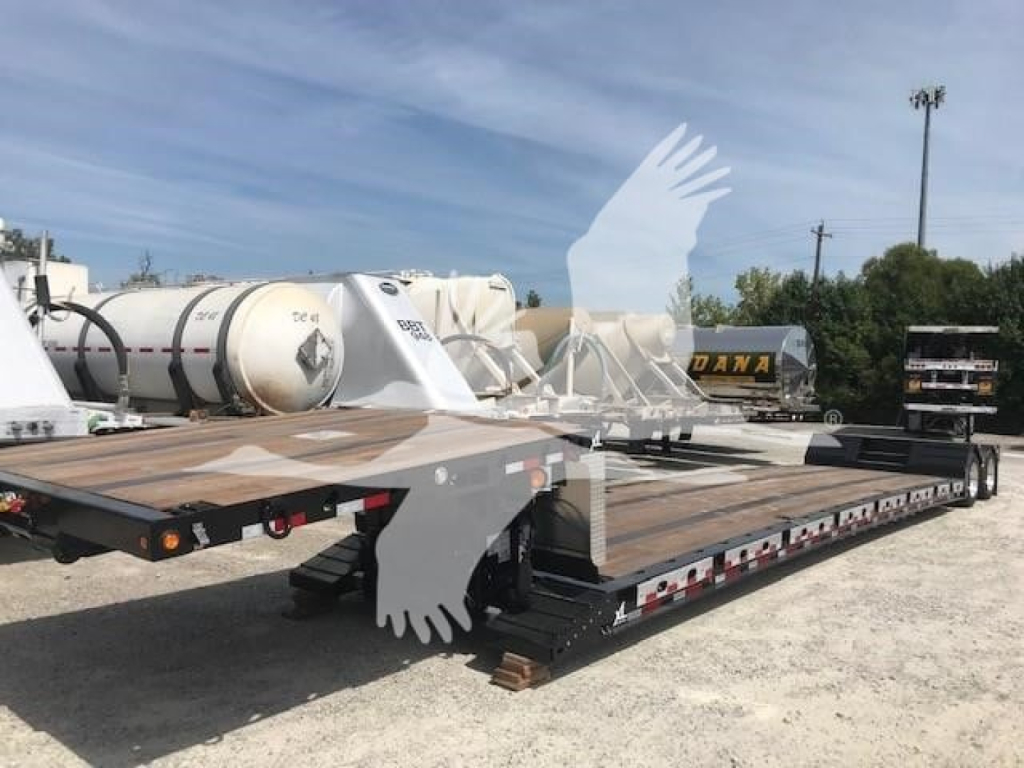
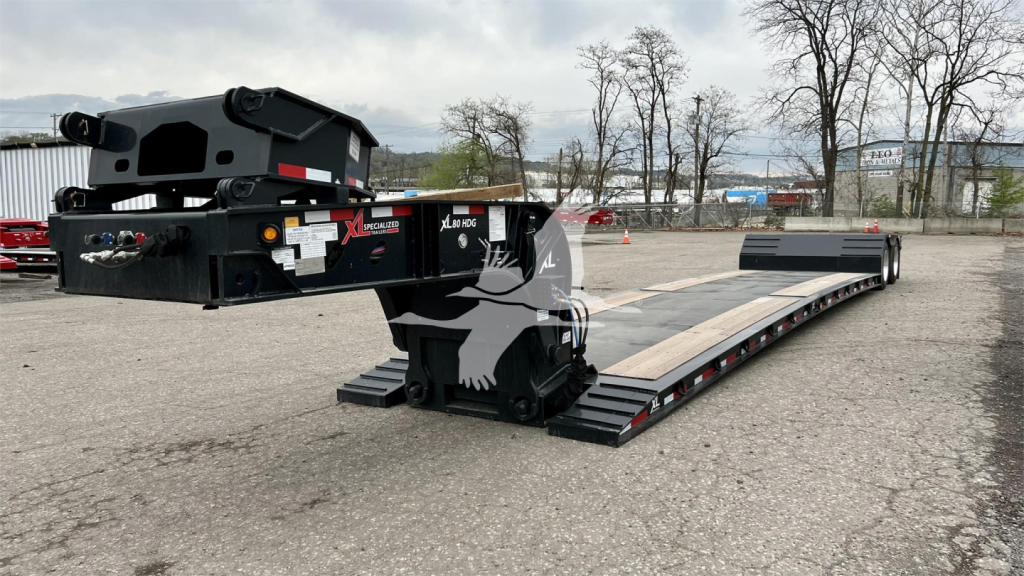
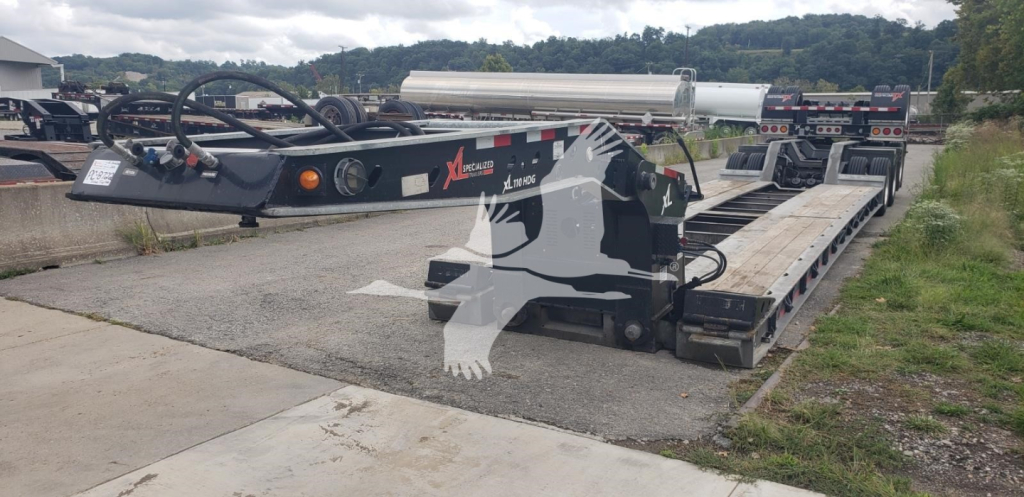
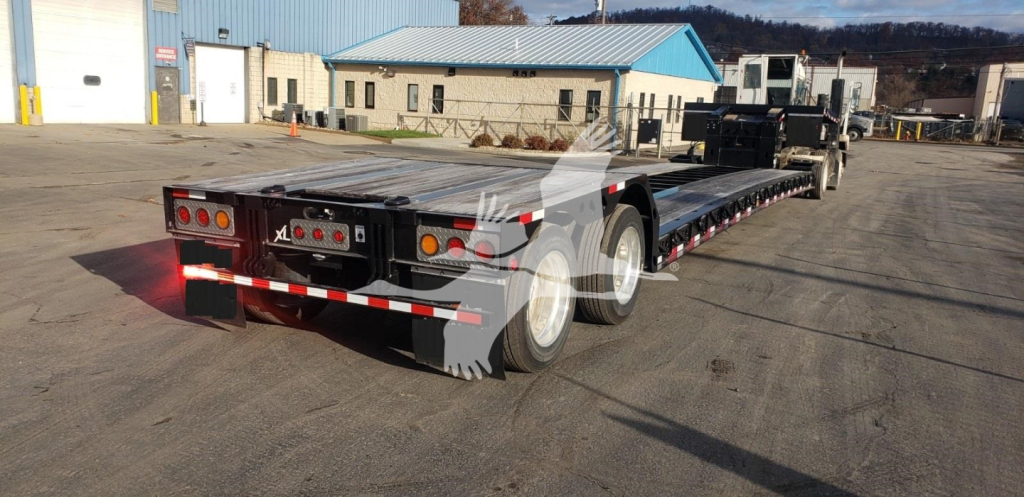
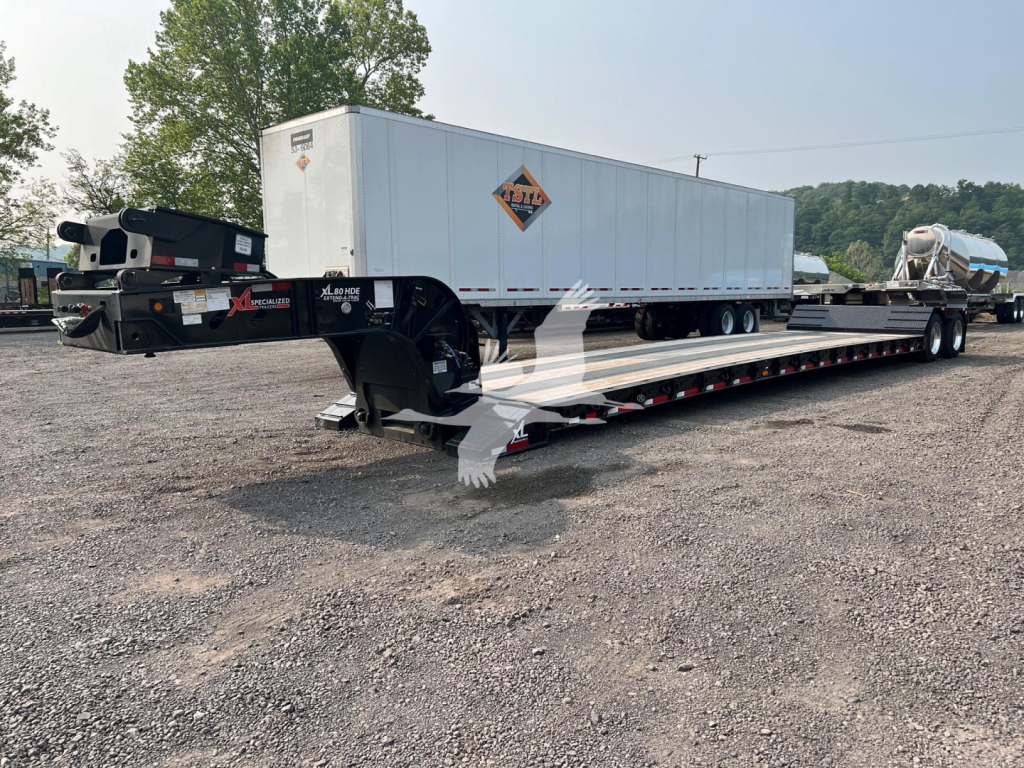
Deck layout is just as important as gross rating. Buyers should pay close attention to main deck length, rear deck length, loaded fifth wheel height, and swing clearance at the neck. Some XL Specialized models use a full-width deck, while others have a raised center-open style that better accommodates track machines and helps with visibility to securement points. Front flip ramps, bucket wells, boom wells, rear bridge sections, and chain slots on 24-inch centers can make one trailer much better suited to excavators or attachments than another. Hydraulic detachable goosenecks with non-ground bearing designs are common in this lineup, and ride height adjustment, dump valves, rear axle lift, and air ride suspension can all make loading easier and improve how the trailer carries different machines.
For used buyers, frame condition, neck fit, suspension wear, deck integrity, and evidence of hard concentrated loading deserve close inspection. Check crossmember spacing, beam condition around the transition areas, decking replacement history, and any repairs near the gooseneck connection or axle group. On higher-spec trailers, look for working strobes, LED lighting, liquid-filled gauges, and proper function of raise-lower controls and pony motor systems if equipped. Tire size, wheel material, and axle brand matter, but most buyers in this category put the most value on deck height, legal payload potential, detach reliability, and how well the trailer fits the exact equipment being moved.
Frequently Asked Questions about XL Specialized Lowboy Trailers in Pennsylvania
What is the advantage of an XL Specialized lowboy trailer over a standard equipment trailer?
An XL Specialized lowboy trailer gives you a much lower deck height and a heavier-duty frame than a typical tag or deckover equipment trailer. That lower profile helps keep tall machines under legal height, and the detachable gooseneck design allows self-loading of tracked equipment from the front. For buyers hauling excavators, dozers, pavers, or other heavy equipment, the combination of low center of gravity, concentrated load capability, and axle expansion options is the main advantage.
What capacity should I look for in an XL Specialized lowboy?
Capacity should be matched to the actual machine weight, attachment weight, and how that weight sits on the deck. Many buyers shop in the 50-ton to 55-ton class for common construction equipment, but capacity in a brochure does not tell the full story. You also need to look at distributed rating, concentrated load rating in a specific deck section, axle count, flip axle compatibility, and the permit environment where the trailer will run. A trailer that is technically rated high enough can still be the wrong choice if the deck length or axle spacing does not suit the load.
Are hydraulic detachable gooseneck lowboys better for loading tracked equipment?
Yes. A hydraulic detachable gooseneck lowboy, often called an RGN, is one of the most practical trailer types for tracked equipment because the machine can be loaded from the front after the neck is detached. That reduces ramp angle issues and makes loading safer and easier for machines with low ground clearance or long tracks. It also speeds up loading on uneven jobsites compared with rear ramp loading on a fixed-neck trailer.
Which specs matter most when comparing used XL Specialized lowboys?
The most important specs are loaded deck height, main deck length, rear deck length, axle configuration, and any prep for flip axles or neck extensions. After that, look closely at securement features like D-rings, chain drops, outriggers, and bucket or boom wells if your freight needs them. On a used trailer, structural condition is just as important as listed specs, so inspect the gooseneck connection, main beams, crossmembers, suspension components, decking, and any signs of repeated overloading or poor repairs.
Why do kingpin settings and ride height positions matter on a lowboy trailer?
Kingpin settings and ride height positions affect tractor compatibility, bridge spacing, swing clearance, and how the trailer sits when loaded. A lowboy that offers multiple ride height positions can help fine-tune deck height and improve hookup flexibility with different tractors. Multiple kingpin settings can also help with axle weight distribution and permit compliance, which becomes more important as loads get heavier or more concentrated.