
2024 XL Specialized Trailers For Sale in Pennsylvania
Shop 2024 XL Specialized trailers in Pennsylvania. Compare lowboy and heavy haul trailer specs, capacities, detachable neck options, and axle setups.
Selling a 2024 xl specialized trailer? List your 2024 xl specialized trailer for sale and reach thousands of commercial buyers.
2024 XL Specialized Trailers in Pennsylvania
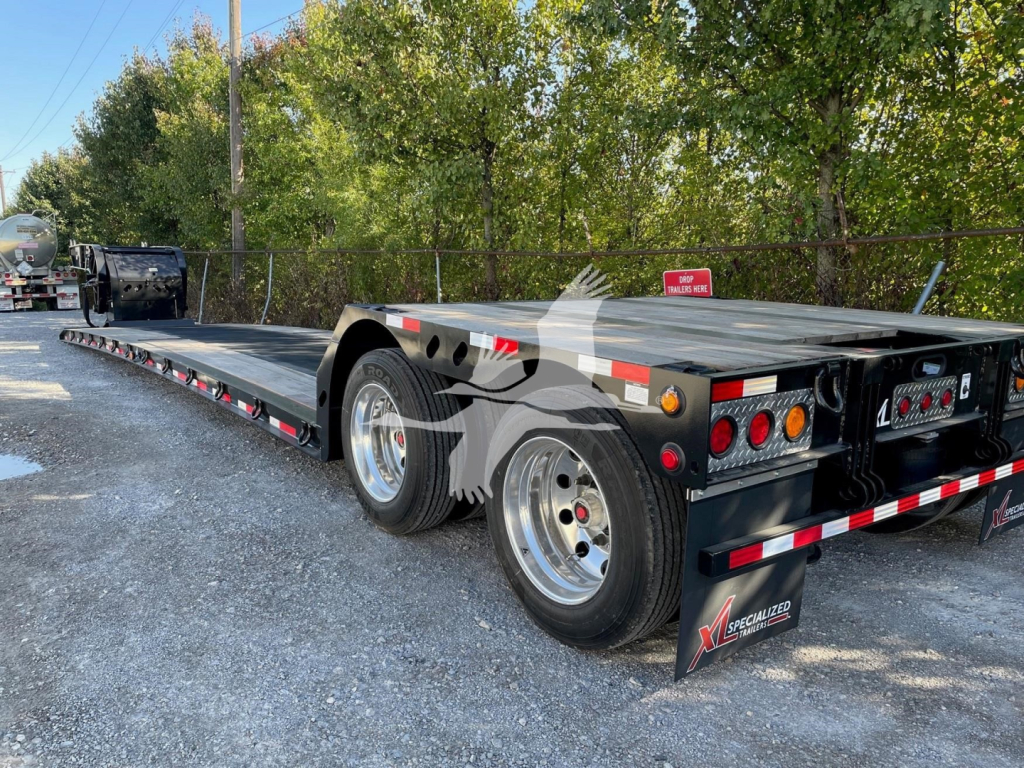
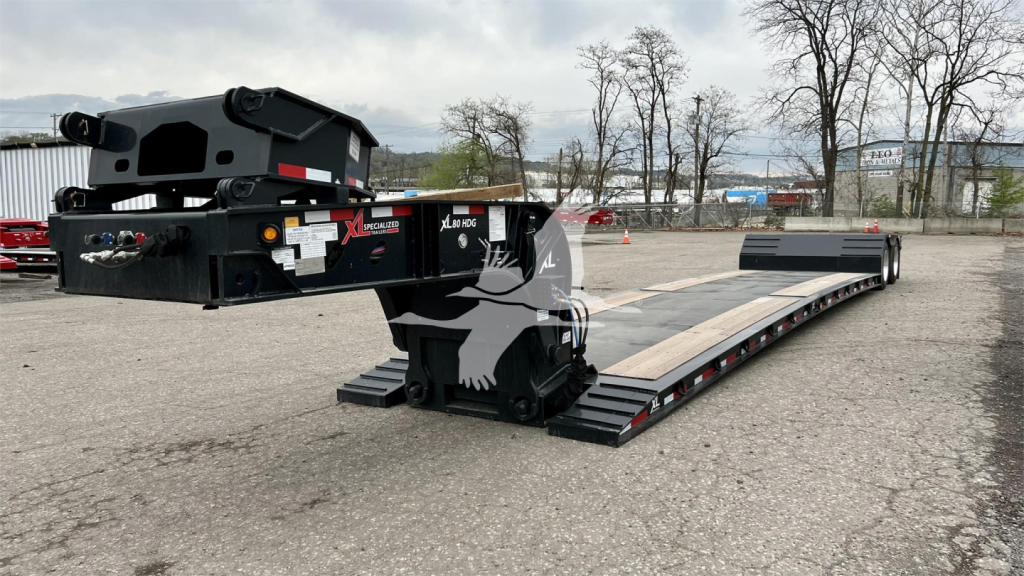
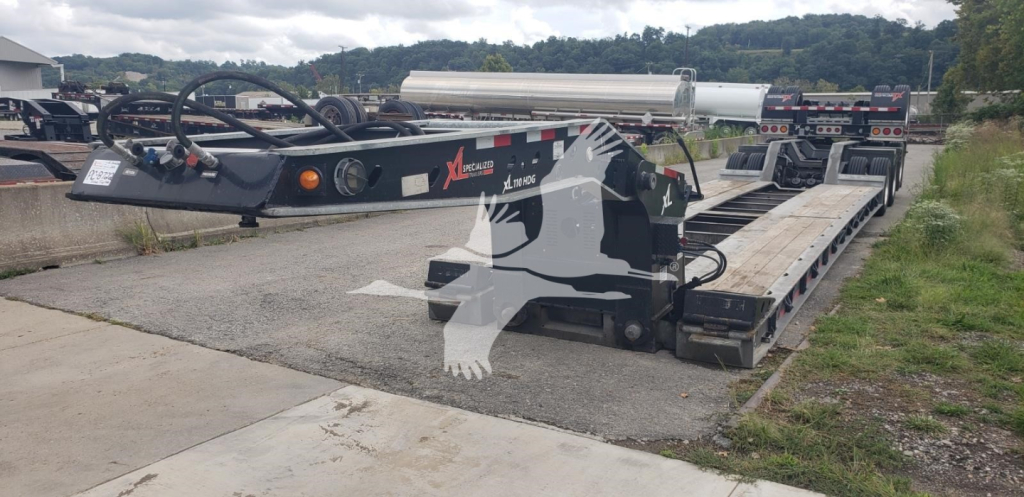
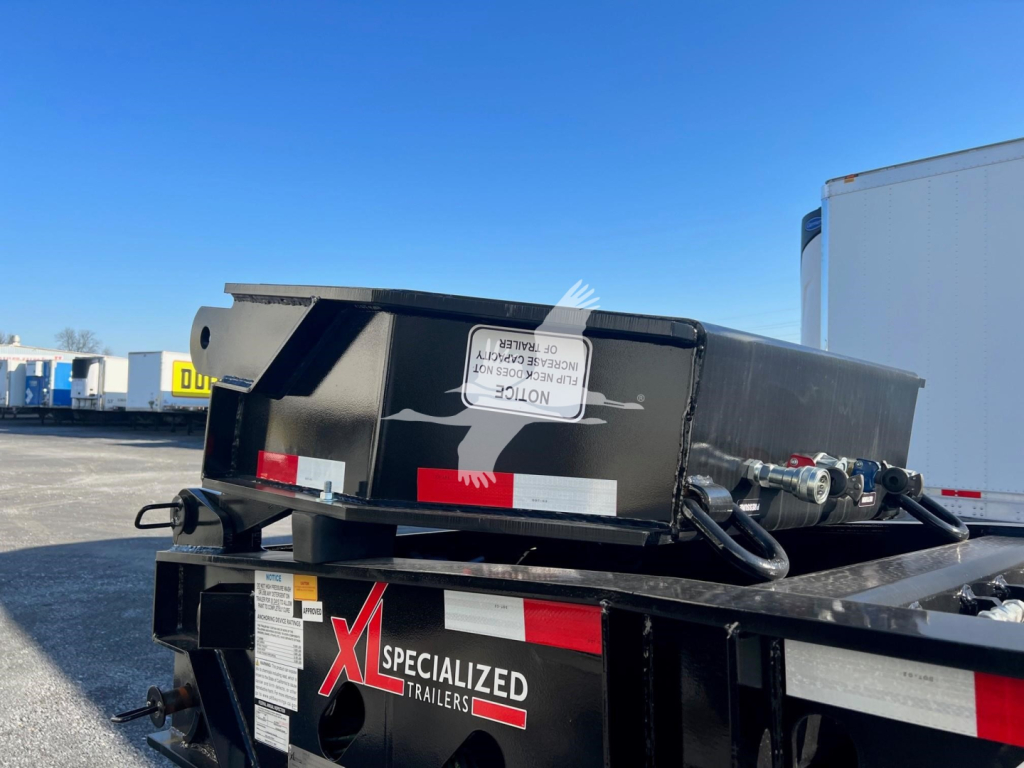
A lot of 2024 XL Specialized trailers on the market fall into the 40 ton to 55 ton class, with heavier 80,000 lb distributed and 55 ton in 12-foot configurations also common. Typical specs include 53-foot overall length, 102-inch width, hydraulic detachable non-ground-bearing goosenecks, air ride suspension, and Hendrickson running gear. Main deck heights can be very low, often around 12 to 20 inches depending on model, which is a key advantage when hauling tall equipment under bridge and route restrictions. Apitong flooring, steel perimeter beams, chain slots, bent D-rings, and swing-out outriggers on 24-inch centers are common features because they improve securement flexibility and make the trailer more useful across multiple machine types.
The main buying decision is matching trailer style to the equipment you haul most often. A mini deck lowboy is a strong fit for compact but tall machines where every inch of deck height counts. A heavier XL80 or HDGS style trailer makes more sense for larger excavators, dozers, crushers, and specialized equipment that need stronger concentrated load support, wider swing clearance, and rear flip axle compatibility. Pay close attention to kingpin setting, loaded fifth wheel height, axle spacing, and ride height positions on the neck. Those details affect how the trailer sits behind your tractor, how easily you can load on uneven ground, and whether you can stay compliant with bridge laws and state permitting requirements.
Condition and configuration matter as much as model name. On XL Specialized trailers, buyers should verify if the trailer includes pony motor hydraulics, manual dump valve, raise and lower valve, flip axle components, bucket well, boom trough, outriggers, and full securement package. In Pennsylvania and surrounding states, practical details like tire size, aluminum versus steel wheel package, rear deck construction, and deck extension capability can have a direct impact on operating cost and job versatility. A well-matched 2024 XL Specialized trailer should be judged on real haul profile, not just gross rating, because deck geometry, neck style, and expandability often determine whether a load moves efficiently or turns into a permit and routing problem.
Frequently Asked Questions about 2024 XL Specialized Trailers in Pennsylvania
What types of XL Specialized trailers are common in the 2024 model year?
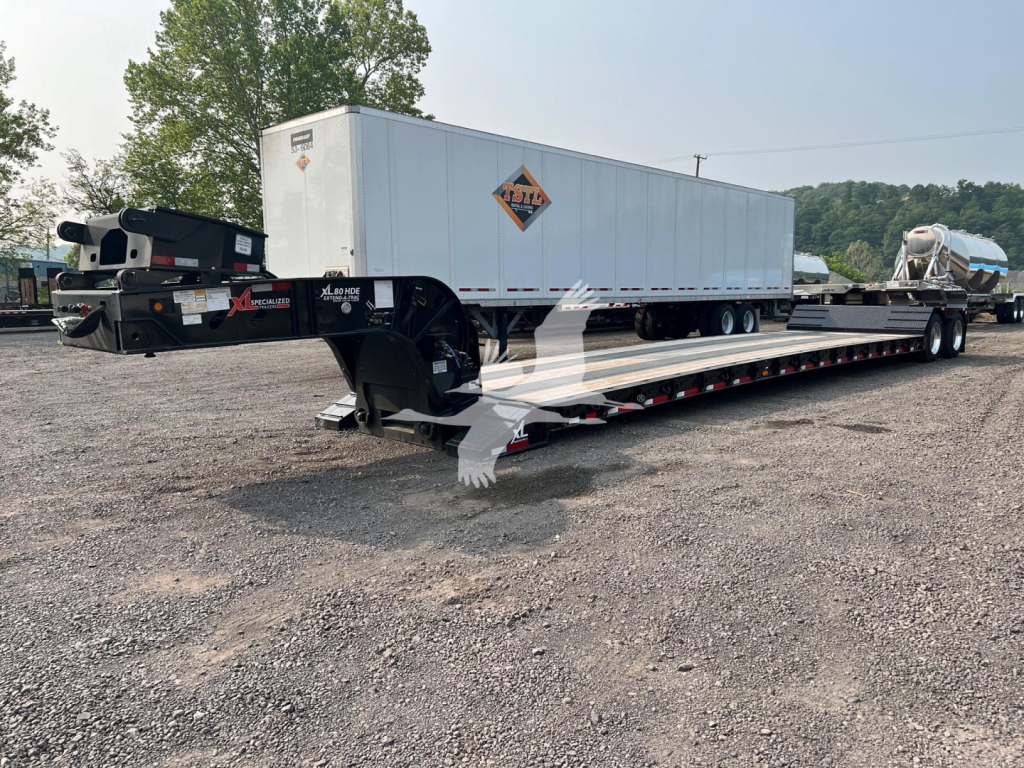
The 2024 XL Specialized lineup commonly seen in the market includes lowboy trailers, mini deck lowboys, hydraulic detachable gooseneck trailers, and some double drop expandable configurations. Most are designed for heavy equipment hauling and focus on low loaded deck height, strong main beam construction, and compatibility with flip axles or neck extensions. Buyers will often see models in the 40 ton, 55 ton, and 80,000 lb distributed classes.
What should I look at first when comparing 2024 XL Specialized lowboy trailers?
Start with capacity, loaded deck height, and main deck length. Those three factors usually determine if the trailer will handle your most common machines without clearance or weight distribution issues. After that, review axle count, axle spacing, kingpin setting, swing clearance, and whether the gooseneck is hydraulic detachable and non-ground-bearing. Features like outriggers, chain drops, Apitong flooring, and flip axle provisions are also important if you haul different equipment types or need more securement options.
Why does deck height matter so much on an XL Specialized trailer?
Deck height directly affects legal load height, route flexibility, and the type of equipment you can haul without permit complications. A lower main deck is especially useful for tall machines such as excavators, loaders, and forestry equipment. On XL Specialized trailers, mini deck and low profile designs can provide a meaningful advantage when bridge clearances and overhead restrictions are tight. A low deck can also improve stability, but it needs to be balanced against ground clearance and loading conditions.
Are XL Specialized trailers typically set up for flip axles and detach neck operation?
Many XL Specialized heavy haul trailers are designed with flip axle connections at the rear and hydraulic detachable goosenecks at the front. That setup gives operators more flexibility to adjust capacity, bridge spacing, and loading method based on the job. Not every trailer includes the flip axle or neck accessories as part of the base configuration, so buyers should verify exactly what hardware, hydraulic provisions, and connection components are present. That detail affects both usable capacity and total ownership cost.
What suspension and running gear are common on 2024 XL Specialized trailers?
Air ride suspension is very common on 2024 XL Specialized trailers, with Hendrickson axles and suspension components frequently specified. Typical tire sizes include 255/70R22.5 or 275/70R22.5, and wheel packages often combine aluminum outer wheels with steel inner wheels. Buyers should also check for manual dump valves, mechanical or manual ride height controls, and lift axle provisions where applicable. These features influence ride quality, loading angle, maintenance, and how well the trailer adapts to different machines and road conditions.