
2024 XL Specialized Trailers For Sale
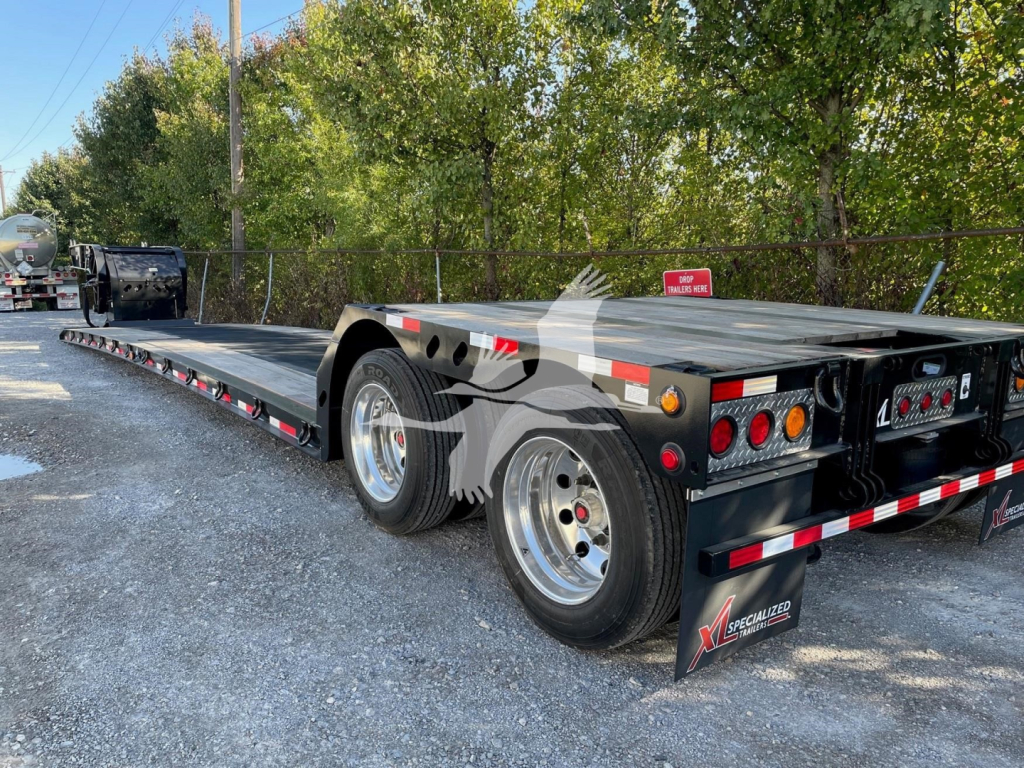
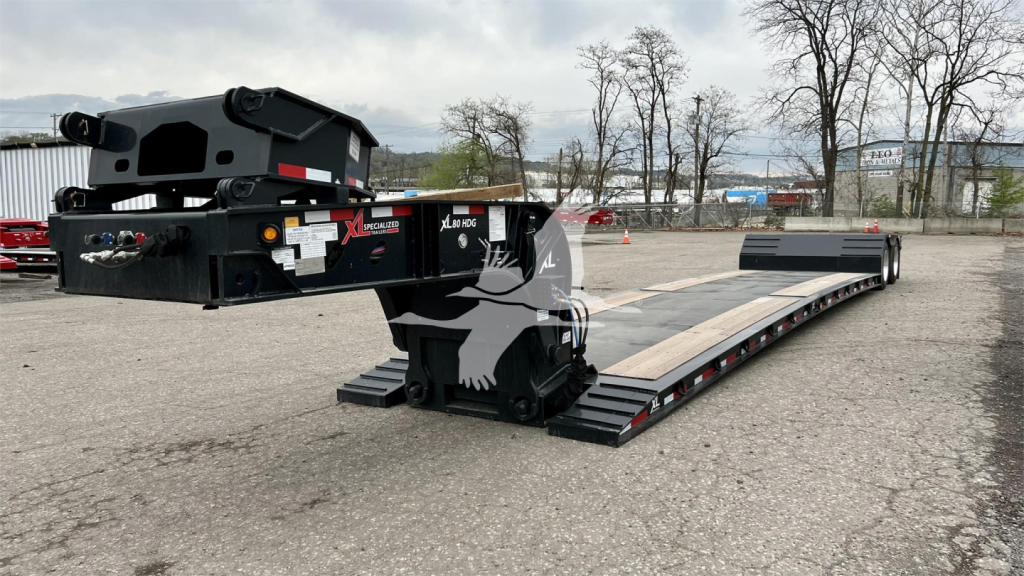
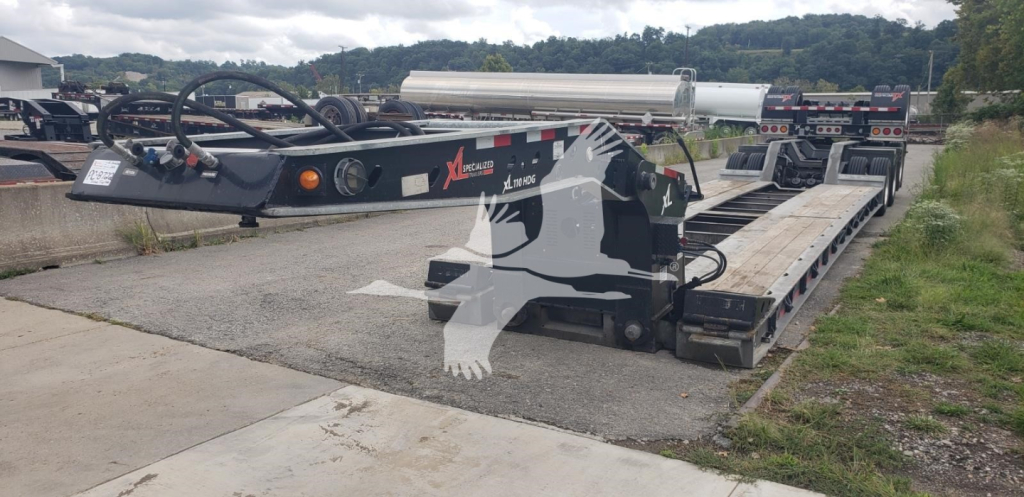
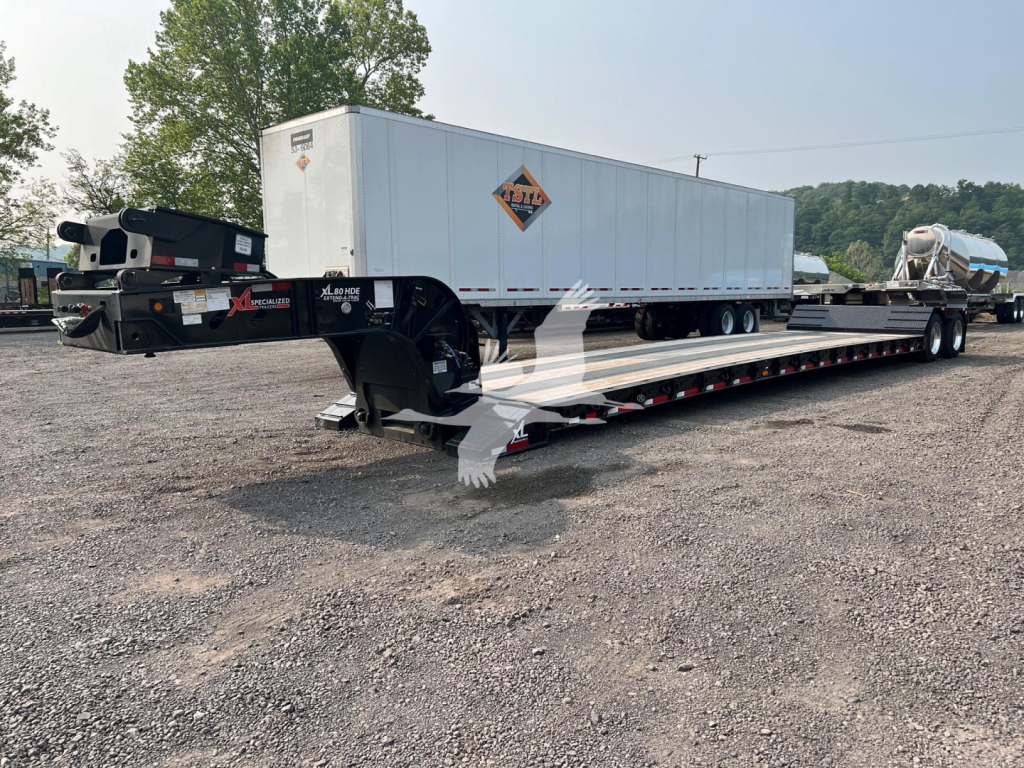
Shop 2024 XL Specialized trailers including lowboy and heavy haul configurations with detachable necks, air ride suspension, and Apitong decking.
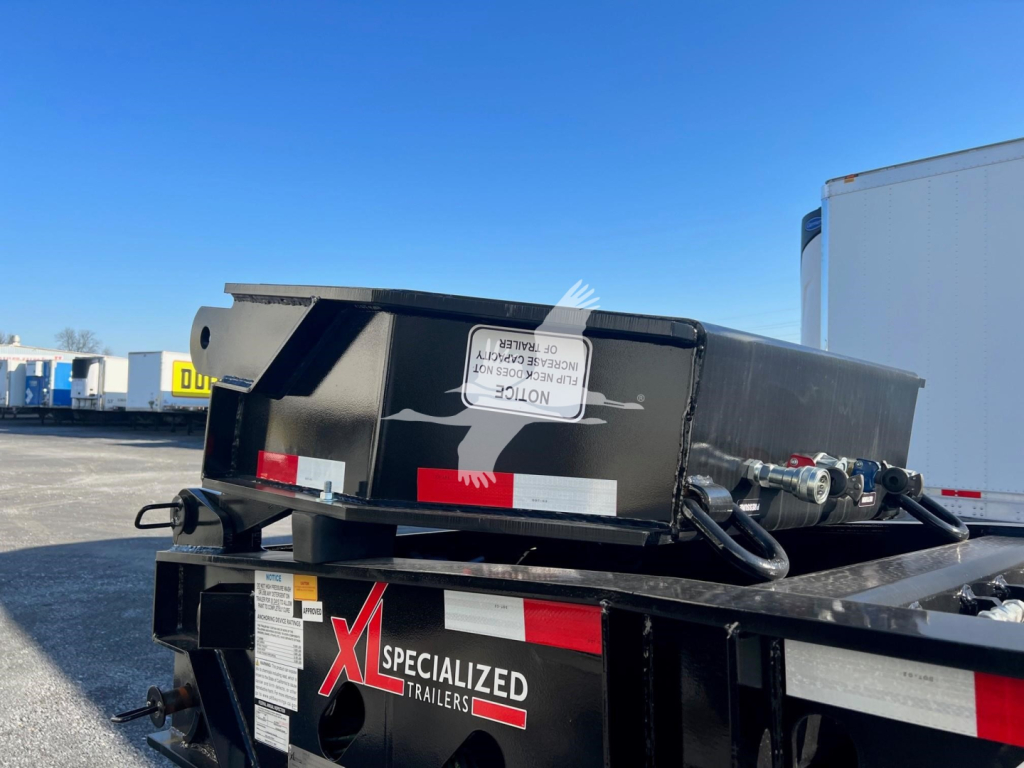
Selling a 2024 xl specialized trailer? List your 2024 xl specialized trailer for sale and reach thousands of commercial buyers.
2024 XL Specialized Trailers
The biggest buying decision is matching the trailer layout to the freight. A lowboy or lowbed trailer is the standard choice for taller equipment because the main deck typically sits around the 18-inch range, helping keep loaded height legal. Detachable gooseneck, or RGN-style, configurations speed up loading for tracked machines and wheeled equipment that can be driven directly onto the deck. Double drop expandable models make more sense when cargo length varies or when extra well space is needed. Common specs in this class include 102-inch width, tandem or tri-axle setups, air ride suspension, 255/70R22.5 or 275/70R22.5 tires, Apitong flooring, and kingpin settings designed to work with heavy-spec road tractors.
For buyers comparing listings, pay attention to capacity in a stated length, not just the headline ton rating. A 55-ton rating in 12 feet means more than a broad max payload number if you regularly haul concentrated equipment loads. Deck length, rear deck length, loaded fifth-wheel height, and swing clearance all affect day-to-day use. So do practical features like raise-and-lower valves, air lift axles, chain drops on 24-inch centers, D-rings, front flip ramps, and toolbox placement. If you expect to run a flip axle or spreader bar, confirm the trailer is built for that setup from the factory. On specialized heavy-haul trailers, compatibility and geometry are just as important as raw GVWR.
Construction details also deserve a close look because they directly affect service life and resale. Many XL Specialized trailers in this class use steel frames with fabricated I-beam side rails and hardwood Apitong decking for durability under concentrated loads and repeated equipment loading. Outrigger design, crossmember spacing, lighting layout, and suspension brand all matter when the trailer is working in rough jobsites or under permit loads. A buyer comparing 2024 XL Specialized trailers should focus on neck style, deck height, axle count, suspension configuration, and load securement layout first. Those are the specs that determine whether the trailer fits your freight mix, tractor setup, and route requirements.
Frequently Asked Questions about 2024 XL Specialized Trailers
What types of trailers does XL Specialized commonly build in this category?
XL Specialized is best known for heavy-haul trailer designs such as lowboy trailers, detachable gooseneck trailers, RGN-style equipment trailers, and double drop expandables. These trailers are built to carry tall, heavy, or concentrated loads that would be difficult to move on a standard flatbed. Common applications include construction equipment, agricultural machines, earthmoving gear, and over-dimensional freight that requires low deck height and strong securement points.
What should I check first when comparing XL Specialized lowboy trailers?
Start with the deck height, axle configuration, and neck style. Deck height determines loaded overall height, which is critical for legal transport. Axle count affects capacity, bridge compliance, and how the trailer handles concentrated weight. Neck style, especially hydraulic detachable versus mechanical or fixed designs, affects loading speed and compatibility with your operation. After that, review the rated capacity in a specific deck length, flip axle readiness, kingpin settings, and whether the trailer has features such as outriggers, bucket wells, and chain drops.
Why is Apitong flooring common on heavy-haul trailers?
Apitong is widely used because it holds up well under repeated equipment loading, point loading, and harsh jobsite conditions. It provides good durability and traction while resisting wear better than many lighter wood options. On lowboys and detachable trailers, flooring takes constant abuse from tracks, tires, chains, and loading ramps, so deck material is not a minor detail. Buyers who run iron regularly often prefer Apitong because it supports long-term serviceability and easier deck repairs.
How important is flip axle compatibility on an XL Specialized trailer?
Flip axle compatibility is very important if your loads regularly push axle weight limits or require permit configurations. A trailer built to accept a flip axle or spreader bar gives you more flexibility for heavier machines and changing state requirements. It is not enough to assume any heavy-haul trailer can take a flip axle later. The rear frame design, connection points, lighting, and intended geometry all need to support that setup properly. If future capacity matters, factory-designed compatibility is a strong advantage.
What suspension and running gear features matter most on these trailers?
Air ride suspension is common in this class because it helps protect the load, improves ride quality, and supports height adjustment during loading and transport. Buyers should also look at suspension brand, axle spacing, lift axle function, tire size, wheel material, and the presence of raise-and-lower valves or dump valves. These details affect maintenance cost, loading practicality, and how well the trailer can be tuned for different equipment weights. On a heavy-haul trailer, the running gear is a major part of both operating performance and long-term ownership cost.