
Used Trailers For Sale in New Mexico
Browse used trailers for sale in New Mexico, including flatbeds, reefers, dump trailers, lowboys, and other commercial hauling options.
Learn more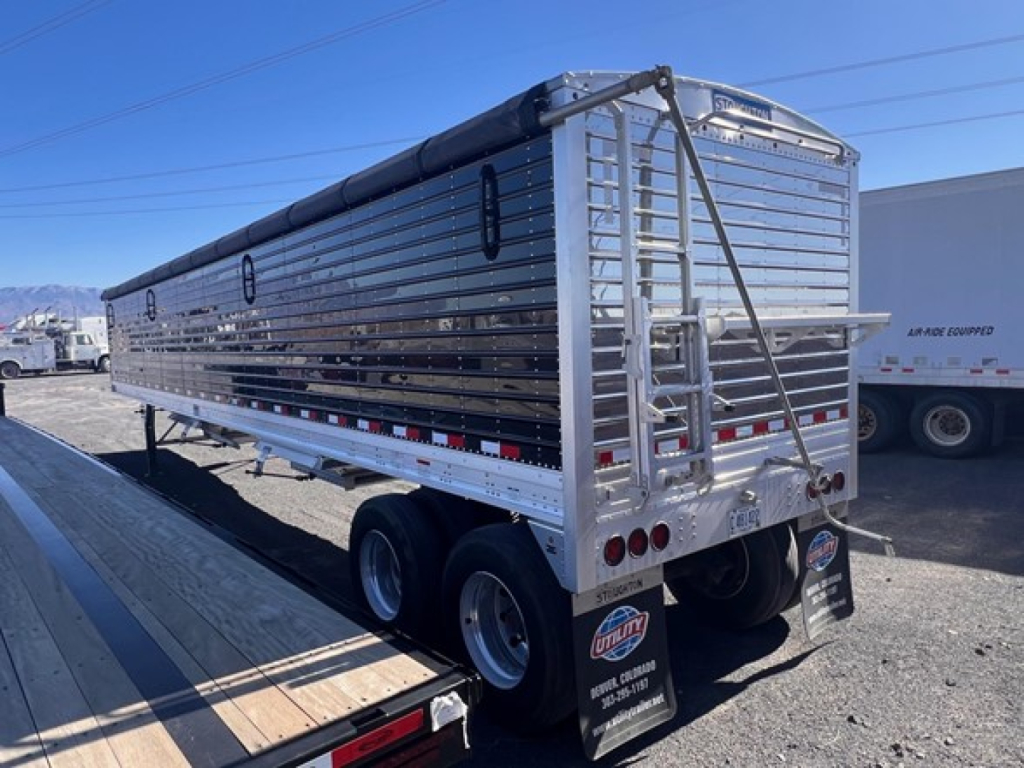
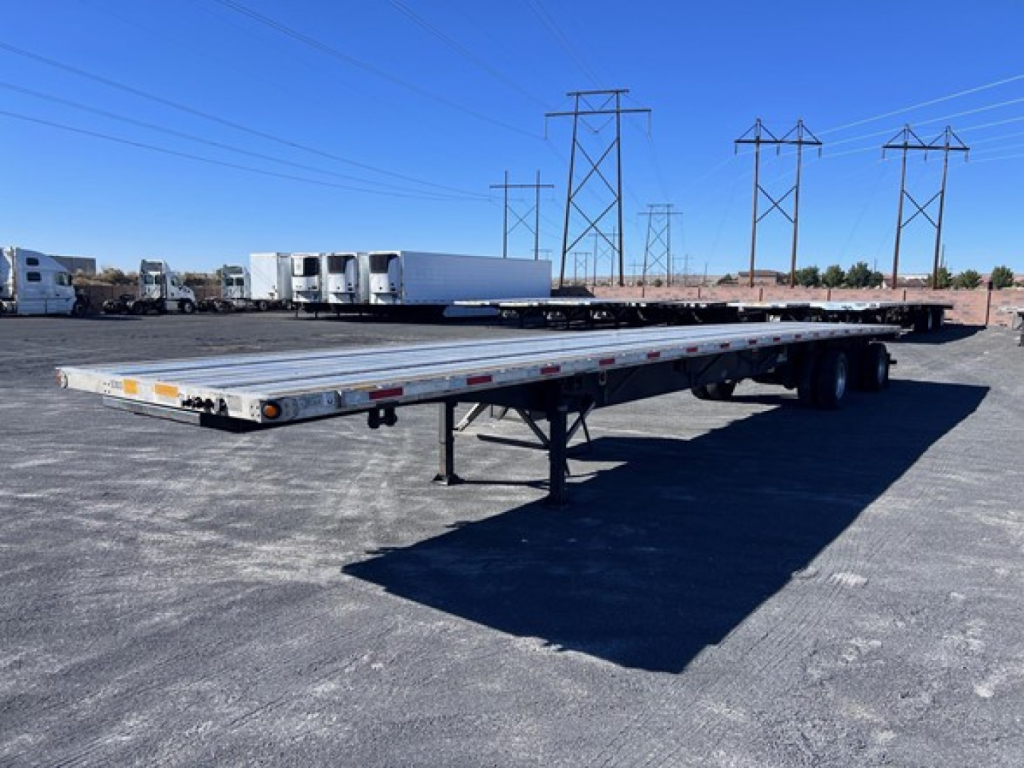
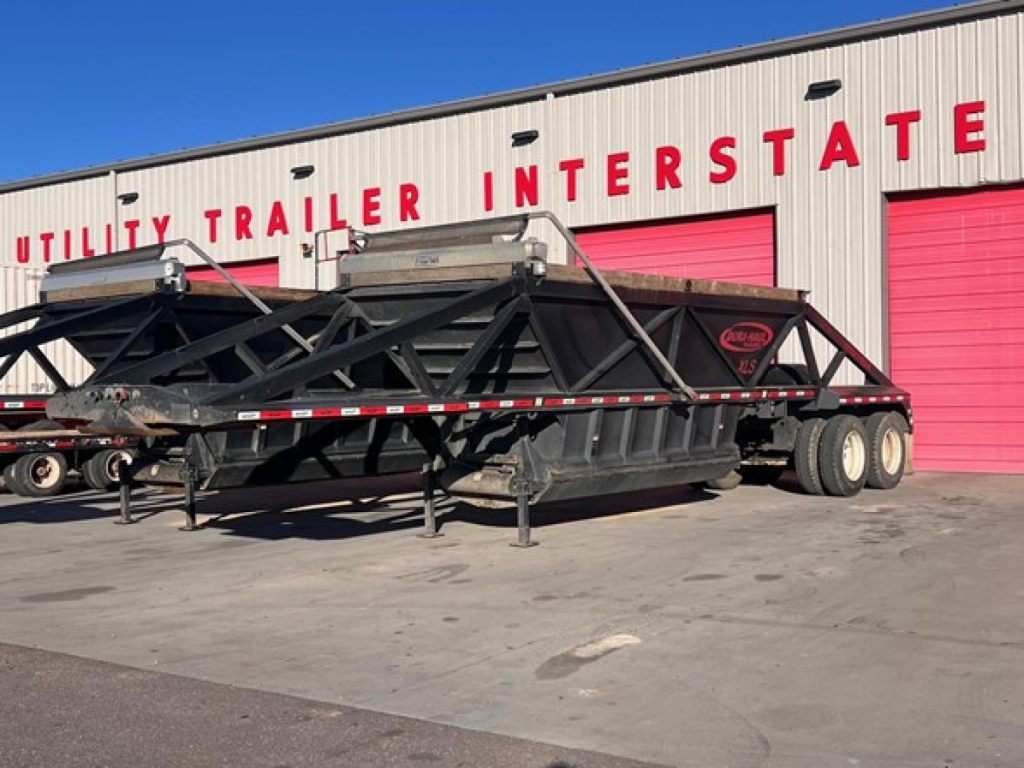
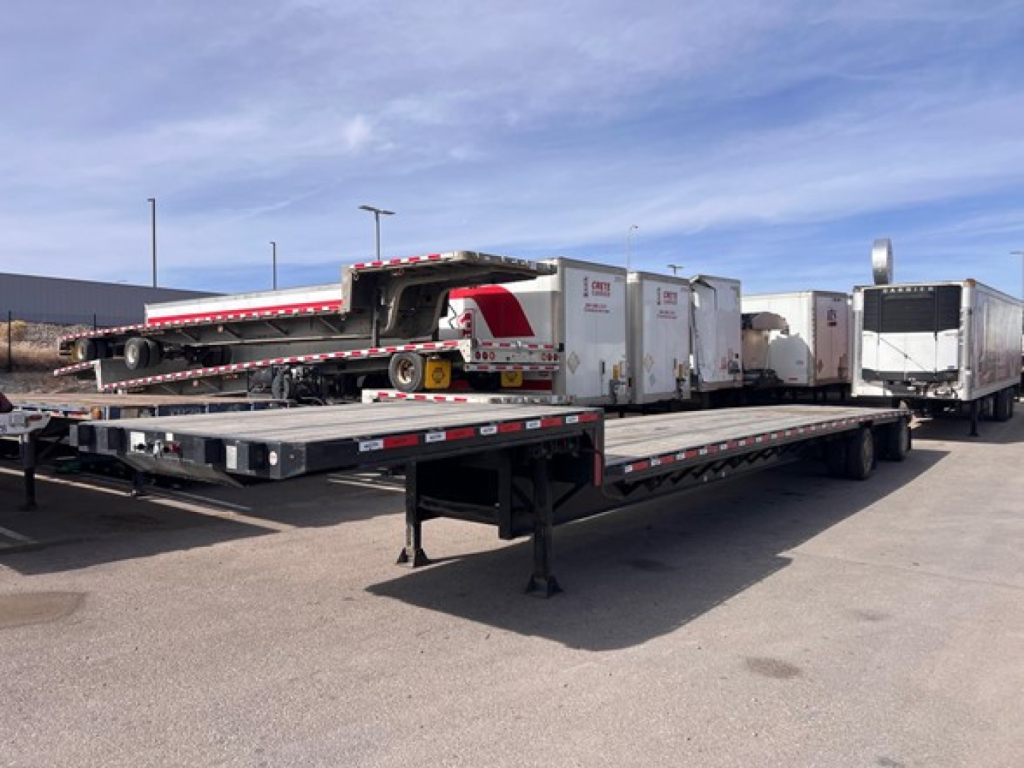
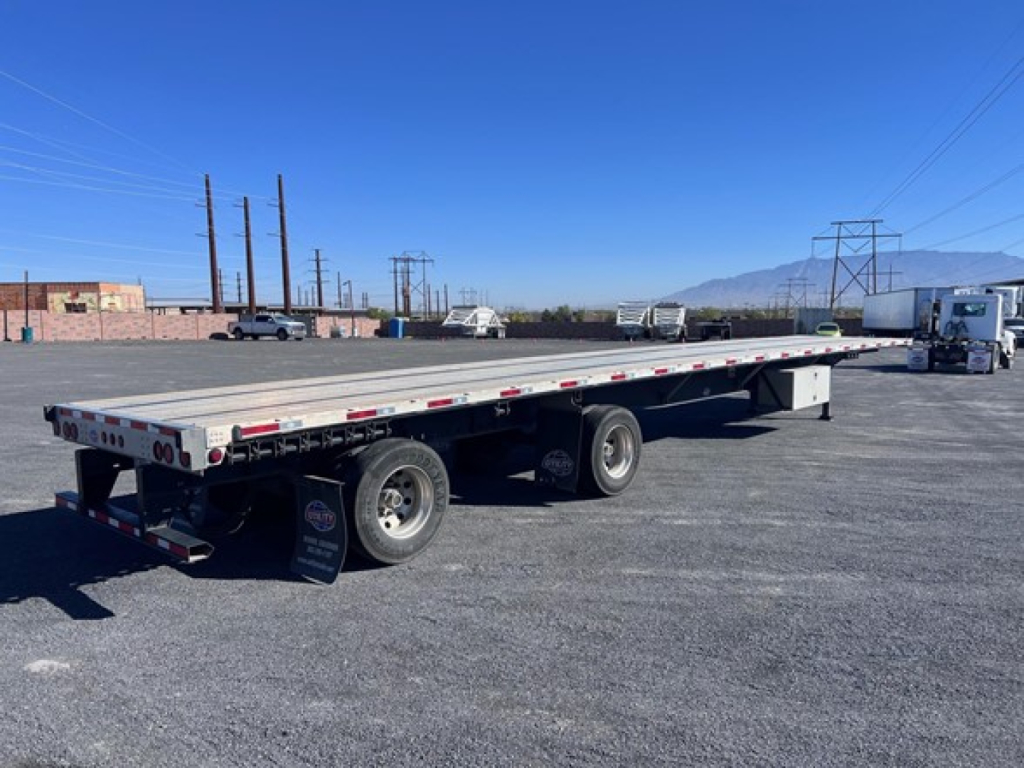
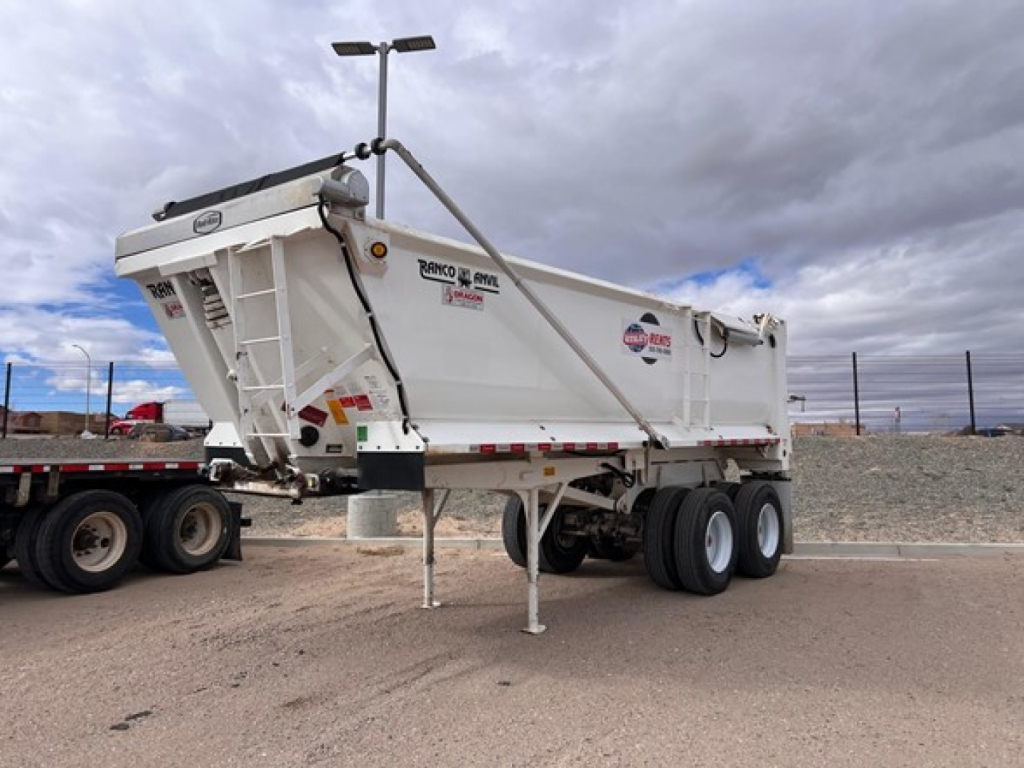
Showing 13 to 18 of 18 results
Have used trailer to sell? List it here to reach thousands of buyers.
About Used Trailers in New Mexico
New Mexico operating conditions make trailer spec decisions more important than they look on paper. Long interstate stretches, heat, elevation changes, and work in oilfield, aggregate, construction, and agricultural lanes all put different demands on suspension, tires, brakes, and trailer structure. Air ride suspension is common on freight-sensitive applications like flatbeds and reefers, while severe-duty dump and lowboy trailers are often judged by frame strength, floor material, and axle setup. Buyers should pay close attention to overall length and width, tandem versus tri-axle layouts, fixed spread or sliding axle configurations, and whether the trailer is California legal if it will run multi-state lanes. Tire size, wheel material, disc versus drum brakes, and tire inflation systems can also affect uptime and maintenance costs.
On flatbeds, key details include combination versus all-aluminum construction, nail strips, sliding winches, stake pockets, pipe spools, coil package equipment, and toolbox count. For reefers, the refrigeration unit brand, reefer hours, start-stop capability, chute design, scuff liners, rear door condition, and floor wear are usually more important than appearance alone. A used reefer with a well-documented Carrier or Thermo King unit, solid insulation, and a clean duct floor will generally hold value better than one with cosmetic appeal but poor temperature-control history. Dump trailer buyers should focus on steel grade, quarter frame or full-frame design, half-round or elliptical tub shape, tarp system, gate type, and hoist compatibility. Lowboy buyers should look closely at removable hydraulic gooseneck systems, deck length, well length, outriggers, D-rings, boom troughs, bucket wells, and adjustable ride height, especially if the trailer will move excavators, dozers, or other tracked equipment.
For used trailers in New Mexico, condition is more than model year. Buyers should inspect crossmembers, frame rails, floor wear, suspension bushings, wheel ends, kingpin area, landing gear, lighting, and signs of weld repair or corrosion. Reefer trailers need unit service records and structural inspection around the front wall and evaporator area. Flatbeds should be checked for deck damage, rail integrity, and winch track wear. Dump trailers need careful review of tub cracking, hinge points, tarp hardware, and gate sealing. Lowboys require close inspection of neck structure, hydraulic systems, axle alignment, and deck stress points. A used trailer that is correctly spec'd for the freight and maintained in the right places will usually outperform a newer trailer with the wrong configuration.
Frequently Asked Questions
What types of used trailers are most common in New Mexico?
Used flatbeds, refrigerated trailers, dump trailers, and lowboys are all common in New Mexico because they match the state's freight mix. Flatbeds are widely used for steel, lumber, pipe, and machinery. Reefers support food and temperature-sensitive freight on regional and long-haul lanes. Dump trailers are common in aggregate, paving, demolition, and construction work. Lowboys are frequently used for heavy equipment transport in construction, energy, and site development applications.
What should I inspect first on a used trailer?
Start with the structure and running gear. Check frame rails, crossmembers, suspension components, axle alignment, brakes, tires, wheel ends, kingpin wear, and landing gear operation. Then inspect application-specific items such as reefer unit hours and service history, flatbed decking and winch tracks, dump tub condition and gate hardware, or lowboy neck hydraulics and deck stress points. Cosmetic condition matters less than structural integrity and maintenance history.
Is a sliding tandem better than a fixed spread axle on a used trailer?
It depends on the freight and the states where the trailer will run. Sliding tandems give more flexibility for bridge law compliance, loading balance, and dock positioning, which is why they are common on van and reefer applications. Fixed spread axles can offer payload and stability advantages in some flatbed operations, but they are less flexible for axle weight adjustment. Buyers should match axle configuration to route, commodity, and loading pattern rather than assume one setup is always better.
What matters most when buying a used reefer trailer?
The refrigeration unit and the insulated trailer body are the two major value points. Buyers should review reefer hours, maintenance records, unit brand, start-stop function, chute condition, floor wear, scuff liners, rear doors, and signs of insulation or front wall damage. A reefer with a reliable unit and a sound interior is usually a better purchase than one with lower miles but poor temperature-control history. Floor condition and door sealing are especially important for maintaining airflow and product protection.
How do I choose the right used lowboy or dump trailer?
For a lowboy, focus on payload requirement, deck height, well length, axle count, detachable gooseneck type, and load securement features such as outriggers and D-rings. For a dump trailer, focus on cubic yard capacity, body material, tub shape, frame design, gate style, tarp system, and suspension. Both trailer types need close inspection for structural fatigue because they often work in severe-duty applications. The best choice is the one spec'd for the actual material or equipment being hauled, not simply the highest-rated trailer.