
Used Utility Trailers For Sale in New Mexico
Shop used Utility trailers in New Mexico, including dry vans and flatbeds with common specs, suspension options, and hauling features buyers want.
Selling a used utility trailer? List your used utility trailer for sale and reach thousands of commercial buyers.
Used Utility Trailers in New Mexico
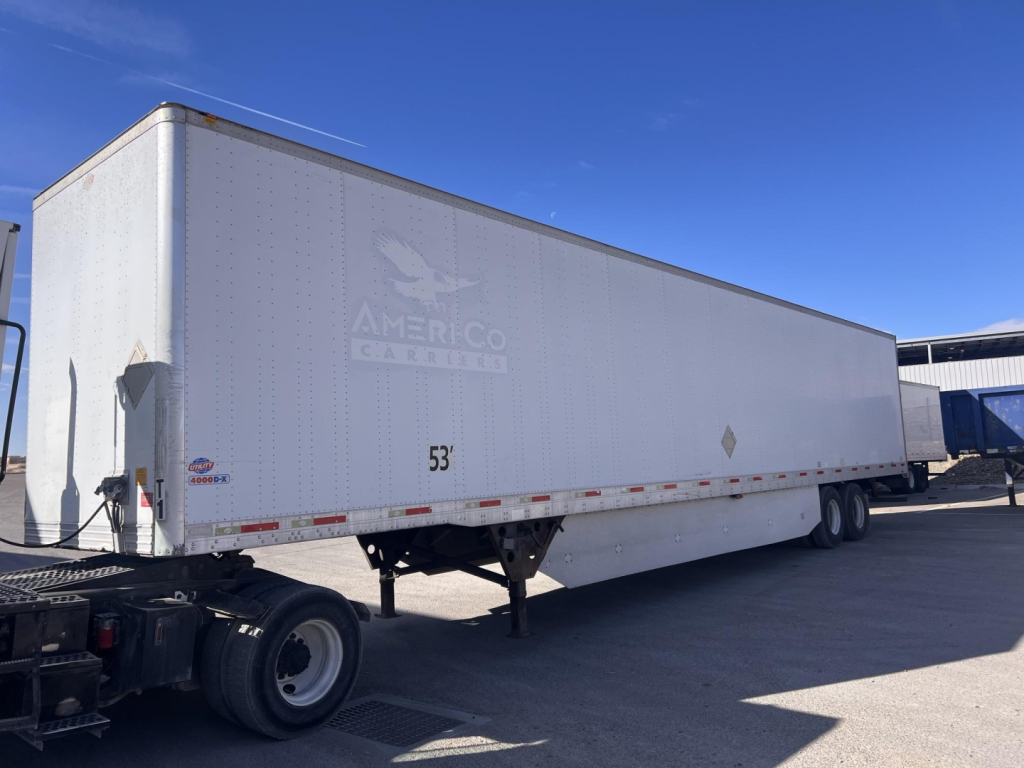
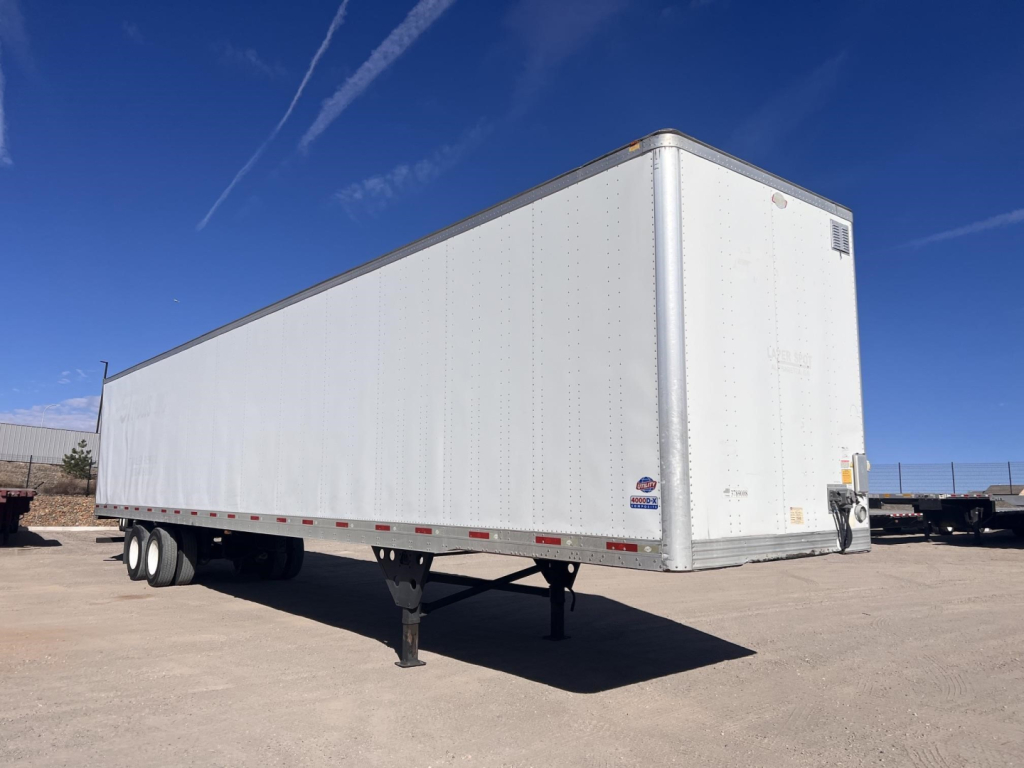
On the dry van side, buyers usually start with body condition and running gear. Common specs include 53' x 102" dimensions, air ride suspension, slider tandems or closed tandem setups, rear swing doors, wood floors, composite wall panels, aluminum roofs, and logistics posts for load securement flexibility. Pay close attention to floor wear, lower rail damage, roof bow condition, door frame alignment, and the inside wall surface if the trailer has spent time in high-cycle dock service. Side skirts may add fuel-saving value for linehaul work, but they should be checked for damage from curbs, yard moves, and rough entrances. A used Utility van with a straight frame, sound floor, and a healthy suspension can be a cost-effective trailer for dry freight, packaged goods, and palletized loads.
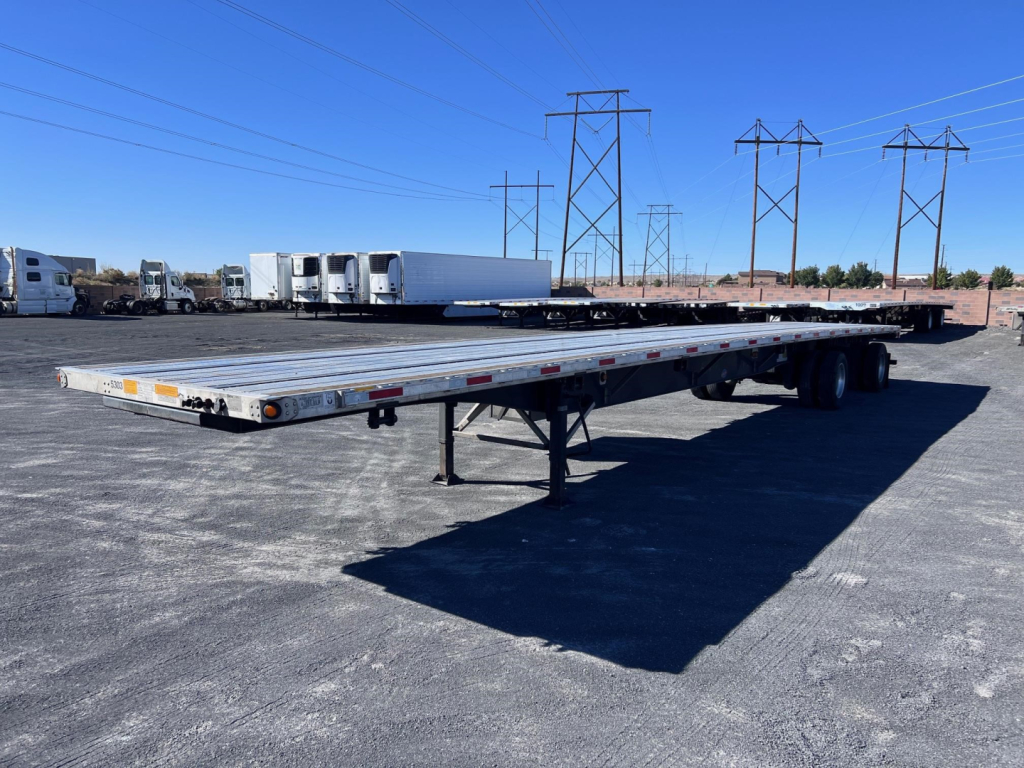
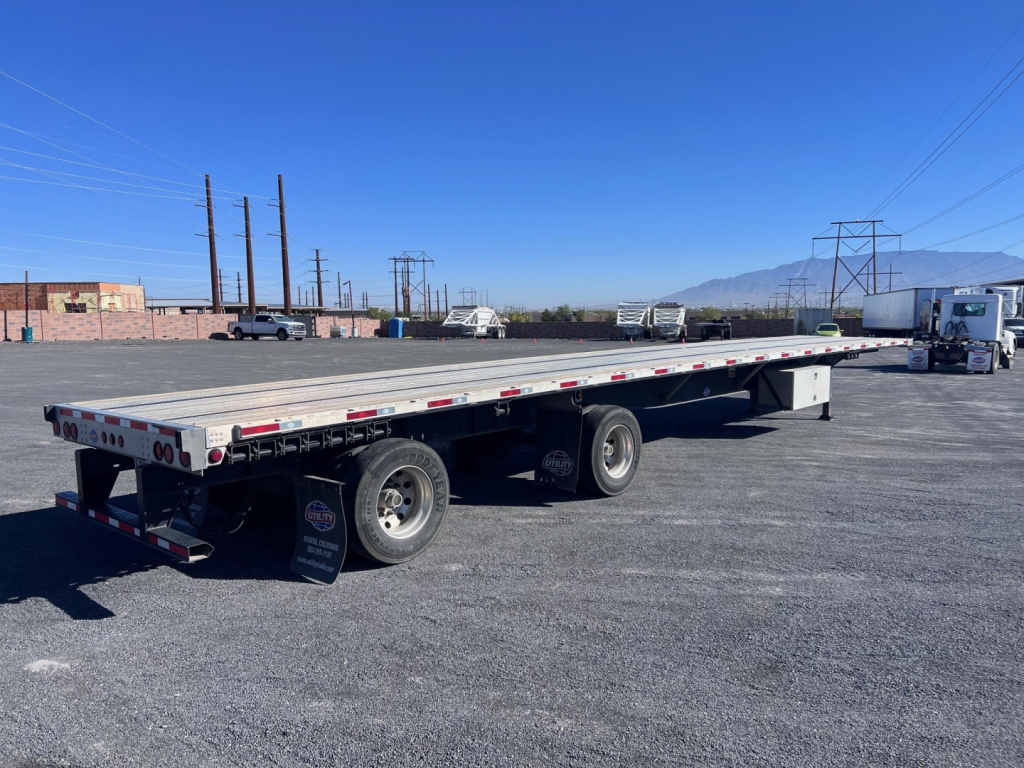
For flatbed buyers, Utility combo trailers are popular because they balance weight savings with durability. A typical setup includes steel main beams with aluminum crossmembers and rails, stake pockets, pipe spools, sliding winches, nail strips, and often a coil package. That combination works well for steel, lumber, machinery, and construction materials. In New Mexico and the surrounding Southwest, axle configuration matters because buyers may need flexibility for bridge law, California legality, or customer dock and yard requirements. Air ride is common and generally preferred for more sensitive freight, while a sliding rear axle or spread arrangement can change how the trailer fits a particular operation. Check the deck closely for cracked boards, loose fasteners, damaged winch tracks, bent crossmembers, and signs of concentrated loading around the coil area.
A good used Utility trailer should be evaluated as a working asset, not just by model year. Tire size, wheel material, brake condition, lighting, ICC bumper integrity, and suspension wear all affect operating cost after purchase. Dry van buyers should confirm door seal condition, water intrusion history, and compliance items such as conspicuity tape and DOT lighting. Flatbed buyers should confirm securement points, deck serviceability, and whether the trailer already has the features needed for the freight mix, such as toolboxes, coil bunks, or enough winch capacity. Utility trailers hold value well because the brand is widely recognized, but the best choice still comes down to how the trailer is spec'd, how it was maintained, and how closely it matches the lanes and freight you plan to run.
Frequently Asked Questions about Used Utility Trailers in New Mexico
What are the most common used Utility trailer models buyers look for?
The most common used Utility trailers on the market are the 4000DX dry van and the 4000AE combo flatbed. The 4000DX is a standard 53-foot van widely used in general freight, retail, and distribution service. The 4000AE flatbed is a lightweight combo design often used for steel, lumber, and construction freight. Both models are popular because they are well known across the industry, easy to service, and commonly spec'd with features that fit mainstream freight operations.
What should I inspect first on a used Utility dry van?
Start with the floor, roof, rear frame, suspension, and tandem assembly. Wood floor wear, water intrusion, cracked or patched roof areas, and damaged rear door frames can turn a low purchase price into a higher repair bill. Also inspect wall liners, logistics posts, crossmember condition, brake components, and tire wear. A dry van that tracks straight, seals up well, and has a solid floor is usually the better value than one with cosmetic appeal but structural issues.
What features matter most on a used Utility flatbed?
Deck condition, securement equipment, axle setup, and suspension spec matter most. Many buyers want stake pockets, sliding winches, pipe spools, nail strips, and a coil package because those features expand the range of freight the trailer can legally and safely haul. Air ride is often preferred for ride quality and cargo protection. The buyer should also confirm whether the trailer has a fixed spread, tandem, or sliding axle arrangement, because that affects bridge compliance, loading flexibility, and where the trailer can operate.
Are Utility trailers a good fit for New Mexico operations?
Yes. Utility dry vans and flatbeds fit well in New Mexico because they are commonly used in long-haul Western freight, regional distribution, agricultural support, and construction-related hauling. The brand has strong market recognition, and most repair facilities are familiar with common Utility components and trailer layouts. Buyers running across New Mexico, Texas, Arizona, Colorado, or into California often look for specs that support legal axle placement, durability in dry climates, and easy maintenance over long distances.
Is a newer used Utility trailer always the better buy?
Not necessarily. A newer trailer may offer updated specs, less wear, and better resale value, but maintenance history and current condition are more important than model year alone. An older Utility trailer with a straight frame, good brakes, healthy suspension, and documented upkeep can outperform a newer trailer that has been heavily docked, overloaded, or neglected. The best buying decision comes from matching trailer condition and spec to the freight, miles, and compliance requirements of the operation.