
Used 2024 Trailers For Sale in New Mexico
Browse used 2024 trailers for sale in New Mexico, including reefer, flatbed, drop deck, dump, and other commercial trailer types.
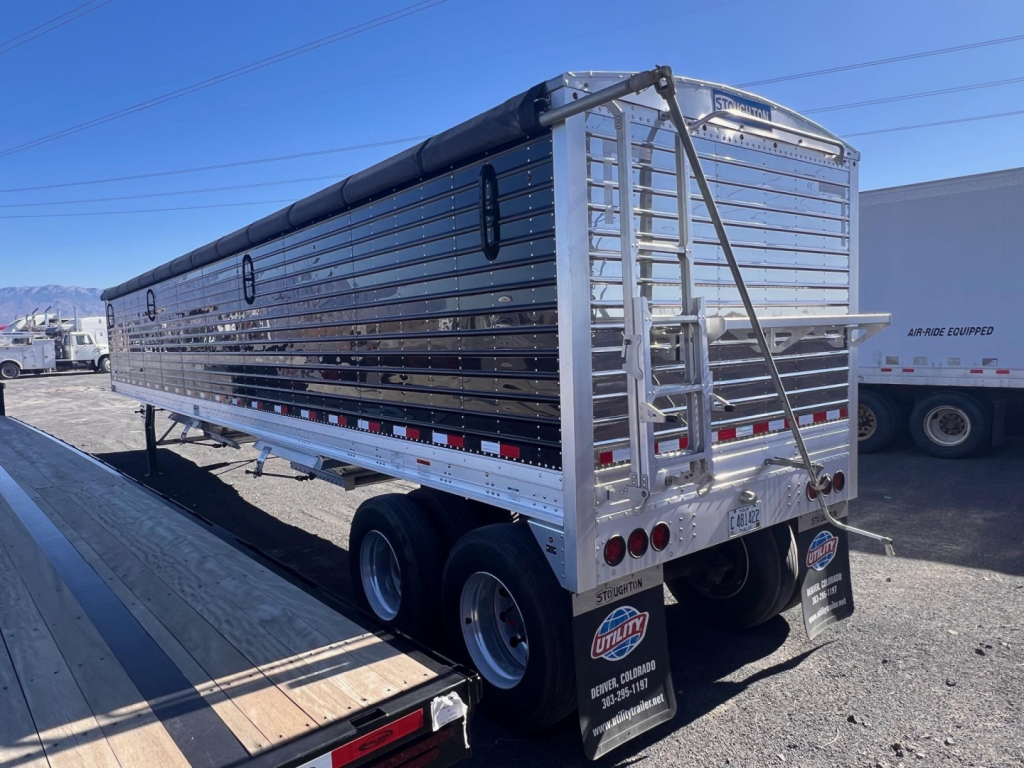
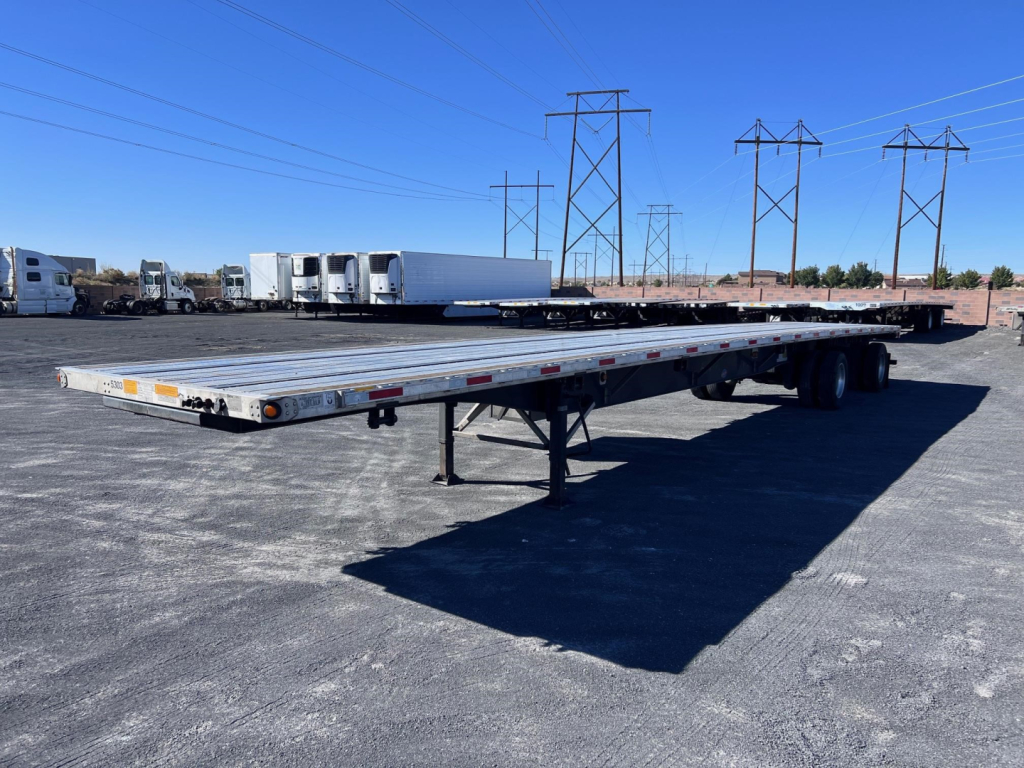
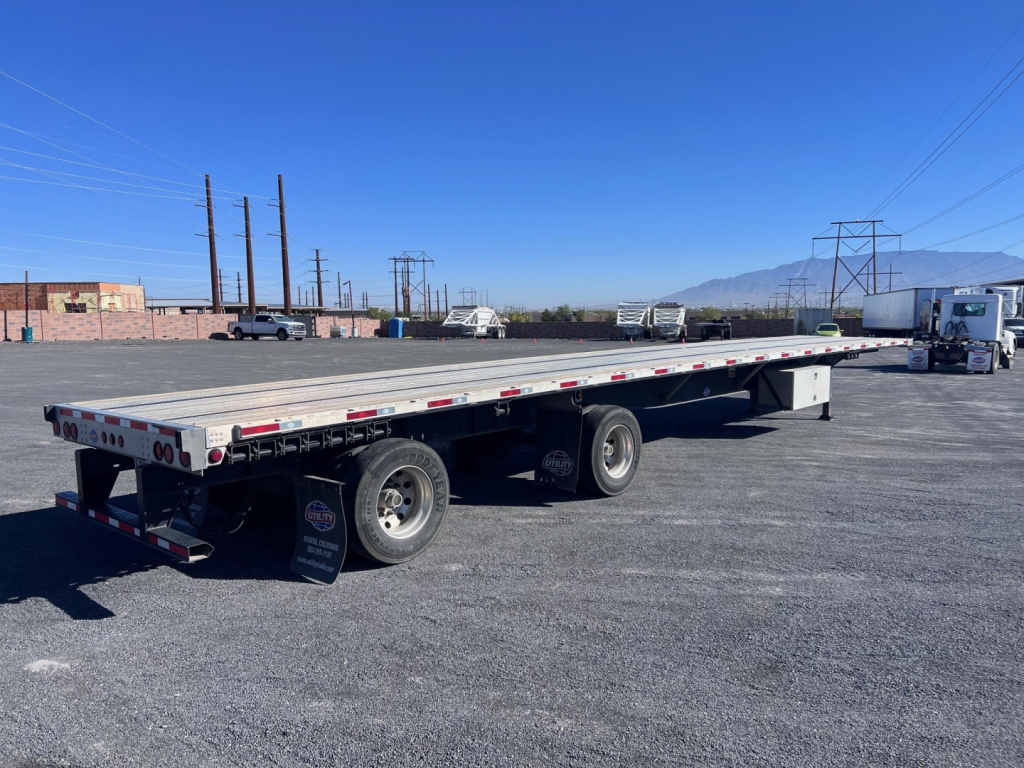
Selling a used 2024 trailer? List your used 2024 trailer for sale and reach thousands of commercial buyers.
Used 2024 Trailers in New Mexico
New Mexico buyers usually need equipment that can handle heat, elevation changes, long distances between stops, and a mix of interstate and oilfield, construction, agricultural, and regional freight work. That makes axle setup, tire size, brake spec, and suspension especially important on a used 2024 trailer. Air ride is common for reefer, flatbed, and drop deck applications where cargo protection matters, while spread or closed tandem configurations affect bridge compliance, maneuverability, and load distribution. In this model year, many trailers also include aerodynamic features, LED lighting, telematics readiness, tire inflation systems, and lighter-weight component packages that can improve payload or reduce maintenance exposure.
Condition matters more than model year alone, even on a used 2024 trailer. Buyers should inspect frame rails, crossmembers, landing gear, slider operation, ABS function, wheel-end service history, brake lining life, and any signs of impact, corrosion, or uneven tire wear. On van and reefer trailers, check scuff liners, sidewall repairs, floor wear, door hardware, and roof condition. On open-deck trailers, pay close attention to deck wear, coil package areas, winch track condition, and evidence of overloading or concentrated point loading. A newer trailer can still show hard use if it ran heavy regional cycles or specialized freight.
A used 2024 trailer can be a smart middle ground for fleets and owner-operators that want late-model specs without paying new-trailer pricing. Buyers comparing listings should look beyond make and length and match the trailer to freight profile, route density, dock environment, and service capability. The right trailer is the one with the correct body style, axle layout, tare weight, and maintenance history for the work it will actually do in New Mexico.
Frequently Asked Questions about Used 2024 Trailers in New Mexico
What should I look for when buying a used 2024 trailer?
Start with the trailer type and confirm it matches the freight you haul. After that, review structural condition, axle and suspension configuration, brake and tire condition, wheel-end maintenance, lighting, and any signs of frame damage or poor repairs. On reefer trailers, refrigeration unit hours and service records are critical. On flatbeds and drop decks, inspect the deck, winch track, stake pockets, and kingpin area closely. A used 2024 trailer is still late-model equipment, but usage pattern matters more than the calendar year.
Are used 2024 trailers a good value compared with new trailers?
Used 2024 trailers often appeal to buyers who want newer specs, updated components, and a later model year without absorbing the full cost and lead time of a new order. The value depends on maintenance history, prior application, and how closely the trailer's configuration fits your operation. A clean late-model trailer with the right axle spread, suspension, and body spec can outperform a cheaper option that does not fit your freight or compliance needs.
Which trailer types are most common in the used 2024 market?
Common late-model trailer categories include dry vans, reefers, flatbeds, drop decks, dumps, and bottom dumps. Each one serves a different job. Reefers support temperature-controlled freight, flatbeds handle open-deck general commodity hauling, drop decks carry taller freight with lower deck height, and dump-style trailers serve aggregate, agriculture, and construction work. The best choice depends on cargo dimensions, loading method, route type, and expected cycle time.
Why does axle configuration matter on a used trailer?
Axle configuration affects payload distribution, turning radius, bridge-law compliance, and tire wear. Closed tandem, spread axle, fixed tandem, and sliding tandem setups all behave differently in day-to-day service. In New Mexico and surrounding states, that matters for highway operation, jobsite access, and how easily the trailer can be positioned at docks or loading areas. Buyers should also consider whether the suspension is air ride or spring ride and how that matches cargo sensitivity and maintenance preference.
What is especially important for buyers in New Mexico?
New Mexico operations often involve high temperatures, dry conditions, rougher secondary roads, and longer runs between service points. Buyers should pay attention to tire condition, brake health, suspension wear, hub and seal condition, and cooling performance on refrigerated equipment. For open-deck and dump applications, dust exposure and off-pavement use can accelerate wear in tarp systems, suspension components, and electrical connections. A trailer that is spec'd and maintained for these conditions will usually hold up better over time.