
Used Reefer Trailers For Sale in Colorado
Browse used reefer trailers for sale in Colorado. Compare 53-foot refrigerated trailers, reefer units, insulation, floors, and multi-temp specs.
Learn more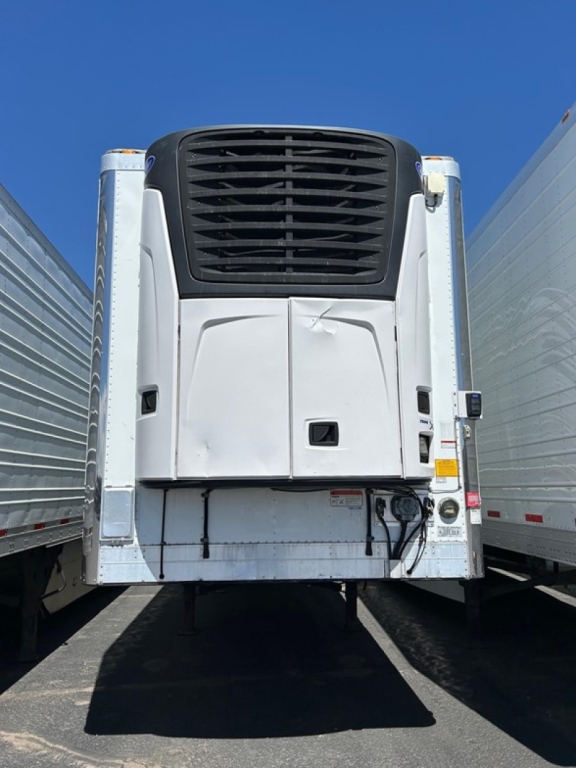
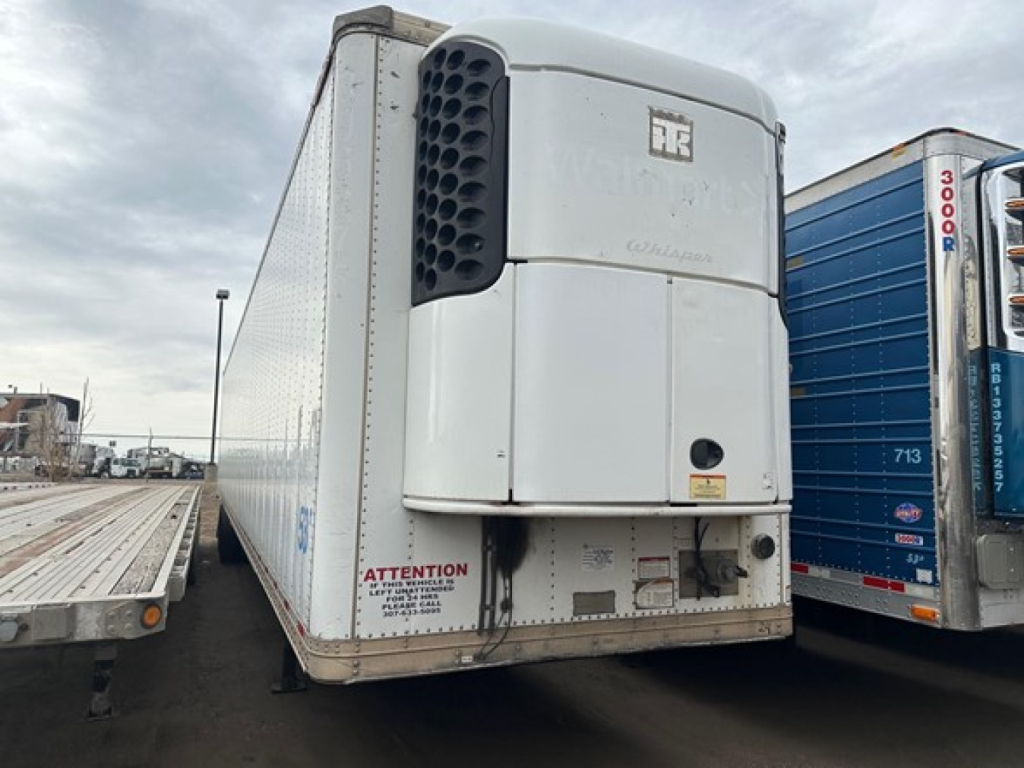
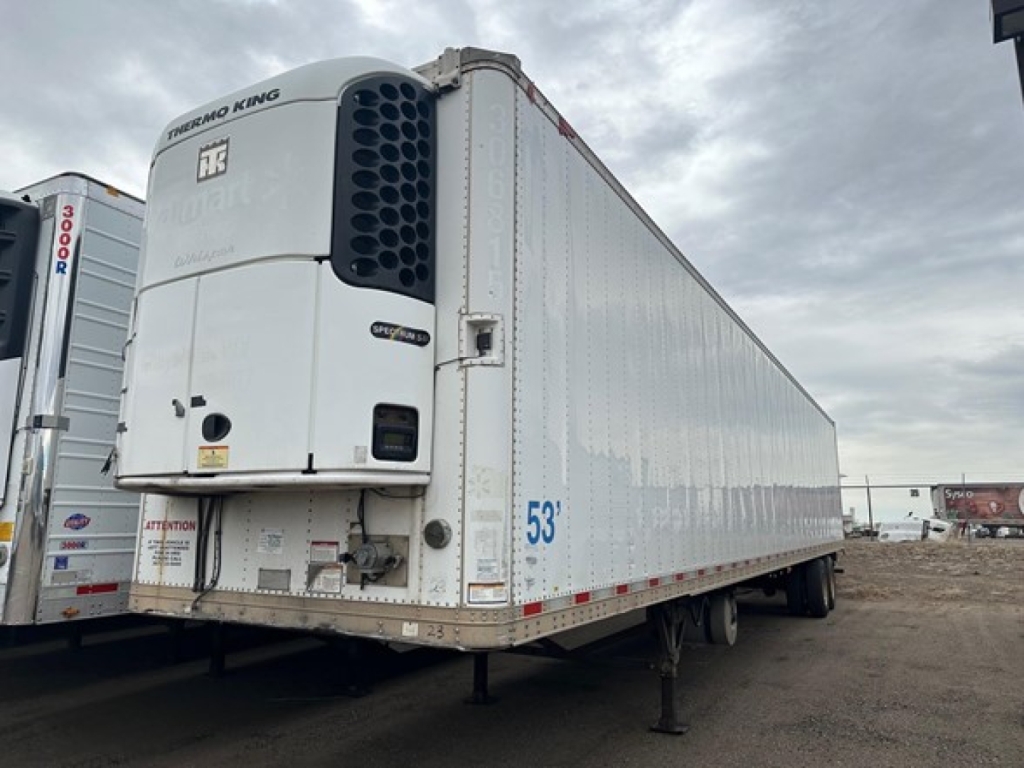
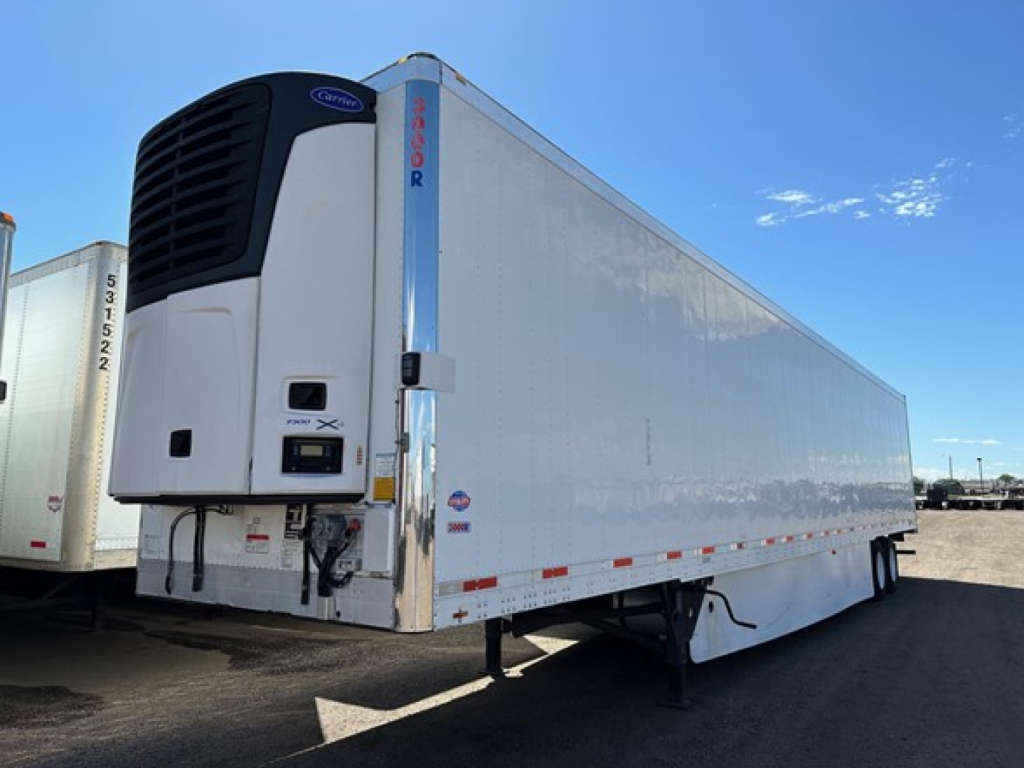
Showing 37 to 43 of 43 results
Have used reefer trailer to sell? List it here to reach thousands of buyers.
About Used Reefer Trailers in Colorado
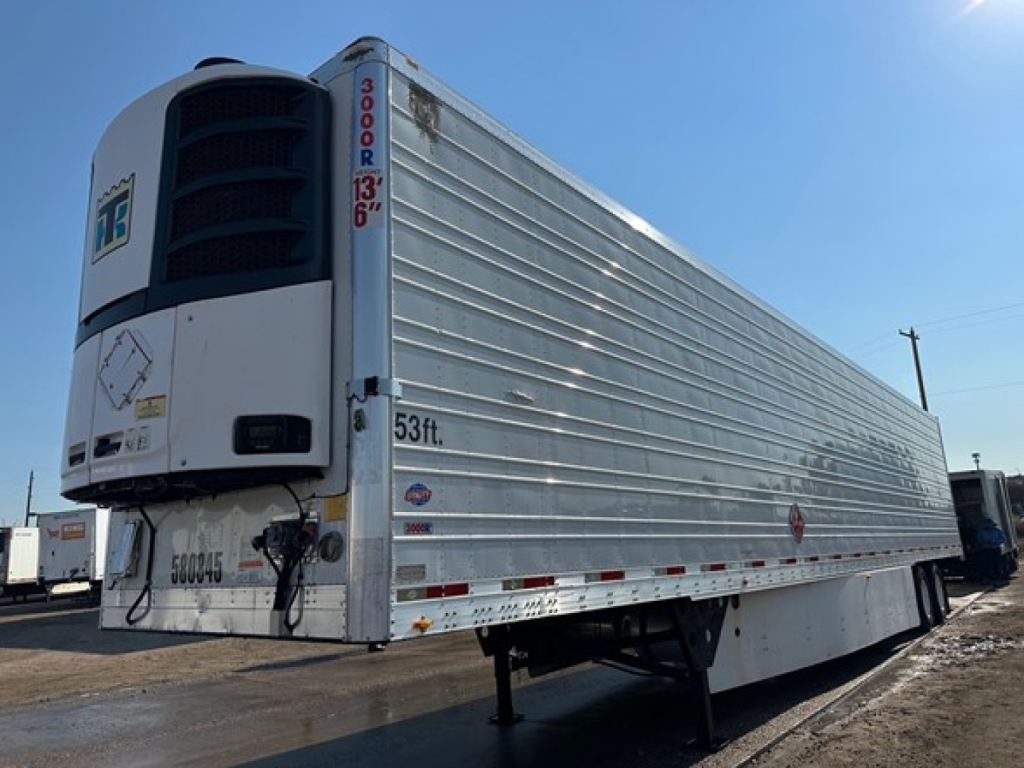
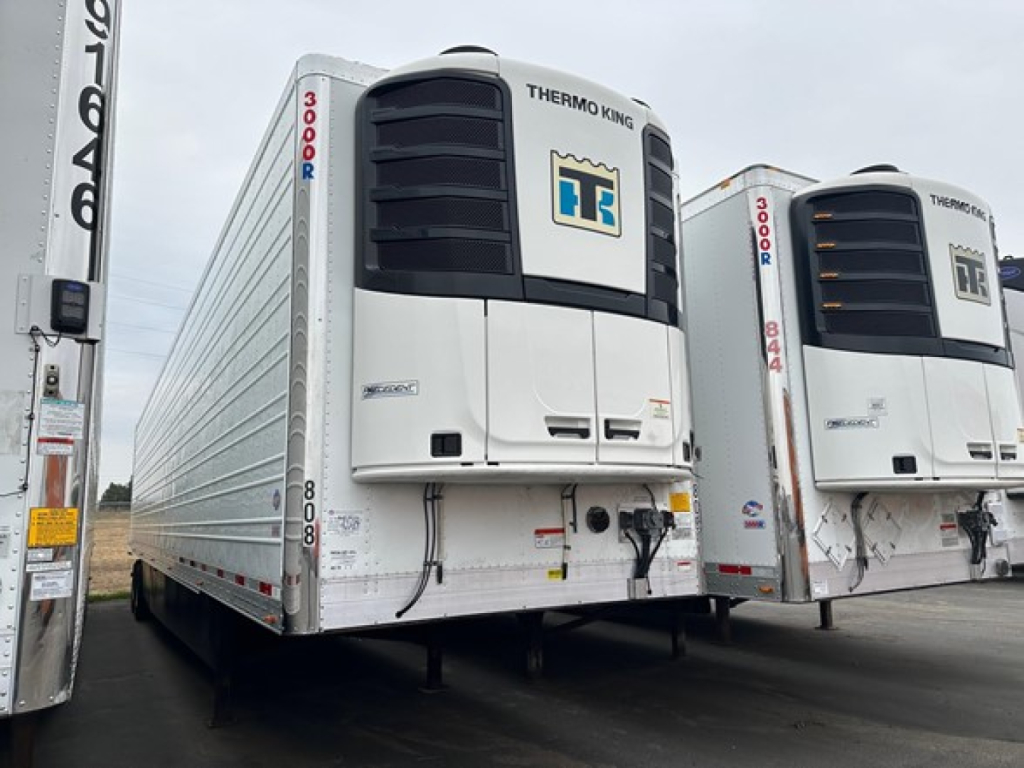
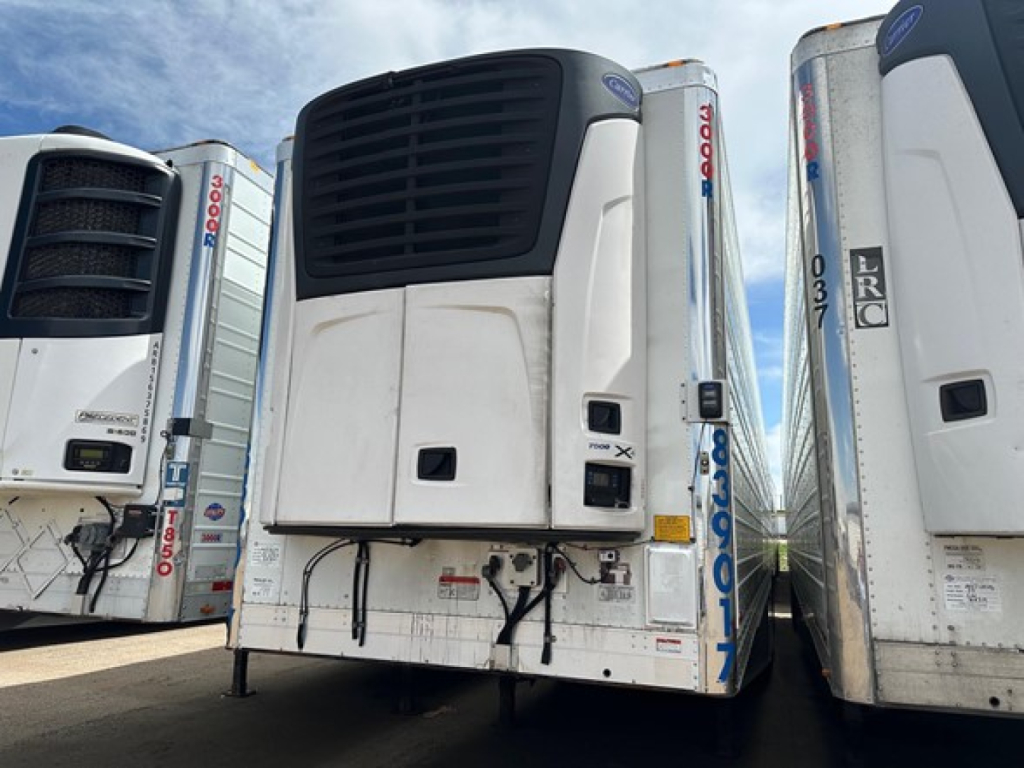
Body construction is just as important as the reefer machine. Common features on used reefer trailers include aluminum duct floors, smooth or corrugated side panels, stainless steel front corners, rear vents, anti-dock-walk systems, and swing or roll-up rear doors. Buyers should inspect the floor closely for forklift damage, soft spots, and wearband condition, especially on high-cycle grocery or foodservice equipment. Rear frame condition, ICC bumper integrity, scuff protection, and the condition of door hardware all matter because small air leaks and structural issues can turn into temperature-control problems. Side skirts, tire inflation systems, and low-profile 22.5 tires are also common on later-model units aimed at improving fuel economy and tire life.
Application should drive the spec. A single-temp reefer trailer fits general frozen or chilled freight, including produce, dairy, meat, and distribution freight moving through regional and over-the-road lanes. A multi-temp reefer, often equipped with multiple evaporators and interior bulkhead capability, is better suited for route delivery, grocery work, and mixed-load operations that need separate temperature zones. Suspension choice also matters. Air ride is generally preferred for food products, pharmaceuticals, and more delicate freight, while spring ride may still show up in certain regional or delivery applications. Closed tandem settings, air pin sliders, and California-legal unit compliance can also matter depending on lane requirements and customer contracts.
A good used reefer trailer should be evaluated as a refrigerated system, not just a van with a cold unit on the front. Buyers should compare reefer hours against trailer age, confirm service records, check for unit start behavior and alarm history, inspect insulation retention and interior cleanliness, and verify that the floor design matches the freight profile. Duct floors help maintain airflow under pallets, while flat floors may fit specific delivery patterns better. In Colorado, buyers also tend to pay attention to corrosion, roof condition, and how well the unit performs after overnight cold starts. The right trailer is the one that matches the freight, lane length, loading pattern, and compliance needs without creating avoidable fuel, repair, or product-loss costs.
Frequently Asked Questions
What should I look at first when buying a used reefer trailer?
Start with the refrigeration unit, trailer body integrity, and temperature retention. Reefer unit hours, service history, alarm codes, evaporator condition, and pull-down performance are critical. Then inspect the trailer structure for floor damage, door seal leaks, panel damage, roof issues, and rear frame wear. A used reefer trailer can look clean and still have expensive temperature-control problems if the insulation, doors, or unit condition are weak.
Is reefer unit hours more important than trailer age?
Reefer unit hours often tell you more about expected maintenance than the trailer model year alone. A newer trailer with very high unit hours may be closer to major reefer service intervals than an older trailer with lower, well-documented hours. Buyers should compare hours, maintenance records, and component replacements together. The best indicator is not just age or hours by itself, but how the unit has been maintained and how it performs under load.
What is the difference between a single-temp and multi-temp reefer trailer?
A single-temp reefer trailer is designed to hold one cargo space at one set temperature, which fits most full-truckload refrigerated freight. A multi-temp reefer trailer uses additional evaporators and interior zone management to carry products at different temperatures in the same trailer. Multi-temp setups are common in grocery and route distribution. They add flexibility, but they also add complexity, extra components, and more maintenance points.
Why does floor type matter on a reefer trailer?
Floor type affects airflow, cargo protection, and loading style. Aluminum duct floors are common because they allow cold air to move under the freight and support more even temperature distribution through the trailer. Flat floors may work for certain delivery operations but do not provide the same airflow path. Buyers should also inspect any reefer floor for forklift damage, crushed channels, and wear that can restrict airflow and reduce cooling efficiency.
Are used reefer trailers in Colorado any different to shop for?
Colorado conditions make refrigeration performance and structural condition especially important. Elevation changes can affect engine performance and cooling efficiency, while cold winters and hot summers put more demand on the reefer system. Buyers should pay close attention to cold-start operation, insulation quality, door seal condition, and roof integrity. Trailers running mountain or regional distribution lanes may also show different wear patterns in brakes, suspension, and rear frame areas.