
Used 2018 Reefer Trailers For Sale in Colorado
Browse used 2018 reefer trailers for sale in Colorado. Compare 53-foot refrigerated trailers, reefer units, floors, suspensions, and specs.
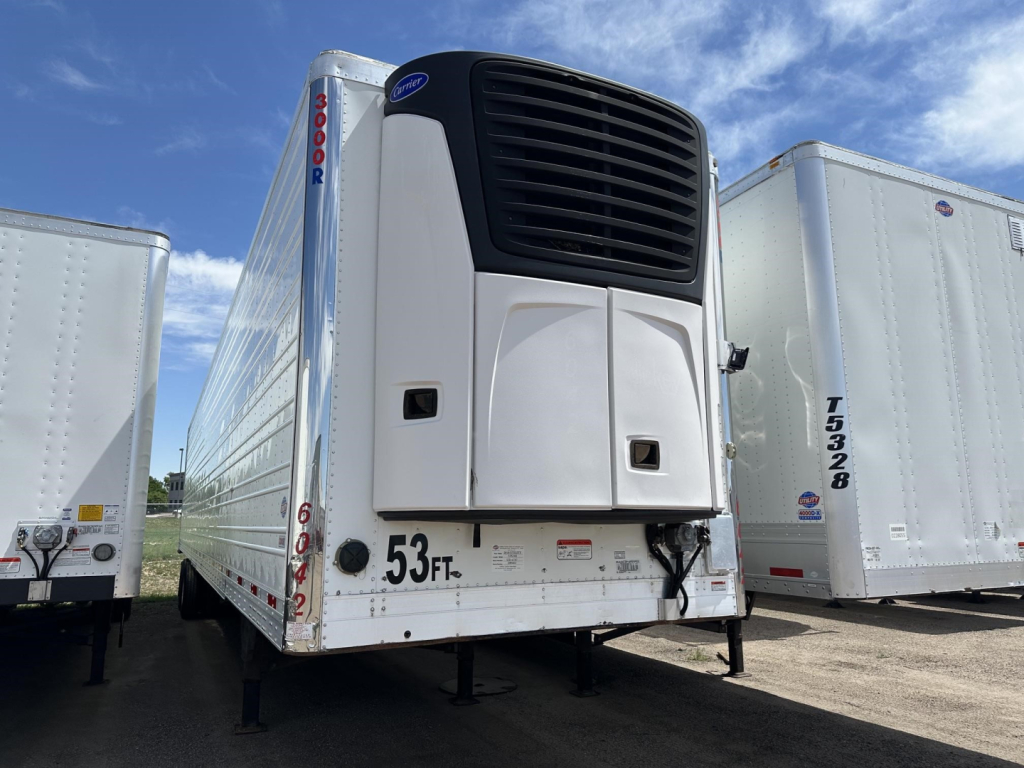
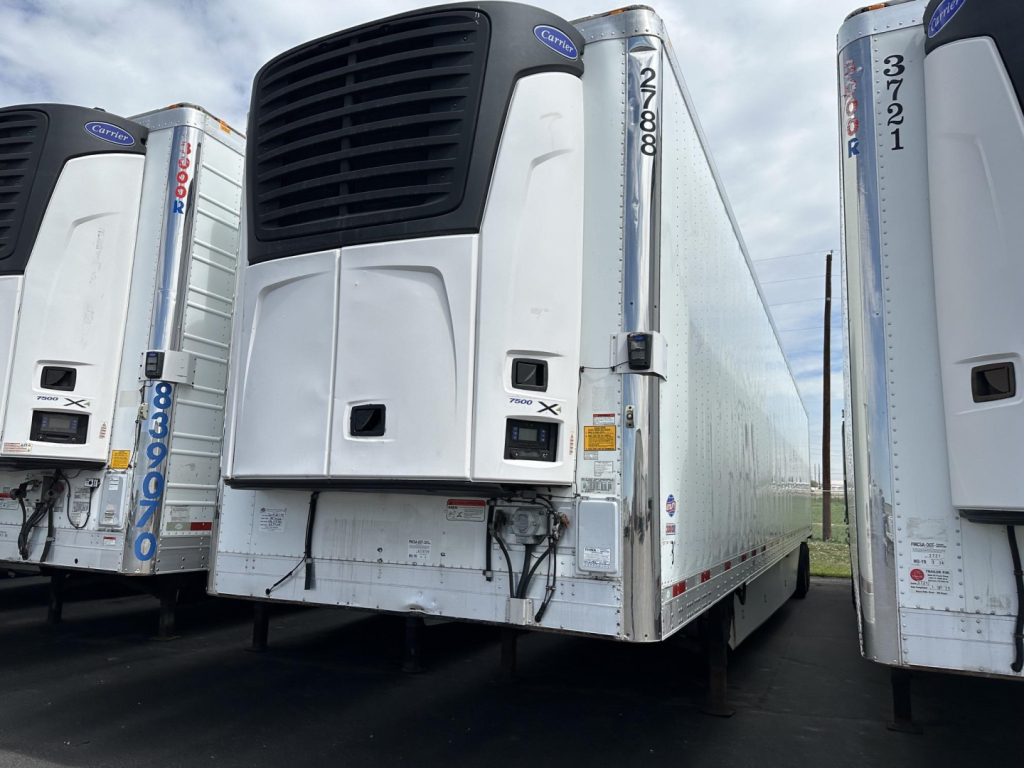
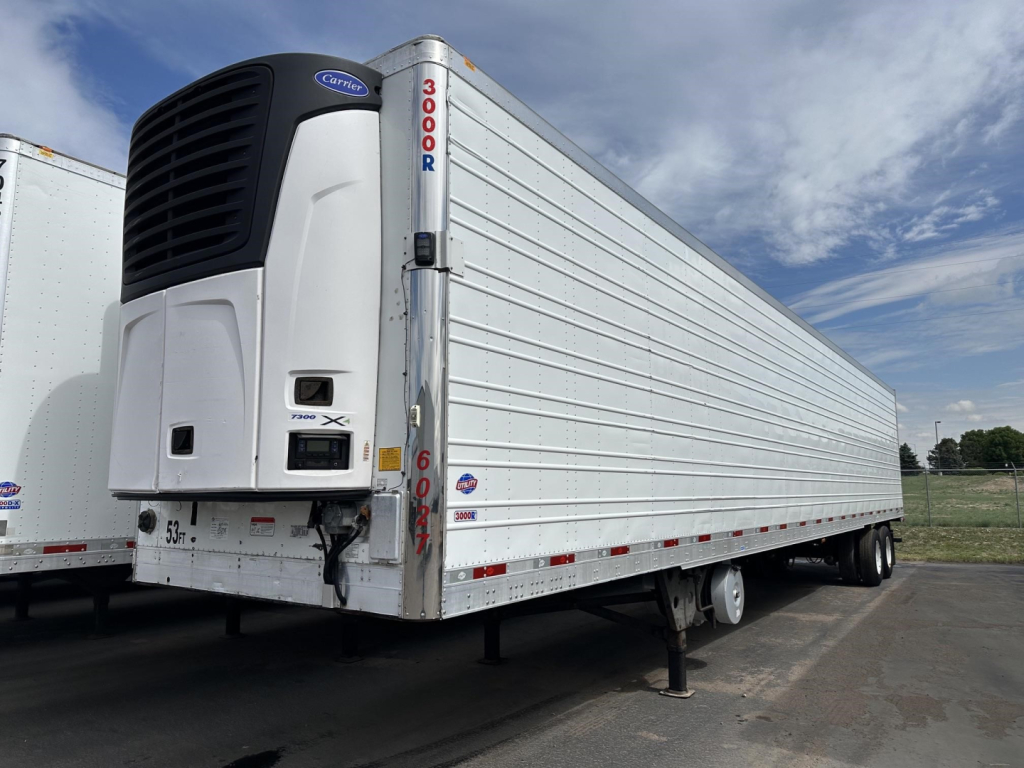
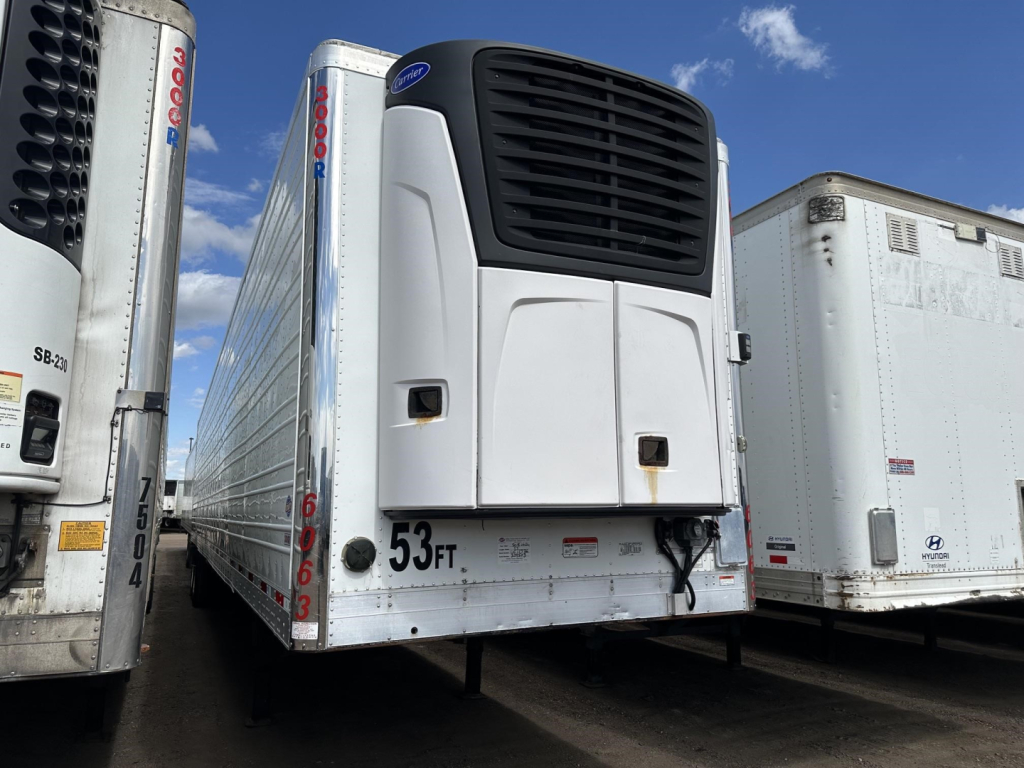
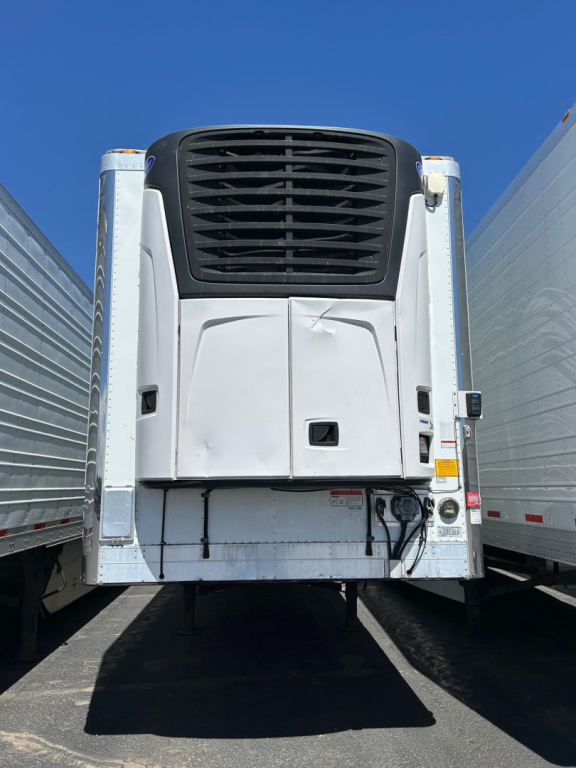
Selling a used 2018 reefer trailer? List your used 2018 reefer trailer for sale and reach thousands of commercial buyers.
Used 2018 Reefer Trailers in Colorado
For Colorado operations, reefer performance matters in both directions. High summer heat on the Front Range and mountain elevation can challenge pull-down times, while winter conditions put extra focus on fuel system health, door seals, and continuous-start reliability. Deep-freeze capability is important if the trailer will handle frozen food, ice cream, or multi-stop grocery work. Buyers should verify unit hours, recent maintenance, defrost function, evaporator condition, and whether the trailer has a chute, rear vent, or duct floor designed to move air evenly from nose to rear. An aluminum duct floor, wearband, and scuff liner or scuff plate are especially important if the freight mix includes pallets, foodservice product, or repeated dock loading.
Trailer spec details affect everyday operating cost. Air ride with an air pin slider is common because it improves ride quality and makes axle adjustment easier for bridge compliance and dock positioning. Closed tandem setups, low-profile 22.5 tires, and tire inflation systems such as PSI can reduce roadside issues and help manage tire wear. Buyers should inspect the front wall, front corners, door frame, roof, side panels, and floor attachment points for signs of impact, moisture intrusion, or repair work. Side skirts, stainless front corners, aluminum wheels, and anti-dock-walk systems can add value depending on lane type and fleet standards. Inside height also matters if cube is a priority, especially for grocery, produce, dairy, or pharmaceutical loads where pallet count and airflow have to work together.
A 2018 refrigerated trailer, also known as a reefer van or refrigerated van trailer, typically sits in a practical middle ground for regional and over-the-road fleets. It is new enough to offer updated unit controls, telematics potential, and more efficient refrigeration packages, but old enough that condition varies widely from one trailer to the next. Buyers should focus on reefer engine hours, structural straightness, floor wear, door seal integrity, suspension condition, and proof that the trailer can hold setpoint under load. A clean 2018 reefer with a solid maintenance file can still be a dependable asset for produce hauls, frozen freight, grocery distribution, and dedicated temperature-controlled routes across Colorado and beyond.
Frequently Asked Questions about Used 2018 Reefer Trailers in Colorado
What should I check first on a used 2018 reefer trailer?
Start with the refrigeration unit, because the unit drives both maintenance cost and load protection. Confirm total engine hours, any major component replacement history, recent preventive maintenance, and whether the unit can pull down and hold temperature correctly. Then inspect the trailer body for floor wear, wall damage, roof repairs, door seal condition, tandem operation, and signs of water intrusion or insulation issues. A reefer trailer can look clean outside and still have expensive problems in the unit or interior structure.
Are 2018 reefer trailers still a good choice for food-grade freight?
Yes, if the trailer has been maintained correctly and the box still holds temperature efficiently. Many 2018 reefers remain suitable for grocery, produce, dairy, frozen food, and other temperature-controlled freight, especially when they have a solid service record and a clean interior. Buyers should verify washout condition, floor integrity, chute and duct condition, door seal performance, and unit calibration before placing the trailer into food-grade service.
What reefer unit brands are common on 2018 refrigerated trailers?
Carrier and Thermo King are the most common refrigeration unit brands in this segment. On 2018-era trailers, buyers often see Carrier X4 series units and Thermo King Precedent models. The better choice usually comes down to local service support, technician familiarity, parts availability, and documented maintenance history rather than brand alone. A well-maintained unit with clear records is typically more important than the badge on the nose.
Why do duct floors, chutes, and rear vents matter on a reefer trailer?
These features help manage airflow, which is critical in temperature-controlled hauling. A duct floor moves cold air under the load, a chute helps direct discharge air through the trailer, and a rear vent supports proper circulation from front to back. Without good airflow, the unit may run harder and cargo at the rear can see less stable temperatures. For mixed loads, produce, and frozen freight, these details can make a noticeable difference in product quality and compliance.
Is a 53-foot reefer trailer the standard size for Colorado fleets?
Yes, a 53-foot reefer is the standard configuration for most regional and over-the-road refrigerated freight. It offers the cargo capacity needed for grocery and distribution work while remaining compatible with common dock setups and lane requirements. In Colorado, this size is especially common for freight moving along Front Range distribution corridors and outbound food or produce lanes. Buyers should still confirm inside height, tandem setup, and axle slide range to match their exact operation.