
Used 2018 Utility Reefer Trailers For Sale in Colorado
Shop used 2018 Utility reefer trailers for sale in Colorado. Compare 53-foot 3000R specs, reefer units, floor types, and tandem setups.
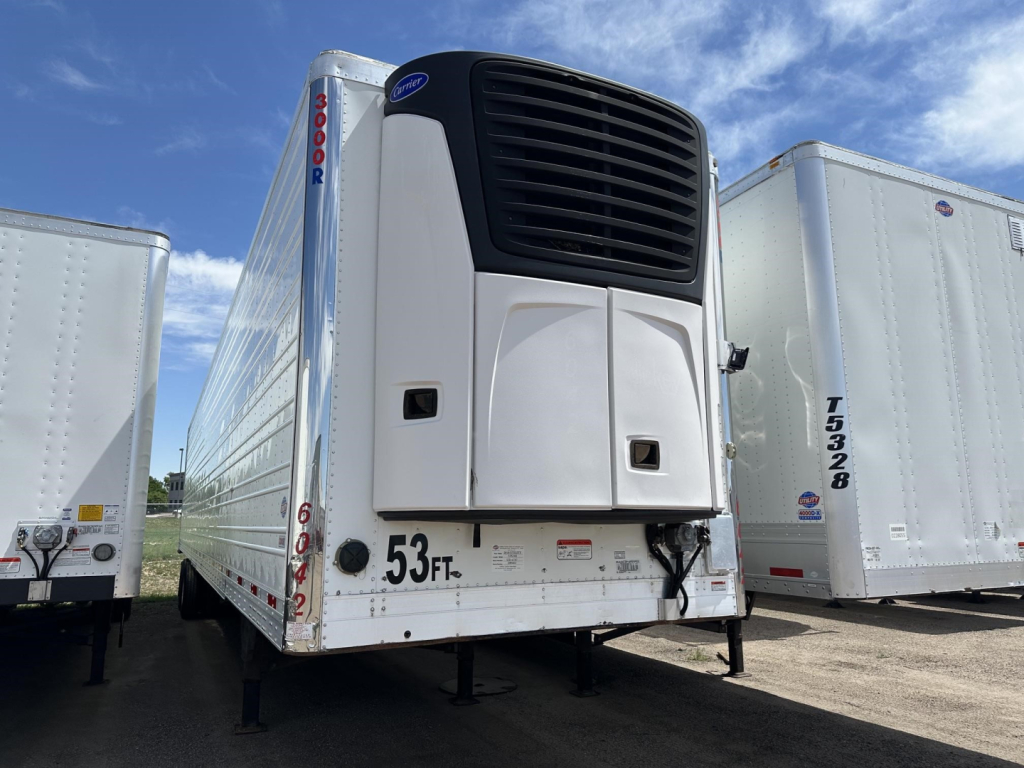
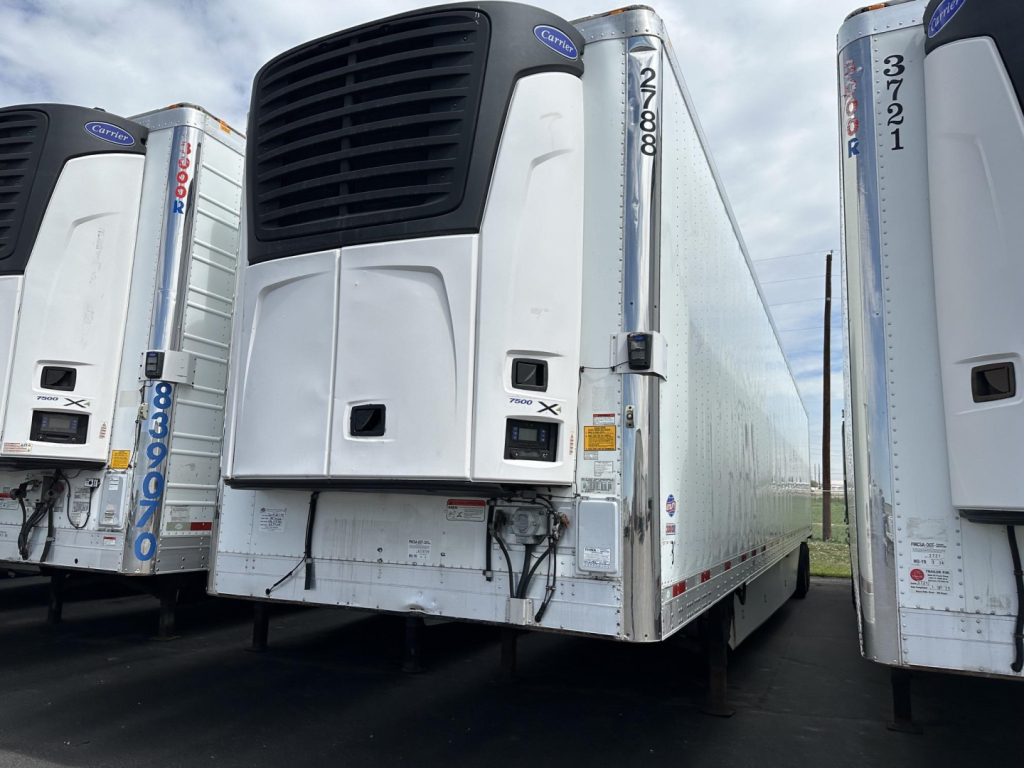
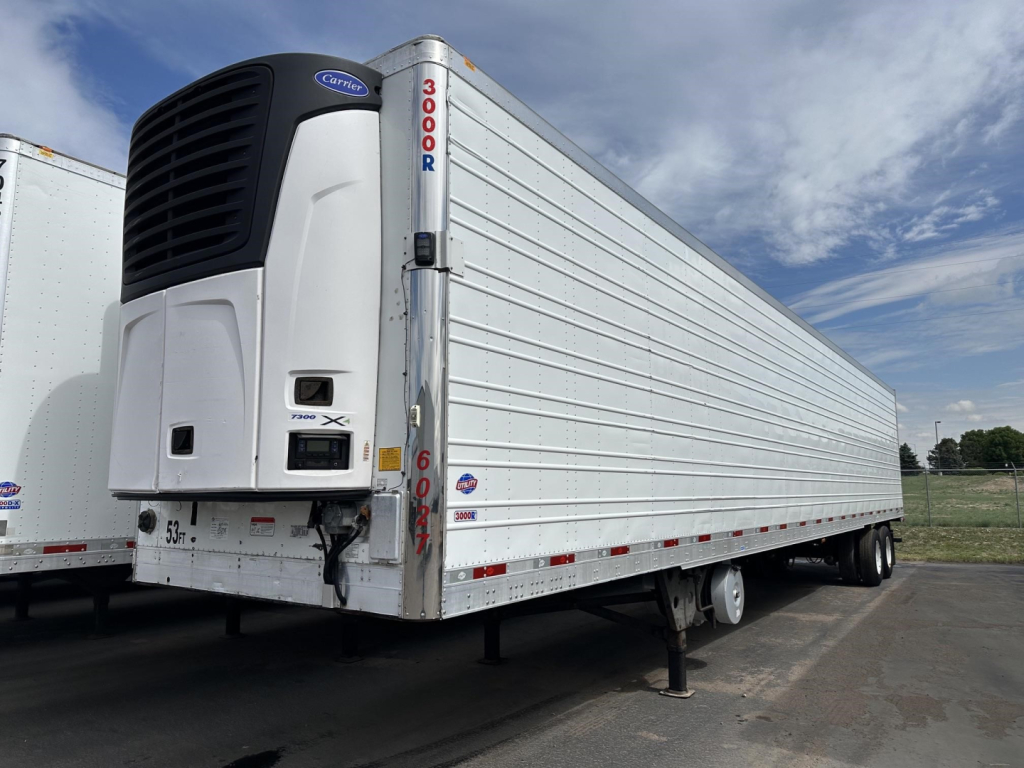
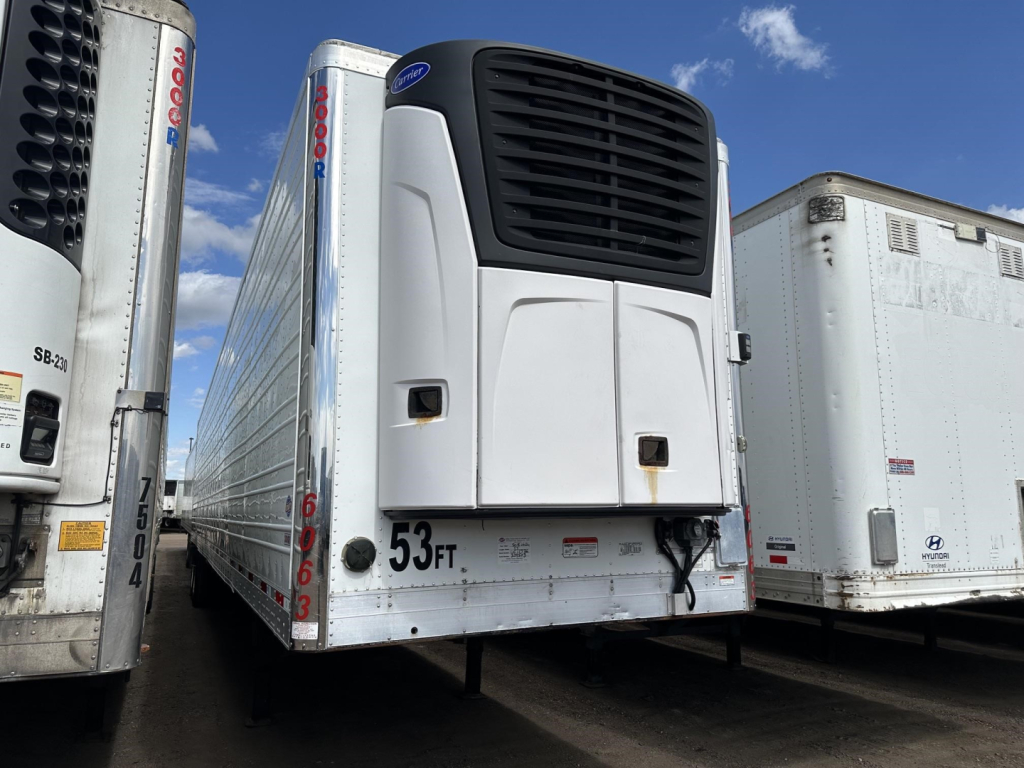
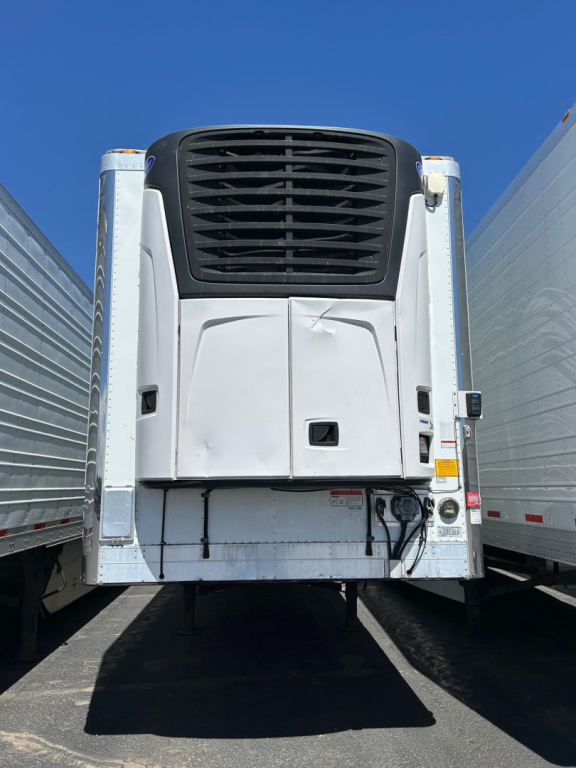
Selling a used 2018 utility reefer trailer? List your used 2018 utility reefer trailer for sale and reach thousands of commercial buyers.
Used 2018 Utility Reefer Trailers in Colorado
Most buyers in this category will be comparing standard 53' x 102" dry-freight dimensions, closed tandem suspensions, and air ride with slider or air pin slider setups. A 2018 Utility reefer may be spec'd with Carrier or Thermo King equipment, and that choice can affect dealer support, parts availability, and technician preference in your operating area. Unit hours are one of the first filters to use, but they should be weighed alongside service records, evaporator condition, fuel system upkeep, and whether the unit has been used for deep-frozen, produce, or mixed-temp freight. California compliance may matter for some operations even if the trailer is based in Colorado, especially for buyers who run regional western lanes.
Trailer body details matter more than many first-time reefer buyers expect. Utility reefers in this age range are often equipped with aluminum duct floors, wearbands, rear vents, stainless front corners, and swing doors. Floor condition is critical because airflow under the load is what protects temperature consistency from nose to rear doors. Inspect the duct floor for crush damage, patches, and heavy fork wear. Check scuff liner condition, door seals, interior liner damage, chute presence, and evidence of moisture intrusion around the front wall and roof seams. If the trailer has side skirts, wide-base tires, or a tire inflation system, those features can help operating cost, but they do not offset a weak reefer unit or poor insulation integrity.
For a used 2018 Utility reefer trailer, the smartest comparison is total operating condition: reefer hours, recent preventive maintenance, suspension and slider wear, tire size, wheel type, and body integrity. Buyers running heavier payloads should confirm tare weight and axle spread, while multi-stop operations should pay attention to door hardware, interior airflow setup, and how quickly the unit recovers after frequent openings. Utility reefers have a strong presence in the market because they fit mainstream refrigerated freight well, and that makes them easier to place into service, maintain, and resell when properly spec'd.
Frequently Asked Questions about Used 2018 Utility Reefer Trailers in Colorado
What should I check first on a used 2018 Utility reefer trailer?
Start with the refrigeration unit, floor, and body integrity. Review the reefer unit brand, engine hours, service records, alarm history, and recent repairs. Then inspect the aluminum duct floor for forklift damage, check door seals and rear frame condition, and look for signs of water intrusion, liner damage, or insulation issues. A clean-looking trailer can still be costly if the reefer has weak pull-down performance or the floor no longer supports proper airflow.
Are Utility 3000R reefer trailers a good fit for grocery and foodservice work?
Yes. The Utility 3000R is a common refrigerated trailer platform for grocery, frozen food, dairy, produce, and general food distribution. Buyers like them because the 53-foot format, swing door layouts, duct floors, and common reefer pairings work well for mainstream cold-chain freight. The real fit depends on your lane and stop pattern, so buyers should match the trailer to the freight profile, required temperature range, and expected door-open frequency.
How important are reefer unit hours on a 2018 trailer?
Reefer unit hours are important, but they are not the only measure of value. A unit with higher hours and strong maintenance history can be a better buy than a lower-hour unit with deferred service. Look at engine hours, operating history, recent PM intervals, major component replacement records, and actual cooling performance. Unit support in your region also matters, especially if you prefer Carrier or Thermo King service coverage in Colorado and surrounding states.
What specs are most common on a used 2018 Utility reefer trailer?
Many used 2018 Utility reefers are 53' x 102" trailers with closed tandems, air ride suspension, and either a manual slider or air pin slider. Common body features include stainless front corners, corrugated side panels, rear swing doors, aluminum duct floors, wearbands, and sometimes rear vents or side skirts. Tire and wheel combinations vary, so buyers should confirm whether the trailer has standard duals or wide-base tires and whether any fuel-saving options are part of the spec.
Does Colorado use change what matters when buying a reefer trailer?
Yes. Colorado operations put extra focus on refrigeration performance in elevation changes, mountain grades, and large seasonal temperature swings. Buyers should pay close attention to unit cooling capacity, condition of the air delivery system, and overall insulation integrity. Brakes, suspension, tires, and wheel-end condition also matter because reefer trailers working mountain corridors can see harder service than similar trailers on flatter regional routes.