
Used 2018 Utility Reefer Trailers For Sale
Shop used 2018 Utility reefer trailers, including 53-foot 3000R specs, reefer unit options, insulation features, and fleet-ready configurations.
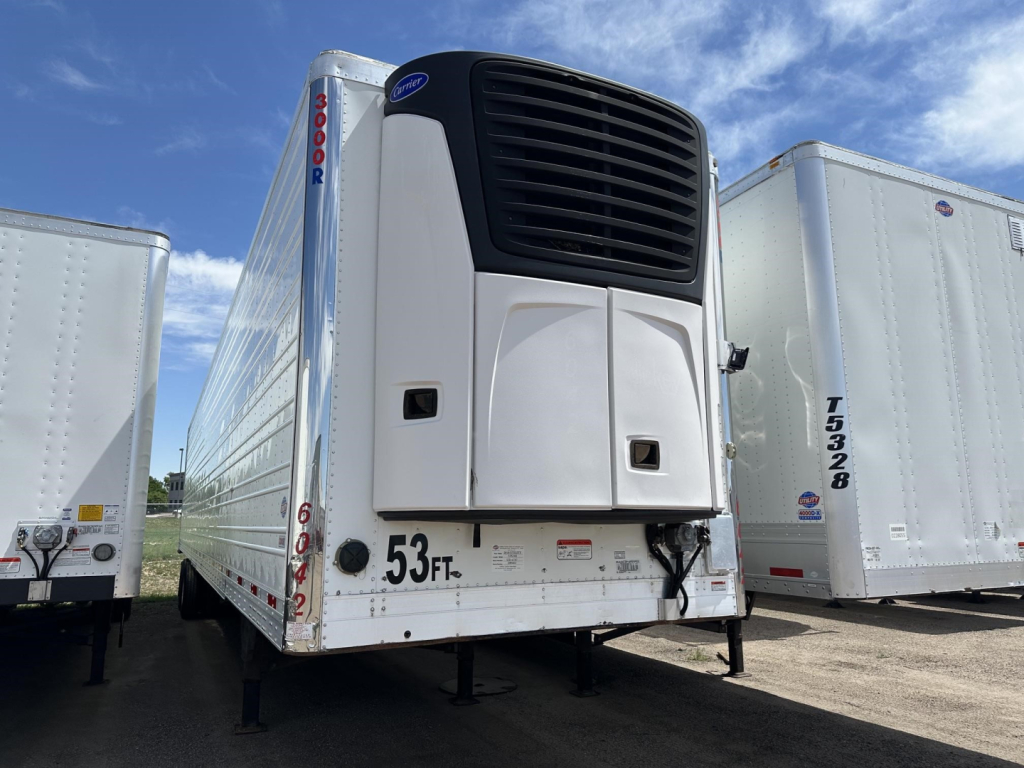
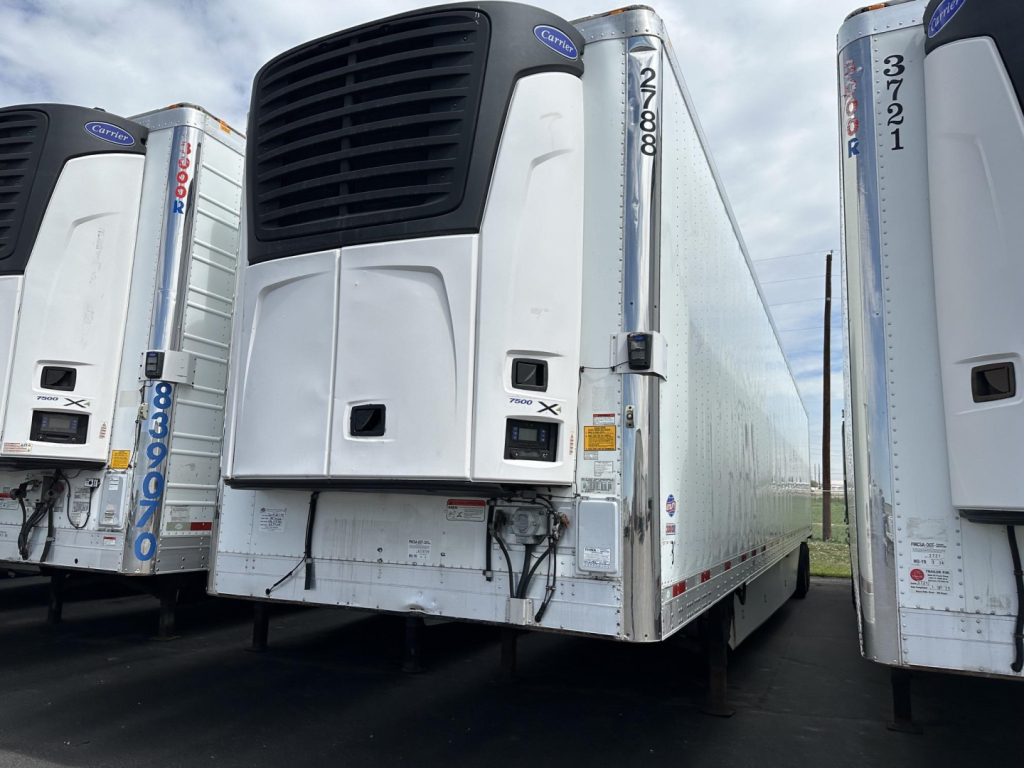
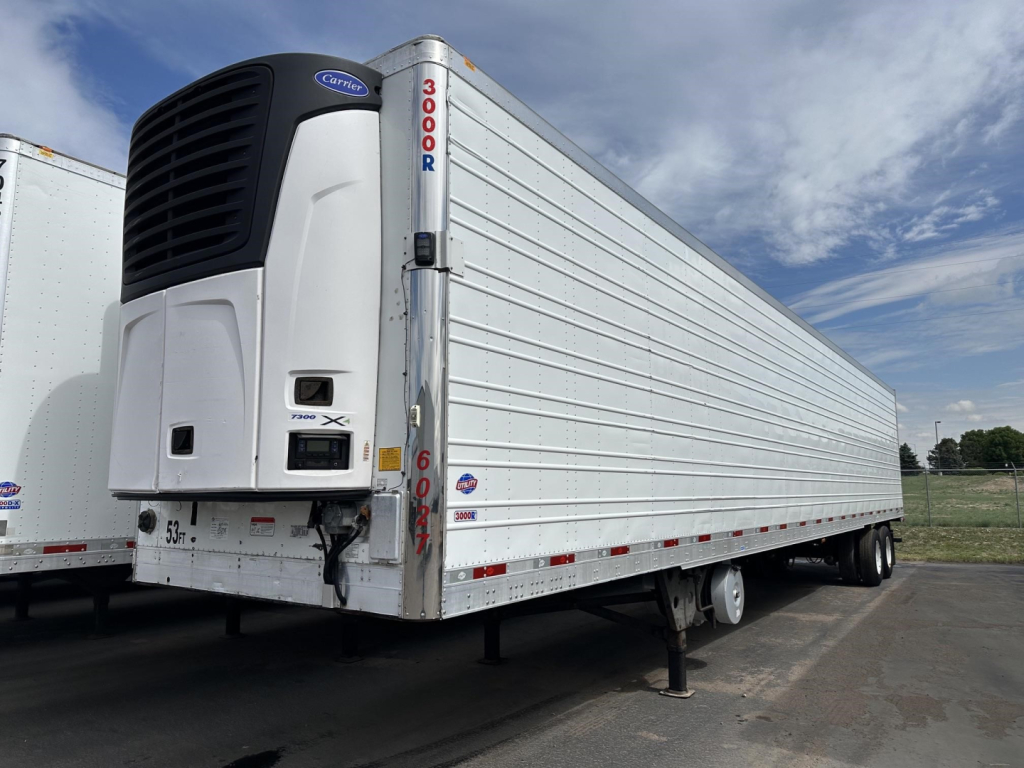
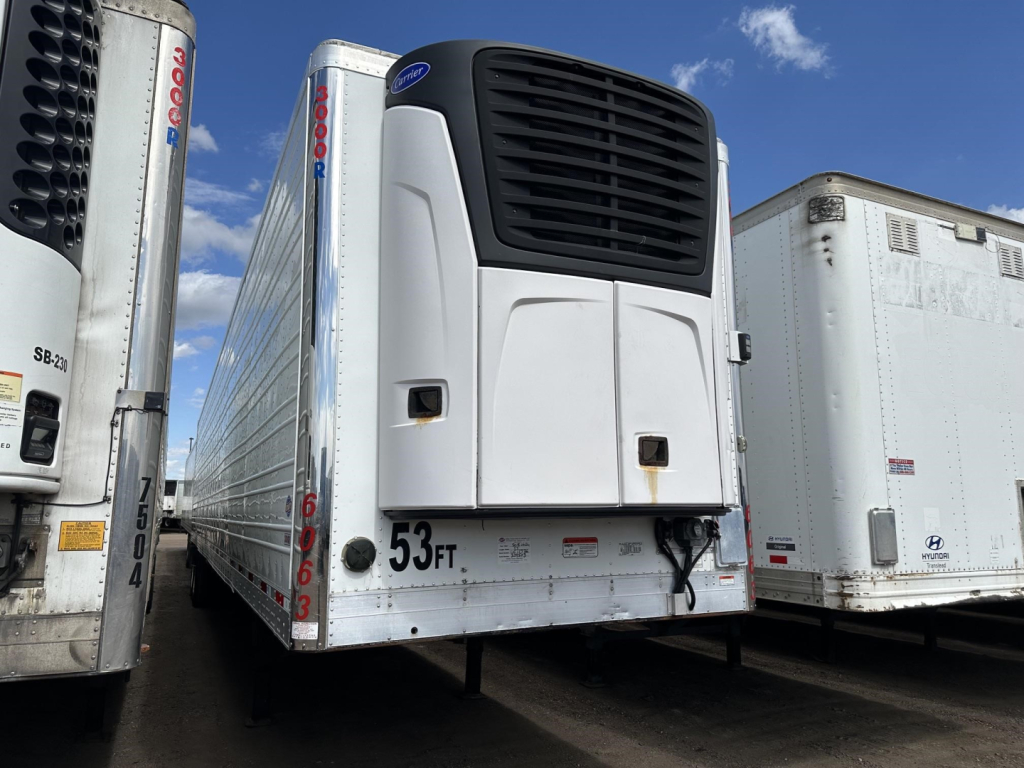
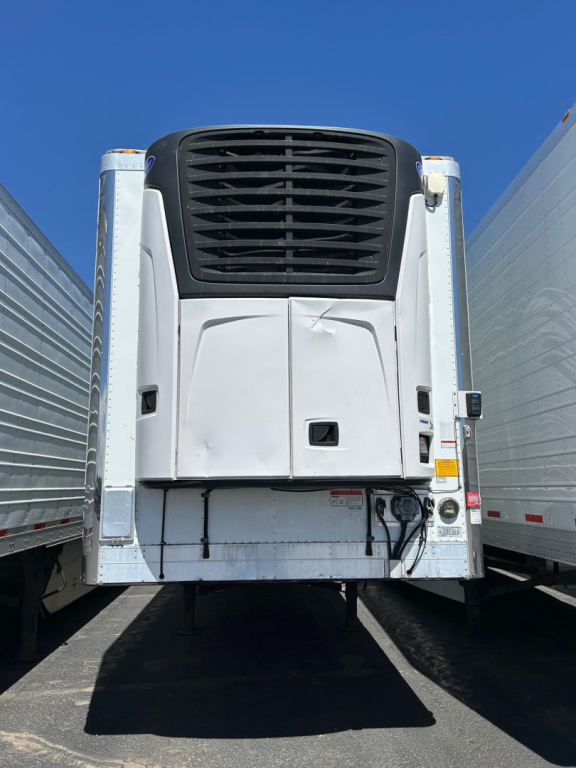

Selling a used 2018 utility reefer trailer? List your used 2018 utility reefer trailer for sale and reach thousands of commercial buyers.
Used 2018 Utility Reefer Trailers
The trailer body matters just as much as the reefer unit. Utility reefers are commonly spec'd with heavy-duty aluminum duct floors, front scuff liners or scuff plate, cold chutes, rear vents, stainless front radius panels, and stainless door frames. Those details affect durability, airflow, and dock performance. Buyers comparing listings should pay close attention to inside height, door seal condition, swing door alignment, floor wear from pallet jack traffic, and signs of sidewall or front wall repairs. On temperature-sensitive freight, airflow management is critical, so a damaged duct floor, missing chute components, or heavy interior wall damage can create hot spots and uneven pull-down performance even if the unit itself runs well.
A 2018 Utility reefer trailer may also include features that directly impact operating cost and maintenance intervals, such as disc brakes, tire inflation systems, air pin sliders, side skirts, and super singles or standard dual configurations. Sliding tandem position still matters for bridge law and dock maneuverability, while air ride remains the preferred setup for protecting delicate refrigerated cargo. Reefer unit hours are a major buying factor on used trailers in this age range. Low engine hours are attractive, but service history is often more important than the number alone. Buyers should look for records covering PM intervals, evaporator and condenser condition, fuel system work, alarms, and any recent compressor, alternator, or controller repairs.
For most buyers, the best used 2018 Utility reefer trailer is the one with a straight, dry body and a refrigeration unit that has been consistently maintained. Check for washout damage, crossmember corrosion, kingpin and apron wear, suspension bushing condition, brake life, and evidence of trailer tracking issues. If the trailer will handle multi-temp or strict receiver compliance, confirm temperature calibration, return-air performance, and the condition of sensors and bulkhead-related components if equipped. Utility reefers from this period remain a practical choice because parts support is strong, the 3000R is widely understood by fleets and shops, and the spec is familiar across grocery distribution, regional cold chain, and long-haul refrigerated operations.
Frequently Asked Questions about Used 2018 Utility Reefer Trailers
What is the typical spec for a used 2018 Utility reefer trailer?
Most used 2018 Utility reefer trailers are 53-foot by 102-inch refrigerated vans, commonly built on the Utility 3000R platform. Typical specs include air ride suspension, a sliding tandem, swing rear doors, aluminum duct floors, scuff liners, and either a Thermo King Precedent or Carrier X4-series refrigeration unit. Many also have low-profile 22.5 tires, aluminum wheels, and optional equipment such as disc brakes, tire inflation systems, side skirts, or stainless trim packages.
What should I inspect first on a used Utility reefer trailer?
Start with the refrigeration unit service history, then inspect the trailer body for structural and cargo-area condition. Check reefer hours, PM records, alarm history, fuel tank condition, and evidence of recent major repairs. Inside the box, inspect the duct floor, chute, scuff liners, ceiling, and door seals because airflow and insulation integrity directly affect temperature control. Outside, look closely at the kingpin area, apron, crossmembers, tandem slider, suspension, and any signs of collision or dock impact damage.
Is a 2018 Utility reefer trailer a good age for fleet use?
A 2018 model year is often a strong value point for fleet and independent buyers because it is new enough to offer modern refrigeration technology and common fleet specs, but old enough to avoid the highest acquisition cost of late-model equipment. Much depends on maintenance discipline. A well-kept 2018 trailer with documented reefer service and a straight body can still fit demanding regional or over-the-road refrigerated work. A neglected one can quickly become expensive through temperature claims, downtime, and deferred repairs.
Which matters more on a used reefer trailer: trailer condition or reefer unit hours?
Both matter, but trailer condition and maintenance records often tell the bigger story. Reefer hours are important because they reflect use, but hours alone do not reveal whether the unit was serviced on schedule or repaired correctly. A trailer with higher hours and strong documentation can be a better buy than a lower-hour unit with poor records, damaged flooring, leaking doors, or structural wear. Buyers should judge the refrigeration system, insulation integrity, and chassis condition as one package.
Why is the Utility 3000R popular in refrigerated freight?
The Utility 3000R is popular because it is a familiar fleet trailer with broad parts support, proven body construction, and specs that fit mainstream refrigerated freight applications. Its common use in grocery, frozen food, produce, and foodservice lanes means most shops understand the platform, and many buyers already know what to expect from the layout, floor design, suspension options, and reefer unit pairings. That makes it easier to compare listings, source replacement parts, and keep the trailer working in a high-utilization operation.