
Used 2023 Reefer Trailers For Sale in Colorado
Browse used 2023 reefer trailers for sale in Colorado. Compare 53-foot refrigerated trailers, reefer units, flooring, suspension, and spec details.
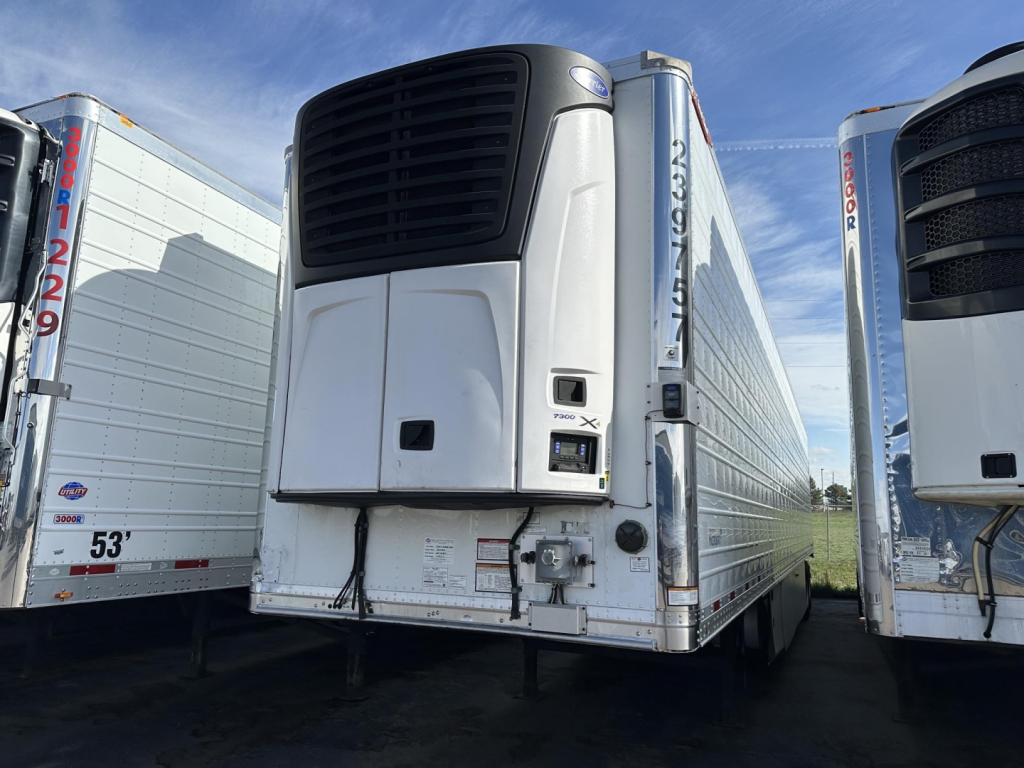
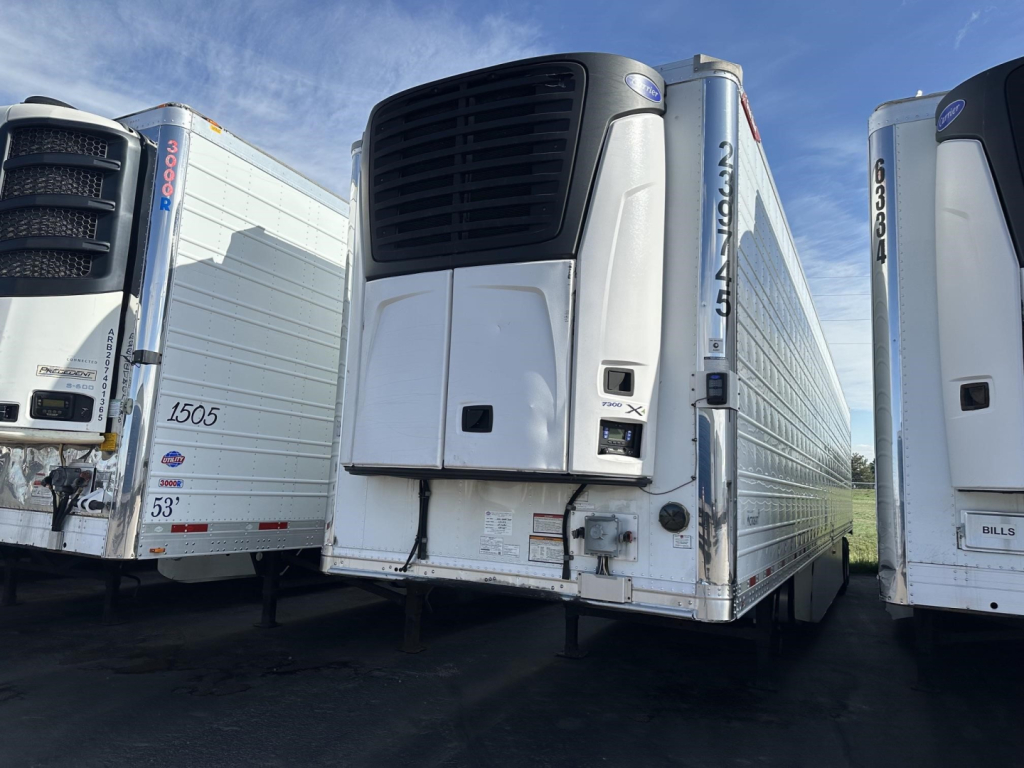
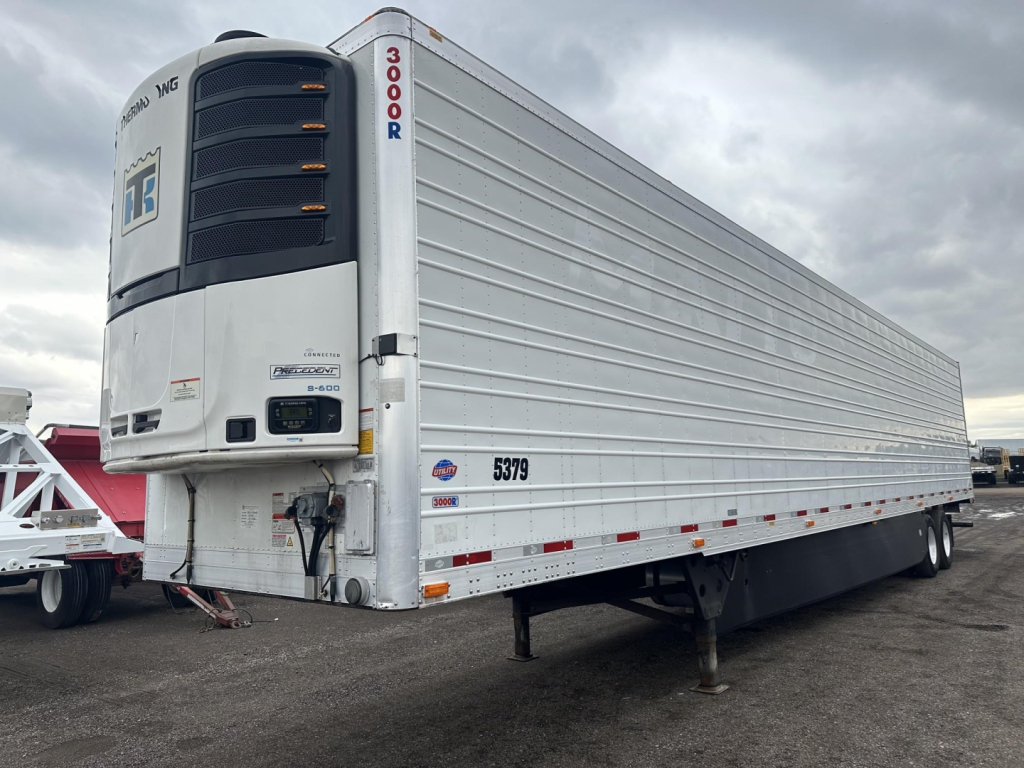
Selling a used 2023 reefer trailer? List your used 2023 reefer trailer for sale and reach thousands of commercial buyers.
Used 2023 Reefer Trailers in Colorado
Floor and wall construction matter more than many buyers expect. Most fleet-spec reefers use an aluminum duct floor to maintain consistent airflow under palletized freight, along with scuff liners or scuff plates to protect the lower interior walls from forklift and pallet contact. Features like a cold chute, rear vent, stainless front corners, stainless door frames, and quilted or stainless rear doors can improve durability and help maintain interior temperature integrity over time. Inside height is another important number, especially for high-cube freight or dense grocery loads. A late-model reefer should also be checked for floor wear, door seal condition, interior damage, drain condition, and signs of moisture intrusion around the front wall and roof seams.
Running gear and trailer spec can change how well a reefer fits your operation. Air ride is common for protecting sensitive produce, dairy, meat, frozen foods, pharmaceuticals, and other temperature-controlled freight. Sliding tandems offer flexibility for bridge law and dock positioning, while spread or closed tandem arrangements can affect maneuverability, weight distribution, and state compliance. Tire inflation systems, side skirts, aerodynamic tails, anti-dock walk packages, low-profile 22.5 tires, and aluminum wheels are all common on fleet reefer specs because they improve fuel economy, tire life, or daily usability. In Colorado, buyers should also consider how the trailer will perform in elevation changes and winter conditions. A reefer that cycles efficiently in warm weather and holds setpoint in cold mountain conditions is more valuable than a trailer that simply looks clean on the lot.
Used 2023 reefer trailers are often a strong fit for private fleets, dedicated grocery carriers, regional foodservice operations, and over-the-road temperature-controlled haulers that want newer compliance and better resale outlook. The smartest comparison is not just make and model. It is reefer unit hours, maintenance records, emissions status, floor type, interior condition, suspension spec, and door hardware condition. Also verify kingpin setting, landing gear condition, brake and ABS status, and whether the trailer has the insulation package and airflow design your freight requires. A late-model reefer can be a very efficient asset, but only if the trailer body, refrigeration system, and chassis spec match the lanes and commodities you plan to run.
Frequently Asked Questions about Used 2023 Reefer Trailers in Colorado
What should I check first on a used 2023 reefer trailer?
Start with the refrigeration unit, not just the trailer body. Confirm the unit make, model, engine hours, maintenance history, and emissions status, then inspect the trailer shell for floor wear, wall damage, door seal condition, and signs of water intrusion. A 2023 trailer can still have expensive deferred maintenance if the reefer unit was heavily used or the body took repeated dock and forklift damage.
Are 53-foot reefer trailers the standard size for most refrigerated freight?
Yes. The most common reefer trailer on the market is a 53-foot by 102-inch refrigerated van, typically with a 13-foot 6-inch overall height. That size works for grocery, frozen food, produce, dairy, and general temperature-controlled freight because it balances cubic capacity, pallet count, and compatibility with standard loading docks and over-the-road lanes.
How important are reefer unit hours on a used trailer?
Reefer unit hours are one of the most important value indicators on a used refrigerated trailer. Higher hours do not automatically make a unit a bad buy, but they do affect service intervals, component wear, and expected repair costs. Buyers should compare hours alongside documented maintenance, major component replacements, and how the trailer was used, such as regional delivery versus long continuous over-the-road operation.
What trailer features help a reefer hold temperature and reduce cargo damage?
An aluminum duct floor supports proper airflow under the load, and features like a cold chute, rear vent, quality door seals, and intact insulation all help the trailer maintain consistent temperature. Scuff liners, stainless door frames, and durable rear doors also matter because physical damage inside a reefer can turn into airflow problems, moisture issues, and expensive insulation repairs. Good temperature performance depends on both the reefer unit and the trailer body being in sound condition.
Does Colorado use affect what I should look for in a reefer trailer?
Yes. Colorado operation can expose a reefer to elevation changes, winter weather, and wide temperature swings, so buyers should pay close attention to unit performance, structural corrosion, tire condition, and brake system health. A trailer that has been maintained for mountain and cold-weather service is often a better fit for regional western routes than a similar unit with weaker maintenance history or marginal refrigeration performance.