
Used Utility Reefer Trailers For Sale in Colorado
Browse used Utility reefer trailers for sale in Colorado. Compare 53-foot 3000R specs, reefer units, floors, suspension, and trailer features.
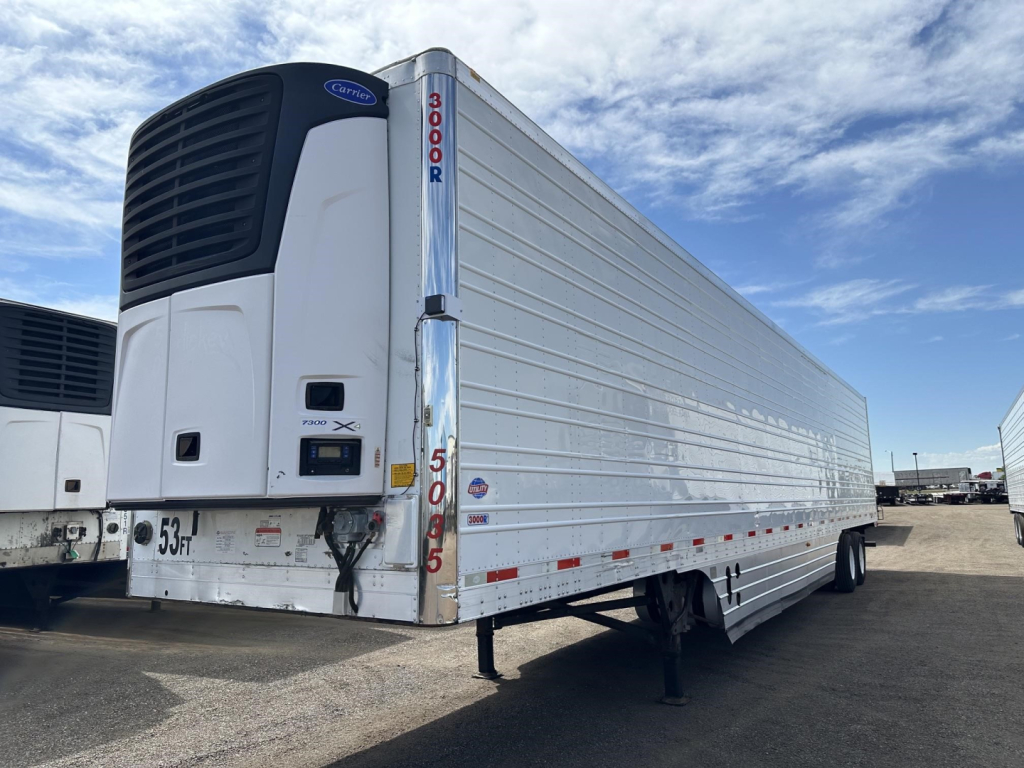
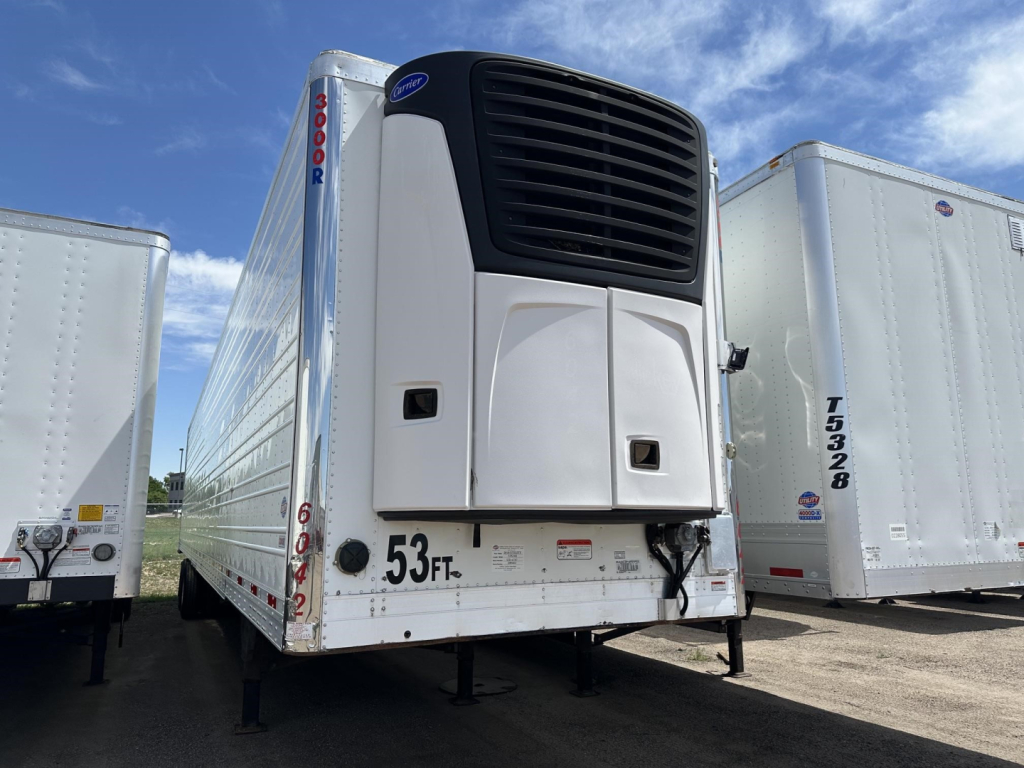
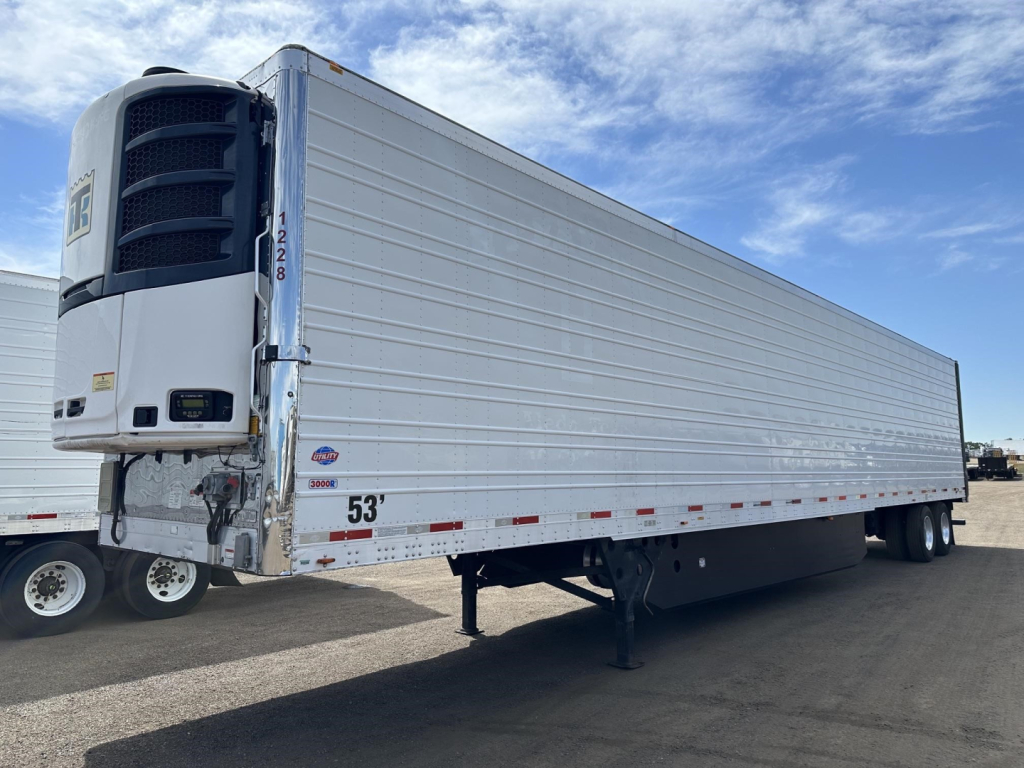
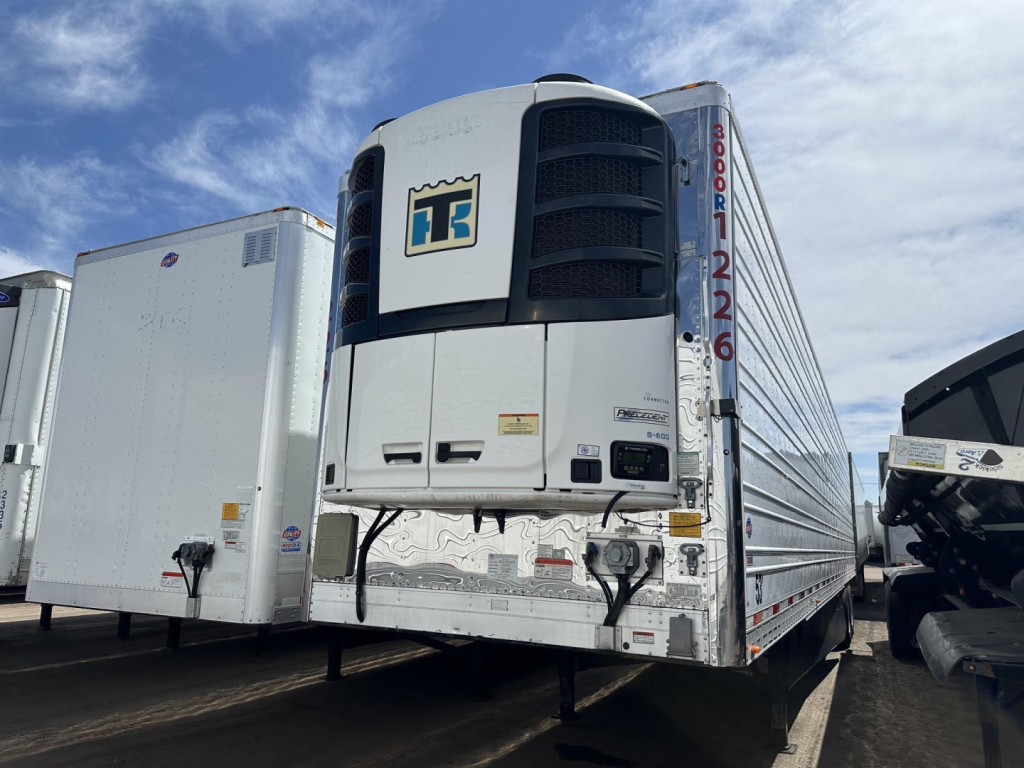
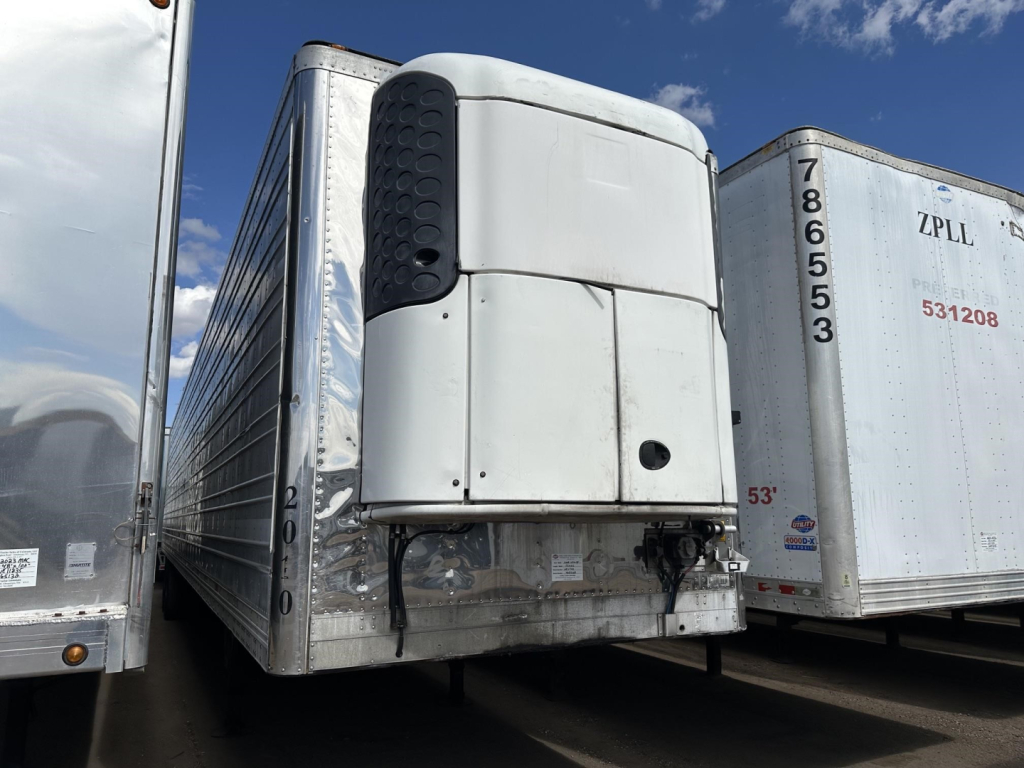
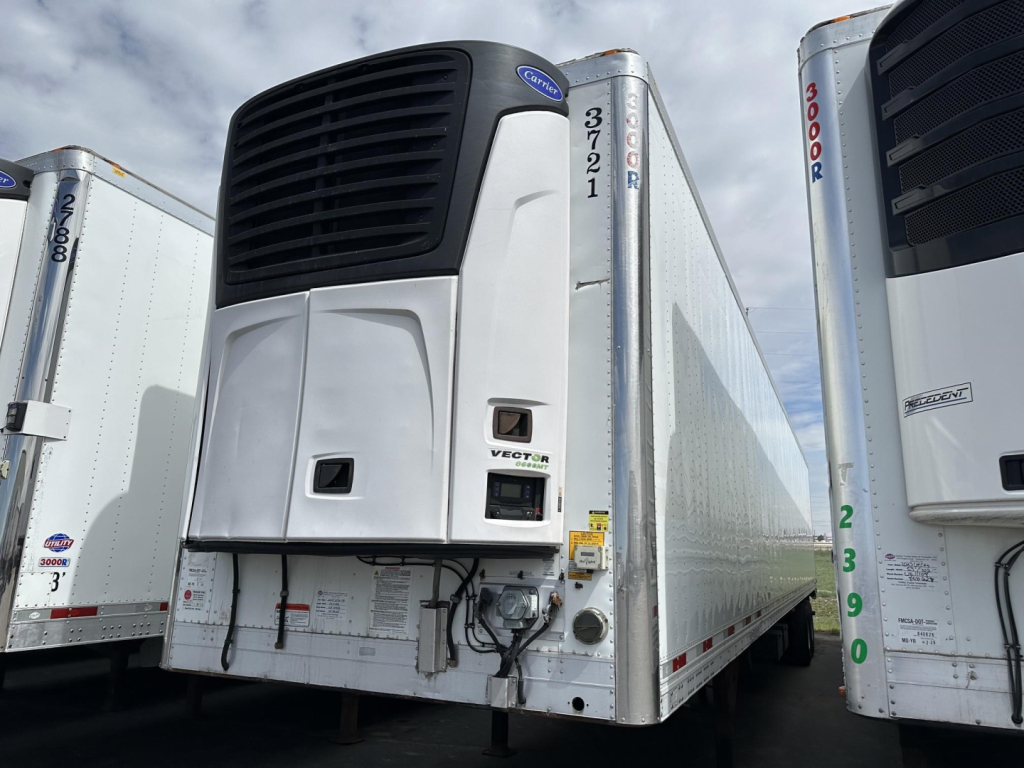
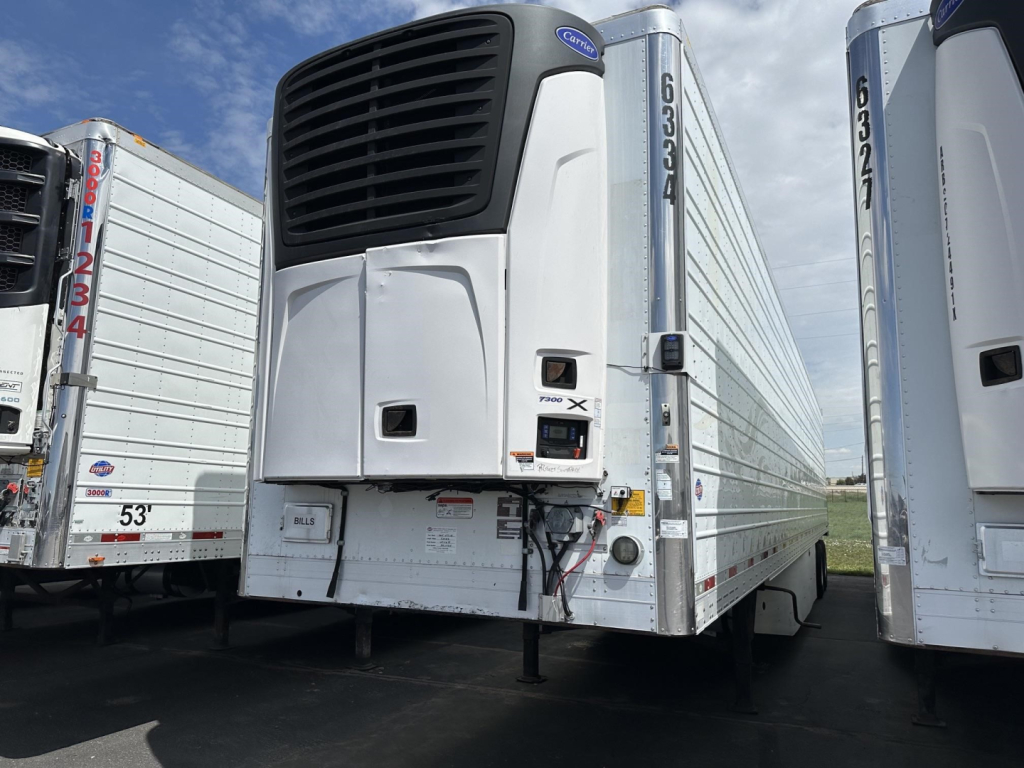
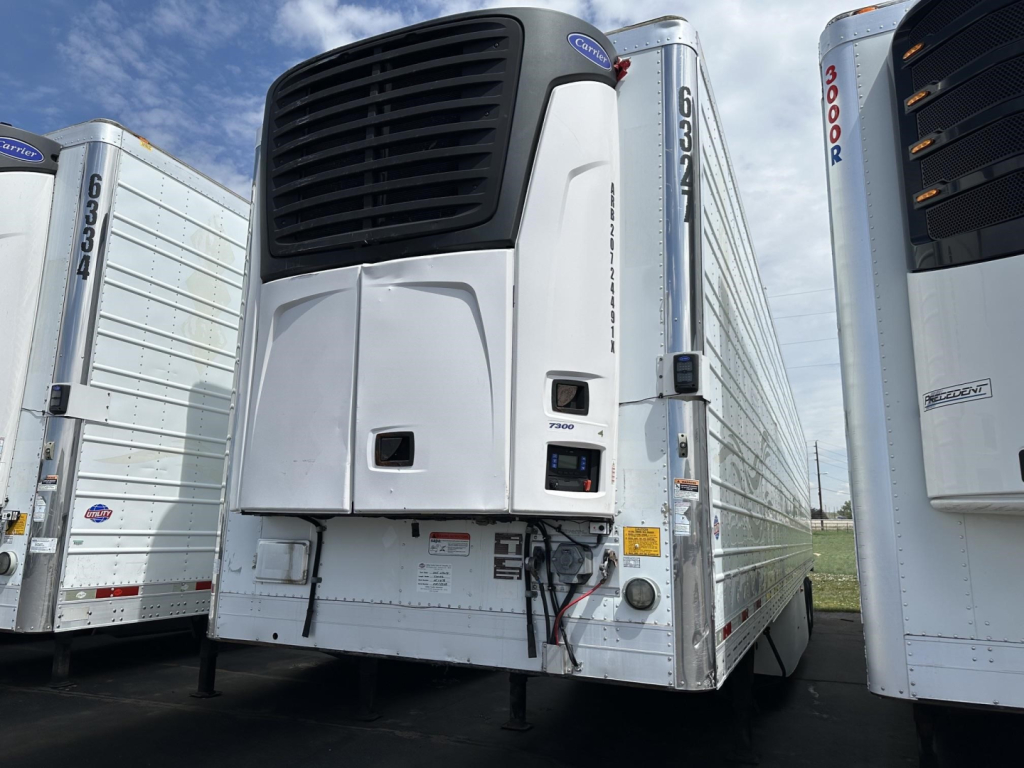
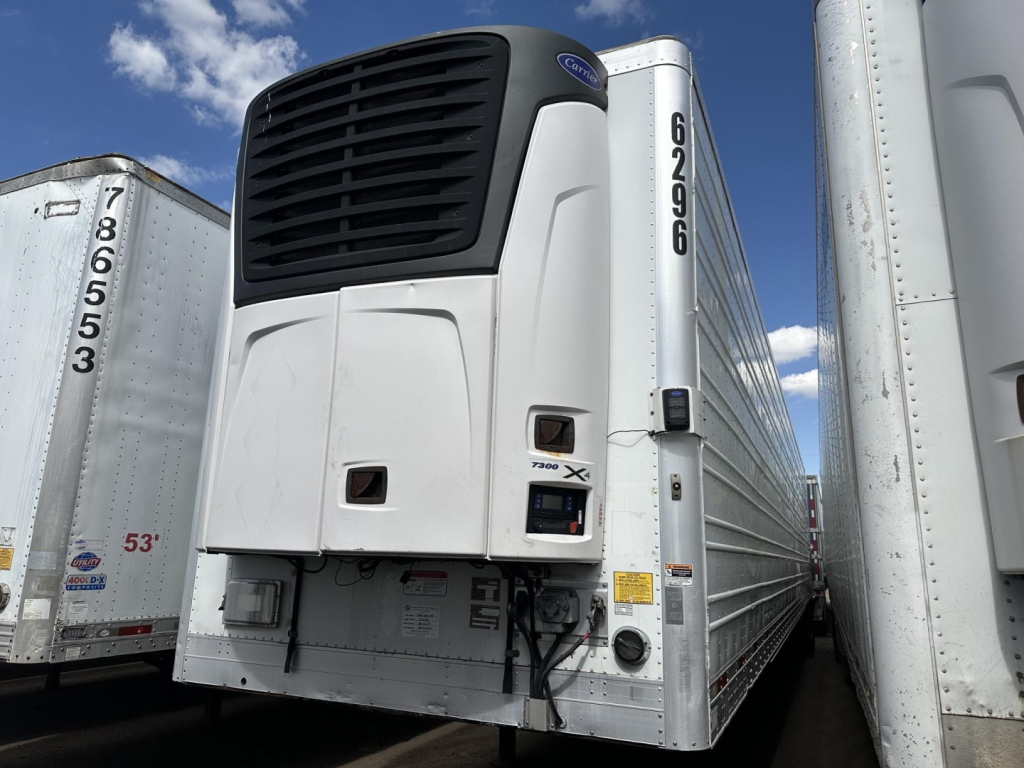
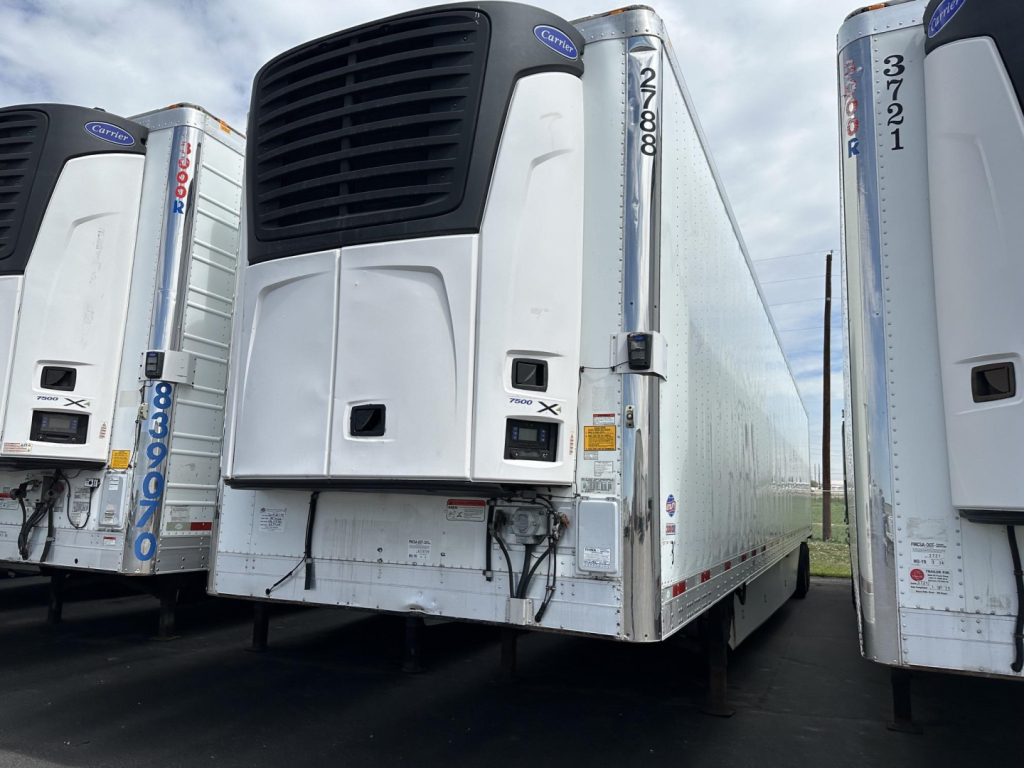
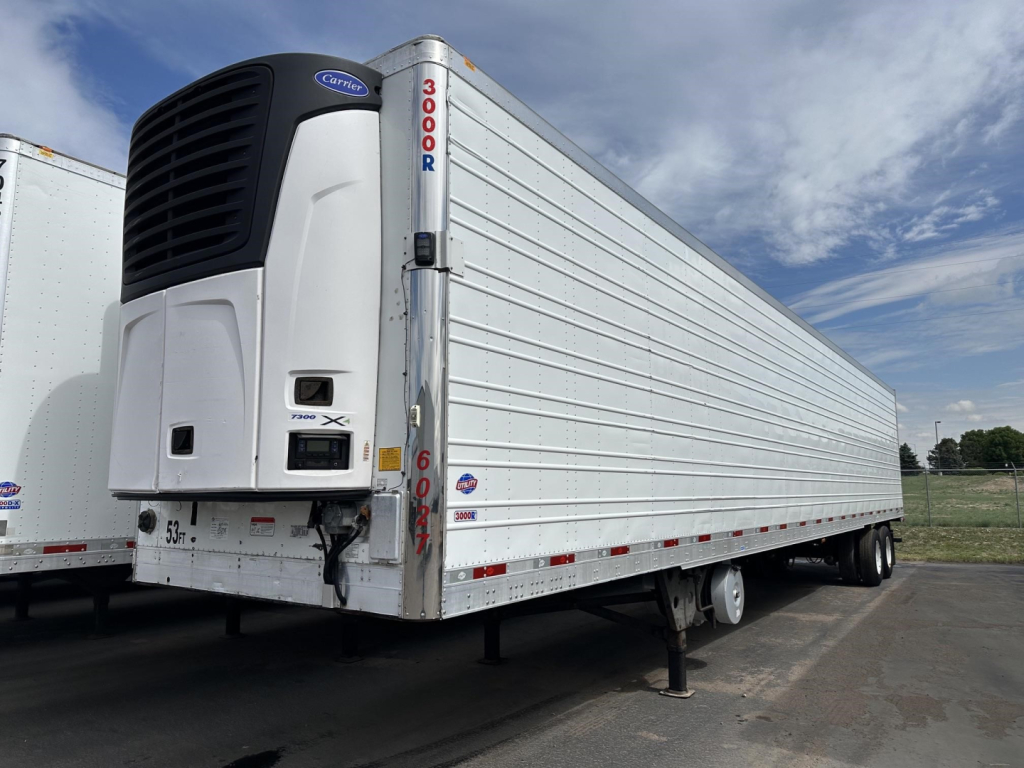
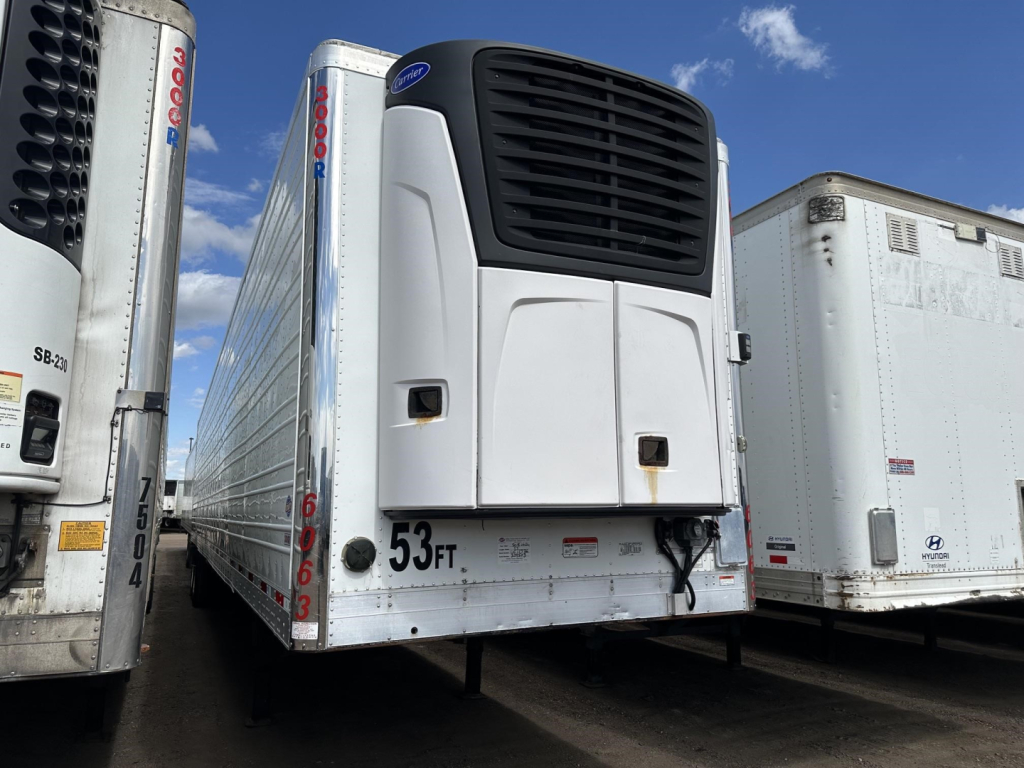
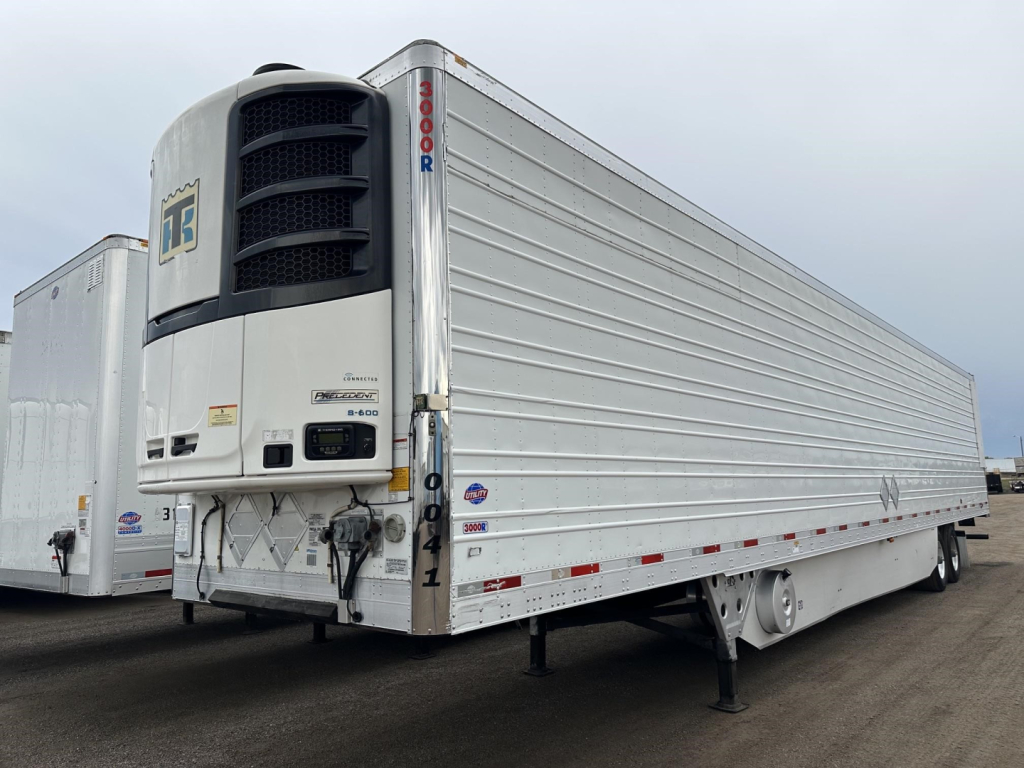
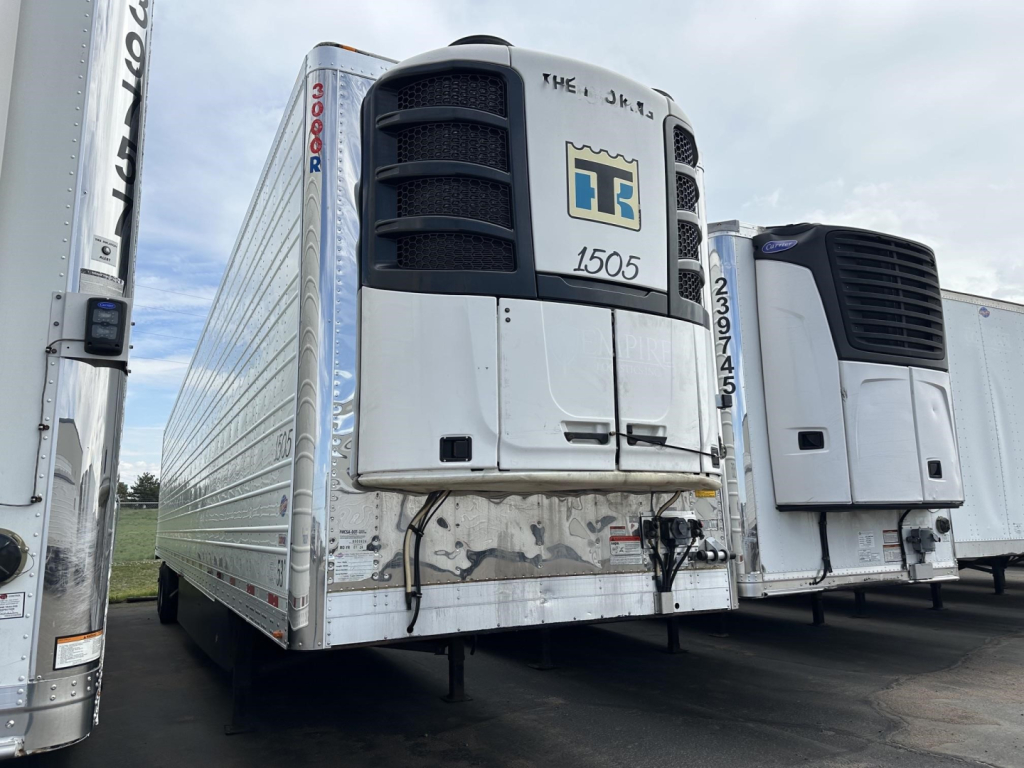
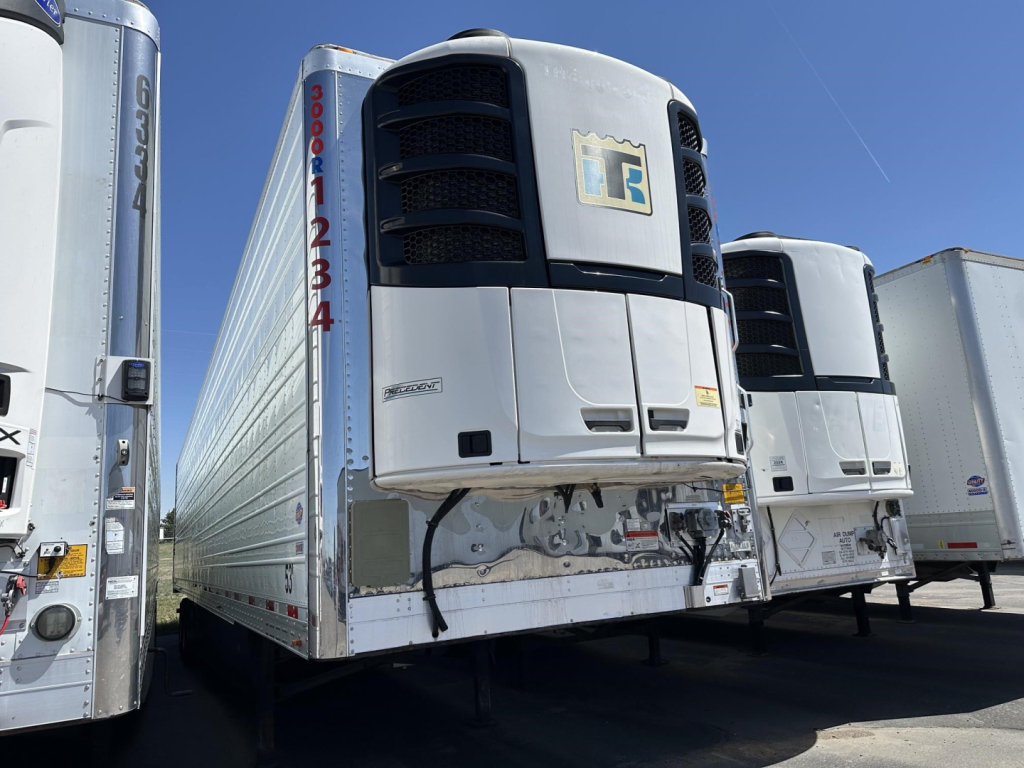
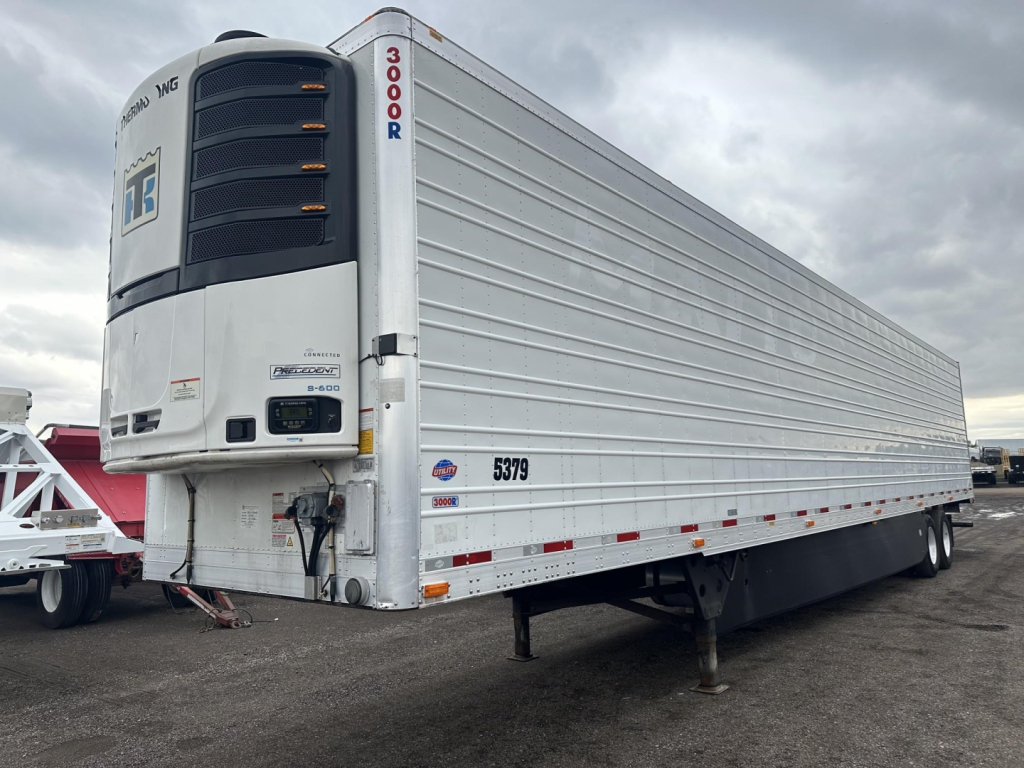
Selling a used utility reefer trailer? List your used utility reefer trailer for sale and reach thousands of commercial buyers.
Used Utility Reefer Trailers in Colorado
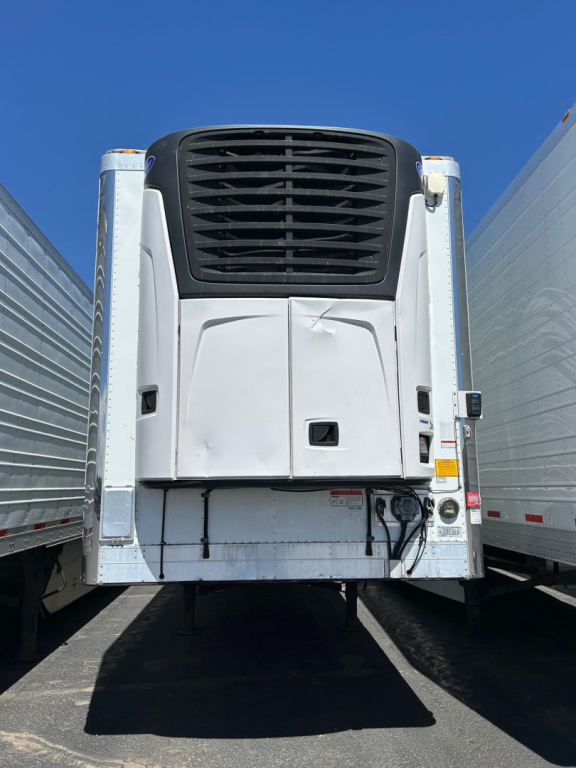
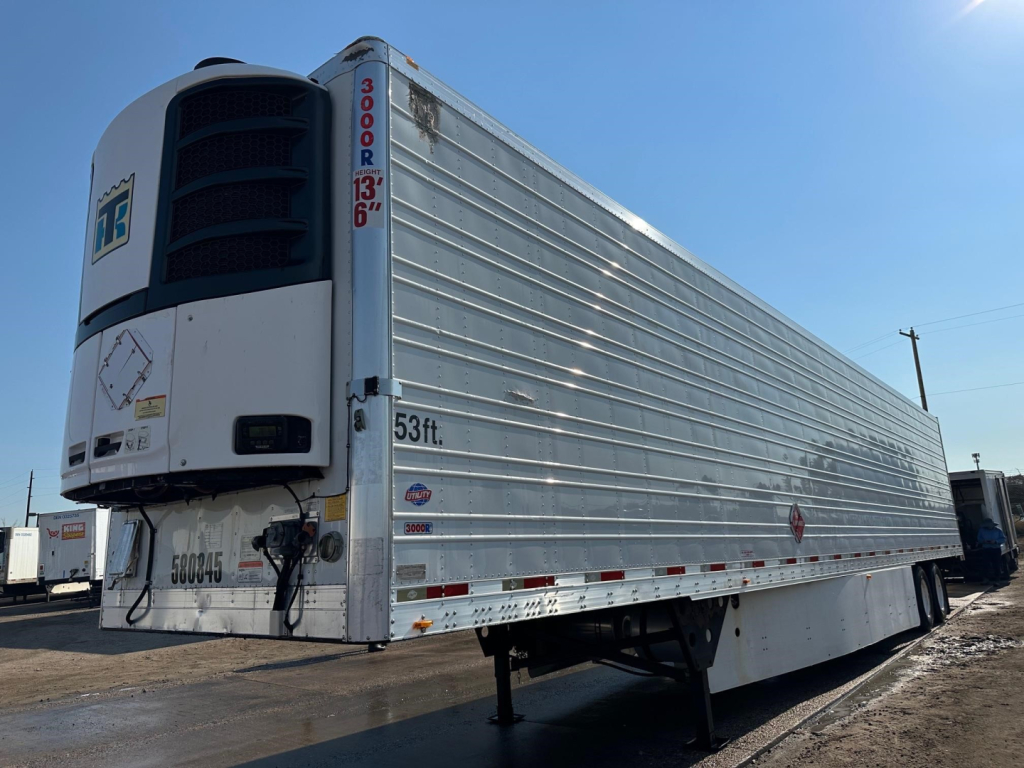
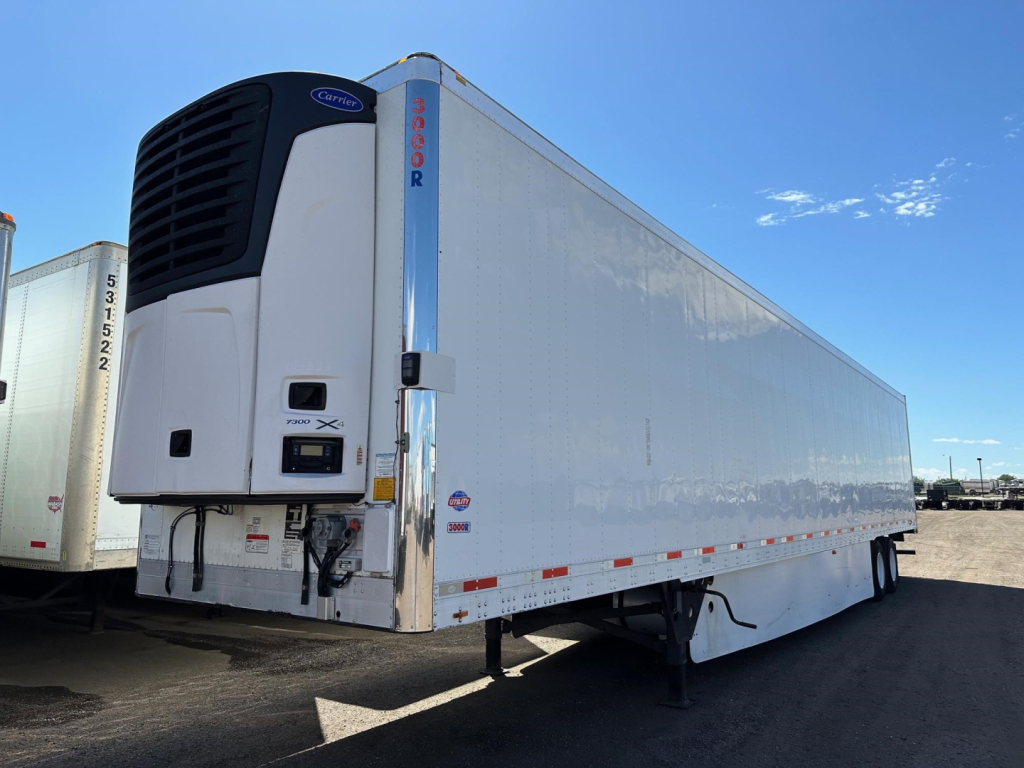
Most used Utility reefers on the market are 53 feet long, 102 inches wide, and 13 feet 6 inches tall, often with inside heights around 103 inches. Common configurations include aluminum duct floors for continuous airflow, scuff liners or scuff plate to protect the lower walls, cold chutes to improve air delivery, rear vents, and stainless steel door frames or front radius panels for corrosion resistance. Swing doors remain the standard on many Utility reefers, and buyers should pay close attention to door seal condition, hinge wear, and evidence of water intrusion. Side skirts, aerodynamic tails, and smooth or corrugated side panels can also affect fuel economy, repair cost, and resale value.
The reefer unit itself is usually the biggest value driver on a used refrigerated trailer. Utility trailers are commonly paired with Thermo King or Carrier units such as SB-series, Precedent, or X4 7300 systems. Buyers should verify engine hours, unit age, service history, emissions compliance, and the condition of the evaporator, condenser, and bulkhead area. A newer replacement unit on an older trailer can make sense if the trailer body, insulation, and floor are still sound. For Colorado operations, pull-down performance, defrost operation, and consistent temperature recovery are especially important when hauling through elevation changes and variable ambient conditions.
Running gear and chassis specs matter just as much as refrigeration performance. Air ride suspension, sliding tandems, air pin sliders, disc or drum brakes, low-profile 22.5 tires, aluminum wheels, and tire inflation systems are all common on late-model Utility reefers. Check kingpin and slider rail wear, crossmember condition, ICC bumper integrity, and signs of dock impact around the rear frame and threshold. On a used reefer, the best purchase is usually the trailer that balances unit hours, structural condition, floor wear, and maintenance records rather than simply the newest model year. Utility reefers hold their value well because they are widely serviceable and familiar to carriers, making them a practical option for buyers who need refrigerated capacity without stepping into a new-trailer price point.
Frequently Asked Questions about Used Utility Reefer Trailers in Colorado
What should I inspect first on a used Utility reefer trailer?
Start with the refrigeration unit, trailer floor, and rear door area. Confirm reefer unit hours, maintenance records, temperature performance, and emissions status. Then inspect the aluminum duct floor for forklift damage, soft spots, broken ducts, or heavy wear at the threshold. The rear frame, door seals, hinges, and door frame should also be checked closely because reefers often take repeated dock impact and any air leak can affect temperature control and fuel use.
Are Utility 3000R reefer trailers good for food-grade freight?
Yes. The Utility 3000R is a widely used platform in food-grade refrigerated service. Many are equipped with heavy-duty duct floors, scuff protection, stainless steel components, and interior configurations that support produce, dairy, frozen foods, and mixed-temp applications. Actual suitability depends on the trailer’s cleanliness, floor and wall condition, reefer performance, and whether it meets the shipper’s current sanitation and temperature-control standards.
Which reefer unit is more common on used Utility trailers, Carrier or Thermo King?
Both are common on used Utility reefer trailers. Carrier X4 units and Thermo King SB or Precedent units show up regularly, and each has strong market presence. The better choice usually comes down to local service access, technician familiarity, parts availability, and the documented service history of the specific unit. Buyers should focus less on badge preference alone and more on hours, maintenance, and current operating condition.
Why do floor type and chute design matter on a reefer trailer?
Floor and air delivery design directly affect how evenly the trailer holds temperature. An aluminum duct floor helps move return air under the load, while a cold chute helps direct supply air from the evaporator toward the rear. If the floor is crushed, blocked, or heavily worn, airflow can suffer and product temperature can become inconsistent. That makes these components critical for high-cube palletized freight and multi-stop refrigerated delivery work.
What features add value on a used Utility reefer in Colorado?
For Colorado buyers, value usually comes from a reliable reefer unit, strong insulation integrity, air ride suspension, sliding tandem functionality, and good brake and tire condition. Features such as disc brakes, tire inflation systems, side skirts, stainless rear hardware, and low-hour late-model refrigeration units can improve operating efficiency and resale appeal. A California-compliant unit may also matter for fleets that run beyond regional lanes or need broader operational flexibility.