
Used 2015 Utility Reefer Trailers For Sale in Colorado
Shop used 2015 Utility reefer trailers in Colorado. Compare 53-foot Utility 3000R specs, reefer units, floors, suspension, and trailer setup.
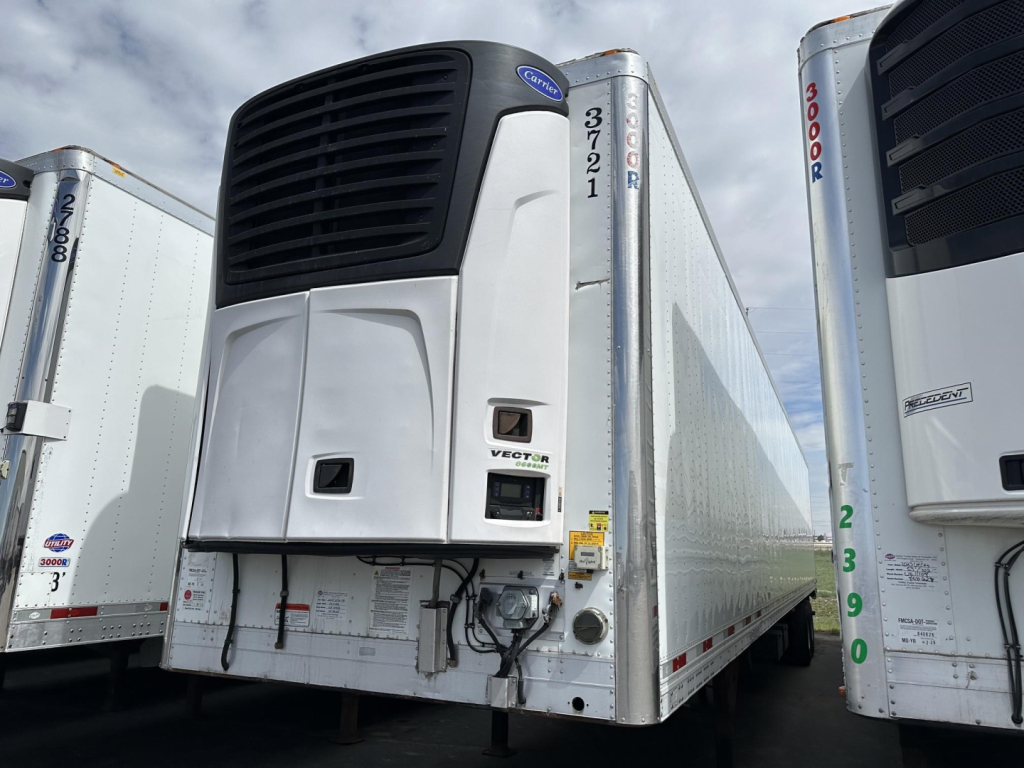
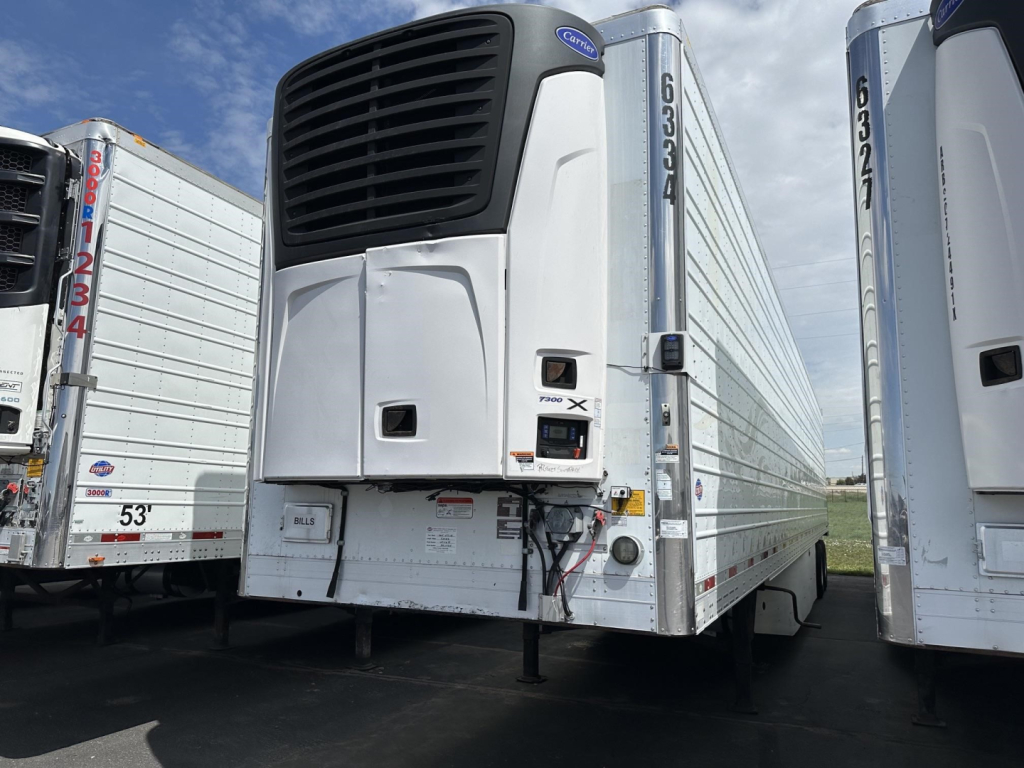
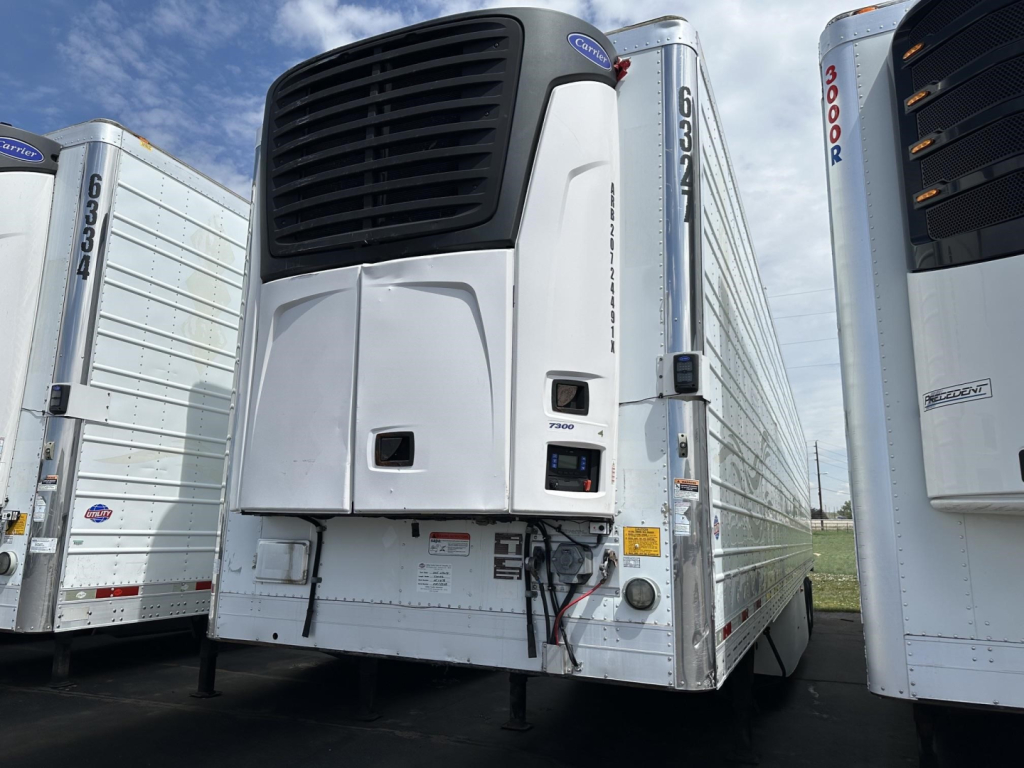
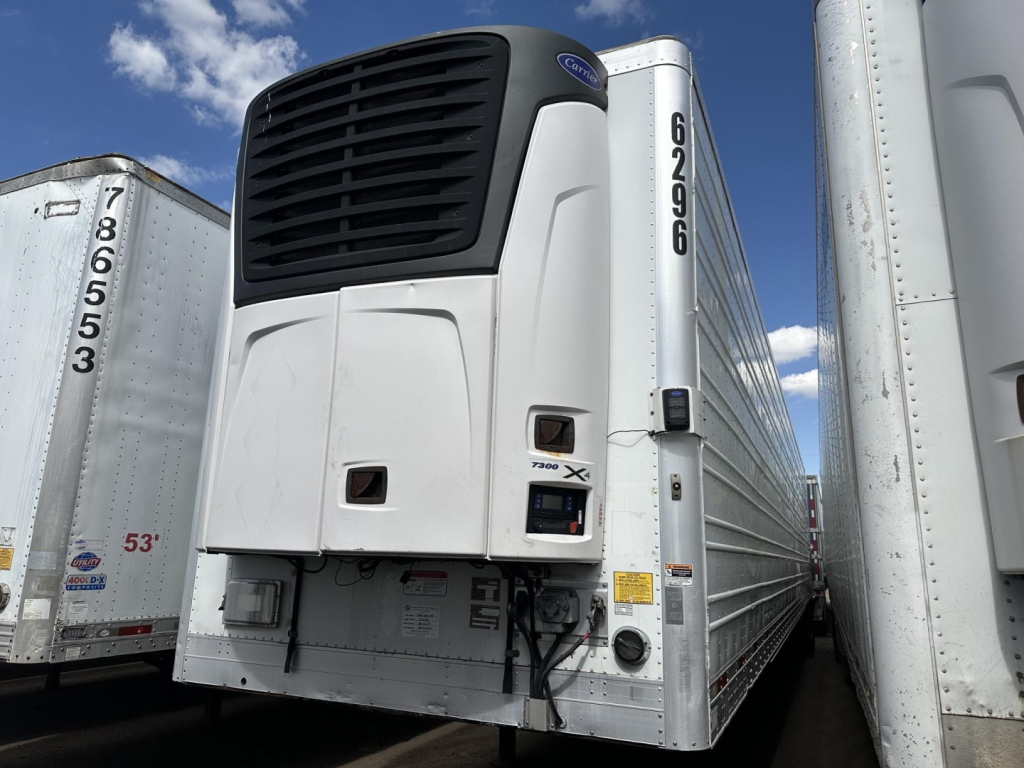
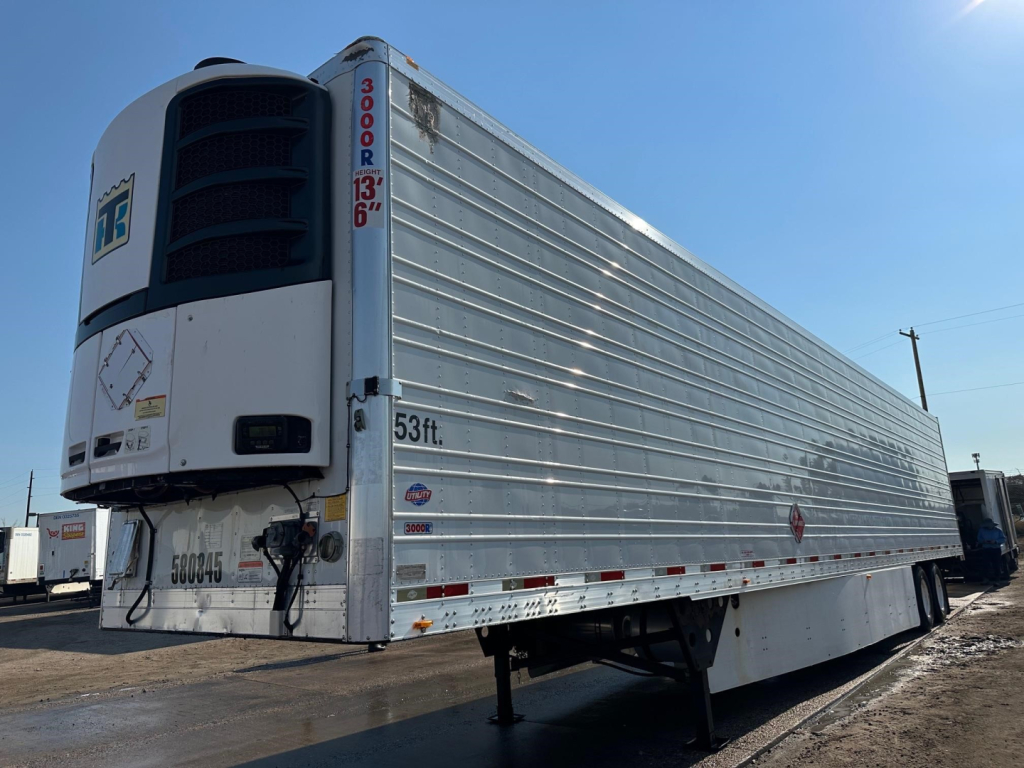
Selling a used 2015 utility reefer trailer? List your used 2015 utility reefer trailer for sale and reach thousands of commercial buyers.
Used 2015 Utility Reefer Trailers in Colorado
For most buyers, reefer unit make, model, and hours matter as much as the trailer itself. Common setups on Utility reefers include Carrier X4 7300, Carrier 7500, and Vector multi-temp units. Lower unit hours generally support a higher asking price, but maintenance records, recent major repairs, and operating performance under load are more important than the meter alone. Multi-temp configurations can add flexibility for route distribution, especially if the trailer includes a side door, liftgate, flat floor, or E-track for mixed stop work. Single-temp trailers with aluminum duct floors are more common in long-haul temperature-controlled freight because they promote front-to-rear airflow and support more consistent product temperatures when loaded correctly.
Trailer spec should match the lane and dock environment. Utility reefers from this era are commonly found with closed tandem sliders, air ride or spring ride suspension, 22.5 low-profile tires, swing doors, and aluminum or stainless rear components. Air ride is generally preferred for food-grade and damage-sensitive freight, while spring ride can still make sense in certain regional operations where simplicity and cost control matter. Floor type is a major checkpoint. An aluminum duct floor supports airflow under pallets, while a flat floor may be better suited to specialized carts, multi-temp partitions, or liftgate delivery work. Buyers should also pay attention to panel type, front corners, scuff protection such as wearbands, and options like tire inflation systems, anti-dock-walk protection, side skirts, and air pin sliders.
In Colorado, reefer trailer buyers should think beyond the box and unit spec. High-altitude operation, mountain grades, and wide seasonal swings put extra importance on reefer performance, door seals, insulation integrity, and suspension condition. A used 2015 Utility reefer deserves a close inspection of the evaporator and condenser condition, floor wear, crossmember corrosion, slider operation, rear frame area, and evidence of water intrusion around doors or side openings. If the trailer will run produce, frozen freight, or dedicated retail distribution, confirm the trailer’s actual interior condition, bulkhead setup if applicable, and the ability of the unit to hold setpoint under continuous and start-stop cycles. A well-spec’d Utility reefer from this model year can still be a productive trailer if the refrigeration unit, floor, suspension, and body condition line up with the work.
Frequently Asked Questions about Used 2015 Utility Reefer Trailers in Colorado
What should I look at first on a used 2015 Utility reefer trailer?
Start with the refrigeration unit, not just the trailer body. Confirm the unit make, model, total hours, service history, and any major component replacements such as compressor, engine, evaporator, or controller. Then inspect the trailer’s floor type, rear frame, suspension, tandem slider, door seals, and interior wall condition. On a reefer, insulation integrity and temperature performance are just as important as structural condition because small air leaks or damaged lining can create product risk and raise operating cost.
Is a Utility 3000R a good reefer trailer for food and grocery freight?
Yes. The Utility 3000R is a common refrigerated trailer platform for grocery, dairy, frozen food, and produce applications. Buyers generally value it for solid insulated body construction, widespread familiarity in the market, and parts and service support that are easier to manage than with less common trailer brands. Final suitability still depends on the actual spec, especially floor design, reefer unit configuration, and whether the trailer is set up for single-temp over-the-road work or multi-stop distribution.
How important are reefer unit hours on a 2015 trailer?
Reefer unit hours are important, but they should not be viewed in isolation. A unit with higher hours and strong maintenance documentation can be a better buy than a lower-hour unit with deferred service or poor temperature performance. Buyers should compare hours alongside engine service intervals, alarm history, fuel system condition, emissions equipment status if applicable, and any recent rebuild or repower work. On used reefer equipment, documentation often tells more than the hour meter alone.
What floor type is better on a used reefer trailer, duct floor or flat floor?
An aluminum duct floor is usually the better choice for standard palletized temperature-controlled freight because it helps move air beneath the load and maintain even box temperature from front to rear. A flat floor can make sense for specialized delivery work, some multi-temp applications, carts, or liftgate operations where rolling product and compartment flexibility matter more than under-pallet airflow. The right answer depends on freight type, loading pattern, and how often the trailer is opened during a route.
Does Colorado operation change what I should prioritize in a used reefer trailer?
Yes. Colorado routes can expose a reefer trailer to steep grades, cold winters, hot summers, and higher-altitude operation, all of which put more stress on cooling performance and trailer systems. Buyers should pay close attention to door seal condition, insulation, unit pull-down ability, suspension wear, and brake and tire condition for mountain travel. If the trailer will run long western lanes, aerodynamic equipment, tire inflation systems, and a healthy air ride setup can also contribute to lower operating cost and better cargo protection.