
Used 2015 Utility Reefer Trailers For Sale
Shop used 2015 Utility reefer trailers for sale. Compare 53-foot 3000R specs, reefer units, insulation, suspension, and maintenance features.
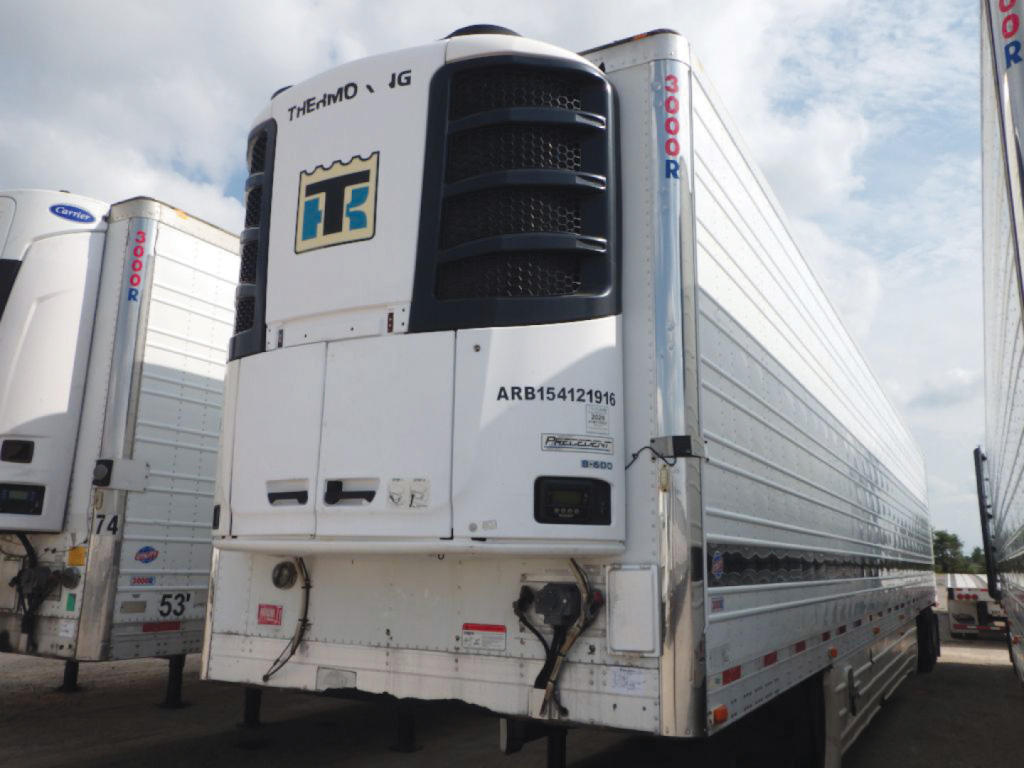
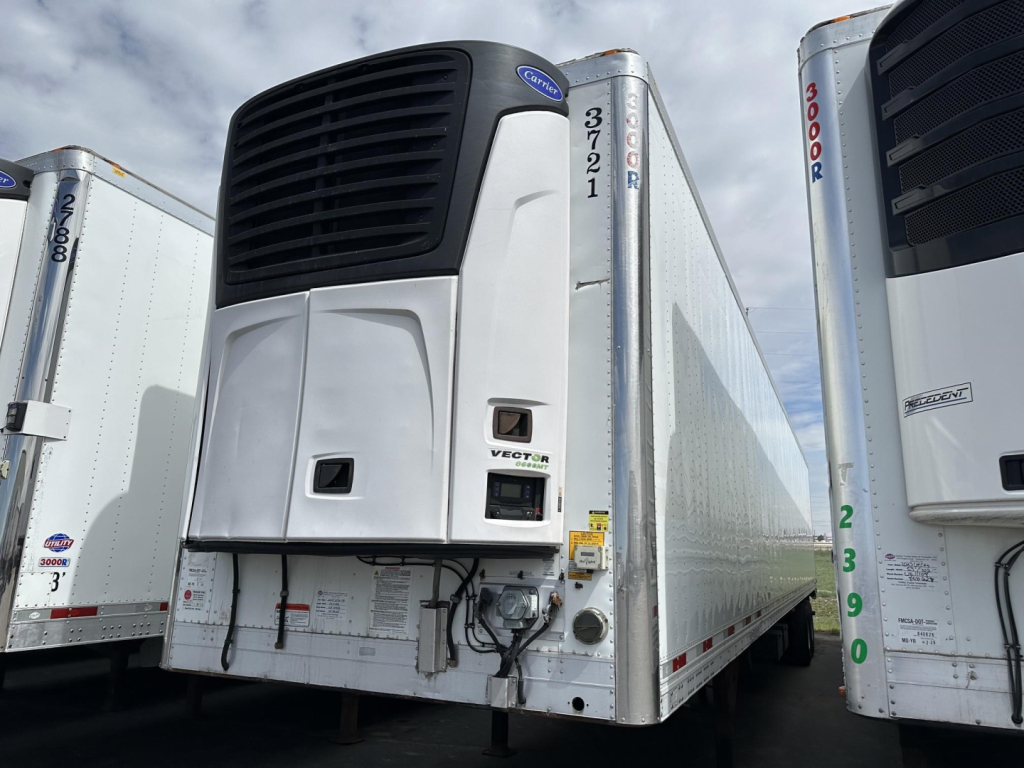
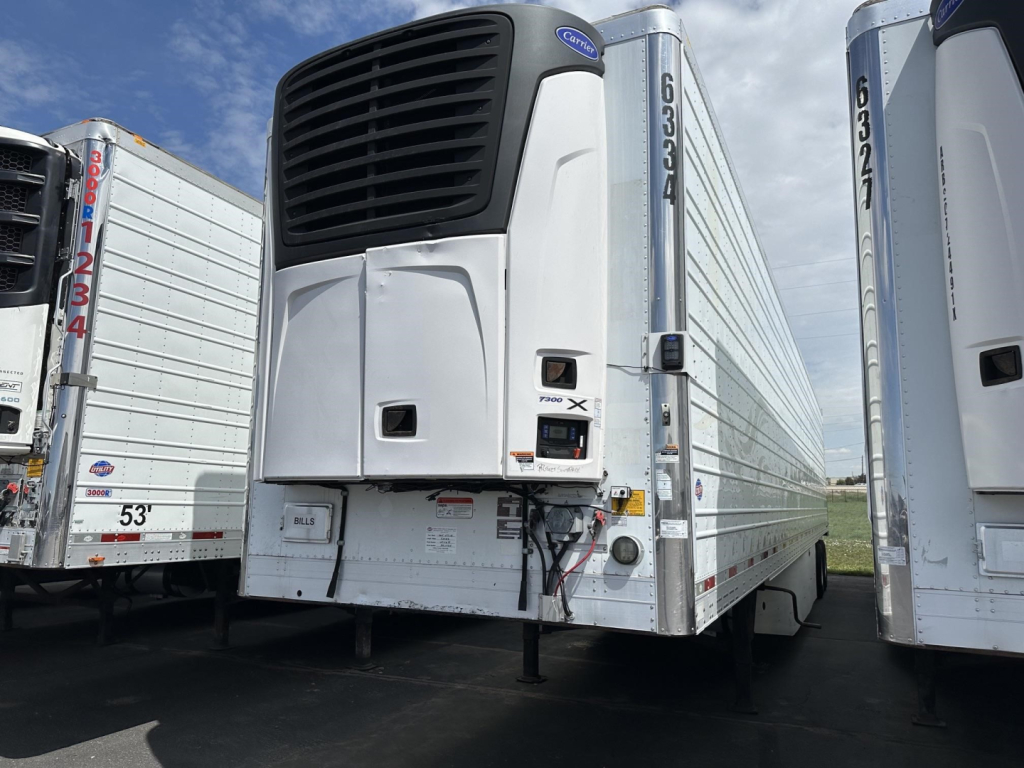
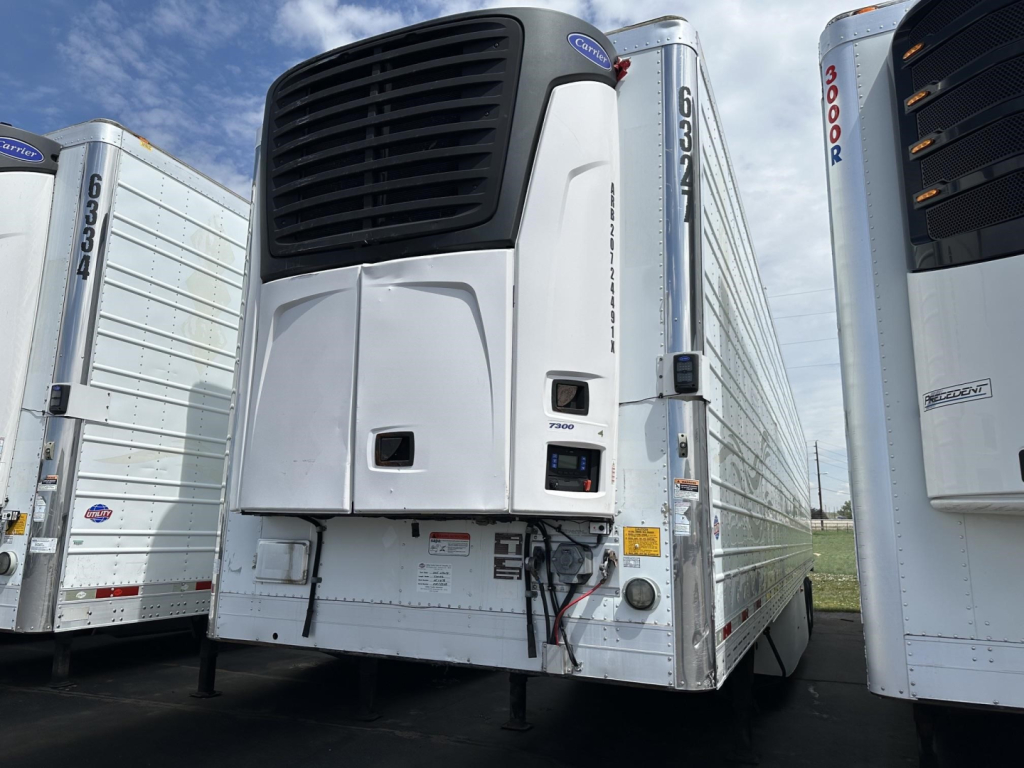

Selling a used 2015 utility reefer trailer? List your used 2015 utility reefer trailer for sale and reach thousands of commercial buyers.
Used 2015 Utility Reefer Trailers
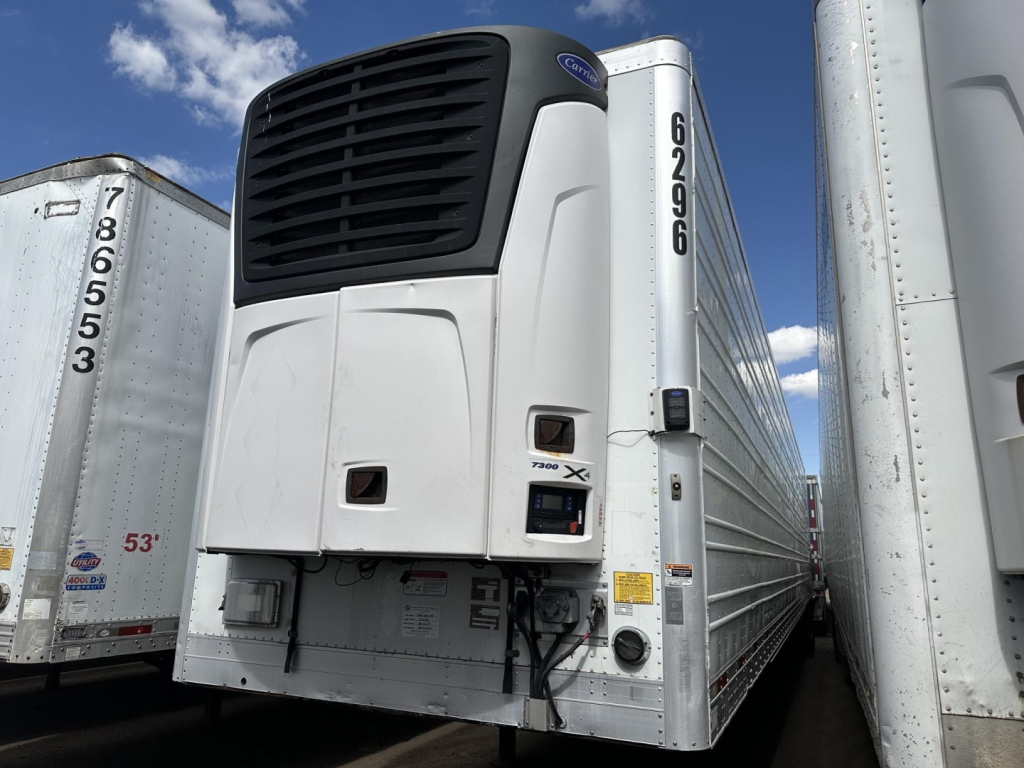
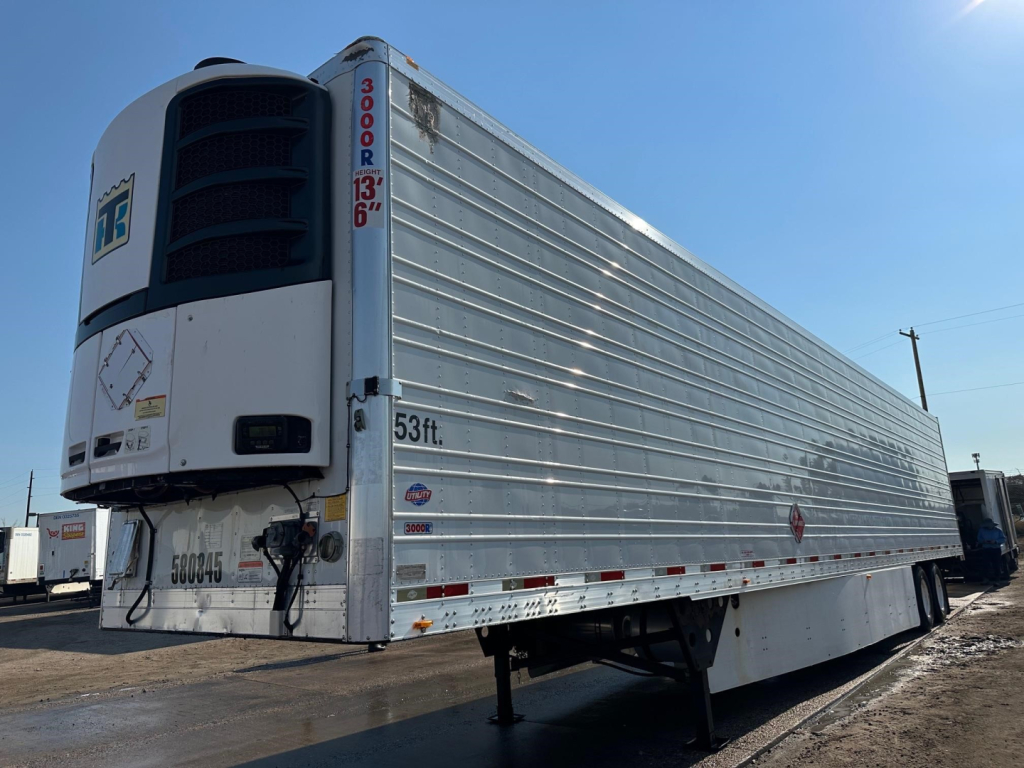
The refrigeration unit matters as much as the trailer body. Utility reefers from this era are commonly paired with Thermo King or Carrier units, and buyers should focus on engine hours, unit start history, service records, and pull-down performance before anything else. A reefer that reaches setpoint quickly and holds temperature under load is more valuable than one with cleaner cosmetics but weak unit performance. It also pays to check the evaporator area, discharge air chute, return air path, fuel tank condition, and controller operation. If the trailer will run produce or multi-stop grocery, airflow features such as a duct floor, rear vent, and intact chute become especially important because poor air circulation can create uneven box temperatures even when the unit itself is operating.
Body condition is the next major buying point on a used 2015 Utility reefer. Look closely for floor wear from pallet jack traffic, sidewall damage behind the scuff liner, door frame repairs, roof patches, and signs of water intrusion that can compromise insulation value. Rear doors should close square and seal tightly, and the stainless door hardware, hinges, and locking bars should be checked for fatigue and corrosion. Suspension and running gear also deserve a close look. Many Utility reefers are spec'd with air ride and sliding tandems, and some may have low-profile 22.5 tires, aluminum wheels, disc brakes, or tire inflation systems. Kingpin area wear, crossmember condition, and alignment issues can tell you a lot about how the trailer was used and maintained.
For buyers comparing several used 2015 Utility reefer trailers for sale, the best value usually comes from matching the trailer's prior spec to the intended freight. A heavy-duty floor and stronger scuff protection make sense for beverage or high-cycle grocery work. Cleaner interiors, good door seals, and strong unit documentation matter more for higher-value foodservice or pharmaceutical applications. Utility reefers have a strong presence in the market because parts support is broad and most shops are familiar with the platform. A careful inspection should center on the reefer unit, insulation integrity, floor structure, and door sealing, since those items drive operating cost, claim risk, and resale value more than paint or cosmetic trim.
Frequently Asked Questions about Used 2015 Utility Reefer Trailers
What should I inspect first on a used 2015 Utility reefer trailer?
Start with the refrigeration unit and the box integrity. Confirm the reefer unit's engine hours, maintenance history, alarm history, and ability to pull down and hold temperature. Then inspect the floor, sidewalls, roof, front wall, and rear doors for impact damage, moisture intrusion, and insulation problems. A reefer trailer can look acceptable outside and still have expensive issues in the unit, floor structure, or thermal envelope.
What is the most common size and configuration for a 2015 Utility reefer trailer?
The most common setup is a 53-foot by 102-inch trailer with a 13-foot 6-inch overall height. Many are Utility 3000R models with aluminum construction, air ride suspension, sliding tandems, swing doors, and low-profile 22.5 tires. Interior features often include an aluminum duct floor, scuff liners or scuff plates, and airflow components such as a cold chute and rear vent.
Are Thermo King and Carrier units both common on Utility reefers from this year?
Yes. Utility reefer trailers from the mid-2010s are commonly found with either Thermo King or Carrier refrigeration units. The better choice is usually the unit with stronger service records, lower risk of deferred maintenance, and proven temperature performance. Parts and service availability for both brands are generally strong, but local dealer support and technician familiarity can still influence long-term uptime.
How do I know if a used reefer trailer is suitable for multi-temp or high-cycle delivery work?
Check for airflow and durability features first. A sound duct floor, intact air chute, good rear door seals, and a clean evaporator area help the trailer maintain even temperatures during frequent door openings. For high-cycle delivery, look for heavy floor wear resistance, solid scuff protection, dependable suspension, and a reefer unit with documented maintenance. If the trailer has been used in grocery distribution, pay close attention to interior wall damage and floor fatigue from constant pallet jack traffic.
Why do door seals and insulation matter so much on a reefer trailer?
Door seals and insulation directly affect temperature retention, fuel consumption, and cargo protection. Worn seals, hidden wall damage, or moisture-compromised insulation force the reefer unit to run harder and longer to maintain setpoint. That increases operating cost and raises the risk of rejected loads. On a used 2015 reefer, thermal efficiency is one of the biggest factors separating a reliable trailer from one that becomes expensive to own.