
Used 2015 Reefer Trailers For Sale in Colorado
Shop used 2015 reefer trailers in Colorado. Compare 53-foot refrigerated trailers, reefer units, floors, doors, suspension, and multi-temp specs.
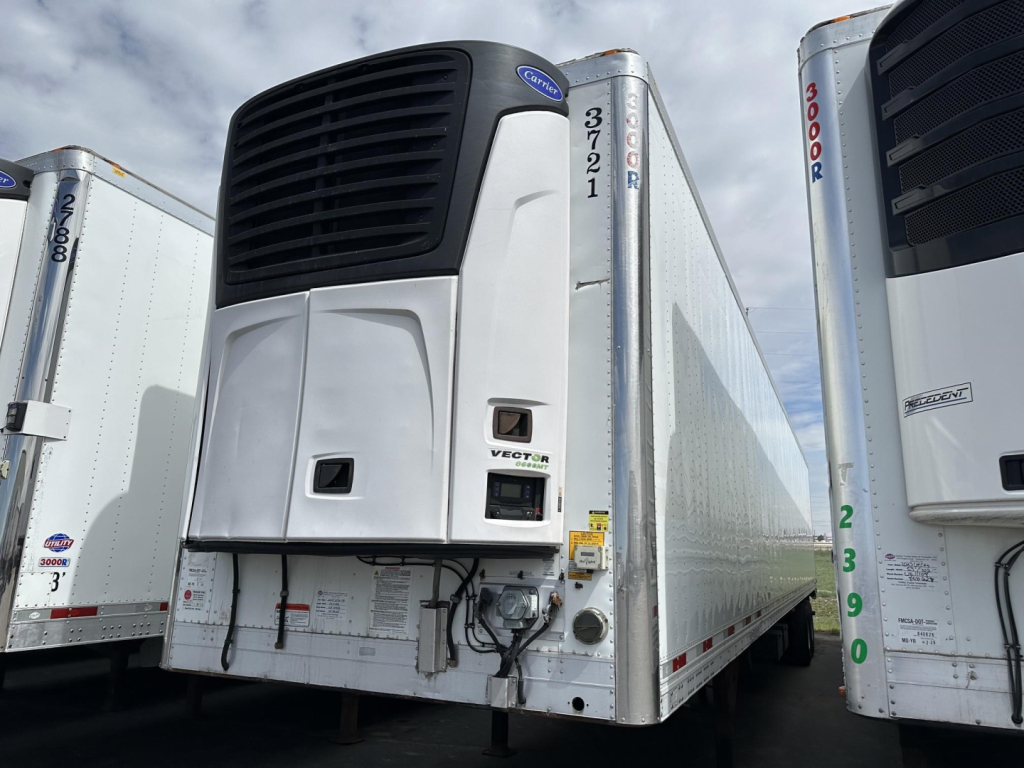
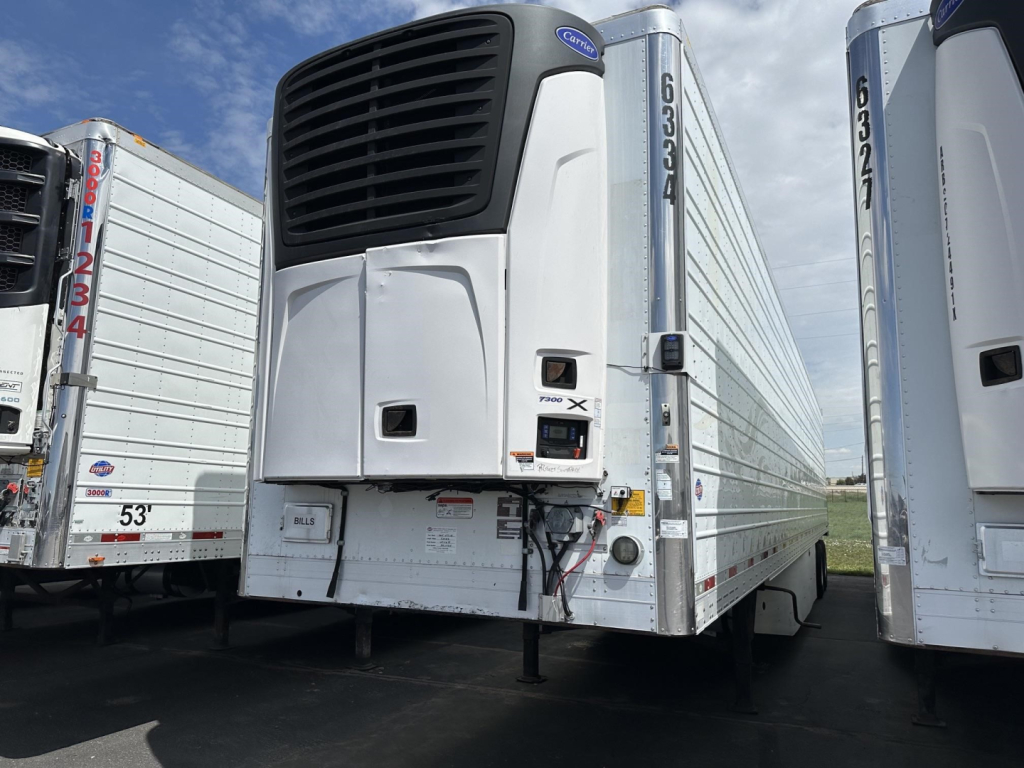
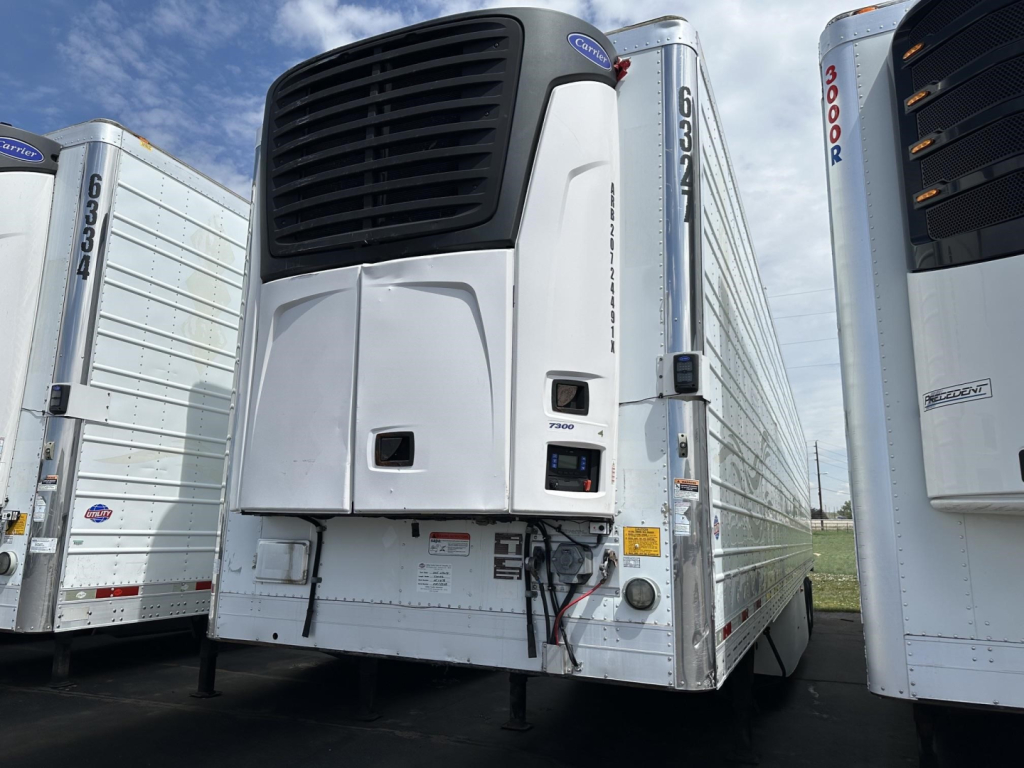
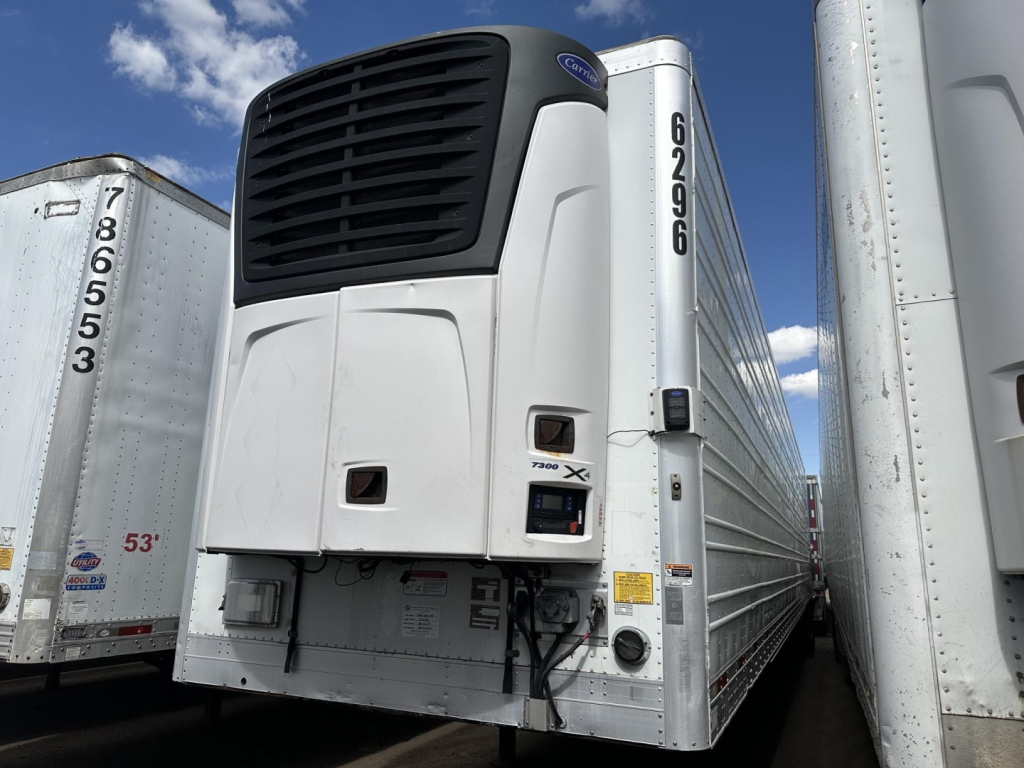
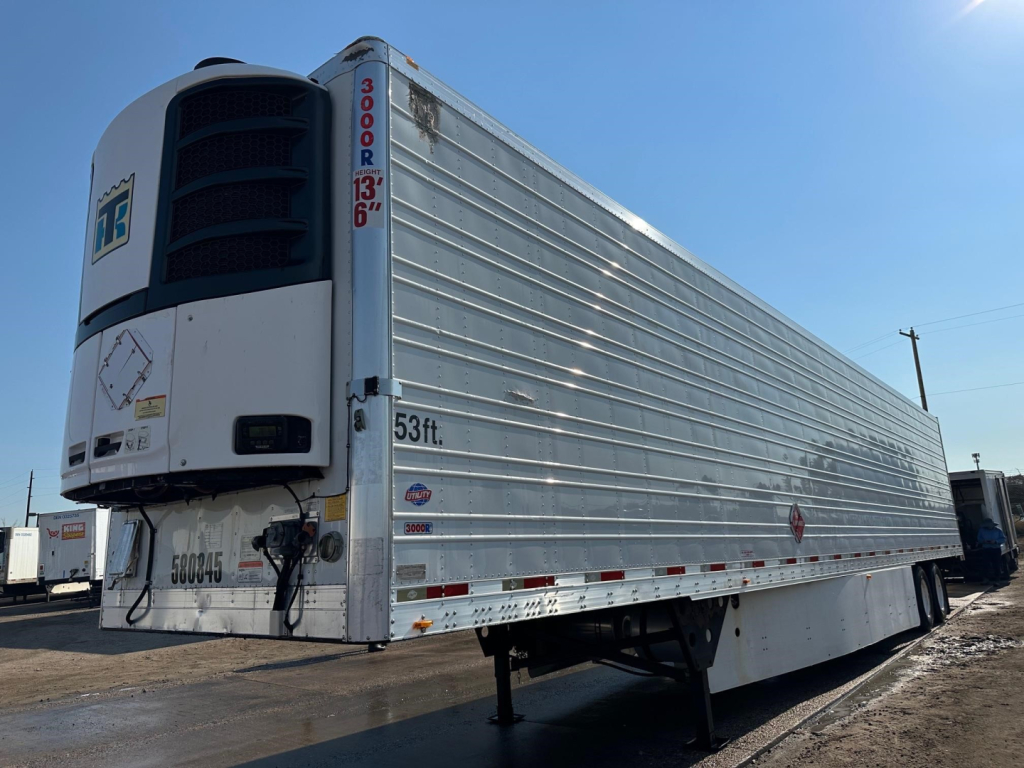
Selling a used 2015 reefer trailer? List your used 2015 reefer trailer for sale and reach thousands of commercial buyers.
Used 2015 Reefer Trailers in Colorado
Spec decisions should match the freight. Deep-frozen freight benefits from a strong continuous-run unit, good door seals, and a floor design that maintains airflow under pallets. Multi-temp work calls for more scrutiny. Buyers should confirm the number of evaporators, bulkhead setup, and how well the unit holds separate zones under load. Roll doors can help on route delivery and frequent stop applications, while swing doors are still the standard for dock freight and long-haul operations. Interior details such as scuff liners, wearbands, E-track, and stainless door frames can tell you a lot about how the trailer was used and how much abuse the interior has taken.
Colorado operation adds a few practical checks. High elevation, wide temperature swings, and winter conditions can expose weak batteries, tired diesel APUs on the reefer unit, and marginal cooling performance. Inspect the unit under load if possible, not just at start-up. Look at return air and supply air performance, check for panel damage or moisture intrusion, and inspect the floor for soft spots, crushed ducting, or heavy corrosion around crossmembers and rear thresholds. Suspension type also matters depending on your lanes. Air ride is generally preferred for higher-value or sensitive refrigerated freight, while spring ride can still make sense in certain price-sensitive applications if the trailer structure is solid.
For a 2015 reefer trailer, buyers should weigh total operating cost more than purchase price alone. Unit hours, service history, fuel tank condition, tire inflation systems, brakes, and door hardware can quickly change the economics of an older refrigerated trailer. It also pays to confirm tandem slider function, kingpin wear, ABS status, and the condition of the front wall and roof seams. The best used reefer trailers in this age range are the ones with a straight box, a refrigeration unit that pulls down temperature efficiently, and a specification that fits the freight mix from grocery and produce to frozen food and pharmaceutical distribution.
Frequently Asked Questions about Used 2015 Reefer Trailers in Colorado
What should I check first on a used 2015 reefer trailer?
Start with the refrigeration unit, insulation, and trailer structure. Confirm reefer unit hours, service records, temperature pull-down performance, and any history of major repairs. Then inspect the trailer body for delamination, patched panels, roof and front wall seam issues, door seal wear, floor damage, and corrosion around the rear frame and crossmembers. A reefer trailer can look acceptable outside but still have expensive issues in the unit or insulated box.
Are 2015 reefer trailers still a good choice for over-the-road freight?
Yes, if the trailer has been maintained properly and the refrigeration unit is still reliable. Many 2015 reefers remain productive in grocery, frozen food, dairy, and regional distribution service. The key is matching the trailer's current condition to your freight demands. Long-haul and high-service shippers typically need strong temperature consistency, dependable door hardware, and clean interiors, so maintenance history matters more than model year by itself.
What is the difference between a single-temp and multi-temp reefer trailer?
A single-temp reefer trailer is designed to keep the entire trailer at one temperature setpoint. A multi-temp reefer uses additional evaporators, bulkheads, and controls to create separate temperature zones in the same trailer. Multi-temp setups are useful for mixed grocery and foodservice delivery, but they are more complex and should be inspected carefully. Buyers should verify evaporator count, control operation, and the condition of bulkheads and interior components before purchase.
Which reefer trailer features matter most for Colorado operation?
Cooling performance, insulation condition, and structural integrity matter most in Colorado. Elevation and seasonal weather shifts can expose weak refrigeration performance, battery problems, and air leaks around doors and panels. Buyers should also pay attention to tire condition, brakes, suspension, and slider function because mountain routes and winter roads add stress to the trailer. A reefer that performs well at idle in mild weather may not hold the same standard during mountain operation or repeated stop-and-go work.
What trailer specs are most common on used reefer trailers in this class?
Most used reefer trailers in this category are 53 feet long and 102 inches wide, with tandem axles, sliding tandems, and either air ride or spring ride suspension. Common features include aluminum duct floors or flat floors, swing or roll rear doors, scuff liners, wearbands, and E-track. Refrigeration units are commonly Thermo King or Carrier. Tire setup, wheel material, and options like tire inflation systems or side skirts vary by prior fleet specification and intended application.