
Used Great Dane Reefer Trailers For Sale in Colorado
Browse used Great Dane reefer trailers for sale in Colorado. Compare Everest specs, reefer units, floor types, suspension, and trailer condition.
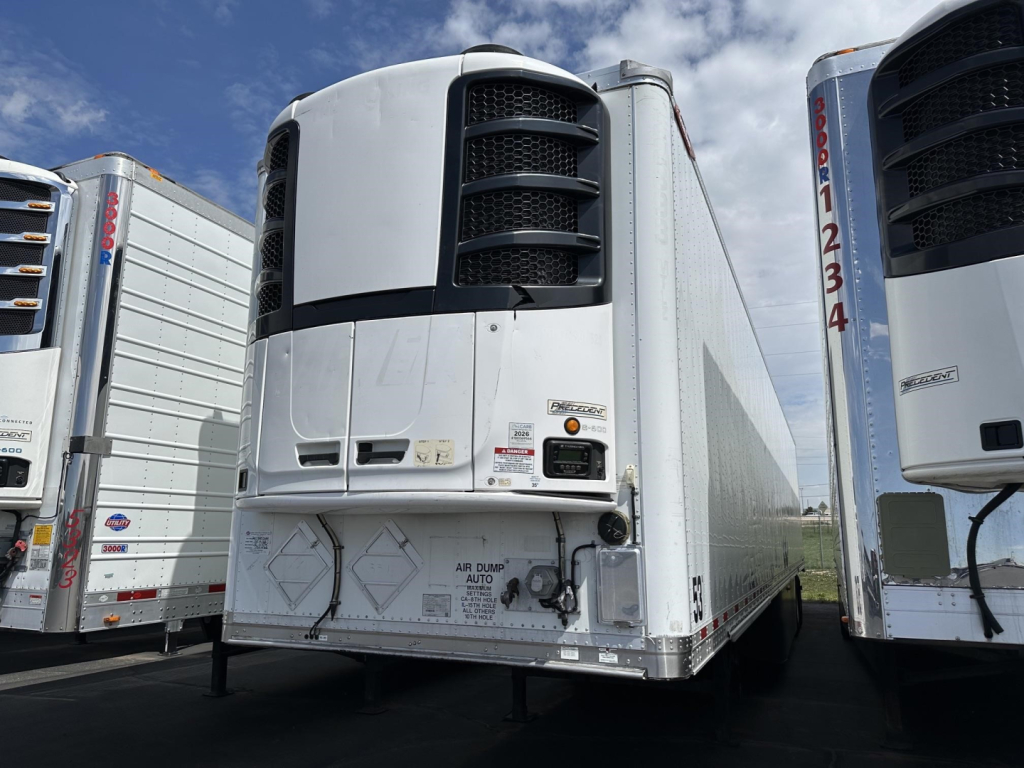
2017 Great Dane Air Ride Reefer
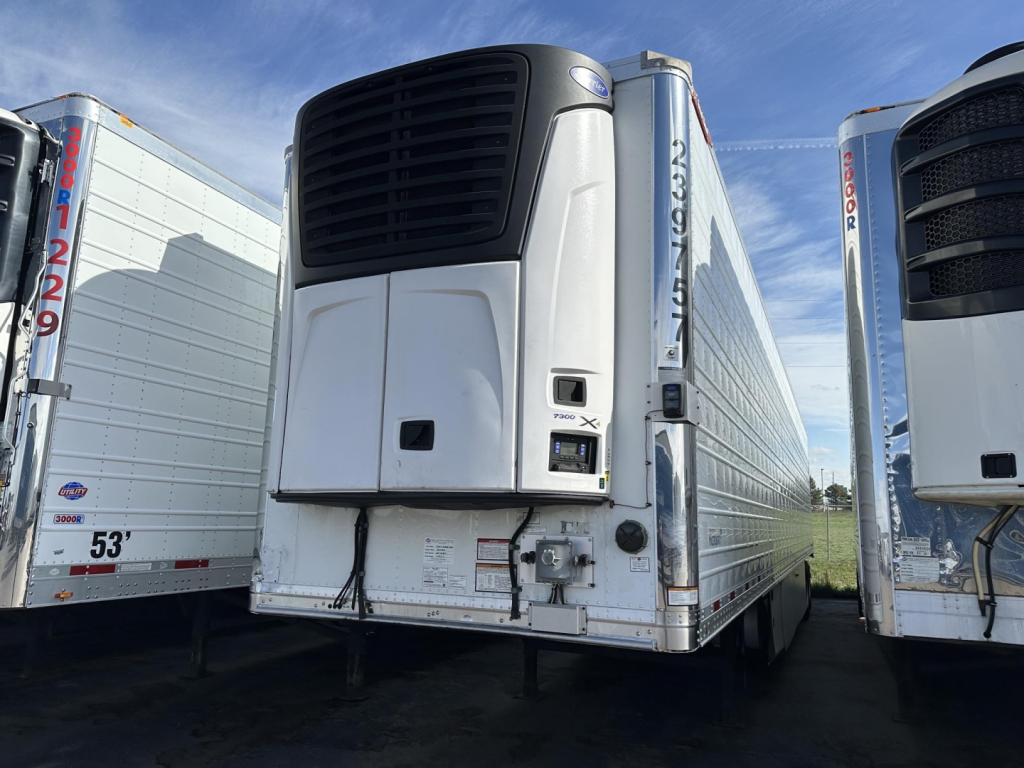
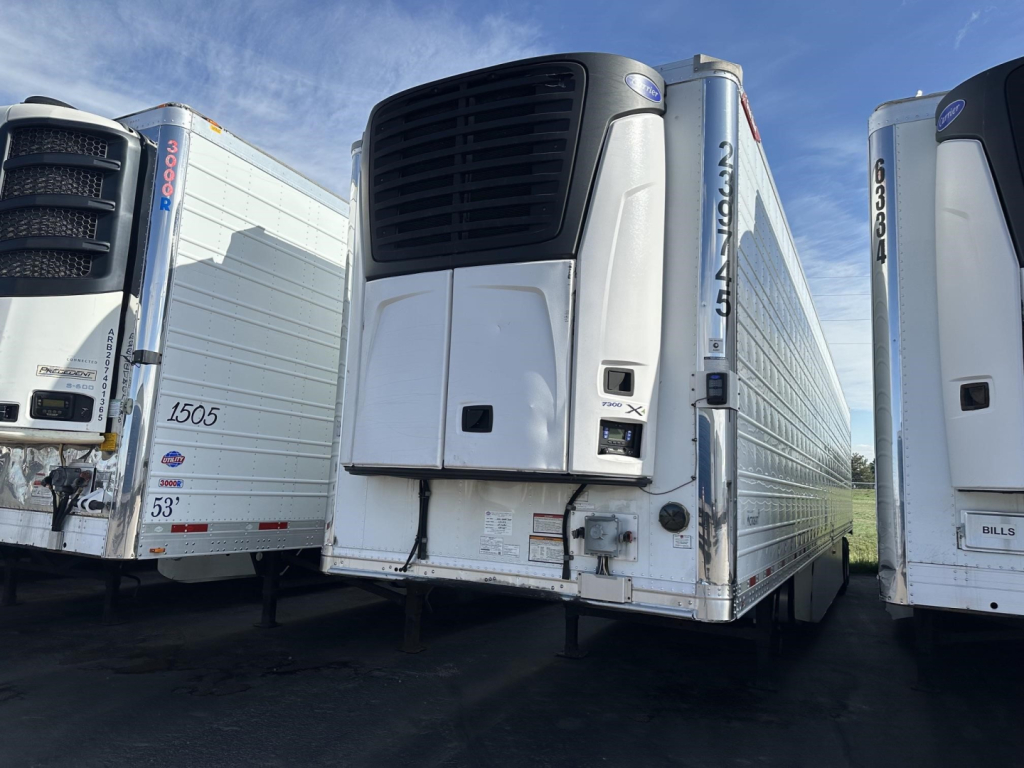
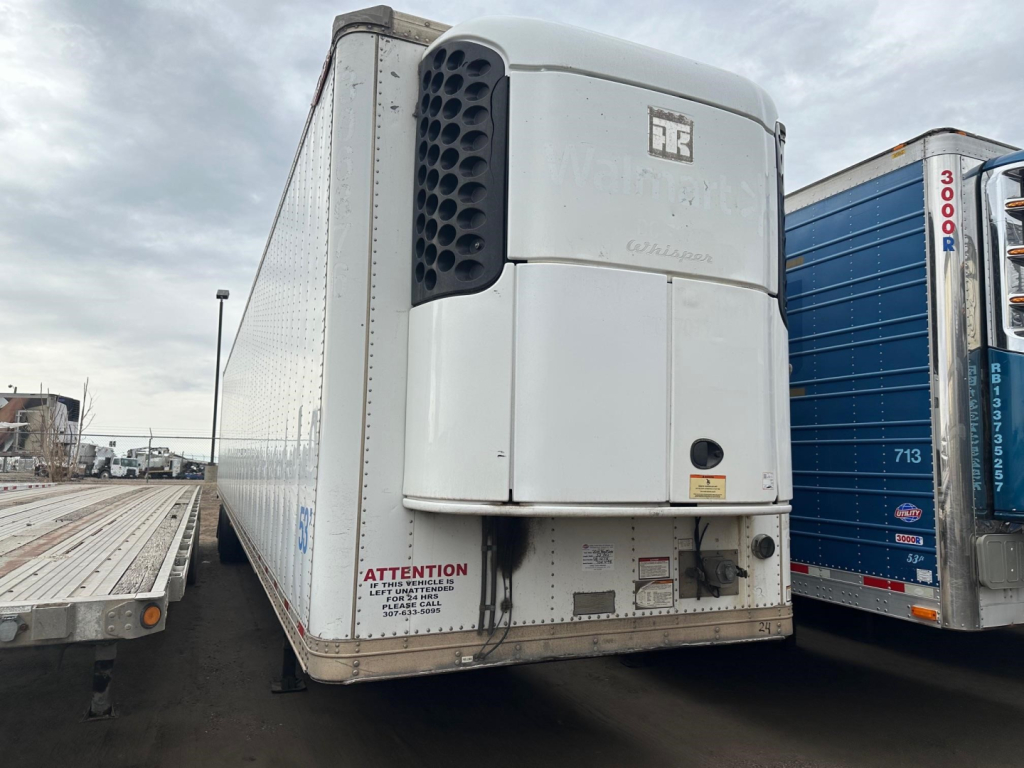
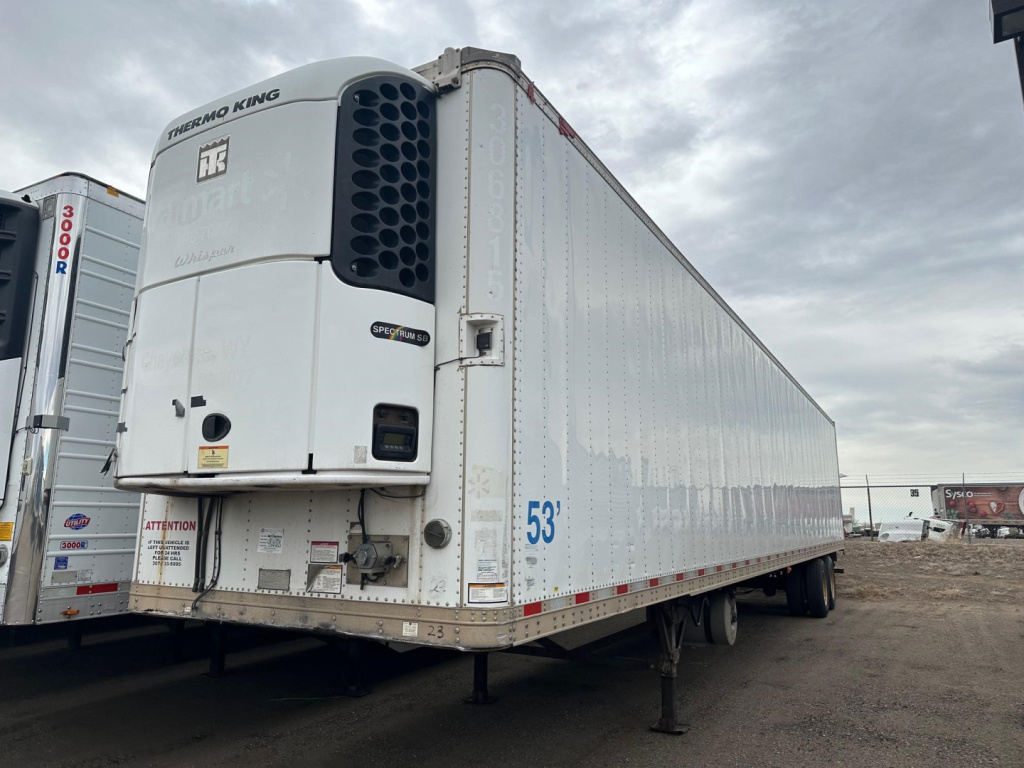
Selling a used great dane reefer trailer? List your used great dane reefer trailer for sale and reach thousands of commercial buyers.
Used Great Dane Reefer Trailers in Colorado
A lot of used Great Dane reefers on the market are 53-foot trailers with 102-inch width, 13-foot 6-inch overall height, and inside heights around 105 to 108 inches. Common specs include aluminum construction, swing doors, stainless steel rear door frames, scuff liners or scuff plate, and air ride suspension with sliding tandems. Many are equipped with aluminum duct floors or flat floors depending on the original application. A duct floor and cold chute setup is typically preferred for frozen or multi-stop temperature-sensitive freight because it helps maintain consistent air circulation from the front-mounted reefer unit to the rear of the box. Features like rear vents, E-track, door protector plates, and tire inflation systems can also matter depending on how the trailer was spec'd and how hard it has been worked.
The reefer unit itself is the biggest checkpoint on a used trailer. Great Dane trailers are commonly paired with Thermo King or Carrier systems, and buyers should review engine hours, electric standby if equipped, service records, and evidence of recent PM work. On a used reefer, it is smart to inspect bulkhead condition, chute integrity, floor wear, evaporator cleanliness, door seals, and signs of moisture intrusion around the front wall, roof seams, and rear frame. Suspension and running gear still matter just as much as the refrigeration package, so look closely at slider operation, air ride components, wheel ends, brake condition, tire wear patterns, and any signs of floor fatigue around high-traffic pallet zones.
Great Dane reefers are often selected by buyers who want a durable trailer for regional grocery routes, dedicated cold-chain work, or general refrigerated freight lanes. If payload and longevity are priorities, compare interior configuration, floor design, unit brand, and structural corrosion before narrowing down by model year alone. A newer trailer with higher reefer hours is not always the better buy than an older trailer with documented maintenance and a cleaner interior. On this category, the best value usually comes from matching the trailer’s insulation package, floor style, and reefer unit capacity to the freight you actually haul.
Frequently Asked Questions about Used Great Dane Reefer Trailers in Colorado
What should I check first on a used Great Dane reefer trailer?
Start with the refrigeration unit, the trailer body, and the floor. Verify reefer unit hours, service history, and recent maintenance on the Thermo King or Carrier system. Then inspect the front wall, roof, door frame, door seals, and interior liner for leaks, repairs, or insulation damage. Floor condition is critical on a reefer because damaged duct floors, worn flat floors, or crushed channels can affect airflow, sanitation, and forklift durability.
What is the difference between a Great Dane Everest SS and Everest TL reefer trailer?
The exact spec can vary by original order, but Everest SS and Everest TL trailers are both part of Great Dane’s refrigerated trailer lineup and are commonly seen in fleet service. Differences often come down to interior height, floor design, insulation package, and application-specific options rather than the badge alone. Buyers should compare inside height, duct floor versus flat floor, chute setup, door configuration, and reefer unit model instead of assuming every trailer with the same model name is built the same way.
Is a duct floor better than a flat floor on a reefer trailer?
A duct floor is usually the better choice for frozen freight and freight that needs even front-to-rear air circulation. It helps move cold air under the load and supports more consistent box temperature when the trailer is loaded correctly. A flat floor can still work well for many refrigerated applications, especially where loading patterns, cargo type, or cleaning preferences make it practical, but it does not manage airflow the same way a true duct floor does.
Are used Great Dane reefer trailers a good fit for Colorado operations?
They can be a strong fit because Great Dane reefers are widely used in demanding regional and long-haul service. Colorado buyers often need trailers that can handle altitude, temperature swings, and mixed-route freight. That makes reefer unit performance, insulation integrity, and door sealing especially important. A trailer with a healthy unit, solid body structure, and well-maintained air ride and tandem system can perform well in mountain and Front Range service.
How important are reefer unit hours on a used trailer?
Reefer unit hours matter, but they should be judged alongside maintenance history and overall condition. A lower-hour unit is attractive, but a higher-hour unit with documented PM service, clean inspections, and proper repairs can be the better purchase. Buyers should look at total engine hours, any rebuild history, unit start-up behavior, temperature pull-down performance, and signs of deferred maintenance before making a decision based on hours alone.