
New 2026 Trailers For Sale in Ohio
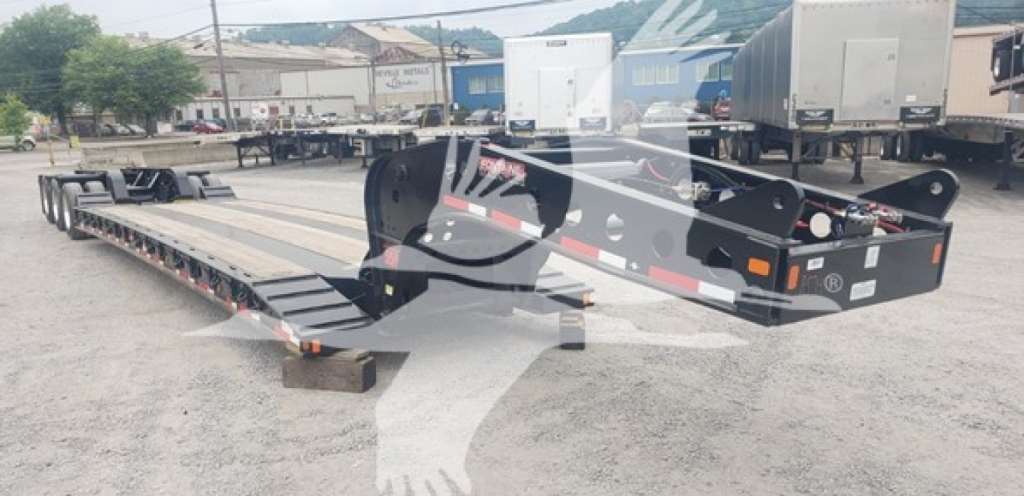
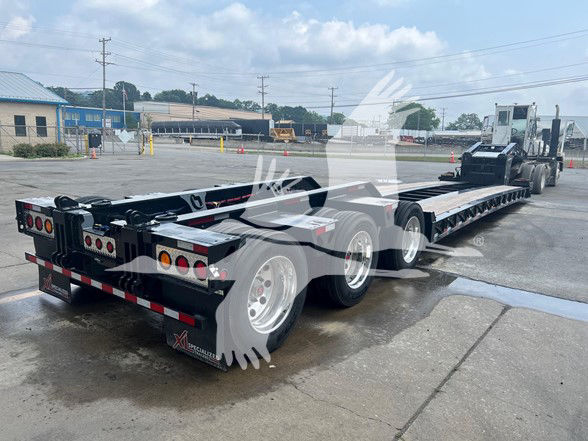
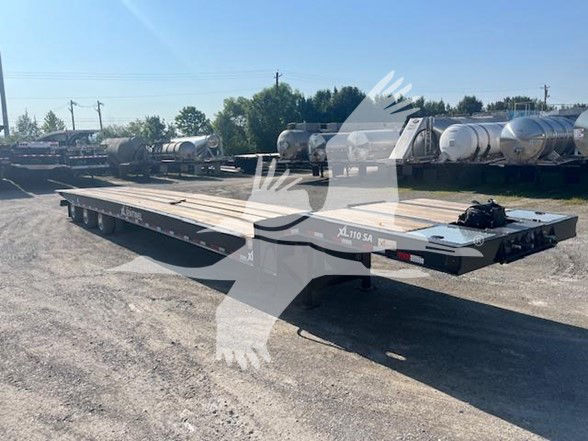
Shop new 2026 trailers for sale in Ohio, including flatbed, drop deck, and lowboy models built for heavy haul, paving, and general freight.
Learn more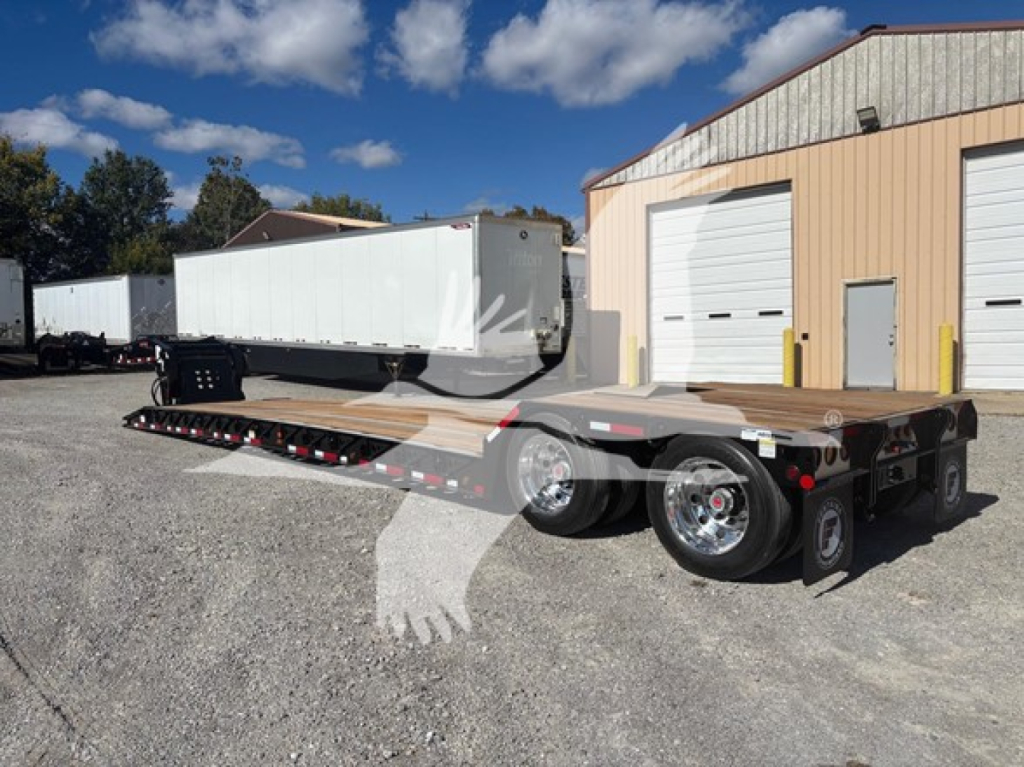
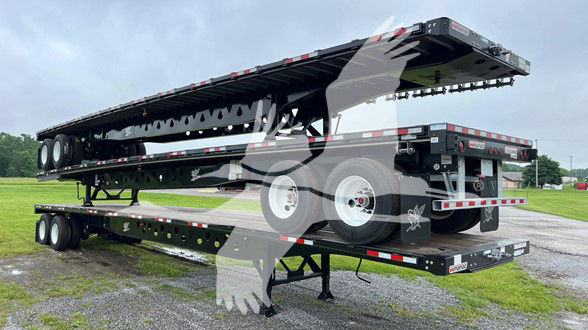
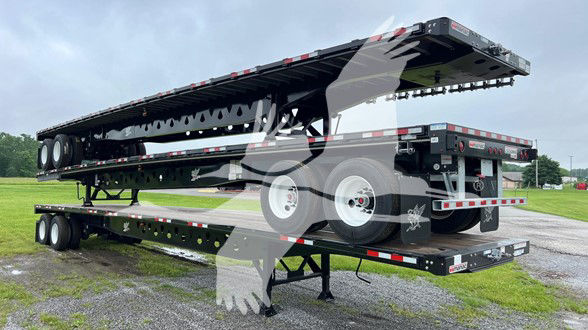
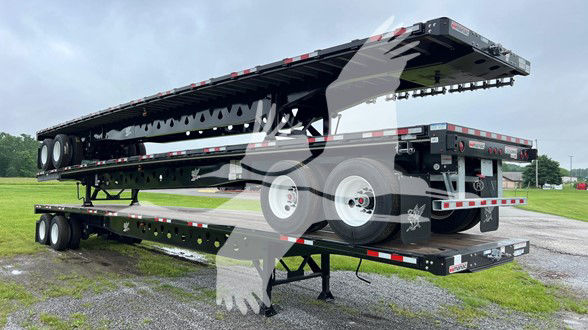
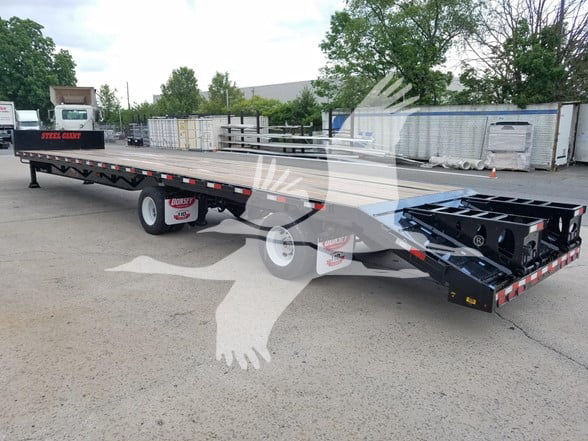
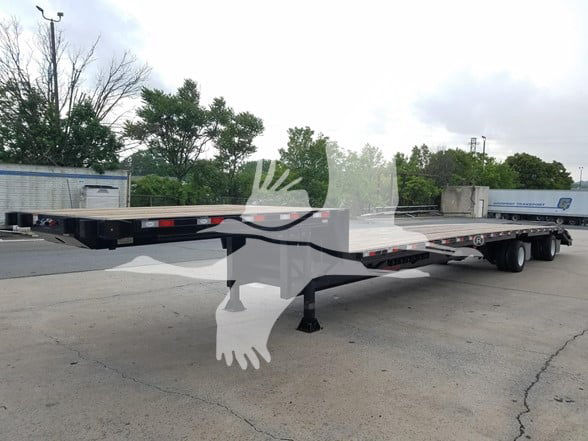
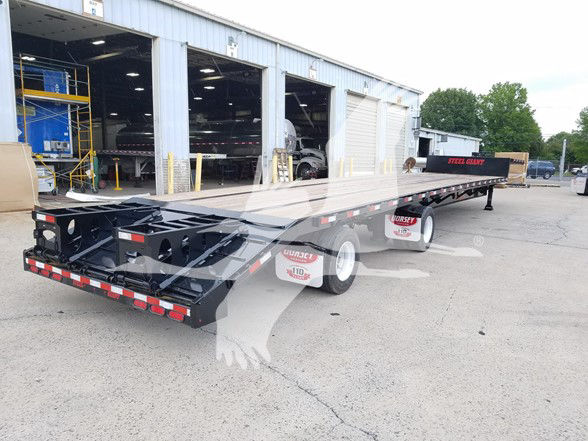
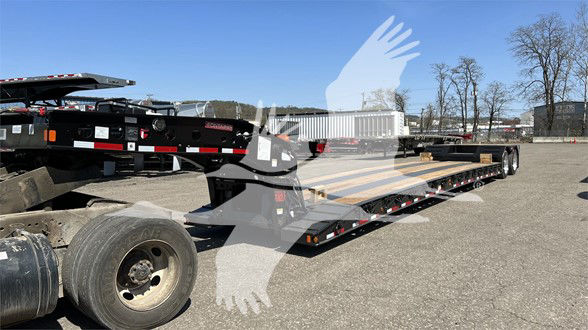
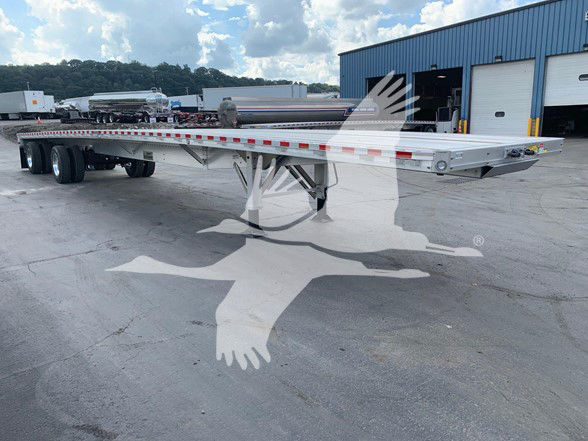
Showing 13 to 24 of 27 results
Have new 2026 trailer to sell? List it here to reach thousands of buyers.
About New 2026 Trailers in Ohio
Spec details matter more on a new trailer because this is where buyers can step into current brake, lighting, and suspension configurations without inheriting wear from the previous owner. Air ride suspensions remain popular for flatbeds, drop decks, and many lowboys because they help with ride quality and load protection, while spring ride still has a place on tag and pintle equipment trailers where simplicity and lower acquisition cost matter. In Ohio, axle spacing, kingpin setting, and swing clearance deserve close attention if the trailer will run mixed state routes, urban job sites, or tight equipment yards. Common features on current model trailers include Apitong flooring, aluminum or steel wheel packages, chain slots, sliding winches, coil packages, dump valves, lift axles, and LED lighting.
Material choice is another major decision point. Aluminum flatbeds are favored when payload is the priority, with lighter tare weights helping maximize legal freight. Steel drop decks and lowboys trade extra empty weight for durability and stiffness, which can be the better fit for concentrated loads, construction use, and rougher loading conditions. Buyers looking at lowboys should pay close attention to loaded fifth wheel height, deck height, ramp style, detachable gooseneck design, and flip axle compatibility. Those comparing drop decks should focus on main deck length, deck height, beam rating, winch track placement, and the number and spacing of chain tiedowns. On flatbeds, crossmember spacing, coil package reinforcement, nailing strips, and side rail design can make a real difference in everyday freight flexibility.
A new 2026 trailer also gives the buyer the advantage of current-spec components and a longer service life runway. That matters for fleets trying to reduce downtime, standardize parts, and put a trailer directly into revenue service. For owner-operators, the best value often comes from matching the trailer to the freight mix instead of buying on price alone. A flatbed handles broad general freight, a drop deck opens more legal height options, a lowboy is built for concentrated heavy equipment, and a tag trailer serves contractors who need pintle towing and frequent loading. The best trailer is the one with the right deck configuration, securement package, axle setup, and weight distribution for the lanes and cargo it will actually see in Ohio and beyond.
Frequently Asked Questions
What types of new 2026 trailers are most common for sale in Ohio?
The most common categories are flatbed trailers, drop deck trailers, lowboy trailers, and tag or equipment trailers. Flatbeds are widely used for general commodity freight, including lumber, steel, and palletized building materials. Drop decks are popular when extra freight height is needed without moving into overheight permits. Lowboys are built for heavy equipment and concentrated loads such as pavers, excavators, and other construction machinery. Tag trailers are common for contractor and equipment transport behind pintle-equipped trucks.
How do I choose between a flatbed, drop deck, and lowboy trailer?
The decision comes down to freight height, freight weight, and loading method. A flatbed is the most versatile option for legal-height general freight and offers easy side loading. A drop deck lowers the main deck so taller cargo can stay legal more often, making it a strong choice for machinery, crated equipment, and irregular freight. A lowboy is designed for heavier and taller equipment that needs a very low deck and stronger concentrated load capacity, often with a detachable gooseneck for easier loading. If the freight includes heavy construction equipment with high axle weights, lowboy specifications deserve the closest review.
What specs matter most when buying a new trailer?
The most important specs are overall length, deck length, deck height, width, tare weight, axle count, suspension type, tire and wheel package, and weight rating. Buyers should also review tiedown options such as D-rings, chain slots, winch tracks, and sliding winches, since securement flexibility affects how many load types the trailer can handle. On drop decks and lowboys, beam ratings, swing clearance, kingpin setting, and lift axle configuration are especially important. Flooring material, crossmember spacing, and ramp or gooseneck design also have a direct impact on durability and day-to-day usability.
Are aluminum or steel trailers better for Ohio buyers?
Neither is universally better. Aluminum trailers are typically chosen for lighter empty weight and better payload potential, which is valuable in general freight operations. Steel trailers are often preferred for harsher applications, repeated equipment loading, and heavier concentrated loads because they can offer greater structural toughness. In Ohio, where buyers may see a mix of highway miles, industrial freight, and construction work, the best material depends on the actual job. If payload is the priority, aluminum often wins. If durability under equipment use is the priority, steel is frequently the better match.
Why buy a new 2026 trailer instead of an older used trailer?
A new 2026 trailer gives the buyer current components, a clean maintenance baseline, and a longer expected service window before major reconditioning is needed. That can improve uptime, simplify fleet standardization, and reduce uncertainty around suspension wear, brake history, floor condition, and previous structural repairs. New trailers also make it easier to get the right tiedown package, axle setup, deck style, and suspension from the start, rather than adapting to someone else’s old spec. For many buyers, that means better long-term value even when the purchase price is higher.