
New 2026 Eager Beaver Trailers For Sale in Ohio
Shop new 2026 Eager Beaver trailers for sale, including tag and equipment trailers built for heavy machinery, construction hauling, and daily jobsite use.
Selling a new 2026 eager beaver trailer? List your new 2026 eager beaver trailer for sale and reach thousands of commercial buyers.
New 2026 Eager Beaver Trailers in Ohio
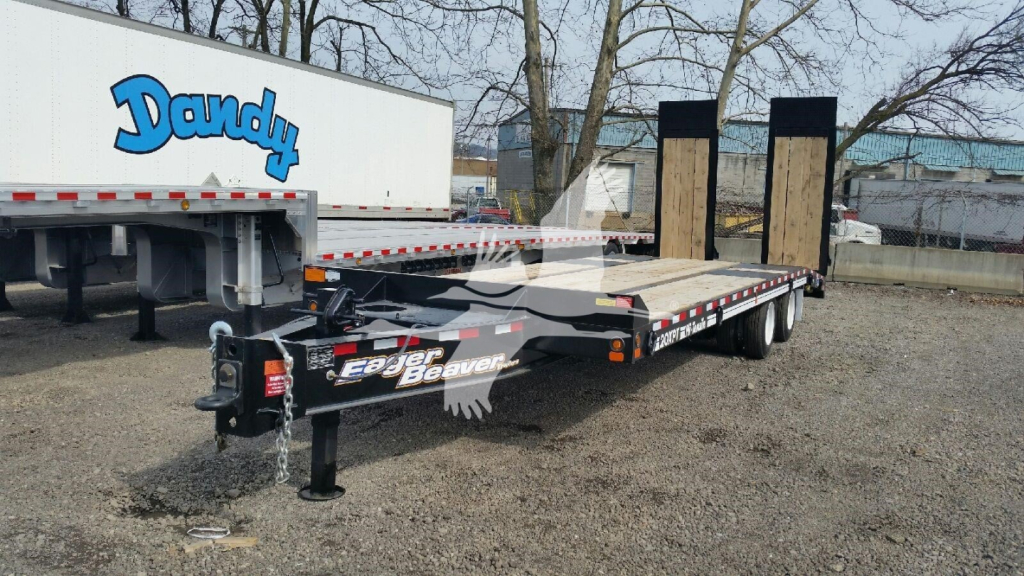
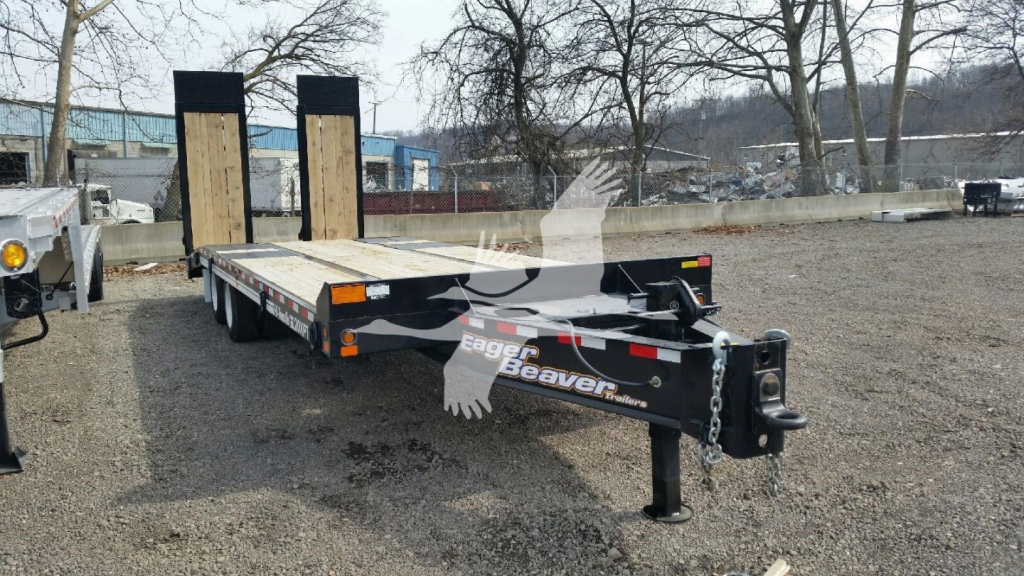
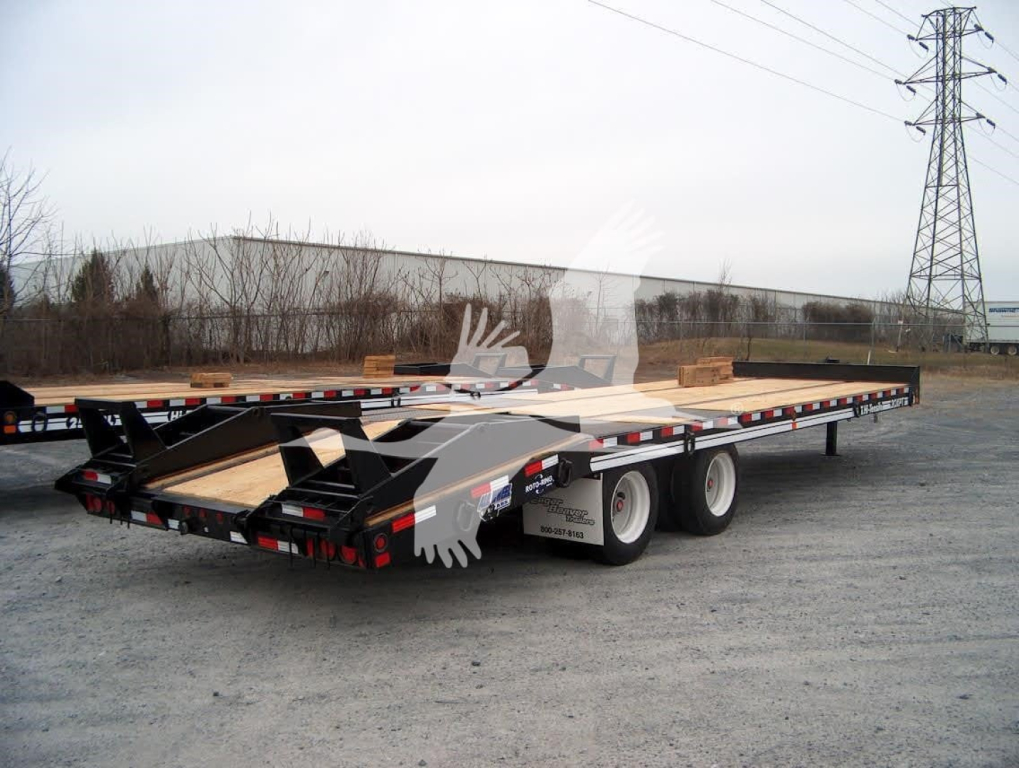
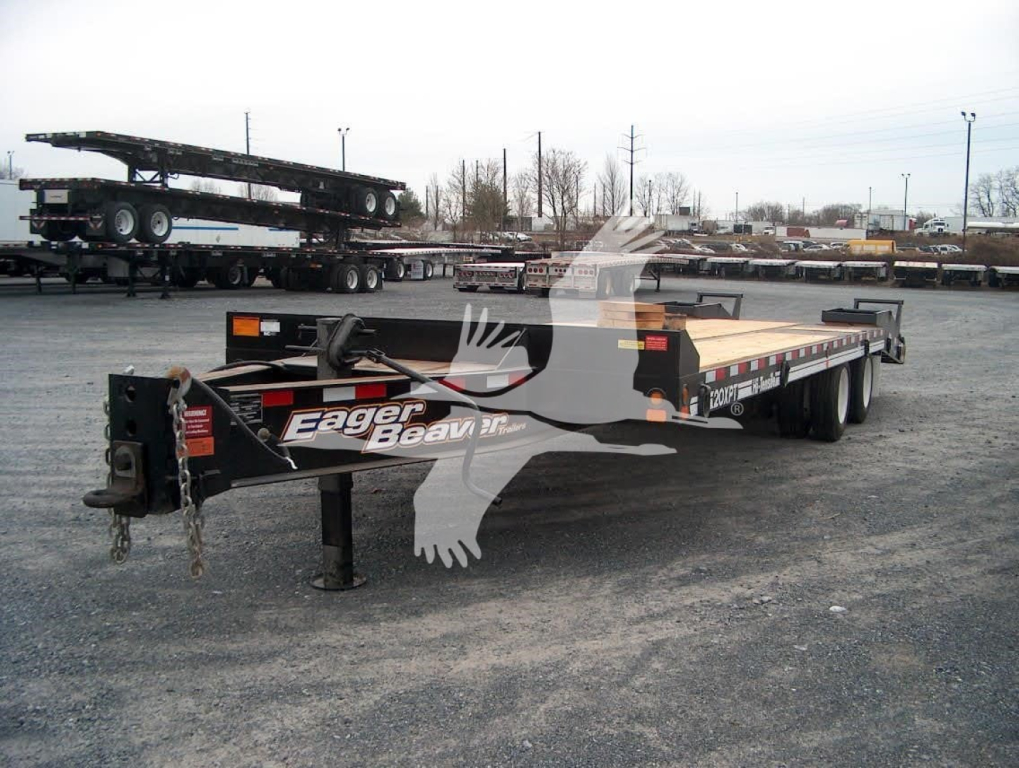
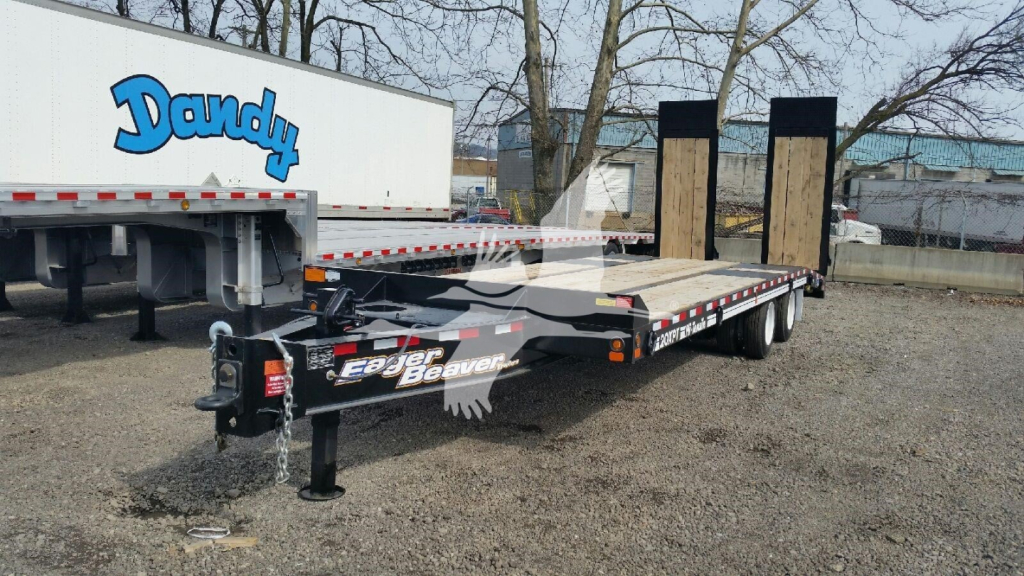
In this category, common configurations include 20-ton and 25-ton tag trailers with 102-inch overall width, flat main decks around 21 to 24 feet, and 6-foot beavertails to improve loading angle. Many are spec'd with 34-inch deck height, steel side rails, full-width steel bulkheads, and wood decking such as apitong or mixed hardwood-softwood floor packages for a good mix of durability and replaceability. D-ring tie-down layout matters on these trailers, especially for compact excavators, skid steers, rollers, and attachment loads, and buyers should pay attention to the number and spacing of tie points. Ramp construction also changes how a trailer works in the field. Angle iron ramps are common for steel-track and rubber-tire equipment, while wood-filled ramps can improve traction and support for certain load types.
Suspension and axle layout are another major decision point. Two-axle spring ride setups are common in 20-ton models, while 25-ton trailers often move into a three-axle design and may add a lift axle to help with capacity distribution and tire wear. Hutch-style spring suspensions remain popular because they are simple, serviceable, and familiar to most fleet shops. Buyers should also confirm brake configuration, ABS setup, tire size, wheel type, and whether spring brakes are installed on all axles. On tag trailers, the drawbar and pintle eye or adjustable pintle connection are just as important as the deck itself, especially if the trailer will move between different tractors or heavy-duty trucks with varying hitch heights.
For Ohio buyers, road conditions, seasonal corrosion, and mixed on-road and off-road use make basic durability features more important than cosmetic options. A lockable toolbox in the drawbar area, adjustable pintle height, solid landing gear, and easily sourced 17.5-inch rubber can make a real difference in uptime. The best way to evaluate a new Eager Beaver trailer is to match the trailer's real working capacity and loading geometry to the heaviest machine in the fleet, not just the nominal ton rating. A trailer that loads cleanly, secures equipment easily, and stays service-friendly over years of use usually delivers more value than one chosen on capacity alone.
Frequently Asked Questions about New 2026 Eager Beaver Trailers in Ohio
What are new Eager Beaver trailers commonly used for?
New Eager Beaver trailers are commonly used for hauling construction and industrial equipment such as skid steers, mini excavators, compact track loaders, rollers, small dozers, and backhoes. Most are configured as tag trailers with a beavertail and ramps, making them a practical choice for fleets that need frequent loading and unloading at jobsites. They are especially common in construction, utility, paving, rental, and municipal applications where durability and simple operation matter more than specialized over-the-road features.
What is the difference between a 20-ton and 25-ton Eager Beaver tag trailer?
The main differences are carrying capacity, axle configuration, and overall trailer build. A 20-ton model often uses a tandem axle setup and is suited for lighter iron and general contractor equipment. A 25-ton model typically adds axle capacity, may include a third axle or lift axle, and is better suited for heavier machines or fleets that need more margin in daily use. Buyers should compare not only the ton rating, but also deck length, ramp rating, loaded deck height, and actual machine dimensions.
Why does deck height and beavertail angle matter on an equipment trailer?
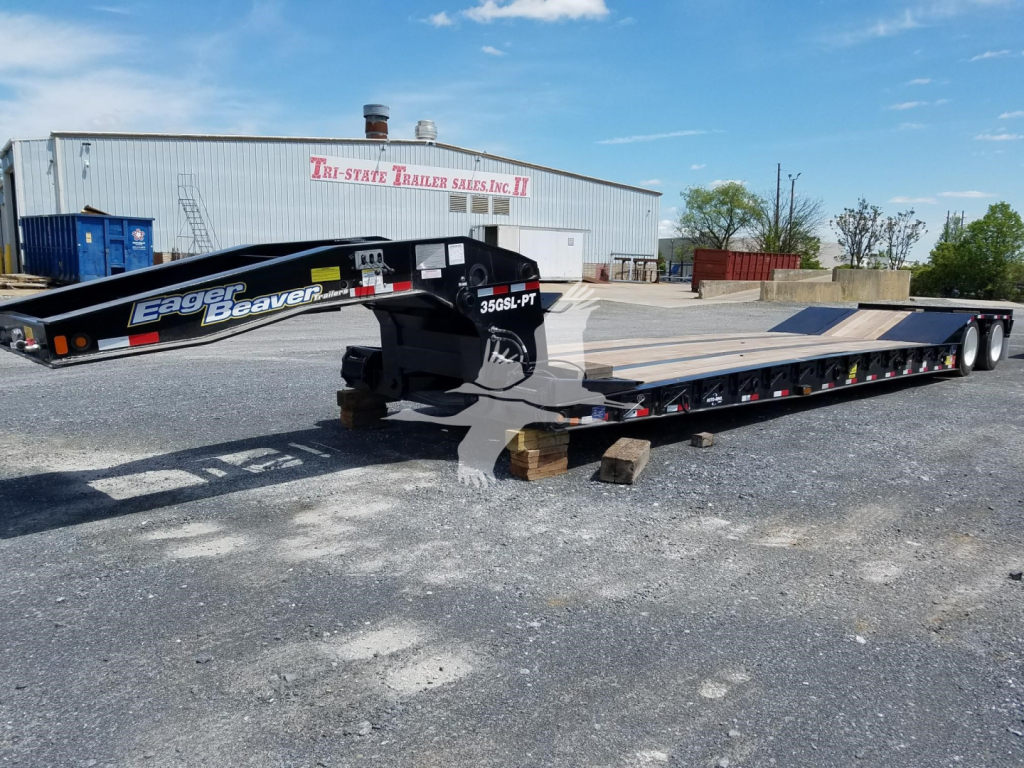
Deck height and beavertail angle directly affect loading safety and machine compatibility. A lower deck and a moderate beavertail angle help reduce breakover issues when loading machines with low ground clearance, attachments, or long wheelbases. This is important for pavers, scissor lifts, rollers, and compact equipment with limited approach angles. A trailer can have enough rated capacity and still be a poor fit if the loading geometry causes machines to drag or hang up during loading.
What trailer features should buyers inspect closely on a new Eager Beaver trailer?
Buyers should inspect axle count, suspension type, brake system, ABS configuration, ramp construction, floor material, tie-down points, and hitch adjustment range. The floor species and ramp style affect long-term wear and loading traction. Tie-down placement affects how easily equipment can be secured without awkward chain angles. It is also smart to verify landing gear type, safety chain size, tire specification, and serviceability of common wear parts, because those details influence downtime and maintenance cost over the life of the trailer.
Are spring ride suspensions still a good choice on heavy tag trailers?
Spring ride suspensions are still a very common and practical choice on heavy tag trailers because they are durable, proven, and easy for most fleet maintenance departments to service. They work well in construction and mixed-surface use where simplicity and parts availability are priorities. Air ride can provide ride benefits in some applications, but many buyers still prefer spring ride on equipment trailers because of lower complexity and familiar maintenance requirements.