
New 2026 Flatbed Trailers For Sale in Ohio
Have new 2026 flatbed trailer to sell? List it here to reach thousands of buyers.
New 2026 Flatbed Trailers in Ohio
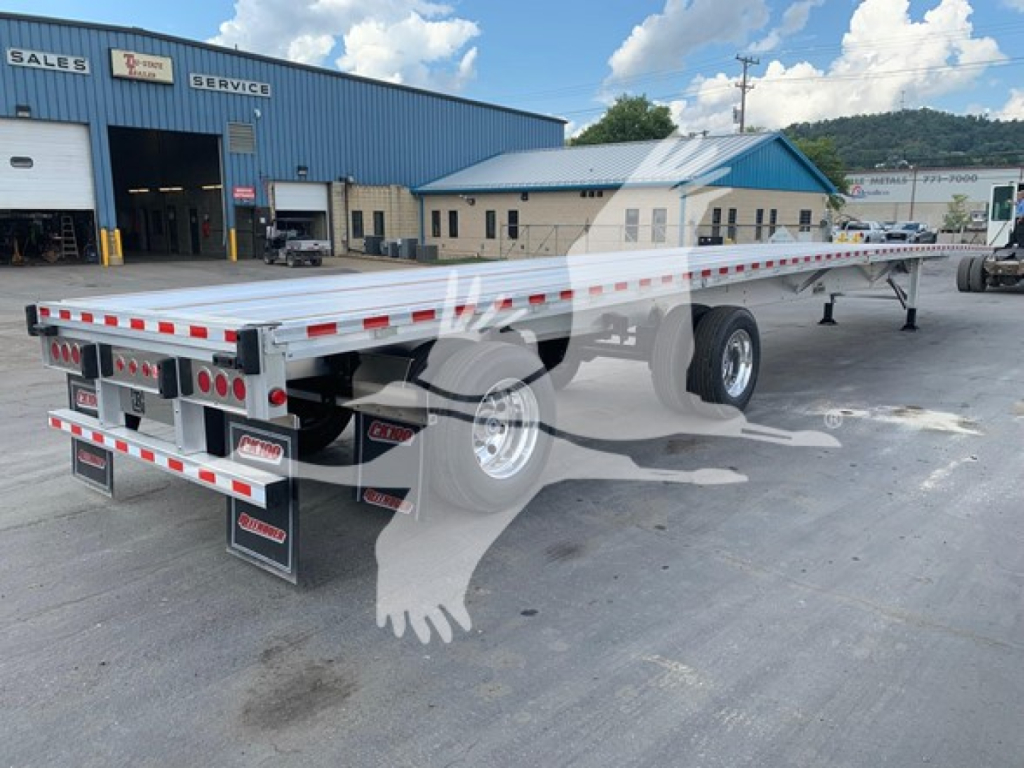
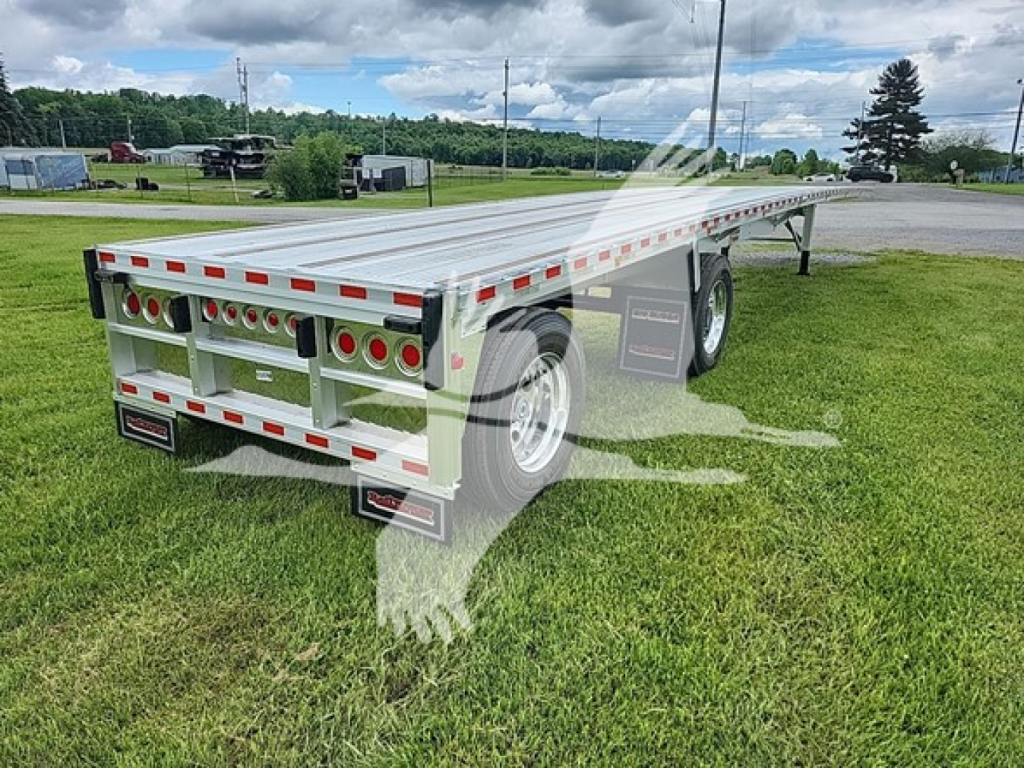
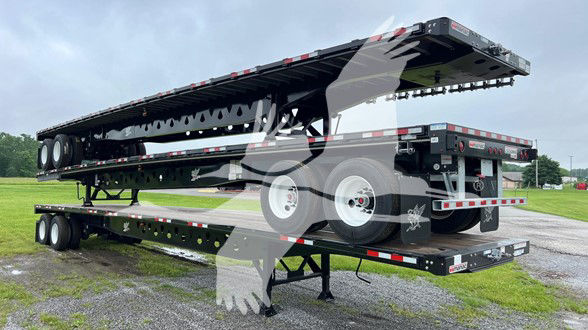
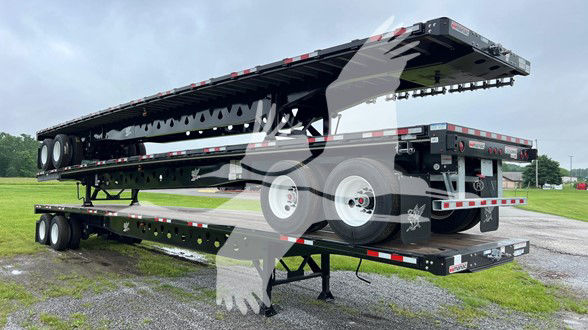
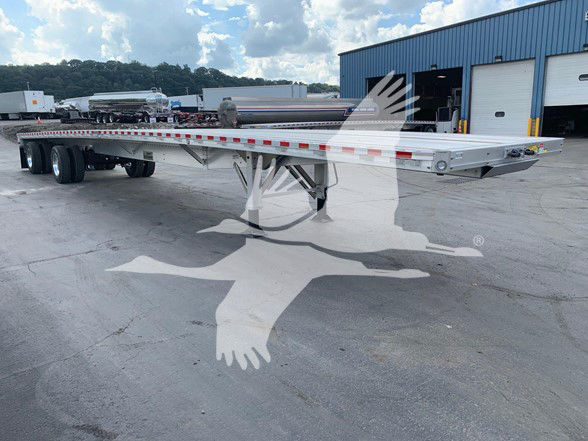
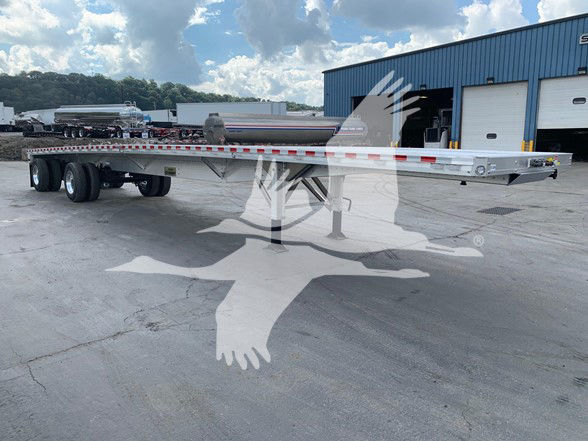
The first major buying decision is aluminum versus steel. Aluminum flatbeds usually appeal to fleets and owner-operators focused on payload because tare weight can be significantly lower, especially on 48-foot and 53-foot air ride models. Steel flatbeds typically carry a weight penalty, but many buyers like the durability, familiar repair practices, and the option of galvanized construction for corrosion resistance in four-season states like Ohio. Deck construction matters just as much as the frame. Aluminum floors with Apitong nailer strips are common on lightweight highway specs, while full Apitong or mixed wood floors remain popular for freight that sees forklift traffic, concentrated point loading, or regular replacement cycles.
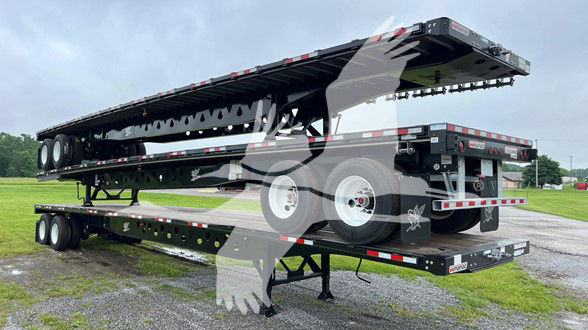
Securement and suspension details separate a general-purpose trailer from one that truly matches the job. Common specs include full-length winch tracks, 10 to 12 sliding winches, double pipe spools, 12-inch or 15-inch crossmember spacing, and coil packages with added crossmembers for steel-hauling applications. Air ride suspension, often with Hendrickson or similar setups, is a strong fit for mixed freight and dock-sensitive loads, while slider tandems add flexibility for bridge laws and axle positioning. Buyers should also pay attention to kingpin setting, axle spread, dump valves, landing gear brand, wheel material, tire size, rear bumper style, and whether the trailer is set up for toolboxes or dunnage racks. Those details affect day-to-day usability more than many first-time buyers expect.
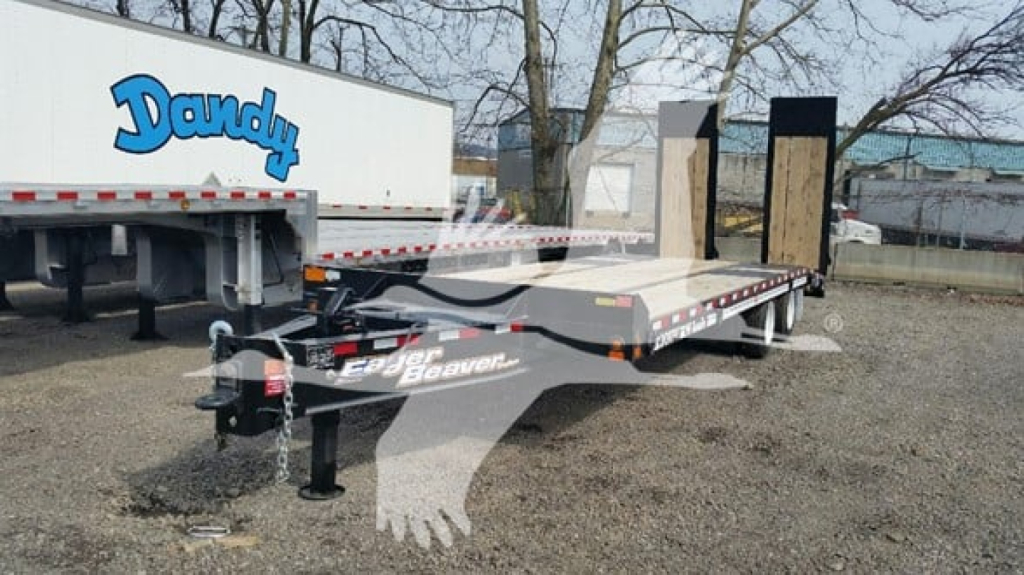
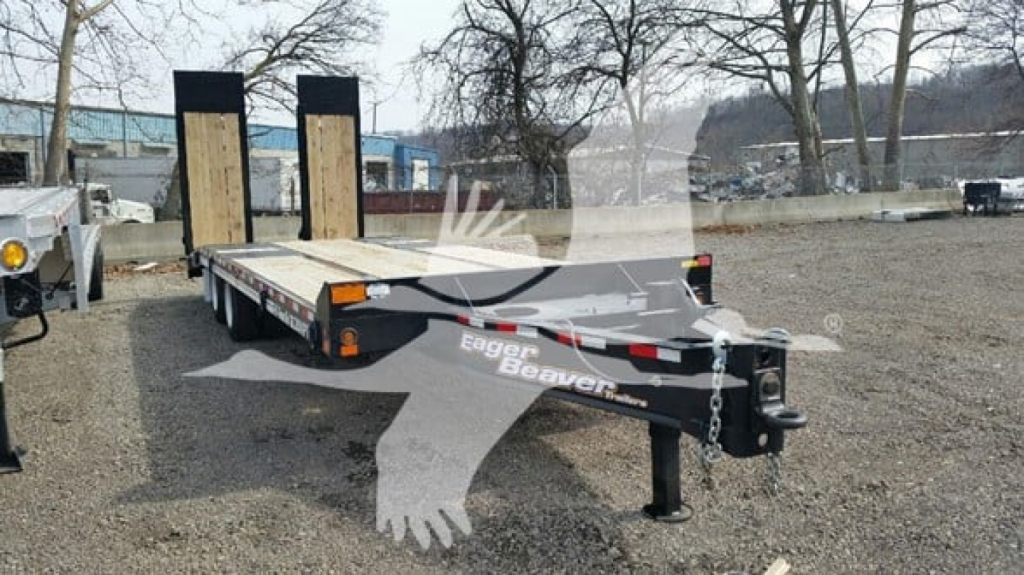
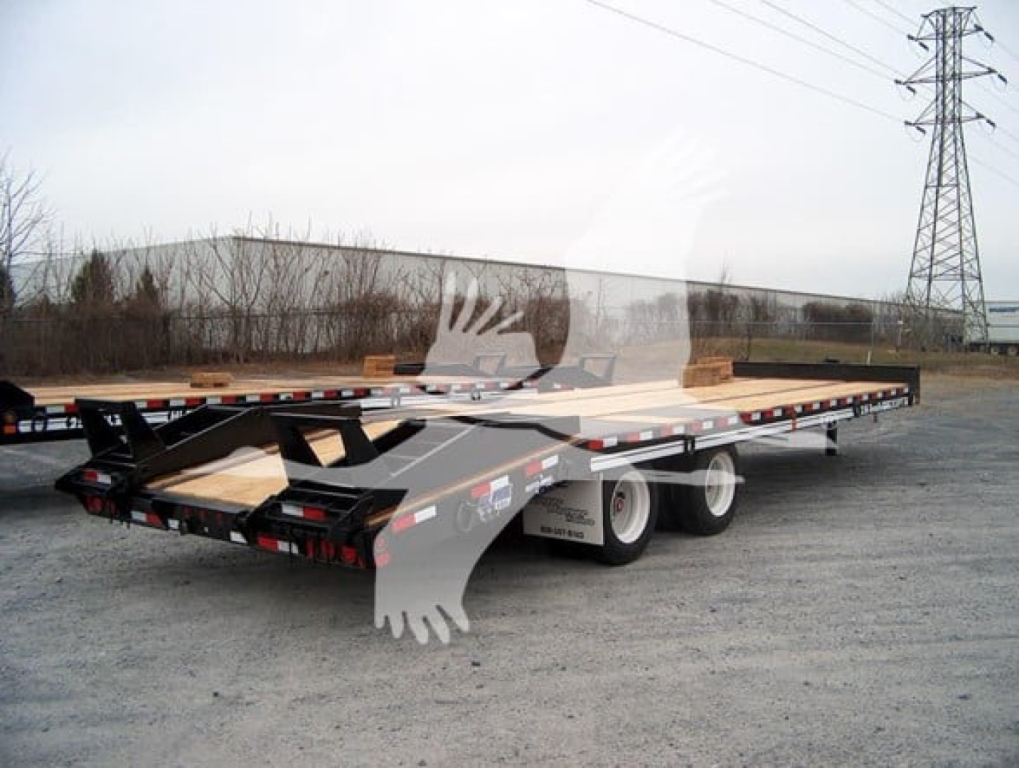
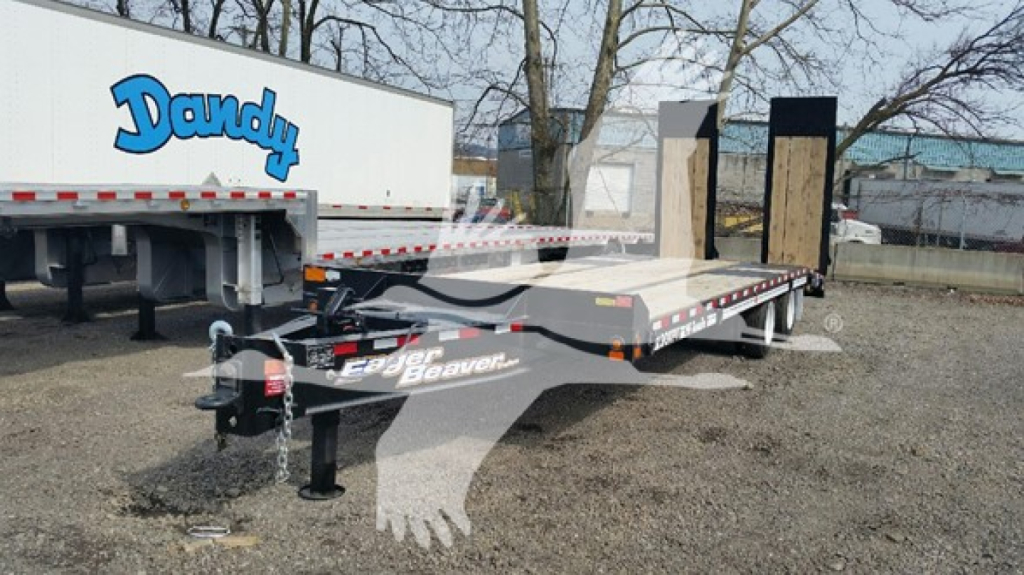
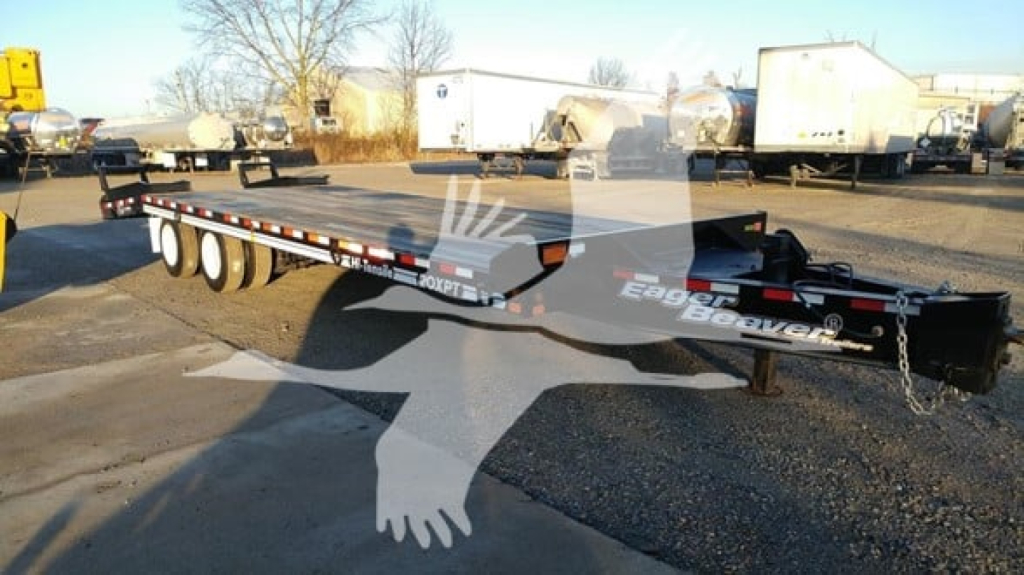
Not every listing in the flatbed category is a pure over-the-road freight platform, so it is worth checking deck style and hitch type carefully. Some units grouped with flatbeds are closer to tag trailers or equipment haulers, with pintle hitches, beavertails, hydraulic ramps, D-rings, and lower deck heights for loading machines. For standard semitrailer flatbeds, buyers in Ohio often prioritize all-weather durability, legal axle settings, and a spec that balances payload with long-term maintenance cost. A good 2026 flatbed trailer should match the freight first, then the route profile, then the maintenance strategy. That order usually leads to a better buying decision than shopping by price alone.
Frequently Asked Questions about New 2026 Flatbed Trailers in Ohio
What length flatbed trailer is most common for over-the-road freight?
The most common over-the-road flatbed lengths are 48 feet and 53 feet. A 48-foot flatbed is still widely used for general freight and can offer favorable weight distribution and maneuverability, while a 53-foot flatbed gives more deck space for longer freight and higher cubic loading flexibility. The best choice depends on the freight dimensions you haul most often, customer dock access, and state-by-state bridge and axle requirements.
Is an aluminum flatbed better than a steel flatbed?
Neither is automatically better. Aluminum flatbed trailers are usually chosen for lower tare weight and higher payload potential, which matters for dense freight and long-haul operations. Steel flatbeds are often selected for durability, repair familiarity, and lower upfront cost, and galvanized steel can be especially attractive in regions where road salt and moisture accelerate corrosion. Buyers should compare payload needs, maintenance environment, and expected service life before deciding.
What securement features should I look for on a new flatbed trailer?
A strong general freight spec usually includes a full-length winch track, multiple sliding winches, double pipe spools, good side rail design, and practical crossmember spacing. If you haul steel coils or concentrated loads, a coil package with extra crossmembers is important. Buyers should also verify deck material, any nailer strips, bulkhead configuration if needed, and whether the trailer is prepped for accessories like toolboxes and dunnage racks. Securement layout affects loading speed, cargo versatility, and long-term deck life.
Do I need air ride or spring ride on a flatbed trailer?
Air ride is the more common choice for highway semitrailer flatbeds because it helps protect sensitive freight, improves ride quality, and is widely accepted across general freight applications. Spring ride can still be a practical option on certain equipment-hauling or vocational flatbed configurations where simplicity and cost control matter more than ride refinement. For most tandem axle over-the-road flatbeds, air ride remains the preferred spec.
Why do kingpin setting and axle spread matter on a flatbed trailer?
Kingpin setting and axle spread directly affect bridge compliance, tractor-trailer weight distribution, turning behavior, and how easily the trailer can be positioned for different loads. A common kingpin setting on highway flatbeds is around 30 inches, but the right setup depends on your tractor wheelbase and the states you run most often. Tandem spread, closed or open settings, and slider travel can all change how useful the trailer is in day-to-day operations, so those dimensions should be reviewed before purchase.