
New 2026 Manac Flatbed Trailers For Sale in Ohio
Have new 2026 manac flatbed trailer to sell? List it here to reach thousands of buyers.
New 2026 Manac Flatbed Trailers in Ohio
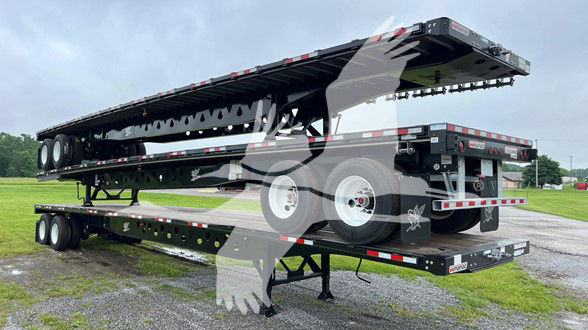
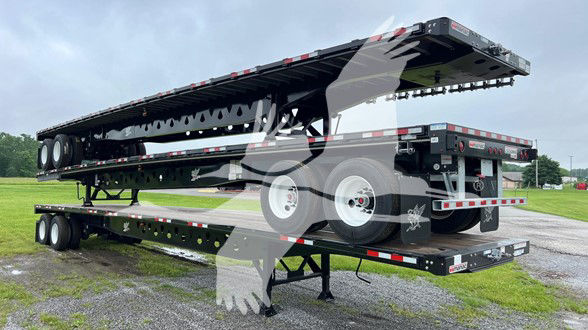
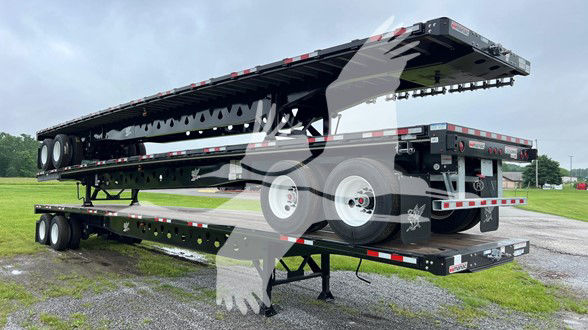
A buyer comparing Manac flatbeds should pay close attention to suspension type, kingpin setting, and crossmember construction. Air ride versions, often built with Hendrickson Intraax suspensions, help protect sensitive freight and can improve ride quality on longer highway runs. Spring ride configurations are simpler and still popular in tougher vocational use. A 49-inch sliding tandem is common on this class of trailer and gives operators flexibility for bridge compliance and axle weight distribution. Kingpin settings such as 24-inch or 30-inch matter if you are matching the trailer to specific tractor wheelbases, headache racks, or regional turning requirements.
Deck and securement details are where many flatbed buying decisions are made. On Manac trailers, 1 1/8-inch Apitong flooring is a familiar choice because it holds up well under concentrated loads and repeated forklift traffic. Steel side rails, double pipe spools, roadside winch tracks, and multiple sliding winches are all practical features for daily securement work. Twelve-inch crossmember spacing is a strong indicator of a deck built for frequent loading and heavier point loads. Galvanized crossmembers and galvanized rear bumpers are also worth noting, especially in Ohio and other Rust Belt markets where road salt can shorten the life of painted understructure components.
Some Manac flatbeds in this category also include extendable or slider-style configurations, which are useful when the freight mix includes longer steel, pipe, or structural loads. An extendable flatbed can add versatility, but buyers should weigh that against tare weight, maintenance needs, and how often the added length is actually used. Other everyday details like Jost or Holland two-speed landing gear, LED lighting, 11R22.5 tires, and steel wheels are standard items that still affect serviceability and operating cost. For most buyers, the right new Manac flatbed comes down to load profile, securement method, suspension preference, and corrosion resistance in the regions where the trailer will spend its life.
Frequently Asked Questions about New 2026 Manac Flatbed Trailers in Ohio
What are the most common specs on a new Manac flatbed trailer?
A typical new Manac flatbed in this class is a 48-foot by 102-inch tandem axle trailer with a steel frame, 1 1/8-inch Apitong floor, sliding tandem suspension, roadside winch track, sliding winches, and 11R22.5 tires. Many also use 12-inch crossmember spacing and steel side rails. Those specs fit a wide range of open-deck freight and reflect what many fleets want for general-purpose flatbed work.
Is air ride or spring ride better on a flatbed trailer?
Air ride is usually preferred for ride quality, freight protection, and highway operation, especially when hauling finished materials, machinery, or sensitive loads. Spring ride is simpler, proven, and often attractive for buyers focused on lower complexity or harsher vocational service. The better choice depends on freight type, maintenance philosophy, and how much value you place on ride quality versus simplicity.
Why does crossmember spacing matter on a flatbed?
Crossmember spacing affects deck support, durability, and how well the trailer handles concentrated weight from forklifts or dense freight. Twelve-inch centers are common on heavy-duty flatbeds because they provide stronger floor support than wider spacing. Buyers hauling steel, machinery, or frequent forklift-loaded freight should pay close attention to this spec because it has a direct impact on long-term deck life.
What is the benefit of galvanized crossmembers on a Manac flatbed?
Galvanized crossmembers help resist corrosion better than standard painted steel, which is especially important in states where trailers see winter salt, moisture, and temperature swings. That added corrosion resistance can improve long-term structural condition and reduce how quickly the understructure shows rust. For buyers in Ohio and similar markets, galvanizing is often a practical durability upgrade rather than a cosmetic one.
When does an extendable flatbed make sense?
An extendable flatbed makes sense when the operation regularly hauls loads that exceed a standard 48-foot deck, such as pipe, structural steel, precast components, or oversized building products. It adds flexibility without moving into a specialized trailer category, but it also brings more tare weight and more components to maintain. If most loads fit a fixed 48-foot deck, a standard flatbed is often the more efficient choice.