
New Manac Flatbed Trailers For Sale
Shop new Manac flatbed trailers with steel construction, Apitong floors, slider tandems, and extendable options for versatile open-deck hauling.
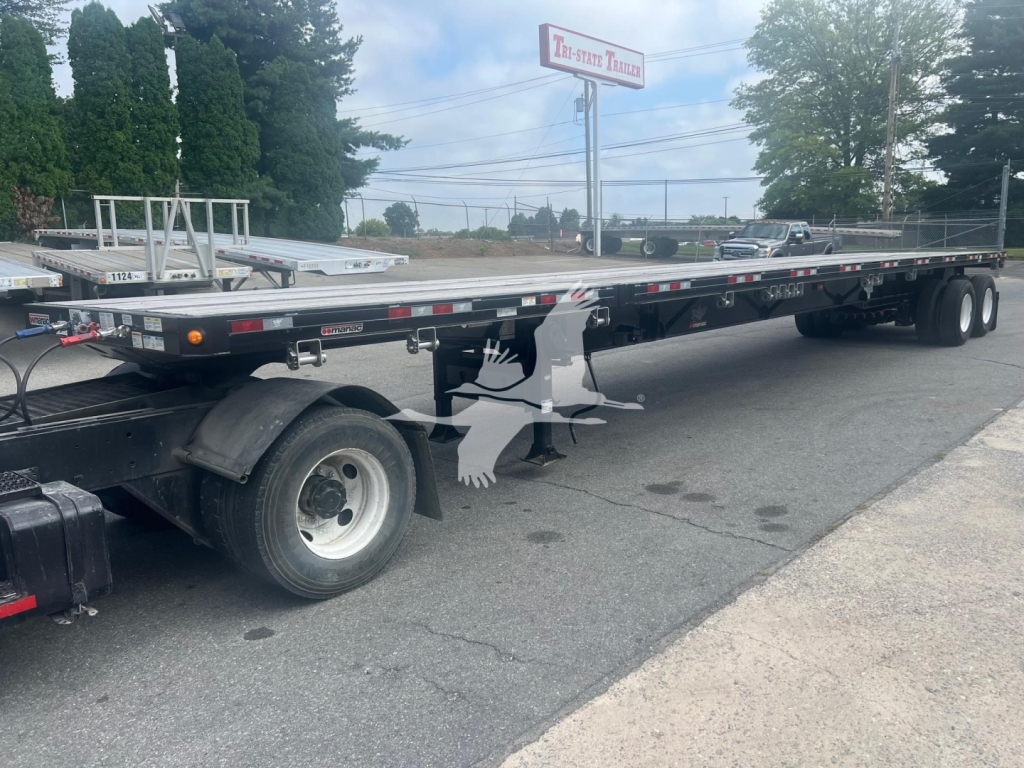
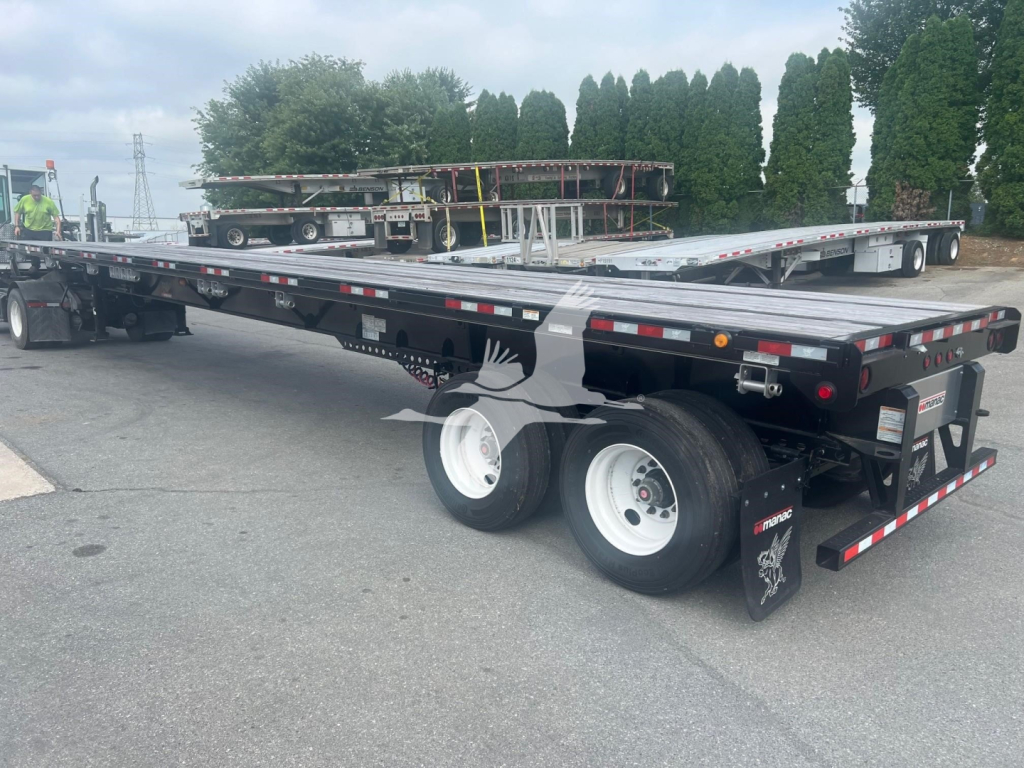
Selling a new manac flatbed trailer? List your new manac flatbed trailer for sale and reach thousands of commercial buyers.
New Manac Flatbed Trailers
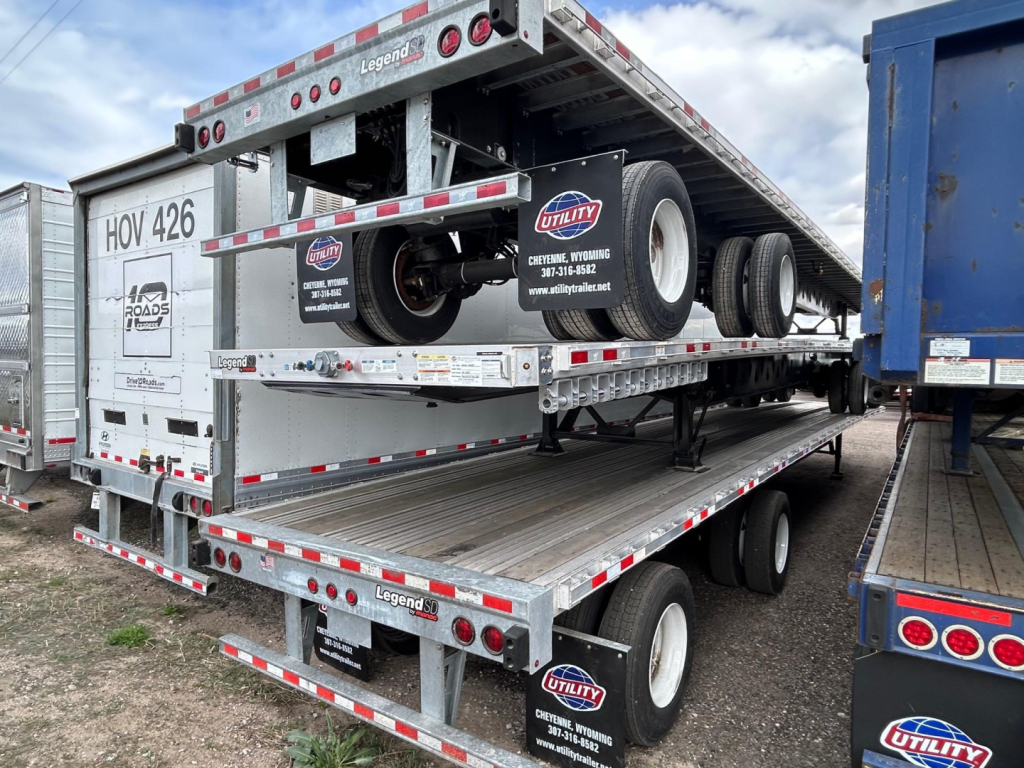
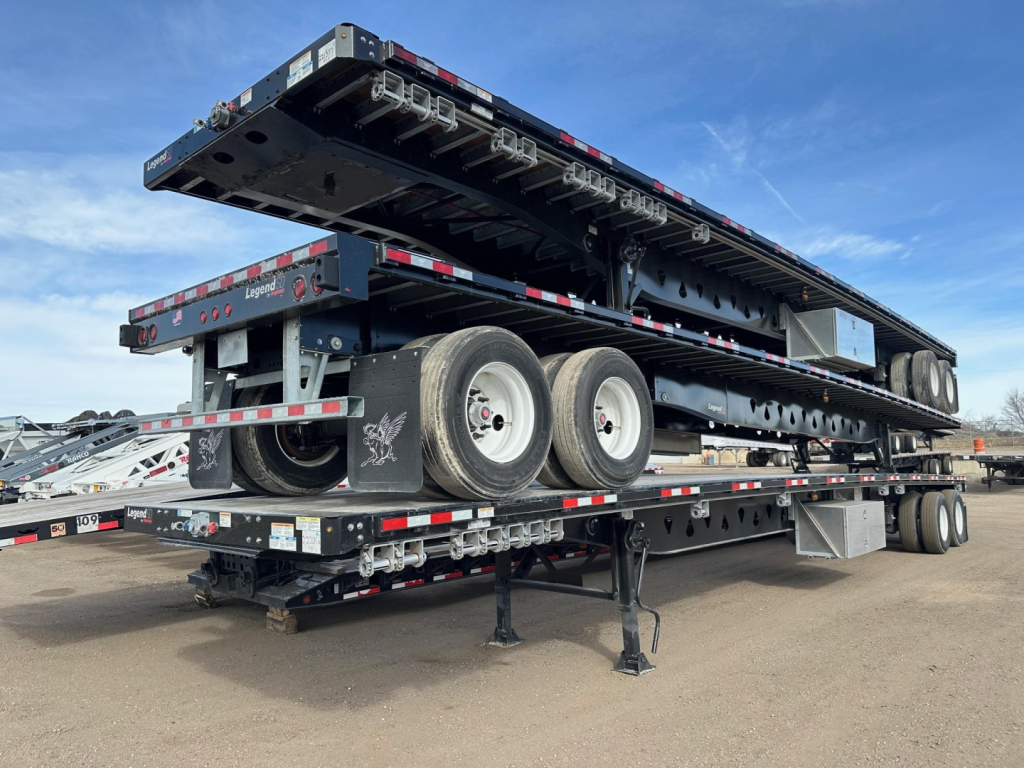
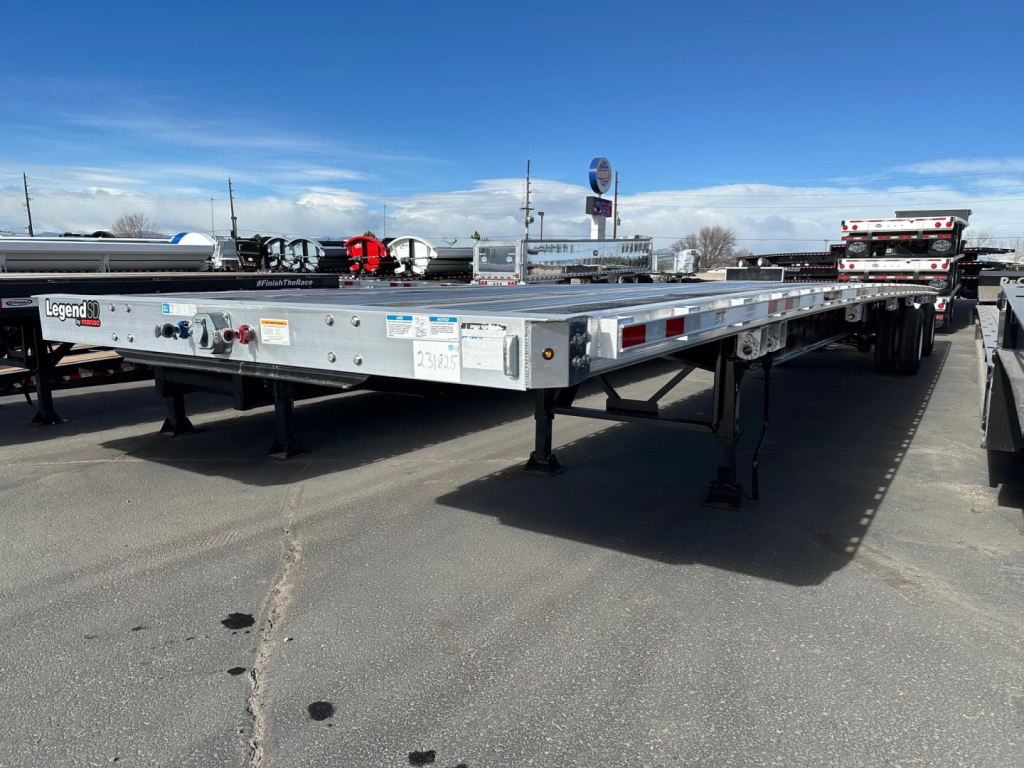
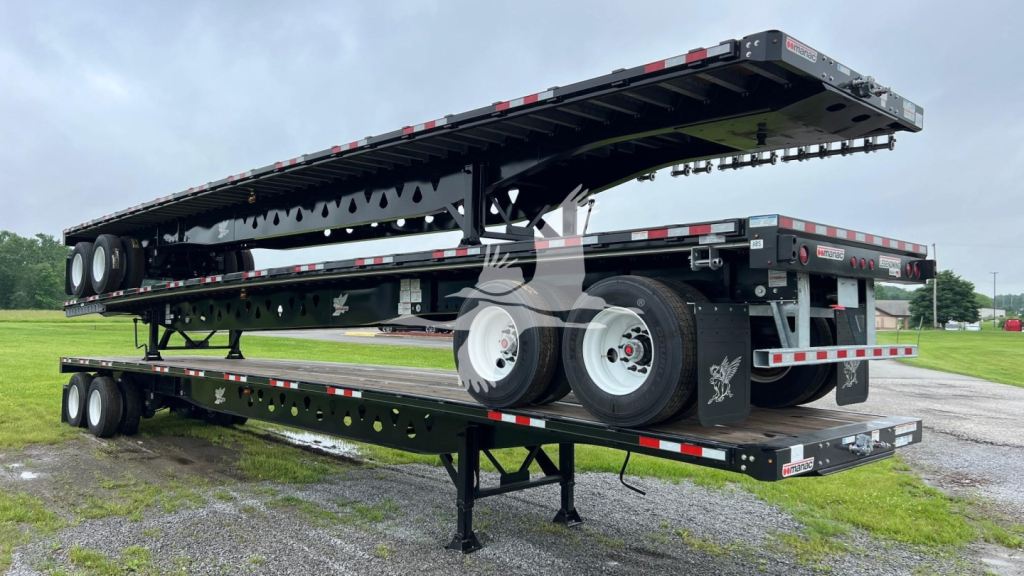
A buyer comparing new Manac flatbeds should start with frame and deck construction. Common specs in this class include steel main beams and side rails, galvanized steel crossmembers, and 1 1/8-inch Apitong flooring. That combination matters because it balances deck durability, repairability, and load support across a wide range of cargo. Crossmember spacing around 12 inches on center is a strong indicator of a trailer intended for frequent forklift traffic and concentrated load points. Features like galvanized rear bumpers, LED lighting, Holland landing gear, and steel wheels are also worth noting because they affect long-term maintenance and uptime more than they affect initial appearance.
Suspension and axle settings are another major decision point. New Manac flatbed trailers in this segment are commonly found with tandem axles, sliding tandems, and either spring ride or air ride suspension. Spring ride remains a solid choice for fleets prioritizing simplicity and lower acquisition cost. Air ride is often preferred for more delicate freight, improved ride quality, and better driver acceptance, especially on longer regional or over-the-road lanes. Kingpin settings such as 24-inch or 30-inch positions, along with 49-inch or 50-inch tandem settings, can influence bridge compliance, tractor clearance, and load distribution, so those details should match the states, freight mix, and tractor wheelbase in your operation.
If the freight mix includes oversized material, a Manac extendable flatbed can make more sense than a fixed-length trailer. Typical extendable configurations in this category run from 48 feet closed to 80 feet extended, often with 5-foot lock increments and slide systems designed for repeated extension work. For standard building products, machinery, palletized steel, and general open-deck freight, a fixed 48-foot or 53-foot steel flatbed is usually the simpler and lighter-spec solution. Buyers should also pay attention to tire size, suspension brand, winch count, dump valve setup on air ride units, and whether the trailer uses a closed tandem or air pin slider, because those details shape daily usability just as much as the headline dimensions.
Frequently Asked Questions about New Manac Flatbed Trailers
What loads are new Manac flatbed trailers commonly used for?
New Manac flatbed trailers are commonly used for steel products, lumber, machinery, pipe, building materials, palletized freight, and other cargo that can be loaded from the side, top, or rear. A standard fixed-length flatbed handles most general open-deck freight, while an extendable flatbed is better suited for long commodities that exceed the deck length of a conventional 48-foot or 53-foot trailer.
What is the difference between a standard Manac flatbed and a Manac extendable flatbed?
A standard Manac flatbed has a fixed deck length and is generally the right choice for routine freight with predictable dimensions. A Manac extendable flatbed uses a telescoping frame that allows the trailer to lengthen in set increments, often up to 80 feet in this category. That makes it useful for hauling long steel, pipe, trusses, poles, and other overlength loads, but it also adds complexity, weight, and more moving components to maintain.
Should I choose spring ride or air ride on a new flatbed trailer?
Spring ride is often selected for durability, lower cost, and straightforward maintenance. It performs well in demanding service where simplicity matters. Air ride is usually preferred when freight is more sensitive to shock and vibration or when the operation wants better ride quality and easier load protection. The right choice depends on the cargo, road conditions, and how much value the fleet places on ride quality versus mechanical simplicity.
Why do Apitong flooring and galvanized crossmembers matter on a flatbed?
Apitong is widely used on flatbeds because it offers strong wear resistance, dependable fastener retention, and good performance under repeated loading. Galvanized crossmembers add corrosion resistance in areas exposed to road spray, moisture, and deicing chemicals. Together, those features can extend service life, reduce structural deterioration, and make the trailer a better long-term fit for demanding open-deck applications.
What specs should I compare first when shopping for a new Manac flatbed trailer?
Start with trailer length, fixed versus extendable design, suspension type, tandem configuration, and frame construction. Then compare practical details such as kingpin setting, crossmember spacing, deck material, winch track layout, stake pockets, pipe spools, tire size, and landing gear. Those specifications determine how well the trailer fits the freight, the tractor, and the legal requirements of the lanes it will run.