
New 2026 Eager Beaver Flatbed Trailers For Sale in Ohio
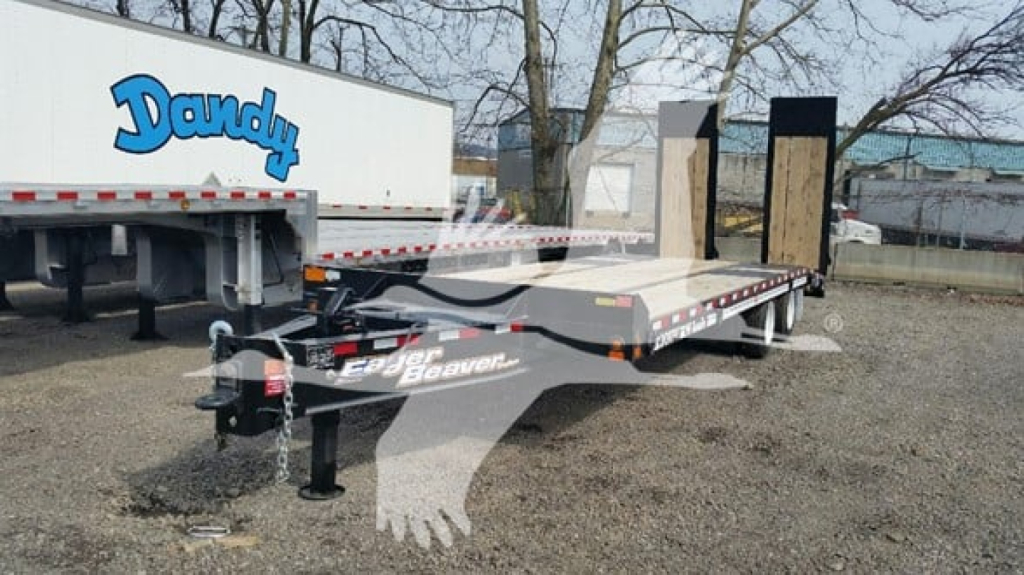
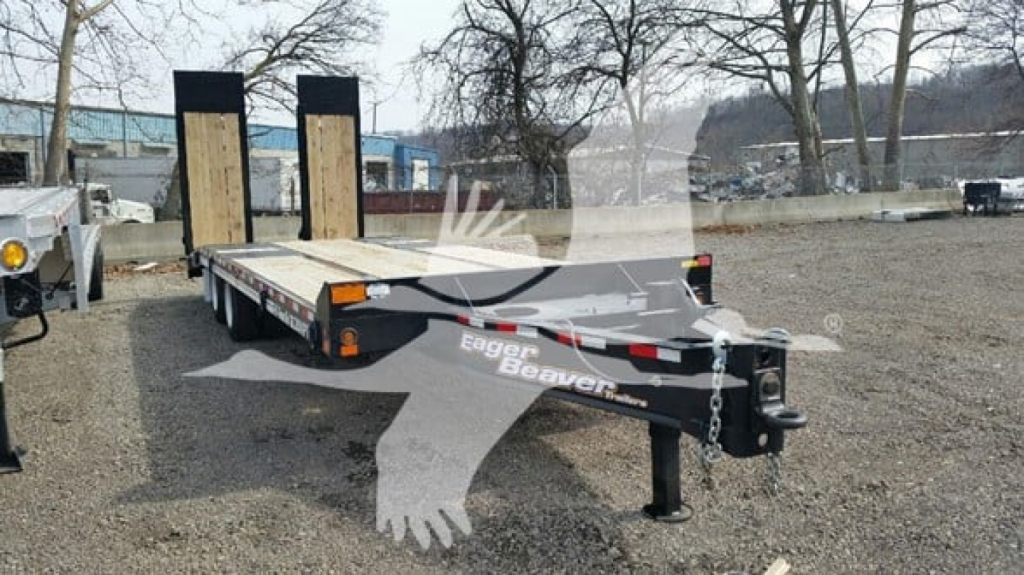
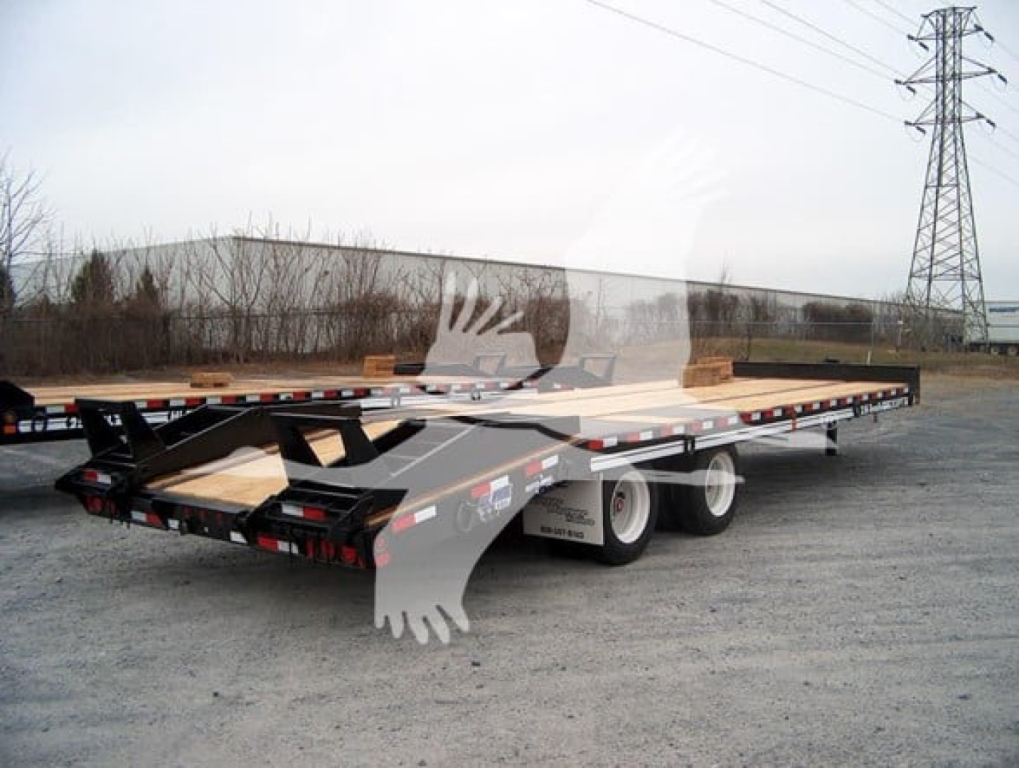
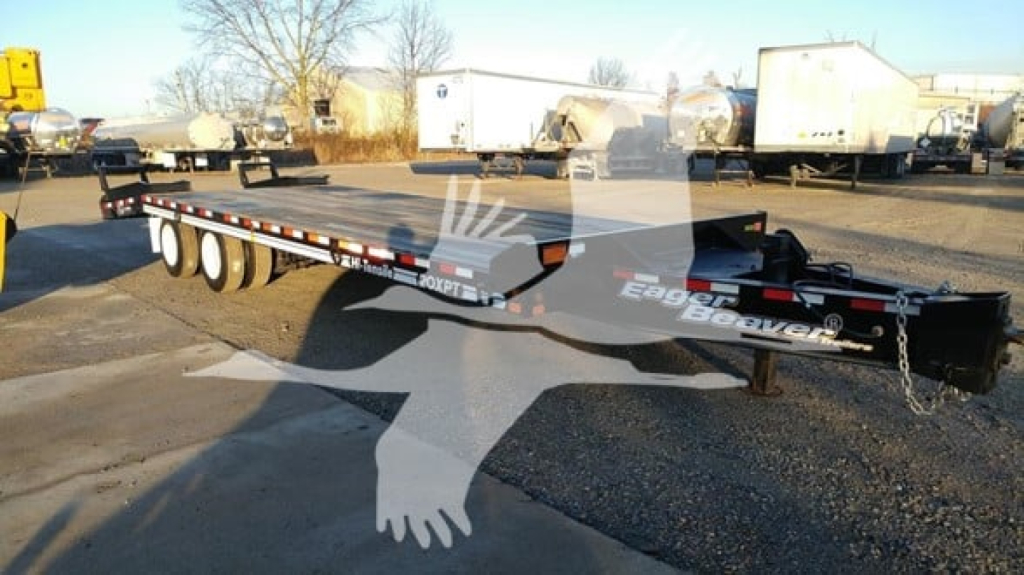
Have new 2026 eager beaver flatbed trailer to sell? List it here to reach thousands of buyers.
New 2026 Eager Beaver Flatbed Trailers in Ohio
For many buyers, the key decision is ramp style and empty weight. Mechanical angle-iron ramps keep tare weight down and simplify maintenance, while electric-hydraulic ramps improve loading speed and reduce operator effort, especially when equipment is loaded multiple times per day. On the listings provided, trailer weight ranges from roughly 8,280 to 9,700 pounds depending on floor construction and ramp package. A low 34-inch deck height paired with an 8-degree beavertail load angle helps when loading machines with limited ground clearance. Buyers running compact equipment should also pay close attention to ramp width, beavertail transition, and how the trailer handles attachments or uneven track placement.
Construction details on Eager Beaver flatbeds in this range are geared toward hard daily use. Common specs include steel side rails, a full-width 8-inch steel bulkhead, lockable drawbar storage, spring brakes on all axles, and 4S/2M ABS. Flooring is often apitong or a mixed wood configuration, which is a practical choice for abrasion resistance and deck life under tracked machines. Tie-down layout is another real-world buying point. Seven pairs of D-rings gives operators flexible securement for mixed equipment, while an adjustable pintle eye height helps match different tow vehicles and maintain a level pull. Spring ride suspensions such as the Hutchens 3-leaf setup shown here remain popular because they are proven, serviceable, and familiar to most trailer shops.
In Ohio, these new flatbed trailers fit fleets that need a legal-width, straightforward equipment hauler for regional work across job sites, farm lanes, pavement yards, and municipal routes. Tire size, axle spacing, brake spec, and suspension setting all affect wear, service access, and how the trailer behaves under varying load positions. Buyers should compare deck height, floor material, ramp type, empty weight, and coupler adjustability first, then confirm that the trailer’s weight rating aligns with the actual machine and attachment combinations being moved. In the Eager Beaver lineup, this category is less about general freight and more about dependable equipment transport with fast loading, solid securement, and predictable durability.
Frequently Asked Questions about New 2026 Eager Beaver Flatbed Trailers in Ohio
What are new 2026 Eager Beaver flatbed trailers typically used for?
These trailers are commonly used as tag-style equipment haulers for compact and mid-size machinery rather than palletized freight. Typical loads include skid steers, mini excavators, small dozers, trenchers, lifts, tractors, and attachments. The beavertail-and-ramp design is built around frequent loading and unloading, which makes this category a strong fit for construction, landscaping, rental, utility, and municipal fleets.
What specs matter most when comparing Eager Beaver 20-ton flatbed trailers?
The most important comparison points are weight rating, deck length, deck height, beavertail angle, ramp type, and empty weight. A 34-foot overall length with a 21-foot deck and 6-foot beavertail is a practical setup for many equipment loads, but ramp design can change daily usability. Buyers should also look closely at flooring material, D-ring count and placement, pintle height adjustment, suspension type, and brake system because those details affect securement, tow compatibility, maintenance, and long-term operating cost.
Are hydraulic ramps worth it on a new flatbed equipment trailer?
Hydraulic ramps are often worth the extra cost for operations that load several times per day or have multiple drivers using the trailer. They reduce physical effort, improve consistency, and can speed up loading on busy job schedules. Mechanical ramps usually cost less, weigh less, and are simpler to maintain, so they remain a good choice for fleets that prioritize low tare weight and straightforward serviceability over loading convenience.
Why is deck height important on an equipment flatbed trailer?
Deck height directly affects loading angle, machine clearance, and overall stability. A lower main deck, such as the 34-inch height shown on these sample trailers, helps reduce the breakover point as equipment moves from the ramps to the deck. That can be especially important for machines with low ground clearance, long wheelbases, or attachments that drag easily. Lower deck height can also contribute to a more stable feel in transport by keeping the load center of gravity down.
What flooring and securement features should buyers look for on this category?
Apitong flooring is a common premium choice because it stands up well to repeated equipment loading and resists wear better than many softwood alternatives. Buyers should also look for a full-width bulkhead, strong steel side rails, and enough D-ring positions to secure different machine sizes and attachment layouts. Securement flexibility matters because the trailer may haul a skid steer one day and a compact excavator with buckets or a tractor with implements the next.