
New 2026 Eager Beaver Flatbed Trailers For Sale
Have new 2026 eager beaver flatbed trailer to sell? List it here to reach thousands of buyers.
New 2026 Eager Beaver Flatbed Trailers
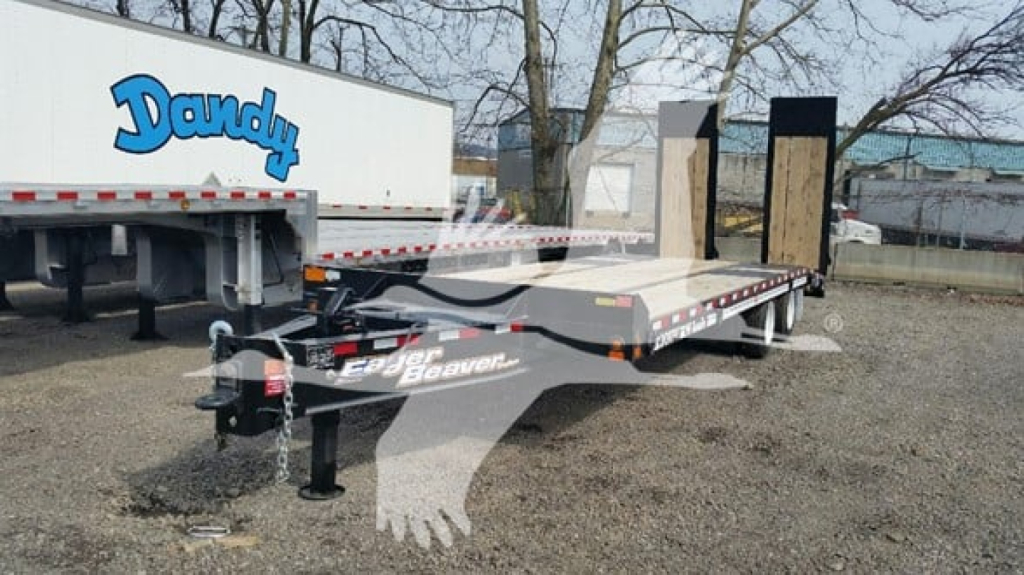
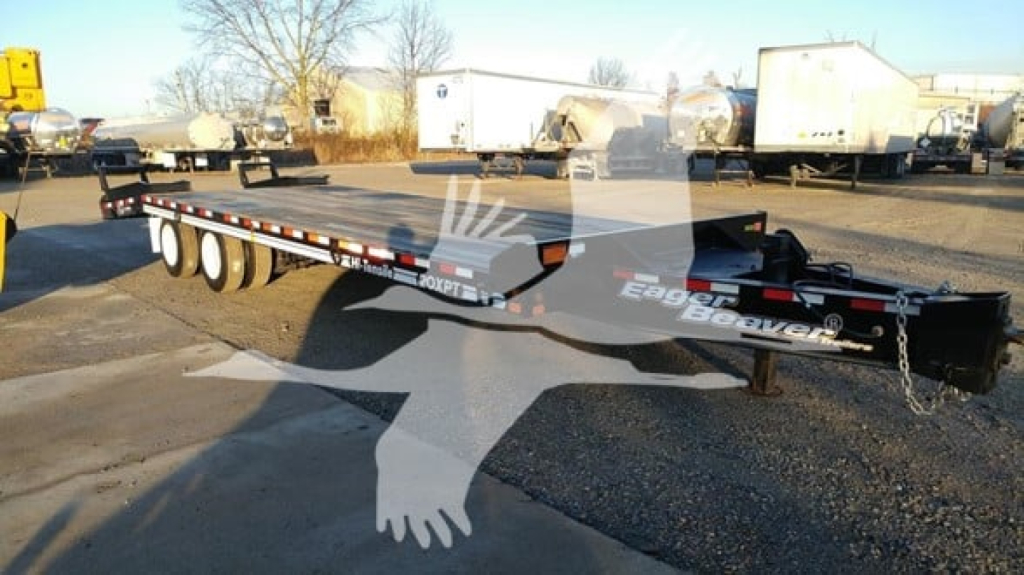
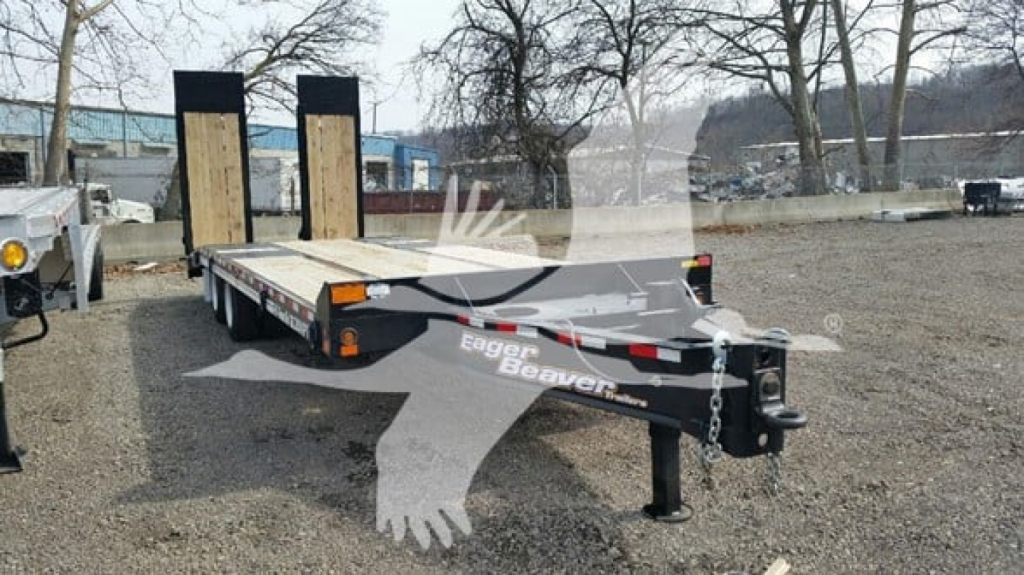
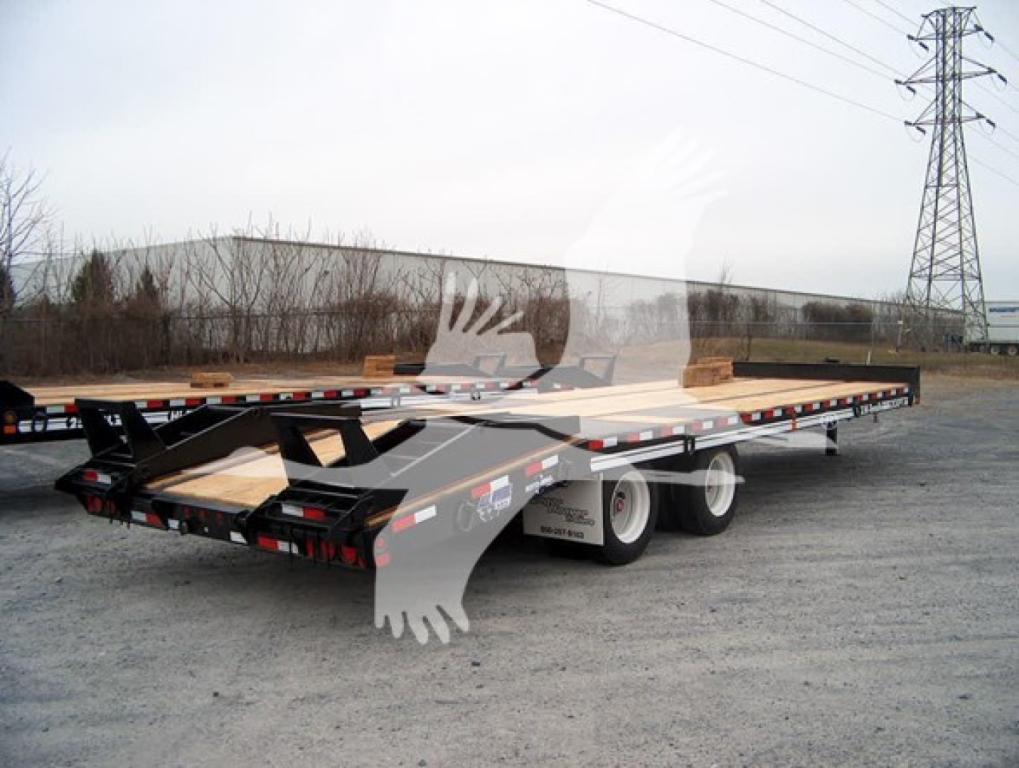
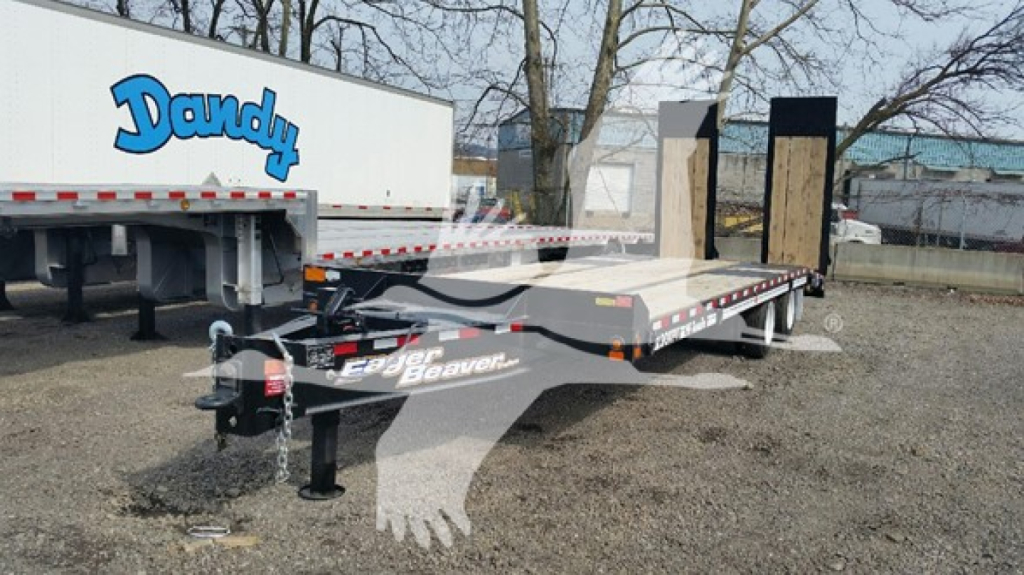
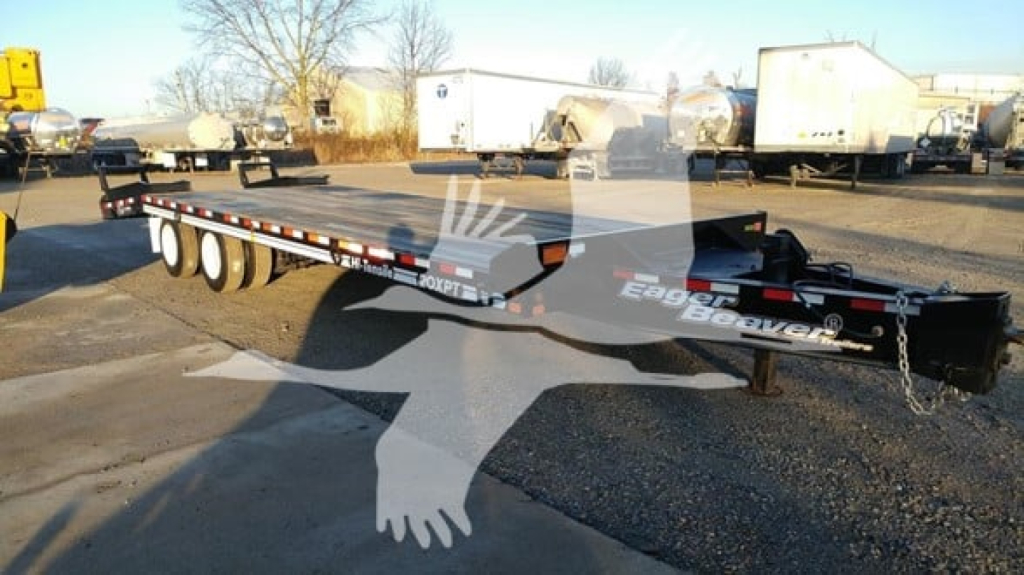
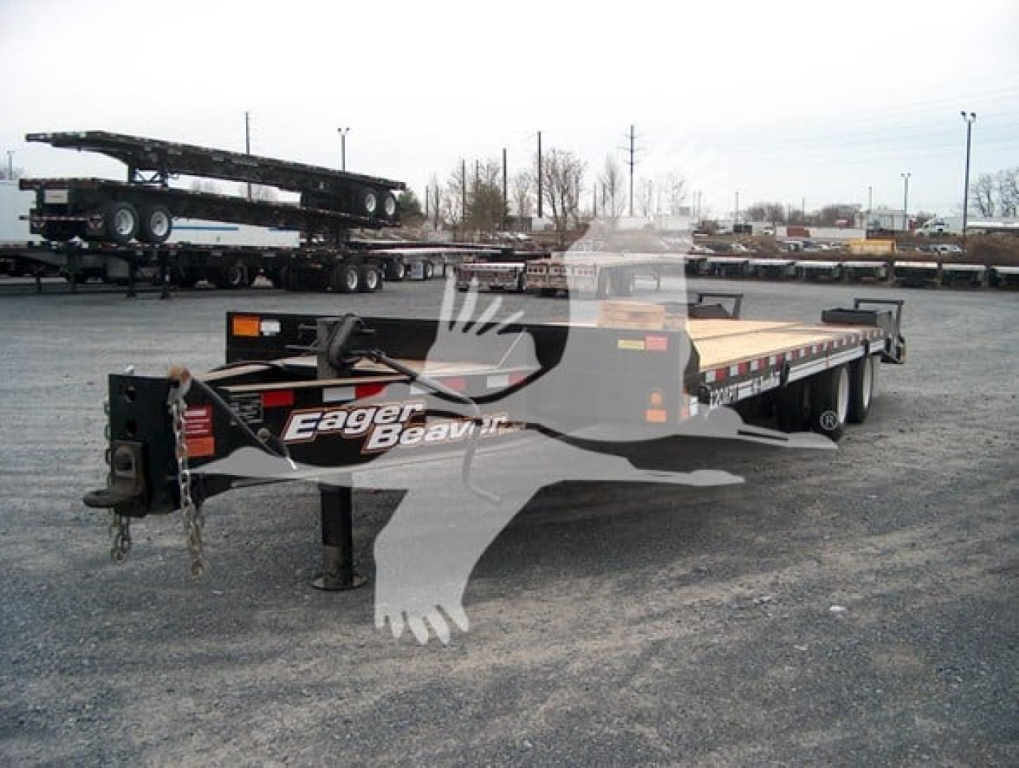
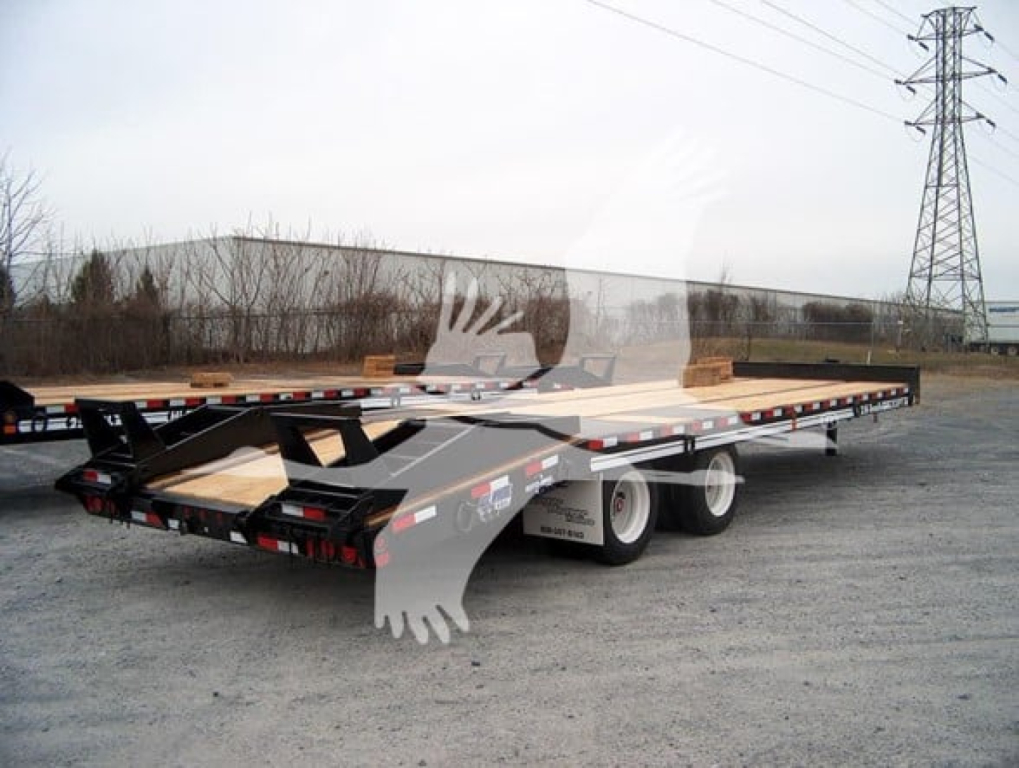
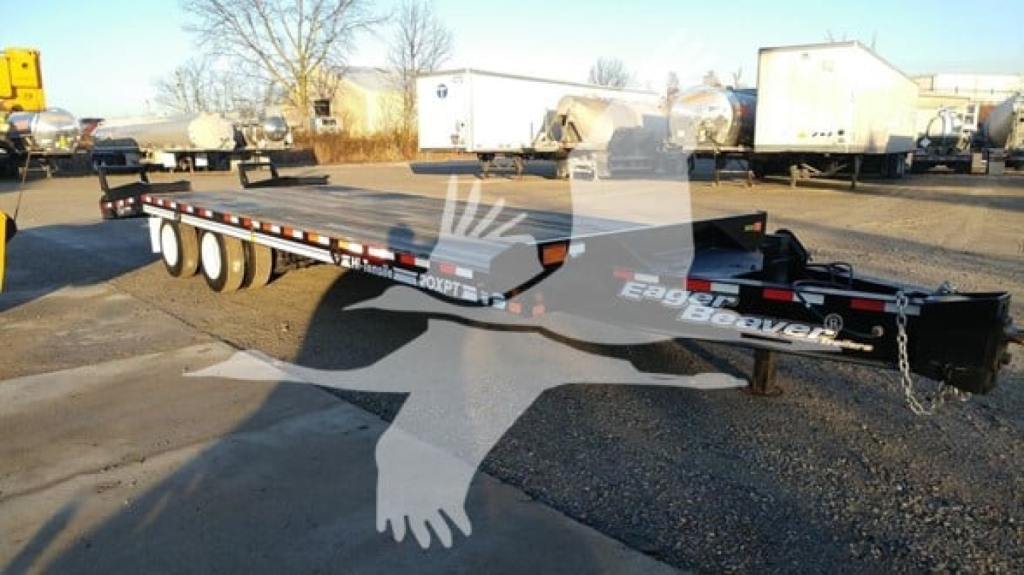
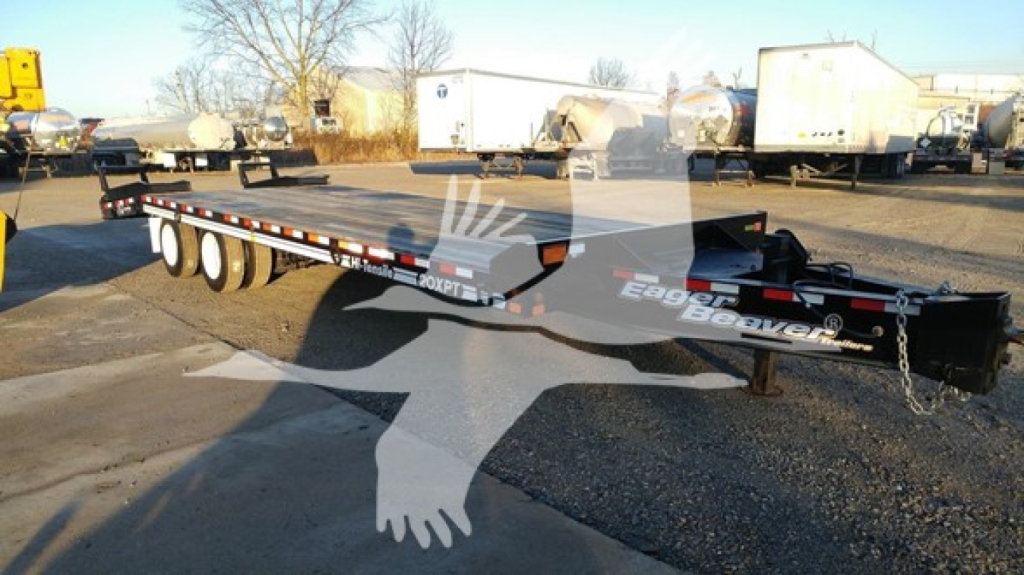
The key buying decisions usually come down to deck configuration, load angle, and ramp style. Sample specs in this class include a 34-foot overall length, a 21-foot flat deck, a 6-foot beavertail with about an 8-degree load angle, and 6-foot rear ramps. That setup is well suited for skid steers, mini excavators, small dozers, rollers, and support equipment that benefits from a gentler transition onto the deck. Buyers should compare wood-filled ramps versus angle iron ramps based on the equipment being loaded. Wood-filled ramps typically offer better traction and support for rubber-tire machines, while angle iron ramps can be a durable choice for certain steel-track or mixed-use applications.
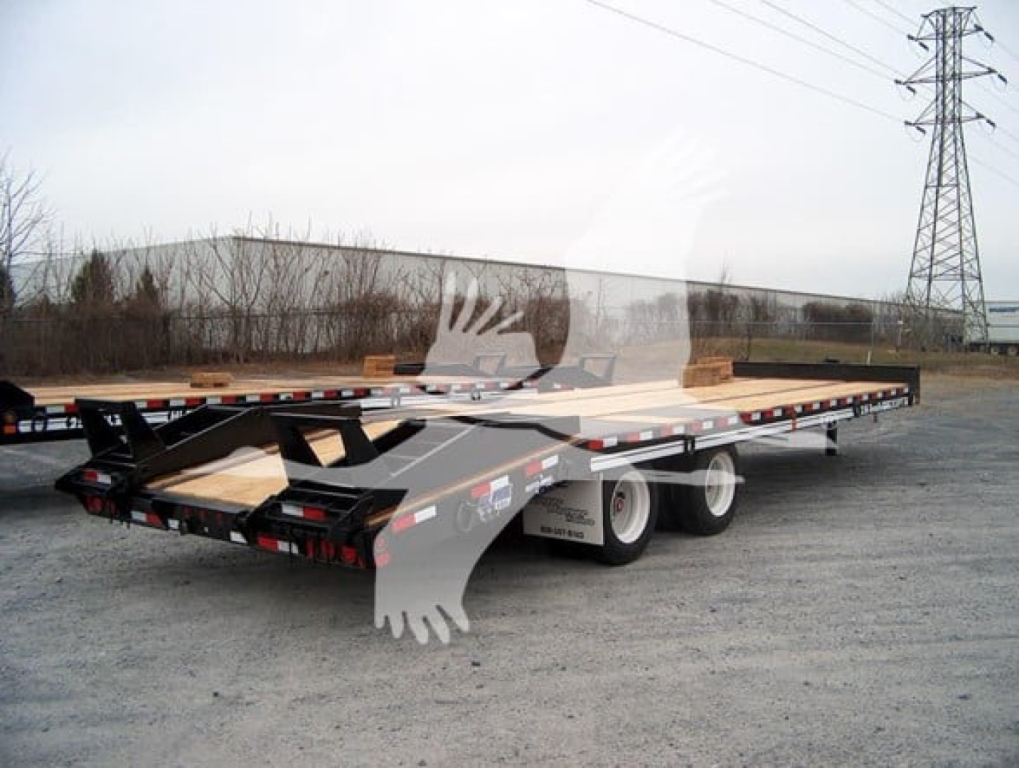
Deck construction and tie-down layout matter as much as the gross rating. Eager Beaver flatbeds in this group often use steel side rails, a full-width 8-inch steel bulkhead, and a mixed wood floor such as Apitong outside with DSS pine center sections. That flooring combination is familiar in equipment hauling because it balances durability, repairability, and grip. Seven pairs of D-rings provide multiple securement points across different machine lengths and axle spacings. A lockable toolbox in the drawbar area is also a useful feature for chains, binders, and straps, especially for operators who want secure onboard storage without sacrificing deck space.
Running gear on this type of new Eager Beaver flatbed trailer is typically straightforward and serviceable, with tandem axles, spring ride suspension such as a Hutchens H-9700 3-leaf setup, 215/75R17.5 tires, steel wheels, ABS, and spring brakes on all axles. Buyers should pay close attention to trailer empty weight, deck height, suspension setting, and adjustable pintle height, since those factors affect legal payload, loading ease, and how level the trailer tows behind different trucks. A main deck height around 34 inches and an adjustable pintle from roughly 20.5 to 34 inches can give useful flexibility across varying ride heights. For contractors, rental fleets, and municipal users, this class of Eager Beaver flatbed trailer is often chosen for its simple design, predictable maintenance, and ability to handle day-to-day equipment moves without stepping into a more specialized trailer category.
Frequently Asked Questions about New 2026 Eager Beaver Flatbed Trailers
What are new 2026 Eager Beaver flatbed trailers commonly used for?
New 2026 Eager Beaver flatbed trailers in this class are commonly used for hauling compact and mid-size equipment, including skid steers, mini excavators, rollers, small dozers, attachments, and palletized jobsite materials. Their deck-over layout, beavertail, and rear ramp configuration make them especially useful for contractors, rental companies, road crews, and municipalities that need frequent loading and unloading without the added complexity of a detach or low-profile trailer.
What specs matter most when comparing Eager Beaver flatbed trailers?
The most important specs are rated capacity, overall length, usable deck length, deck height, beavertail angle, ramp construction, empty weight, suspension type, and hitch height adjustment. Buyers should also review tie-down count, flooring material, brake setup, tire size, and axle configuration. These details directly affect what equipment can be loaded safely, how easy it is to load low-clearance machines, and how much legal payload remains after trailer tare weight is accounted for.
Are wood-filled ramps or angle iron ramps better on a flatbed trailer?
The better choice depends on the equipment being hauled. Wood-filled ramps generally provide better contact and traction for rubber-tire machines and can reduce harsh transition when loading lighter equipment. Angle iron ramps are often selected for durability and for applications where open ramp construction is preferred. Buyers hauling a mix of machines should think about tire type, track type, machine weight distribution, and how often the trailer will be used on muddy or loose job sites.
Why is deck height important on a 20-ton flatbed trailer?
Deck height affects both loading angle and overall hauling practicality. A lower deck height can make loading easier, particularly for machines with limited ground clearance or longer wheelbases. It can also help with overall loaded height, depending on the equipment. On a tag-style flatbed trailer, deck height works together with beavertail length, ramp length, and pintle height to determine how easily equipment transitions from the ground to the deck without dragging or hanging up.
What should a buyer know about pintle adjustment and towing compatibility?
Adjustable pintle height is important because it helps the trailer tow level behind different trucks. A level trailer improves axle loading, brake performance, tire wear, and ramp angle at the rear. Buyers should match the trailer's adjustable pintle range to the truck's hitch height under working load, not just unloaded stance. It is also smart to confirm brake compatibility, electrical connection, and the truck's real-world towing and tongue weight capacity before putting a 20-ton tag trailer into service.