
New Lowboy Trailers For Sale in Texas
Compare new lowboy trailers for sale in Texas, including detachable and traveling axle models built for heavy equipment hauling.
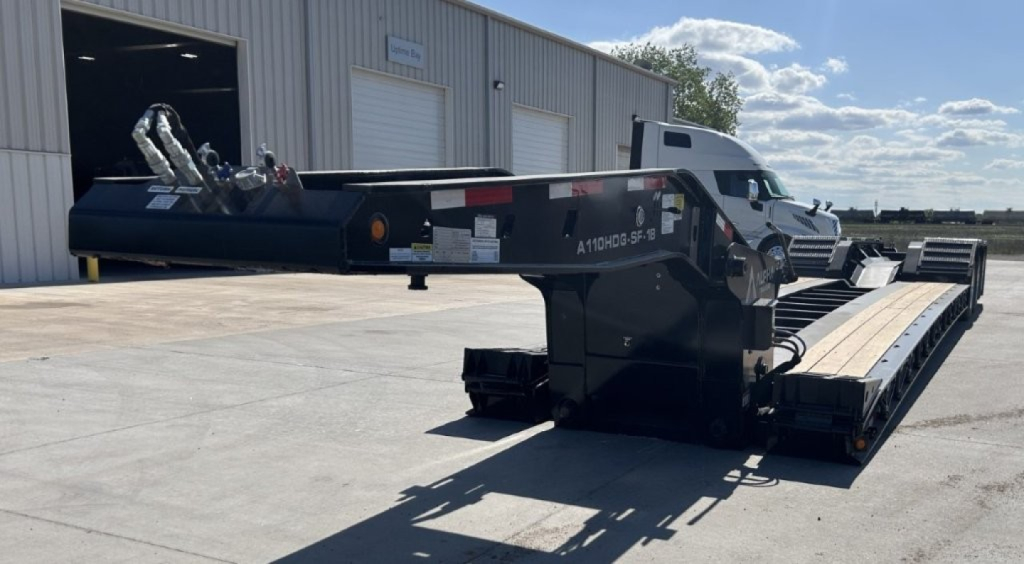
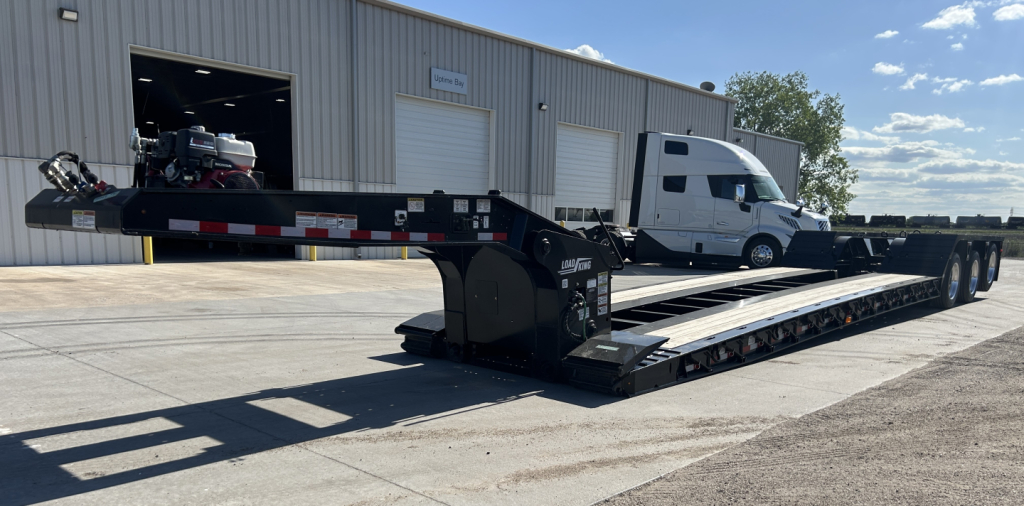
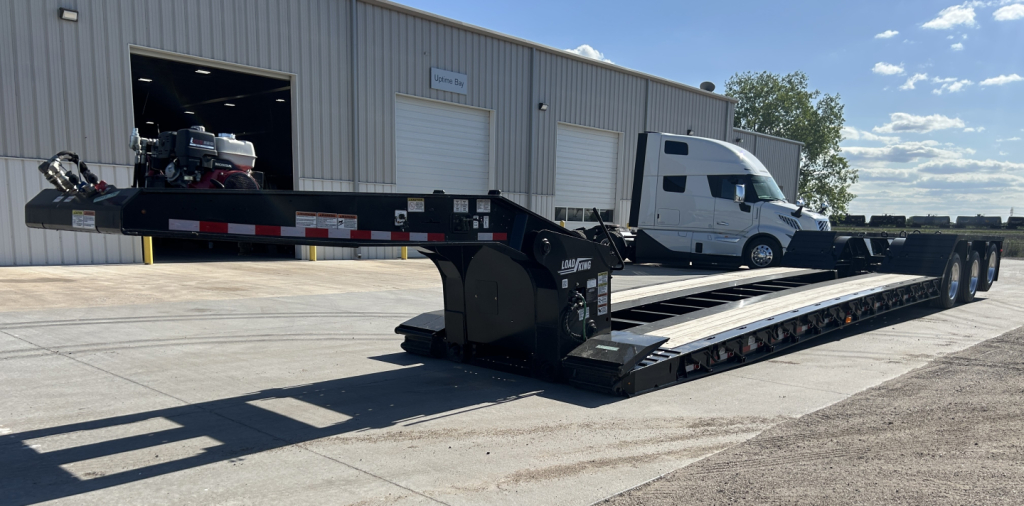
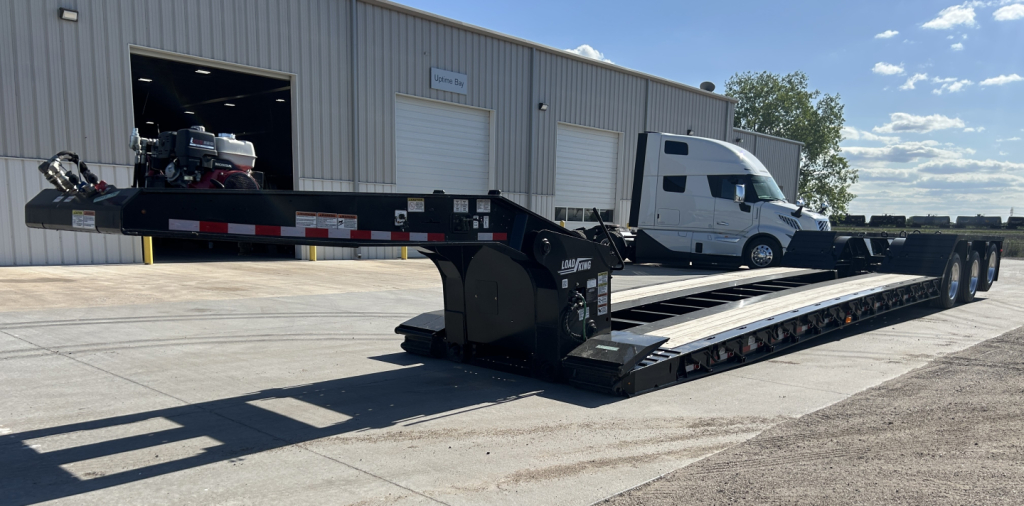
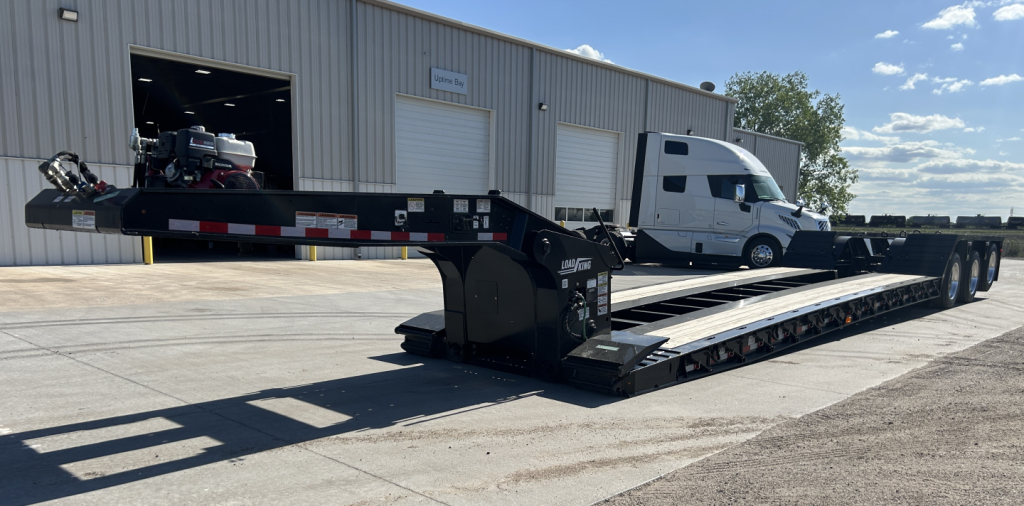
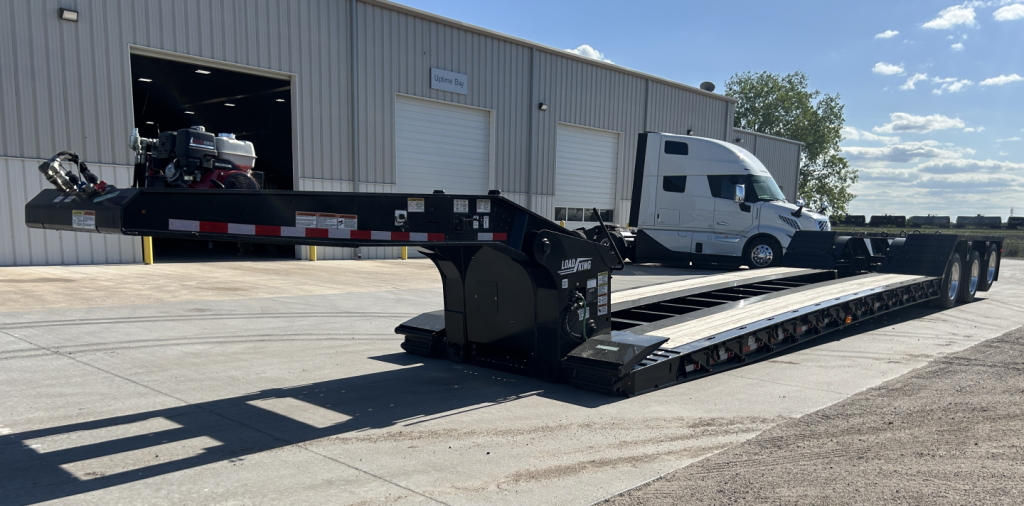
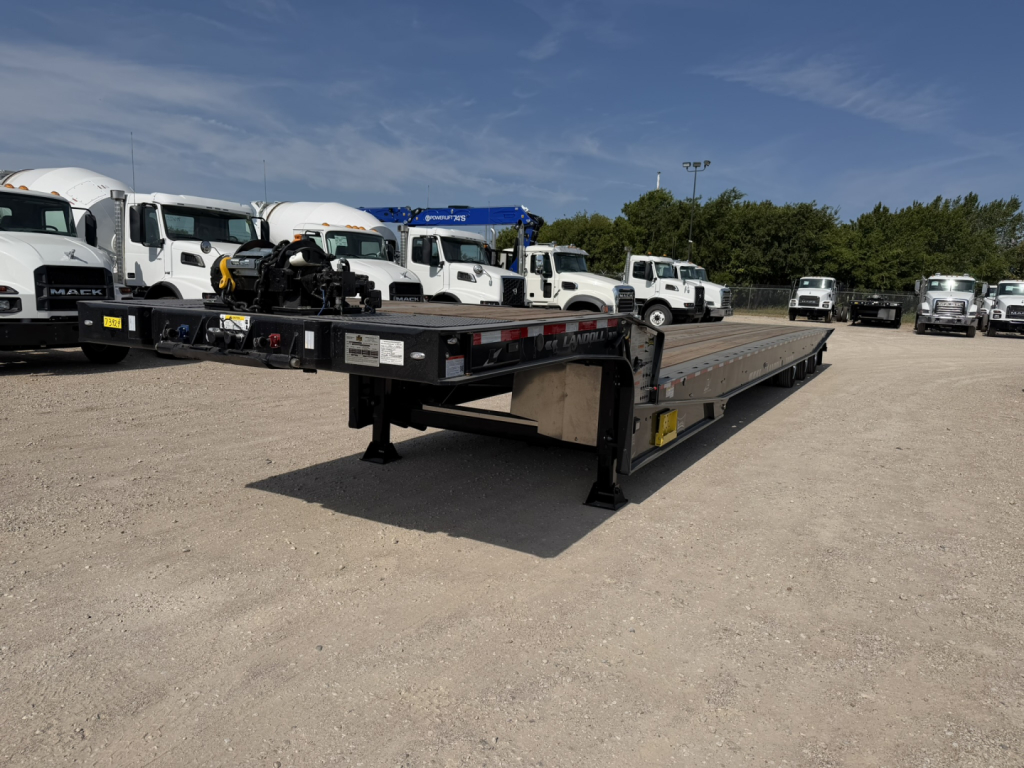
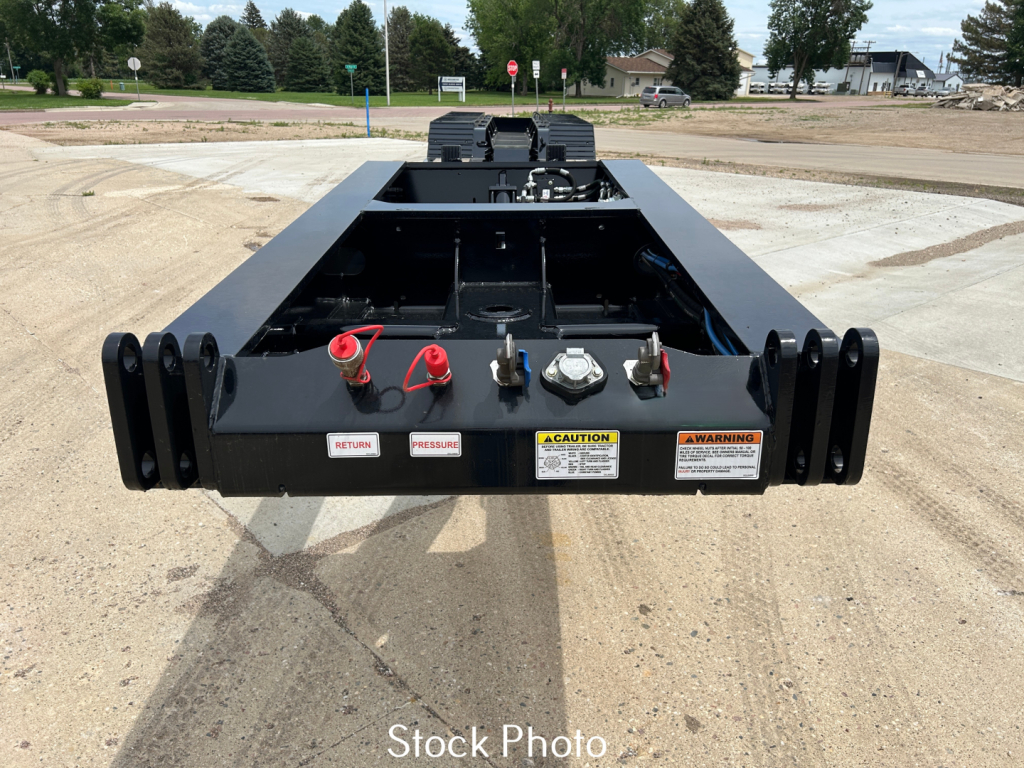
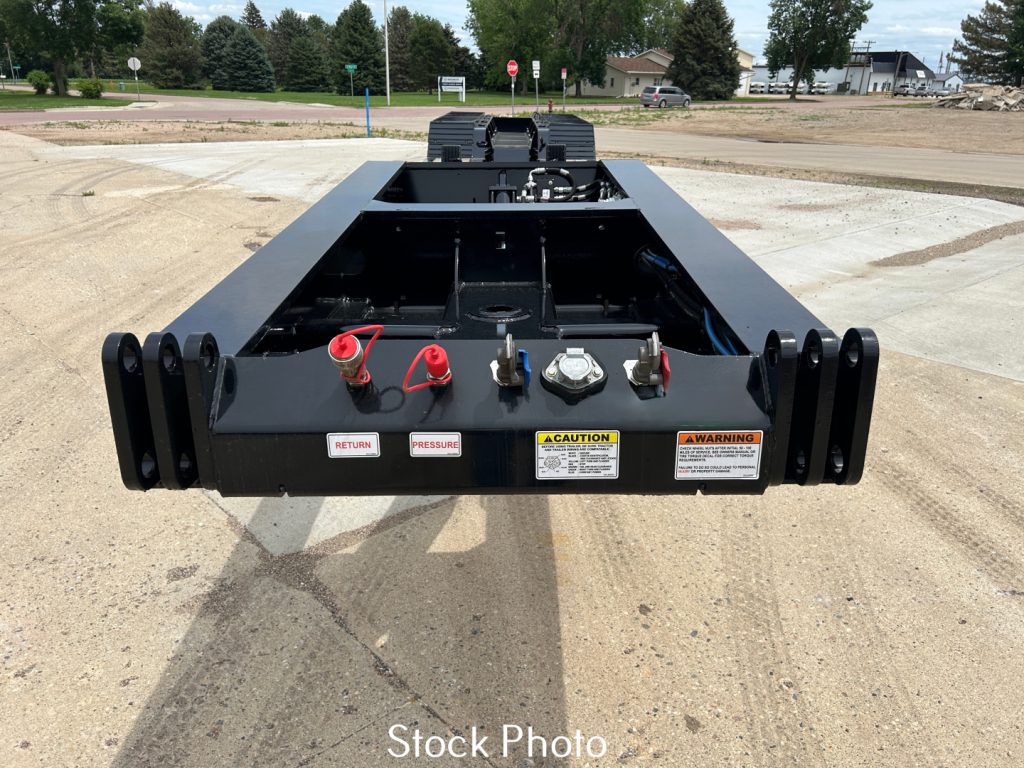
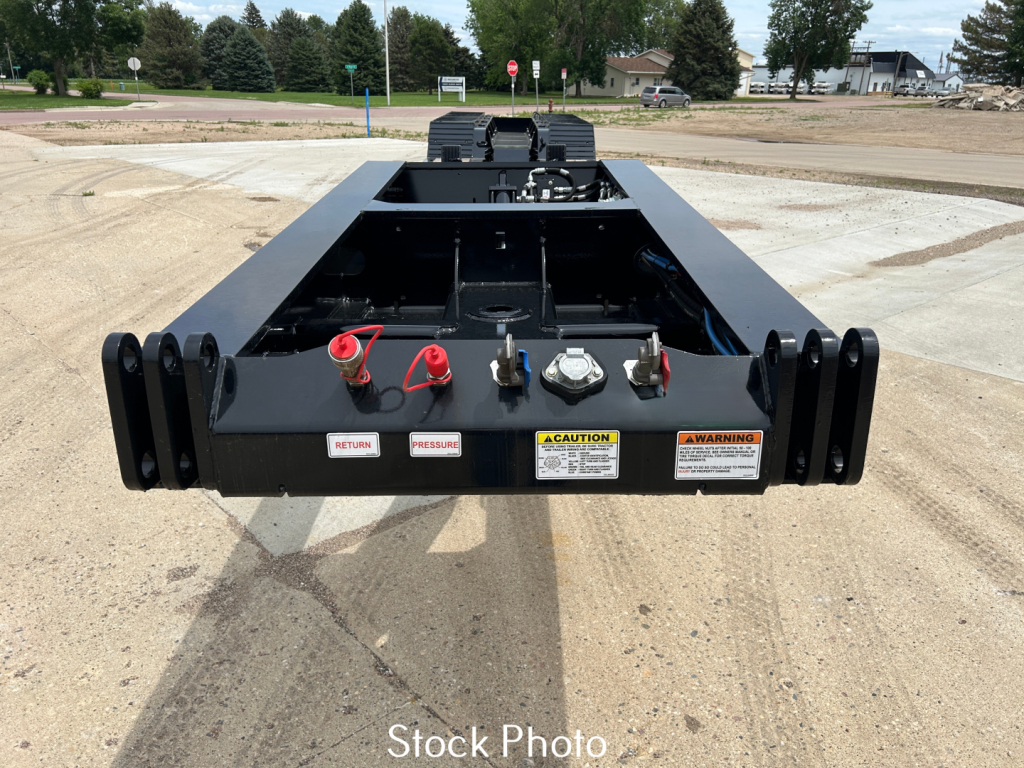
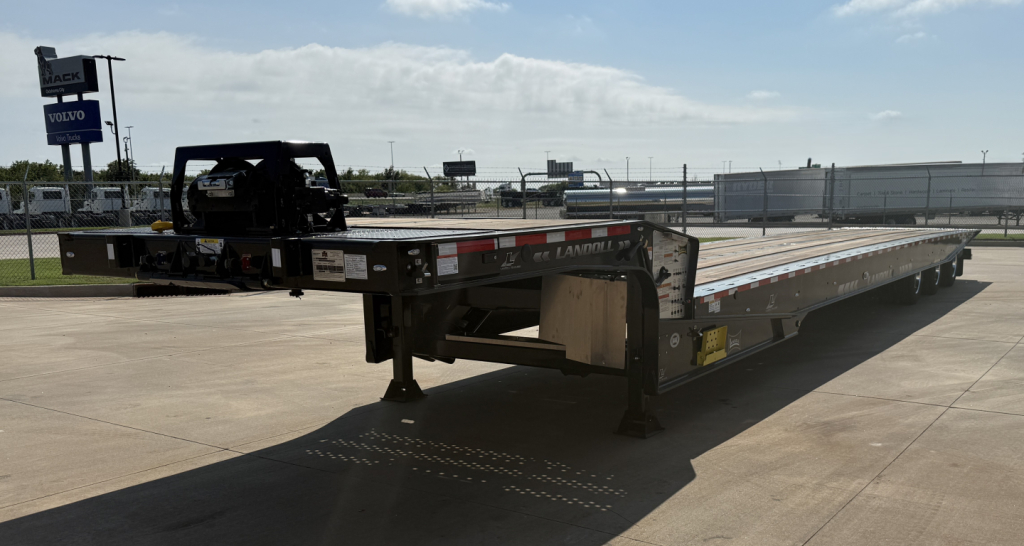
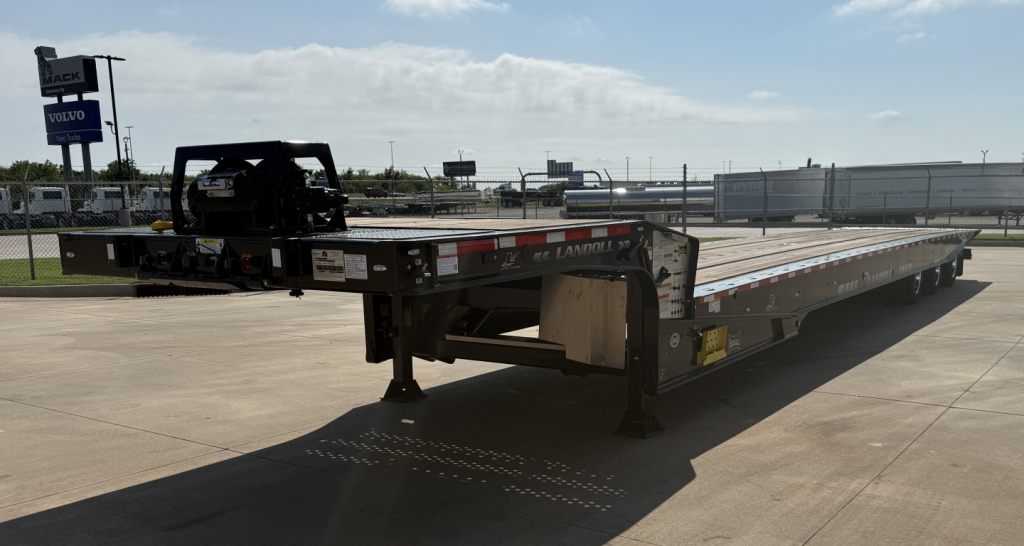
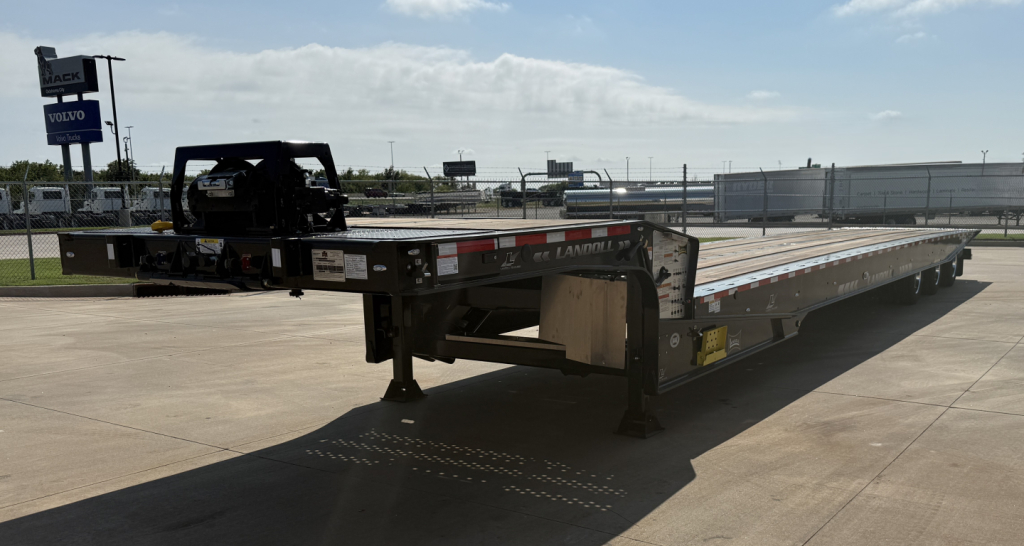
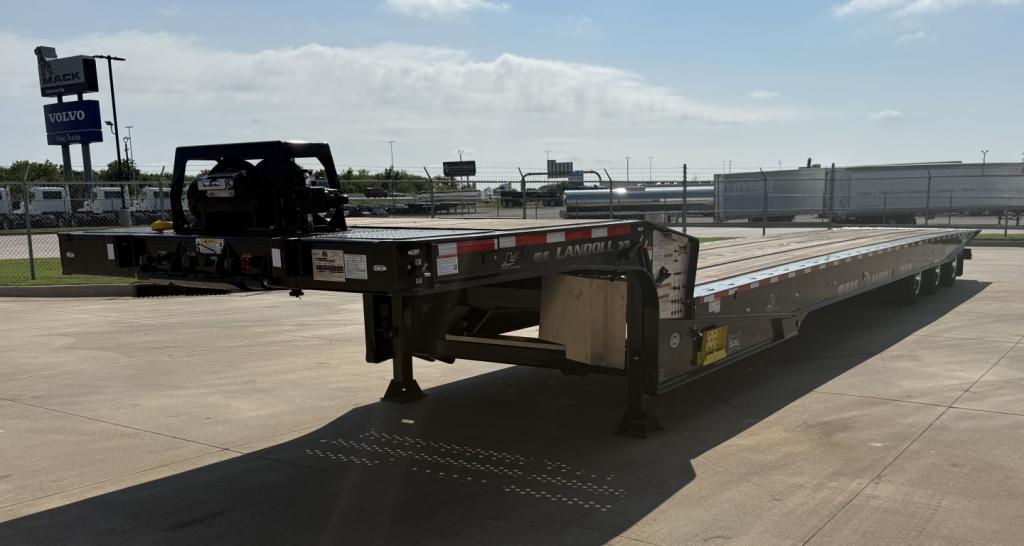
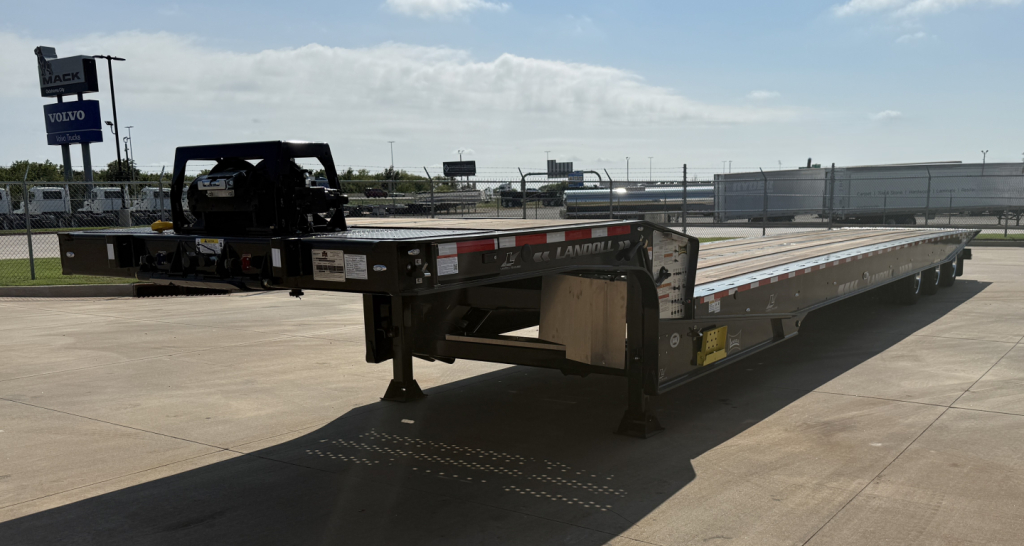
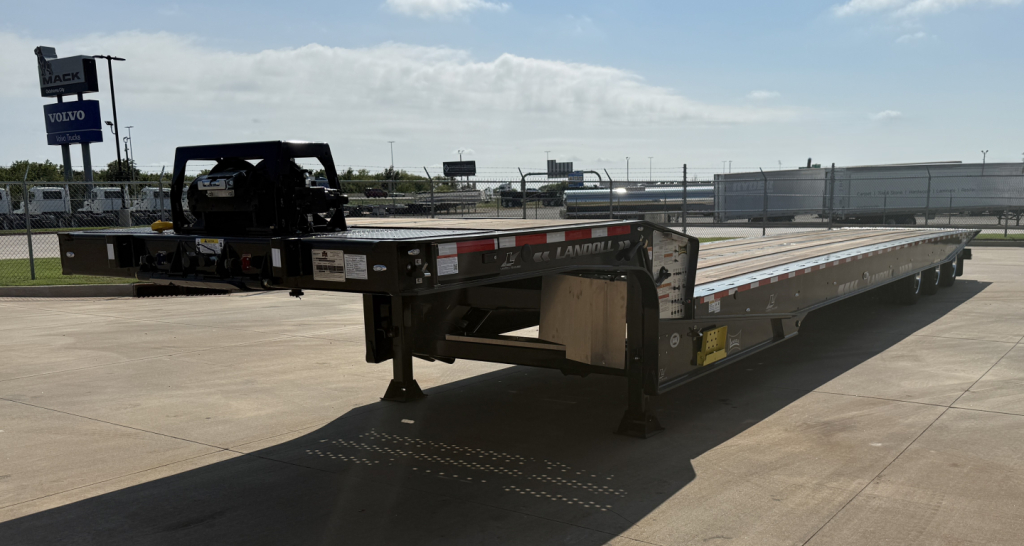
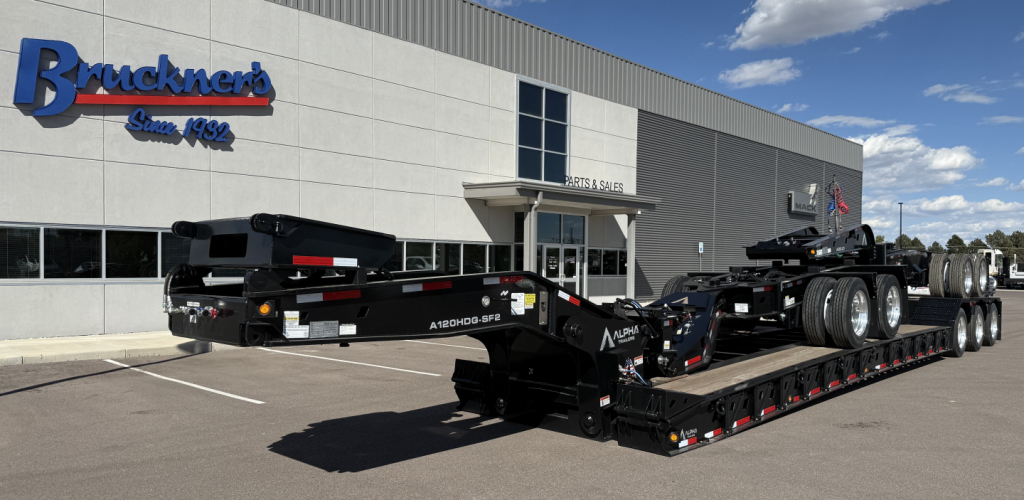
2027 Landoll 455B-53 - 55 Ton Traveling Axle
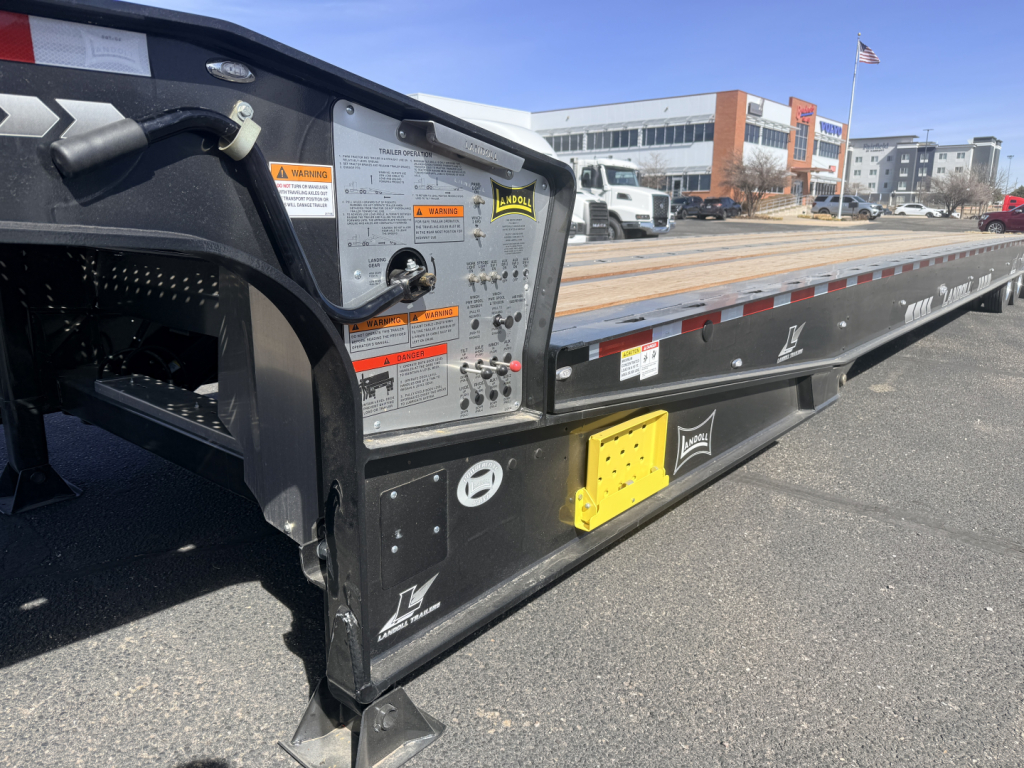
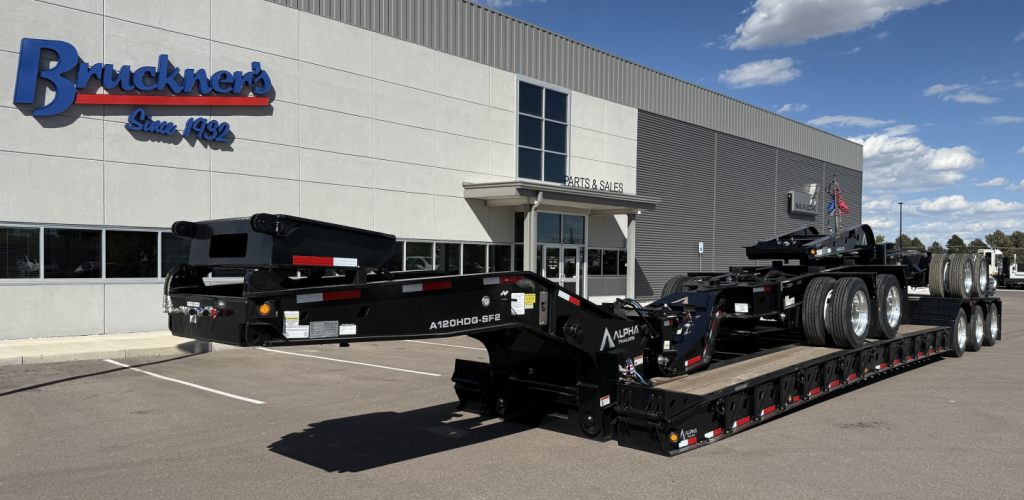
2027 Landoll 440B-53 - 40 Ton Traveling Axle
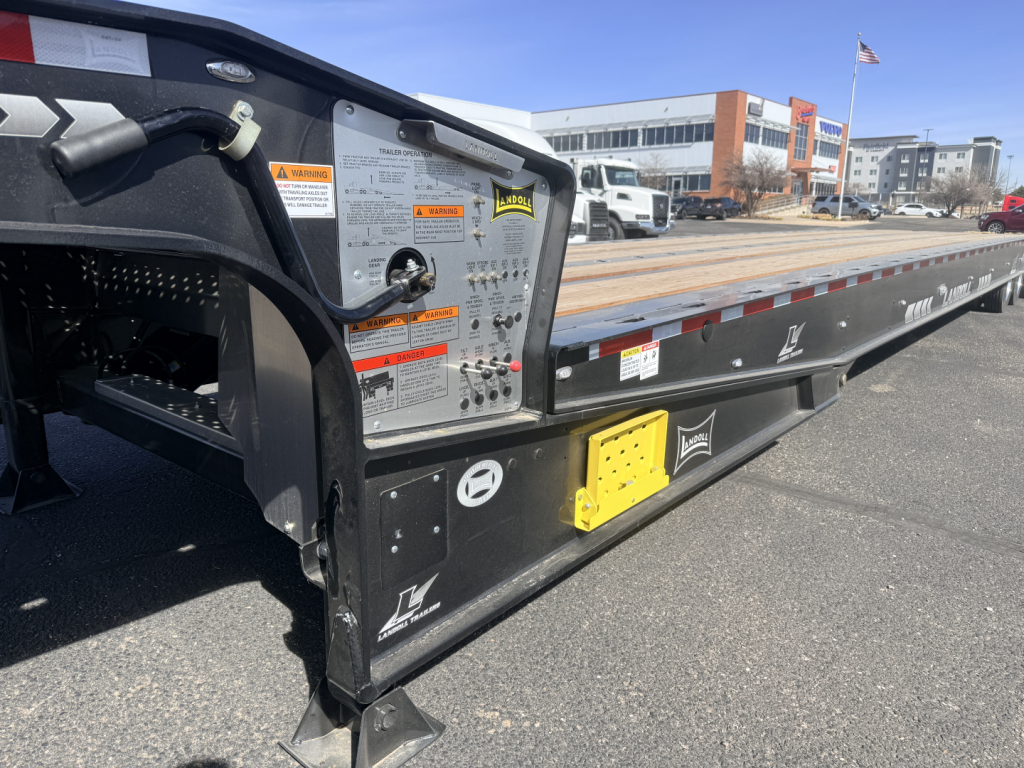
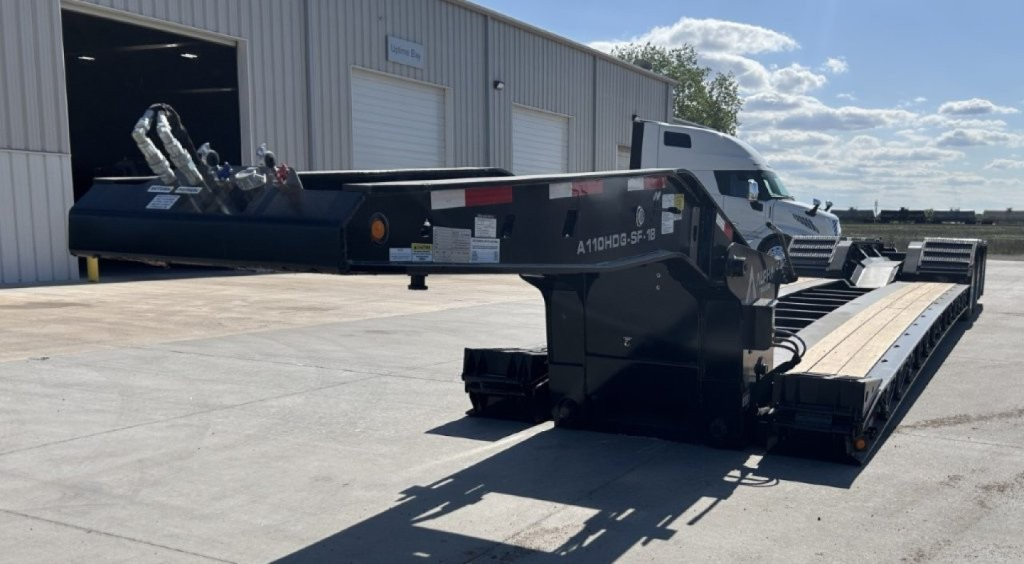
2027 Landoll 440B-53 - 40 Ton Traveling Axle
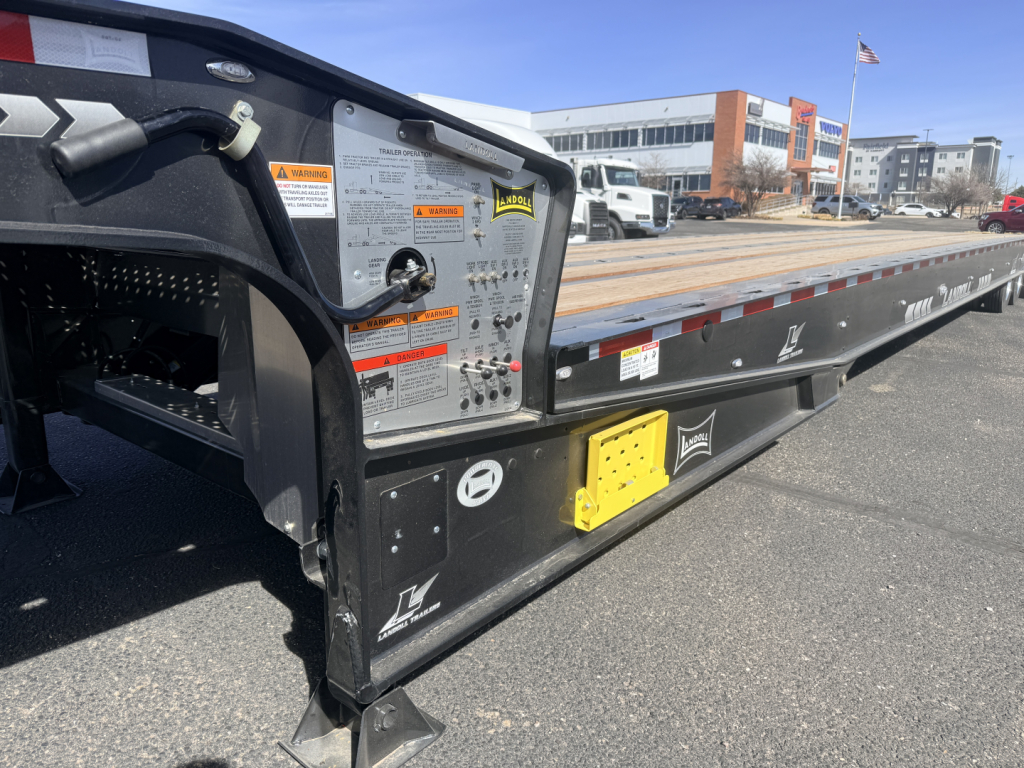
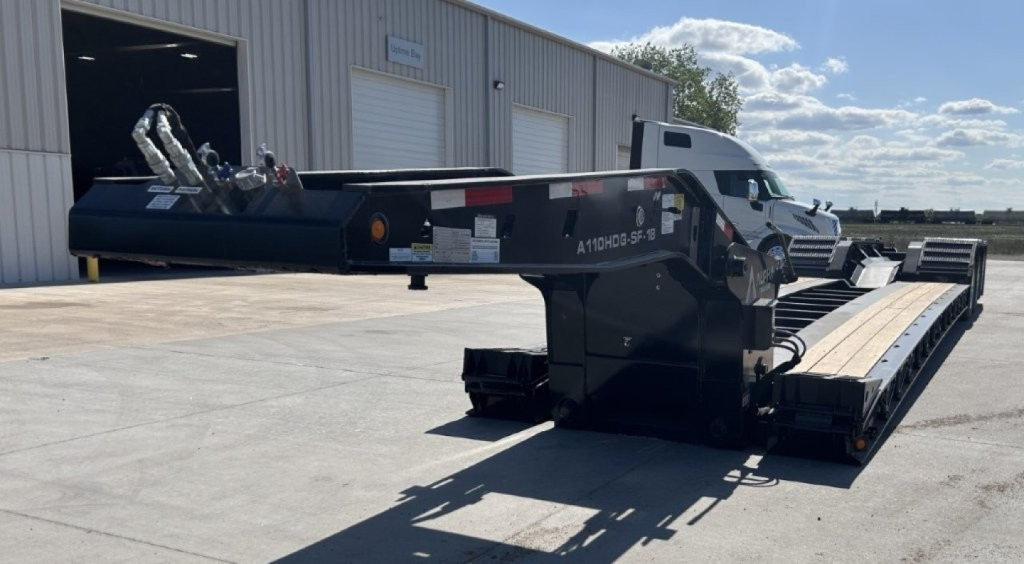
2027 Landoll 440B-53 - 40 Ton Traveling Axle
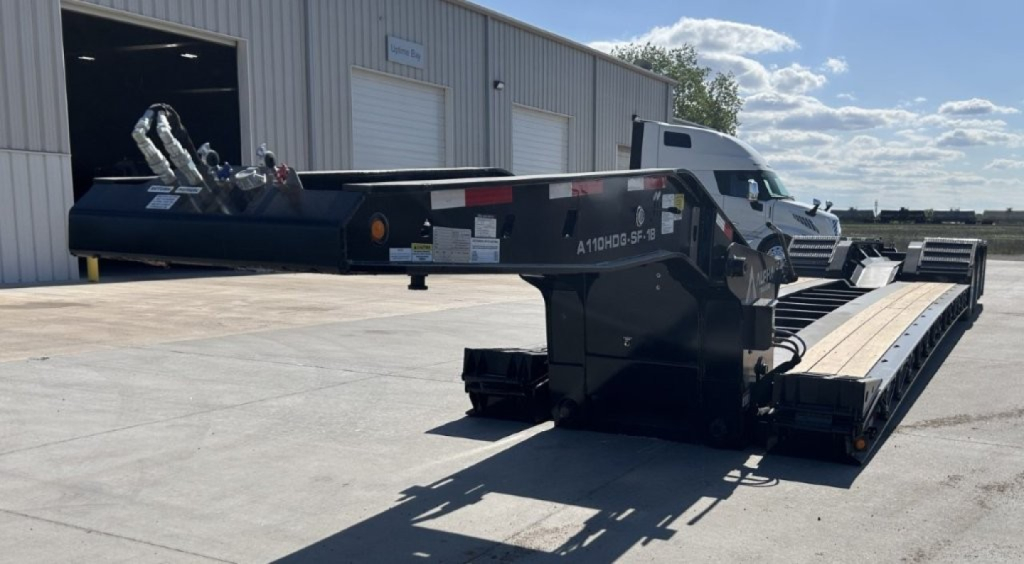
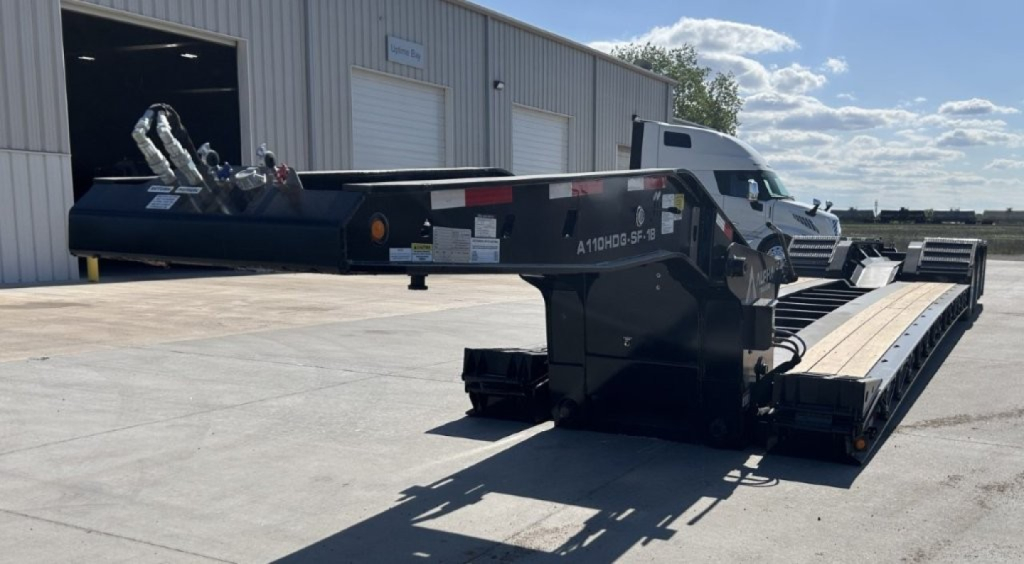
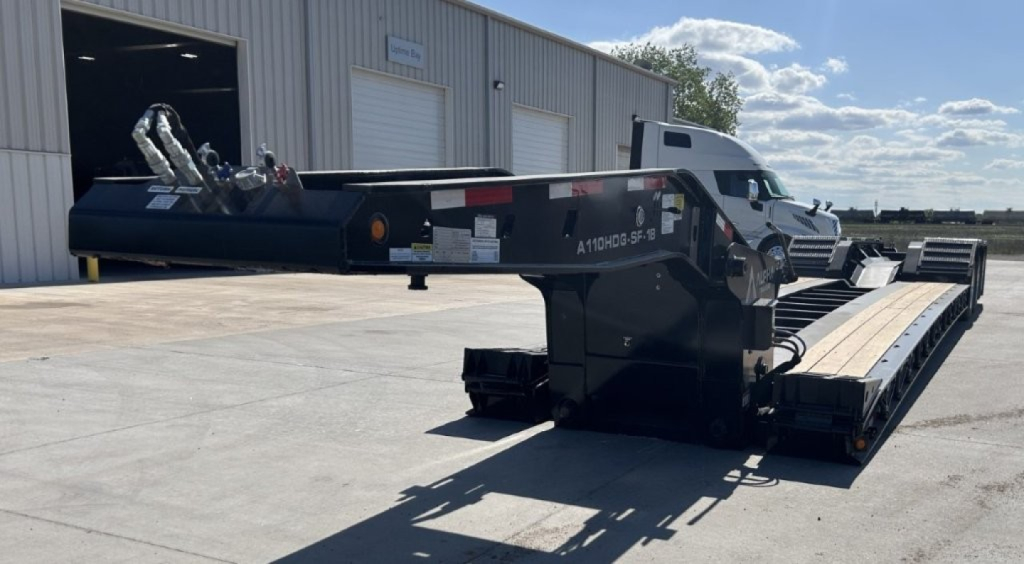
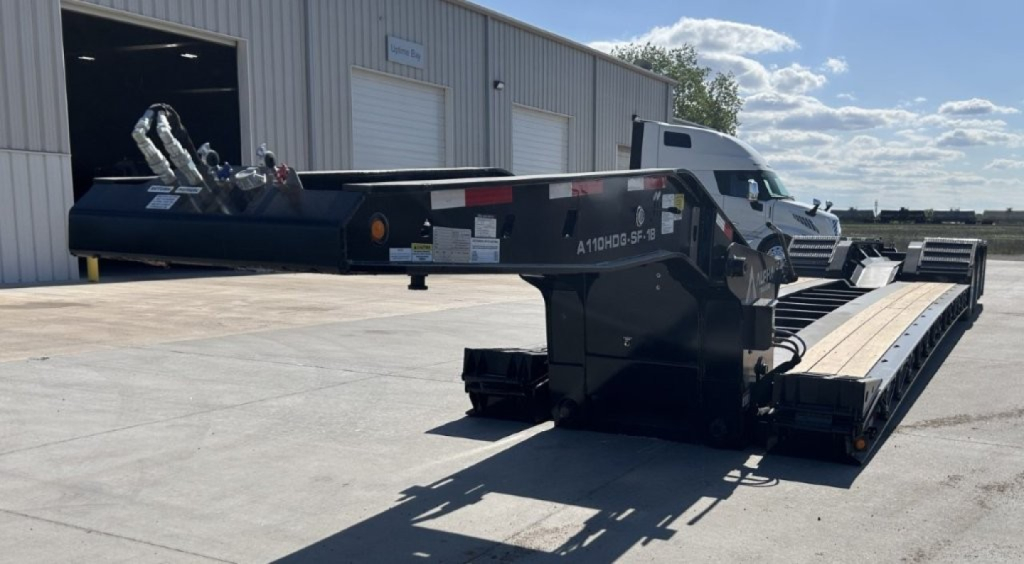
Showing 1 to 28 of 51 results
Selling a new lowboy trailer? List your new lowboy trailer for sale and reach thousands of commercial buyers.
New Lowboy Trailers in Texas
Deck height, ground clearance, and concentrated load rating are the first numbers to study. Many lowboy trailers are rated by overall capacity and also by how much weight they can carry in a defined section of deck, such as 10 feet or 16 feet. That distinction matters when hauling excavators, dozers, loaders, pavers, or other equipment with weight concentrated over a short track or wheel footprint. Common specs in this class include 48-foot to 53-foot overall lengths, 102-inch width, two or three axles, air ride suspension, and 40-ton to 60-ton and heavier capacities depending on configuration. Texas buyers also tend to pay close attention to kingpin setting, loaded deck height, load angle, and swing clearance because those numbers affect tractor match, turning room, and how easily taller machines can be positioned without contacting the neck.
A buyer comparing new lowboy trailers should also look closely at deck construction and securement details. Apitong decking remains common because it holds up well under steel tracks and concentrated equipment loads. Chain slots, bent D-rings, stake pockets, outriggers, swing-outs, bucket wells, boom troughs, and flip ramps all add real day-to-day value depending on the freight. A lowboy set up for mixed equipment hauling may need full-width decking, multiple tie-down points on close centers, and prep for a flip axle or stinger to increase payload flexibility. Tire inflation systems, centralized grease systems, air dump valves, raise-lower controls, onboard scales, LED lighting, strobes, and work lights can reduce downtime and speed up loading, especially for fleets working early mornings, night moves, or muddy jobsites.
For many operations, the decision comes down to loading style and future growth. A traveling axle lowboy can offer a shallow load angle and efficient loading for rollers, pavers, and lower-profile machines. A mechanical detachable lowboy is often chosen for simplicity and lower maintenance versus hydraulic detach systems, while a hydraulic detachable can improve speed and convenience for frequent loading cycles. New lowboy trailers also give buyers the advantage of current brake and ABS spec, fresh suspension components, unworn decking, and a configuration tailored to permit work in Texas. The best trailer is the one whose axle group, deck length, detach style, and concentrated load rating match the heaviest machine you actually move, not just the maximum capacity shown on the data plate.
Frequently Asked Questions about New Lowboy Trailers in Texas
What is the difference between a lowboy trailer and an RGN trailer?
A lowboy trailer is the broad equipment class for low-deck heavy haul trailers designed to carry tall and heavy machinery. An RGN, or removable gooseneck trailer, is one type of lowboy trailer that detaches at the front so equipment can be driven on from ground level. Other lowboy designs include mechanical detachable and traveling axle models. Buyers often use the terms interchangeably, but the loading method and neck design are what separate one type from another.
How do I choose the right capacity on a new lowboy trailer?
Start with the heaviest machine you plan to haul, then look at its operating weight, axle or track footprint, attachment weight, and where that weight sits on the deck. Overall trailer capacity is important, but concentrated load rating is often the more useful number because many machines place most of their weight in a short section of deck. You also need to account for future equipment changes, permit requirements, and whether a flip axle or stinger will be added later. Matching capacity to real load distribution is more important than buying by ton rating alone.
Are two-axle or three-axle lowboy trailers better for Texas heavy haul work?
That depends on the machine weights and the permits involved. Two-axle lowboy trailers can be a good fit for lighter equipment and for operations that want lower empty weight and less tire and brake maintenance. Three-axle trailers usually provide better payload distribution and can help with heavier machines or more demanding permit loads. In Texas, axle spacing, bridge considerations, and the ability to add a flip axle often matter as much as the base axle count, so buyers should evaluate the entire axle group rather than treating axle count as the only decision point.
What deck features matter most on a lowboy trailer?
The most important deck features are the ones that match the equipment you move every week. Apitong decking is widely used for durability under tracked equipment. Chain slots, D-rings, and stake pockets improve securement flexibility. Swing-outs and outriggers help with wider machines. Boom troughs, bucket wells, and flip ramps can make a major difference when hauling excavators and similar equipment with attachments or long undercarriages. Buyers should focus on deck usability and securement layout, not just the headline capacity.
Is a traveling axle lowboy better than a detachable lowboy?
A traveling axle lowboy is often preferred when a shallow load angle is important and when loading lower-profile equipment quickly is part of the job. A detachable lowboy is usually the better fit for taller or heavier machinery that benefits from ground-level front loading and more flexible machine placement. Neither design is universally better. The right choice depends on the type of equipment, how often the trailer is loaded, the loading surface conditions, and how much value your operation places on simplicity versus versatility.