
New 2027 Lowboy Trailers For Sale in Texas
Shop new 2027 lowboy trailers for heavy equipment hauling, with detachable goosenecks, low deck heights, high-capacity axles, and Texas-ready specs.
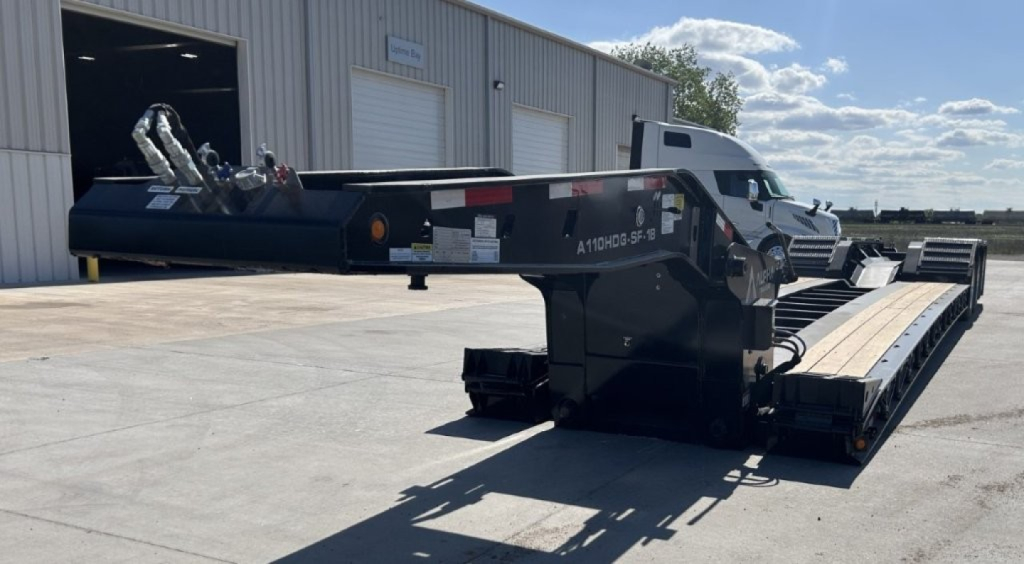
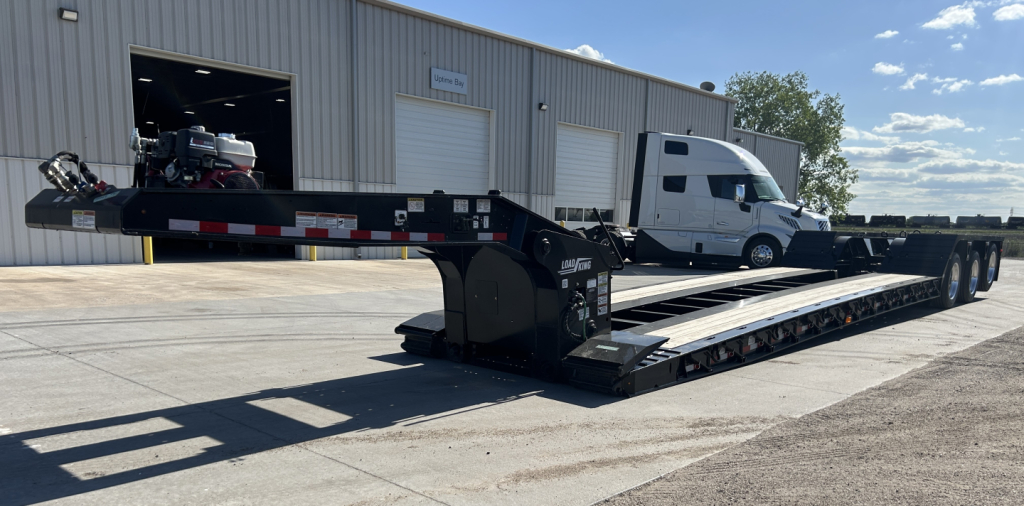
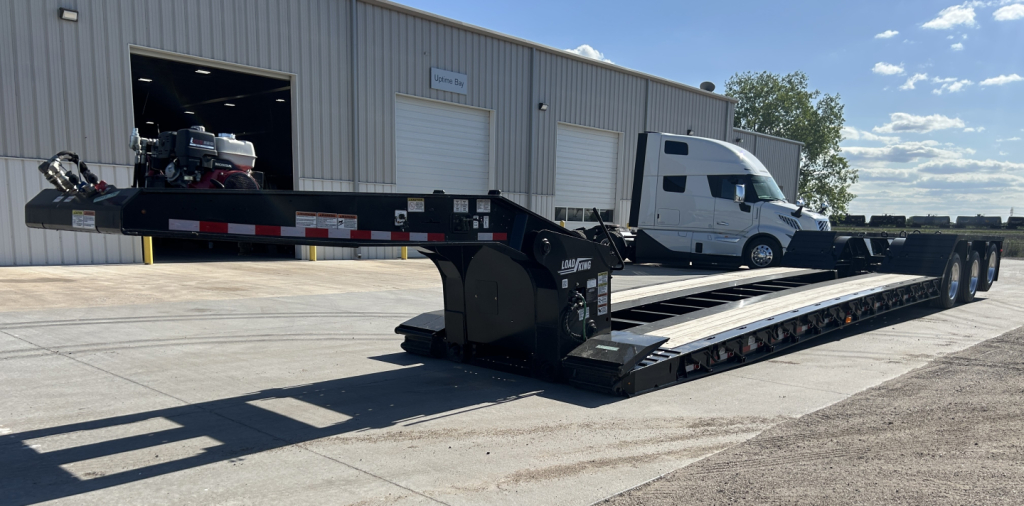
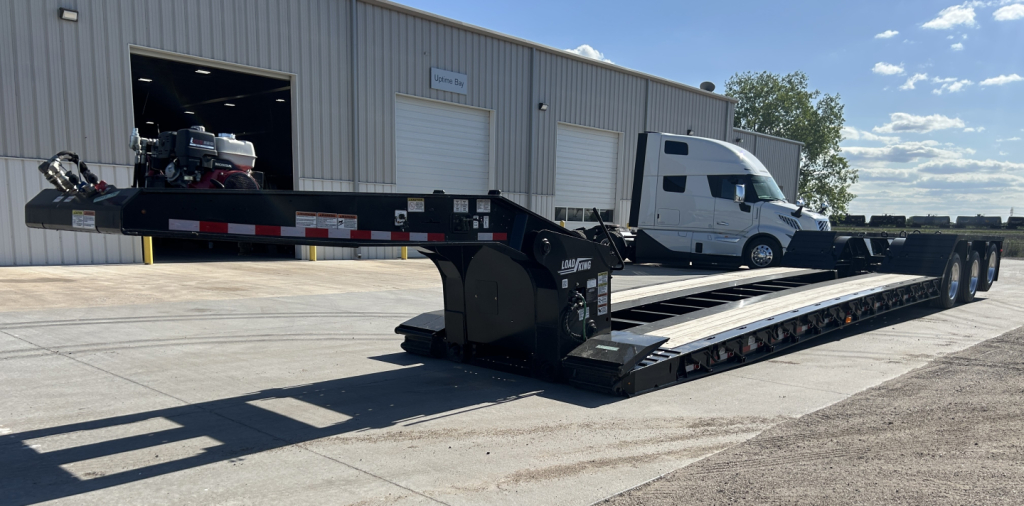
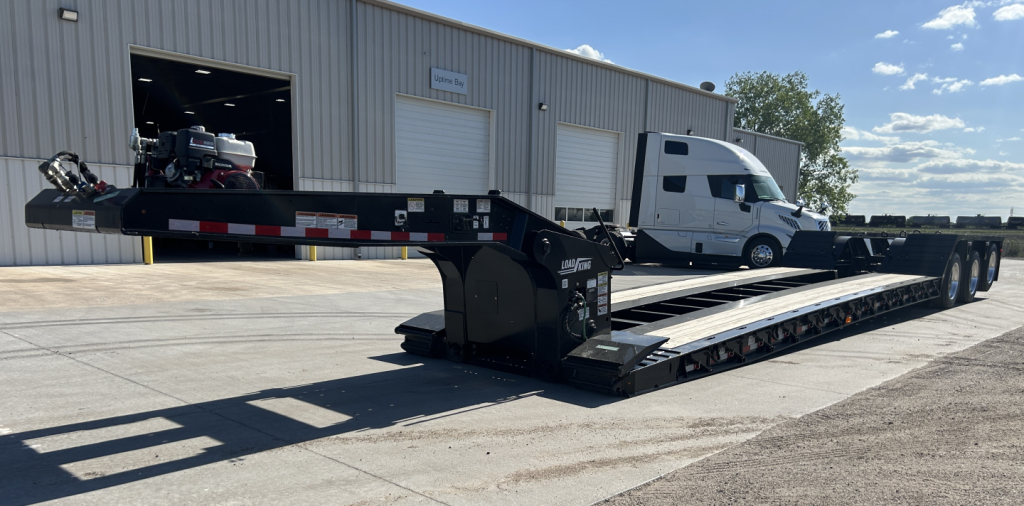
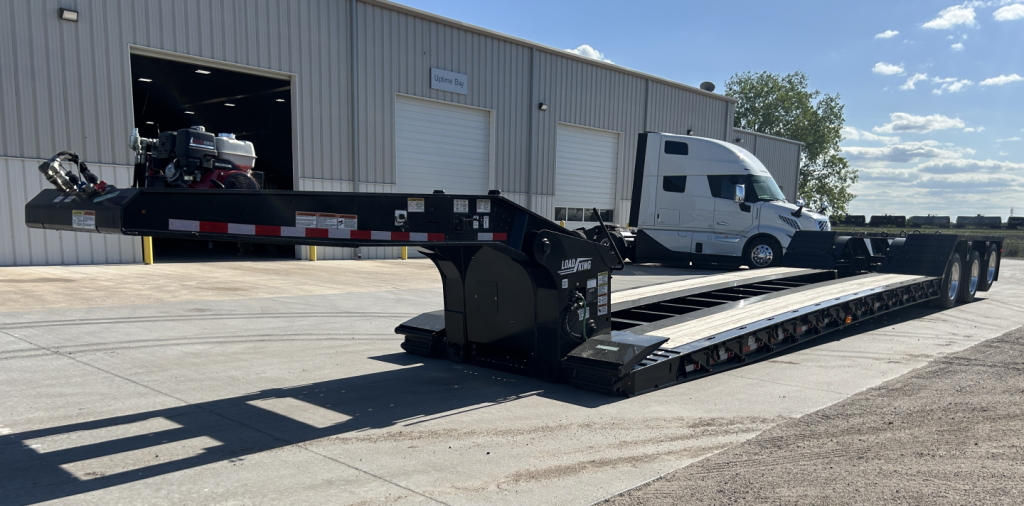
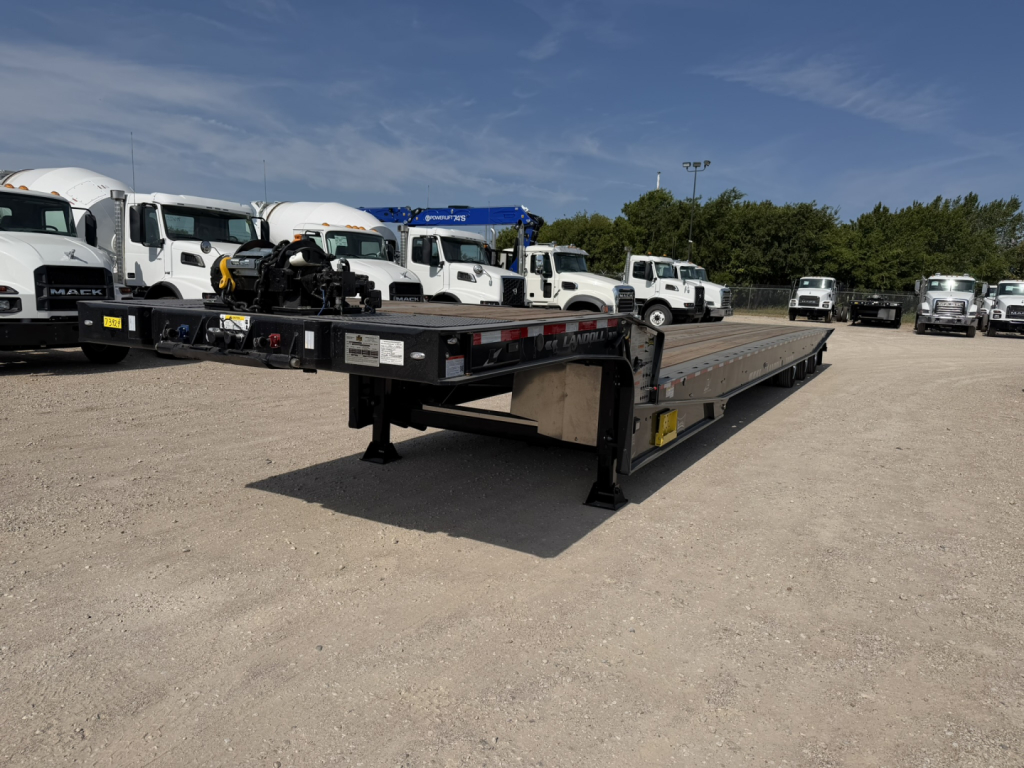
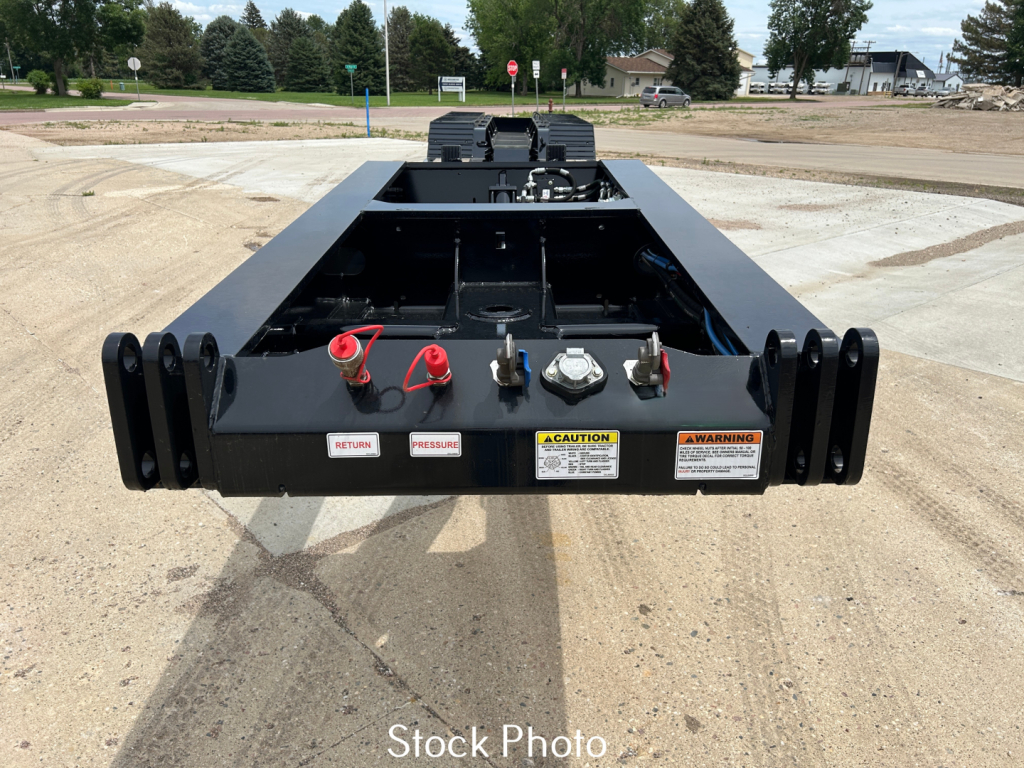
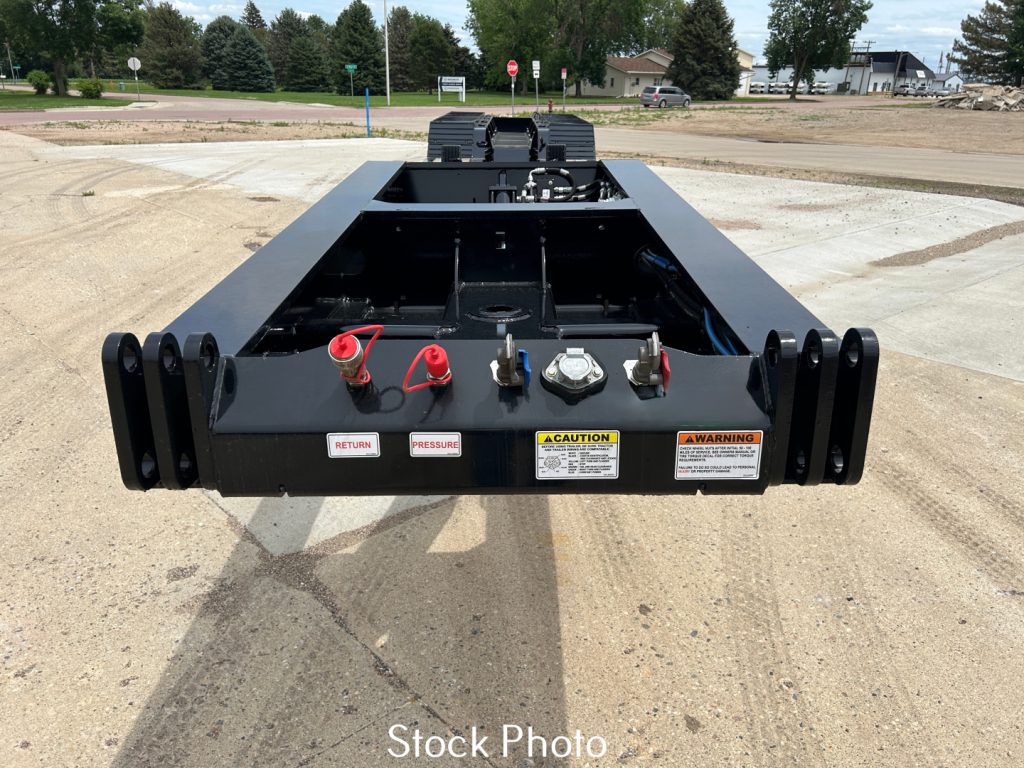
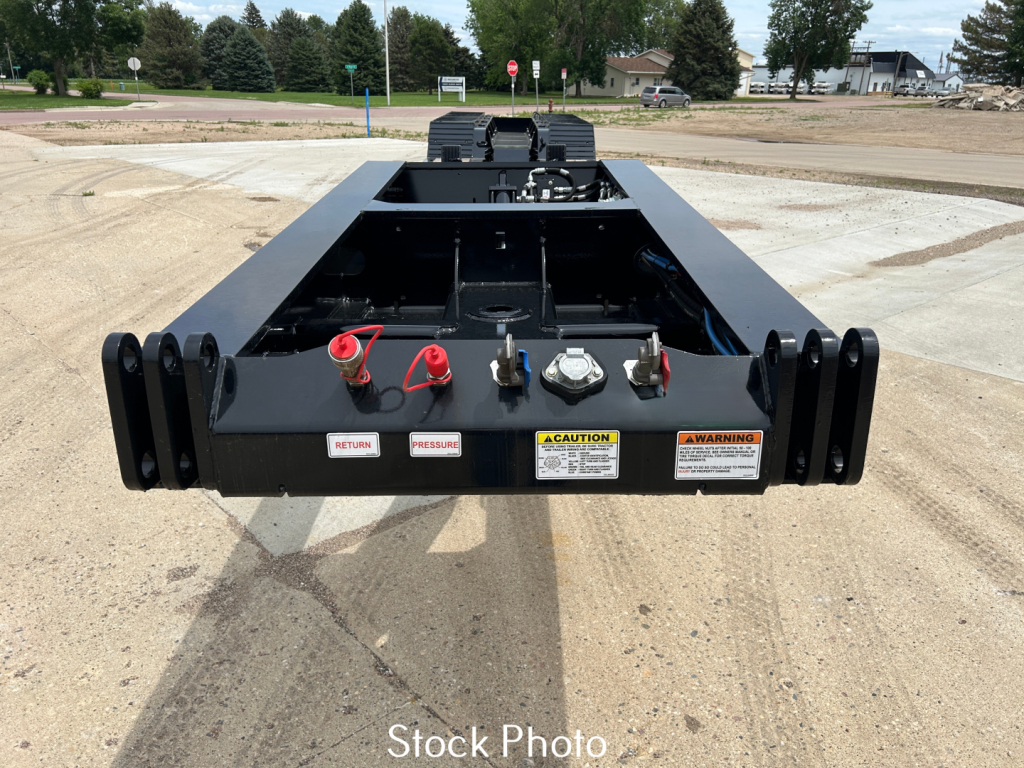
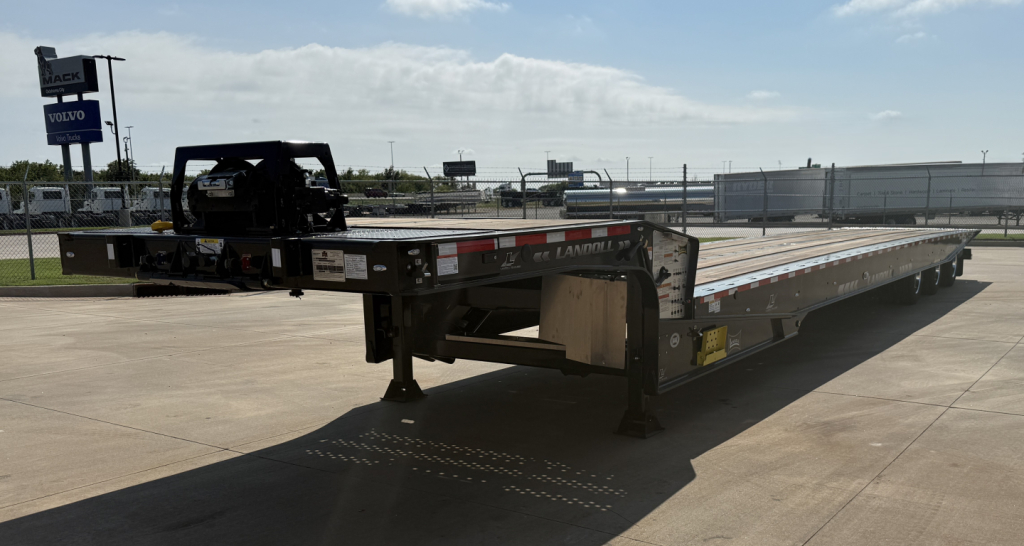
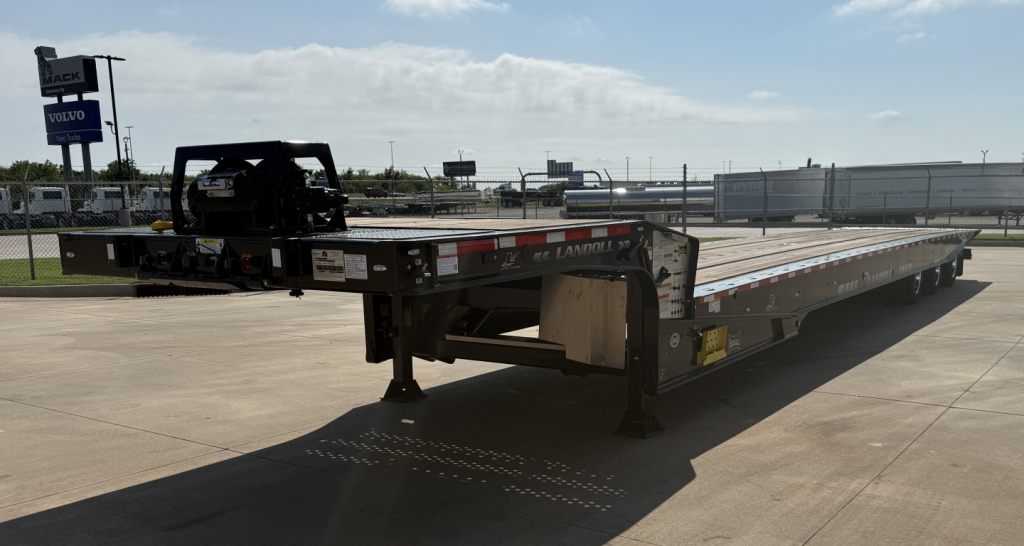
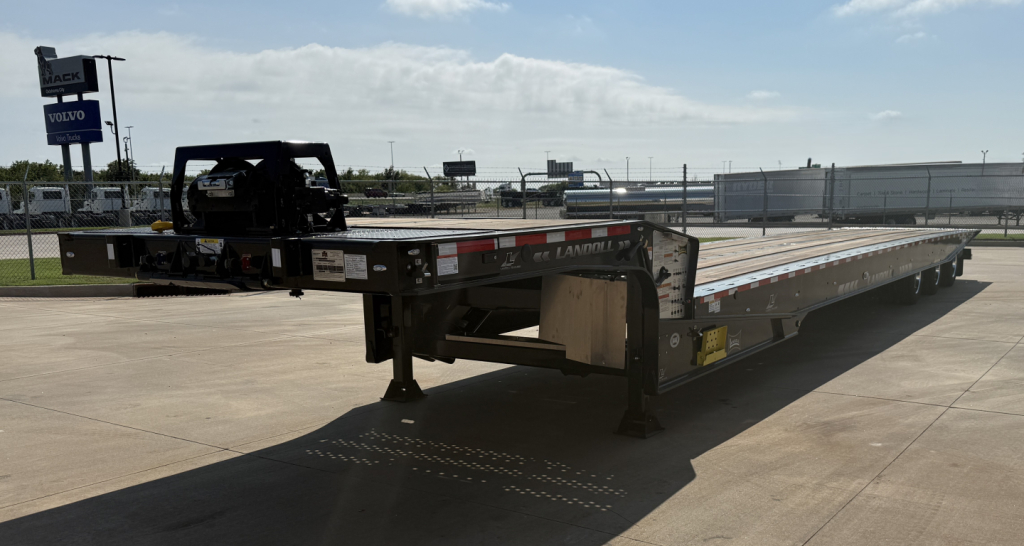
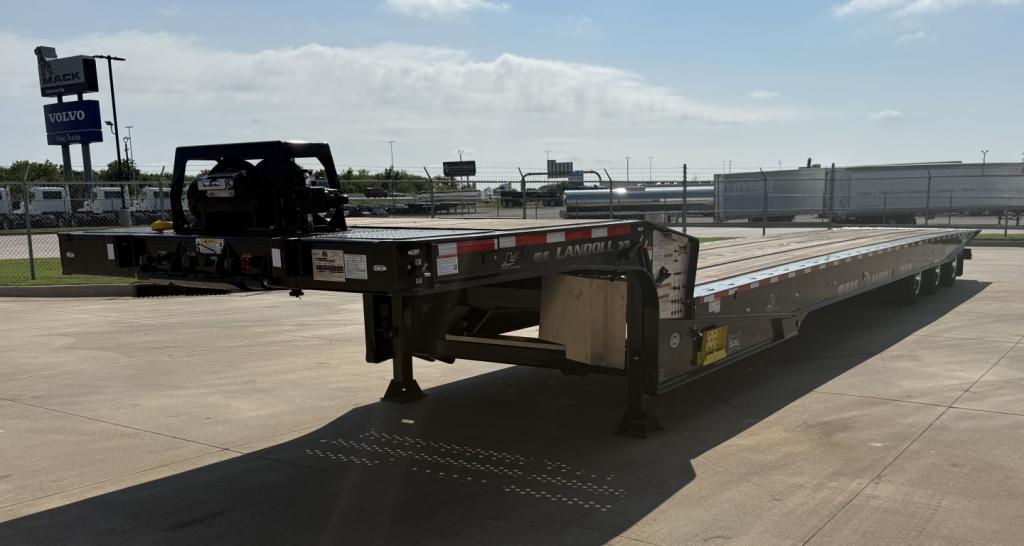
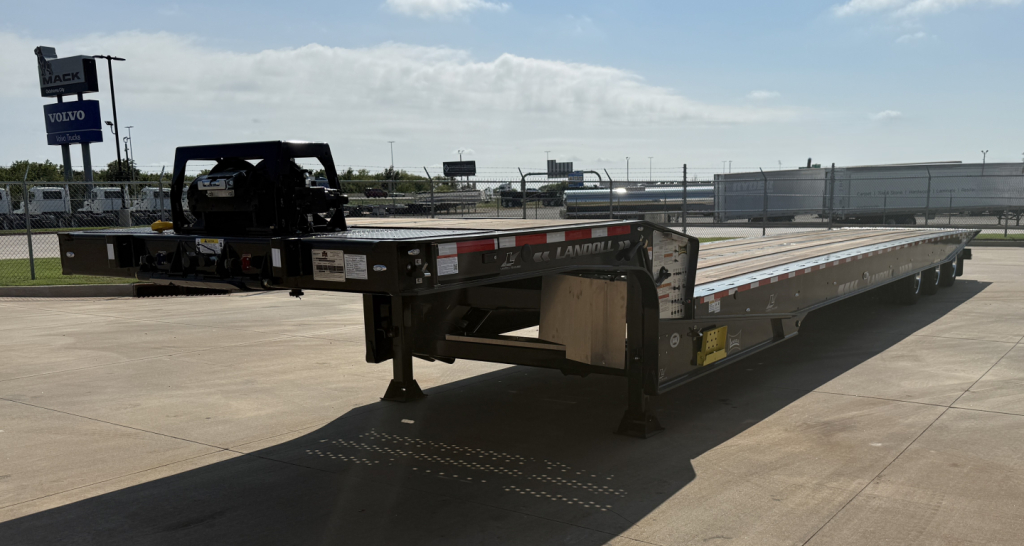
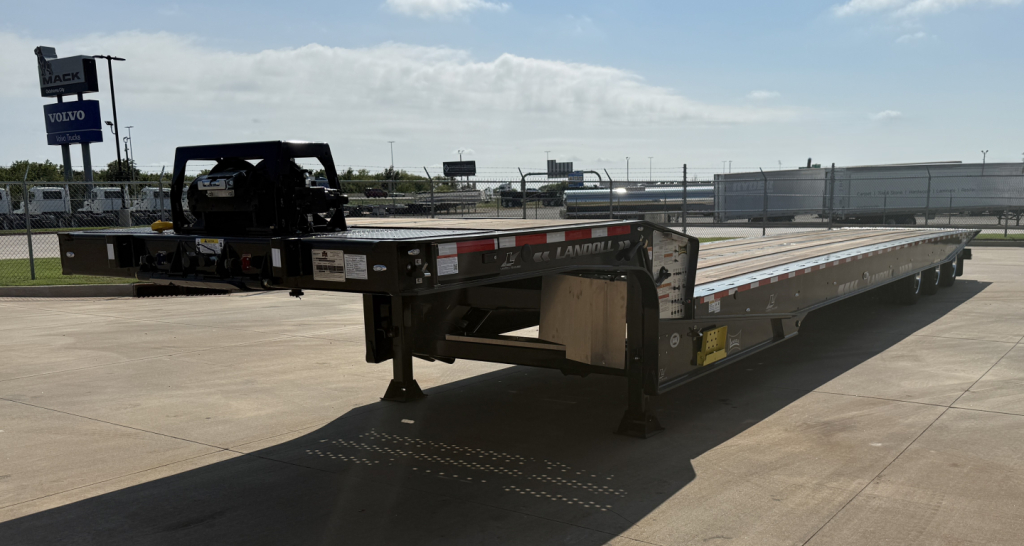
2027 Landoll 455B-53 - 55 Ton Traveling Axle
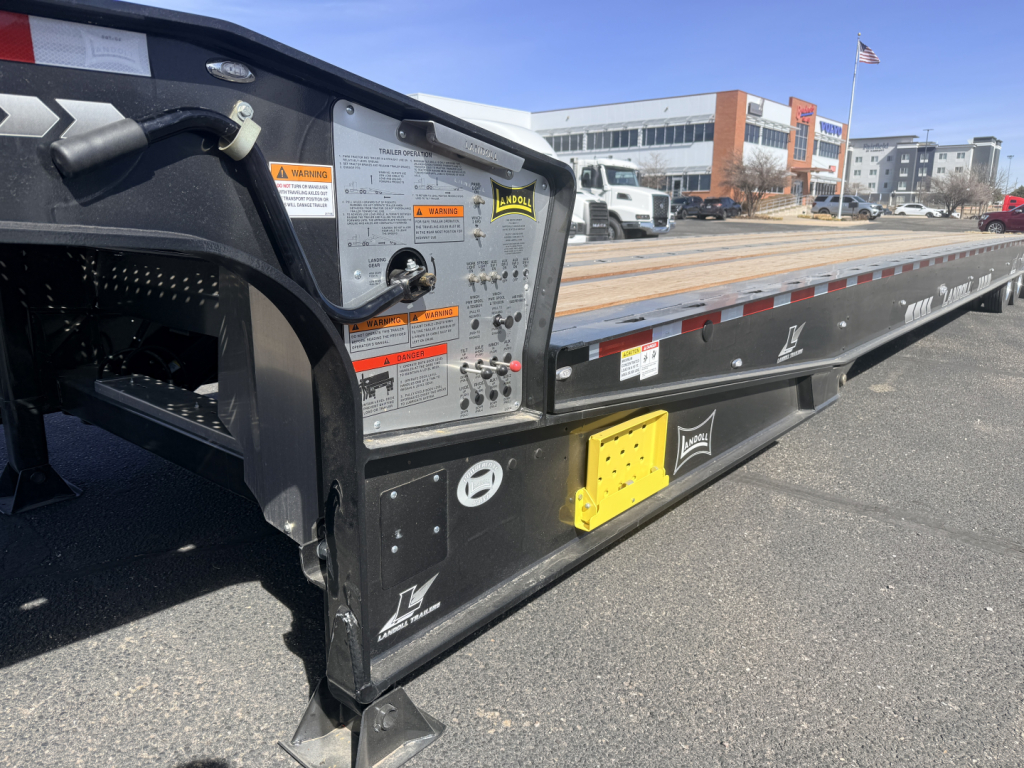
2027 Landoll 440B-53 - 40 Ton Traveling Axle
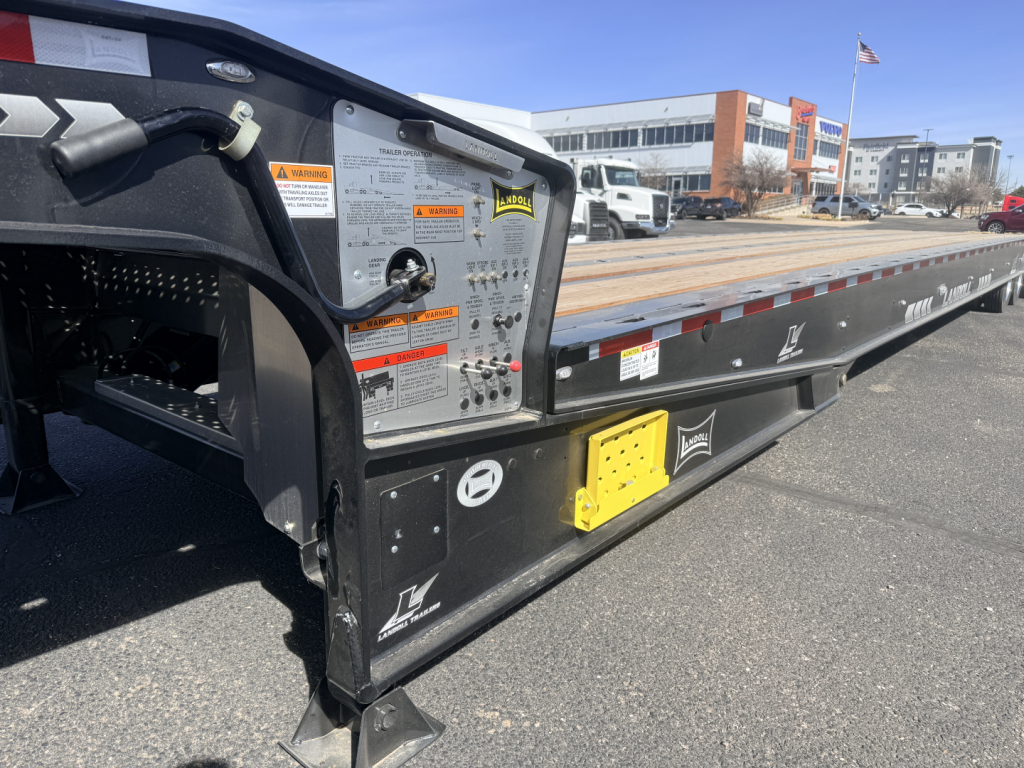
2027 Landoll 440B-53 - 40 Ton Traveling Axle
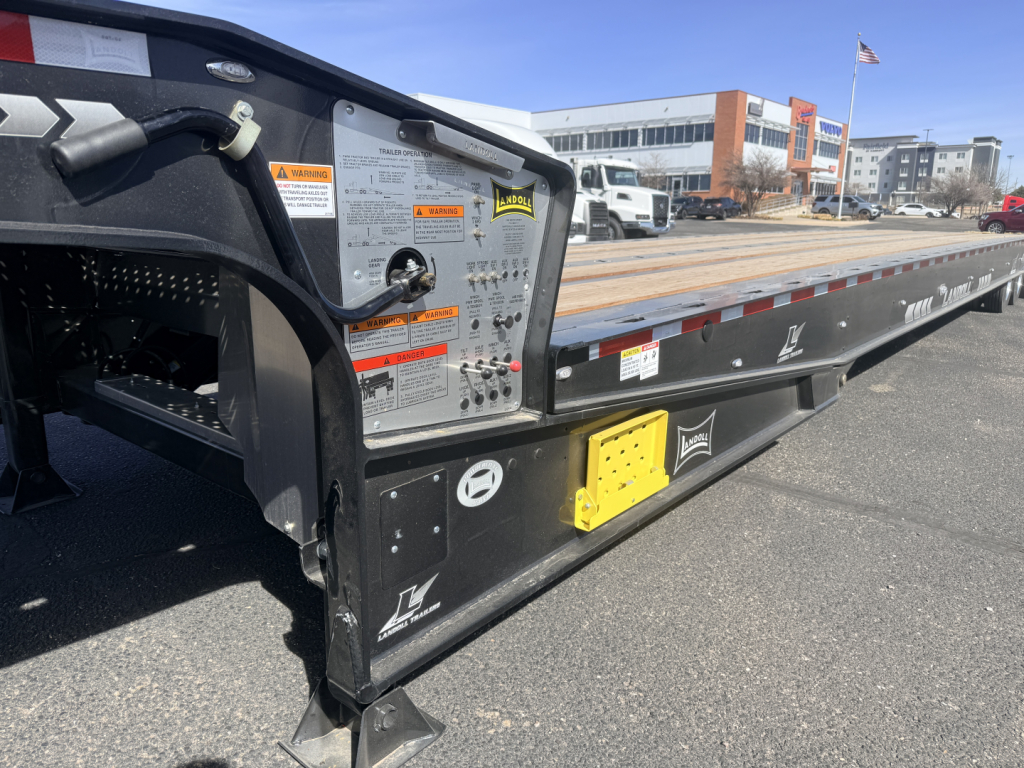
2027 Landoll 440B-53 - 40 Ton Traveling Axle
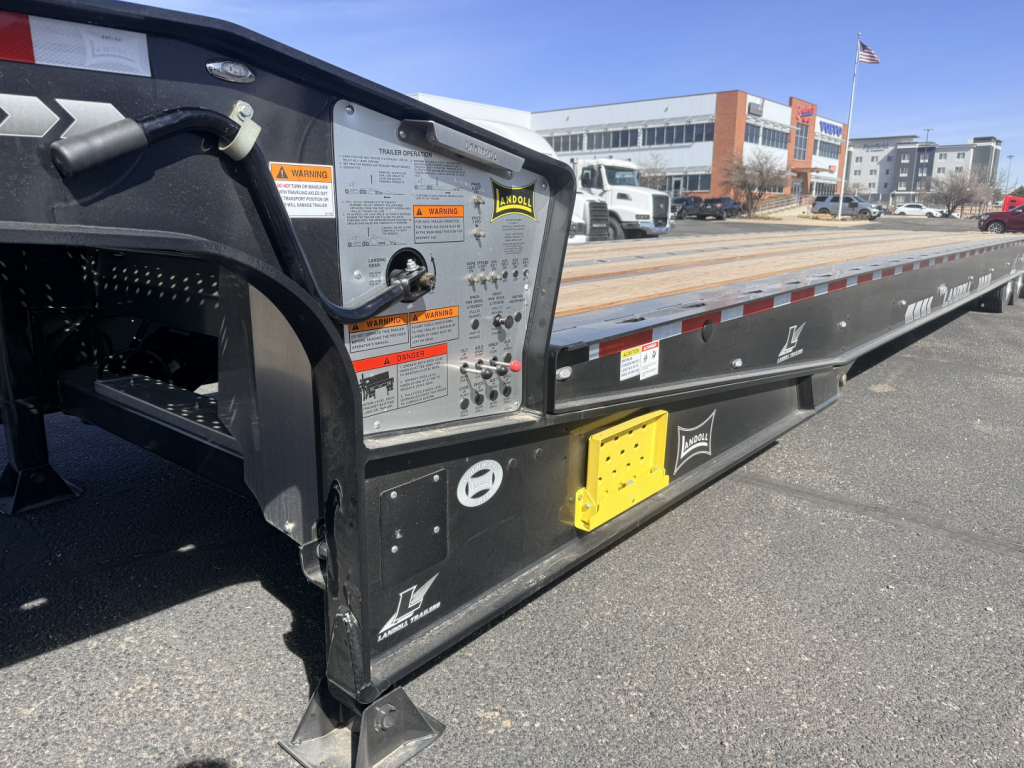
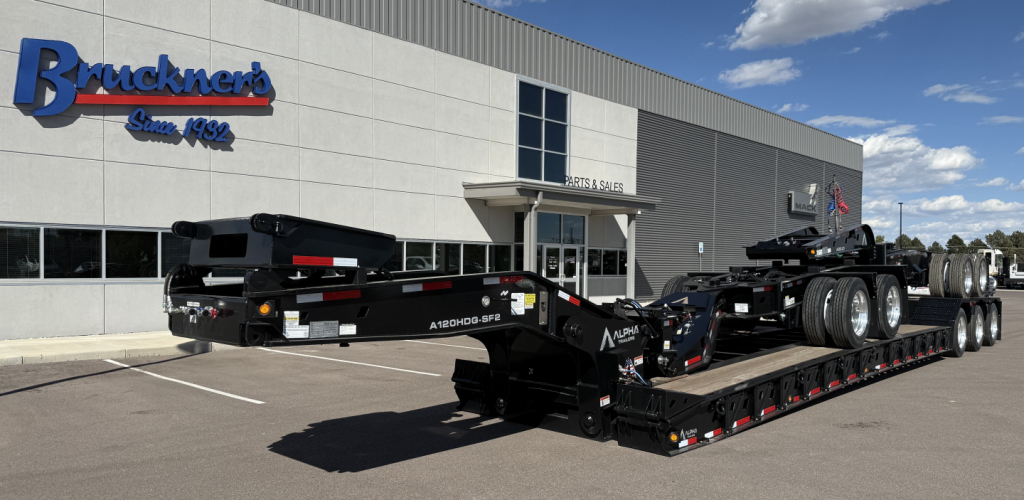
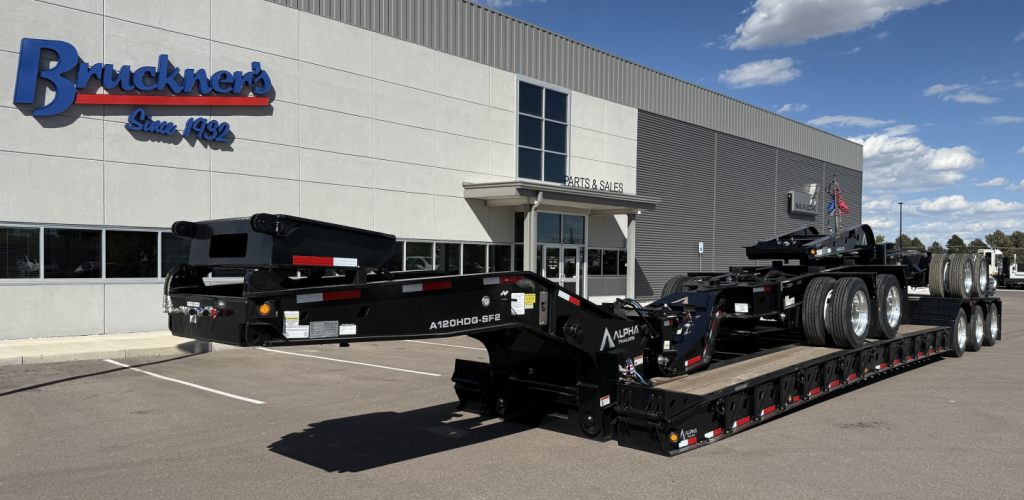
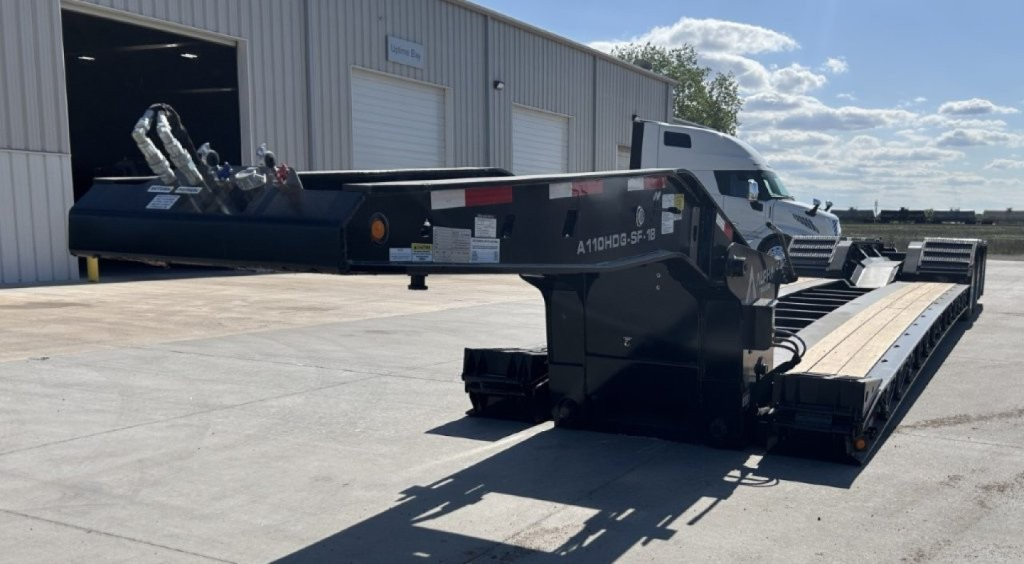
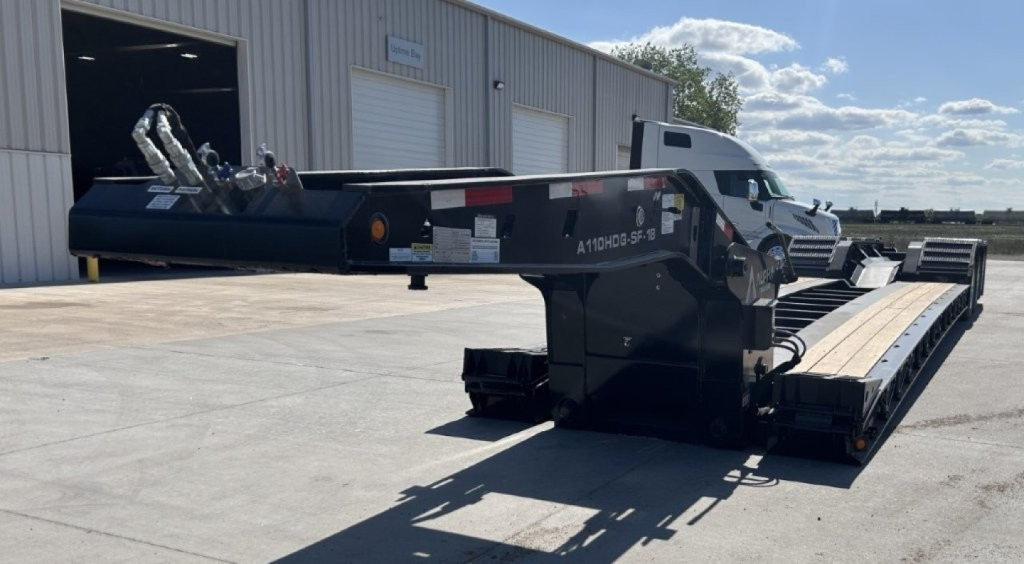
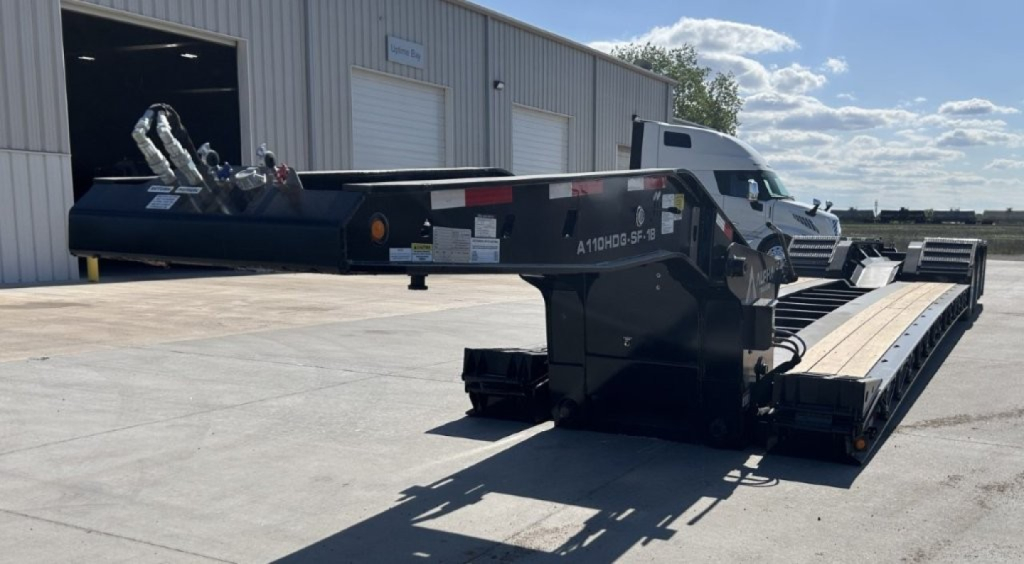
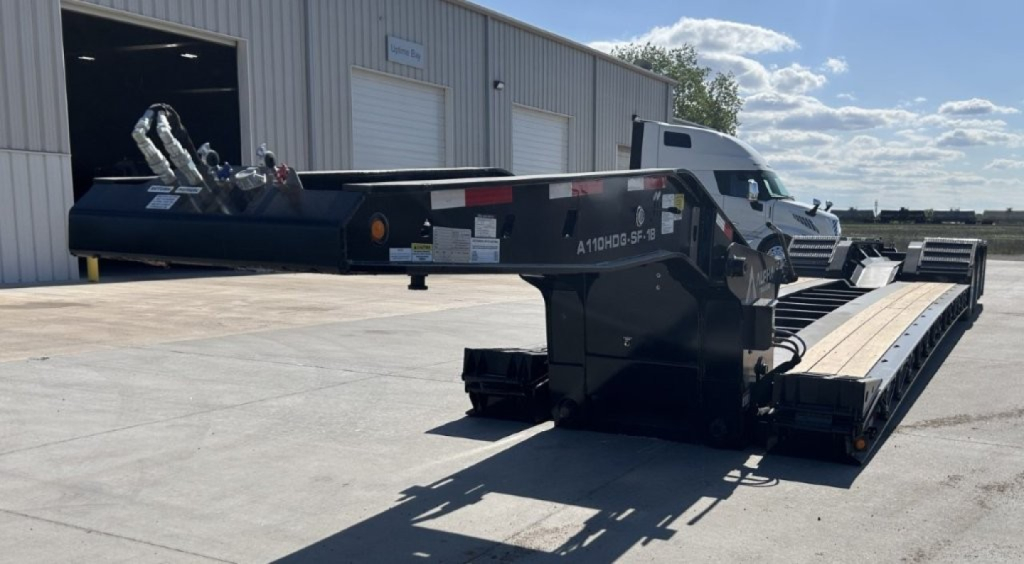
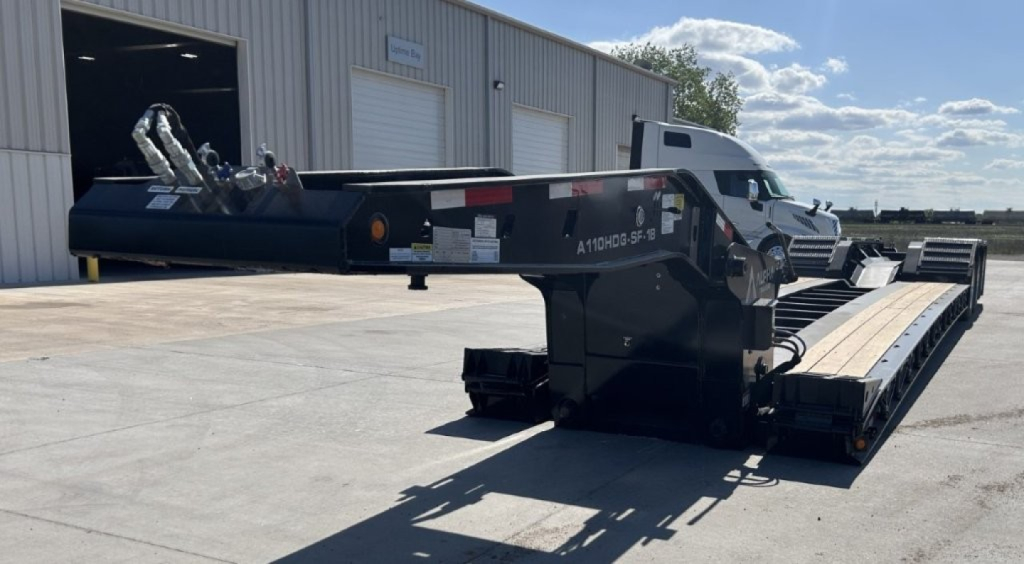
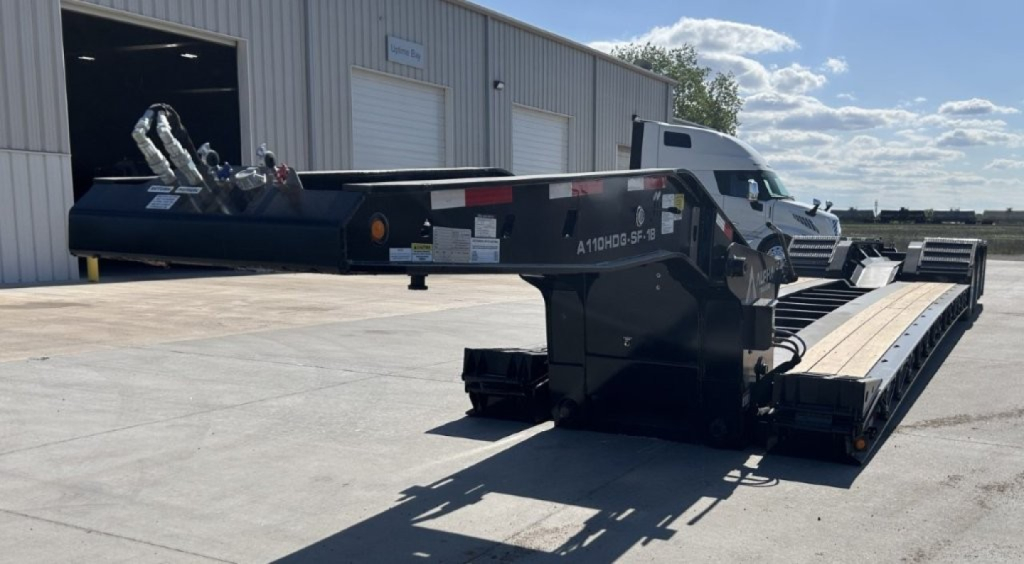
Showing 1 to 28 of 49 results
Selling a new 2027 lowboy trailer? List your new 2027 lowboy trailer for sale and reach thousands of commercial buyers.
New 2027 Lowboy Trailers in Texas
Capacity classes in this segment often range from around 55 tons up to 80,000 pounds and beyond, with concentrated ratings such as 55 tons in 12 feet or 70,000 pounds in 10 to 16 feet. Mechanical detach and hydraulic detachable gooseneck designs are common, and traveling axle models remain popular for operators who want a shallow load angle for rubber-tired equipment. Loaded deck height matters as much as gross rating. Many buyers look closely at 18-inch to 24-inch loaded deck height on double-drop designs, while traveling axle trailers may run higher but offer easier ground-level loading. In Texas, kingpin setting, swing clearance, deck width, and flip axle prep can all affect permit flexibility and tractor compatibility, especially when hauling between urban jobsites and rural energy corridors.
The spec details that separate one lowboy from another are usually in the deck and running gear. Apitong decking, outriggers on close centers, chain slots, D-rings, stake pockets, and excavator boom wells all improve securement flexibility. Air ride suspension is common on newer lowboy trailers because it helps ride quality and cargo protection, and lift axles or axle raise-lower functions can help with tire wear and bridge compliance. Tire inflation systems, Air-Weigh scales, centralized grease systems, LED work lights, wireless remotes, and heavy-duty toolboxes are practical upgrades that reduce downtime in daily use. Buyers moving mixed fleets of equipment should also watch for deck width, wheel cover design, flip ramps, and reinforcement in high-stress areas such as the upper flange, neck transition, and axle connection points.
A good lowboy trailer is matched to the freight, the routes, and the permits, not just the headline tonnage. For a contractor hauling compact track loaders and midsize excavators, a lower deck and simple detach may matter more than maximum capacity. For a heavy haul operation moving larger earthmoving iron, quad axle configurations, flip axle readiness, concentrated load ratings, and robust securement layout become more important. New 2027 lowboy trailers offer the benefit of current lighting, brake, ABS, suspension, and remote-control features, along with fresh components and modern heavy-haul specs that are easier to standardize across a fleet.
Frequently Asked Questions about New 2027 Lowboy Trailers in Texas
What is a lowboy trailer used for?
A lowboy trailer is used to haul heavy equipment and overheight machinery that cannot ride safely or legally on a standard flatbed. Common loads include excavators, dozers, wheel loaders, pavers, rollers, and specialized construction or oilfield equipment. The low deck height is the key benefit because it lowers the overall transport height of the machine.
What is the difference between a lowboy and a detachable gooseneck trailer?
A lowboy describes the trailer style with a dropped deck, while detachable gooseneck refers to the loading design. Many lowboy trailers use a mechanical or hydraulic detachable gooseneck so equipment can be driven on from the front after the neck is removed. Some buyers compare these with traveling axle trailers, which load from the rear by shifting axle position to create a shallow angle.
How do I choose the right capacity for a lowboy trailer?
Start with the actual operating weight of the equipment, then check the concentrated load rating and deck rating, not just the overall gross capacity. A trailer rated for 55 tons may only carry that weight within a specific footprint such as 10 or 12 feet. You also need to account for attachments, buckets, counterweights, securement gear, and any future equipment changes so the trailer does not become undersized too quickly.
What lowboy trailer specs matter most in Texas?
In Texas, buyers often focus on loaded deck height, axle count, overall width, kingpin setting, swing clearance, and whether the trailer is prepped for a flip axle or jeep. These details affect permit routing, bridge law compliance, and compatibility with your tractor fleet. For mixed work across construction, aggregate, and oilfield routes, practical items like air ride suspension, lift axles, tire inflation systems, and strong tie-down layout also make a measurable difference.
Is air ride suspension worth it on a lowboy trailer?
For many operations, yes. Air ride suspension can improve ride quality, reduce shock transfer into the load, and help protect both trailer structure and cargo on rough roads or long hauls. It also pairs well with air dump and ride height controls, which can help during loading, unloading, and maneuvering on uneven ground.