
New 2027 Alpha Lowboy Trailers For Sale in Texas
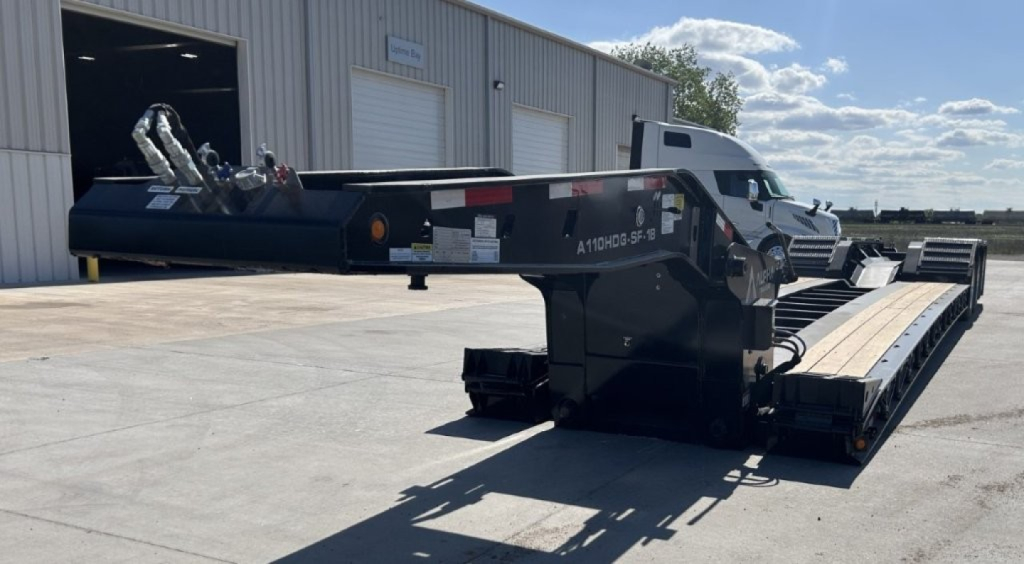
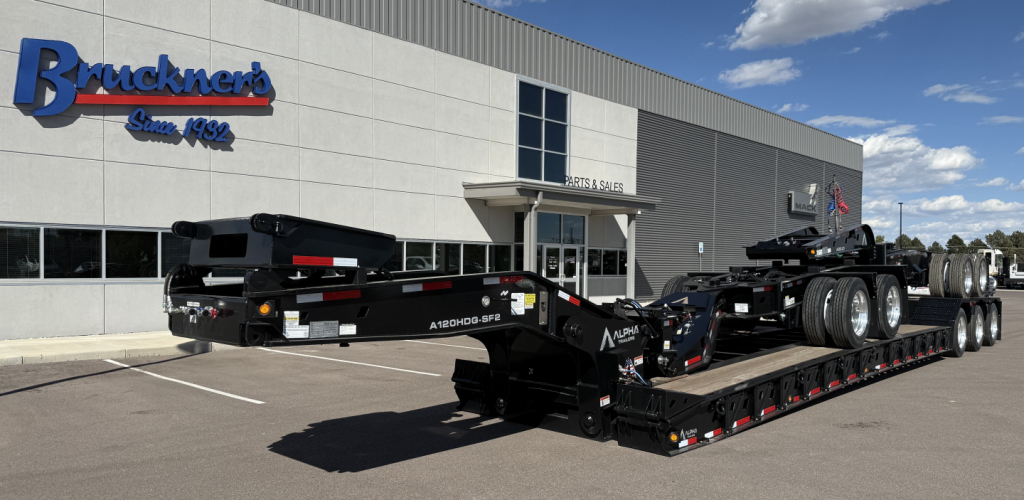
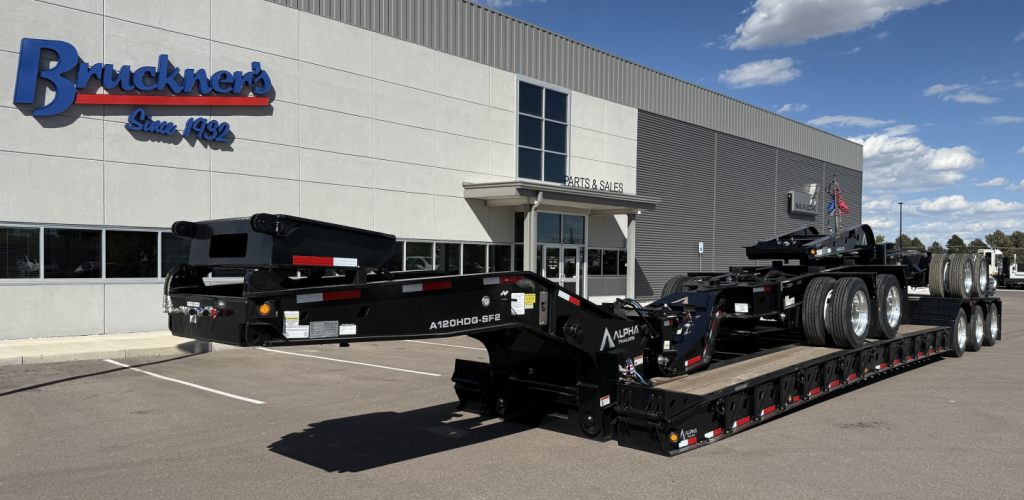
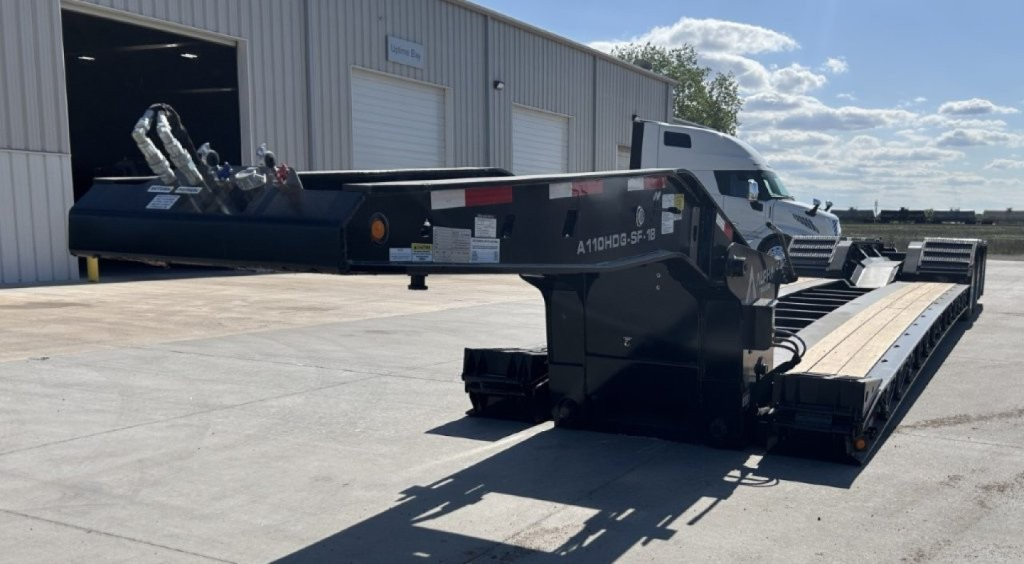
Shop new 2027 Alpha lowboy trailers in Texas, including hydraulic detachable and extendable models built for heavy equipment hauling.
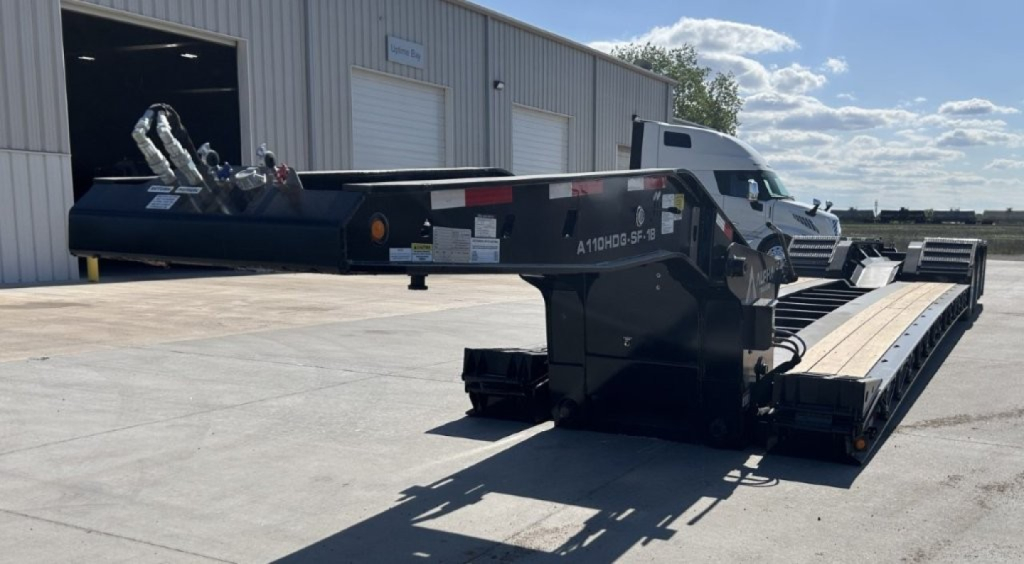
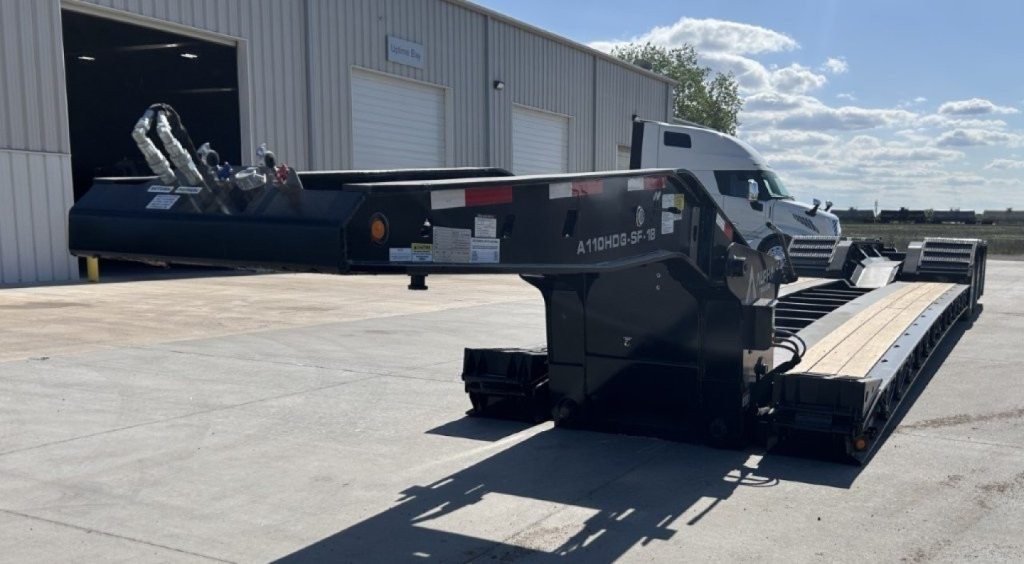
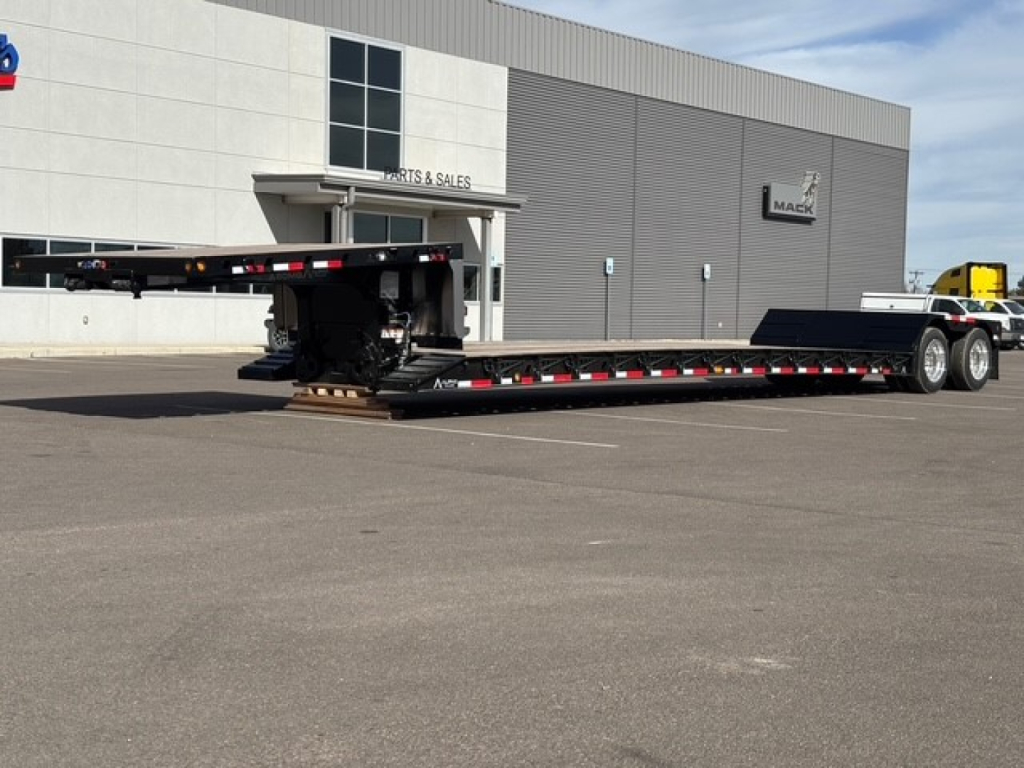
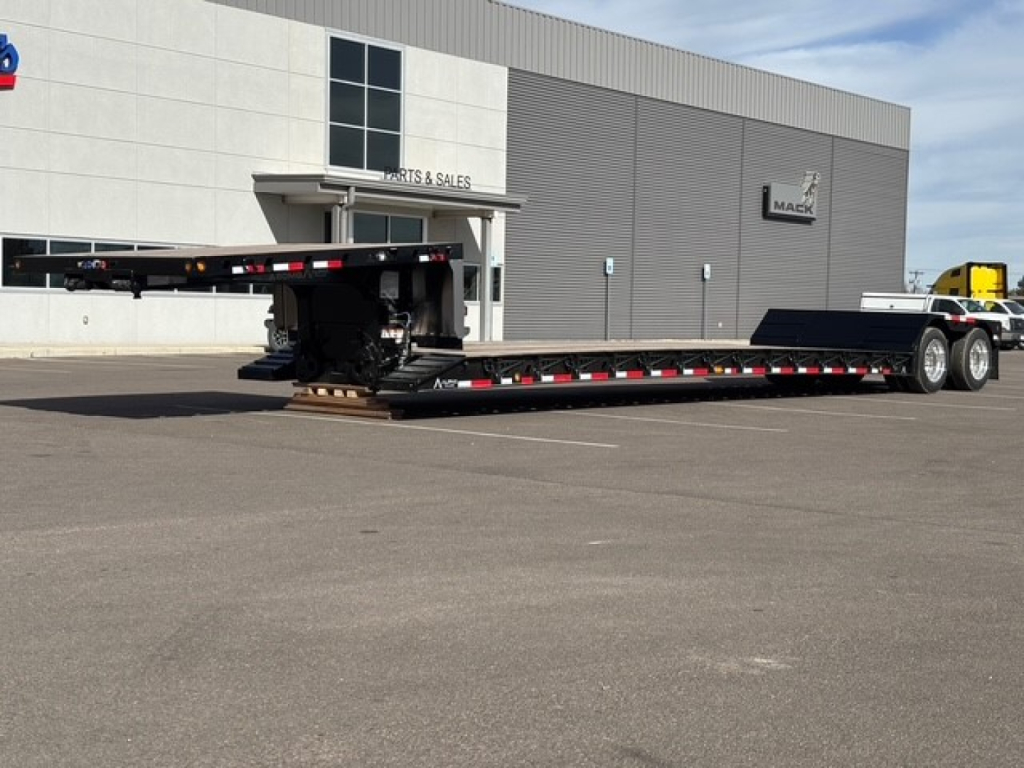
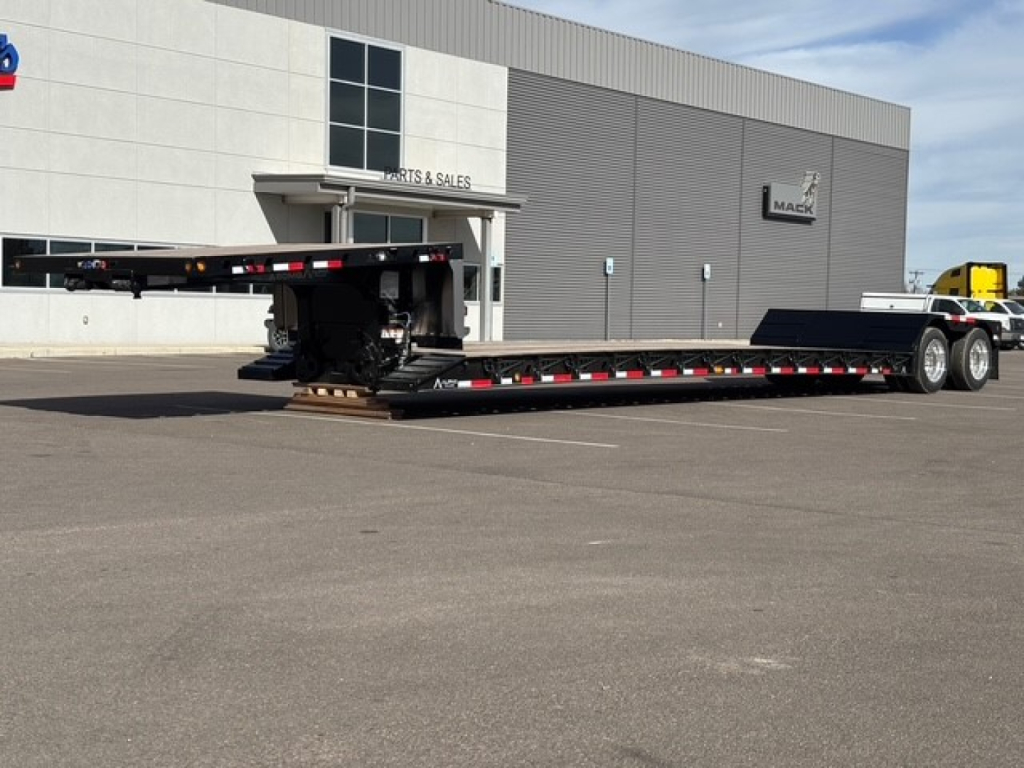
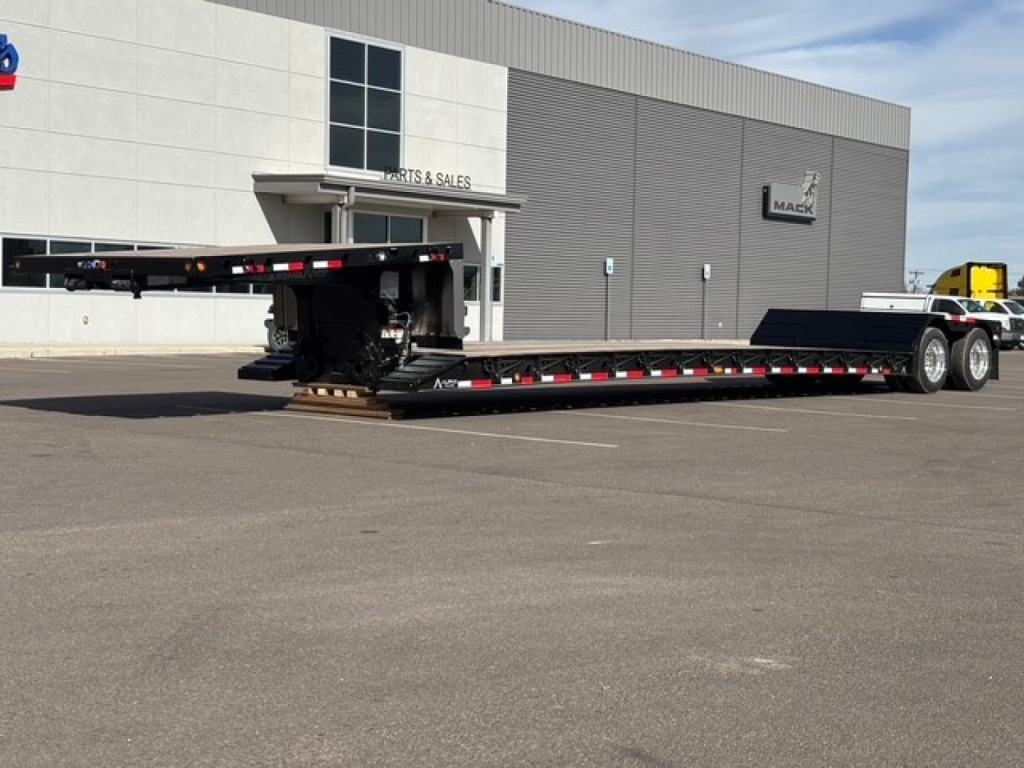

Selling a new 2027 alpha lowboy trailer? List your new 2027 alpha lowboy trailer for sale and reach thousands of commercial buyers.
New 2027 Alpha Lowboy Trailers in Texas
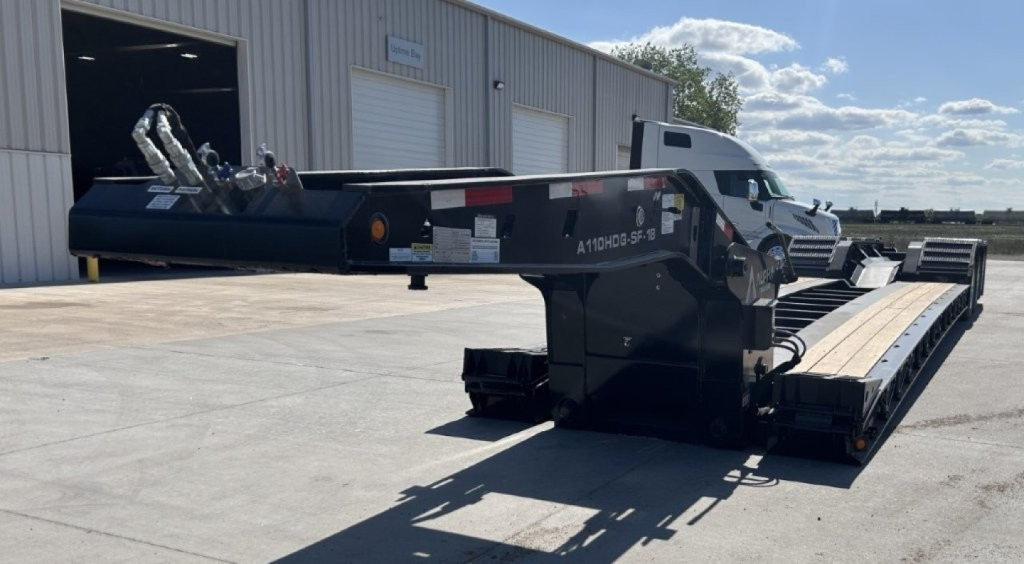
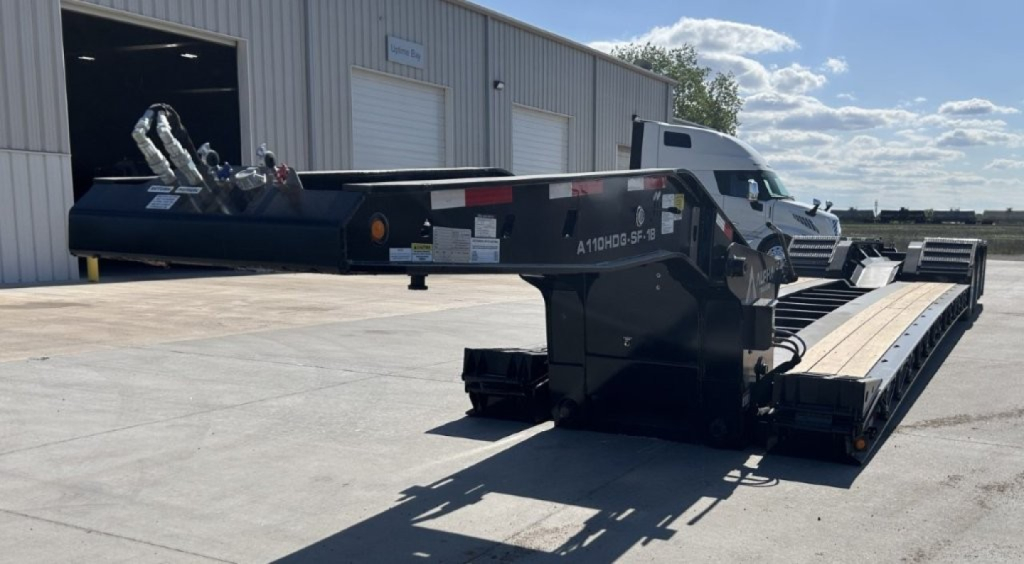
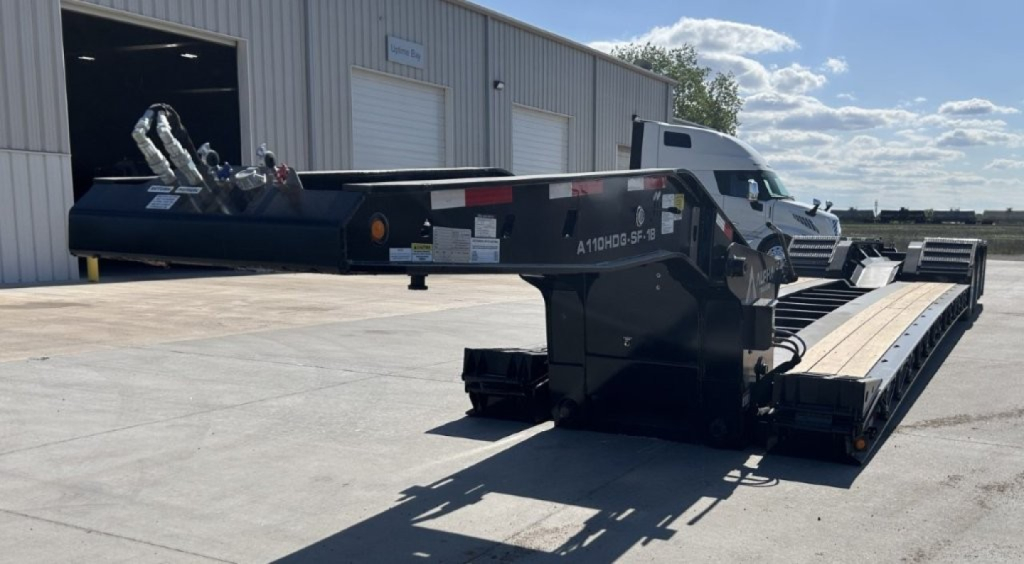
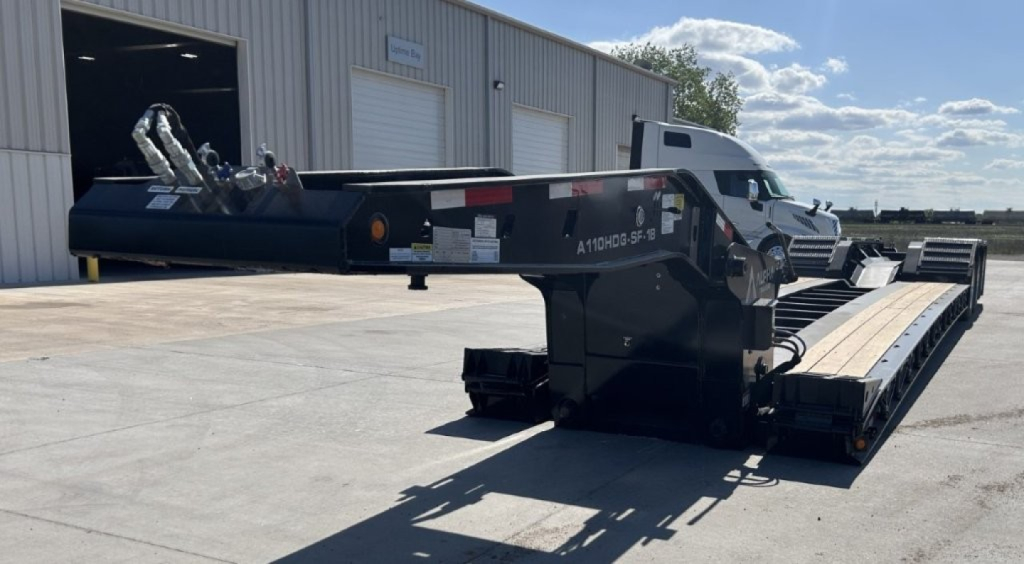
A buyer should start with the capacity and deck configuration, because those two decisions drive the rest of the trailer spec. Sample units in this class range from roughly 55 ton to 60 ton configurations, with options for fixed deck lengths or extendable double drop layouts. Loaded deck heights around 18 to 22 inches are a major advantage when hauling taller equipment in Texas and surrounding states where bridge clearance and permit routing can affect every load. Deck length, wheel area, boom trough design, and swing clearance at the gooseneck are all worth checking closely if the trailer will regularly carry excavators with long stick and boom combinations or machines with uneven axle weight distribution.
Hydraulic detachable goosenecks are a key feature in this category because they improve loading efficiency and reduce dependence on ramps for many machines. Common specs on Alpha lowboys include pony motors, multi-position ride height adjustment, front flip ramps, air ride suspension, ABS, LED lighting, air-weigh scale systems, and prep for flip axles or additional axle groups with a spreader bar. Tire size, brake package, kingpin setting, and gooseneck swing clearance also deserve attention, especially if the trailer needs to match a particular tractor wheelbase or operate in tight jobsite entrances. Details like D-rings, chain drops, swing-out outriggers, stake pockets, toolboxes, scuff protection, and covered boom troughs matter in day-to-day use and often separate a general-purpose lowboy from a trailer built for dedicated equipment fleets.
For Texas buyers, width and axle setup are especially important because heavy haul routing often involves permit requirements, county road restrictions, and oilfield or construction access conditions that can change by region. An 8'6" wide trailer may be the practical choice for frequent legal-width moves, while a 108-inch configuration can offer more load support for larger machines. If future flexibility is a priority, look for a lowboy already set up for flip axles, spreader bars, or additional axle capacity so the trailer can grow with the work. A well-matched Alpha lowboy should be evaluated as part of the full hauling system, including tractor spec, expected commodity, permit profile, and loading method, not just by ton rating alone.
Frequently Asked Questions about New 2027 Alpha Lowboy Trailers in Texas
What is the main advantage of a hydraulic detachable lowboy trailer?
A hydraulic detachable lowboy allows the gooseneck to detach so equipment can be driven directly onto the deck from the front. This usually provides a lower loading angle than rear ramps and is especially useful for heavy tracked equipment, low-clearance machines, and jobs where faster loading and unloading improves cycle time. It also reduces wear and operational hassle compared with relying on separate ramp setups for every move.
How do I choose between a 55 ton and 60 ton lowboy?
The right ton rating depends on more than the machine's published operating weight. Buyers should account for attachments, fuel, counterweights, axle spacing, concentrated load points, and whether the trailer will use flip axles or jeep-style configurations. A 60 ton trailer can provide more margin for demanding applications, but legal payload, permit requirements, and tractor compatibility still need to be reviewed. The best choice is the one that matches both the heaviest routine load and the axle group configuration required for your hauling territory.
Why does loaded deck height matter so much on a lowboy?
Loaded deck height directly affects overall loaded height, which is critical for bridge clearance, permit routing, and avoiding over-height restrictions. A lower deck can make the difference between a simpler legal route and a more expensive permitted move. In equipment hauling, deck height also affects loading stability and center of gravity. That is why buyers often compare 18-inch, 20-inch, and 22-inch loaded deck heights very closely when reviewing lowboy specs.
What features should I look for if I haul excavators and long-boom equipment?
Excavator hauling usually benefits from a covered boom trough, adequate deck length, strong outer bay crossmember construction, and enough gooseneck swing clearance for safe tractor-to-trailer articulation. Buyers should also check wheel well spacing, front deck storage, chain securement locations, and whether the trailer has outriggers or wider deck support for machines with unusual track stance. If loads vary often, ride height adjustment and axle prep for future capacity expansion can add useful flexibility.
Are extendable lowboy trailers a better choice than fixed deck models?
An extendable lowboy is valuable when load length changes regularly or when hauling equipment with long wheelbases, attachments, or boom sections that do not fit well on a fixed deck. A fixed deck trailer is often simpler, lighter, and better suited to fleets with consistent machines and repeatable loads. The better option depends on how often you need extra deck length versus how much you value reduced tare weight and a simpler structure.