
New 2027 Alpha Lowboy Trailers For Sale
Shop new 2027 Alpha lowboy trailers, including hydraulic detachable and extendable models built for heavy equipment hauling.
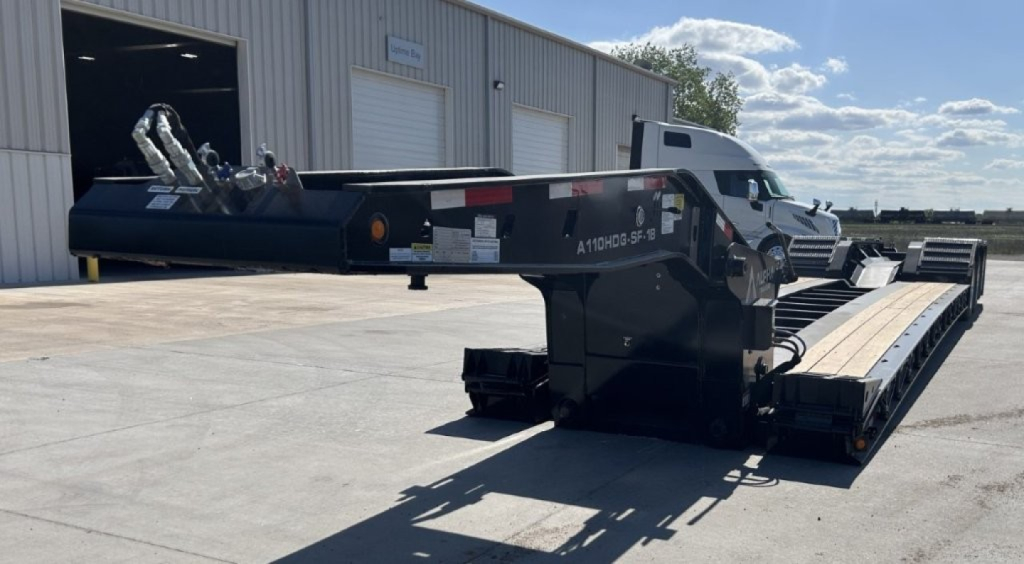
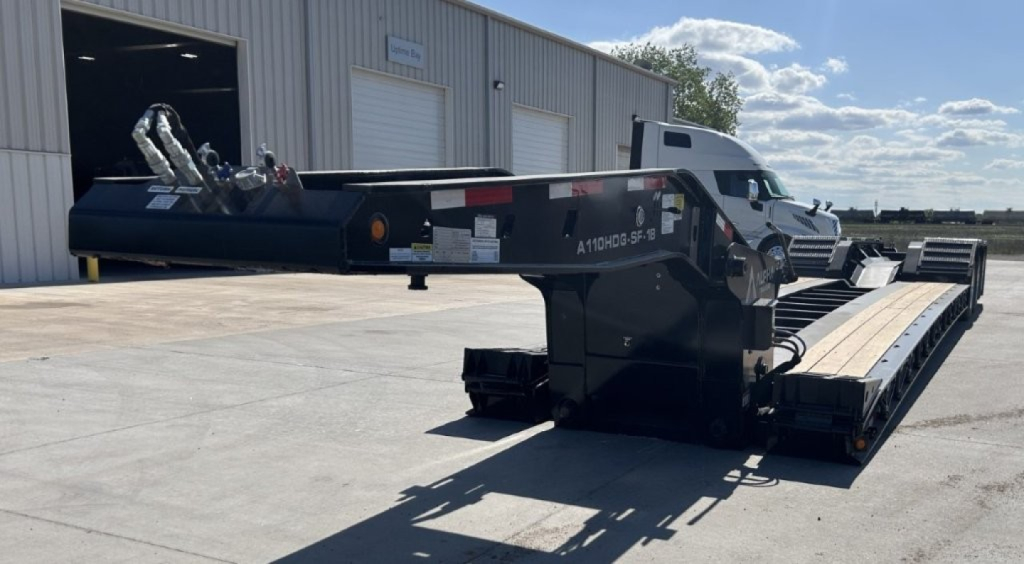
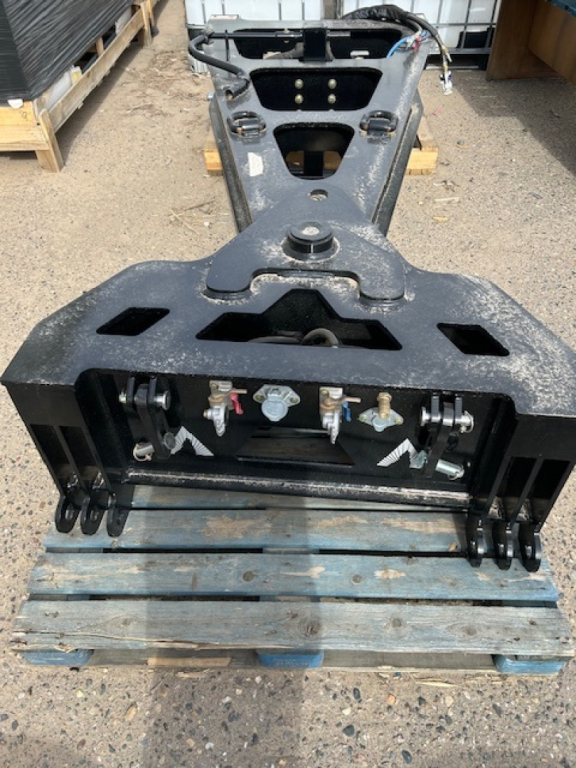
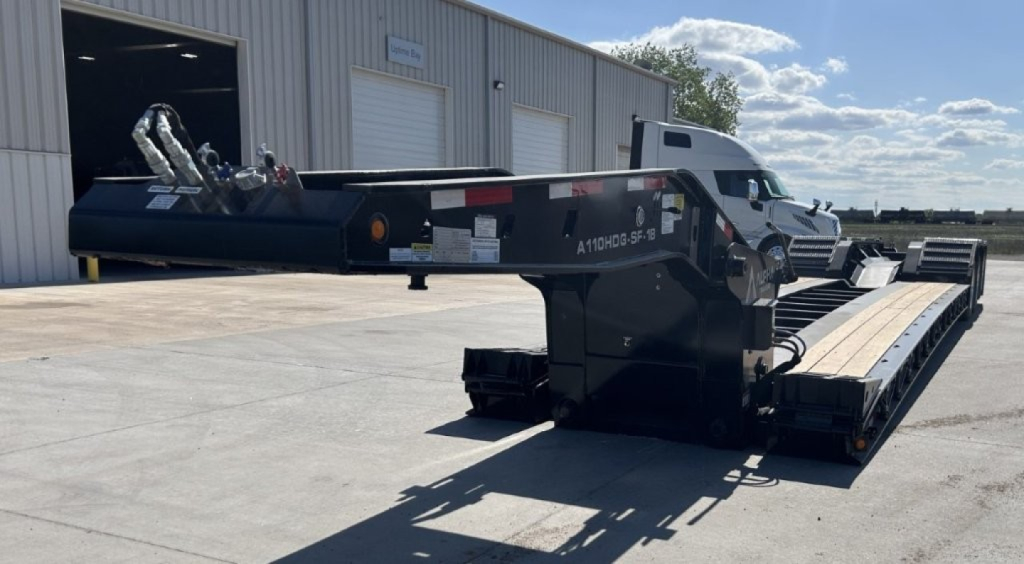
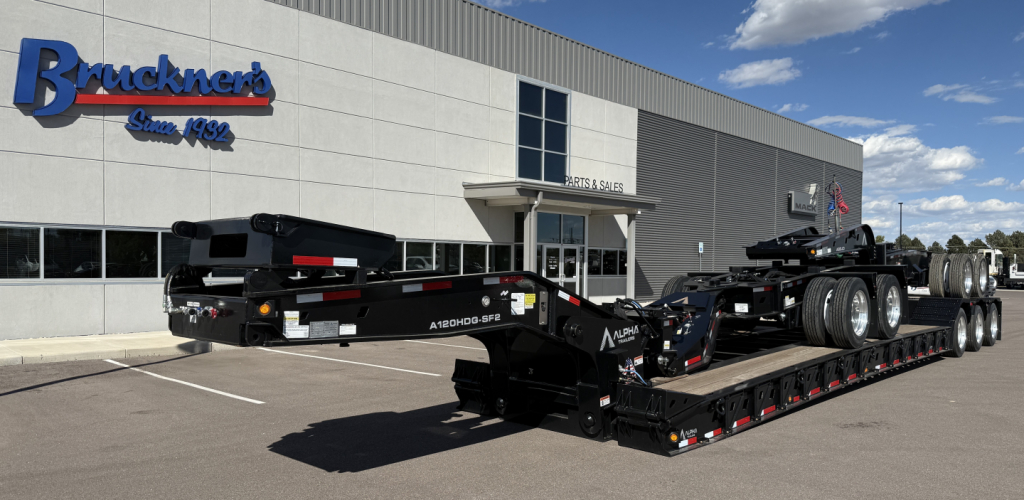
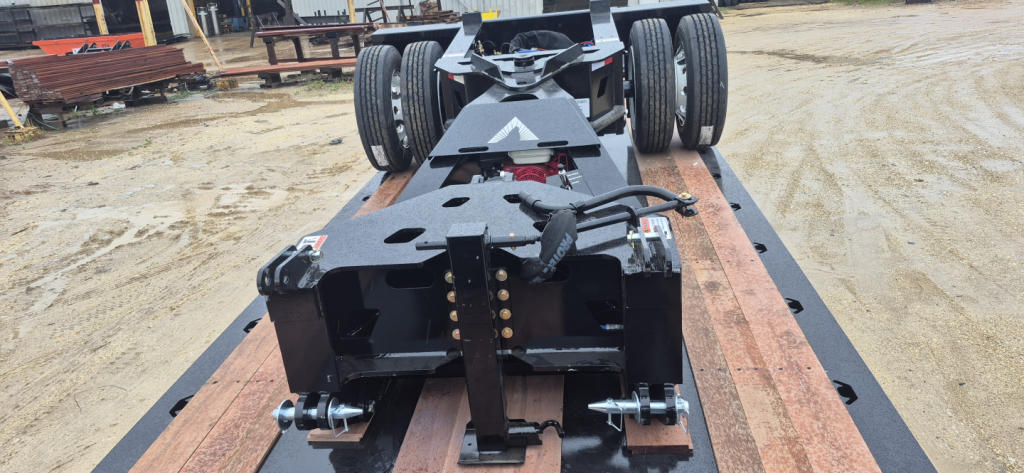
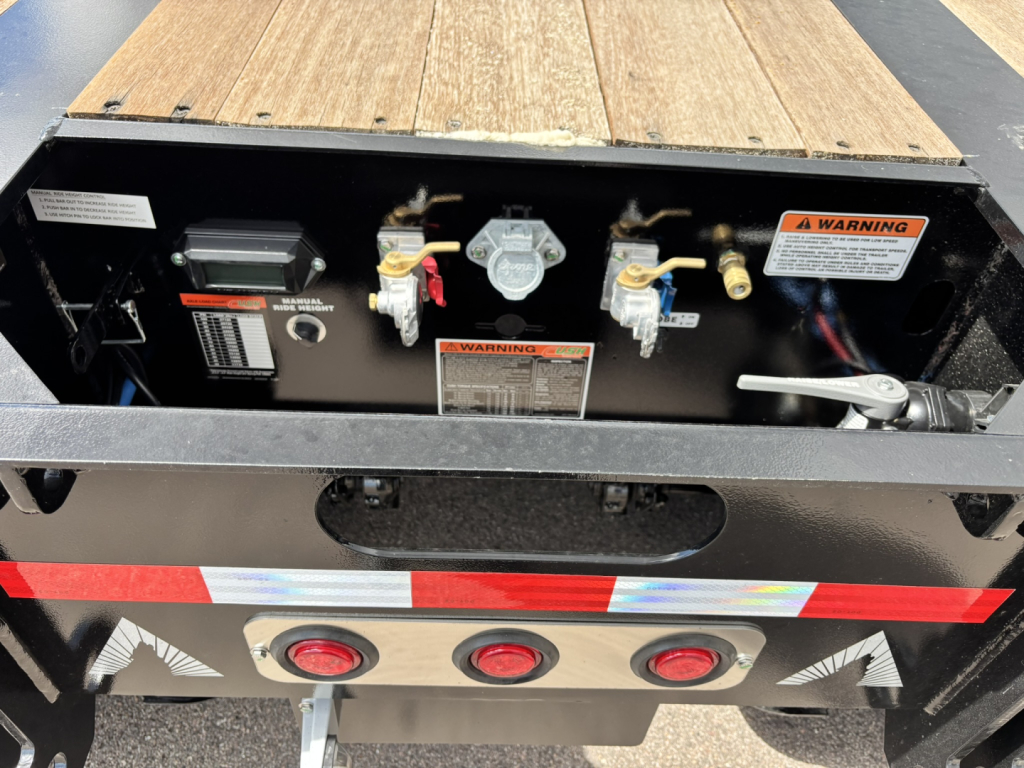
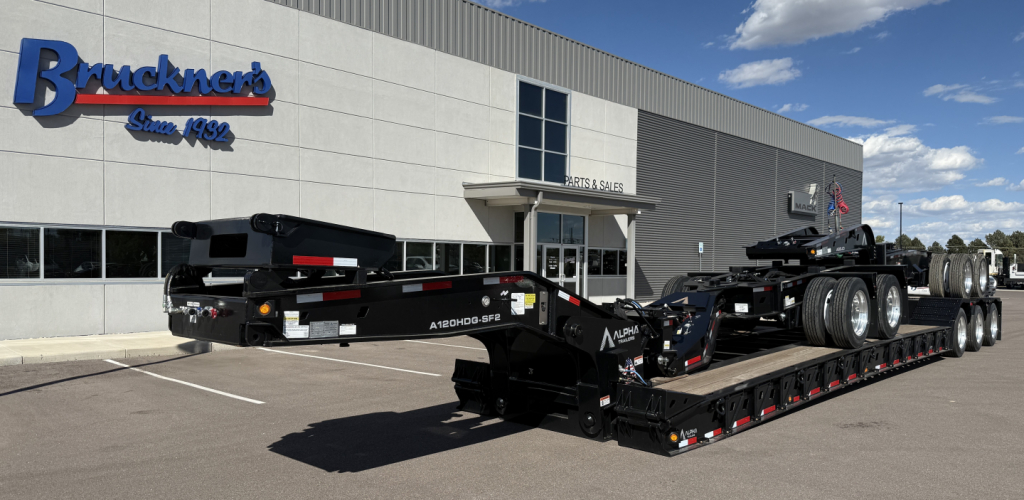
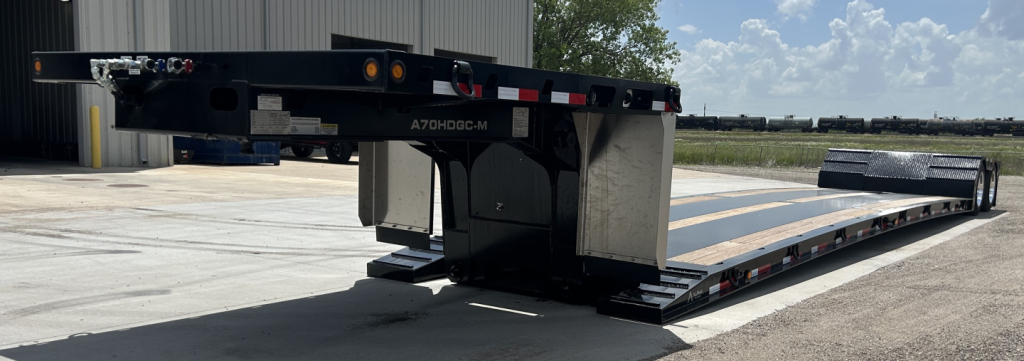
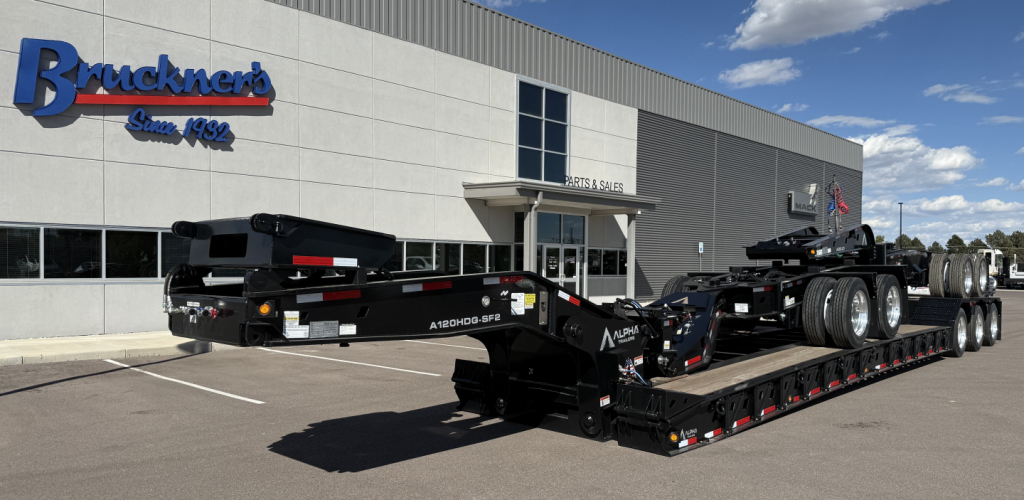
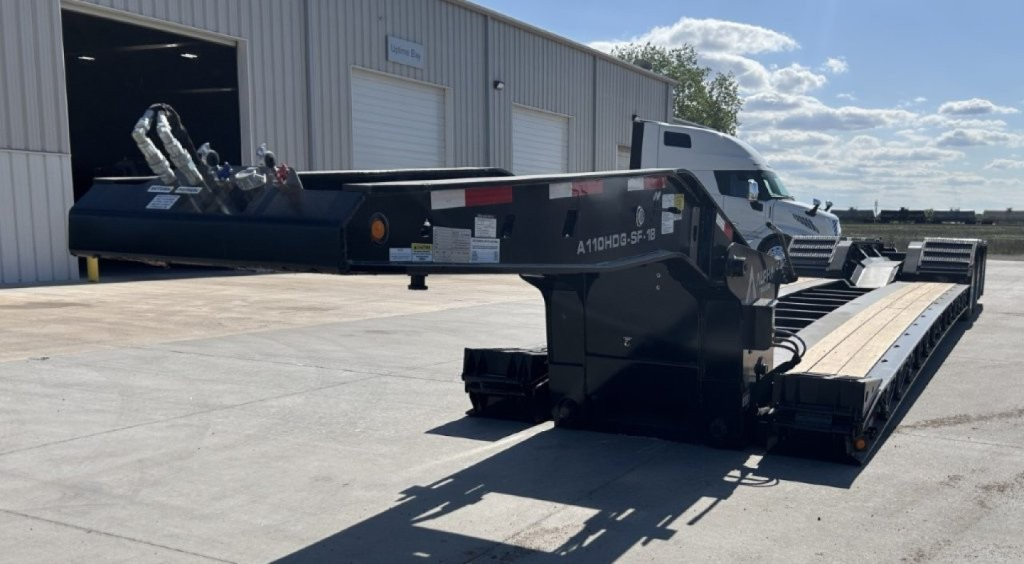
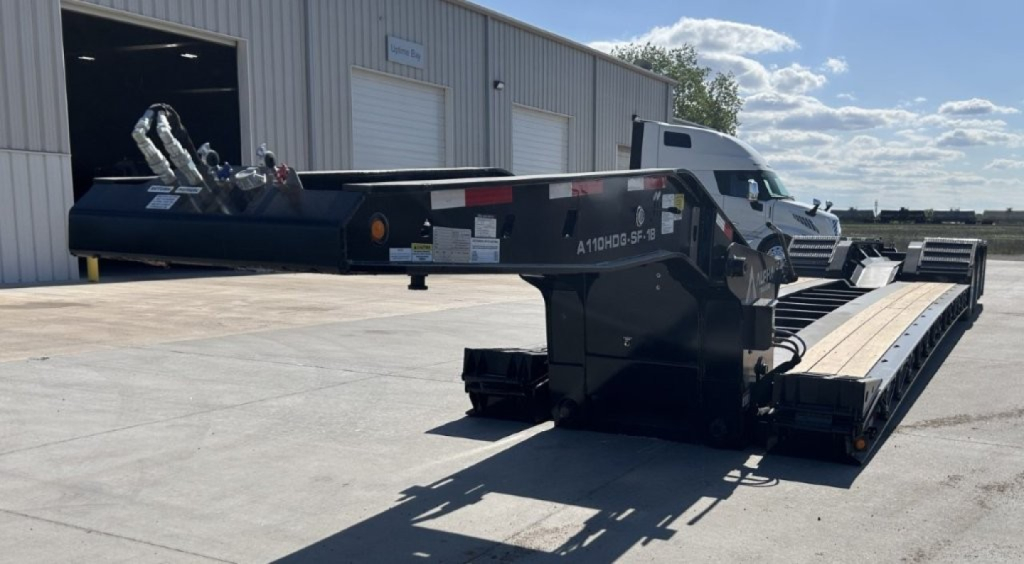
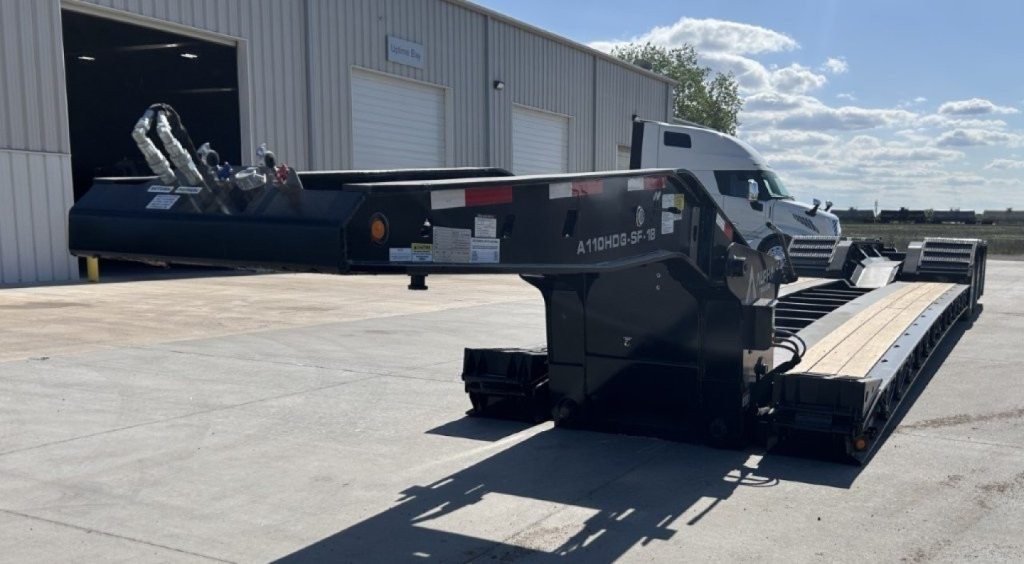
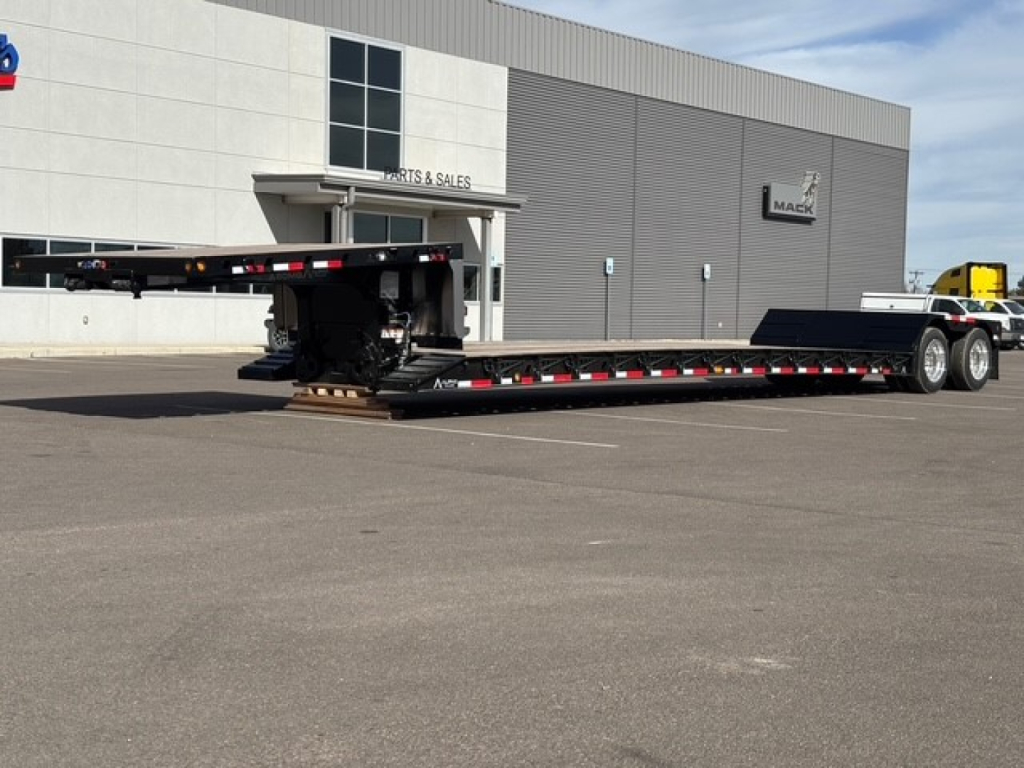
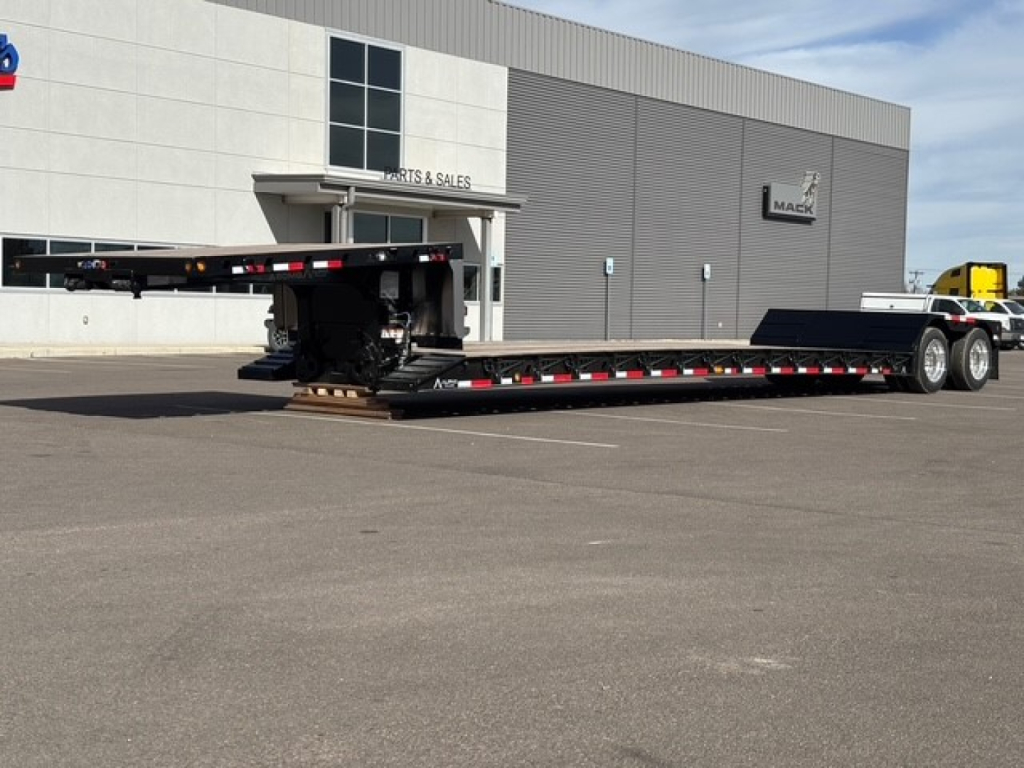
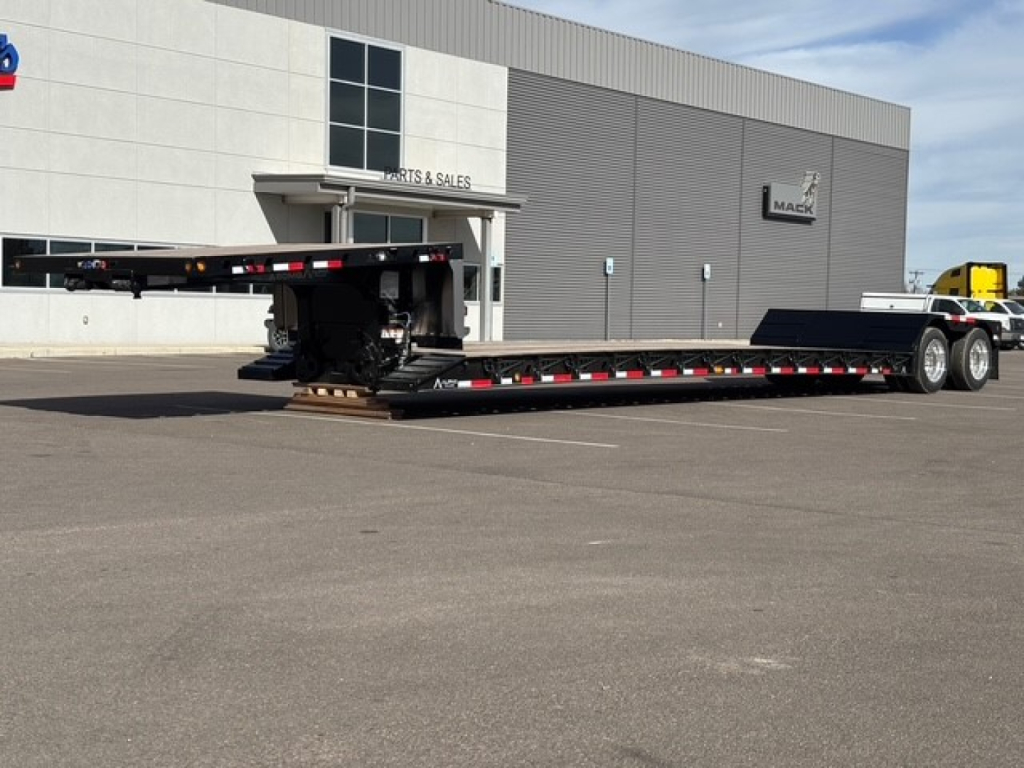
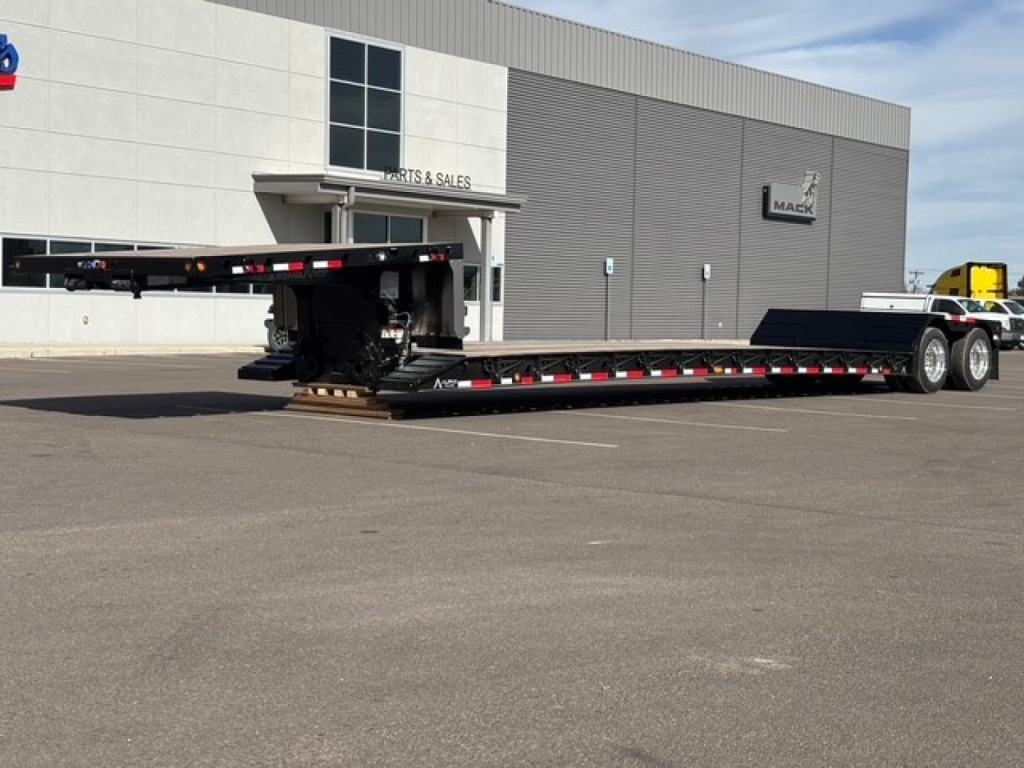
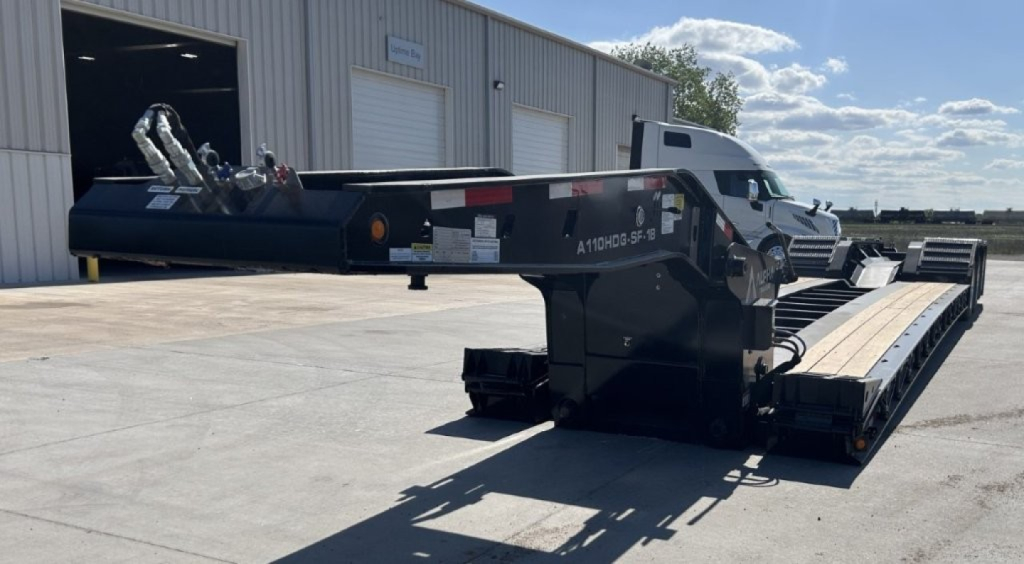

Showing 1 to 28 of 33 results
Selling a new 2027 alpha lowboy trailer? List your new 2027 alpha lowboy trailer for sale and reach thousands of commercial buyers.
New 2027 Alpha Lowboy Trailers
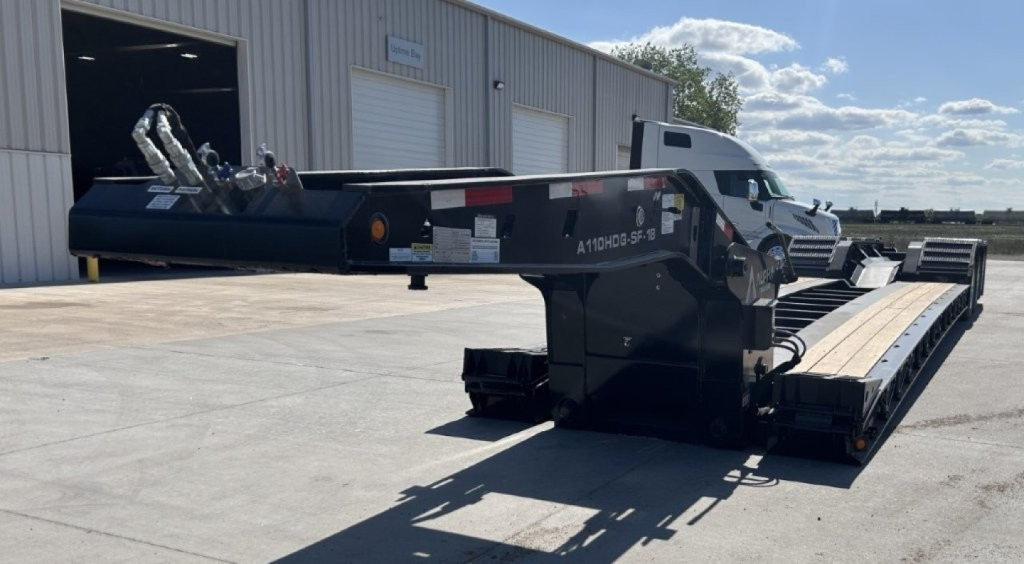
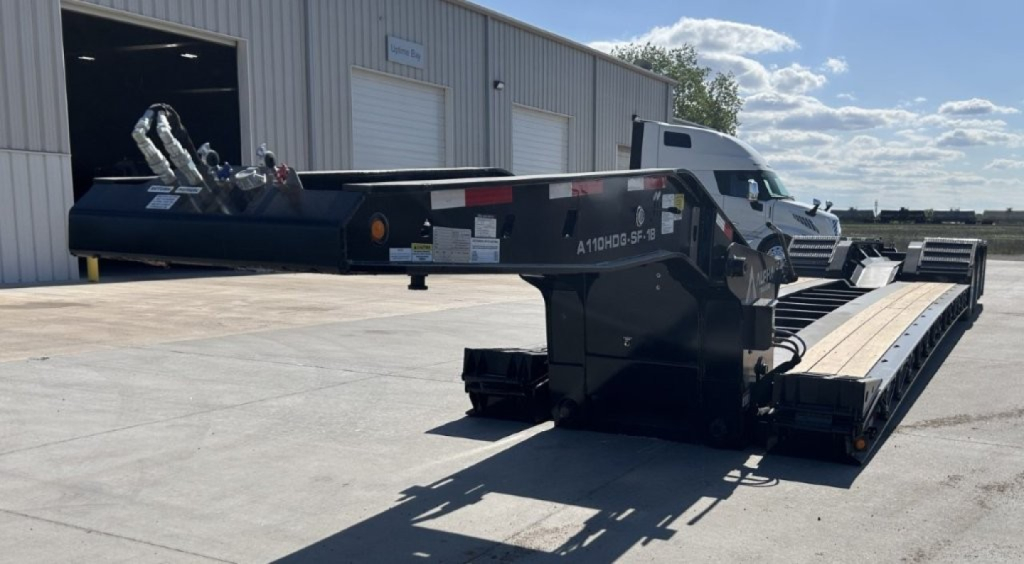
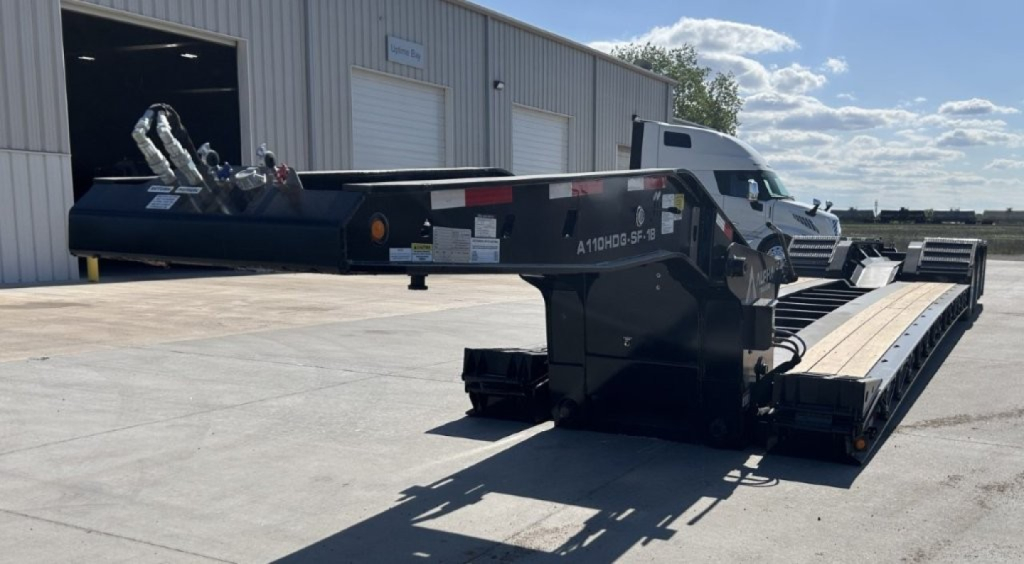
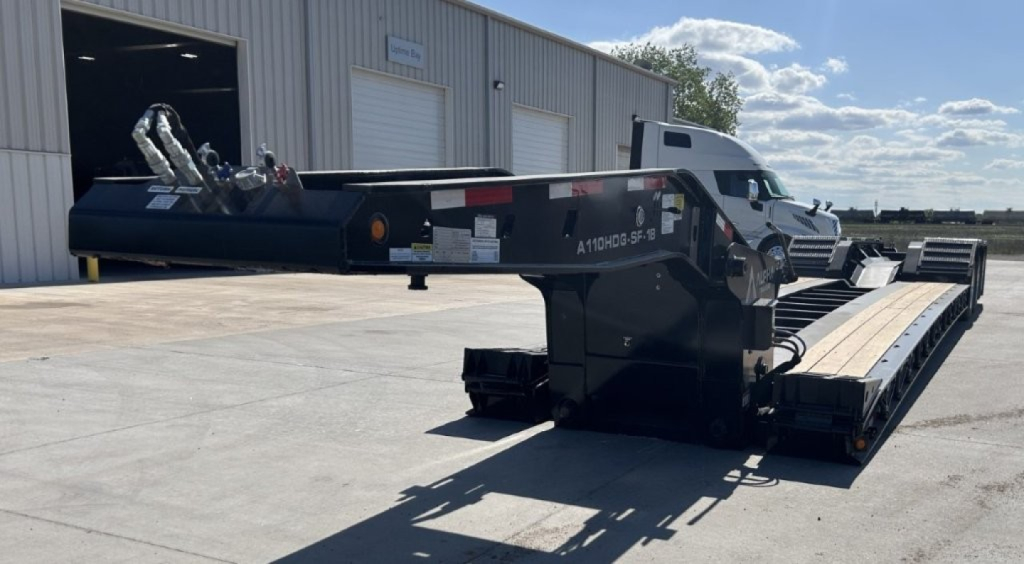
A buyer should focus first on capacity and concentration rating, not just the gross ton number in the model name. Many lowboys are rated by overall capacity plus a concentrated load rating over 16 feet, which is critical when hauling iron with short track footprints or uneven point loading. Gooseneck design is another major decision point. Hydraulic detachable goosenecks speed loading and unloading and are preferred when the freight is self-propelled or tracked. Key specs include kingpin setting, swing clearance, fifth wheel height, ride height adjustment, and whether the neck includes a pony motor. Features like full-width neck platforms, front flip ramps, and hydraulic ride height adjustment can make a noticeable difference in day-to-day usability.
Deck construction and rear frame options separate a general-purpose lowboy from one built for demanding fleet service. Apitong decking remains a common choice because it holds up well under repeated equipment loading. Buyers often look for full-width decking, chain slots, bent D-rings, stake pockets, flag holders, swingout outriggers, covered boom troughs, reinforced outer bays, and prep for a flip axle or stinger. On longer or more specialized Alpha lowboy trailers, extendable main decks can add flexibility for larger equipment or components while still keeping the trailer compact when closed. If your work includes varying machine lengths, an extendable hydraulic detachable lowboy can reduce the need to keep multiple specialized trailers in the fleet.
Running gear and suspension specs deserve close attention because they affect bridge compliance, tire life, and loading behavior. Common setups in this class include tandem or tri-axle groups with 25,000-lb axles, air ride suspension, 54-inch to 54.5-inch axle spacing, drum brakes, spring brakes, ABS, raise-lower controls, and lift axle options. Air weigh scales, aluminum outside wheels, LED lighting, strobe packages, and sealed harnesses are common fleet-friendly upgrades. Before buying, confirm axle configuration, flip axle readiness, deck length, loaded deck height, and neck swing dimensions against the equipment you haul most often. For many buyers comparing 2027 Alpha lowboy trailers for sale, the best unit is the one that matches your typical machine weights, loading style, and permitting requirements without adding unnecessary trailer complexity.
Frequently Asked Questions about New 2027 Alpha Lowboy Trailers
What is the difference between a lowboy and a detachable gooseneck lowboy?
A lowboy is the overall trailer type, also known as a lowbed or double drop equipment trailer in some applications. A detachable gooseneck lowboy uses a front neck that disconnects from the trailer deck, allowing equipment to be driven or crawled directly onto the deck from the front. Hydraulic detachable gooseneck models are especially popular for tracked machines because they improve loading safety, reduce setup time, and lower the loading angle compared with fixed-neck trailers.
How do I choose the right capacity on an Alpha lowboy trailer?
Start with the actual operating weight of the heaviest machines you expect to haul, then compare that to both the trailer's overall rating and its concentrated load rating. Concentrated rating matters because many machines place most of their weight in a short section of deck under tracks or axles. Buyers should also account for attachments, buckets, counterweights, and any future equipment changes. A trailer that looks adequate on total capacity can still be the wrong choice if the concentration rating or axle setup does not match the real load profile.
Why does deck height matter on a lowboy trailer?
Deck height directly affects overall loaded height, loading angle, and the types of machines you can move without permit complications. A lower loaded deck height helps keep tall equipment under legal height and can make a major difference when hauling machines with cabs, booms, or fixed structures. Deck height also affects ground clearance, so the right balance depends on the roads, jobsite entrances, and breakover points your operation sees regularly.
What features are important for heavy equipment securement on a lowboy?
The most useful securement features are chain slots, multiple D-ring positions, stake pockets, flag holders, and full-width deck access that gives the operator room to place chains correctly. Swingout outriggers can help support wider machines, while reinforced deck sections and durable hardwood decking like Apitong hold up better under repeated loading. Buyers hauling a range of equipment should pay attention to the spacing and accessibility of securement points, because poor tie-down layout slows loading and can limit how the trailer is used.
When does an extendable lowboy make sense?
An extendable lowboy is a strong fit when freight length changes from load to load or when you occasionally haul longer machines, attachments, or components that will not fit correctly on a fixed deck. The benefit is flexibility without moving to a completely different trailer class. The tradeoff is added complexity, more weight, and more components to maintain, so buyers should choose an extendable model when that extra deck length solves a regular hauling need rather than an occasional one.