
New Alpha Lowboy Trailers For Sale in Texas
Shop new Alpha lowboy trailers for heavy equipment hauling, with mechanical or hydraulic detach options, low deck heights, and high-capacity designs.
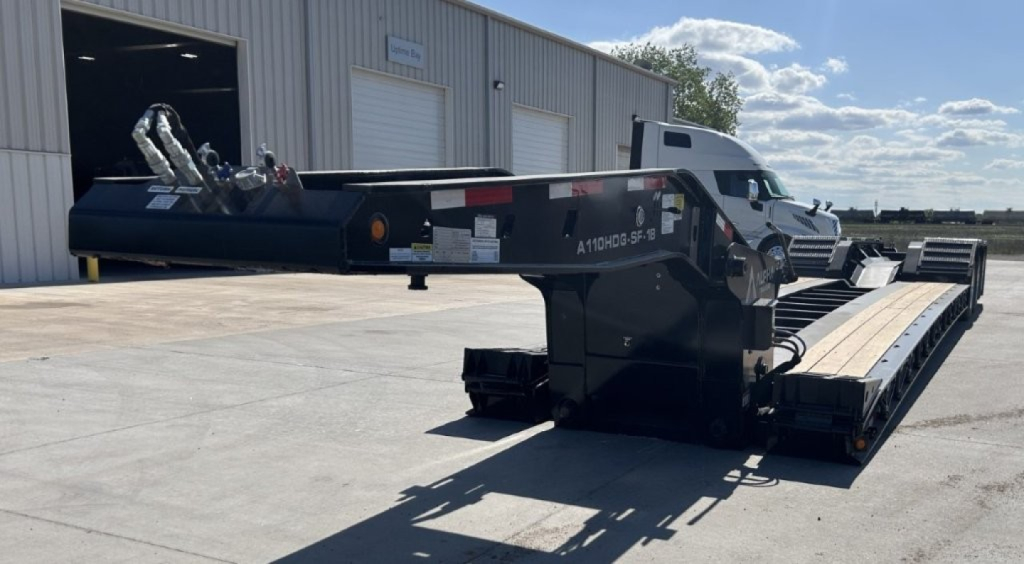
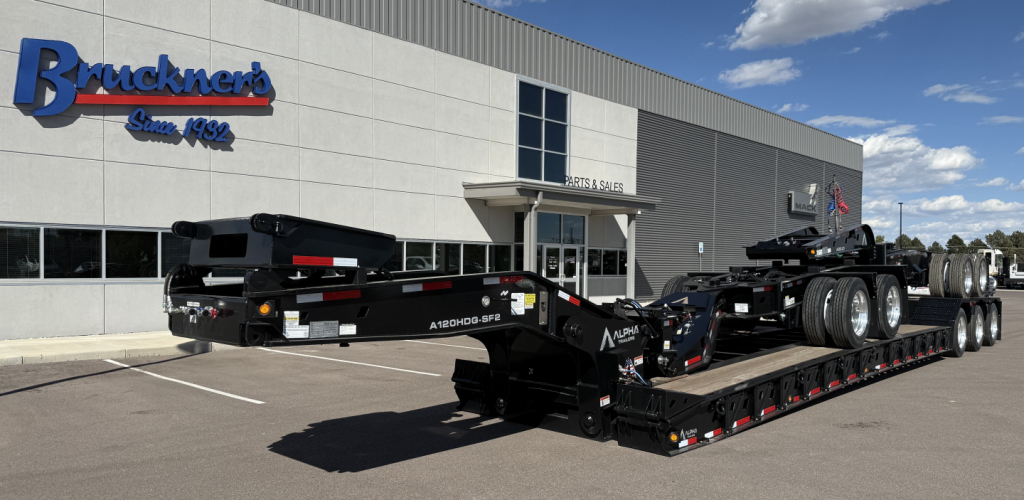
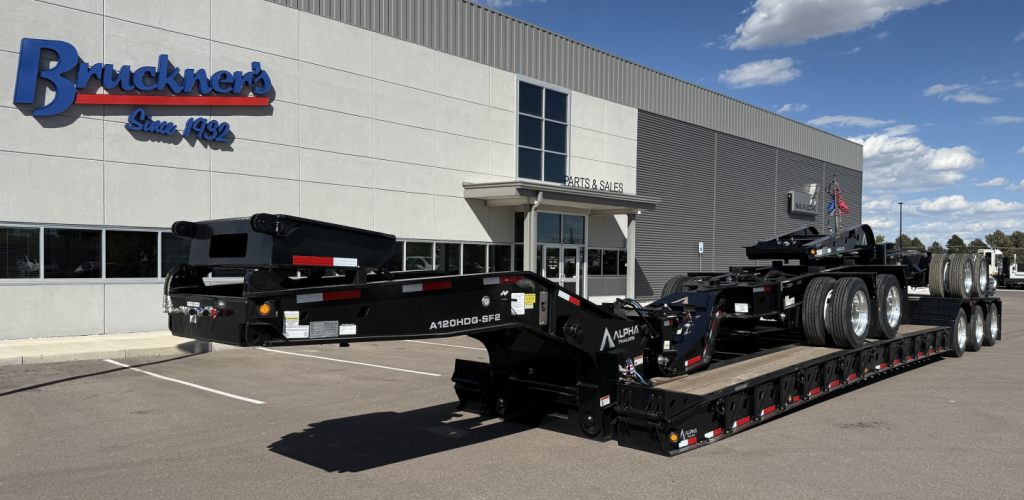
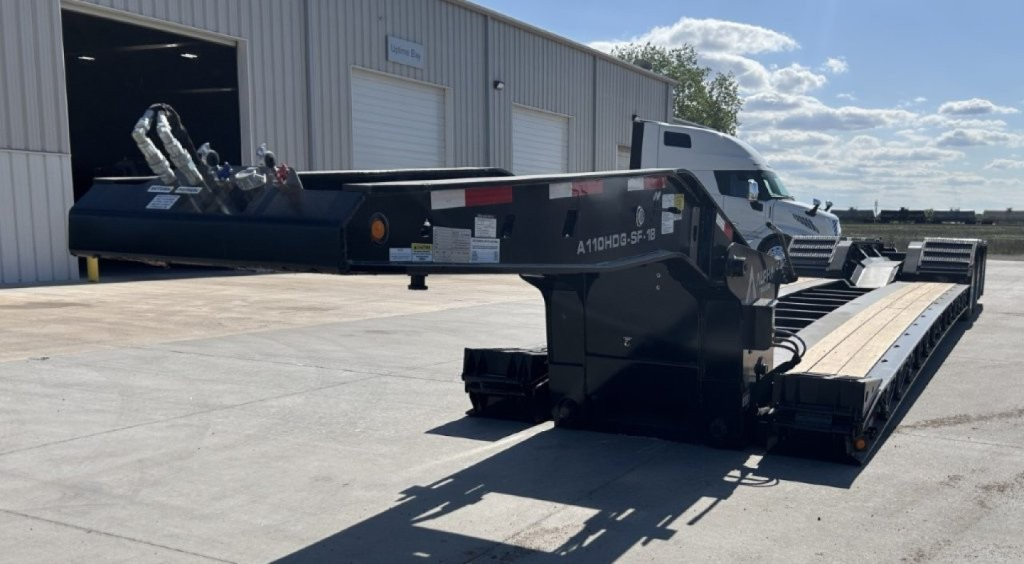
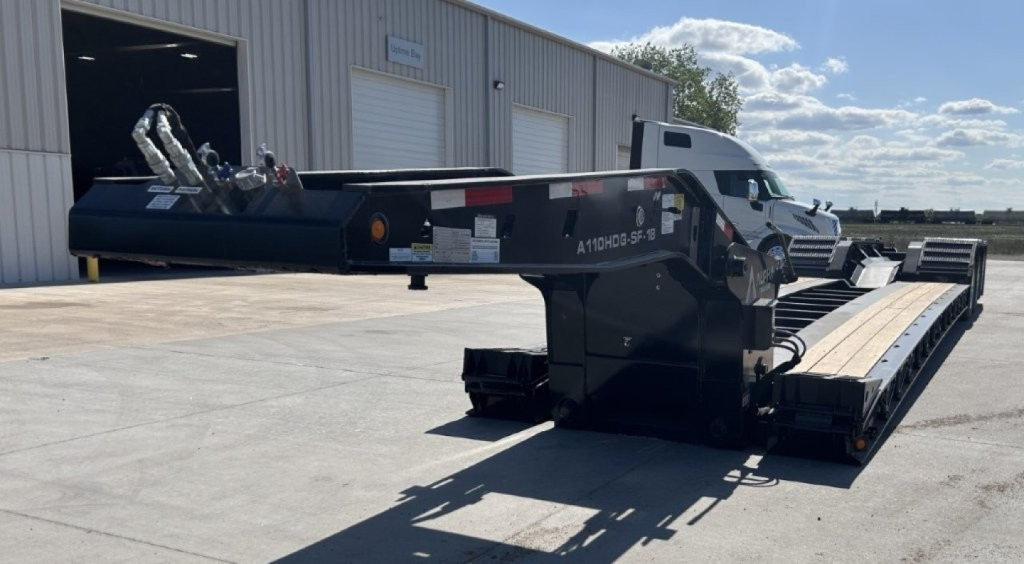
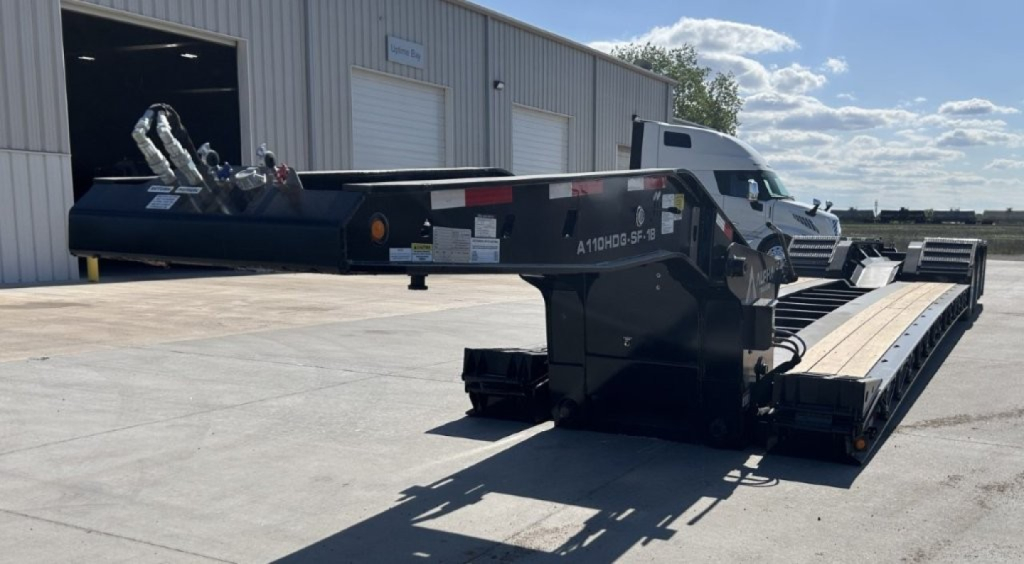
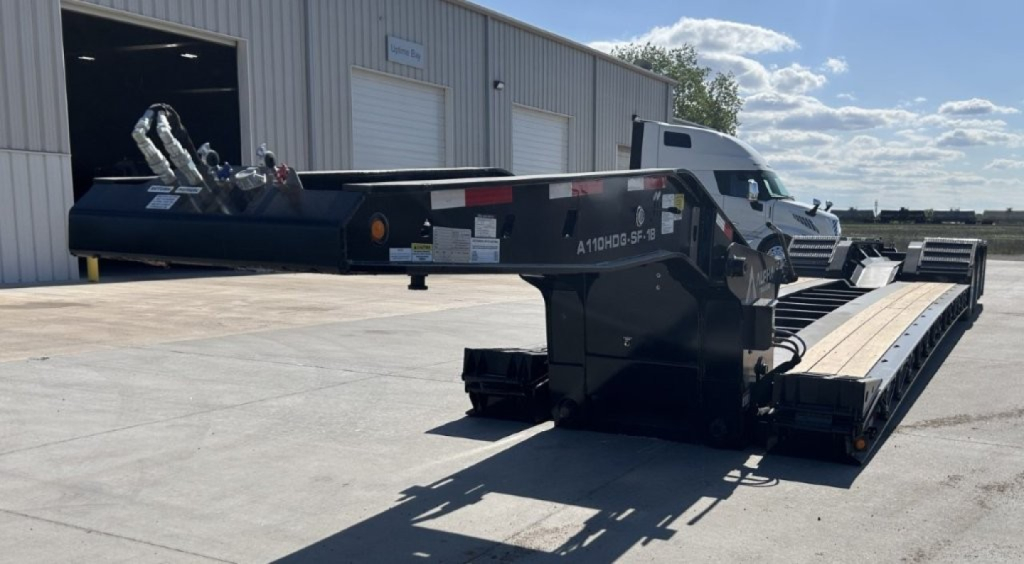
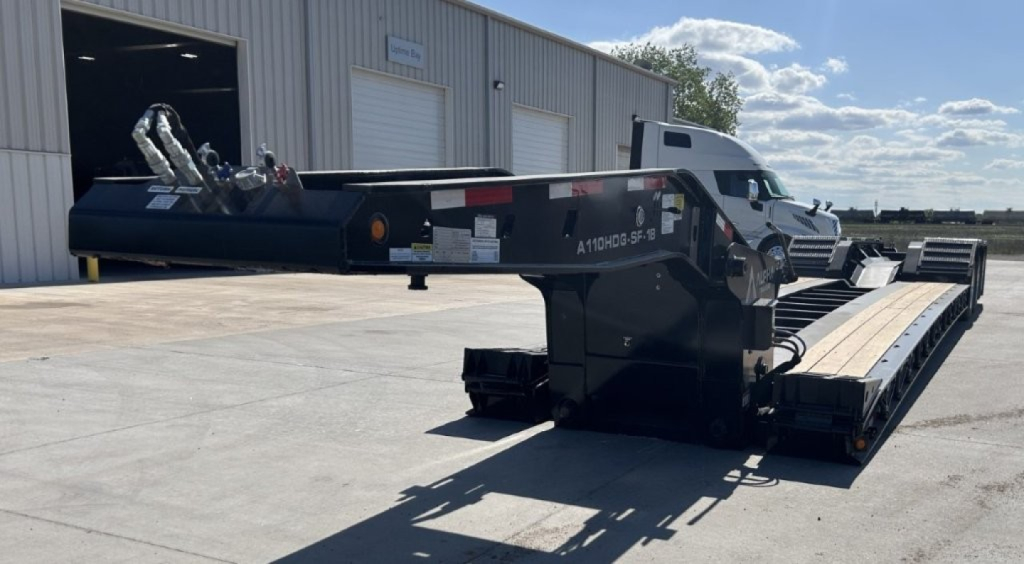
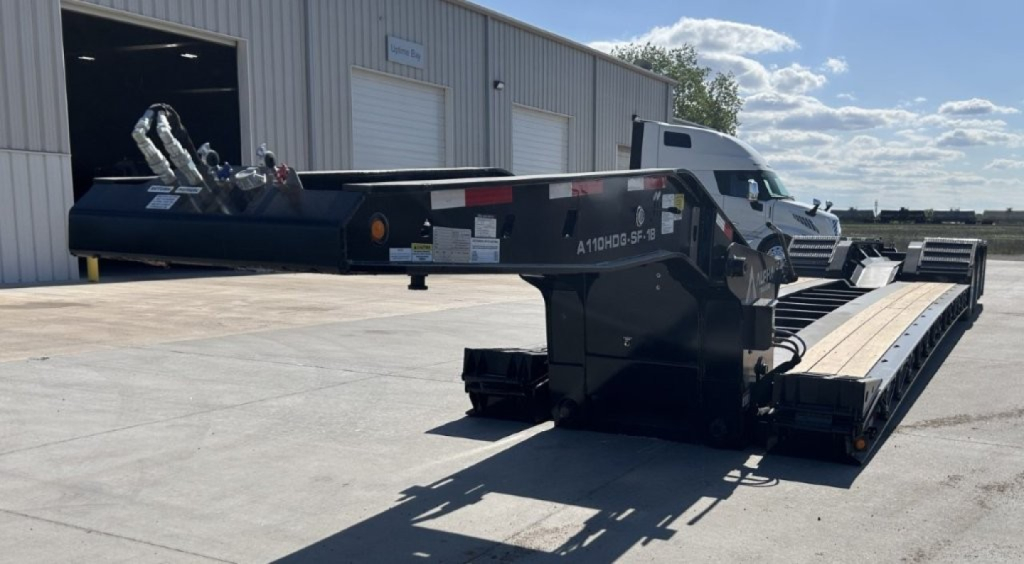
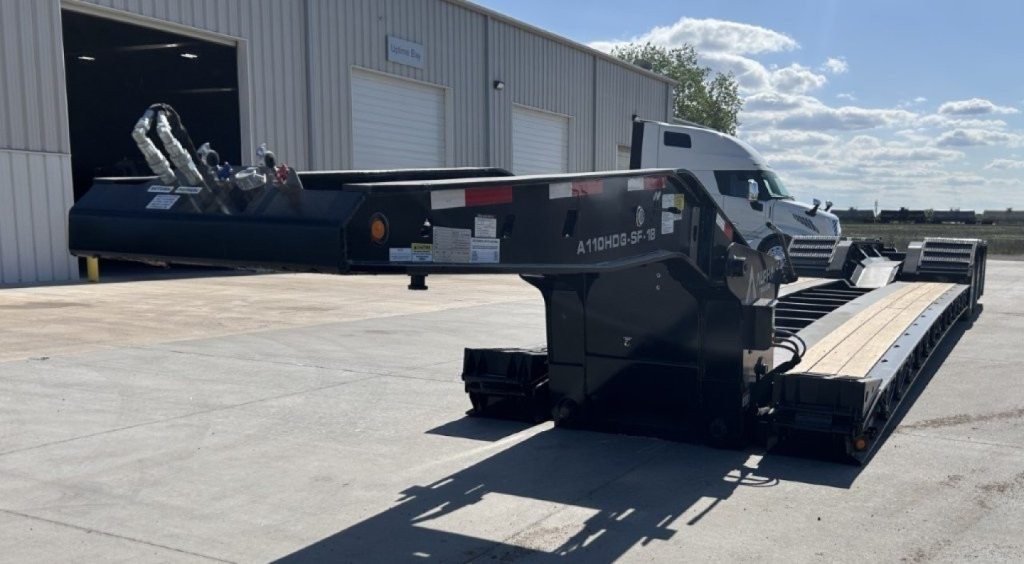
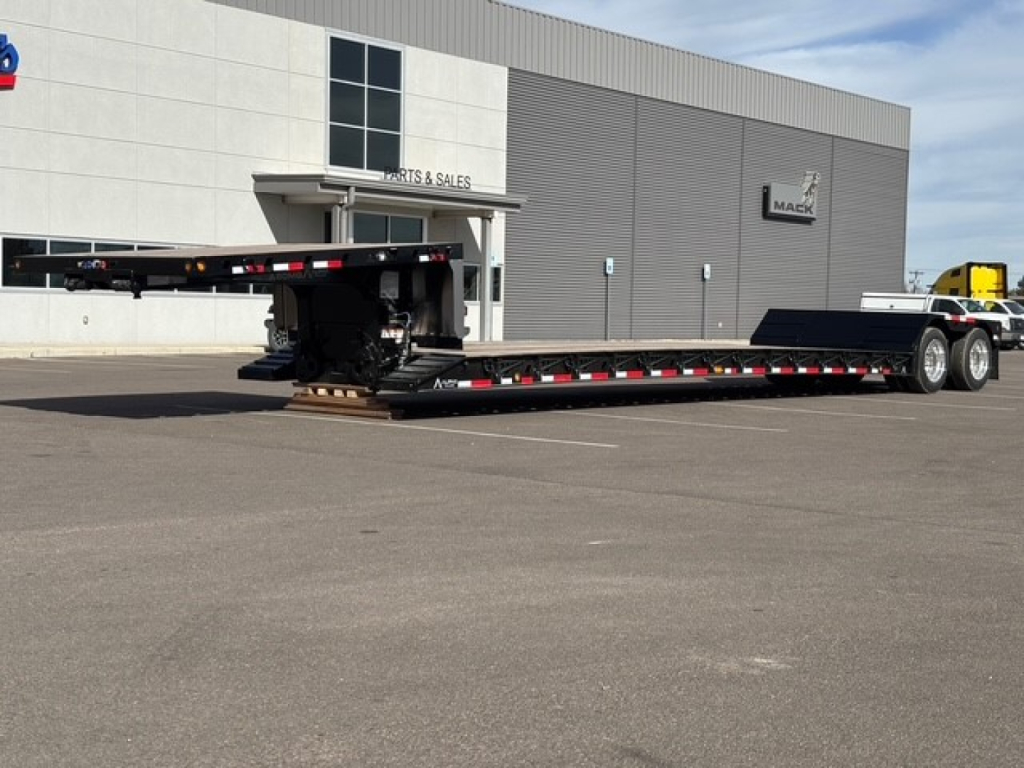
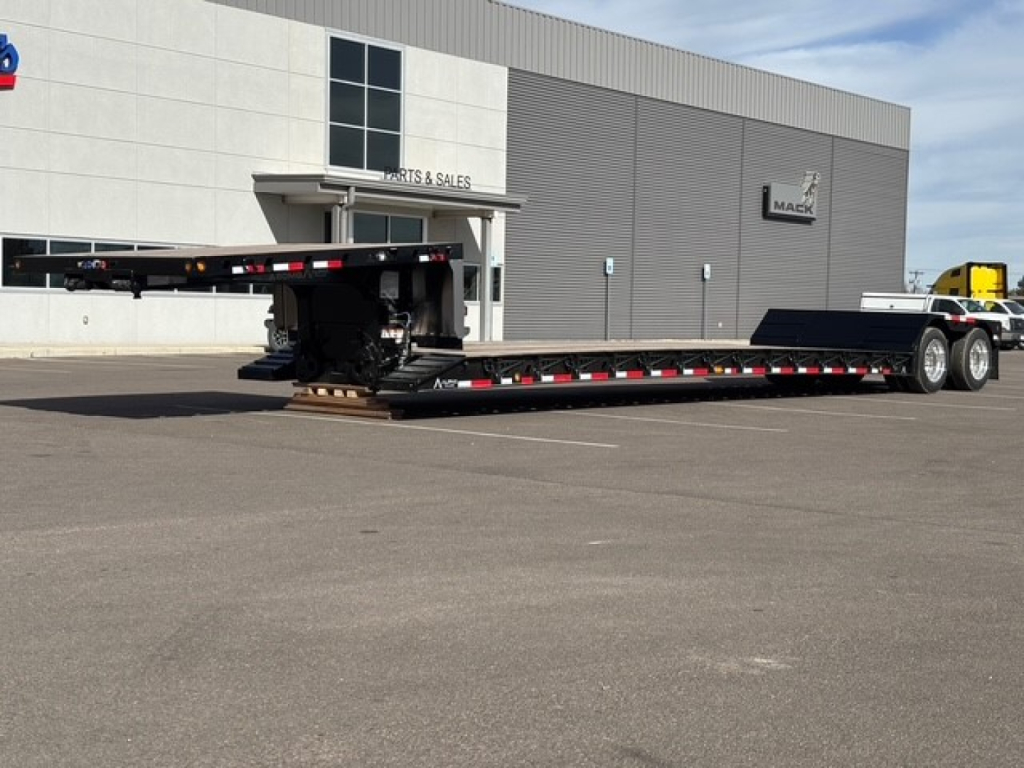
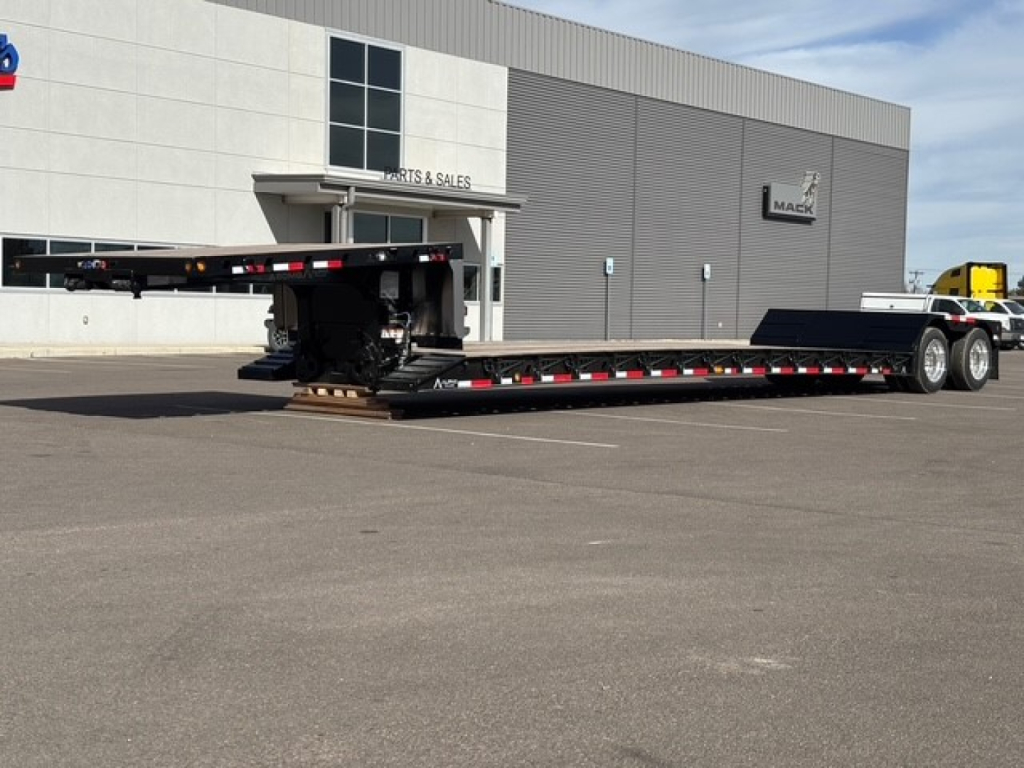
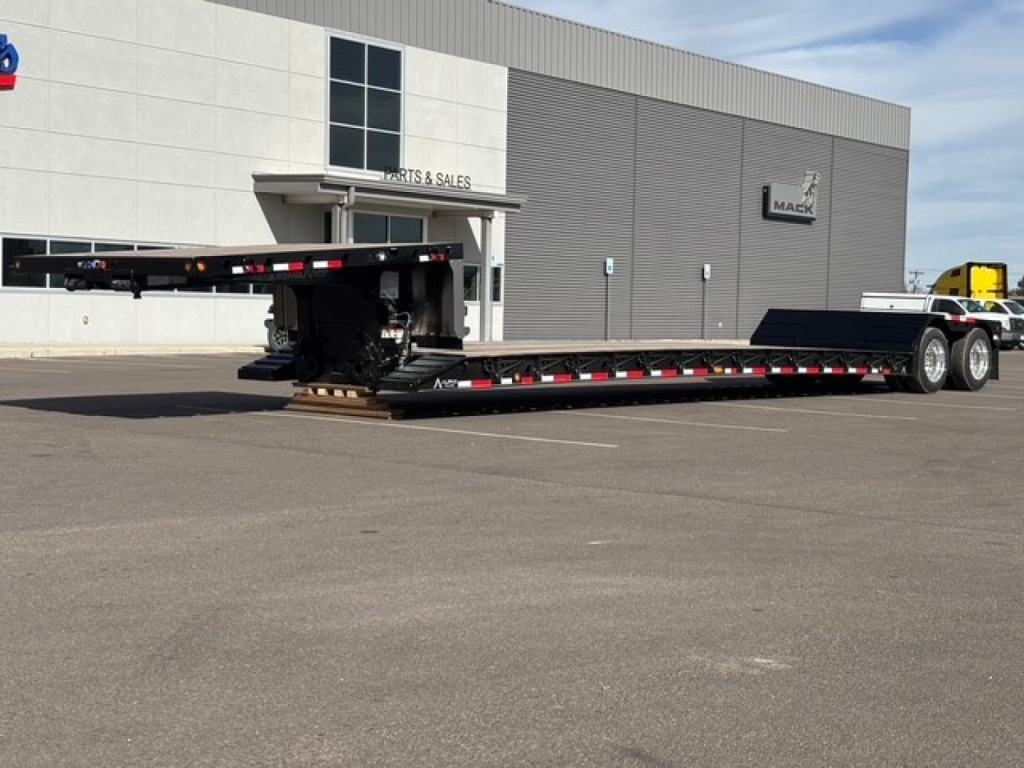

Selling a new alpha lowboy trailer? List your new alpha lowboy trailer for sale and reach thousands of commercial buyers.
New Alpha Lowboy Trailers in Texas
A key buying decision is mechanical detach versus hydraulic detach. Mechanical detach lowboy trailers are simpler and can be a solid fit for fleets that want lower system complexity and straightforward maintenance. Hydraulic detachable gooseneck models add faster loading and unloading, more ride height control, and easier handling when equipment is moved frequently. On many Alpha lowboys, buyers will find common heavy-haul specs such as 55-ton to 60-ton class configurations, 80,000-pound capacity models, concentrated load ratings in a 16-foot section, loaded deck heights around the low 20-inch range on certain models, and 102-inch to 108-inch overall widths. Features like flip neck extensions, 5-position ride height adjustment, pony motors or Honda power units, and hydraulic support equipment can make a major difference in daily operation.
Deck setup deserves close attention because it directly affects how versatile the trailer will be. Full-width Apitong decking, chain slots, D-rings, stake pockets, and outriggers or swingouts are common on Alpha lowboy trailers and help with securement flexibility across different machine widths and track configurations. Buyers hauling excavators should look closely at boom trough options, deck length, and concentrated weight placement. Buyers moving mixed construction fleets often benefit from swingout outriggers, flip ramps, toolboxes, and rear subframe prep for a flip axle. It is also worth checking kingpin setting, 5th wheel height compatibility, gooseneck swing, and axle spacing so the trailer matches the tractor and the type of turns, grades, and jobsite access it will see in Texas.
For Texas heavy-haul work, practical details matter just as much as rated capacity. Air ride suspension, 25,000-pound axle groupings, 4S2M ABS, drum brakes, raise-lower valves, ride height control, AirWeigh scales, and LED lighting packages are all common specs that improve control, compliance, and day-to-day usability. Many buyers also look for trailers prepped for a flip axle, additional axles, or a spreader bar because that flexibility helps when haul requirements change. If the work includes larger excavators, demolition iron, or specialized machines with high point loads, a stiffer deck structure, reinforced outer bays, and load-bearing wheel areas are worth prioritizing over cosmetic options.
Frequently Asked Questions about New Alpha Lowboy Trailers in Texas
What is the difference between a mechanical detach and a hydraulic detach lowboy trailer?
A mechanical detach lowboy uses a simpler front disconnect system and generally has fewer hydraulic components to maintain. A hydraulic detach lowboy uses a powered gooseneck system that speeds up loading and unloading, improves ride height adjustment, and is usually preferred for frequent equipment moves. Fleets that load several times a week often favor hydraulic detach models for efficiency, while buyers focused on simplicity and lower system complexity may lean toward mechanical detach.
What capacity should I look for in an Alpha lowboy trailer?
The right capacity depends on the machine weight, how that weight is distributed, and whether the load is concentrated over a short section of deck. Many buyers focus not only on the gross rating, such as 55-ton, 60-ton, or 80,000-pound class trailers, but also on the concentrated load rating in a defined deck section. That number is critical when hauling excavators, dozers, or other equipment with heavy track or axle loads that are not evenly spread across the trailer.
Why do deck height and deck length matter so much on a lowboy?
Deck height affects legal overall loaded height, center of gravity, and loading stability. A lower loaded deck height can make the difference between hauling a taller machine legally or needing permits and route changes. Deck length matters because it determines how well the trailer fits the machine footprint, boom placement, and securement points. Buyers hauling a range of construction equipment should compare deck length, boom trough availability, and usable deck space instead of looking only at the trailer's overall length.
Are swingouts and outriggers worth having on a lowboy trailer?
Swingouts and outriggers add versatility when hauling wider machines or equipment with uneven track widths. They also improve loading options and allow the trailer to handle more than one equipment profile without needing a different setup. For contractors, rental fleets, and haulers that move mixed iron, they are often worth the added cost because they make the trailer more adaptable across different jobs.
What features are important for lowboy trailers used in Texas?
Texas buyers usually pay close attention to axle setup, suspension, lighting, and expansion capability because route conditions and job types can vary widely. Air ride suspension, ABS, raise-lower controls, work lights, and visible LED lighting all support safer operation on highway and jobsite runs. Many buyers also prefer a trailer that is prepped for a flip axle, extra axle group, or spreader bar so the trailer can be adapted as permit loads, equipment size, or customer requirements change.