
New 2027 Lowboy Trailers For Sale
Shop new 2027 lowboy trailers built for heavy haul, machinery transport, and concentrated loads with detachable neck and multi-axle options.
Learn more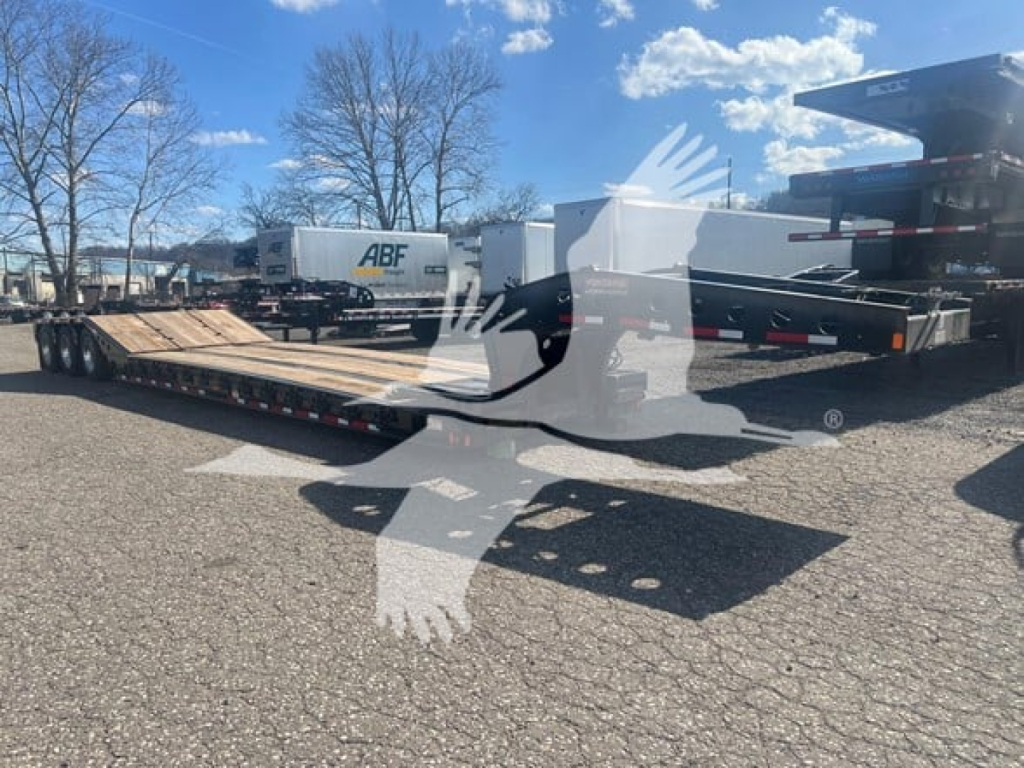
Showing 85 to 88 of 88 results
Have new 2027 lowboy trailer to sell? List it here to reach thousands of buyers.
About New 2027 Lowboy Trailers
Capacity and deck layout matter more than headline ton rating alone. Buyers should compare rated capacity in a specified section of the well, concentrated load ratings, loaded deck height, well length, top deck length, rear deck length, and swing clearance. Common specs in this class include 35 ton, 55 ton, and 60 ton configurations, with tandem axle and flip-axle-ready setups widely seen in heavy haul applications. A 26-foot well may fit one machine better than a shorter 24-foot layout, while a lower loaded deck height can be the difference between a legal move and a permit load. Kingpin setting, fifth-wheel height, axle spacing, and ride height adjustment also affect how the trailer matches to the tractor and how well it transfers weight across the combination.
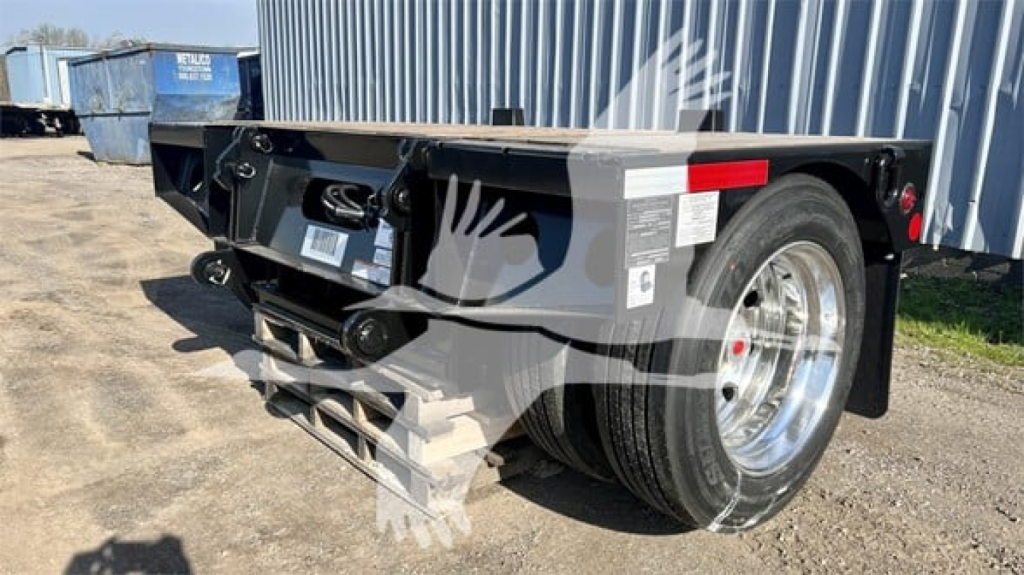
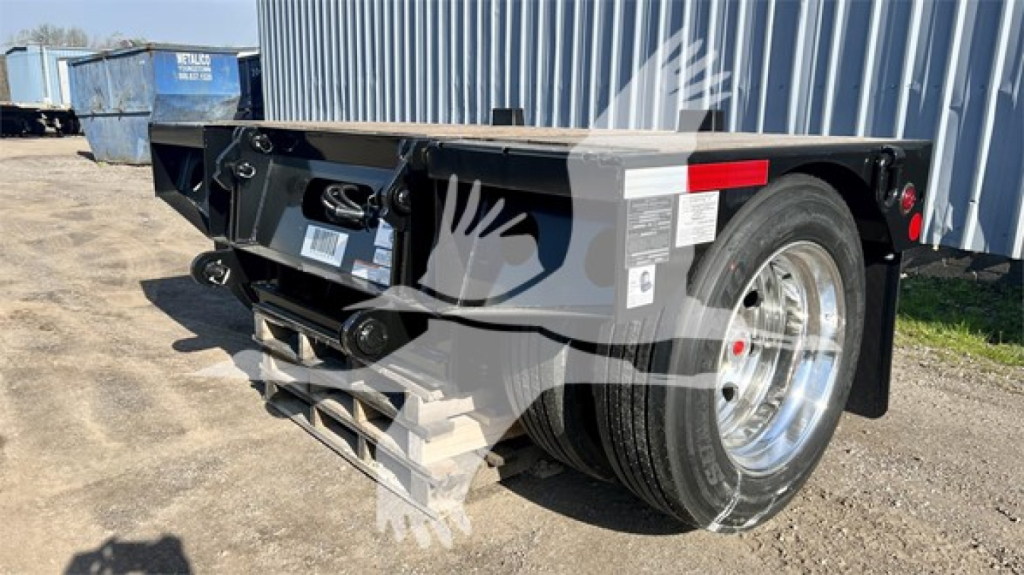
Construction details separate a lowboy that simply meets a rating from one that holds up in daily service. Apitong flooring remains a preferred choice for durability and traction, especially on detachable neck trailers loading tracked equipment. Buyers should look closely at crossmember spacing, perimeter frame or fabricated beam design, side rail reinforcement, chain slots, D-rings, stake pockets, and swingout outriggers if wider machines or attachments are part of the work. Air ride suspension is common in modern lowboys because it helps protect both cargo and trailer structure, and features like raise-lower valves, manual dump, 4S2M ABS, sealed harnesses, LED lighting, and air scale systems can make day-to-day operation easier and safer.
It is also worth evaluating expandability and jobsite practicality. Many lowboy trailers are prepped for flip axles, spreader bars, outriggers, toolboxes, ramp options, and rear deck accessories that let the trailer adapt as freight changes. A buyer hauling compact yellow iron on regional runs may prioritize empty weight and quick loading, while a contractor moving heavier crawler equipment may focus on frame rating, full-width decking, axle group options, and neck geometry. On a new 2027 lowboy, the right spec is usually the one that fits the actual machine fleet, axle weights, permitting environment, and tractor setup rather than the highest published capacity.
Frequently Asked Questions
What is a lowboy trailer used for?
A lowboy trailer is used to haul heavy equipment and taller machinery that need a lower deck height than a flatbed or step deck can provide. Common loads include excavators, bulldozers, loaders, paving equipment, forestry machines, and other construction or industrial equipment. The low deck helps keep overall loaded height down, which is critical for bridge clearance, permit compliance, and safer transport of over-dimensional freight.
What should I compare when choosing a new lowboy trailer?
The most important comparisons are actual payload rating in the well, loaded deck height, well length, neck style, axle configuration, and compatibility with the tractor. Buyers should also review kingpin setting, fifth-wheel height, axle spread, swing clearance, and whether the trailer is designed to accept a flip axle or spreader attachment. Those details determine how the trailer performs with your machine fleet and whether it will scale legally and load efficiently.
Is a hydraulic detachable gooseneck better than a fixed-neck lowboy?
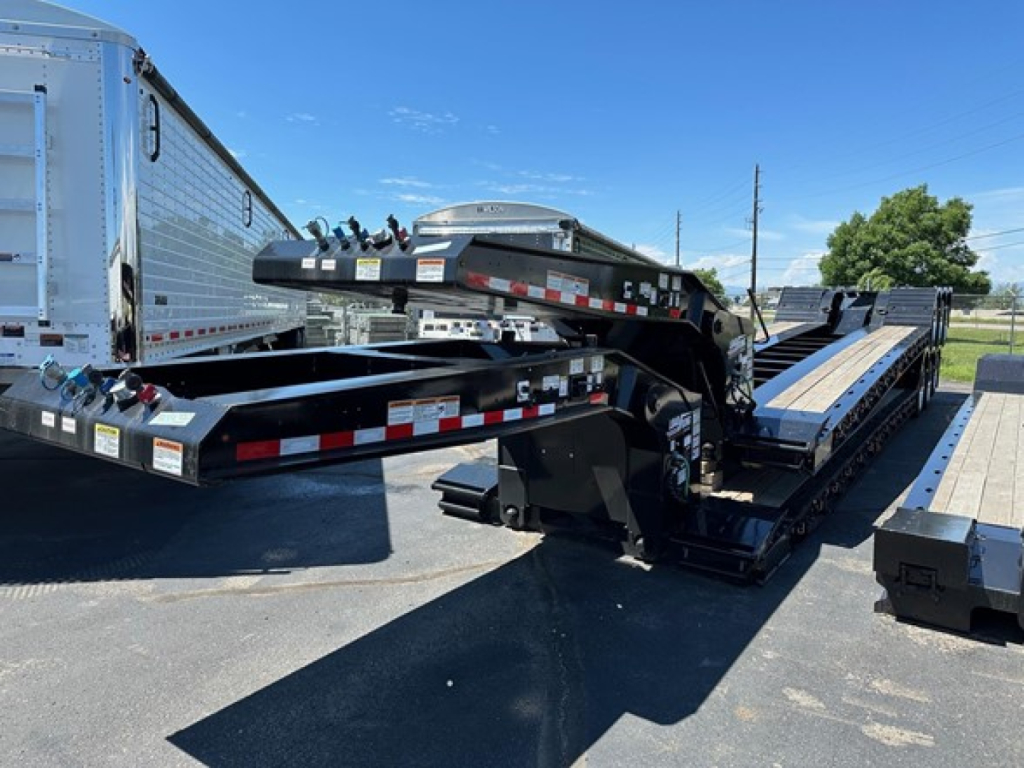
A hydraulic detachable gooseneck is often the better choice when equipment needs to be driven directly onto the trailer from the front. It improves loading speed and can reduce dependence on ramps or special loading areas. A fixed-neck design can be simpler and may work well for freight loaded by crane or other methods, but for many heavy equipment applications the hydraulic detach offers more flexibility and easier jobsite use.
Why does deck height matter so much on a lowboy trailer?
Deck height directly affects legal loaded height and determines what equipment can be moved without route restrictions or additional permit complications. Even a small difference in loaded deck height can matter when hauling tall machines with cabs, booms, or guarding that cannot be removed easily. Lower deck height can also improve stability by keeping the center of gravity down, especially on rough roads or uneven jobsite surfaces.
Are flip axles and spreader bars important on heavy haul lowboys?
They can be very important if the trailer will be used for heavier loads or in jurisdictions where axle weight distribution is tightly controlled. A flip axle adds another axle at the rear to increase carrying capability and help spread weight, while a spreader bar changes spacing to improve bridge formula compliance in some applications. Buyers should match these options to their expected payloads, permit requirements, and the trailer model’s designed compatibility.