
Load King Trailers For Sale in Texas
Shop Load King trailers for heavy haul, lowboy, flip axle, and jeep applications with specs built for demanding Texas transport work.
Showing 1 to 24 of 32 results
Have load king trailer to sell? List it here to reach thousands of buyers.
Load King Trailers in Texas
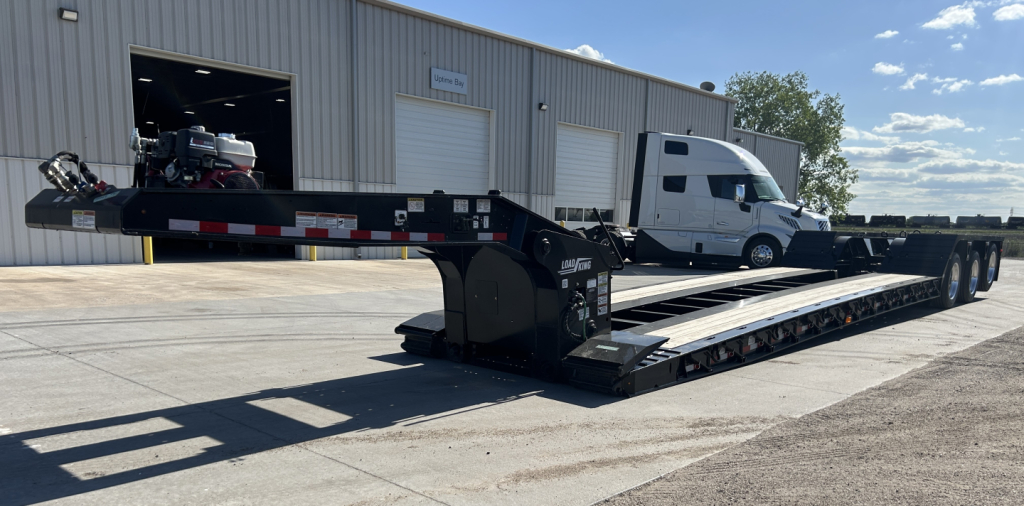
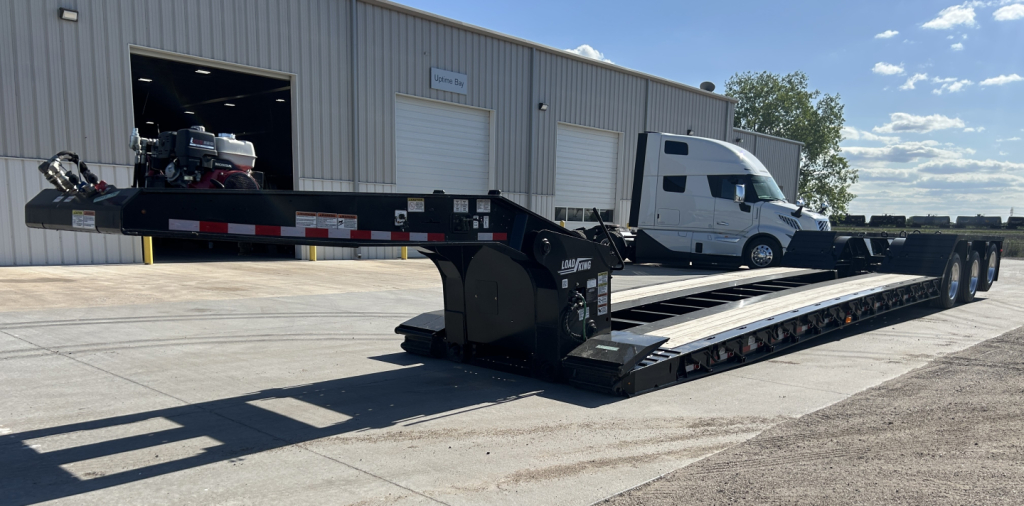
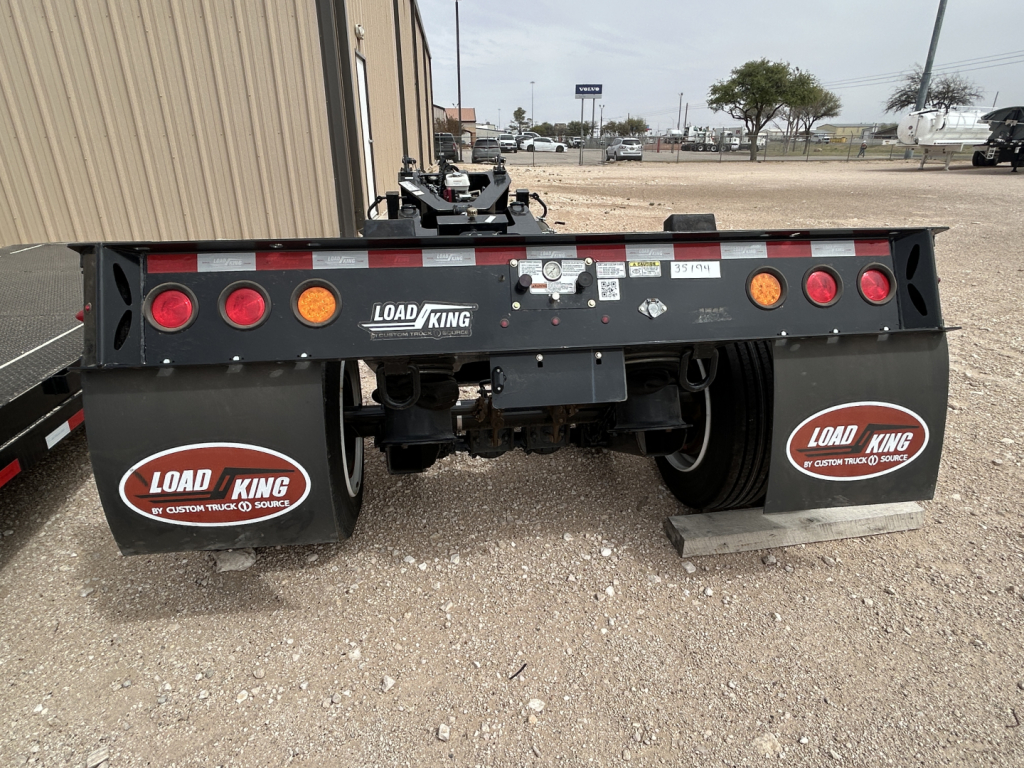
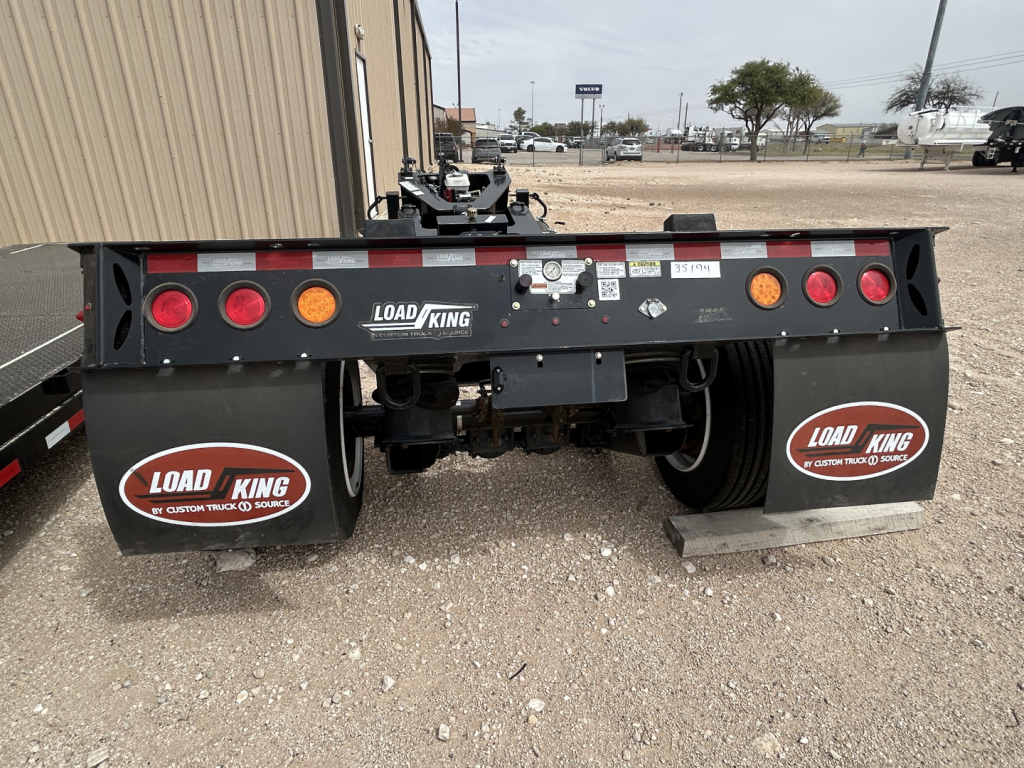
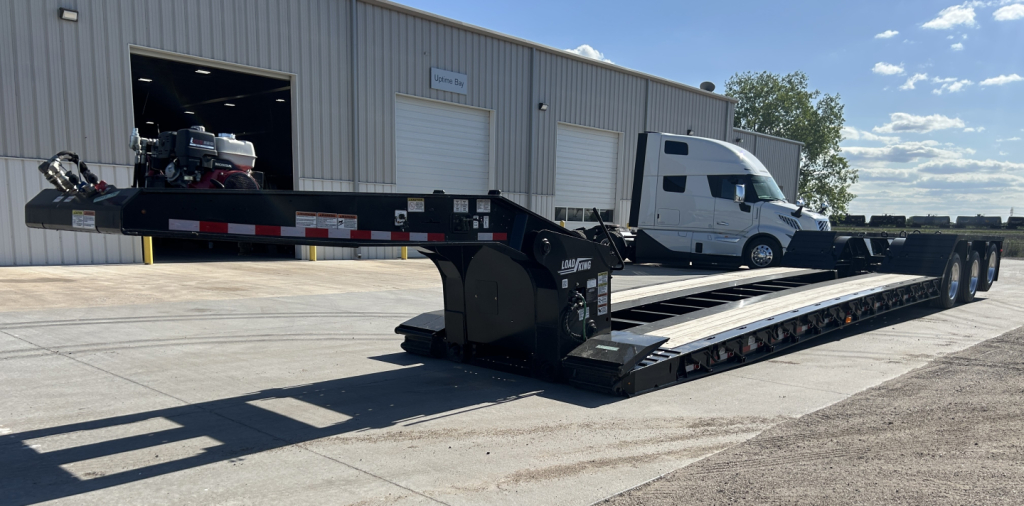
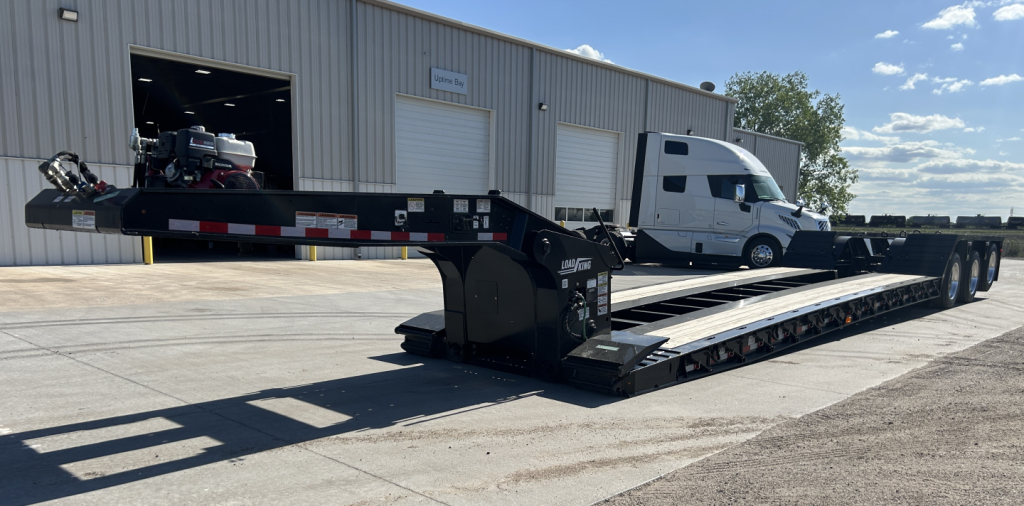
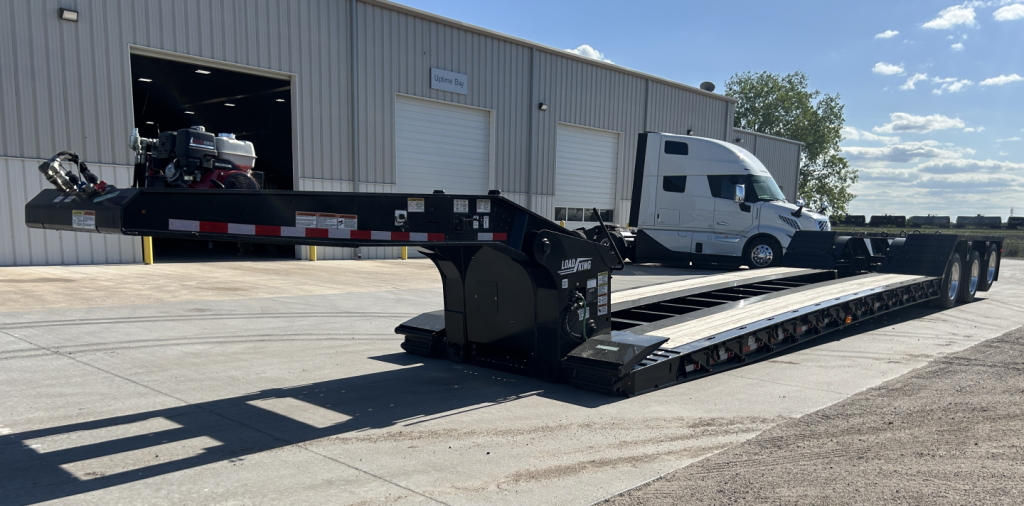
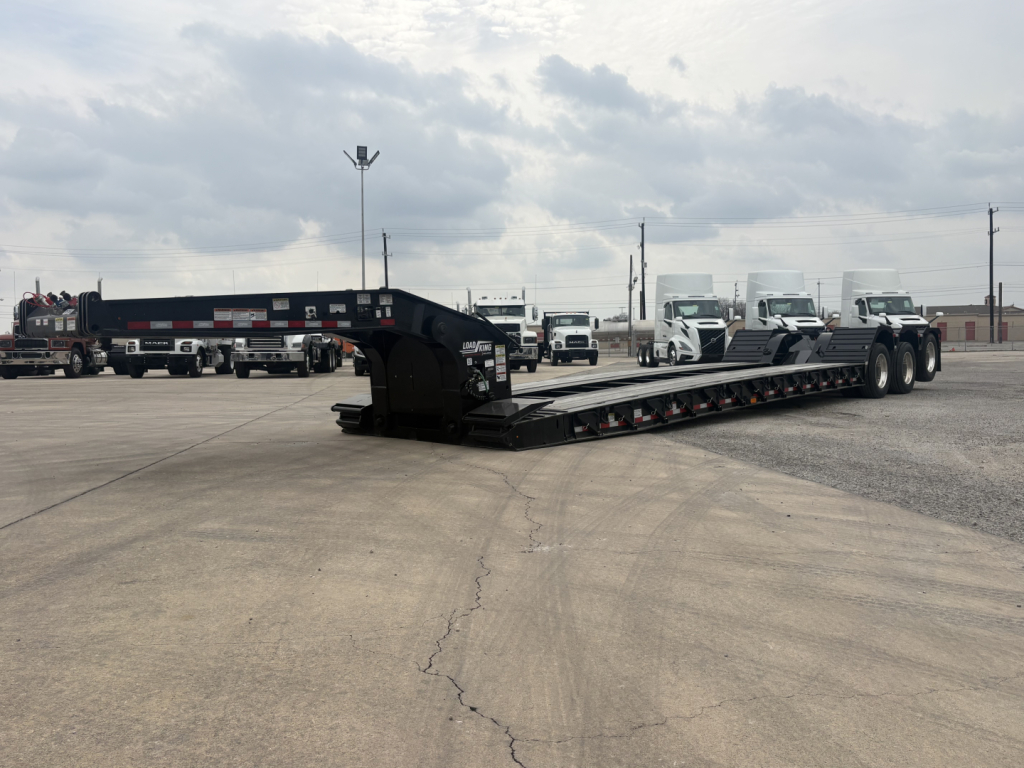
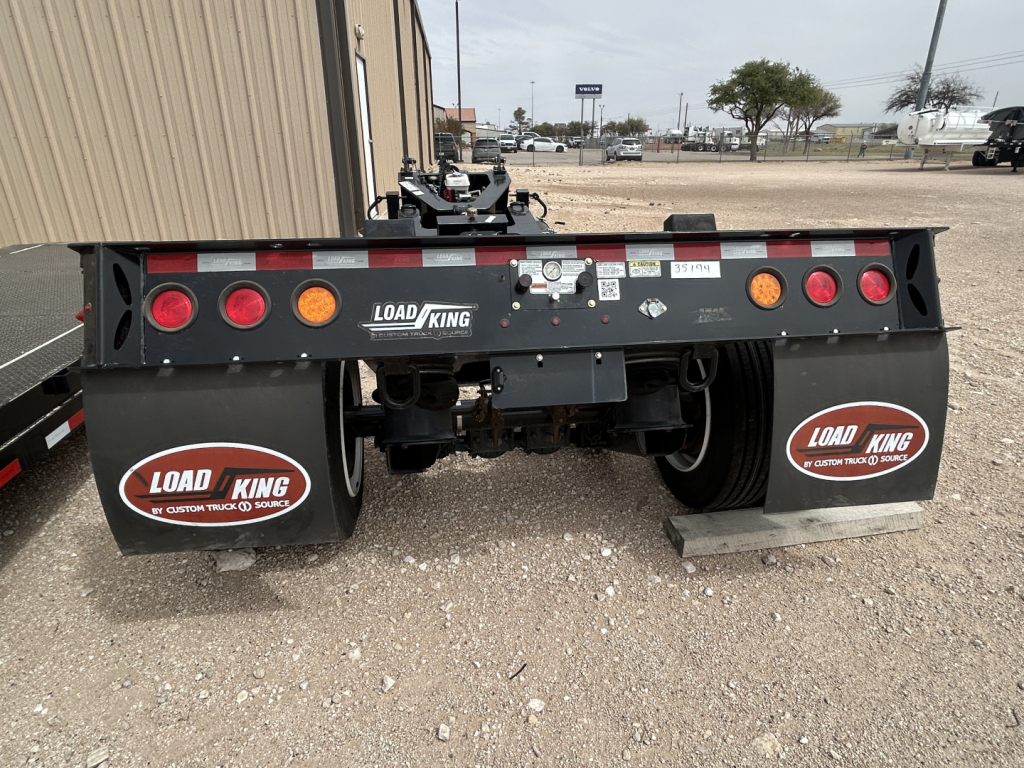
On Load King lowboy trailers, the key buying decisions usually come down to ton rating, deck length, loaded deck height, width, and axle group. Common configurations include 55-ton class trailers with tandem, tri, or quad axle layouts, often paired with air ride suspension, drum brakes, and 22.5-inch rubber. Buyers hauling excavators, dozers, and other high-center-of-gravity equipment should pay close attention to deck length in the well, gooseneck length, excavator bucket troughs or backhoe troughs, load-bearing wheel covers, and flip ramp design. A low loaded deck height helps with legal height, especially on taller machines, while wider deck options can improve machine placement and tie-down flexibility. Features like lift axles, reinforced crossmembers, LED work lights, and heavy-duty outriggers can make a meaningful difference in daily use and long-term durability.
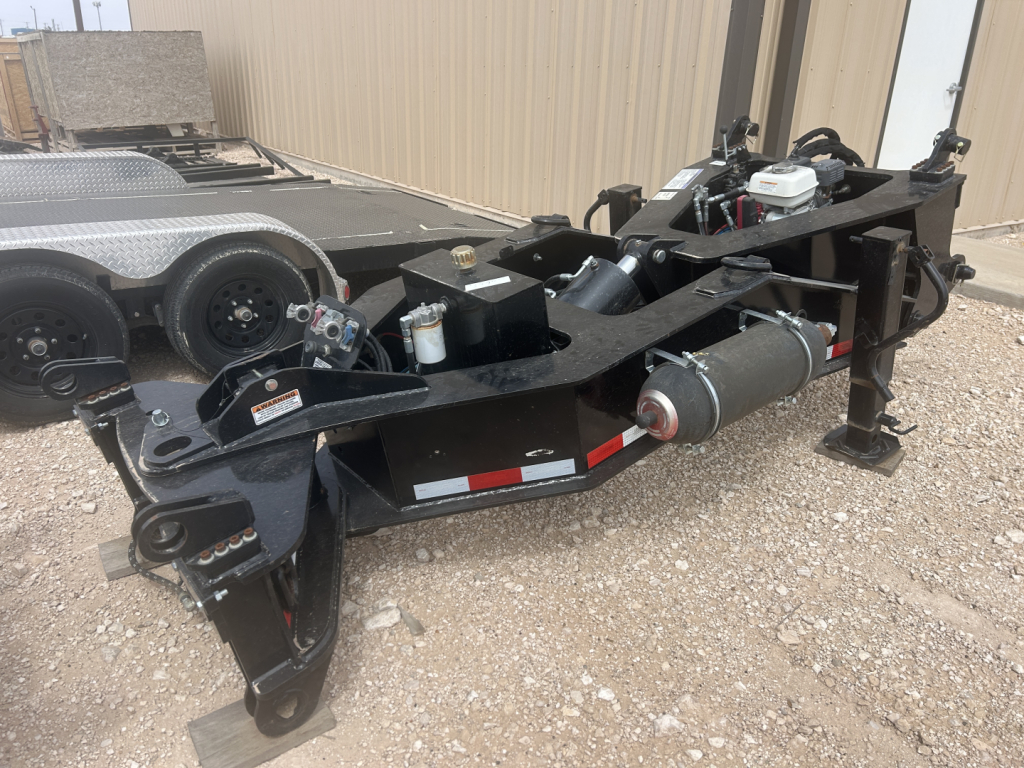
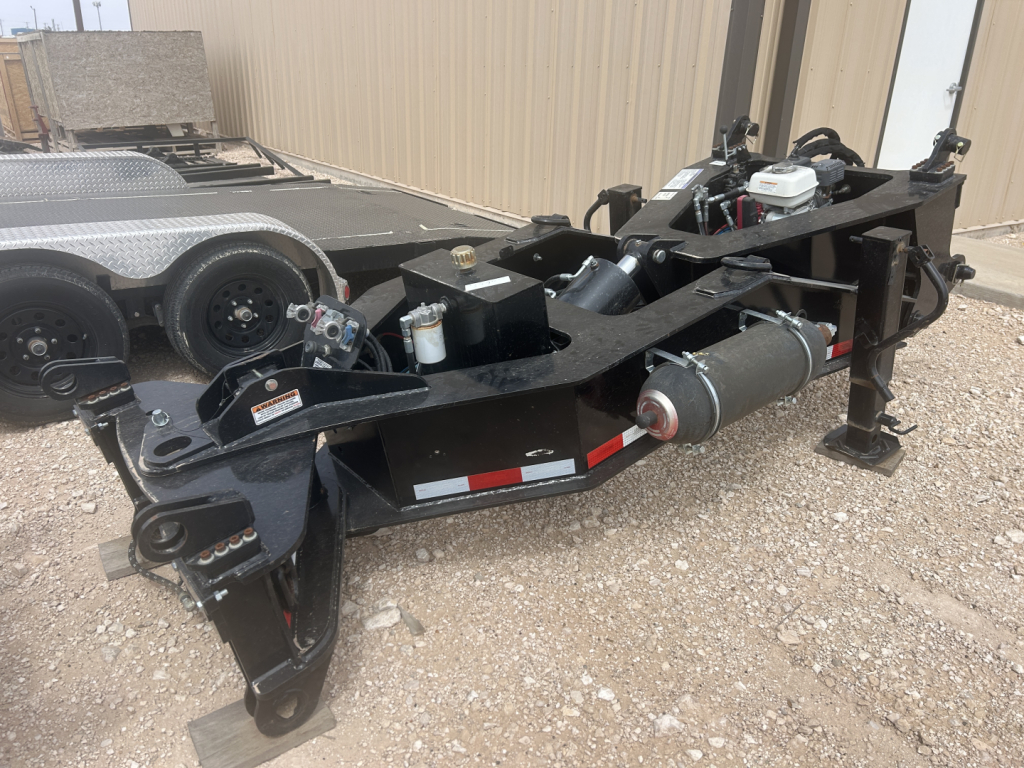
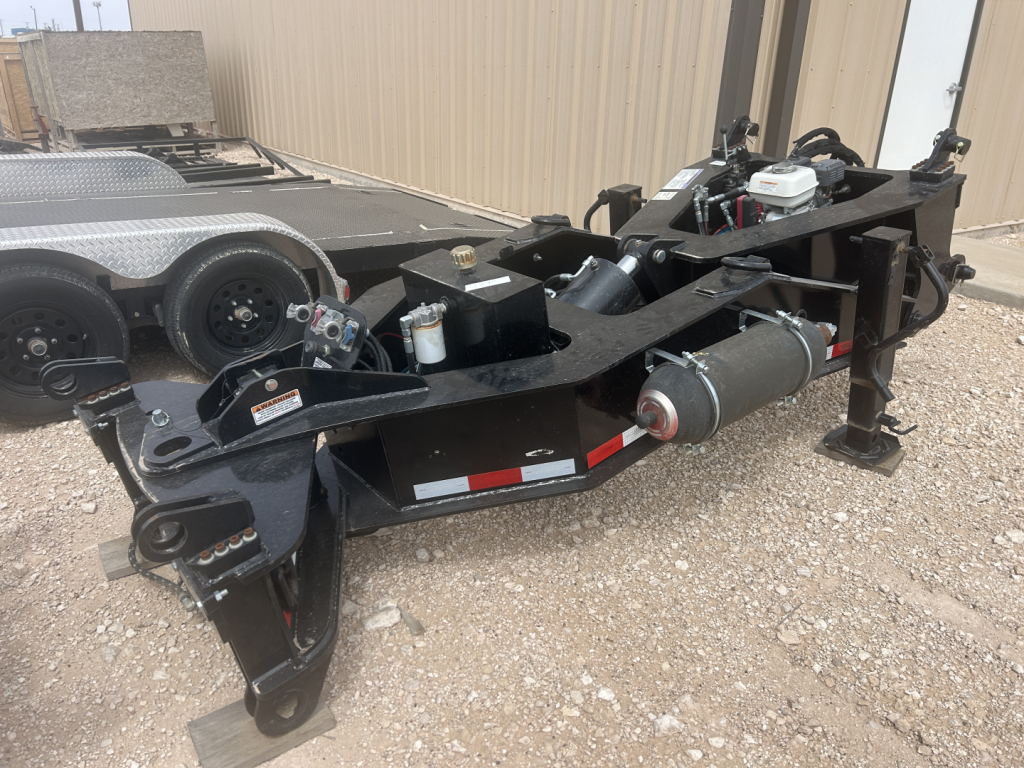
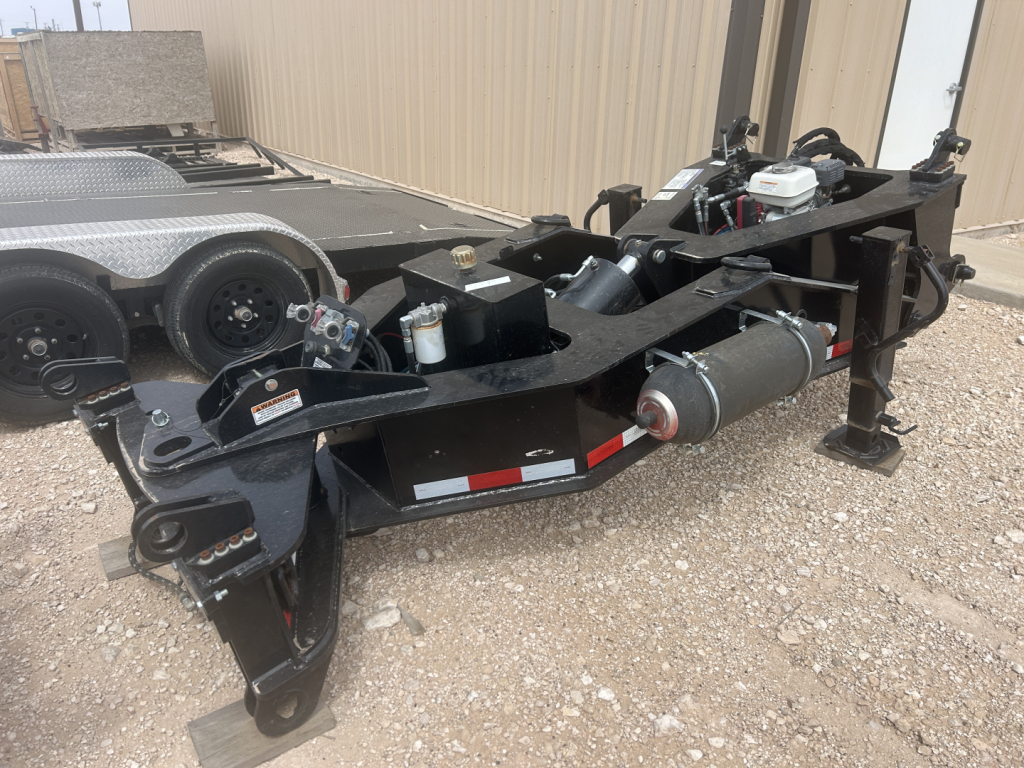
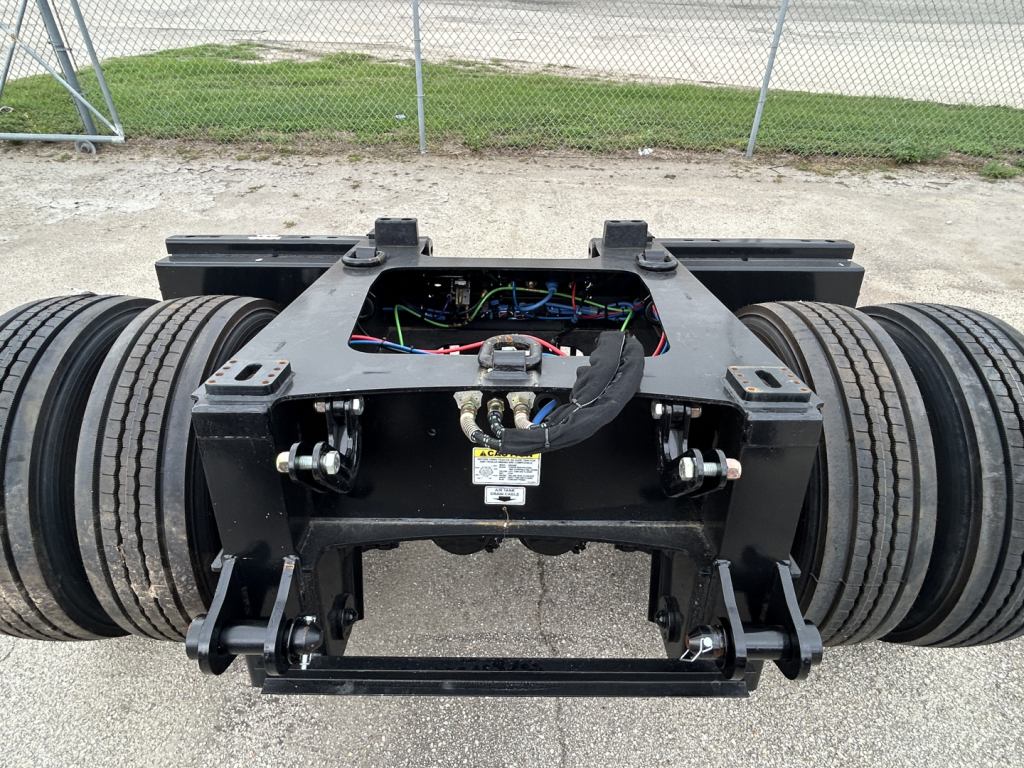
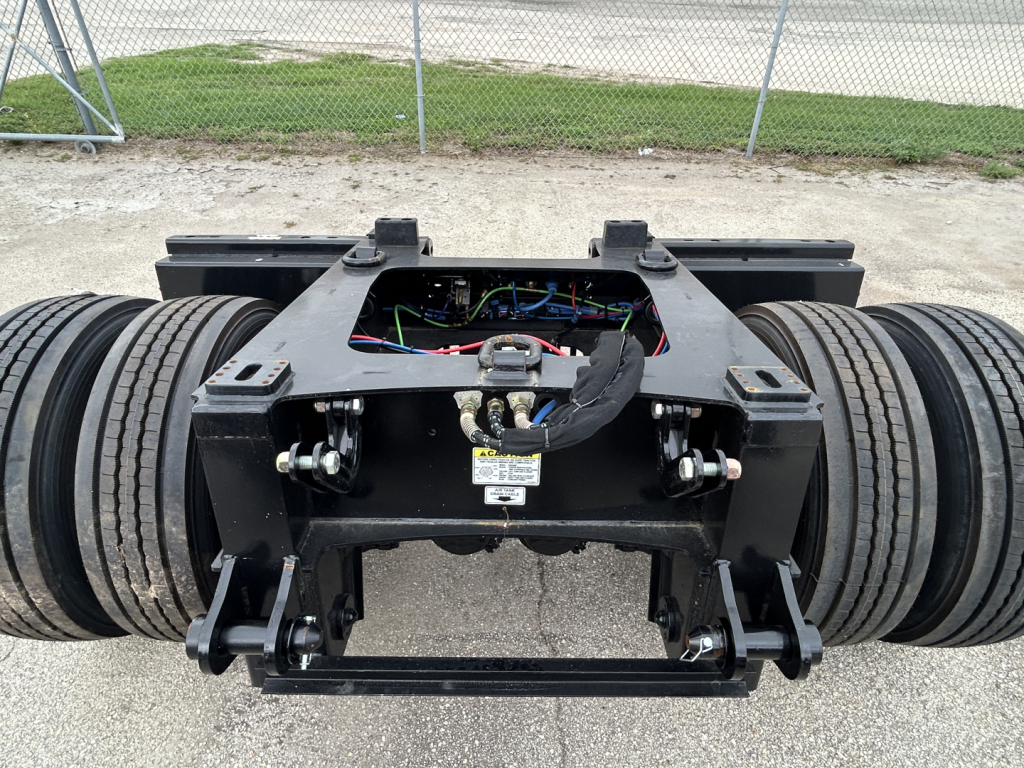
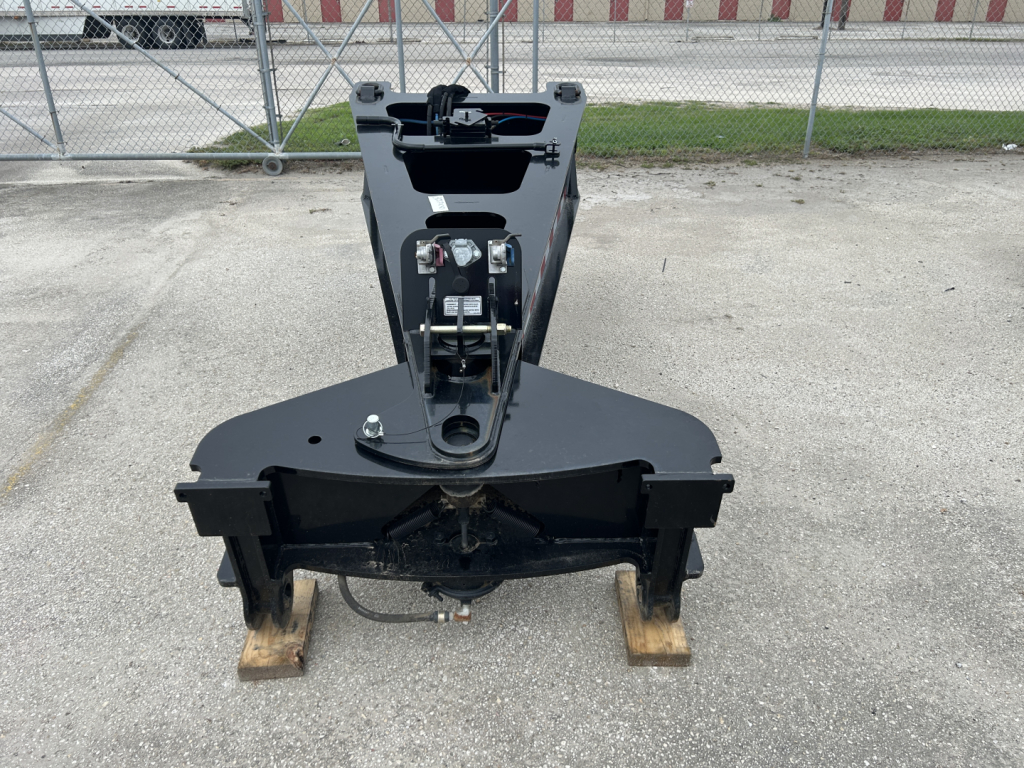
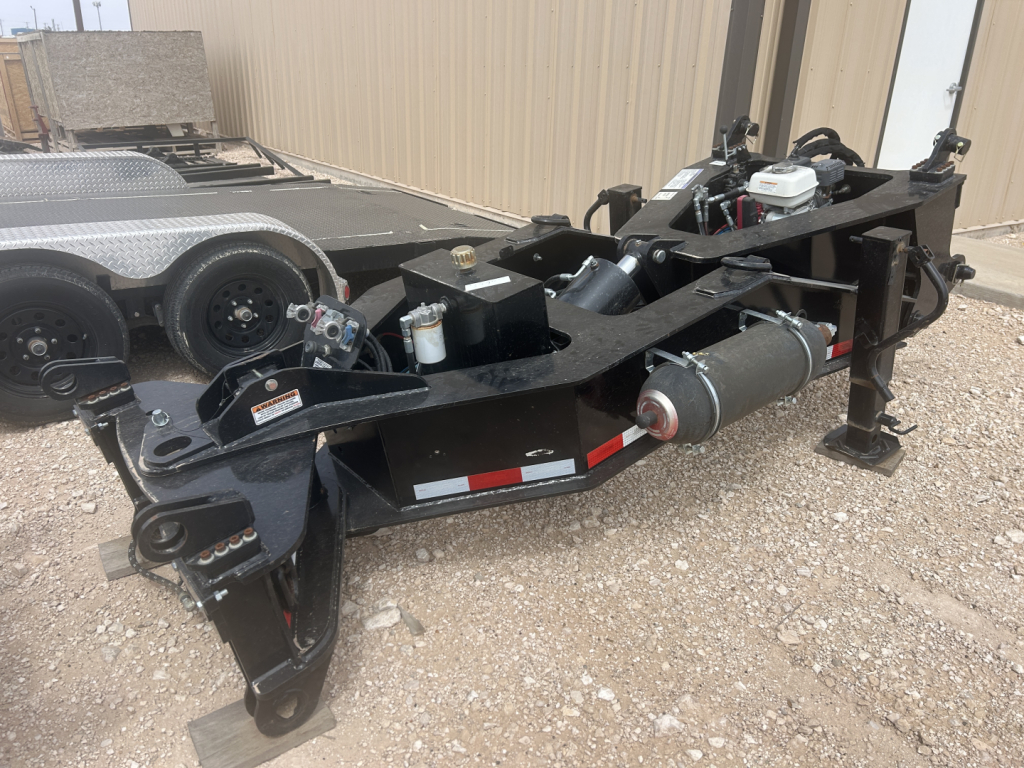
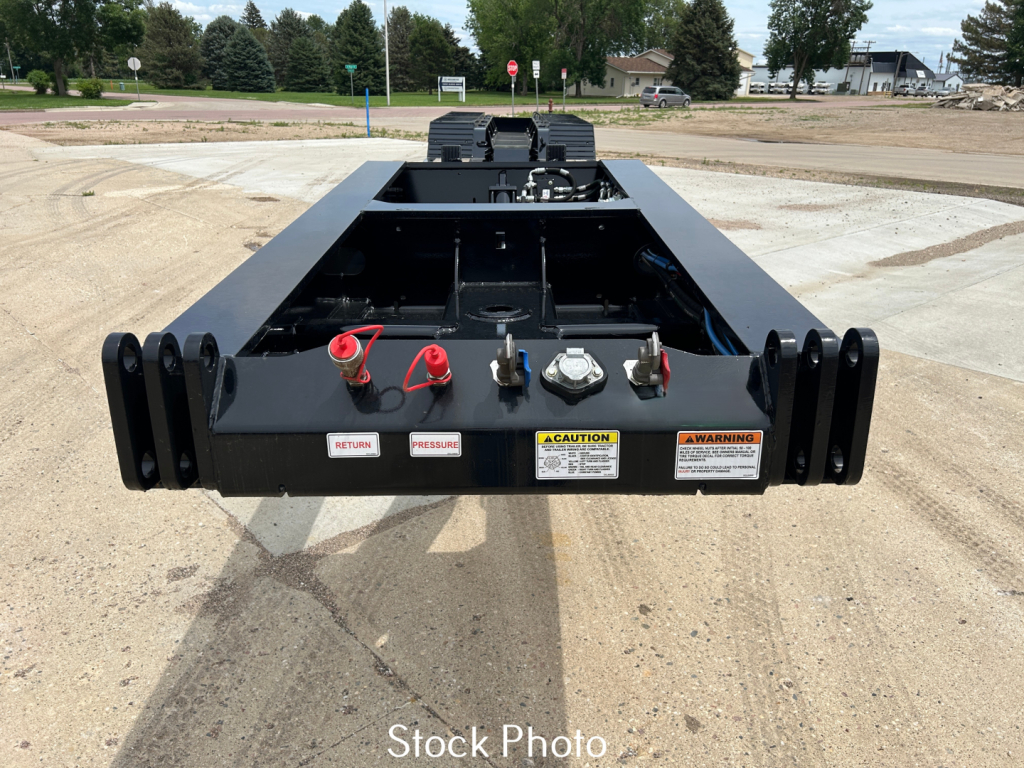
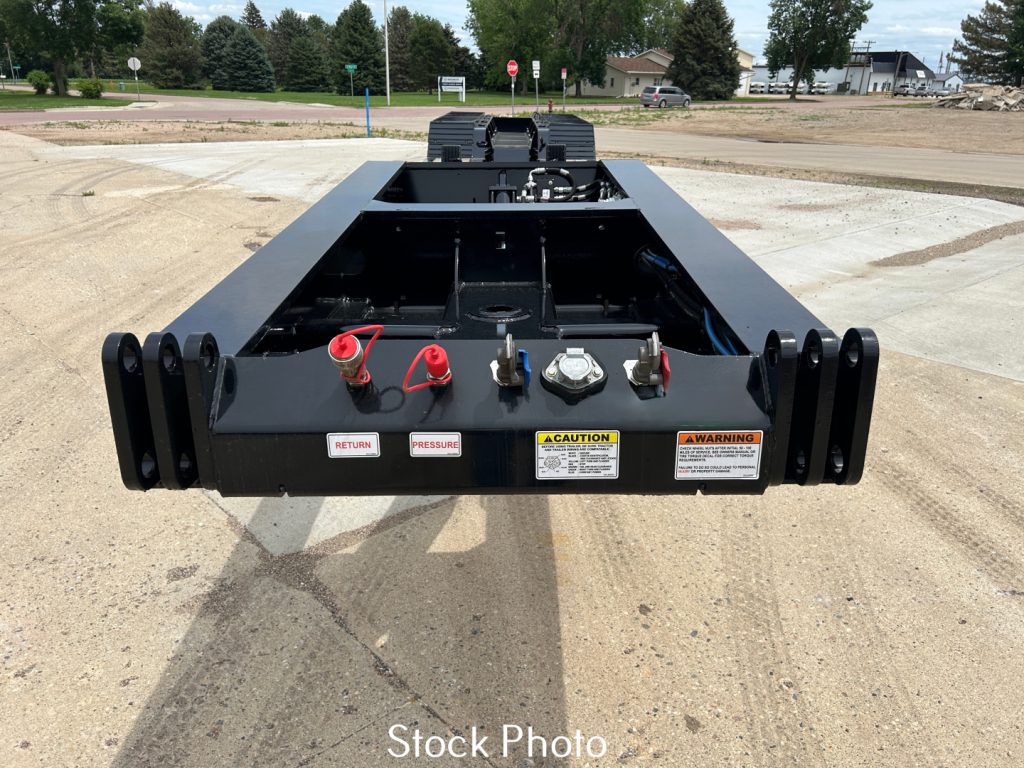
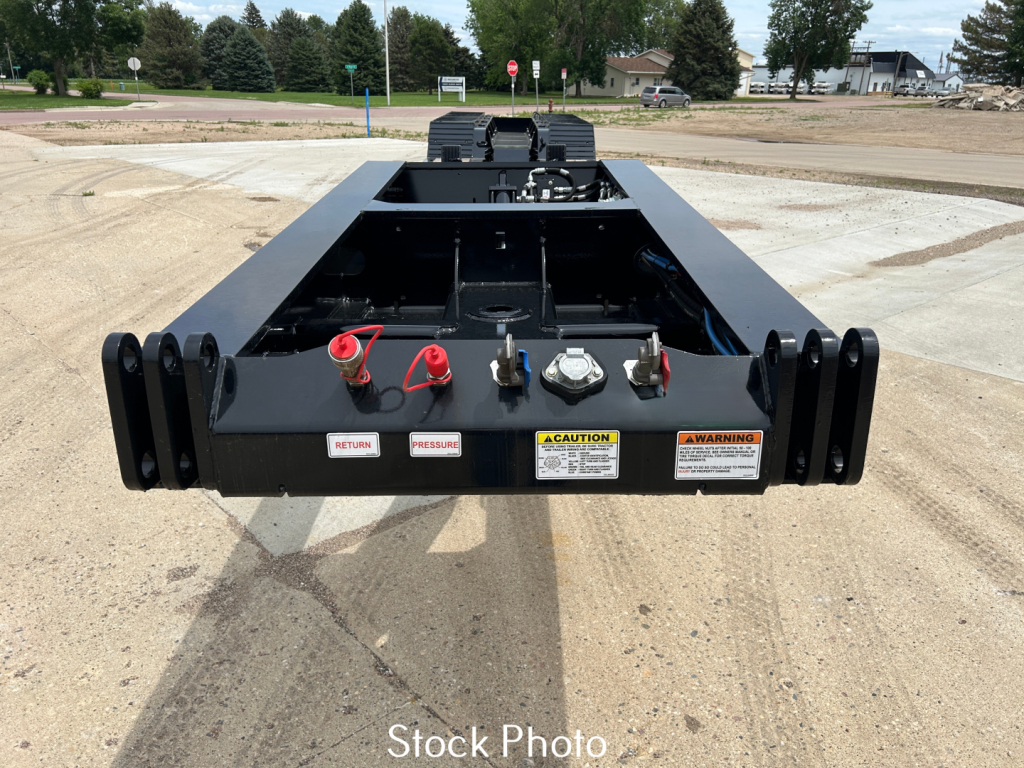
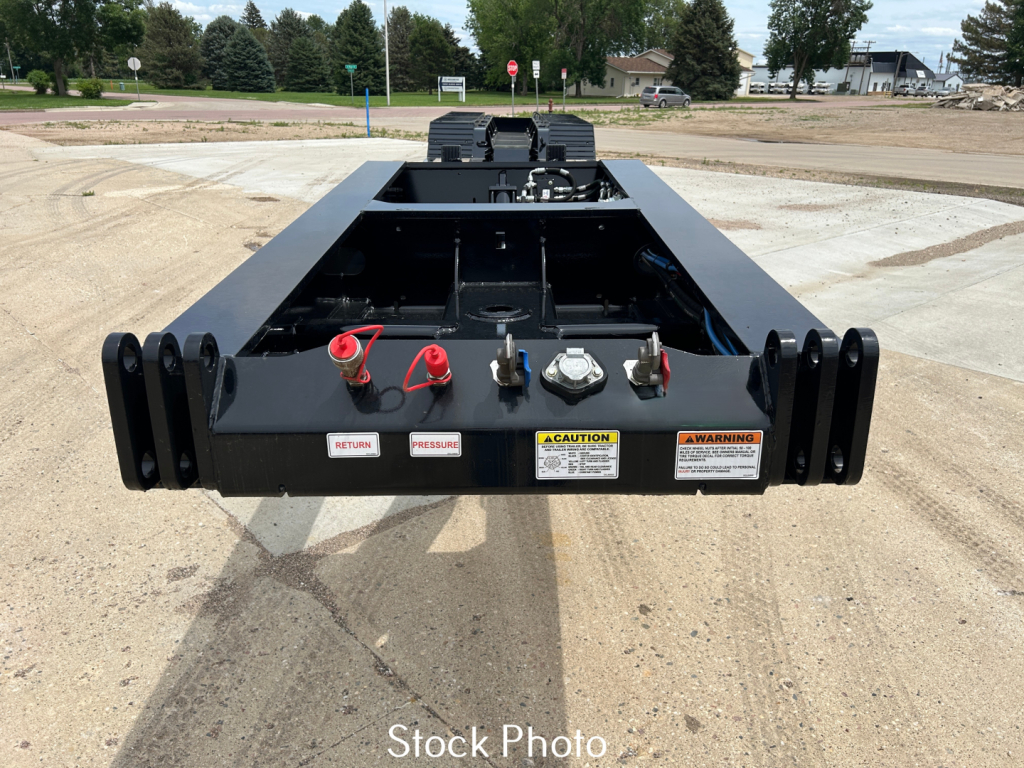
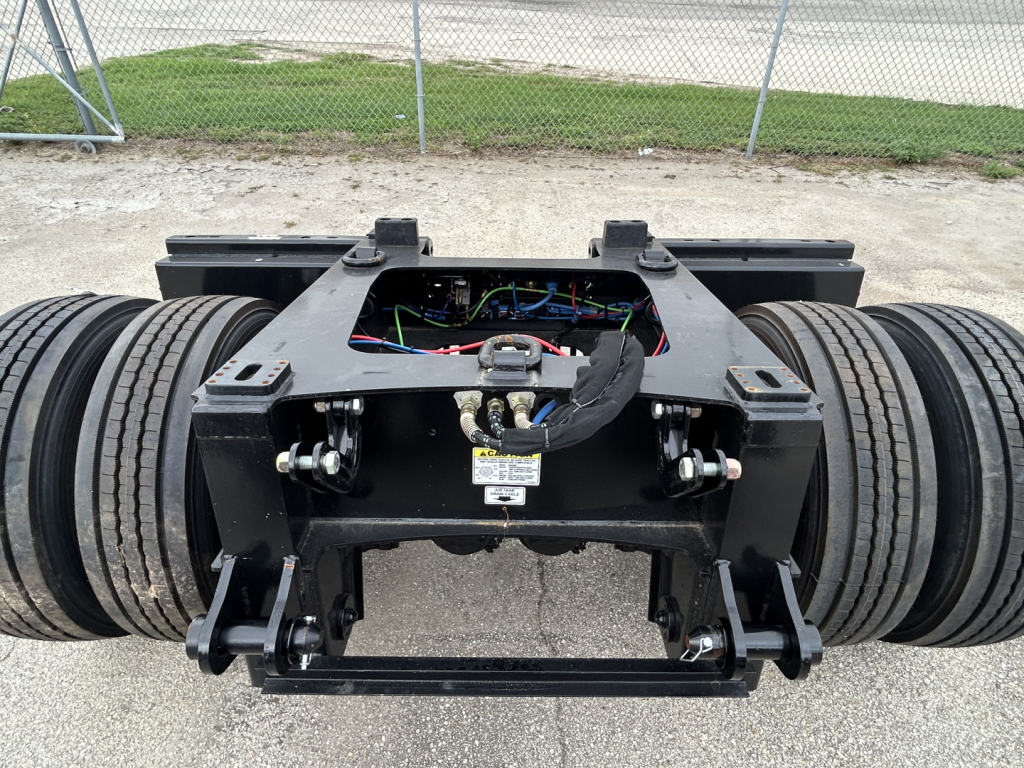
Load King flip axles, also called flip boxes or flip attachments depending on the setup, are typically selected to match a specific lowboy and tonnage class. Axle spacing, suspension type, tire size, brake spec, and deck width compatibility need to line up with the primary trailer. On 55-ton applications, a single flip axle can be an efficient way to spread weight and keep a load legal without stepping into a more complicated combination than the job requires. Buyers should verify connection style, ride height, and whether the trailer is already plumbed and bracketed for the attachment. If the listing includes a stinger or nitrogen-assisted stinger, review cylinder size, power unit, and compatibility with the neck and booster arrangement, because those details affect loading geometry, detach performance, and field serviceability.
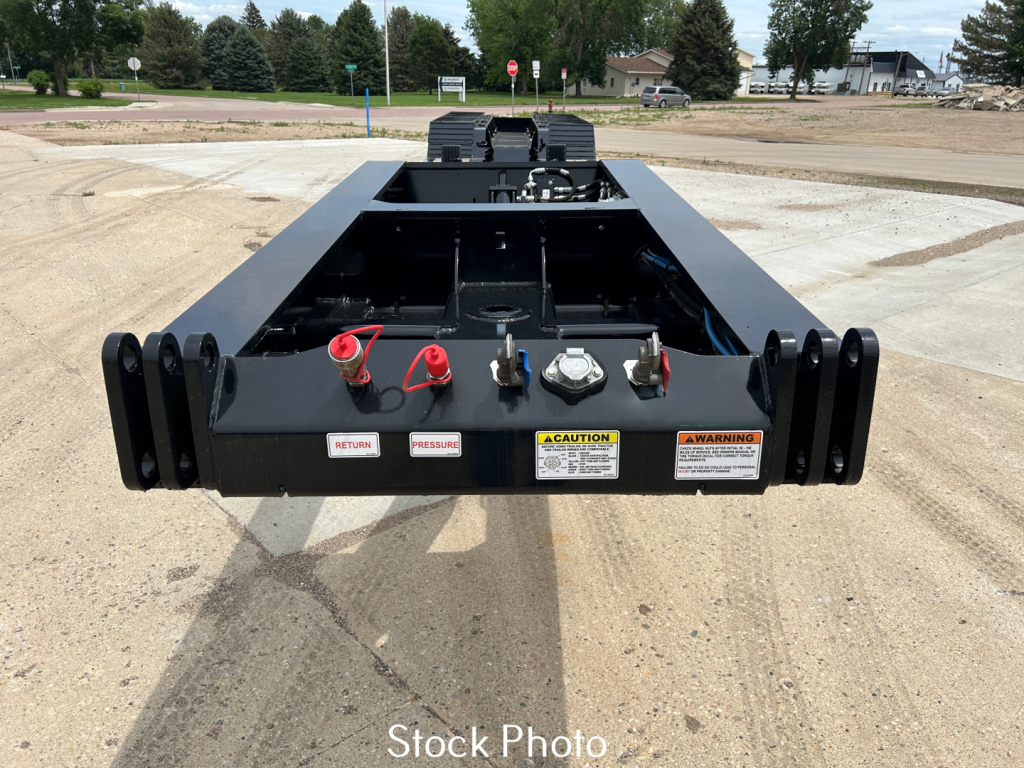
The best Load King trailer choice is usually the one that fits your freight profile and permit map with the fewest compromises. A contractor moving mixed yellow iron around Texas may prioritize a versatile 55-ton RGN lowboy with a practical deck and flip capability, while a dedicated heavy-haul operator may focus on modularity, jeep and stinger options, and axle additions for scaling different loads. Look closely at frame condition, pin and bushing wear, suspension brand, tire matching, hydraulic power unit condition, and any signs of neck stress or deck repairs on used equipment. On new-spec units, compare the details that affect uptime: brake type, lift axle controls, tire brand, wheel construction, D-ring placement, ramp style, and how the trailer is configured for future axle additions. Those are the details that determine how well a Load King trailer works once it is on a jobsite and under permit.
Frequently Asked Questions about Load King Trailers in Texas
What types of Load King trailers are most common in heavy-haul work?
Load King is most commonly associated with lowboy and removable gooseneck trailers, along with related heavy-haul components such as flip axles, jeeps, and stingers. These are used to move construction and industrial equipment that exceeds the practical range of standard flatbeds or tag trailers. The most common setups are 35-ton to 55-ton-plus lowboys, with tandem, tri, or quad axle groups depending on payload and bridge requirements.
How do I choose the right Load King lowboy capacity?
Start with the heaviest machine you plan to haul, then look at axle weights, machine footprint, and permit requirements instead of focusing only on the trailer’s advertised ton rating. A 55-ton trailer may be appropriate for many excavators and dozers, but deck length, concentrated load rating in the well, and the availability of a flip axle or jeep can be just as important. Buyers in Texas should also consider the routes they run most often, because legal length, width, and axle spread can directly affect permit cost and routing flexibility.
What should I check when buying a Load King flip axle or jeep?
Compatibility is the first issue to confirm. The flip axle or jeep must match the trailer’s neck design, ride height, width, connection points, plumbing, and intended tonnage class. Buyers should also verify axle spacing, brake configuration, suspension type, tire size, and whether the main trailer is already set up to accept the attachment. A mismatch in any of these areas can create expensive fabrication work or limit the combination’s legal usefulness.
Are Load King trailers a good fit for Texas hauling?
Load King trailers are commonly considered for Texas heavy-haul work because the brand offers configurations that suit construction, infrastructure, energy, and oilfield transport. Low deck heights, multiple axle options, and add-on components like flips and jeeps make them practical for oversize and overweight loads moving between jobsites. The right setup depends on your freight mix and permit strategy, but Load King equipment is generally aimed at buyers who need real heavy-haul capability rather than light equipment transport.
What features matter most on a used Load King trailer?
On a used Load King trailer, pay closest attention to structural condition and wear points. Inspect the main frame, neck area, crossmembers, suspension, brake system, and all pin-and-bushing connection points for signs of cracking, elongation, poor repairs, or abnormal wear. Hydraulic systems, lift axle function, tire condition, and deck straightness also matter because these items affect both immediate operating cost and how reliably the trailer will stay in service.