
2026 Load King Trailers For Sale in Texas
Shop 2026 Load King trailers for heavy haul, lowboy, flip axle, and specialty transport applications with buyer-focused specs and use cases.
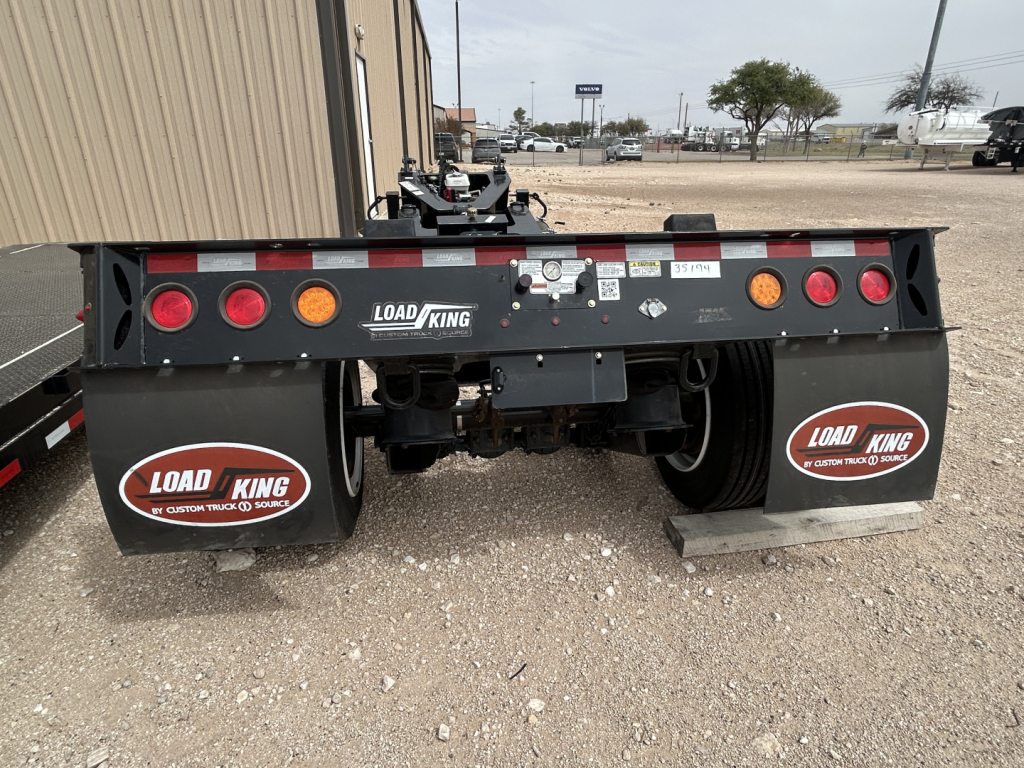
Selling a 2026 load king trailer? List your 2026 load king trailer for sale and reach thousands of commercial buyers.
2026 Load King Trailers in Texas
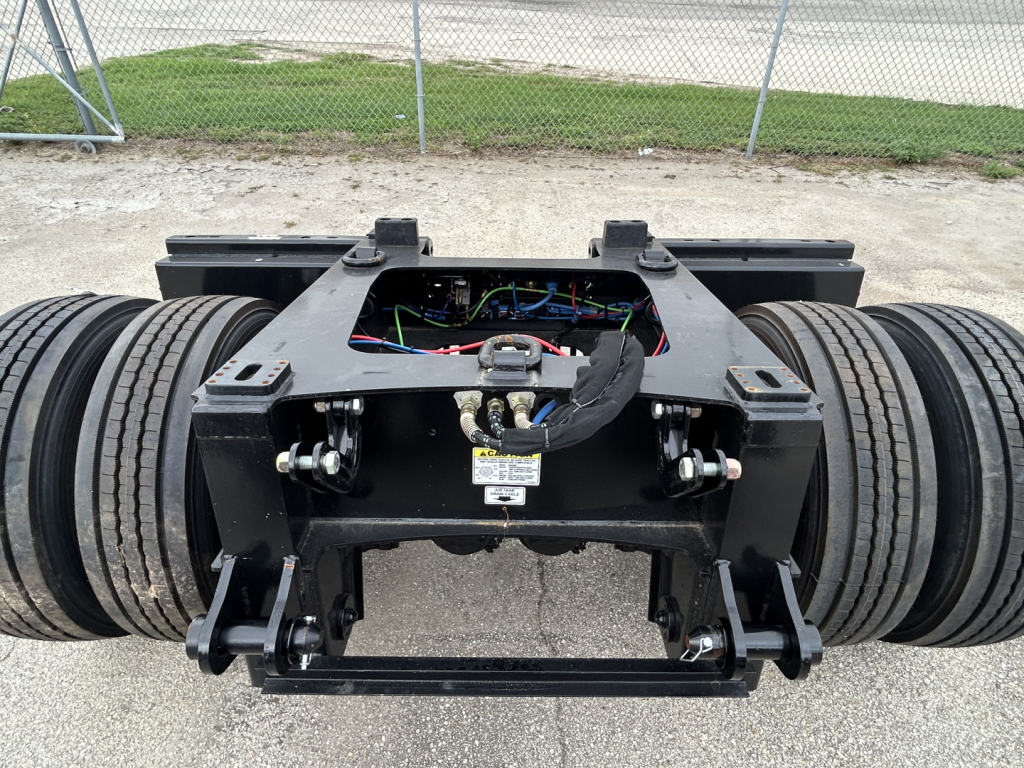
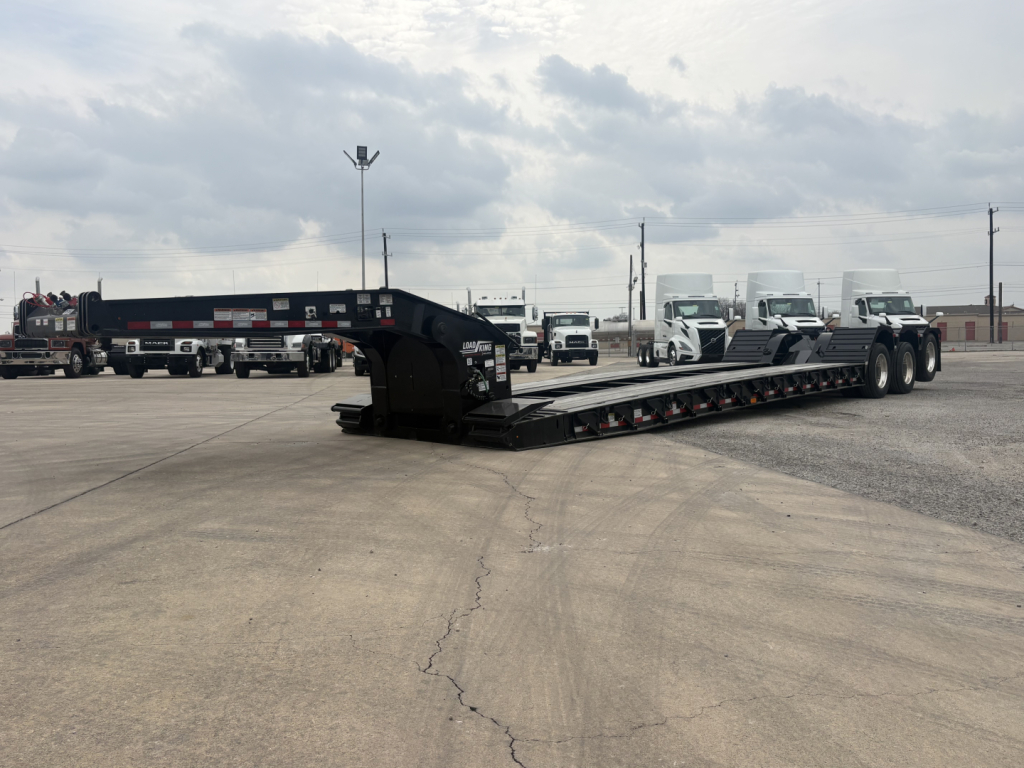
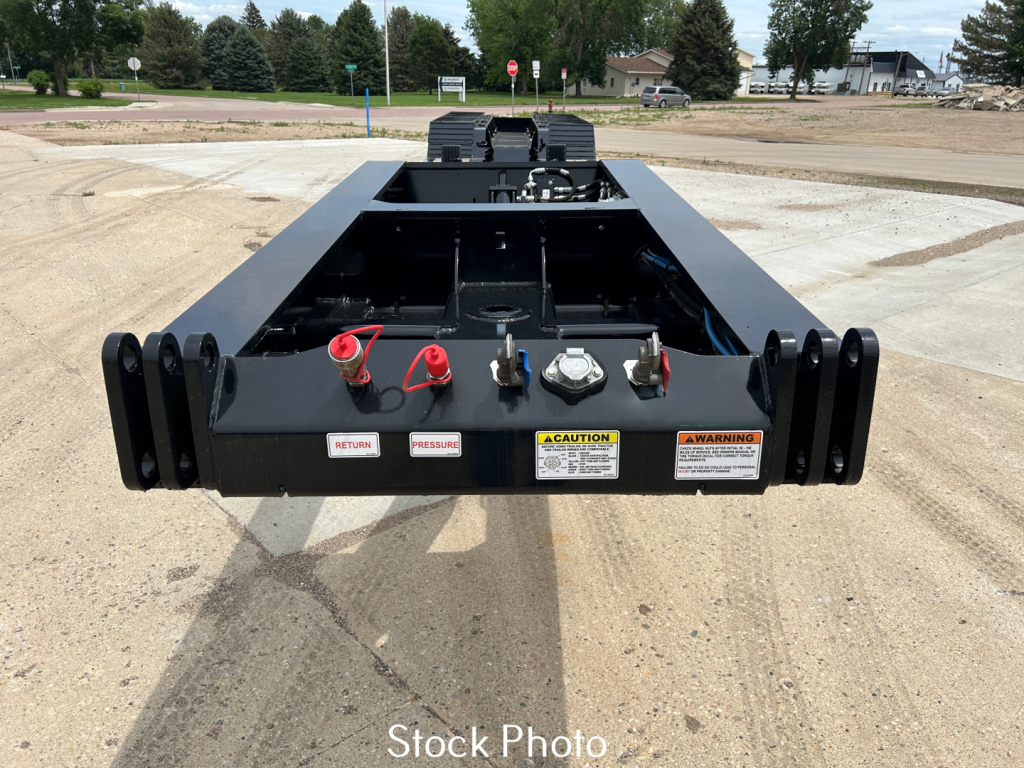
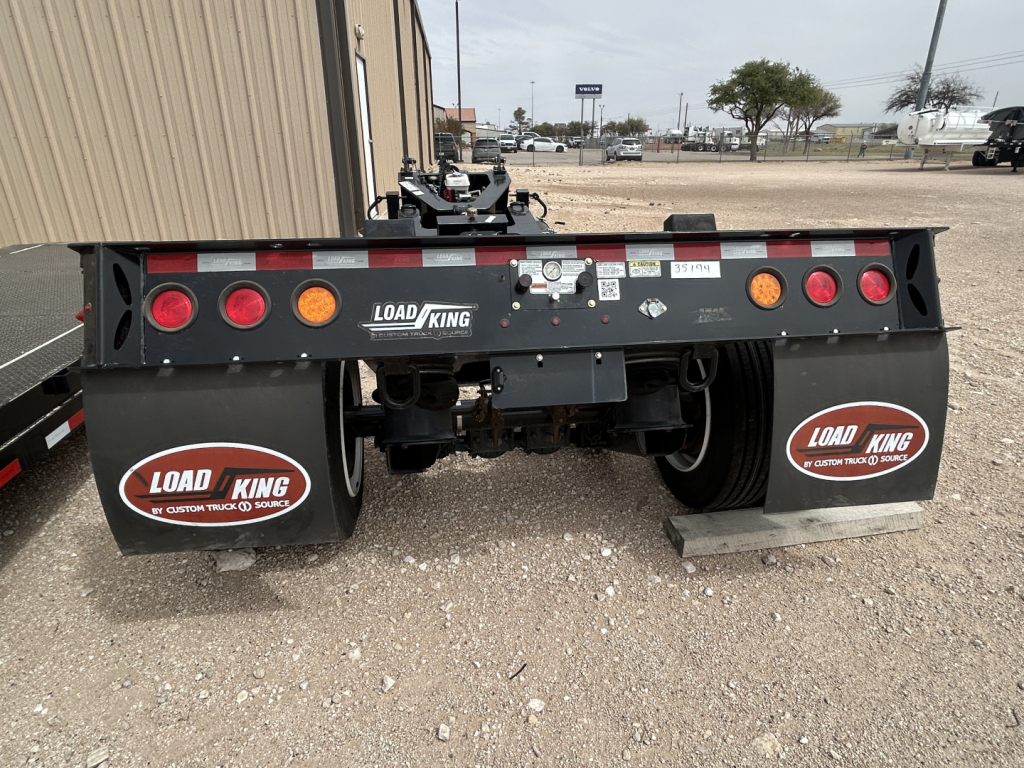
For many buyers, the first decision is trailer style and axle group. A 2026 Load King lowboy, often called a lowbed or detachable gooseneck trailer, is commonly spec'd in 50 to 55 ton ranges, with tri-axle or quad-axle layouts depending on load concentration, bridge law requirements, and state routing. Typical specs in this class include 24-inch or 18-inch loaded deck height, 26-foot main decks, 8-foot-6 or 9-foot overall width, hydraulic detachable necks, air ride suspension, 27,500-lb axles, and tire packages such as 255/70R22.5 or 275/70R22.5. Buyers should pay close attention to load rating in 12 feet, gooseneck length, swing clearance, axle spacing, and whether the trailer is prepped for future additions like a stinger, flip box, or extra axle capacity.
Deck usability matters as much as rated capacity. Features like front flip ramps, excavator notch plates, backhoe troughs, chain slots, bent D-rings, swing-out outriggers, heavy-duty wheel covers, and Apitong decking can make a major difference in day-to-day loading. If the work includes mixed iron, compact equipment, and odd-shaped machinery, these details improve securement flexibility and reduce loading compromises. A low loaded deck height helps with taller machines, while a wider 9-foot deck can improve stability for certain equipment but may affect permitting and route planning. Air ride suspension is a common choice for ride quality and cargo protection, especially when hauling expensive machines over long distances.
Load King buyers should also think beyond the base trailer to the full hauling system. Flip axles, spreader bars, and related heavy haul attachments can extend capacity and help distribute weight for specialized jobs. In Texas and surrounding states, that can be important for contractors and carriers moving larger excavators, dozers, cranes, and support equipment across varying permit jurisdictions. When comparing 2026 Load King trailers, the best match usually comes down to how the deck height, neck design, axle configuration, and attachment compatibility fit the freight you actually move most often.
Frequently Asked Questions about 2026 Load King Trailers in Texas
What are 2026 Load King trailers most commonly used for?
2026 Load King trailers are commonly used for heavy equipment transport, especially in lowboy and detachable gooseneck applications. Typical loads include excavators, dozers, loaders, backhoes, paving equipment, and other machinery with high weight concentration or tall overall height. They are also used in construction, aggregate, utility, and oilfield support operations where deck strength, low loading height, and axle flexibility are important.
What should I look for in a 2026 Load King lowboy trailer?
The most important factors are rated capacity in a defined load concentration, deck height, deck length, axle count, axle spacing, and neck style. Buyers should also review practical loading features such as flip ramps, outriggers, chain slots, D-rings, excavator buckets or notch areas, and suspension type. If the trailer may need more capacity later, it is smart to check for compatibility with flip axles, spreader bars, or future stinger preparation.
Why does deck height matter on a Load King trailer?
Deck height directly affects legal loaded height, loading angle, and machine stability. An 18-inch or 24-inch loaded deck height can be the difference between moving a taller machine without a route issue and needing a more restrictive permit. Lower deck height is especially valuable for excavators, forestry equipment, and other tall loads, but buyers still need to balance it against ground clearance and the type of terrain the trailer will see.
Are flip axles and spreader bars important when buying a heavy haul trailer?
Yes, they can be a major part of the trailer's long-term usefulness. A flip axle adds carrying capacity and helps with axle group distribution, while a spreader bar changes axle spacing to help meet bridge and permit requirements. For buyers who regularly move heavier machines or run in multiple states, attachment compatibility can be just as important as the base trailer rating because it affects how broadly the trailer can be used.
Is air ride suspension a good choice on a 2026 Load King trailer?
Air ride is a strong choice for many heavy haul applications because it improves ride quality and can help protect both the trailer and the cargo from harsh road shock. It is commonly found on premium lowboy and flip axle specs, especially where the trailer handles valuable equipment or longer highway miles. Buyers should still compare maintenance preferences, axle lift options, and the actual weight distribution needs of their operation before making a final decision.