
Used Hopper Trailers For Sale in Colorado
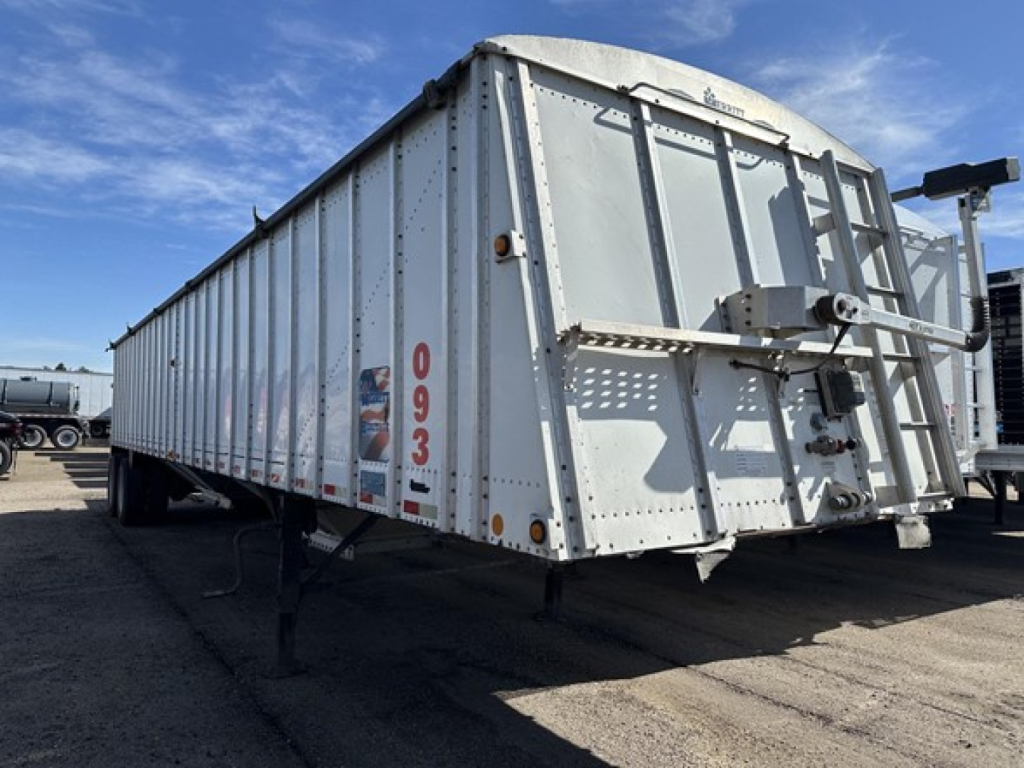
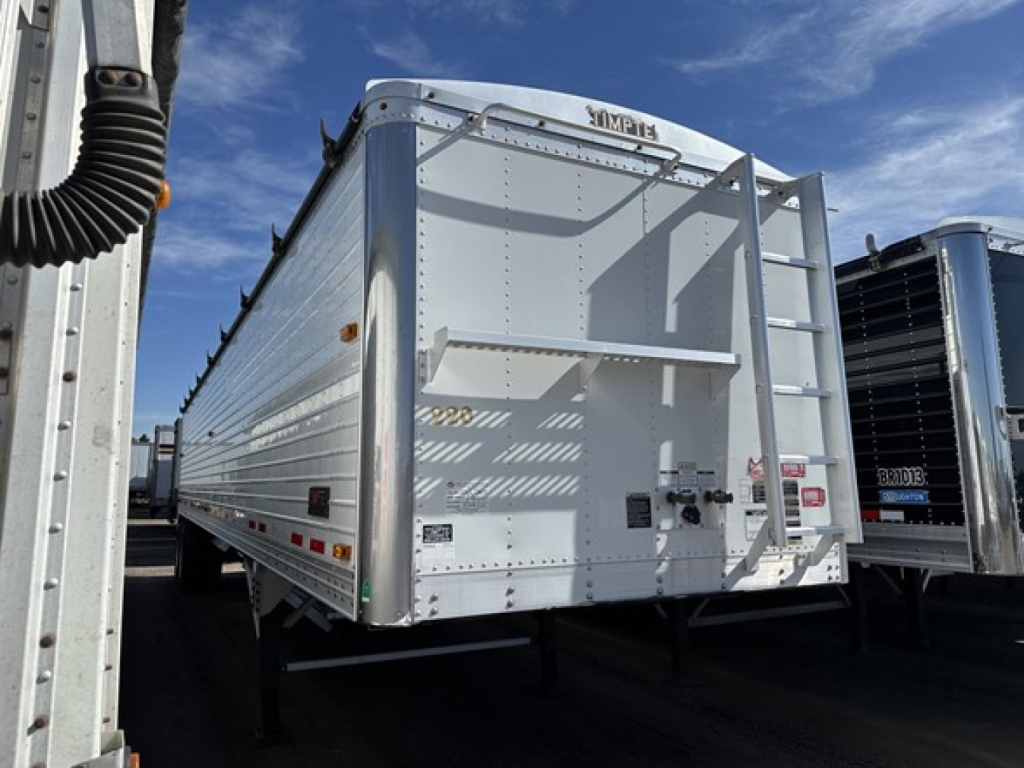
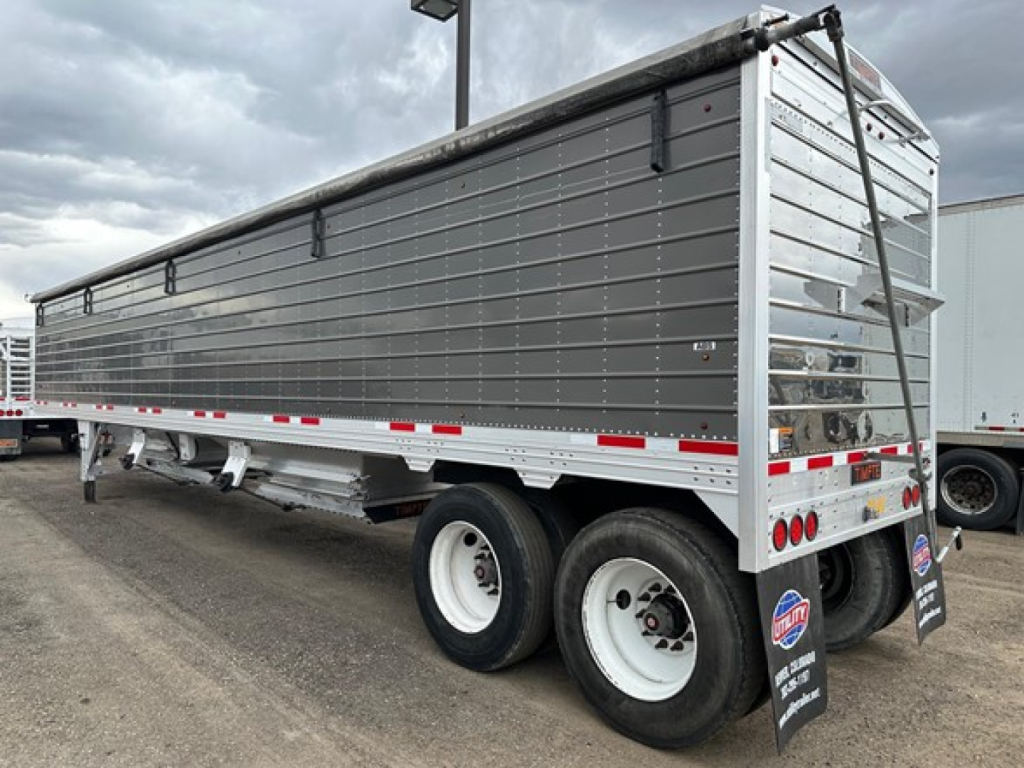
Browse used hopper trailers in Colorado, including grain and ag hoppers with air ride, roll tarps, aluminum construction, and tandem axles.
Learn more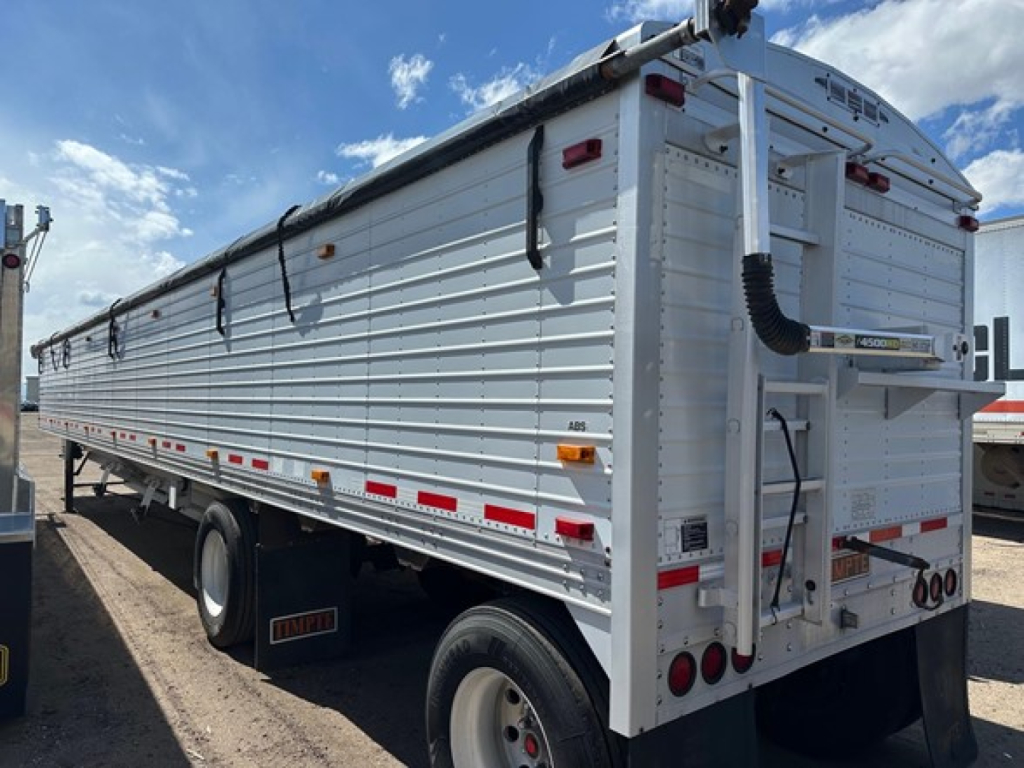
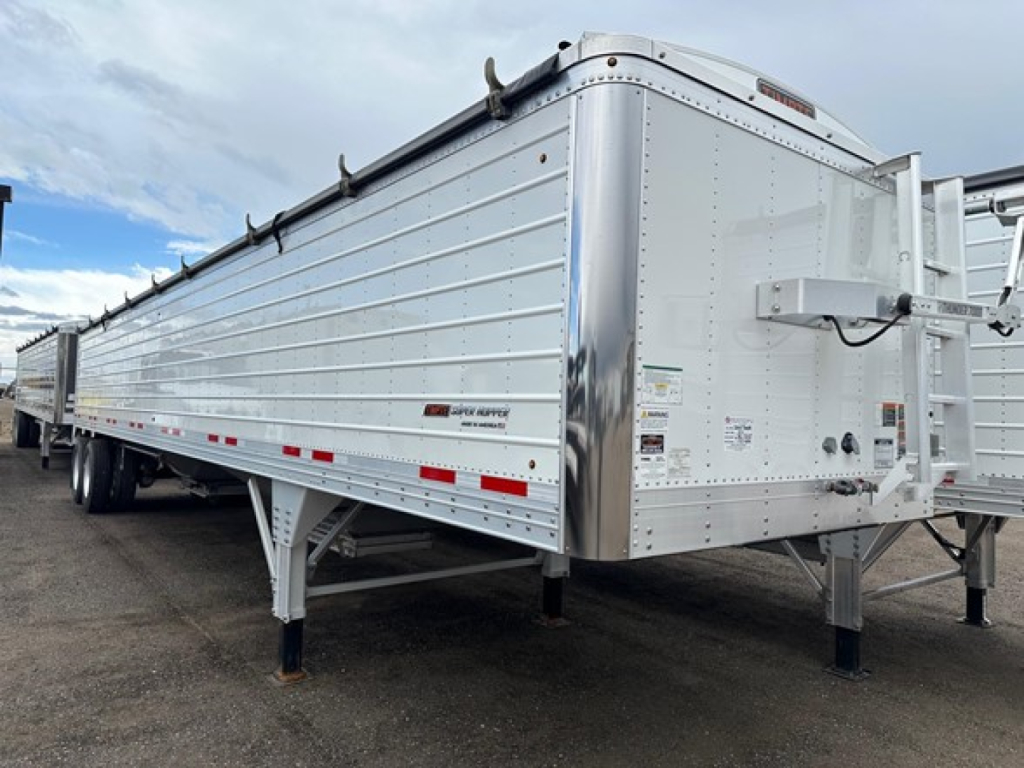
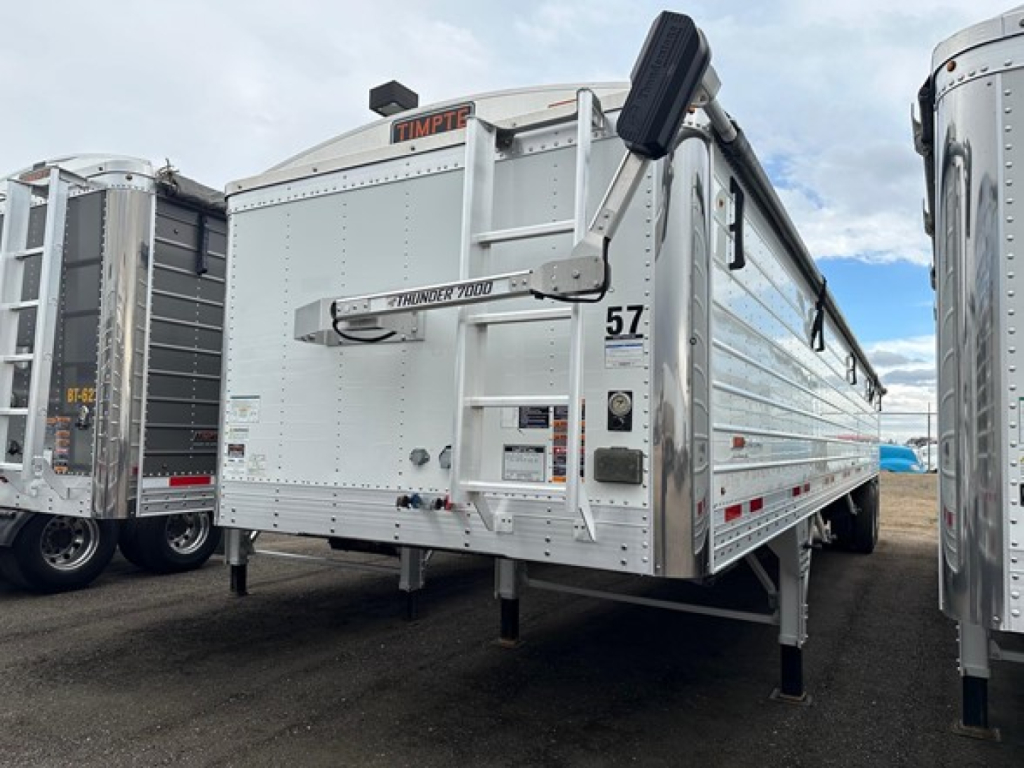
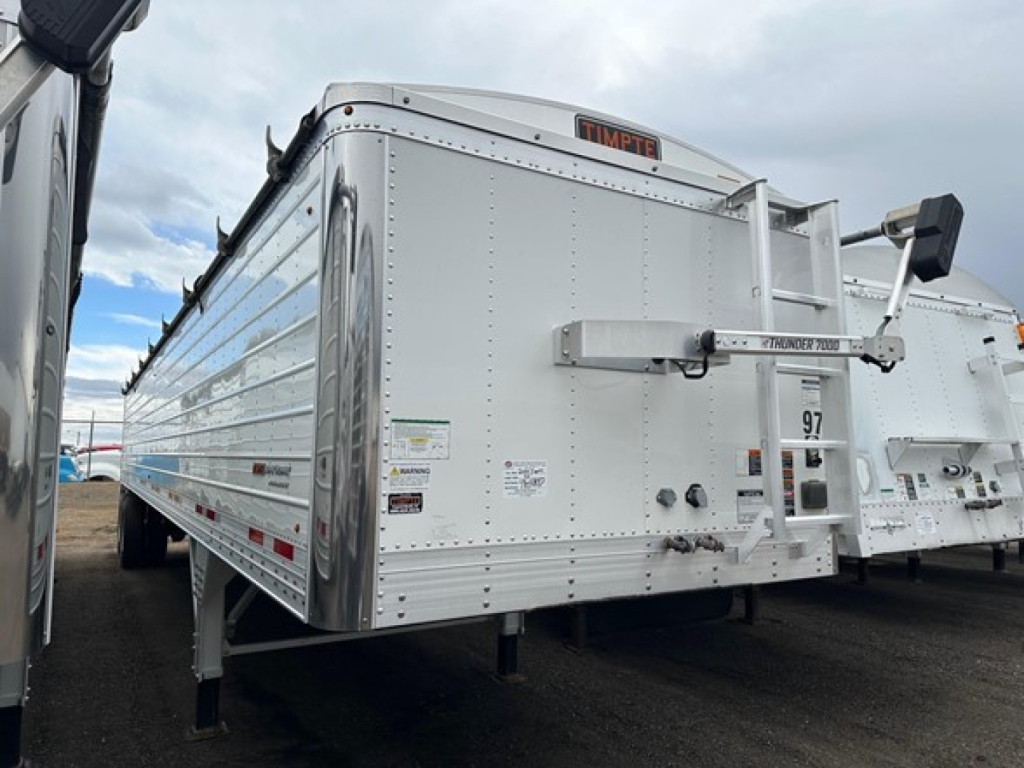
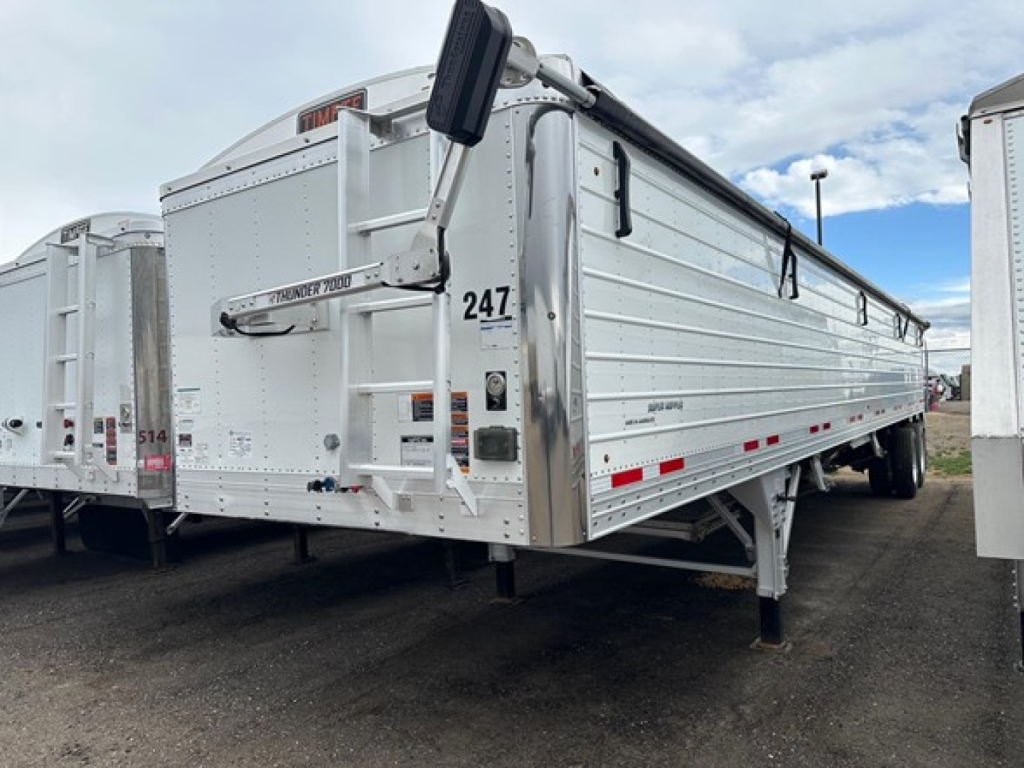
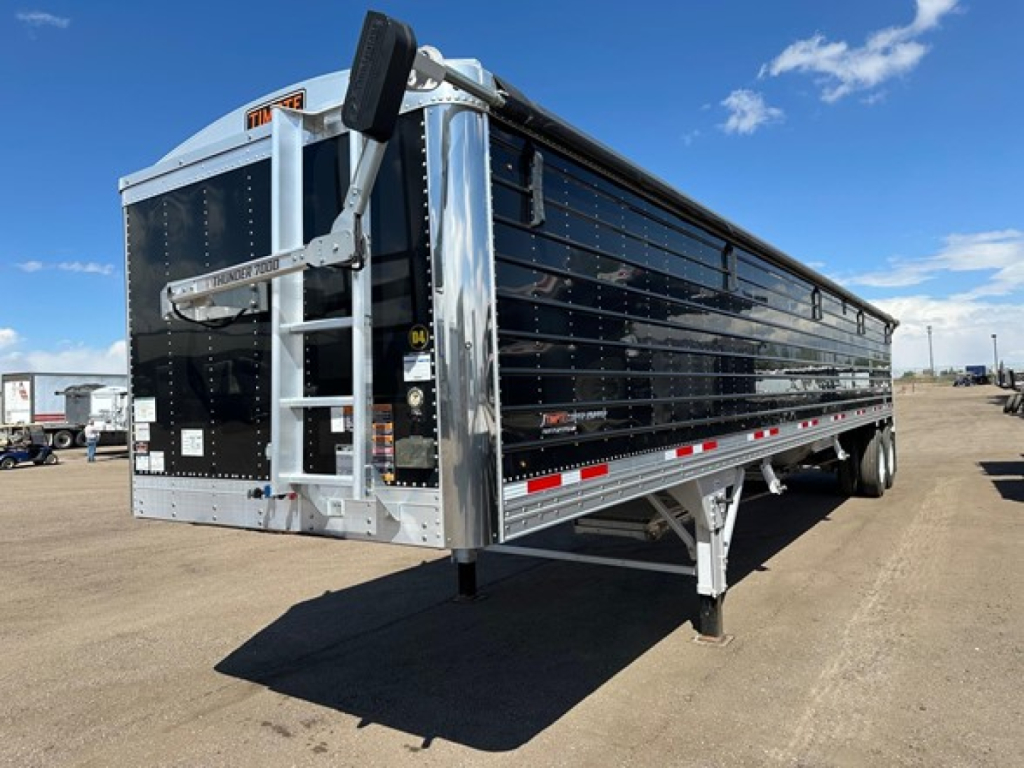
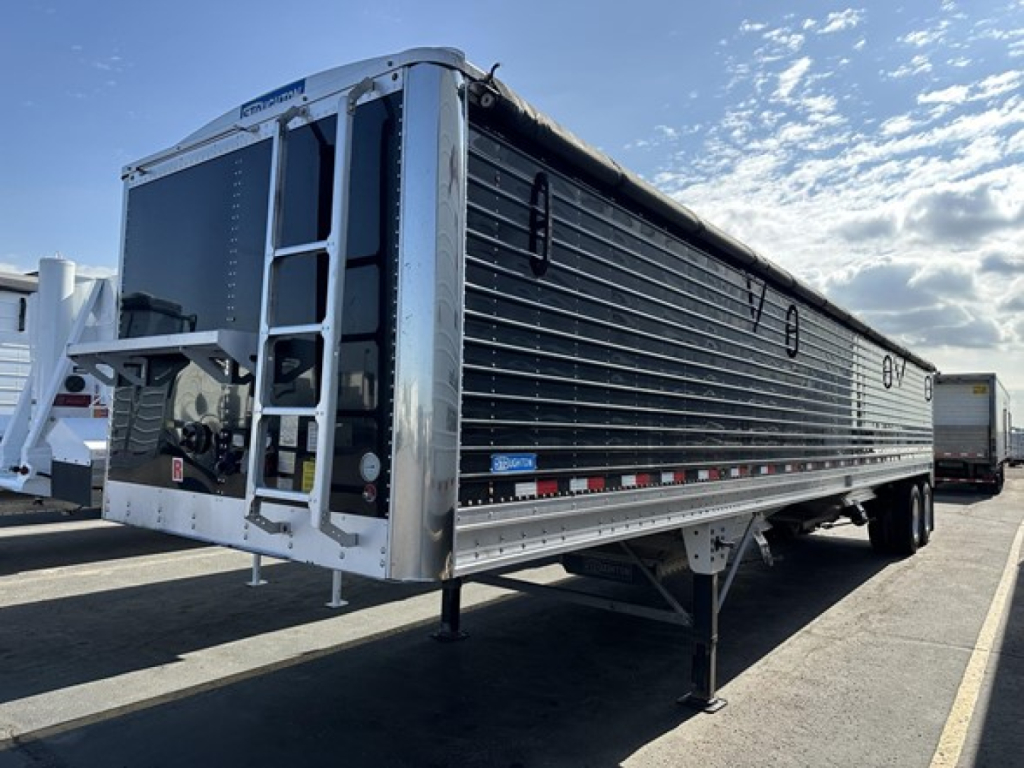
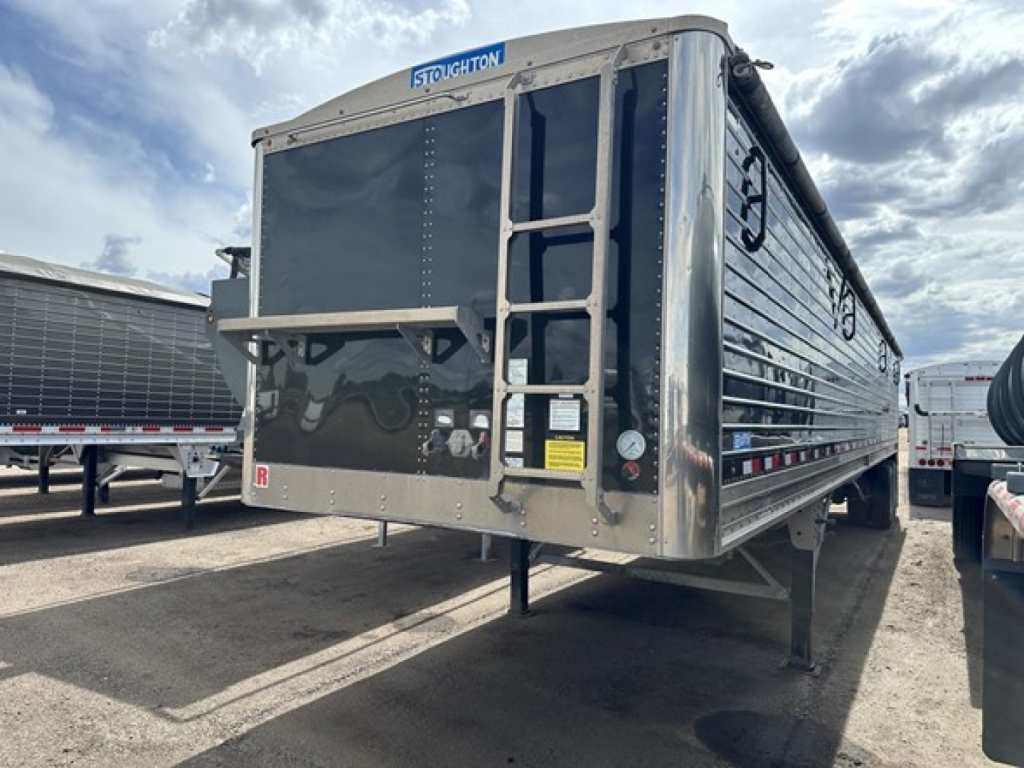
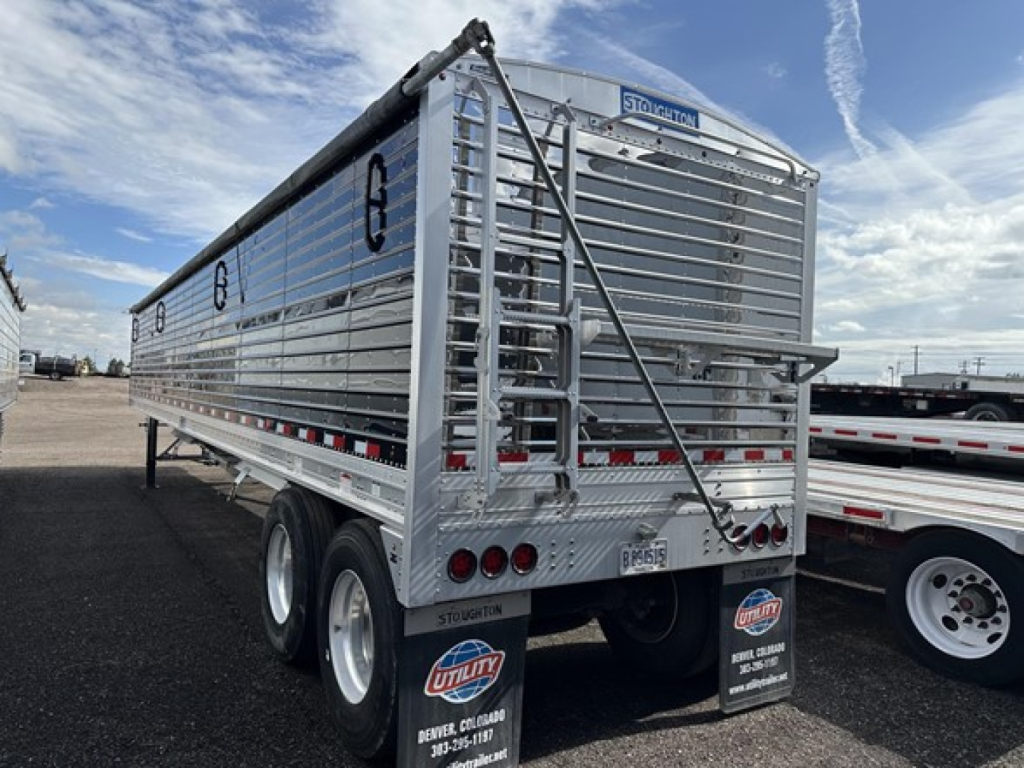
Showing 1 to 12 of 21 results
Have used hopper trailer to sell? List it here to reach thousands of buyers.
About Used Hopper Trailers in Colorado
The first buying decision is usually body size versus payload strategy. A 40-foot hopper can be a strong fit for tighter farm approaches, lighter empty weight, and operators balancing bridge laws with axle placement. A 42-foot trailer is a common middle ground for grain hauling, while 50-foot units push overall volume for lower-density commodities. Side height, hopper opening design, and gate style affect how the trailer handles corn, wheat, soybeans, meal, pellets, or blended feed. Corrugated side panels are common for strength with low tare weight, and stainless front corners or rear panels are often specified in high-wear areas to improve durability and appearance over time.
Suspension, running gear, and access equipment deserve close attention on a used hopper trailer. Air ride suspensions are common because they help protect commodity quality and improve road manners on uneven rural routes. Tandem axle configurations may be closed tandem or spread axle depending on state law, bridge requirements, and loading preference. Wheel material, tire size, brake condition, and trap hardware condition all affect operating cost. Many buyers also look for practical details such as manual or electric roll tarp systems, ladders, catwalks, trap work lights, dump valves, and load gauges or scale systems. On used units, inspect the traps for smooth operation, look for cracking around hopper supports and crossmembers, and check for prior repairs near kingpin structure, suspension hangers, and rear frame sections.
Colorado buyers should also think about route profile and weather exposure. Mountain grades, wind, and seasonal moisture put extra value on good brakes, solid tarp seals, and a straight, tight trailer that sheds water and keeps product dry. If the trailer will handle fertilizer or corrosive materials, liner condition, gate sealing surfaces, and any corrosion at seams and hardware become more important than cosmetic appearance. A well-matched used hopper trailer should balance cubic capacity, legal payload, discharge speed, and long-term structural condition so it can move bulk product efficiently without constant trap, tarp, or suspension repairs.
Frequently Asked Questions
What size used hopper trailer is most common for grain hauling?
The most common used grain hopper sizes are typically 40-foot, 42-foot, and 50-foot trailers with a 96-inch width. A 40-foot or 42-foot hopper is often preferred for general grain work because it balances cubic capacity, maneuverability, and legal payload. A 50-foot hopper usually targets lighter-density commodities where cube matters more than gross weight.
What should I inspect first on a used hopper trailer?
Start with the structure and discharge system. Check the subframe, crossmembers, kingpin area, suspension mounts, hopper slopes, and rear frame for cracks, repairs, or corrosion. Then inspect the traps, gate seals, crank mechanisms, tarp system, brakes, tires, and wheel ends. A hopper trailer can look clean and still need expensive trap work or structural repair, so function matters more than appearance.
Are air ride suspensions better on hopper bottom trailers?
Air ride is common on hopper bottom trailers because it improves ride quality and helps reduce vibration to both the trailer and the commodity. It can also help with handling on uneven county roads and rough loading areas. Mechanical suspensions still have their place, but many buyers prefer air ride for grain, feed, and longer-haul agricultural service.
What is the difference between ag hoppers and standard hoppers?
Ag hoppers usually refer to hopper openings and trap arrangements designed for agricultural commodities such as grain, corn, soybeans, and feed ingredients. The exact dimensions and hardware vary by manufacturer, but the goal is fast, controlled gravity discharge into pits, augers, or conveyors. Standard hoppers may differ in opening size, gate style, or intended material flow characteristics.
Do tarp type and side height matter on a used hopper trailer?
Yes. Side height directly affects cubic capacity, which is critical when hauling lighter commodities. Tarp type matters because a poor tarp seal can lead to water intrusion, product loss, and failed inspections. Manual roll tarps are simple and common, while electric tarp systems add convenience and speed. On a used hopper, verify that the tarp arms track correctly, the fabric is intact, and the bows and seals are not bent or worn out.