
Used Fontaine Trailers For Sale in Pennsylvania
Shop used Fontaine trailers in Pennsylvania, including flatbeds, drop decks, extendables, and lowboys built for demanding freight.
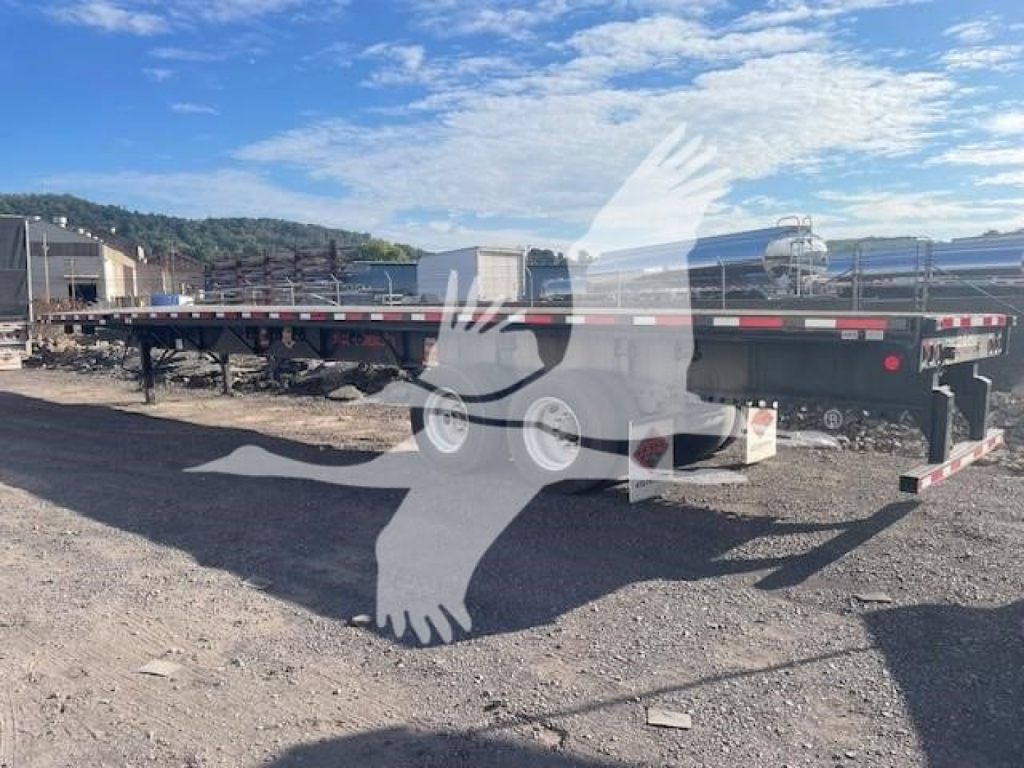
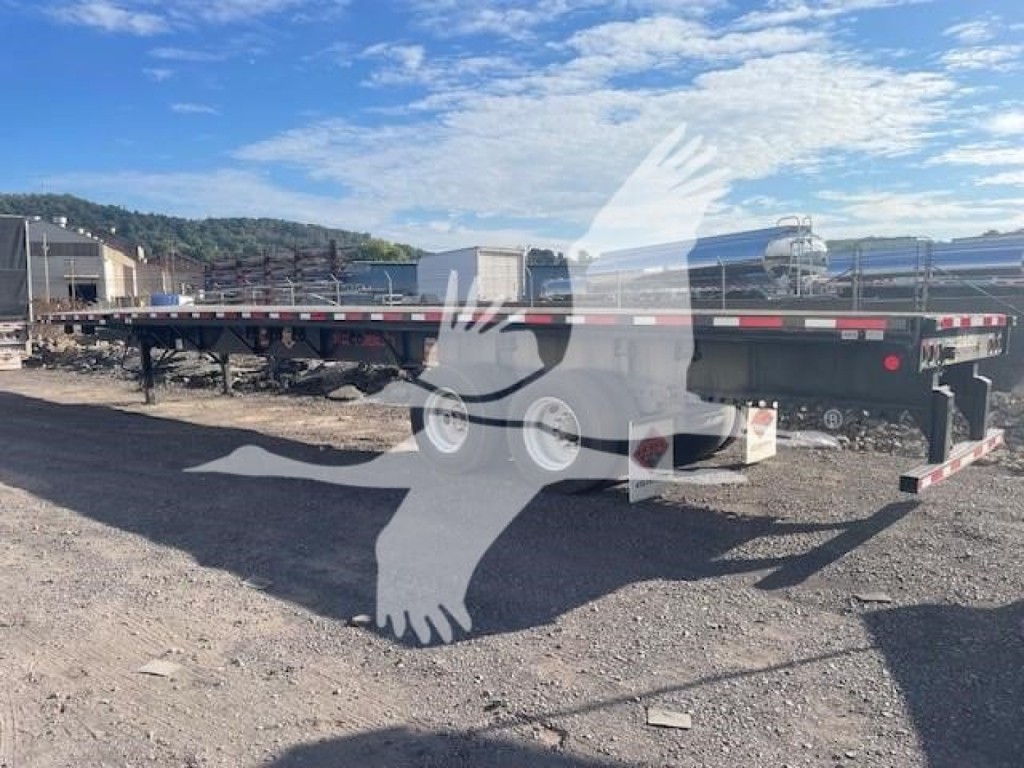
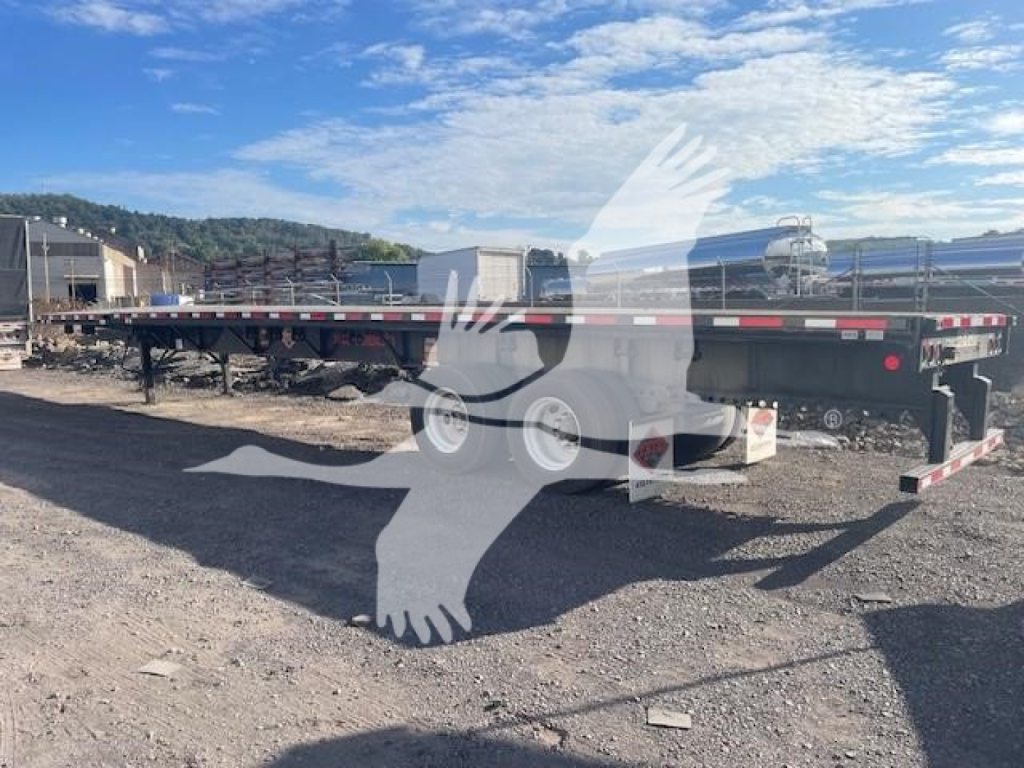
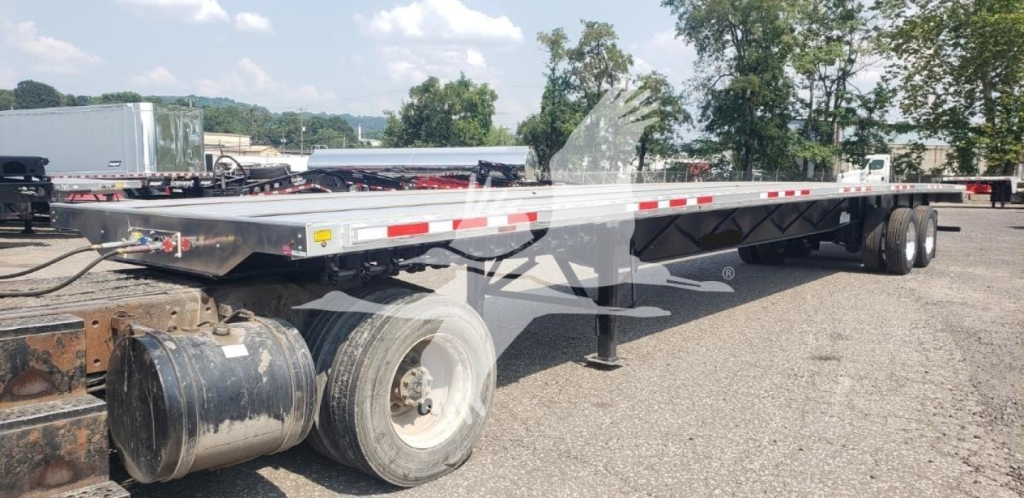
Showing 25 to 41 of 41 results
Have used fontaine trailer to sell? List it here to reach thousands of buyers.
Used Fontaine Trailers in Pennsylvania
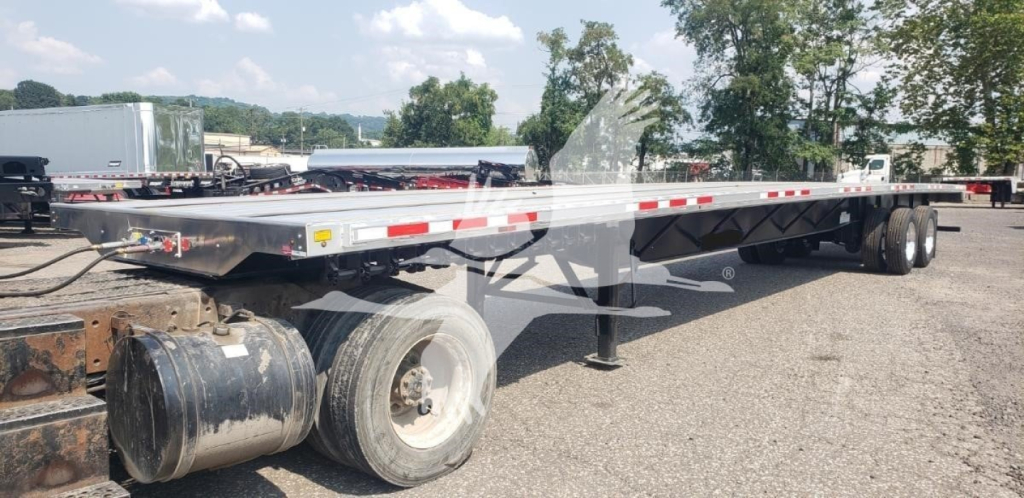
For general flatbed work, Fontaine combo and steel models are often selected based on tare weight versus durability. Combo trailers use aluminum and steel to reduce empty weight while still giving good structural strength in key stress areas. That can help when hauling dense legal loads like steel, palletized material, or machinery where payload matters. Extendable flatbeds add flexibility for long freight such as pipe, structural components, precast material, or fabricated equipment. Buyers should pay close attention to closed length, extended length, extension lock spacing, flooring type, crossmember spacing, and winch track configuration. A 48- to 80-foot extendable with Apitong flooring, structural channel side rails, and air ride can cover a wide range of overlength freight, but maintenance condition at the expansion area, locking system, and wiring through the extension is critical on a used trailer.
Fontaine drop deck and lowboy trailers are built for taller freight and heavier equipment. A combo drop deck is a common fit for freight that needs lower deck height without stepping all the way into specialized heavy haul. Main deck height, top deck length, axle spread, and kingpin setting all affect loading flexibility and bridge compliance. On lowboys, the big variables are detachable gooseneck style, deck height, outriggers, D-ring placement, flip axle provisions, and suspension design. A 55-ton hydraulic detachable lowboy, for example, is a very different tool than a standard drop deck. Buyers should verify whether a flip axle is included, how the trailer is configured for load concentration, and whether the deck has features like hammer plates, load-bearing wheel areas, removable outriggers, and covered tool storage. Those details directly affect what iron the trailer can legally and safely carry.
When comparing used Fontaine trailers, inspect the areas that drive long-term cost. Look closely at the frame rails, neck structure, crossmembers, suspension hangers, air ride components, landing gear mounts, and rear impact area. Check deck wear, apitong condition, scuffing around chain pull points, winch track integrity, and signs of repairs near concentrated load zones. Tire size, wheel material, axle spacing, dump valve setup, and lighting can all influence operating cost and ease of service. Fontaine trailers tend to attract buyers who want straightforward specs and broad parts support, but the right used trailer still comes down to freight profile, route restrictions, and how much specialization your operation really needs.
Frequently Asked Questions about Used Fontaine Trailers in Pennsylvania
What types of Fontaine trailers are most common on the used market?
The most common used Fontaine trailers are flatbeds, combo flatbeds, drop decks, extendable flatbeds, and detachable lowboys. Flatbeds and combo flats are usually aimed at general freight and building materials. Drop decks help with taller freight that would exceed legal height on a standard flatbed. Extendables are used for overlength loads such as pipe, steel, and structural components. Lowboys are specialized for heavy equipment and concentrated loads.
What should I check first on a used Fontaine extendable trailer?
Start with the extension system because it is the most trailer-specific wear area. Inspect the inside track or beam sections for straightness, rust, cracks, and evidence of hard use. Check that extension locks engage cleanly at each increment and that air, electrical, and lighting systems function properly through the full extension range. Also inspect the floor, crossmembers, side rails, and winch track because long freight often creates high stress at loading and securement points.
Is a Fontaine combo trailer better than an all-steel trailer?
A Fontaine combo trailer is often better when payload matters because the aluminum-steel construction reduces tare weight. That extra payload can make a real difference on dense legal freight. An all-steel trailer may be preferred in applications with frequent abuse, concentrated forklift traffic, or rough jobsite loading where maximum durability is the priority. The better choice depends on freight type, loading method, and how much empty weight affects revenue in your operation.
What matters most when buying a used Fontaine lowboy?
Capacity rating, detachable gooseneck type, deck height, axle configuration, and included accessories matter most. Confirm the ton rating in the loaded area length you plan to use, not just the headline capacity. Check whether the trailer has hydraulic or mechanical detach, whether a flip axle is included, and how the outriggers, D-rings, and deck reinforcements are arranged. On a used lowboy, service records and structural condition around the neck, main beams, rear frame, and suspension are especially important.
Why do kingpin setting and axle spread matter on Fontaine trailers?
Kingpin setting and axle spread affect tractor fit, bridge compliance, turning characteristics, and weight distribution. A trailer with the wrong kingpin setting can create clearance problems with fairings or place weight poorly on the drives and trailer axles. Axle spread and sliding suspension position also influence how easily the trailer can be scaled legally. These details are easy to overlook, but they have a direct effect on day-to-day usability and load planning.