
Eager Beaver Trailers For Sale
Browse Eager Beaver trailers for hauling equipment, machinery, and materials, including tag trailers with beavertails, ramps, and 20 to 25 ton ratings.
Showing 29 to 35 of 35 results
Looking for the easiest place to sell your eager beaver trailer? List it here to reach thousands of buyers.
Eager Beaver Trailers
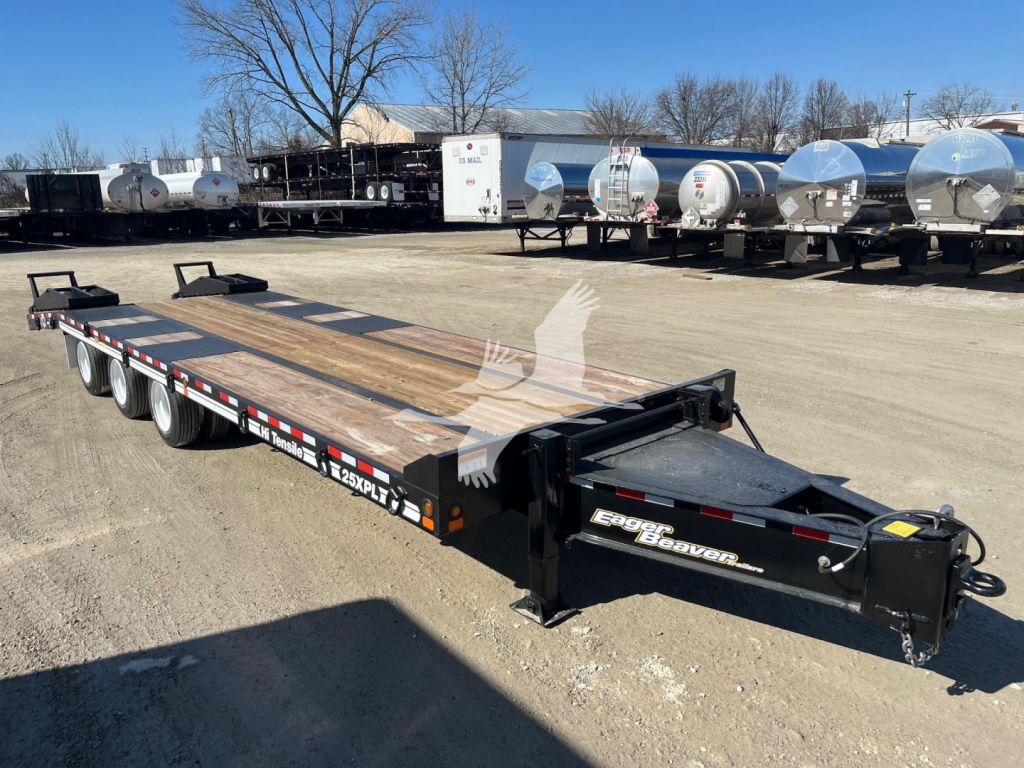
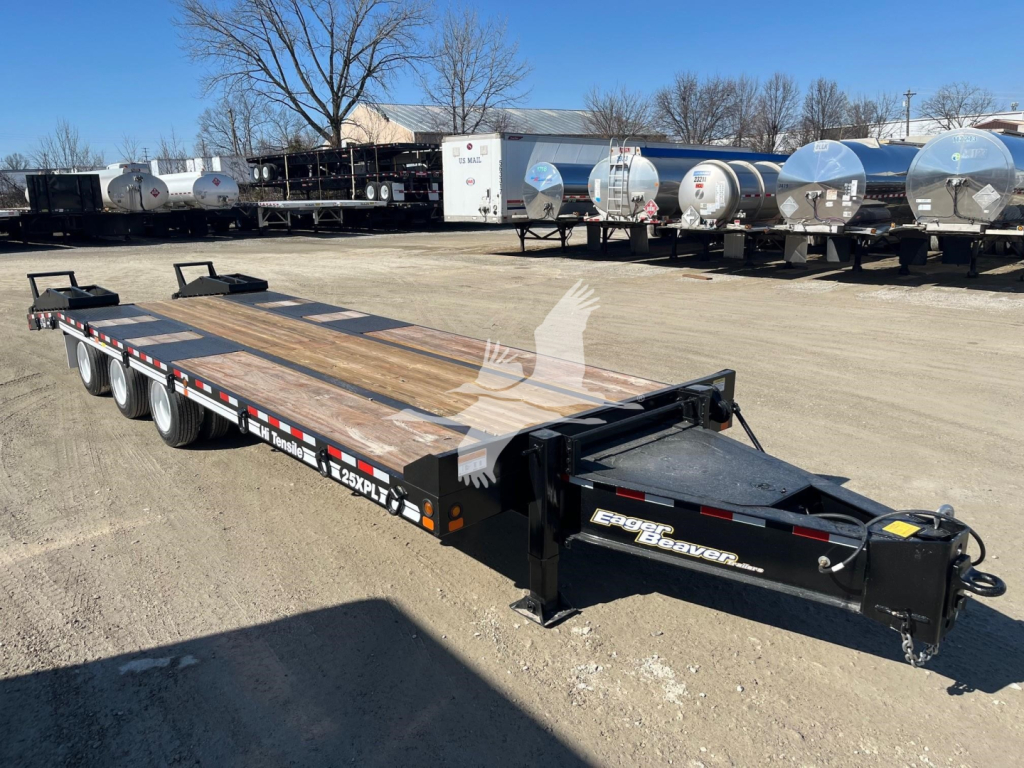
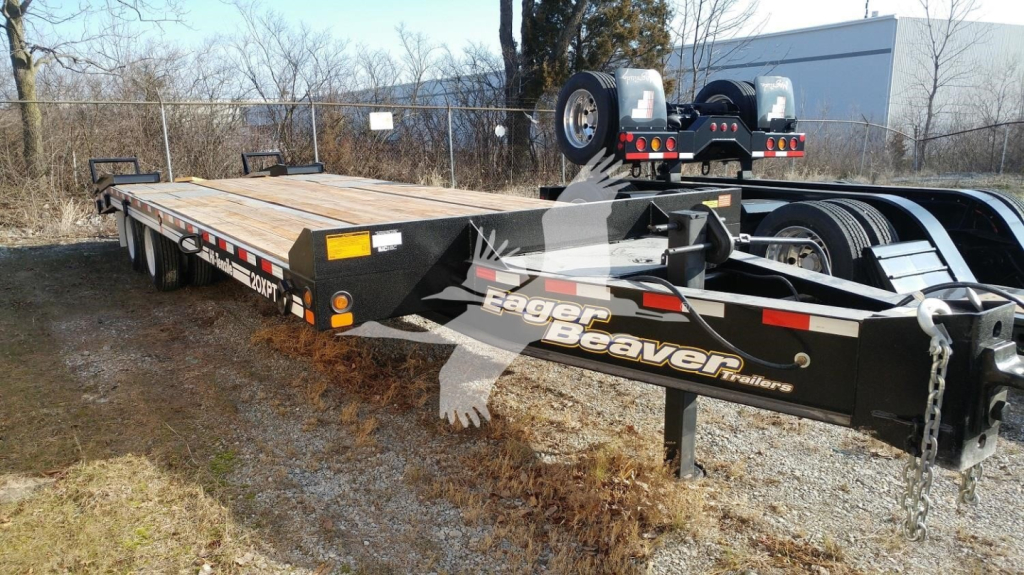
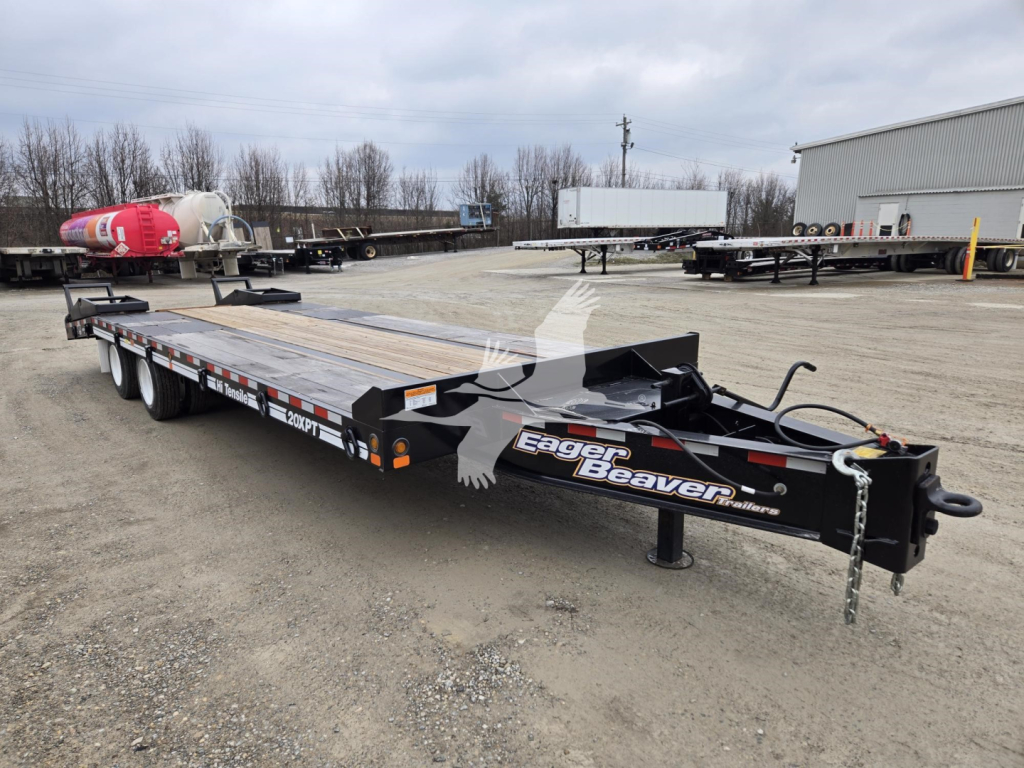
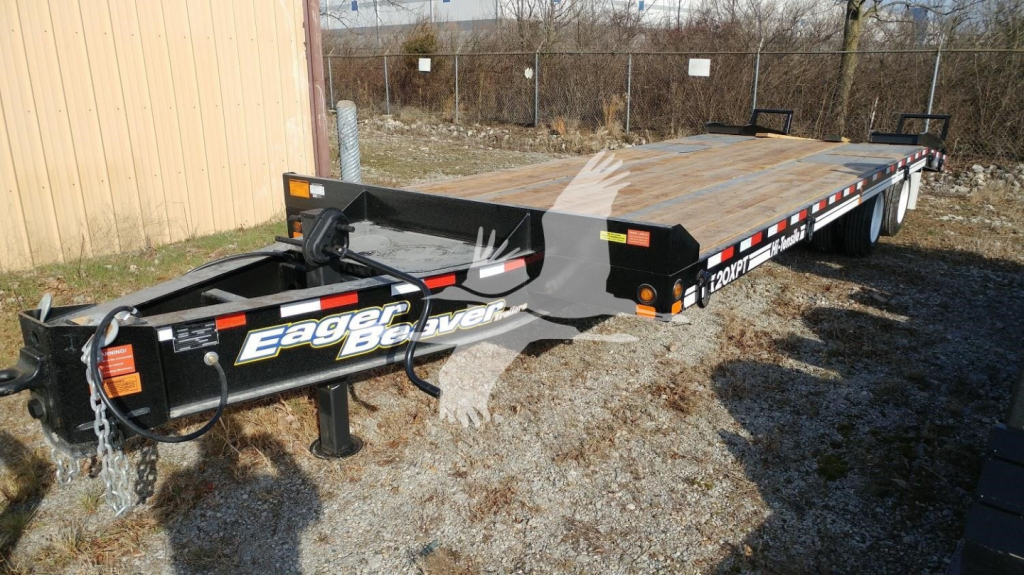
The first decision is usually capacity and axle group. A 20 ton tandem-axle trailer fits many compact and mid-size machines, attachments, and general equipment moves while keeping tare weight lower. A 25 ton tri-axle setup gives more margin for heavier construction iron, better load distribution, and improved flexibility when hauling machines with buckets, blades, or counterweights that shift axle loading. Deck height matters too. Many Eager Beaver tags in this class sit around 34 inches high with a 6-foot beavertail and roughly an 8-degree load angle, which helps with ground clearance and loading stability for rollers, skid steers, mini excavators, backhoes, and some dozers depending on undercarriage and attachment setup.
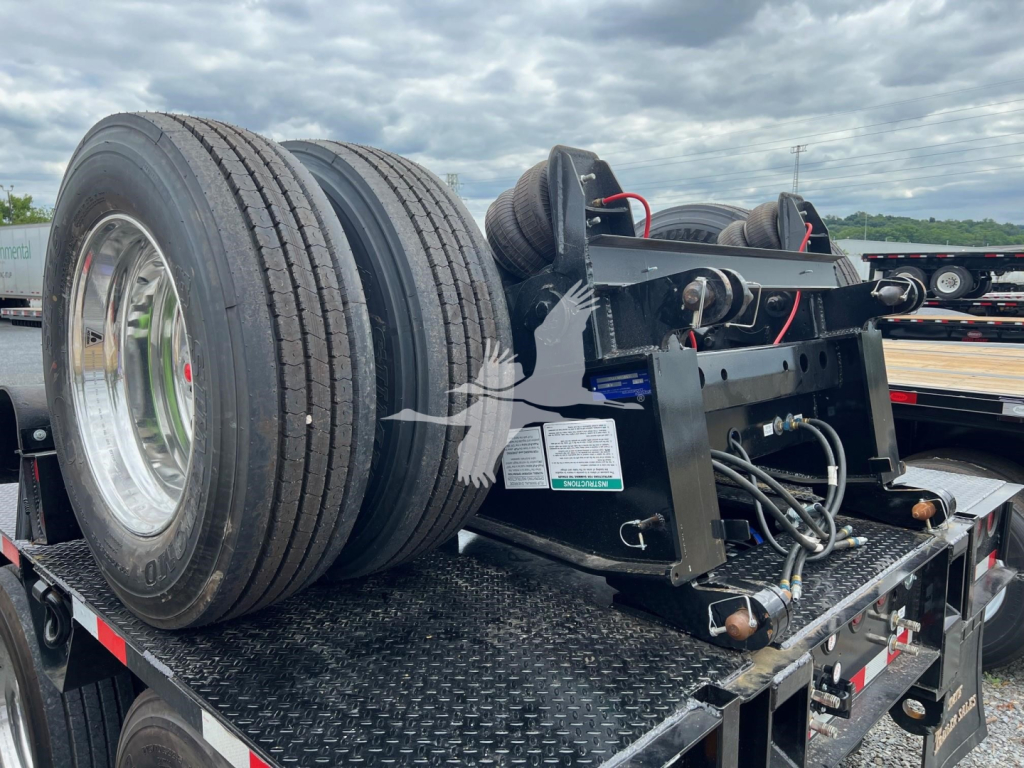
Construction details are where these trailers earn their keep. Typical specs include steel side rails, full-width steel bulkheads, Apitong outer decking with wood center sections, multiple pairs of D-rings, spring ride suspensions, and 17.5-inch tires on steel wheels. Pintle hook adjustment range is an important fit item because it affects trailer attitude, axle equalization, and ramp geometry behind different tow vehicles. Buyers should also look closely at ramp style. Angle iron ramps are simple and durable, while hydraulic or wood-filled ramps can improve loading confidence for rubber-tired equipment and reduce bounce or wheel spin at the transition. A lockable drawbar storage toolbox, spring brakes on all axles, ABS configuration, safety chains, and a lift axle on some 25 ton models are also practical features that affect daily use, maintenance, and compliance.
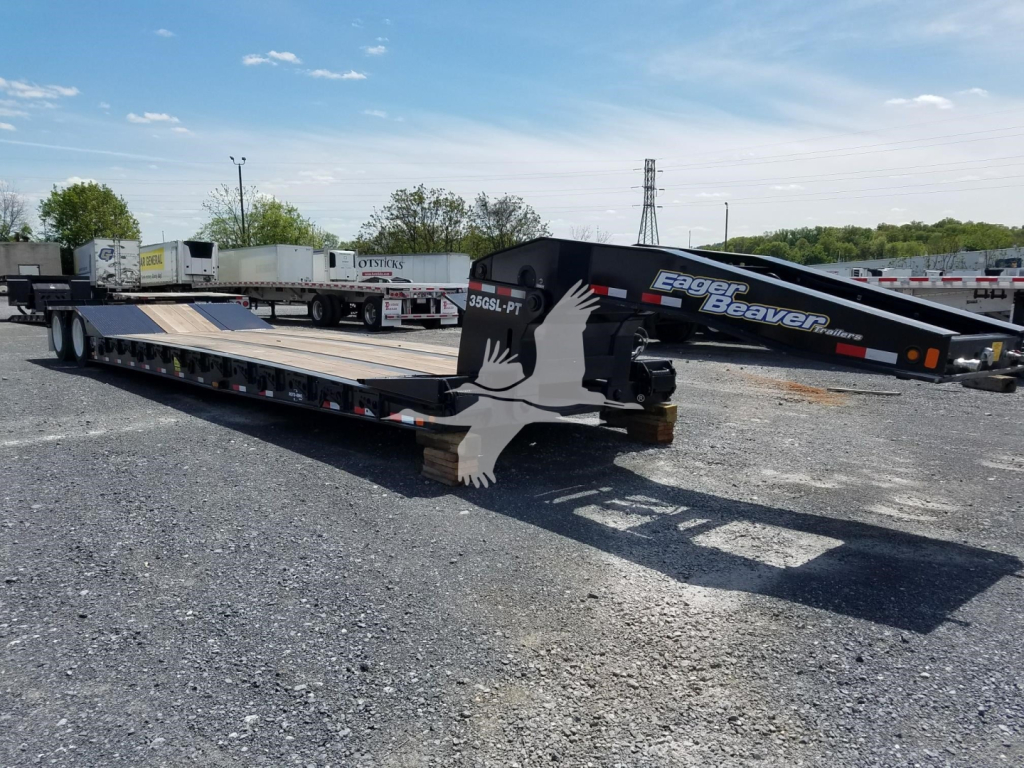
When comparing Eager Beaver trailers for sale, pay attention to usable deck length ahead of the beavertail, tiedown count and placement, suspension type, and empty weight versus payload. A trailer with the right ton rating can still be a poor match if the machine is too long, too concentrated over one axle group, or too low to clear the tail. Buyers hauling mixed fleets should confirm ramp width, bulkhead clearance, and how easily the trailer pairs with existing single-axle or tandem-axle road tractors and heavy-duty trucks. For many operations, Eager Beaver remains a strong choice because these trailers are straightforward, serviceable, and built around real equipment-hauling requirements rather than lightweight spec-sheet numbers.
Frequently Asked Questions about Eager Beaver Trailers
What are Eager Beaver trailers commonly used for?
Eager Beaver trailers are commonly used to haul construction equipment, agricultural machinery, utility equipment, and other heavy loads that need a low deck and rear ramp loading. In the tag trailer segment, they are frequently paired with dump trucks, tandem-axle day cabs, and vocational tractors using pintle hitch connections. Typical cargo includes skid steers, mini excavators, backhoes, rollers, attachments, and support equipment for paving, site work, and municipal maintenance.
What is the difference between a 20 ton and 25 ton Eager Beaver tag trailer?
The main difference is payload capacity, axle configuration, and the kind of machinery the trailer is designed to carry regularly. A 20 ton trailer is often a tandem-axle setup with lower empty weight and good versatility for lighter equipment fleets. A 25 ton trailer is commonly built with a tri-axle arrangement, sometimes including a lift axle, to spread weight more effectively and handle heavier machines with better stability. The 25 ton class also tends to bring more tiedowns, a longer deck, and stronger ramp or tail components.
Why does beavertail length and load angle matter on an equipment trailer?
Beavertail length and load angle directly affect how easily a machine transitions from the ground to the deck. A longer beavertail and lower angle reduce the chance of dragging attachments, belly pans, or low-clearance undercarriages during loading. This is especially important for pavers, scissor lifts, trenchers, and machines with small tires or long wheelbases. A trailer with the right tail geometry can load faster, reduce operator stress, and prevent damage to both the machine and the trailer.
What should I check when matching an Eager Beaver trailer to my truck?
Start with hitch type, pintle height range, brake compatibility, and the truck's rated towing and GCWR limits. Then confirm that the trailer will sit level when loaded, because trailer attitude affects axle loading, tire wear, and braking performance. It is also important to verify connector style, ABS requirements, safety chain sizing, and whether the truck has the suspension and frame strength for repeated heavy tag trailer use. A good truck and trailer match improves control, ramp geometry, and overall legal payload performance.
Are wood-deck Eager Beaver trailers a good choice for equipment hauling?
Yes. Wood-deck equipment trailers remain popular because they provide solid traction, are repairable in sections, and generally handle repeated machine loading well. Deck materials such as Apitong are favored in heavy-haul and equipment applications for durability and wear resistance. Buyers should still inspect deck condition, fastener integrity, and crossmember support, because deck life depends heavily on machine type, climate, and how often steel tracks or concentrated loads are run across the same areas.