
Eager Beaver Trailers For Sale in Pennsylvania
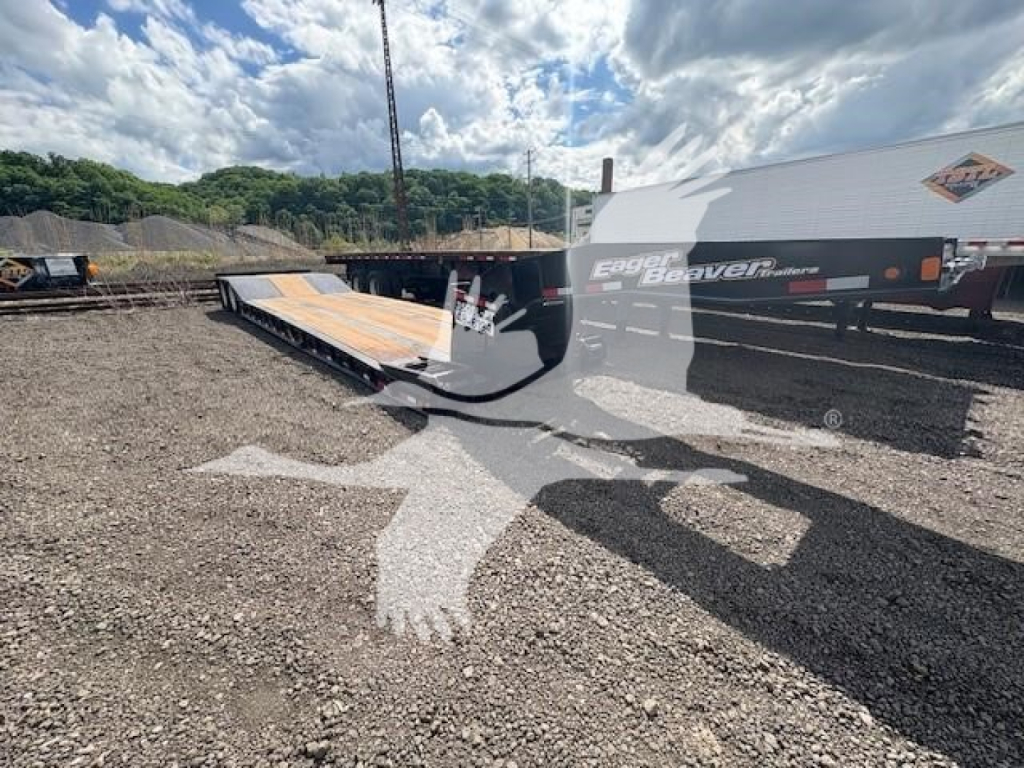
Compare Eager Beaver trailers for sale, including tag trailers, flatbeds, and lowboys built for equipment hauling and heavy-duty jobsite work.
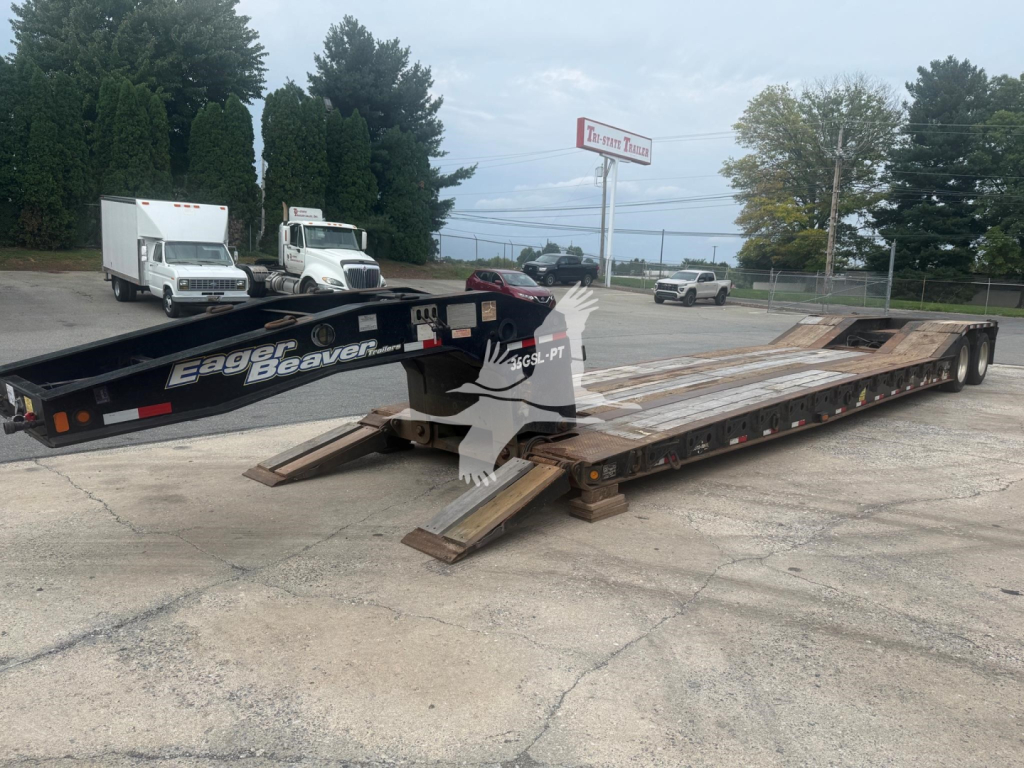
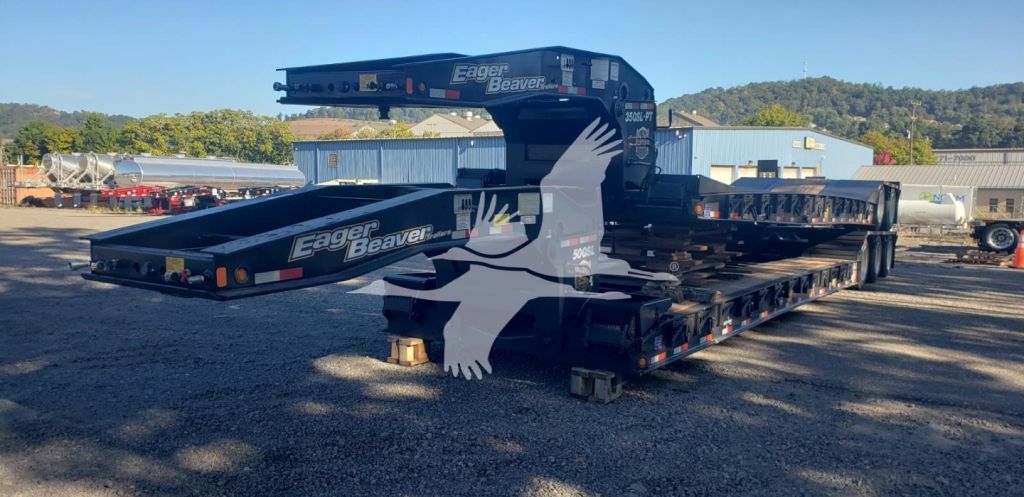
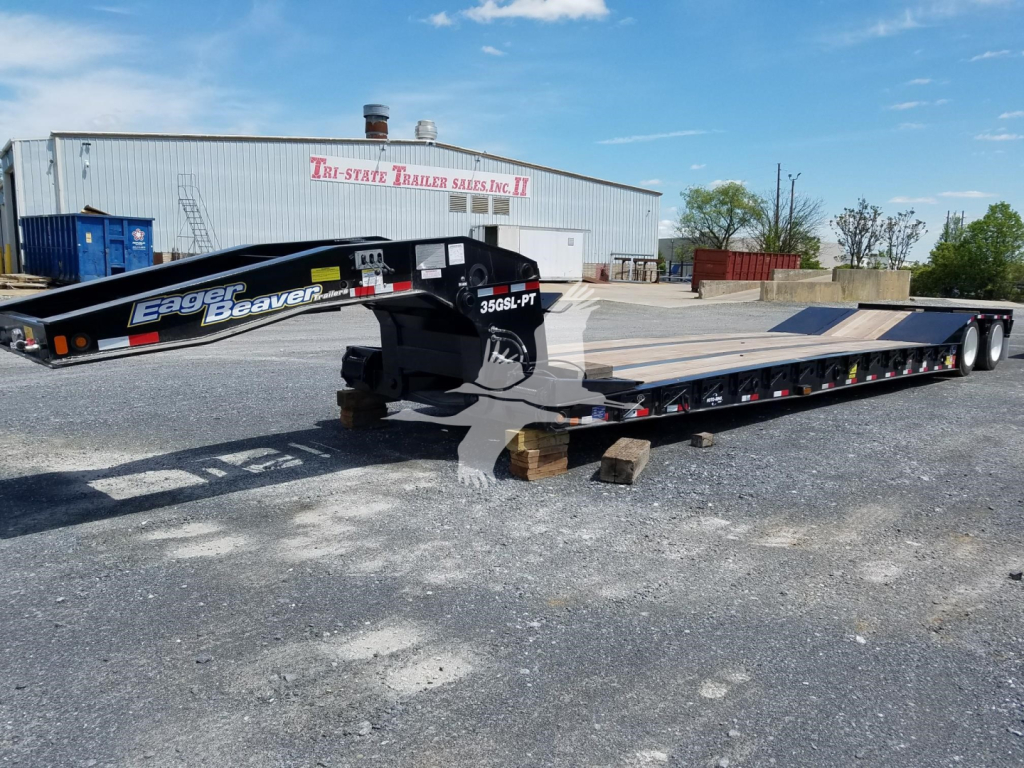
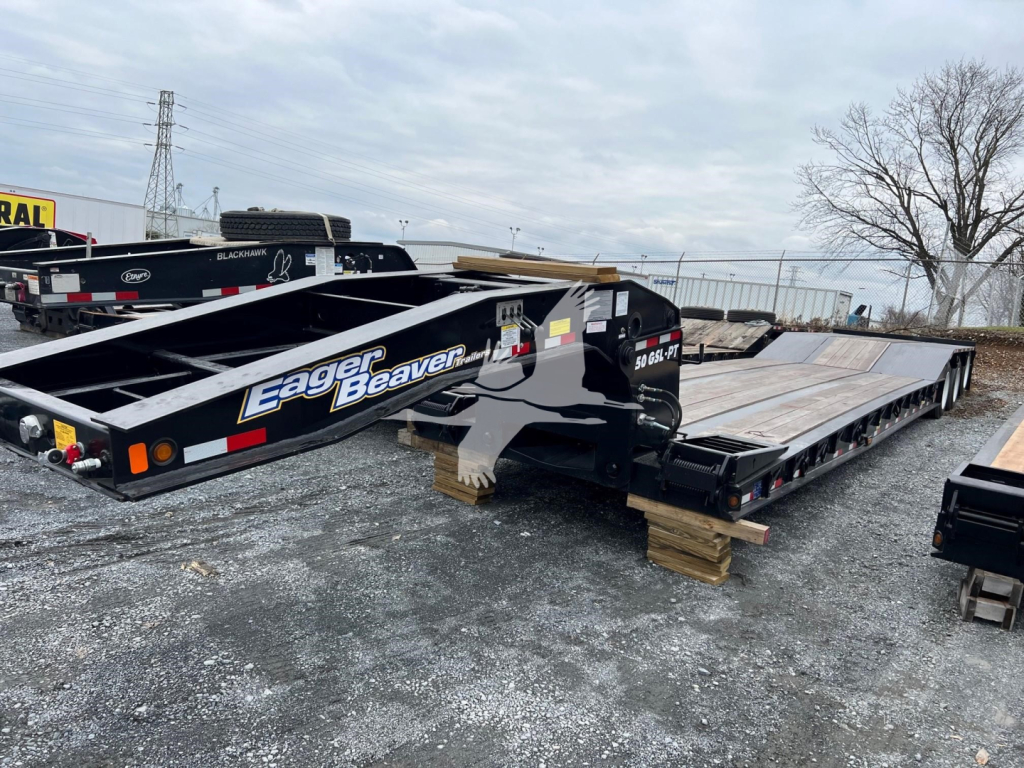
Selling a eager beaver trailer? List your eager beaver trailer for sale and reach thousands of commercial buyers.
Eager Beaver Trailers in Pennsylvania
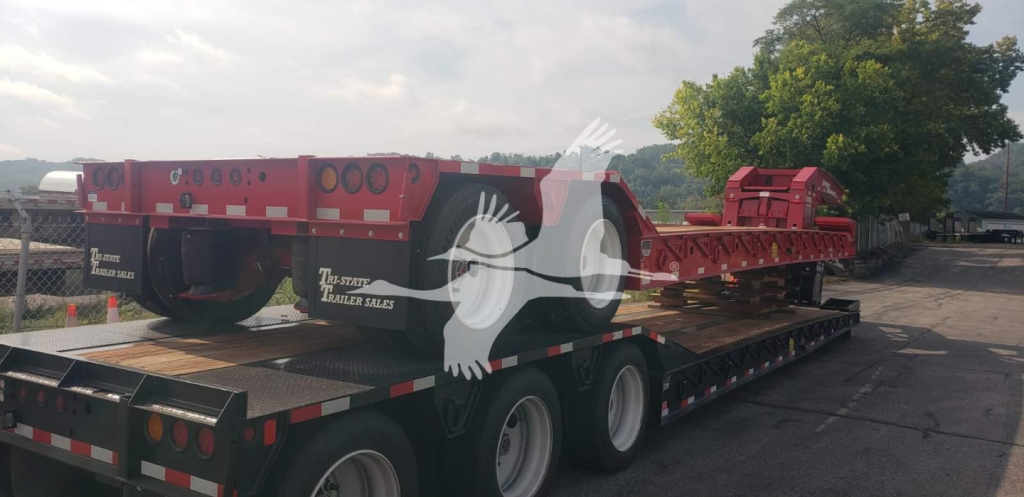
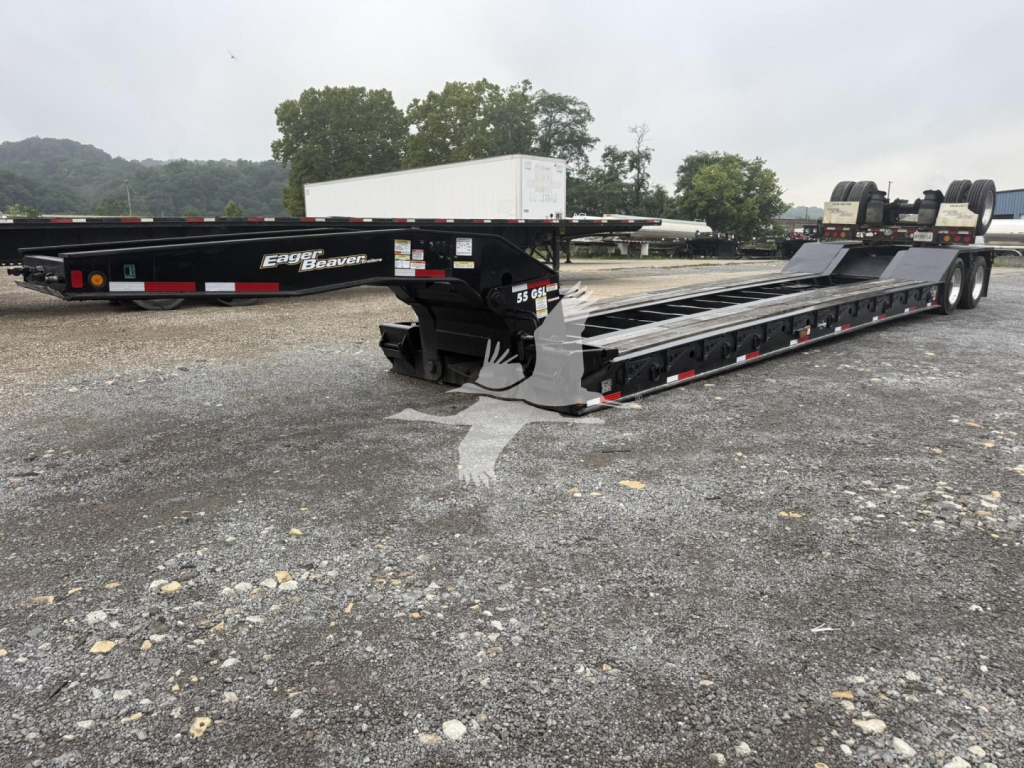
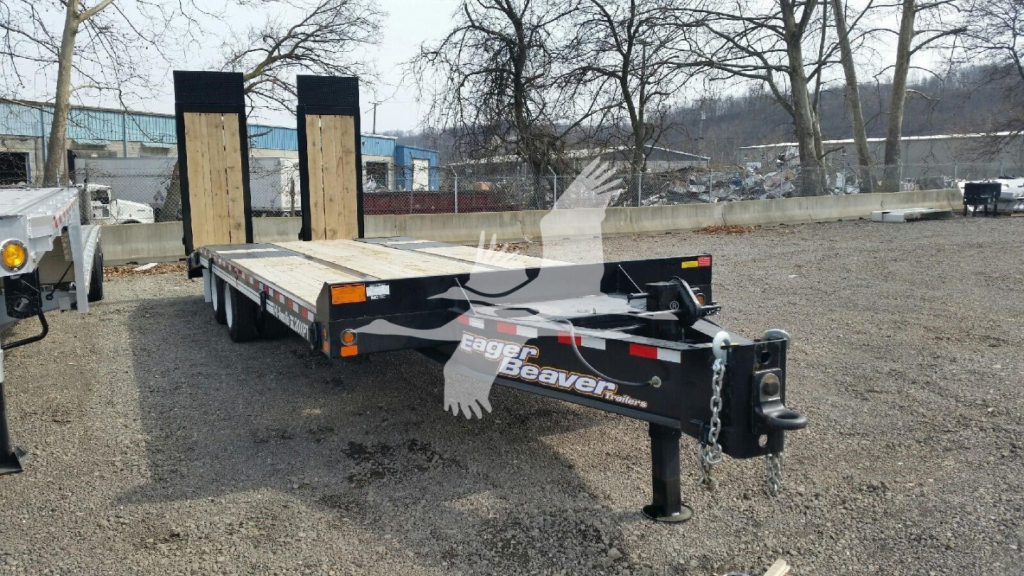
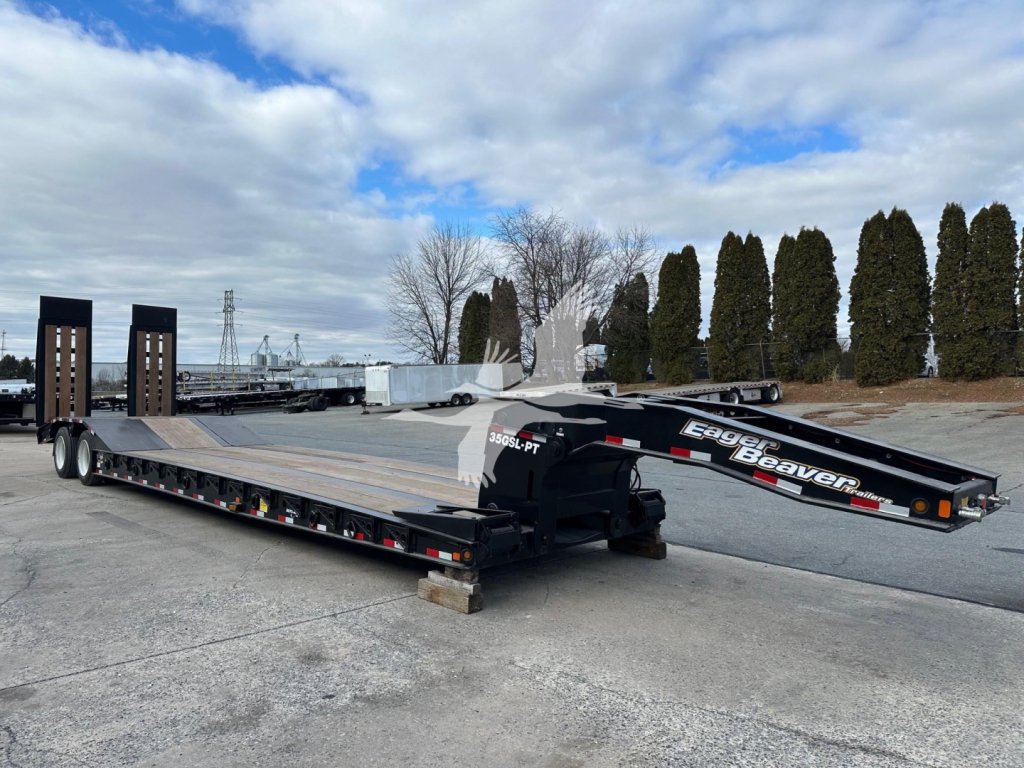
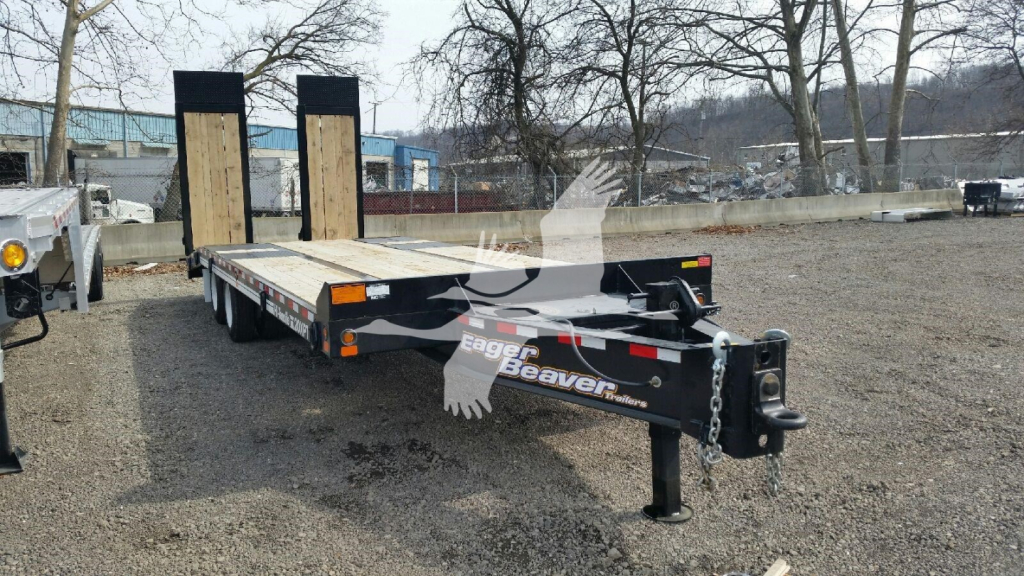
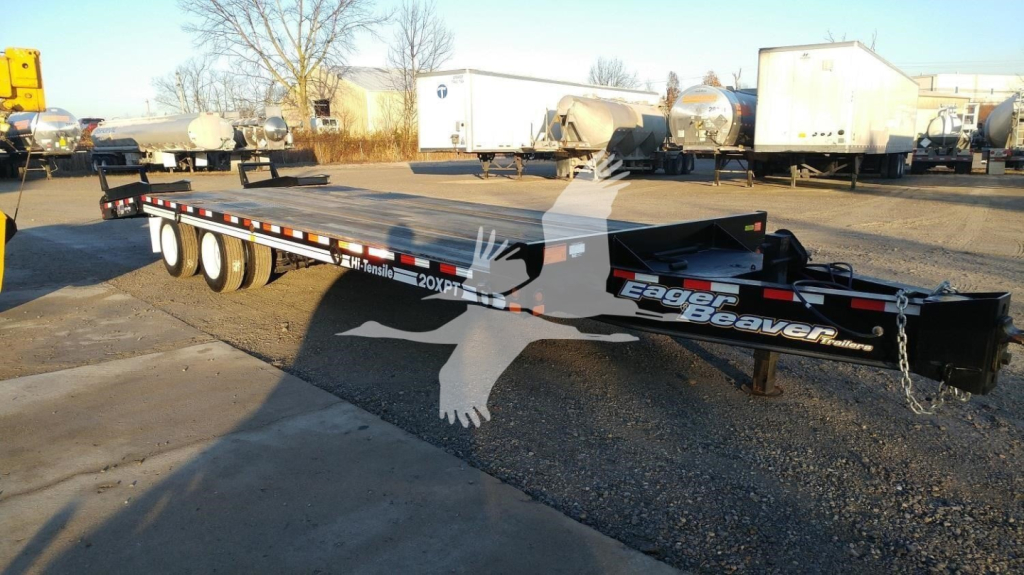
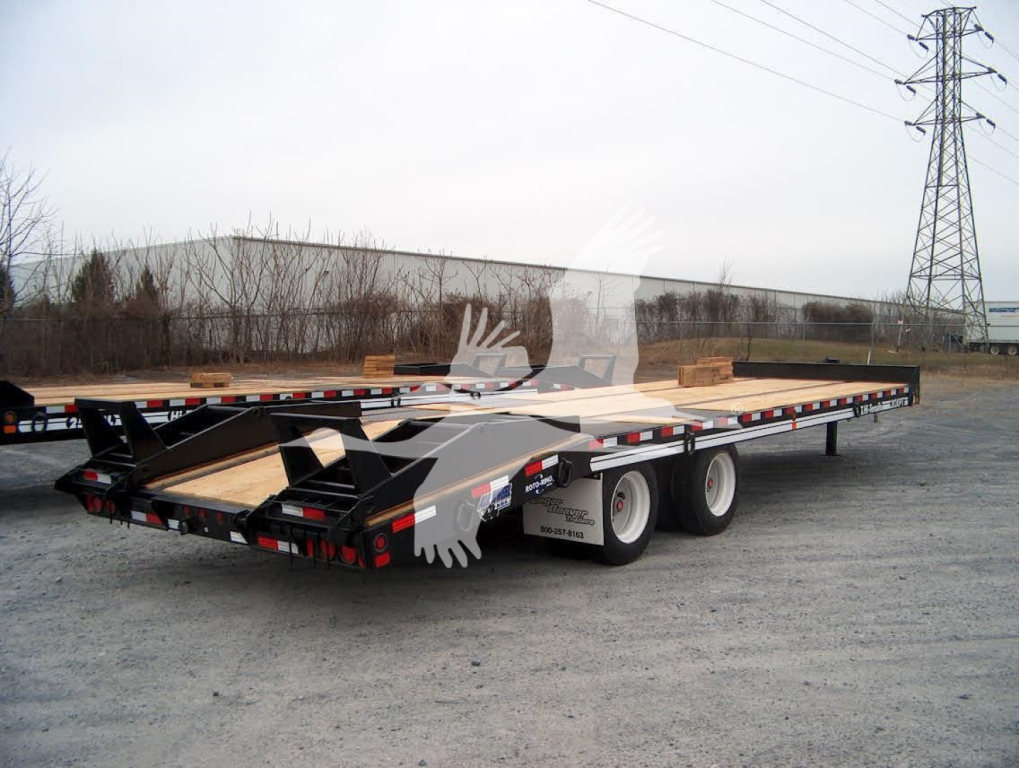
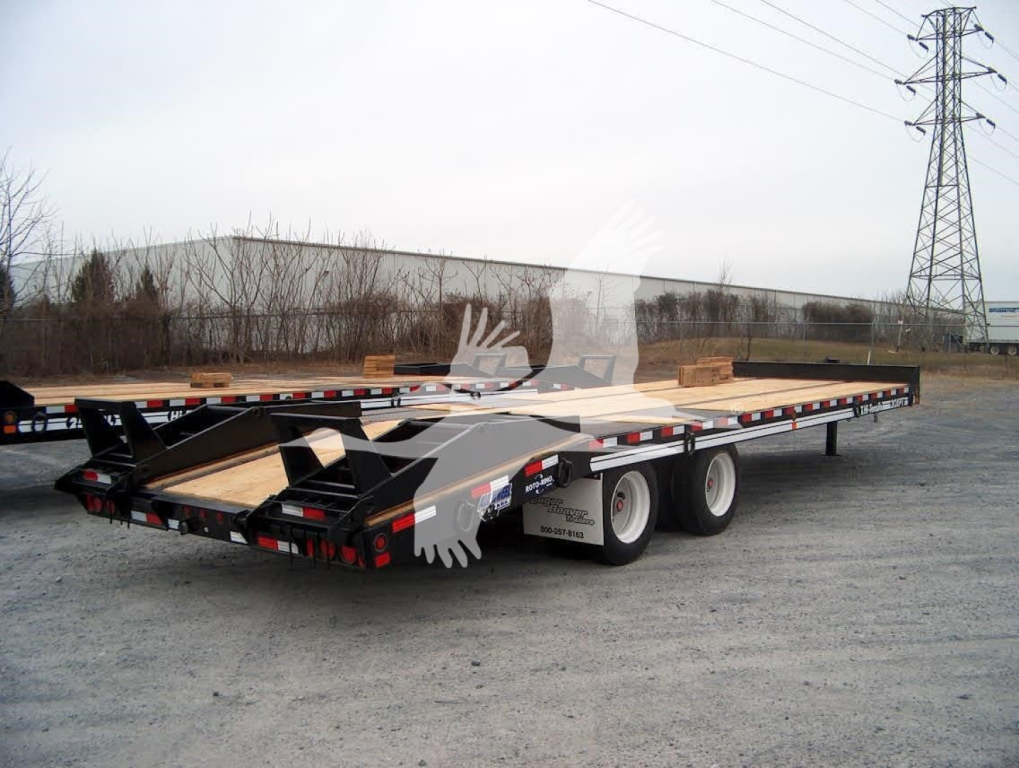
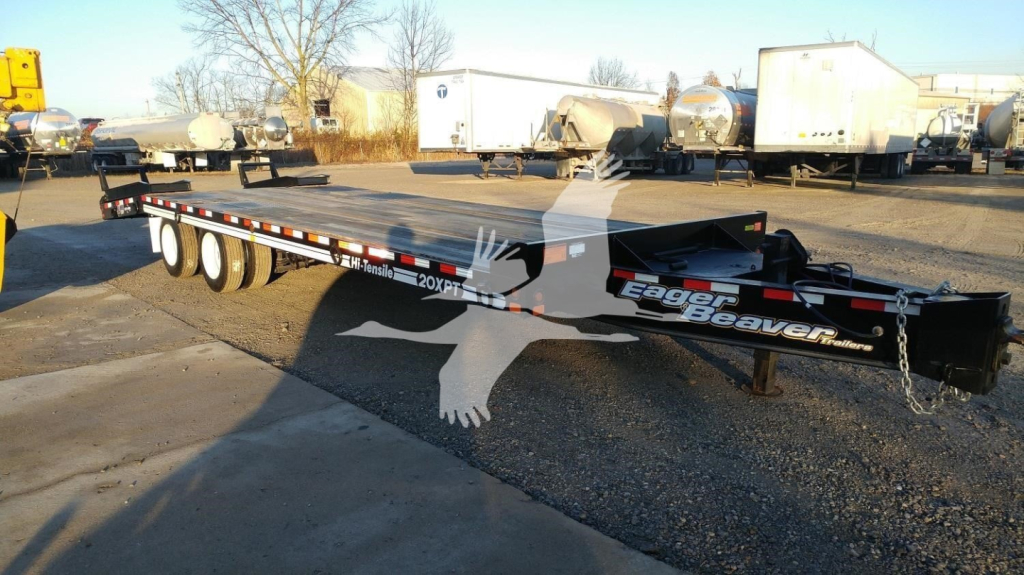
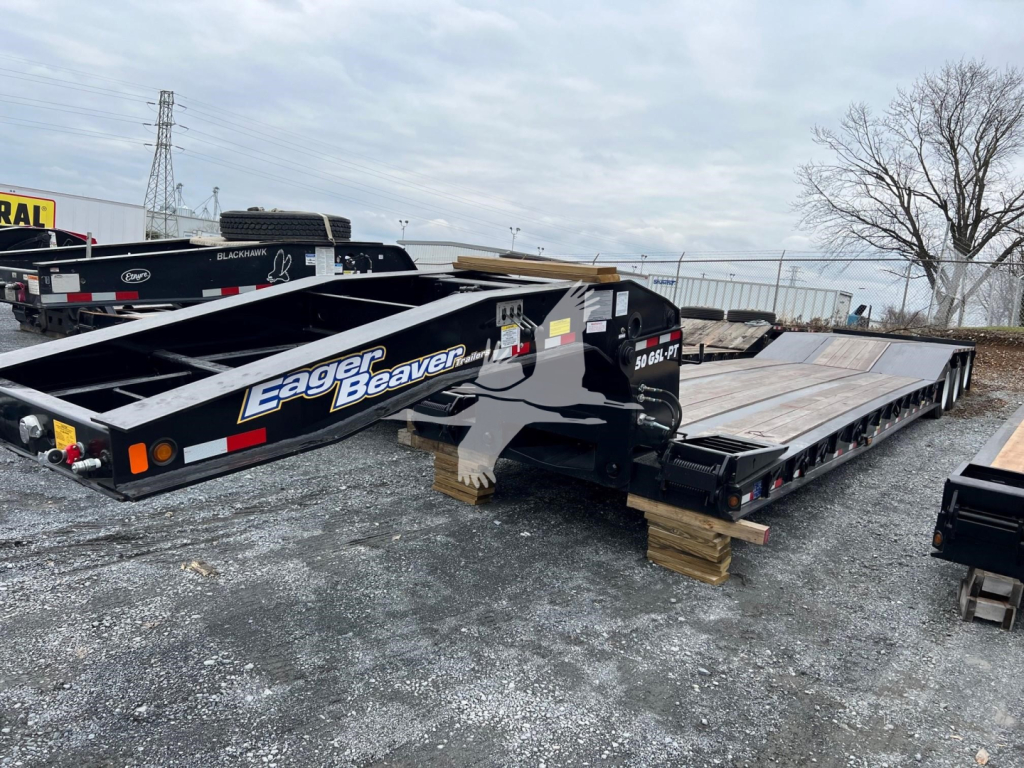
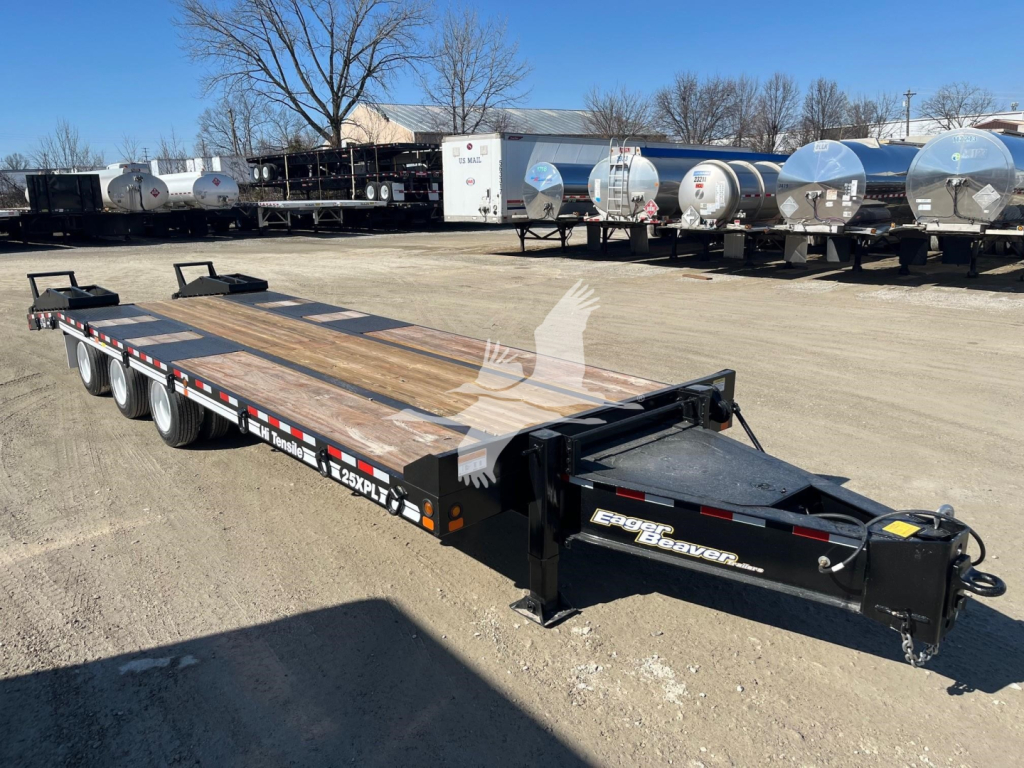
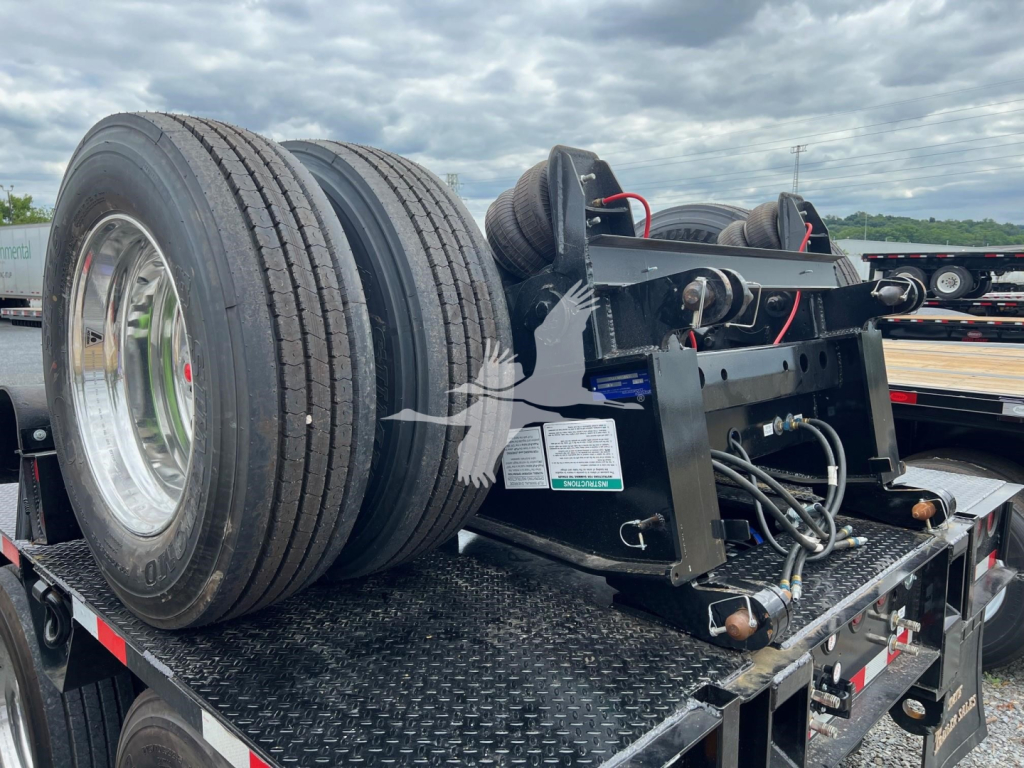
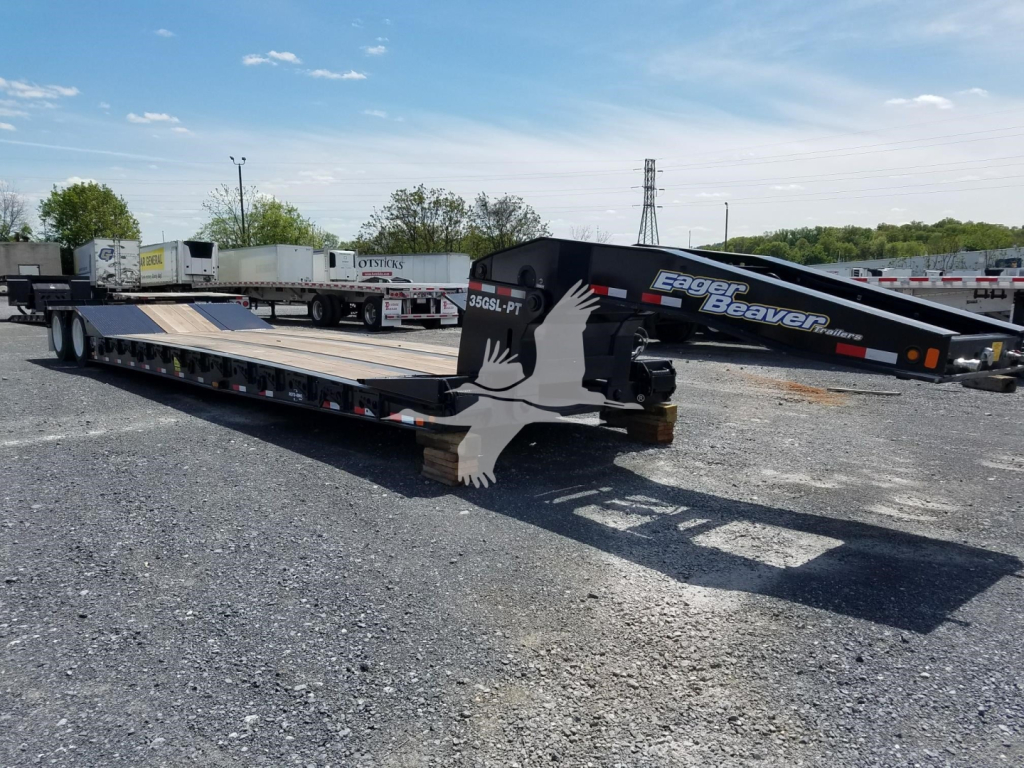
In this category, two common directions show up. One is the tag or equipment trailer style, often in the 20-ton class with a fixed deck, beavertail, pintle hook, tandem axles, and spring ride suspension. These trailers are straightforward, durable, and well suited for local and regional hauling behind a tandem or tri-axle truck. Typical specs include a 102-inch width, wood floor, steel side rails, multiple D-rings, adjustable pintle height, and 17.5-inch tires. The other direction is the Eager Beaver lowboy, including hydraulic detachable gooseneck models, which are designed for taller or heavier machines that need a lower loaded deck height and easier loading. In that segment, buyers should pay close attention to kingpin setting, swing clearance, axle spacing, loaded fifth wheel height, outriggers, and whether the trailer uses a non-ground-bearing detachable neck.
Deck layout and loading equipment make a major difference in day-to-day use. A fixed-neck equipment trailer with a beavertail and spring-assist or hydraulic ramps works well for fleets loading several smaller machines in a day. A detachable lowboy is a better fit when reducing load angle, improving machine clearance, or staying within height limits is the priority. Many Eager Beaver trailers use Apitong or mixed wood flooring, which remains popular because it holds up well under tracked equipment and is repairable when sections wear out. Features like recessed bucket wells, traction bars on the slopes, lockable tool storage, stake pockets, and swing-out outriggers are worth comparing closely because they affect how securely and efficiently the trailer works on real jobsite loads.
When comparing Eager Beaver trailers for sale, match the trailer style to the equipment mix instead of shopping by ton rating alone. A 20-ton tag trailer and a 35-ton lowboy serve very different hauling patterns even if both are built for equipment work. Check suspension type, brake configuration, ABS setup, ramp design, deck length, and actual usable deck space, not just overall trailer length. For buyers hauling in Pennsylvania and the surrounding Northeast, road conditions, bridge limits, and tight jobsite access also make turning radius, deck height, and hookup style more important than they may seem on paper. Eager Beaver has a strong reputation in the construction and heavy-haul market because these trailers are generally designed around practical fleet use, serviceability, and load security rather than light-duty general-purpose hauling.
Frequently Asked Questions about Eager Beaver Trailers in Pennsylvania
What types of Eager Beaver trailers are most common?
Eager Beaver is most commonly associated with equipment trailers, tag trailers, and lowboy trailers used in construction and machinery hauling. Fixed-deck tag trailers are common in the 20-ton range for local equipment moves, while hydraulic detachable lowboys are used for heavier or taller machines that require a lower deck height and easier loading geometry.
What is the difference between an Eager Beaver tag trailer and an Eager Beaver lowboy?
A tag trailer, also called an equipment trailer, typically uses a pintle hook connection, a fixed deck, a beavertail, and rear ramps. It is a practical choice for hauling smaller to mid-size machines on shorter or regional routes. A lowboy uses a much lower main deck and often a detachable gooseneck, which makes it better for heavier equipment, taller loads, and applications where load height and loading angle are critical.
What specs matter most when buying an Eager Beaver trailer?
The most important specs are payload capacity, empty weight, deck height, axle configuration, suspension type, and loading method. Buyers should also review deck length, beavertail length, ramp capacity, kingpin setting on lowboys, swing clearance, tire size, brake system, and tie-down layout. These details determine whether the trailer actually fits the machines being hauled and the truck assigned to pull it.
Are Eager Beaver trailers a good fit for construction equipment hauling?
Yes. Eager Beaver trailers are widely used for hauling construction equipment such as skid steers, mini excavators, compact track loaders, rollers, backhoes, and larger machines depending on trailer class. Their designs typically emphasize strong steel frames, durable wood flooring, practical tie-down points, and loading features that hold up under repeated jobsite use.
Why does deck height matter on an Eager Beaver trailer?
Deck height affects stability, loading angle, and legal loaded height. A lower deck generally makes it easier to load machines with low ground clearance and helps keep taller equipment under height limits. On heavier hauls, deck height also influences route planning and permit requirements, which is why lowboy buyers usually prioritize it early in the shopping process.