
Eager Beaver Flatbed Trailers For Sale in Pennsylvania
Have eager beaver flatbed trailer to sell? List it here to reach thousands of buyers.
Eager Beaver Flatbed Trailers in Pennsylvania
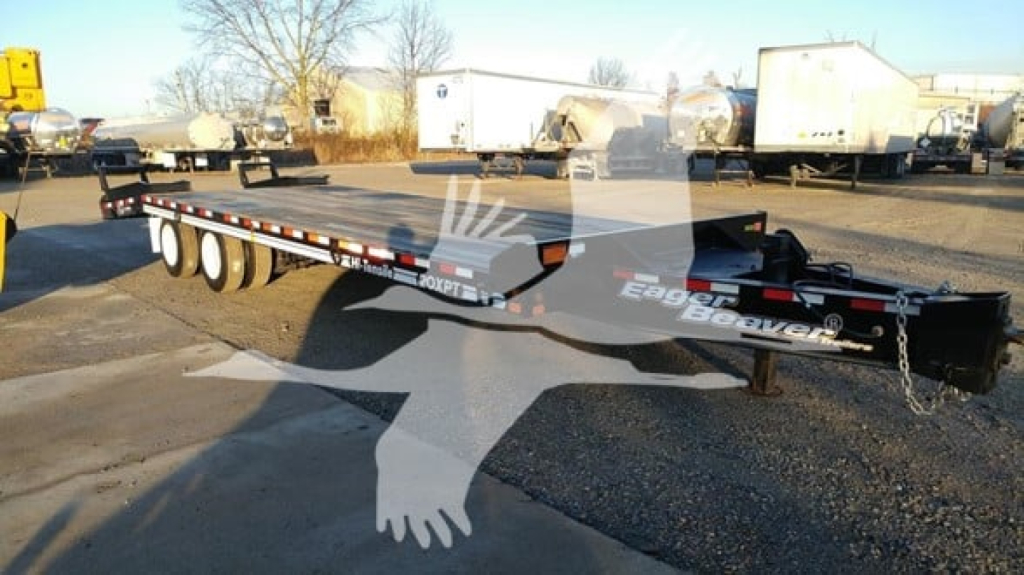
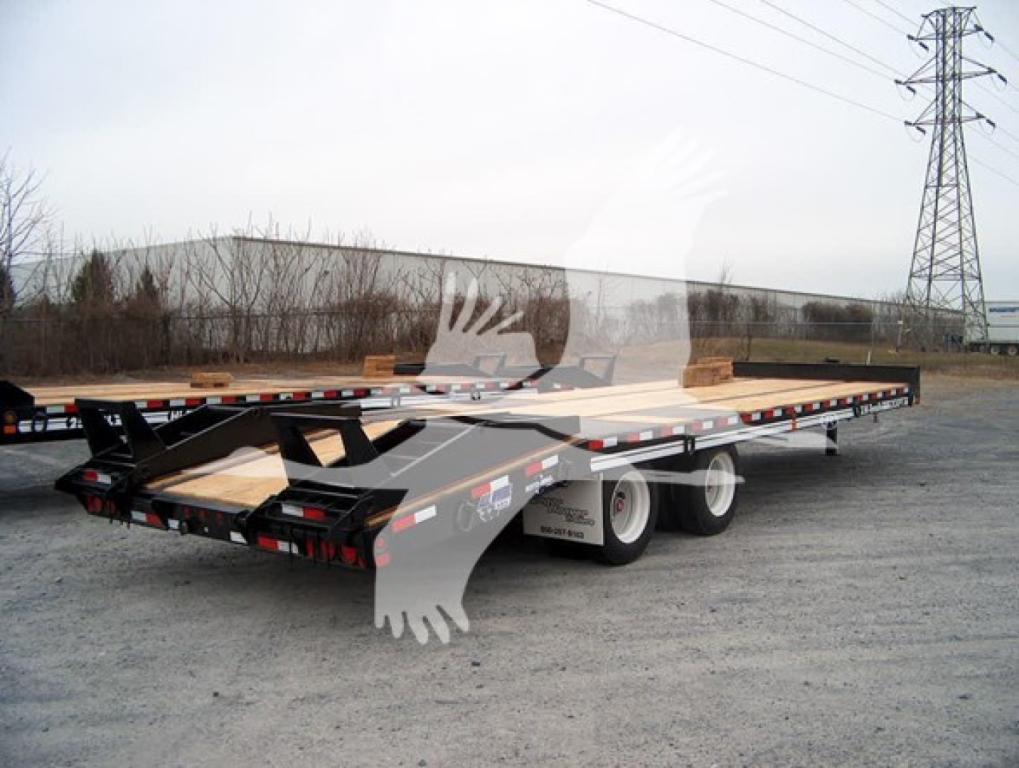
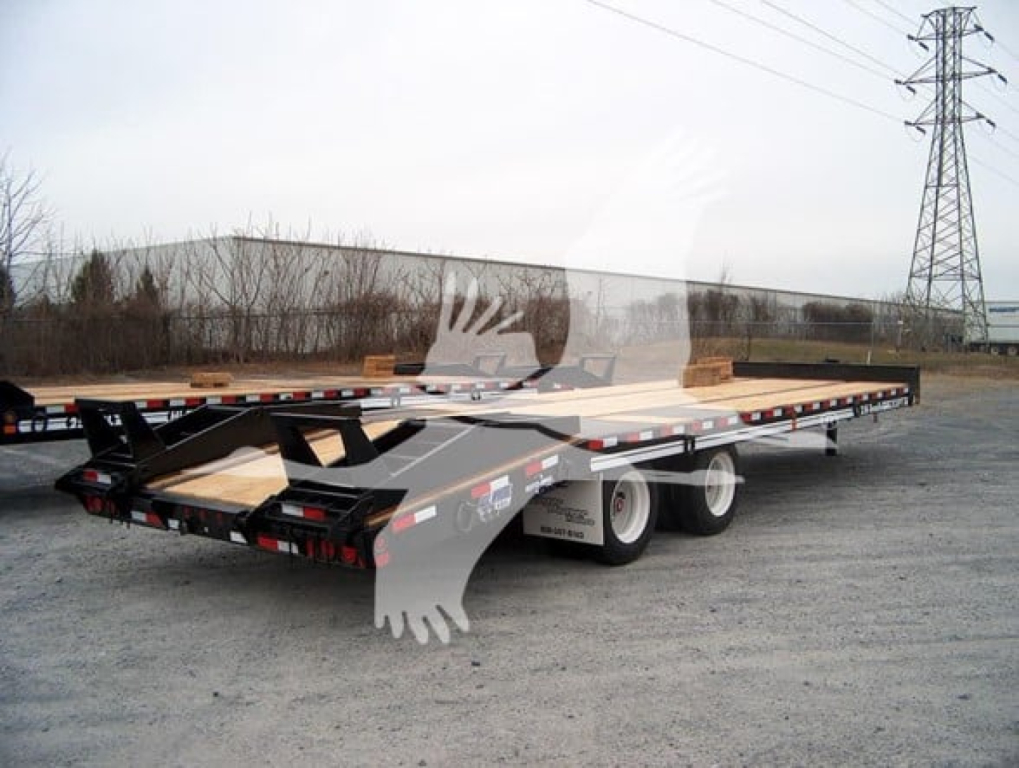
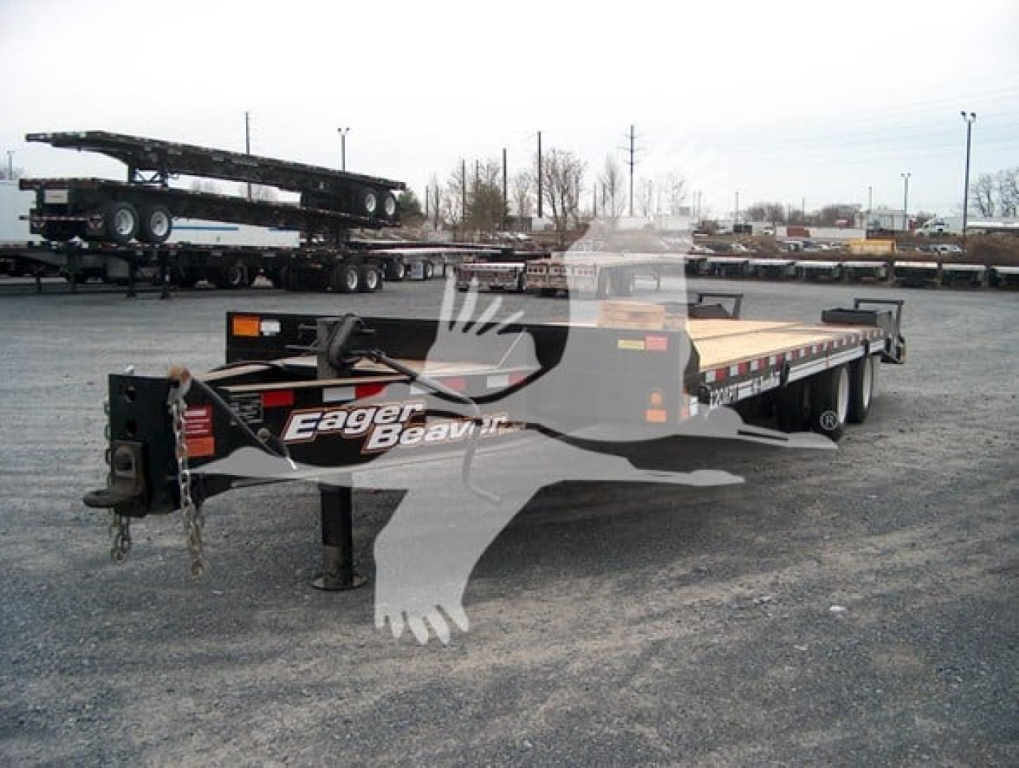
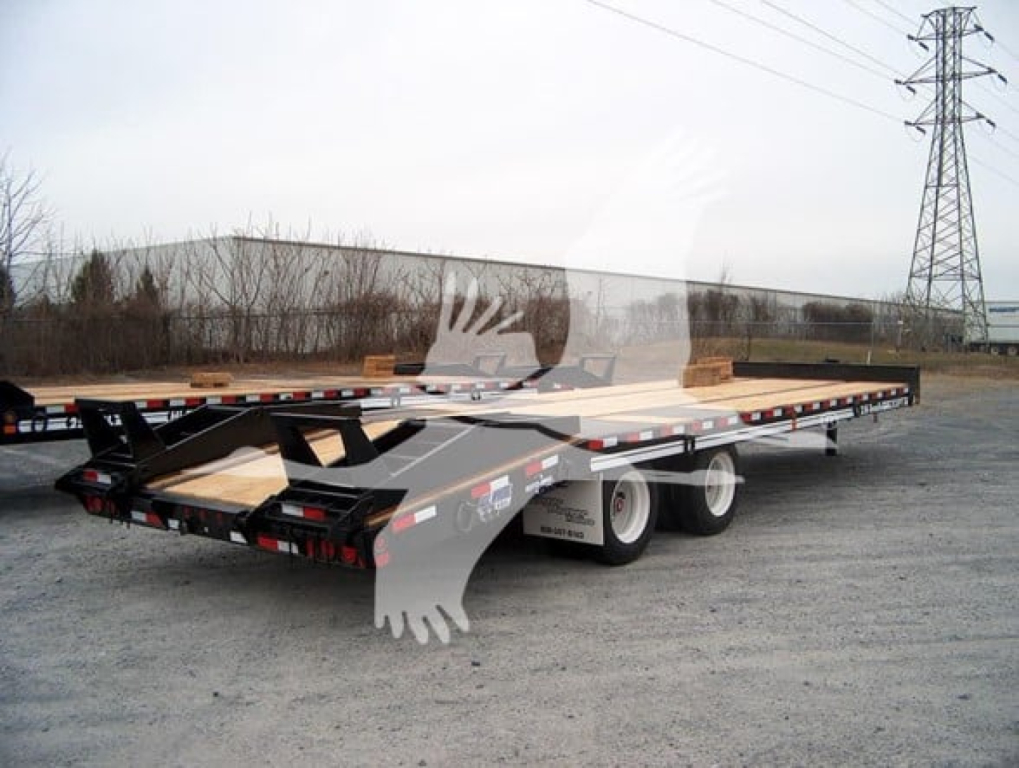
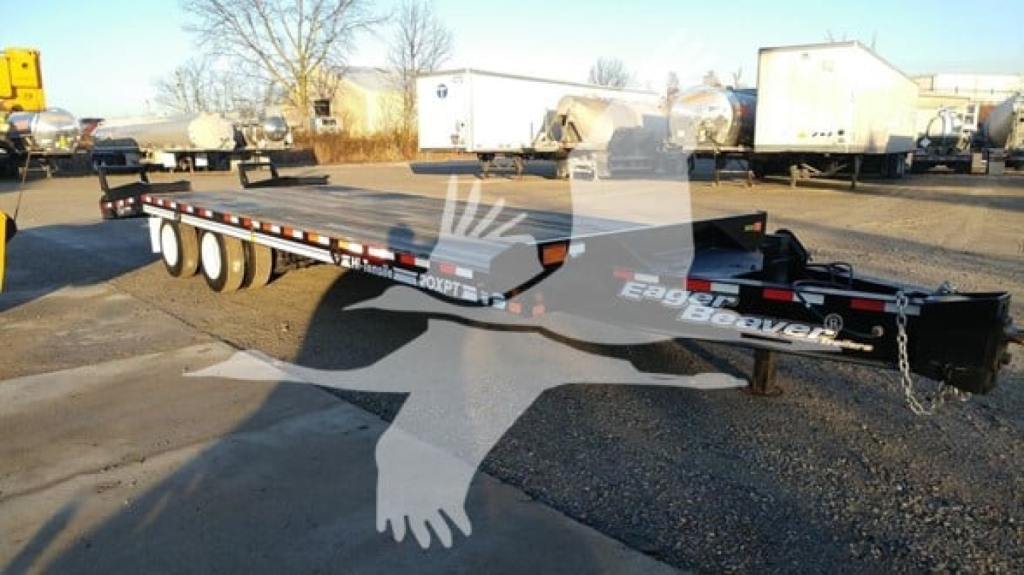
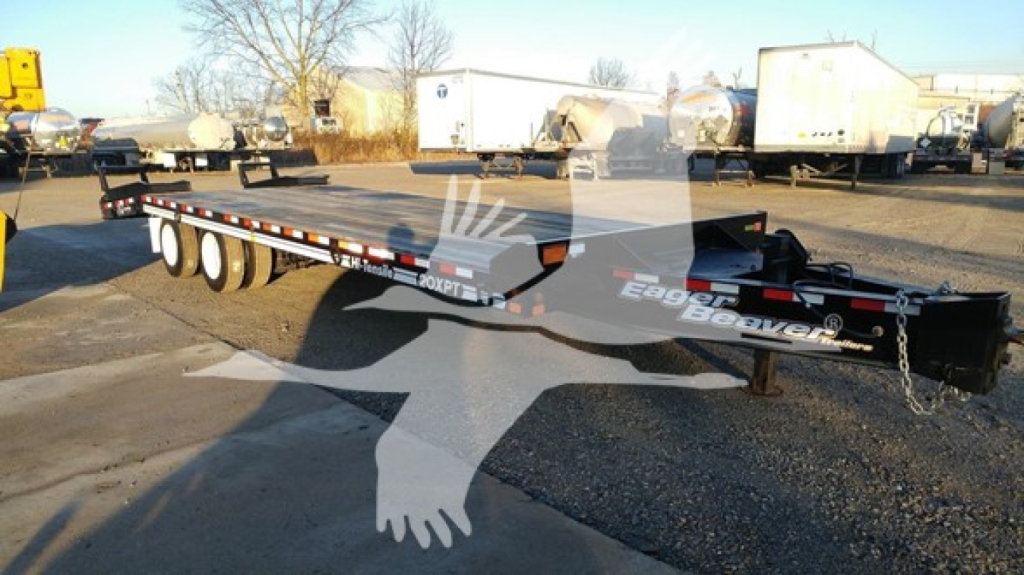
A typical spec in this category is a 102-inch-wide trailer around 34 feet long, often with roughly 21 feet of main flat deck followed by a 6-foot beavertail. Buyers should pay attention to how that layout fits their actual cargo. The beavertail and ramp combination improves loading angles, but it also affects usable flat deck space for pallets, attachments, or long equipment. Common features include apitong or mixed wood flooring, multiple pairs of D-rings, steel side rails, adjustable pintle hook height, spring ride suspension, and tandem axles. In the sample units, the 20-ton rating, 8-degree load angle, 17.5-inch tires, and Hutchens spring suspension point to an equipment-focused trailer designed for durability and simple maintenance.
For many operators, the real buying decision comes down to how the trailer will be used day after day. A contractor hauling iron locally may value a stout ramp package, spring brakes on all axles, and a lockable toolbox more than premium ride quality. A fleet moving mixed freight and machinery may focus more on tie-down flexibility, deck condition, and empty weight. Eager Beaver has a strong reputation in heavy-haul and construction support applications, and that matters when evaluating frame design, ramp construction, and long-term parts support. If your loads include machines with low ground clearance, check the loaded ramp angle carefully. If you routinely haul heavier compact equipment, verify axle ratings, suspension setting, brake spec, and actual payload after trailer tare weight is factored in.
Flatbed buyers also need to think through hookup and compliance details. Pintle-style trailers are common in this segment and pair well with vocational trucks, but coupler height range, brake connections, ABS, and registration requirements should all be confirmed before purchase. In Pennsylvania and surrounding states, seasonal road conditions, jobsite mud, and road salt make flooring, wiring protection, lighting, and paint quality worth a close look. The right Eager Beaver flatbed trailer is usually the one that loads safely, secures equipment cleanly, and holds up under repeated jobsite cycles without adding unnecessary complexity.
Frequently Asked Questions about Eager Beaver Flatbed Trailers in Pennsylvania
What is an Eager Beaver flatbed trailer typically used for?
An Eager Beaver flatbed trailer in this segment is commonly used for hauling construction and industrial equipment such as skid steers, mini excavators, compact loaders, rollers, and attachments. Many are configured more like equipment tag trailers than over-the-road flatbeds, with a low deck, beavertail, and rear ramps that simplify loading on jobsites and short-haul routes.
What should I check first on a 20-ton flatbed equipment trailer?
Start with the trailer’s actual payload capacity after subtracting tare weight, then match that number against your heaviest machine and any buckets, forks, or attachments. After that, review axle ratings, brake setup, suspension type, deck length, ramp capacity, and load angle. A trailer can have the right gross rating on paper but still be a poor fit if the deck is too short or the ramp angle is too steep for your equipment.
Why do beavertail and ramp angle matter on an equipment flatbed?
Beavertail length and ramp angle directly affect how easily equipment can load without dragging, high-centering, or slipping at the transition point. Machines with low ground clearance, small solid tires, or attachments close to the ground need a shallower approach. An 8-degree load angle is a useful benchmark for many compact and mid-size machines, but the right angle depends on wheelbase, track design, and attachment overhang.
Is spring ride suspension a good choice on this type of trailer?
Spring ride suspension is a common and proven choice for equipment trailers because it is durable, straightforward to maintain, and well suited to rough jobsite use. It may not deliver the same ride quality as air ride for sensitive cargo, but for iron, attachments, and contractor use, spring ride is often preferred for its simplicity, lower repair complexity, and dependable performance under repeated loading cycles.
What deck and tie-down features are important on an Eager Beaver flatbed trailer?
Buyers should look for a durable wood floor such as apitong, sufficient D-ring count and placement, solid side rails, and a bulkhead that helps with load securement and front-end protection. Tie-down layout matters as much as deck space because equipment rarely loads the same way every day. A trailer with multiple securement points and a usable deck layout is easier to balance, faster to chain down, and more flexible for mixed loads.