
2026 Dump Trailers For Sale in Colorado
Shop 2026 dump trailers for sale in Colorado, including end dumps, bottom dumps, and side dumps built for aggregate, scrap, and paving work.
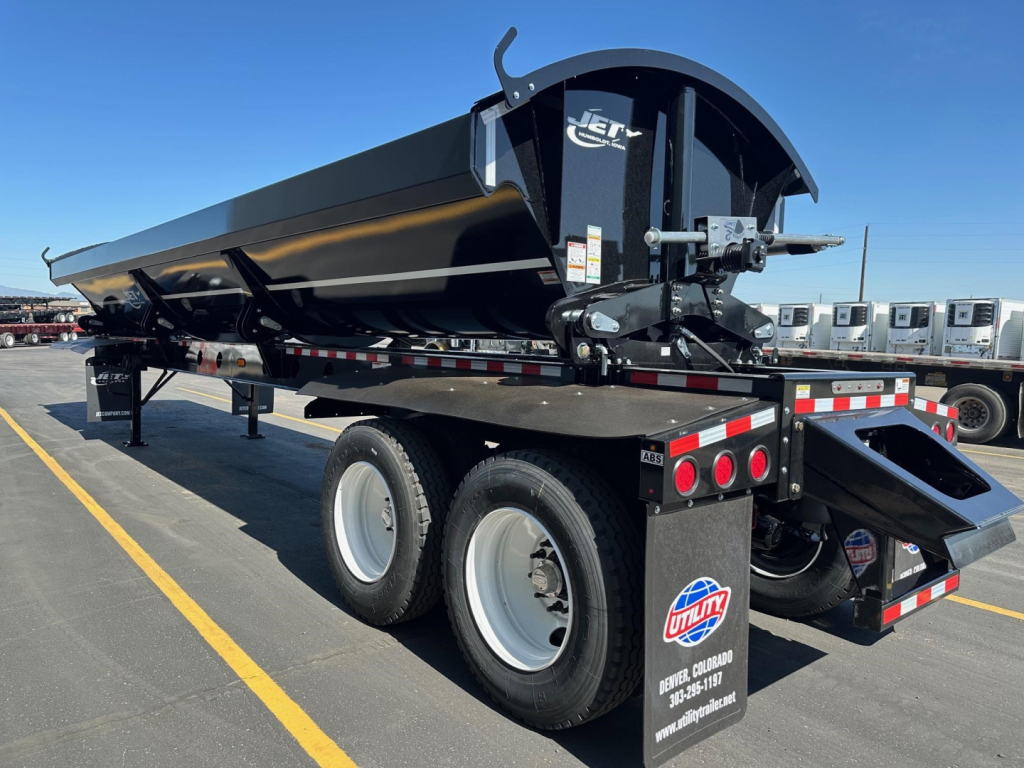
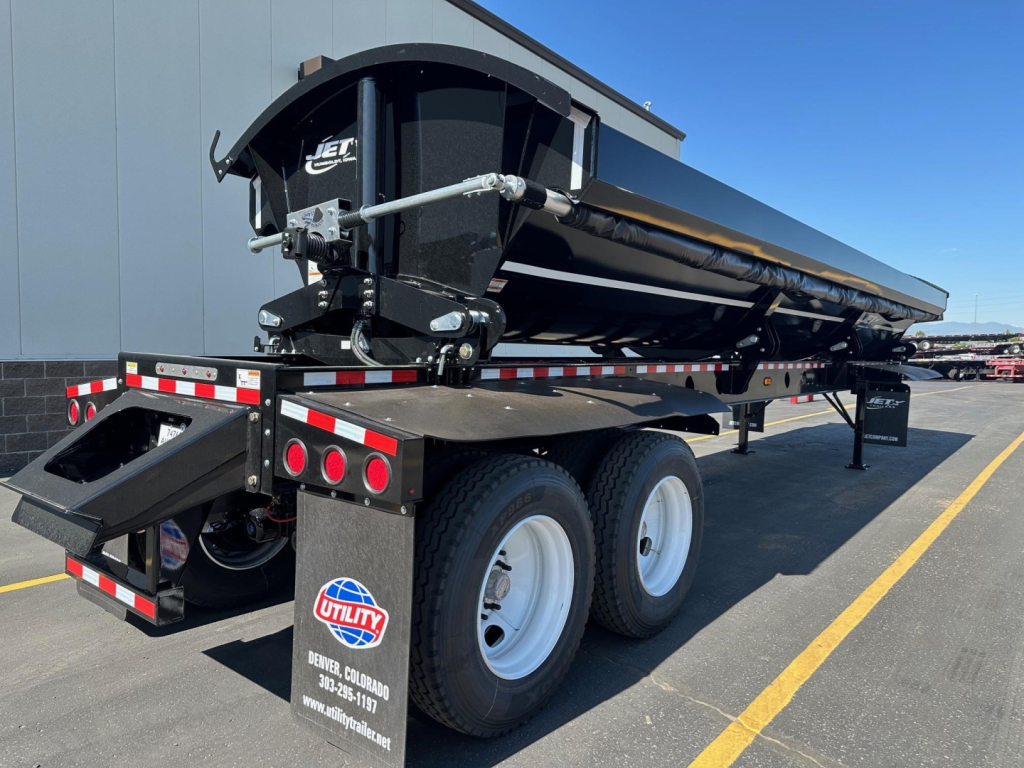
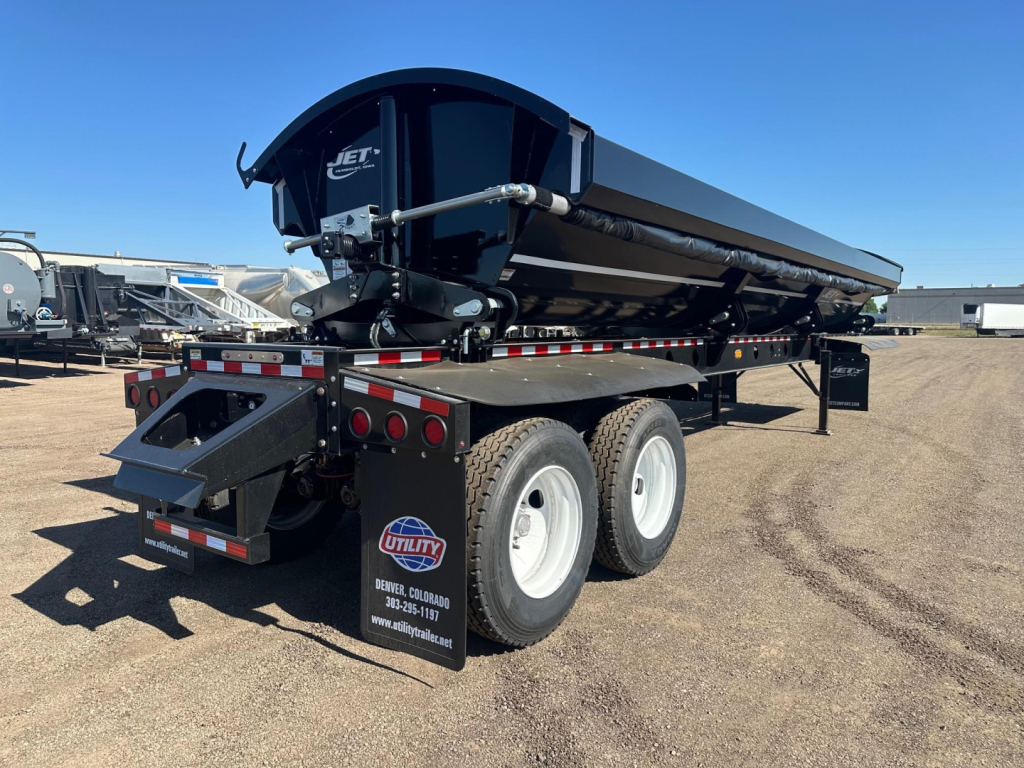
Showing 49 to 51 of 51 results
Have 2026 dump trailer to sell? List it here to reach thousands of buyers.
2026 Dump Trailers in Colorado
Construction matters as much as trailer style. Aluminum half-round end dumps are popular when payload is the priority and the material is not excessively abrasive. Steel tubs, including AR400 or AR450 configurations, are better suited for rock, riprap, scrap, and other punishing loads where impact resistance and floor life matter more than tare weight. Frameless designs are common in end dumps because they reduce empty weight and maximize capacity, while frame-type builds can appeal to operators who want added structural rigidity for certain duty cycles. Typical specs buyers compare include tub length, side height, cubic-yard rating, gate style, kingpin setting, axle spacing, suspension type, tire size, wheel material, tarp system, and liner options.
Colorado buyers usually need to think about terrain, weather, and route mix. Mountain grades, soft jobsite conditions, and regional bridge laws can all influence the best axle layout and suspension choice. Tandem and tri-axle setups are both common, and lift axles may help when balancing empty maneuverability with loaded capacity. Air ride suspension is often selected for ride quality and cargo protection, while single-point suspensions remain common in severe-duty applications. Tarp systems are nearly mandatory for dust control and compliance, with electric slide, flip, and roll tarp systems each showing up depending on trailer type. Details such as high-lift gates, barn doors, top-hinge gates, windrow deflectors, bang boards, push blocks, ladders, and fenders can make a real difference in daily productivity and safety.
The best 2026 dump trailer choice comes down to matching body material and dump style to the material stream and unloading environment. A lightweight aluminum end dump may pencil out for long-haul aggregate. A steel rock tub is the better fit for sharp, dense material. A bottom dump can outperform other designs when gate control and material placement are the priority. A side dump brings advantages where rollover risk is a concern and dump clearance is limited. Buyers comparing listings should focus on how the trailer is spec'd for the work, not just model year or price, because the wrong gate, suspension, tub construction, or axle package can cost more over time than the initial savings.
Frequently Asked Questions about 2026 Dump Trailers in Colorado
What is the difference between an end dump, bottom dump, and side dump trailer?
An end dump raises the front of the trailer and unloads material out the rear, making it a common choice for aggregate, scrap, demolition debris, and general construction hauling. A bottom dump releases material through gates in the floor, which allows controlled spreading and is widely used in paving, road base, and stockpile work. A side dump unloads by rolling the tub to one side, which generally improves stability on uneven ground and can be a strong option for dirt, rock, and off-road applications where an end dump may need more overhead clearance and firmer footing.
Is aluminum or steel better for a dump trailer?
Aluminum is usually chosen when lower tare weight and higher payload are the priority, especially for sand, gravel, and other less abrasive materials. Steel is heavier but holds up better in severe-duty service, including rock, riprap, scrap, and demolition applications where impact and abrasion are constant. Buyers should match the body material to the load profile because saving weight on a trailer that wears out quickly is rarely a good trade, while carrying extra steel in a light-duty application can reduce revenue on every trip.
What dump trailer specs matter most for Colorado work?
Colorado buyers should pay close attention to axle configuration, suspension, tub construction, tarp system, and overall trailer length because mountain grades, changing weather, and mixed highway-jobsite use can expose a weak spec quickly. Axle spacing and lift axle setup affect payload and bridge compliance. Air ride versus single-point suspension can change ride quality and durability. Steel versus aluminum tubs matter based on material type. Tarp systems are important for weather, dust control, and legal compliance. Ground conditions and dumping surface should also influence whether an end dump, bottom dump, or side dump is the safest and most productive choice.
How do cubic-yard capacity and payload relate on a dump trailer?
Cubic-yard capacity tells you how much volume the tub can hold, while payload is limited by the weight of the material and legal gross vehicle limits. Lightweight materials like mulch or some scrap may let a trailer use most of its cubic capacity before reaching legal weight. Dense materials like sand, gravel, asphalt millings, or rock can hit legal weight long before the tub is full. That is why buyers should evaluate both capacity and tare weight together, instead of assuming a larger tub automatically means better earning potential.
What gate and tarp options should buyers look for on a dump trailer?
Gate style should match the unloading method and material flow. Top-hinge and high-lift gates are common on end dumps for aggregate and rock. Barn door and manual swing configurations are often seen on scrap and specialty applications. Bottom dumps rely on precise gate control hardware such as limiters and valve systems to place material accurately. Tarp systems are equally important because electric slide tarps, electric flip tarps, and roll-over systems each suit different body styles and operating conditions. A good tarp setup saves time, improves compliance, and reduces material loss on the road.