
2026 Jet Dump Trailers For Sale in Colorado
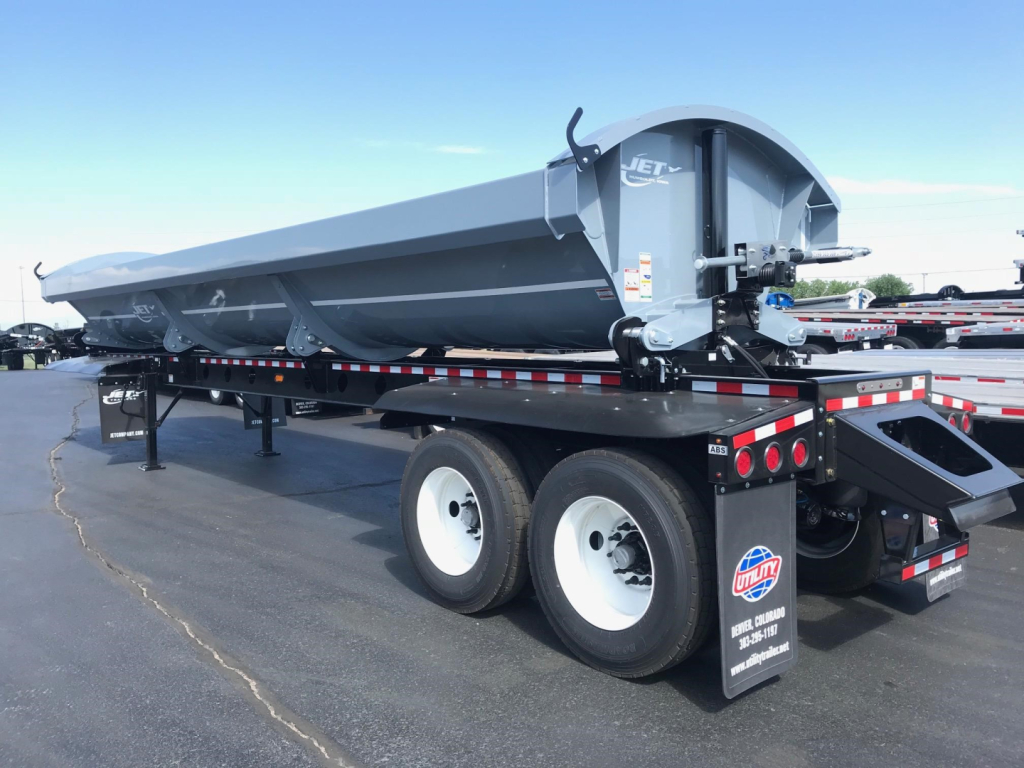
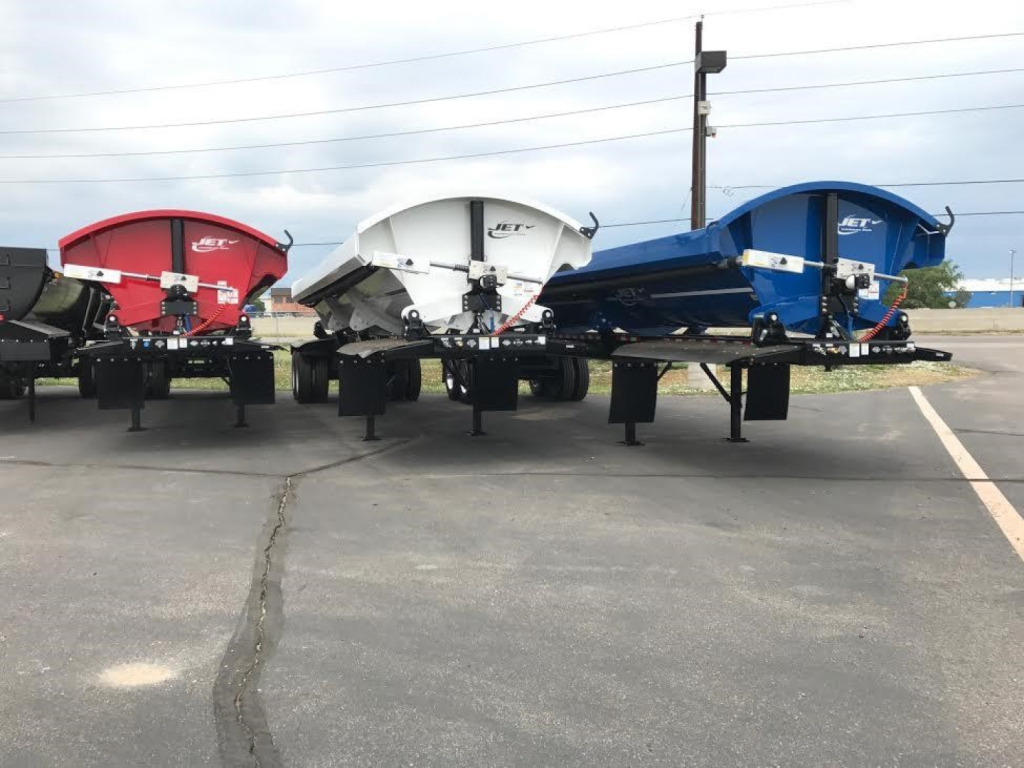
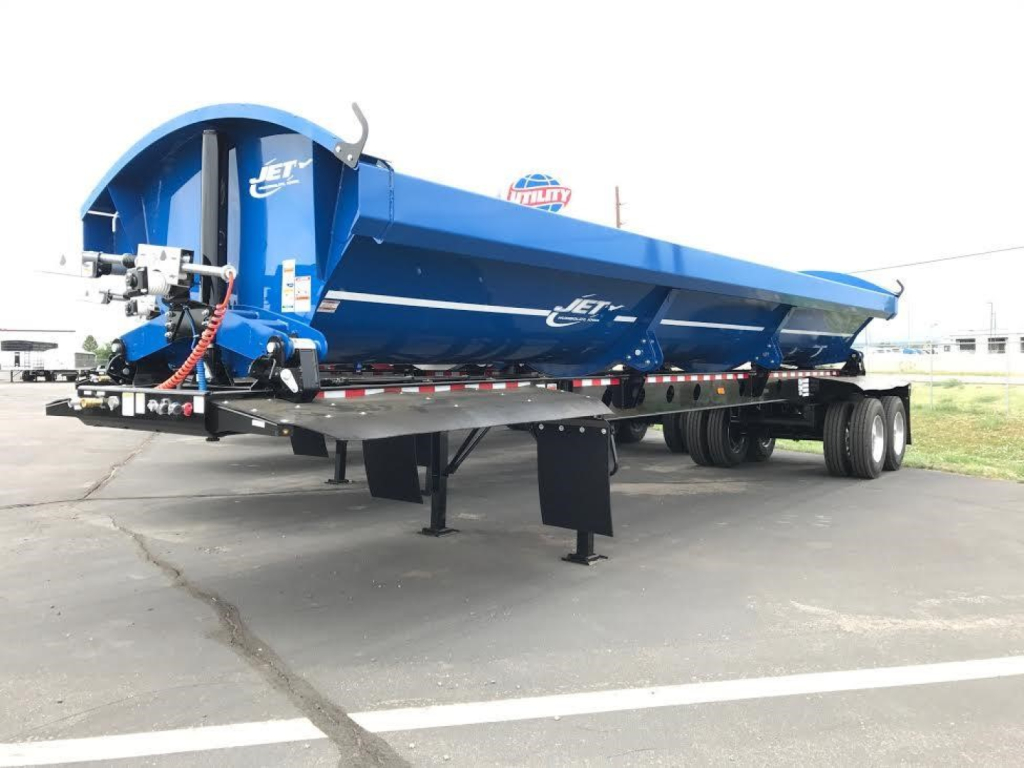
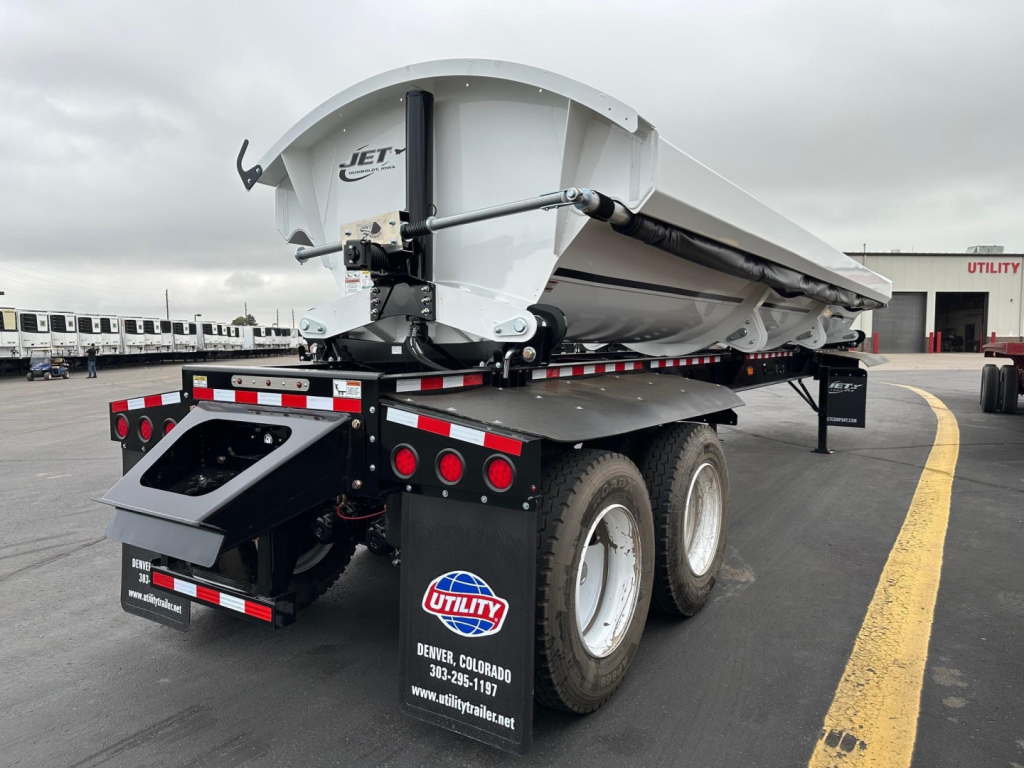
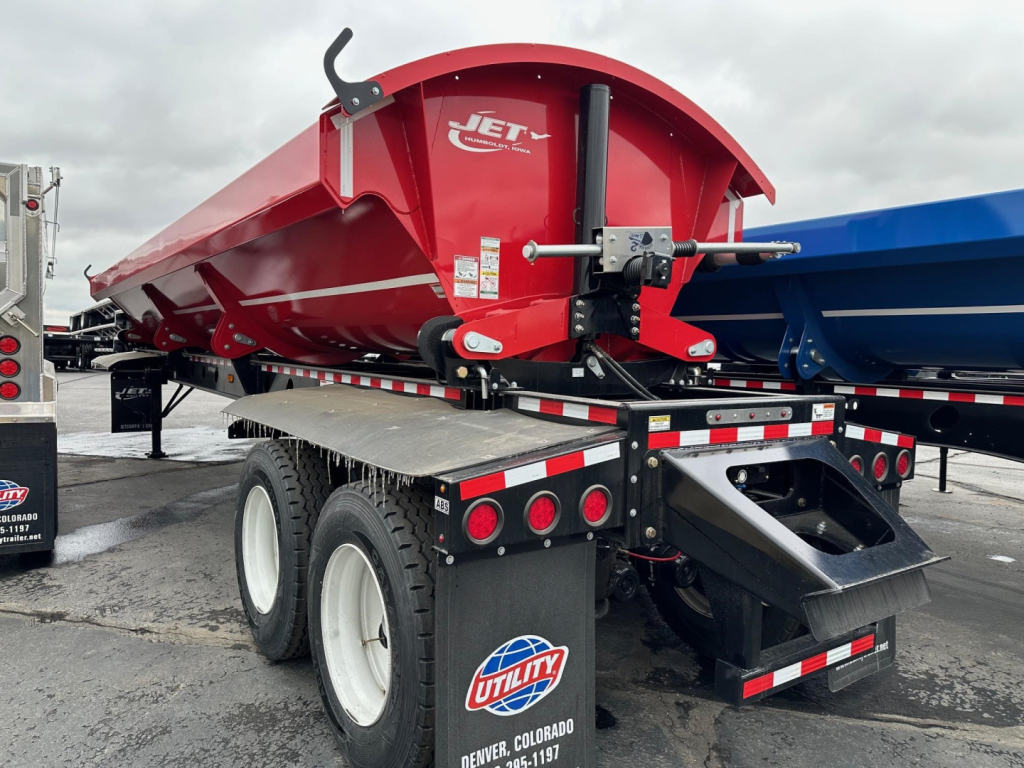
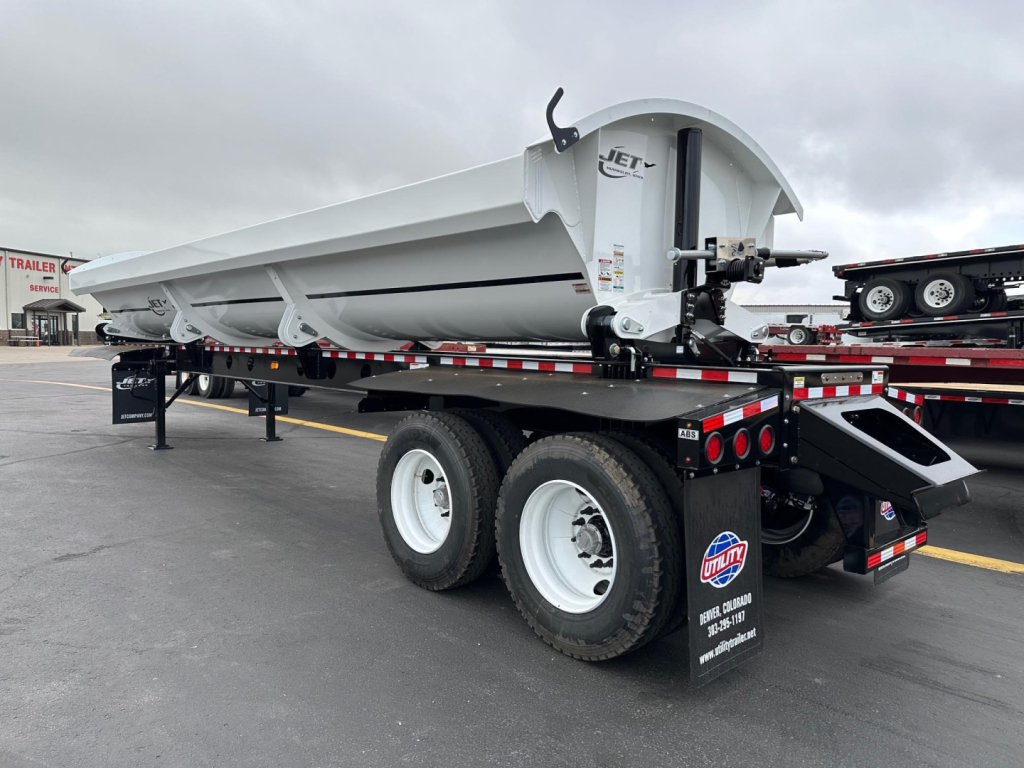
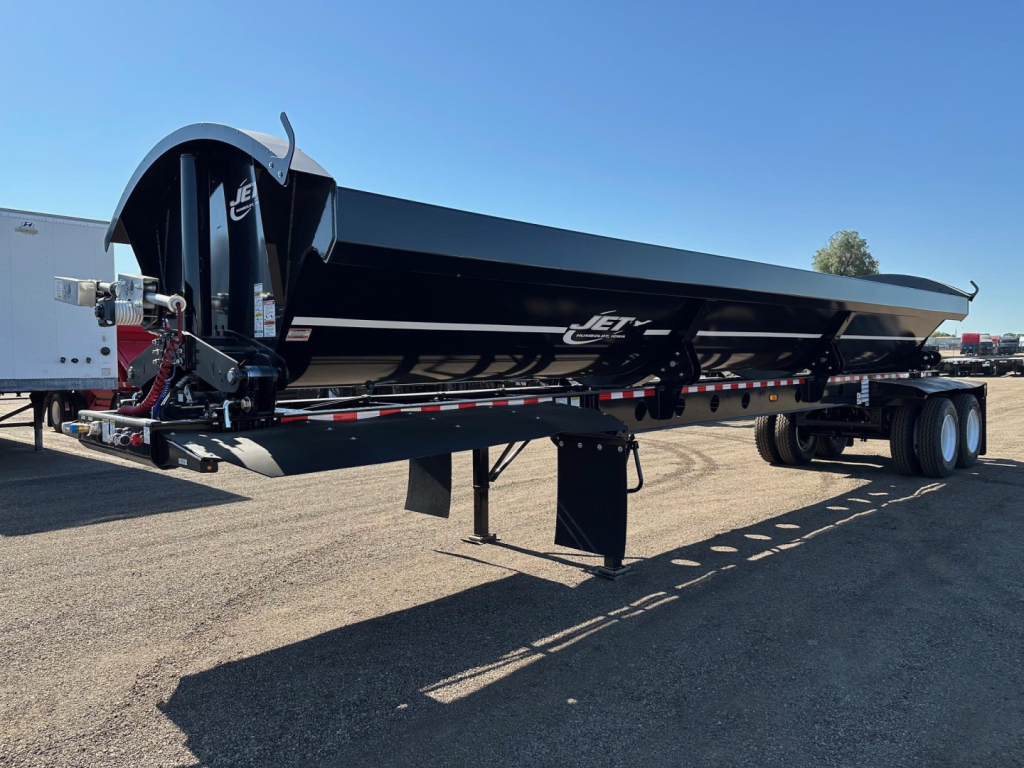
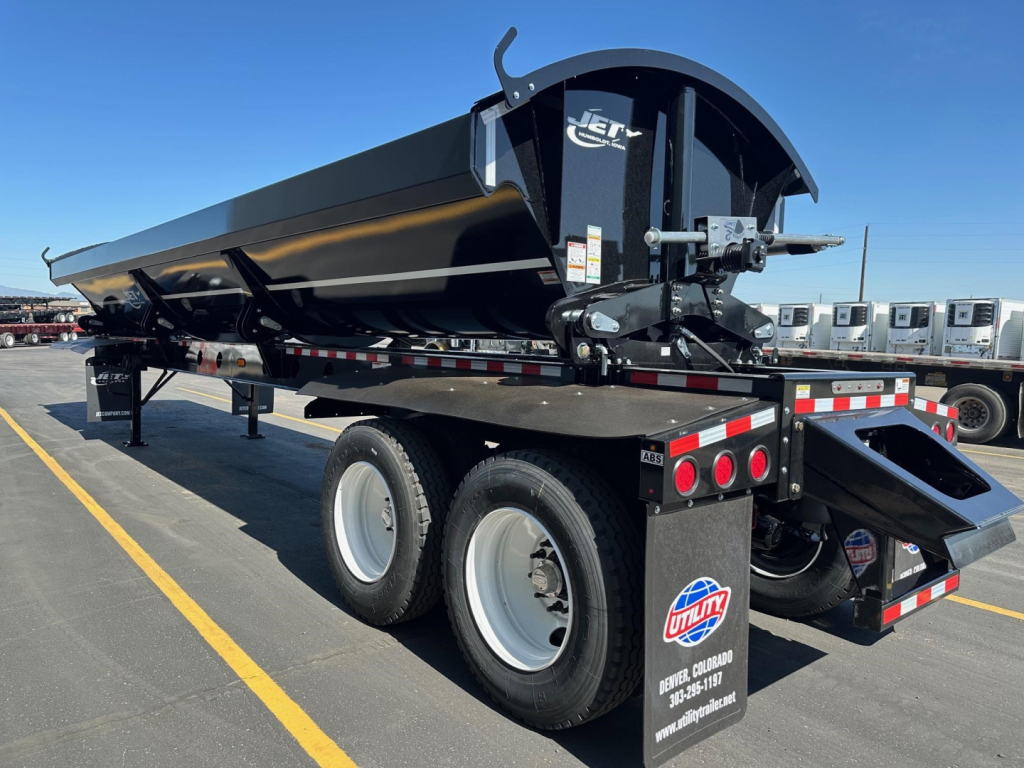
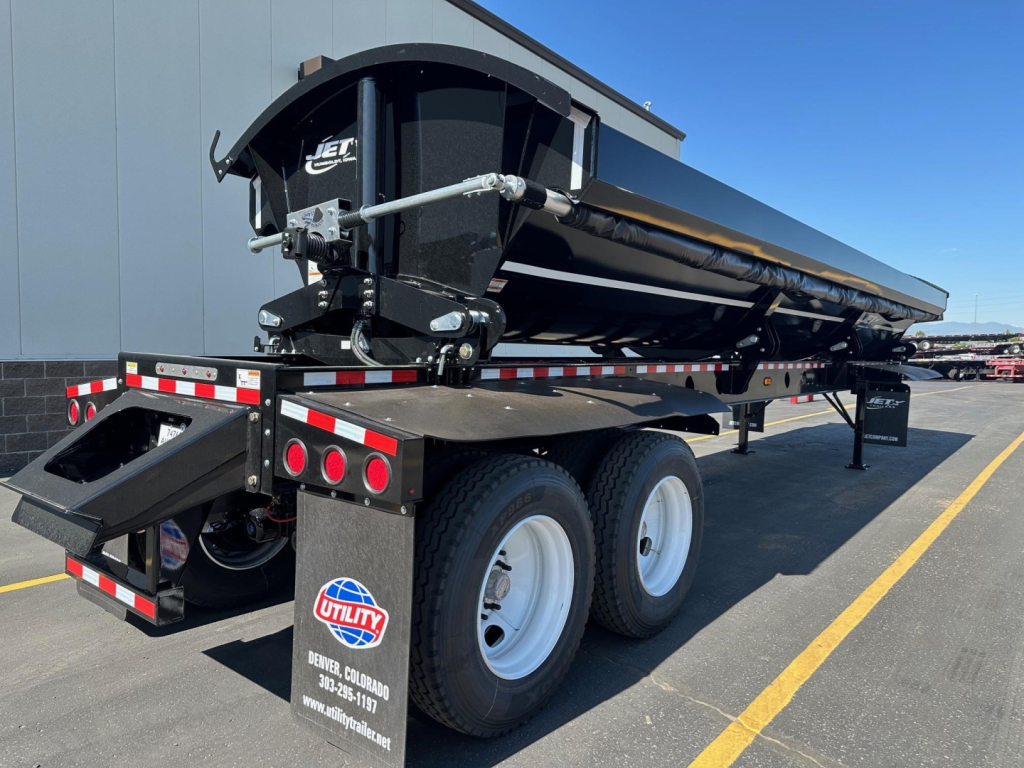
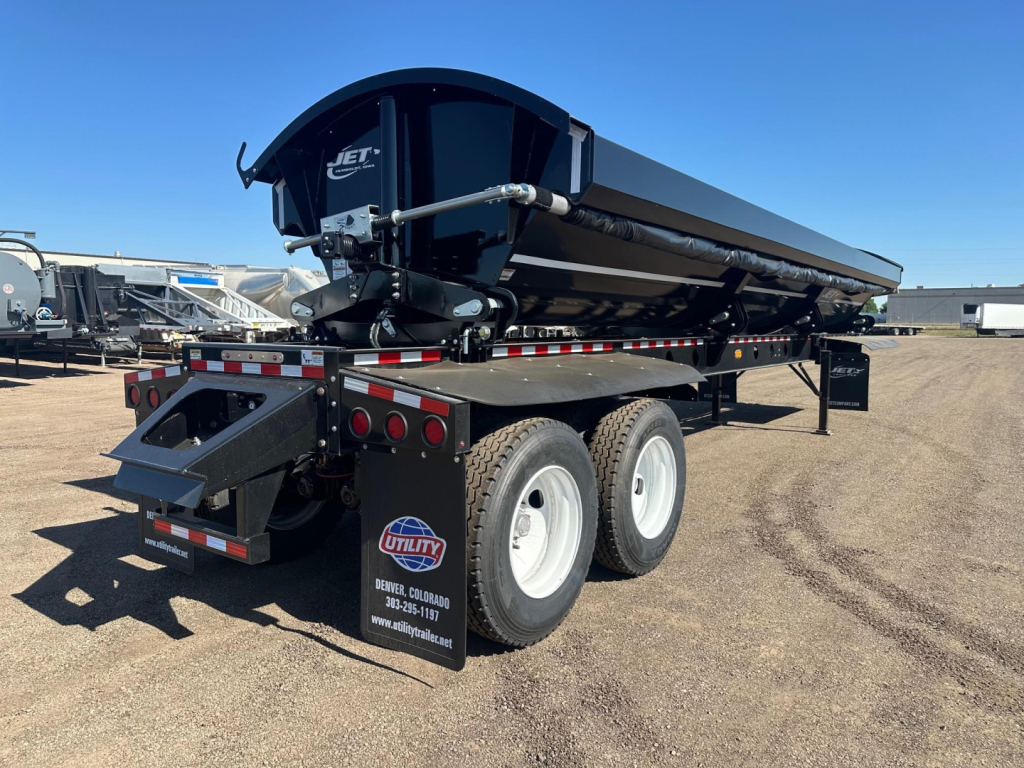
2026 Jet dump trailers for sale, including side dump configurations with AR400 tubs, air ride suspensions, rollover tarps, and heavy-duty construction.
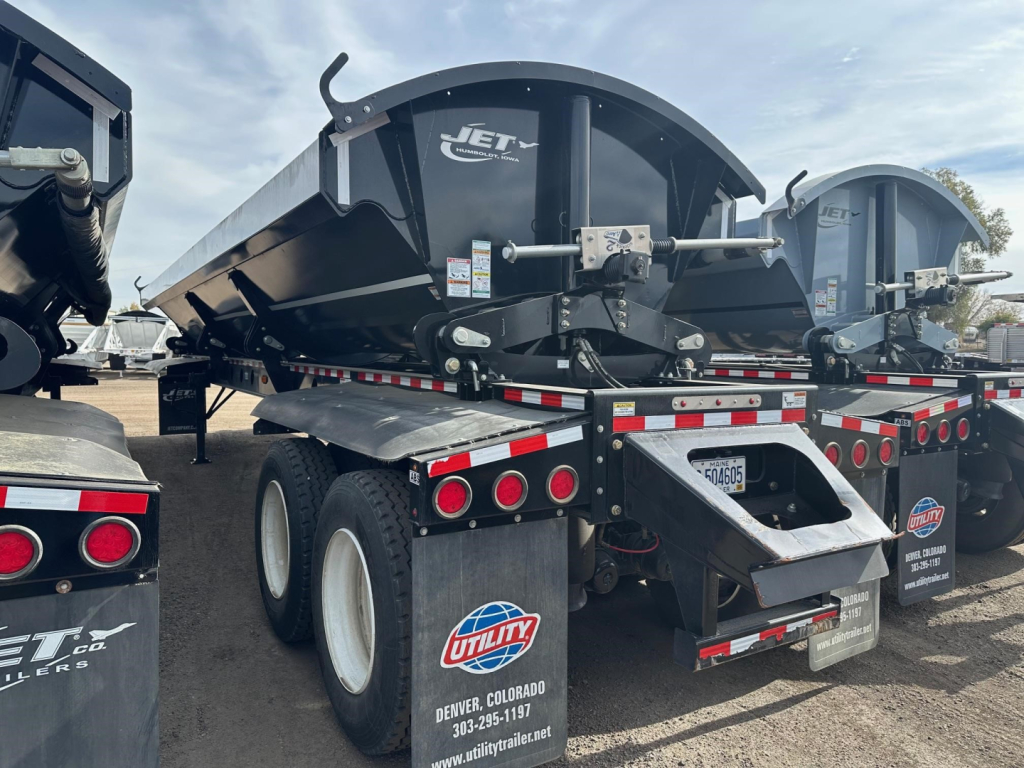
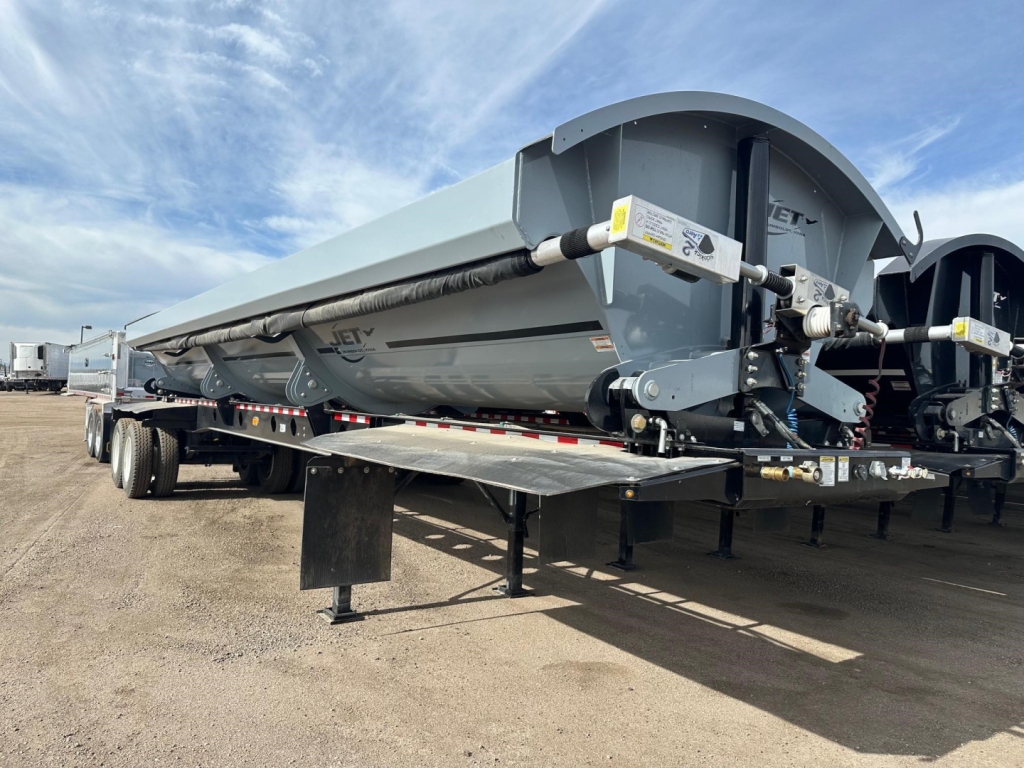
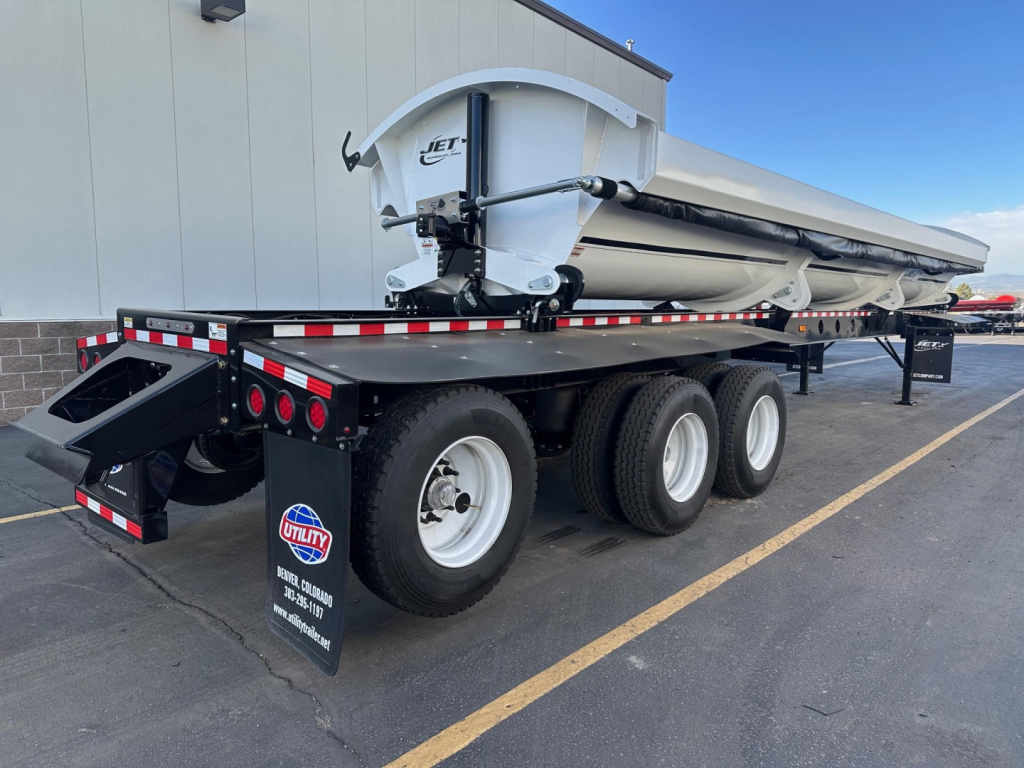
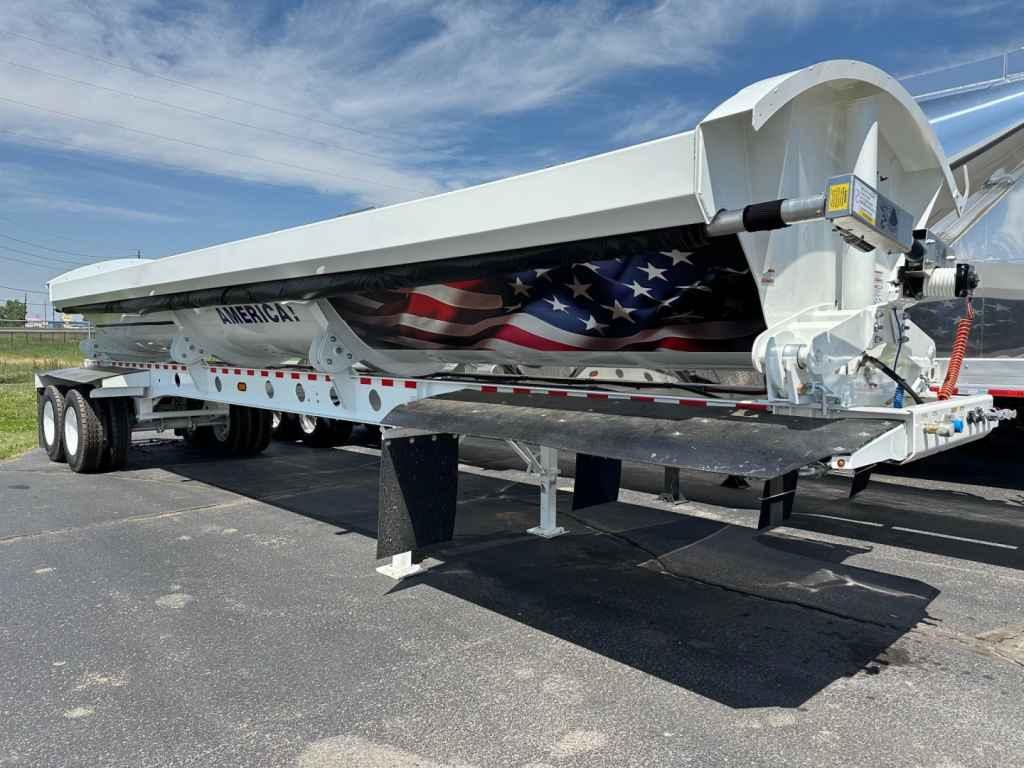
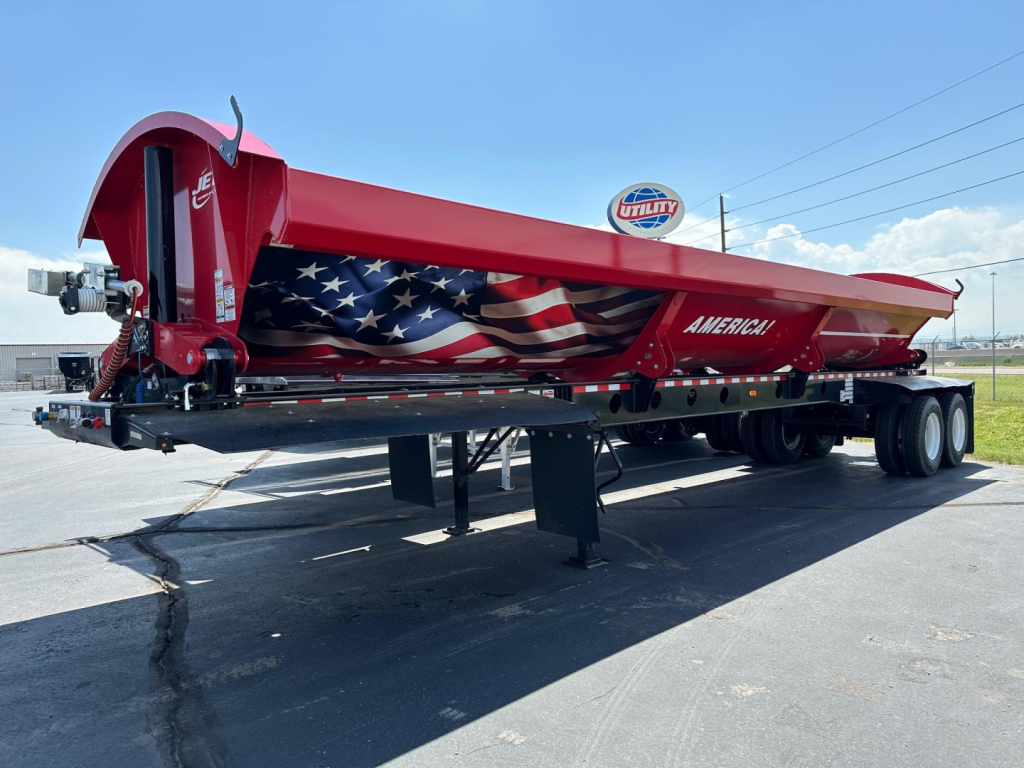
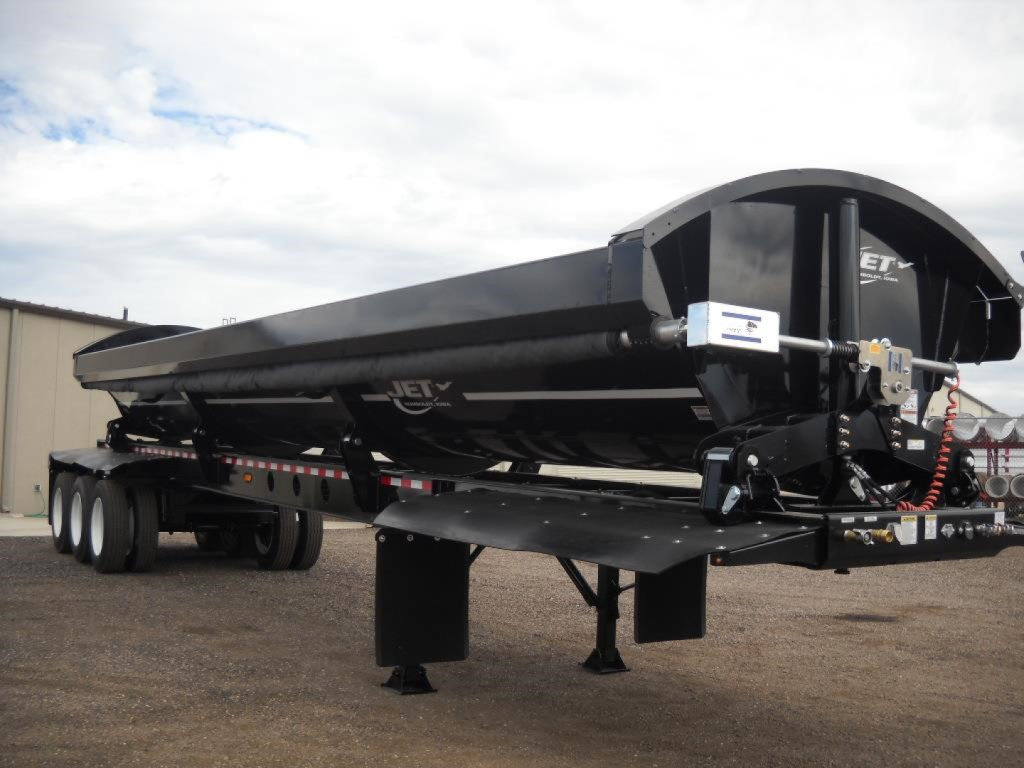
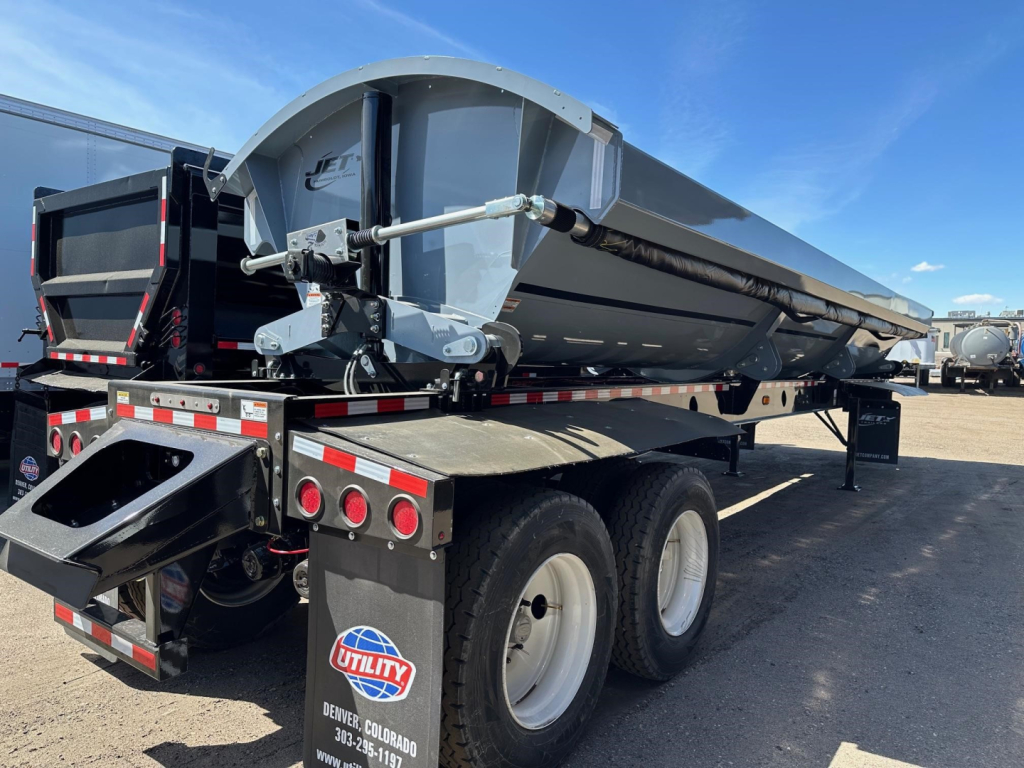
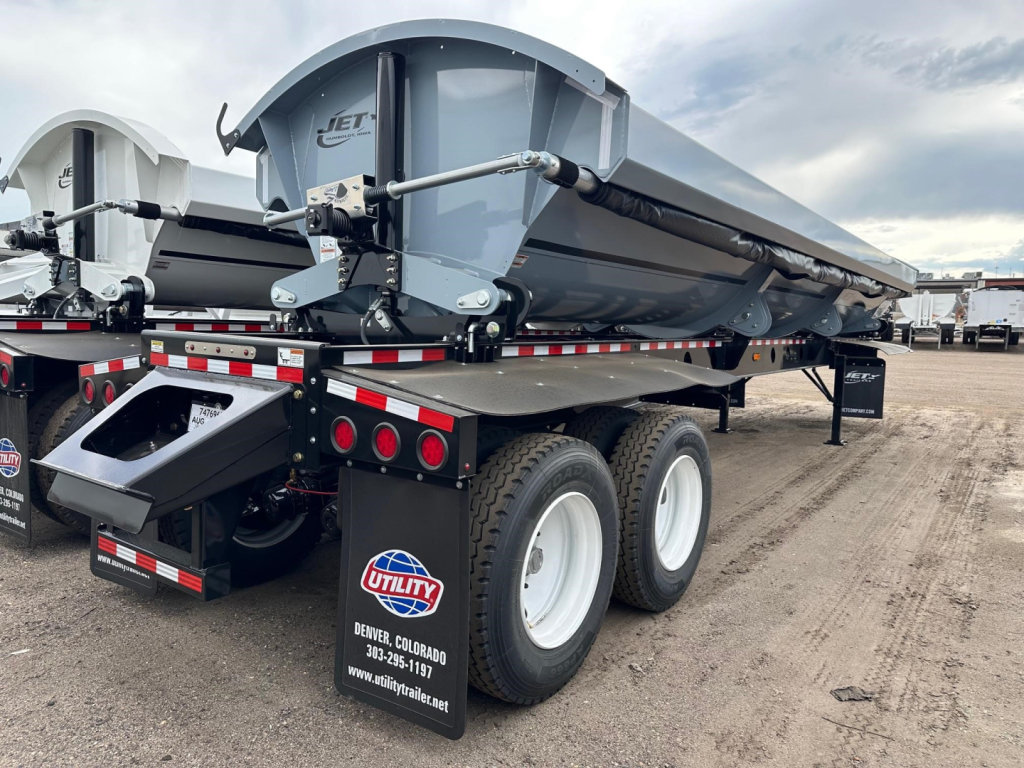
Selling a 2026 jet dump trailer? List your 2026 jet dump trailer for sale and reach thousands of commercial buyers.
2026 Jet Dump Trailers in Colorado
The details that deserve close attention are the tub material, pivot design, and cylinder arrangement. Many Jet side dumps are spec'd with 1/4-inch AR400 steel tubs, which is a strong indicator the trailer is intended for abrasive material and repeated loading by heavy equipment. Buyers should also pay attention to engineered tub corners and flex-corner designs that reduce stress concentration and help control cracking over time. Listings in this category often reference four pivot points per side and inverted trunnion-mounted cylinders, both of which matter in real production work. A well-designed pivot and cylinder setup improves dump stability, helps the tub roll smoothly, and reduces the twisting that can shorten trailer life.
Suspension, axle count, and running gear should match the route and payload profile. Tandem axle Jet dump trailers are common for general construction and quarry work, while tri-axle side dumps can make sense for buyers trying to maximize legal payload where bridge laws and state regulations allow. Air ride suspension is a frequent spec because it protects the frame and tub from repeated shock loading and can improve ride quality on mixed paved and unpaved routes. Tire size, axle spacing, wheel choice, fenders, landing gear, and push block equipment all affect daily usability. In Colorado, that means paying attention to mountain grades, variable weather, and the balance between payload capacity and control on rough haul roads.
Buyers comparing 2026 Jet dump trailers should focus on how the trailer is built for the material being hauled and the pace of the operation. Electric roll-over tarps, 2-way valves, tarp lockout switches, LED lighting, and bolt-on push blocks are not cosmetic items. They affect safety, cycle time, and fleet serviceability. A trailer hauling shot rock all day has different needs than one moving sand, asphalt millings, or excavation spoils. The best choice is usually the one with the right tub length, steel package, axle layout, and dump geometry for the actual job, not simply the highest advertised capacity.
Frequently Asked Questions about 2026 Jet Dump Trailers in Colorado
What is the main advantage of a Jet side dump trailer compared with an end dump?
A Jet side dump trailer is built to unload to the side with a controlled rolling action, which generally provides better stability during discharge than an end dump in uneven or soft ground conditions. That makes side dumps popular in road construction, quarry work, site development, and other applications where operators need to unload quickly without raising the center of gravity as high as a conventional end dump body.
Why does AR400 steel matter in a dump trailer tub?
AR400 steel is an abrasion-resistant material commonly used in dump trailer tubs that handle rock, gravel, demolition debris, and other high-wear loads. A 1/4-inch AR400 tub typically offers better resistance to gouging and wear than lighter or less durable steel, which can help extend service life in severe-duty hauling. It is an important spec for buyers who expect repeated loading from wheel loaders or excavators and frequent hauling of abrasive material.
How do tandem axle and tri-axle Jet dump trailers differ?
A tandem axle dump trailer is usually simpler, lighter, and well suited for general construction hauling where maneuverability and lower empty weight are priorities. A tri-axle version can offer a higher legal payload potential in some applications, along with improved load distribution, but it also adds complexity, tire expense, and route considerations. The right choice depends on state weight laws, typical haul distance, jobsite access, and the density of the material being transported.
What features should buyers prioritize on a side dump trailer?
The most important features are usually tub material, tub design, pivot configuration, suspension type, cylinder design, and tarp system. Buyers should also evaluate axle spacing, tire size, wheel material, push block setup, fenders, lighting, and valve controls. Features like engineered tub corners, four pivot points per side, inverted cylinders, and electric roll-over tarps are especially relevant because they directly affect durability, stability, unloading performance, and ease of operation.
Are Jet dump trailers a good fit for Colorado hauling conditions?
Jet dump trailers can be a strong fit for Colorado operations because side dump configurations are well suited to construction sites, aggregate yards, and rural road work where ground conditions and terrain can vary. Buyers in Colorado should pay close attention to suspension spec, brake condition, tire selection, axle layout, and overall trailer weight because mountain grades, seasonal weather, and mixed on-road and off-road use place extra demands on both control and durability.