
2026 Ranco Dump Trailers For Sale in Colorado
Shop 2026 Ranco dump trailers, including bottom dumps and end dumps, with specs, applications, axle setups, tare weight, and hauling features.
Selling a 2026 ranco dump trailer? List your 2026 ranco dump trailer for sale and reach thousands of commercial buyers.
2026 Ranco Dump Trailers in Colorado
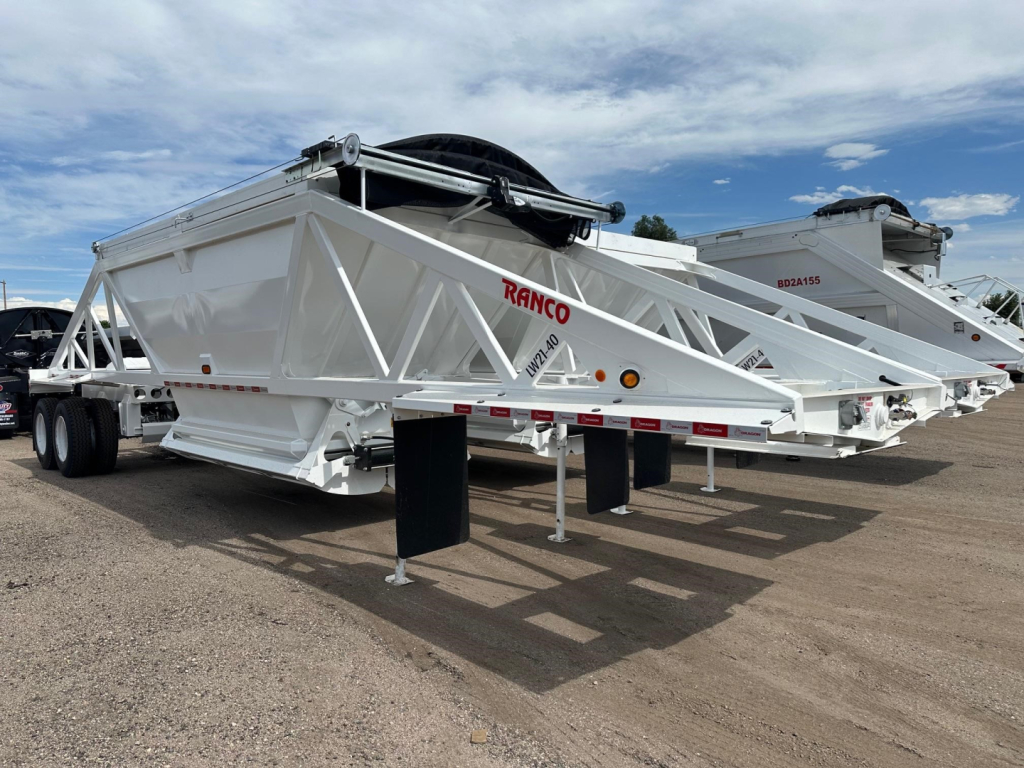
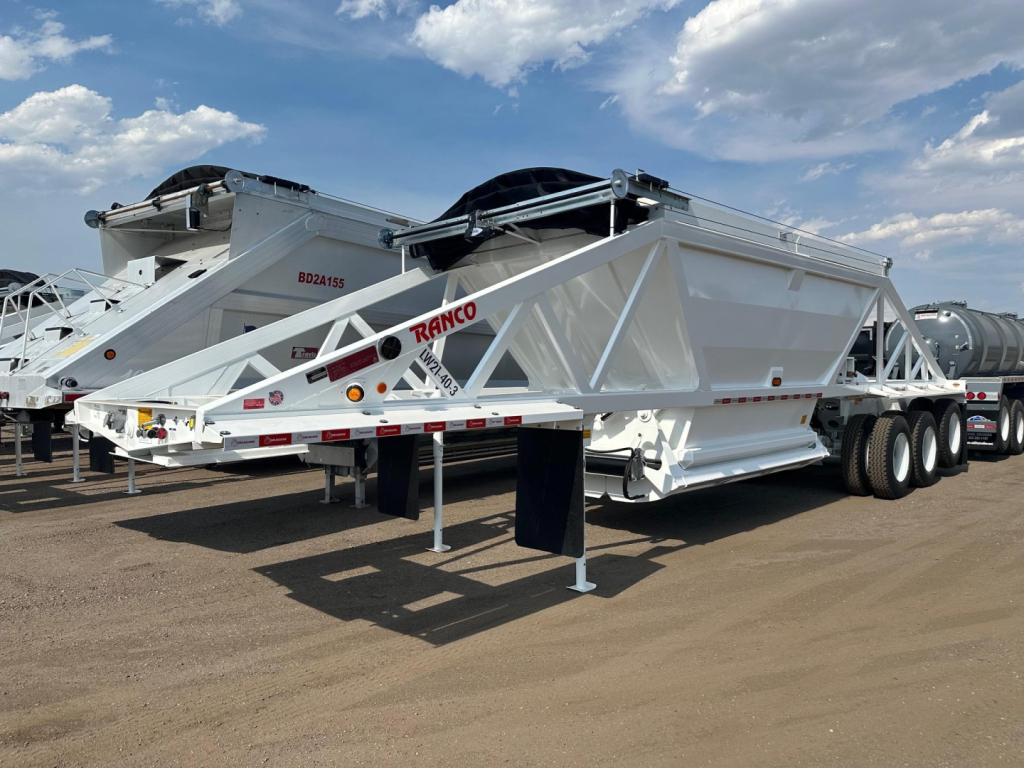
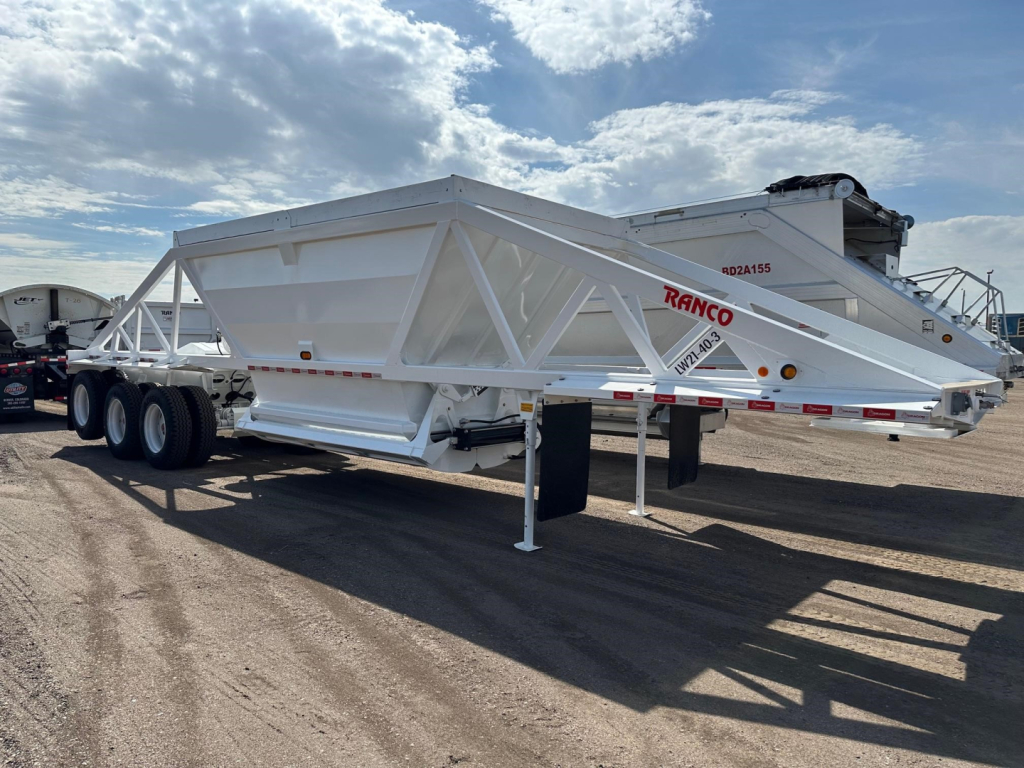
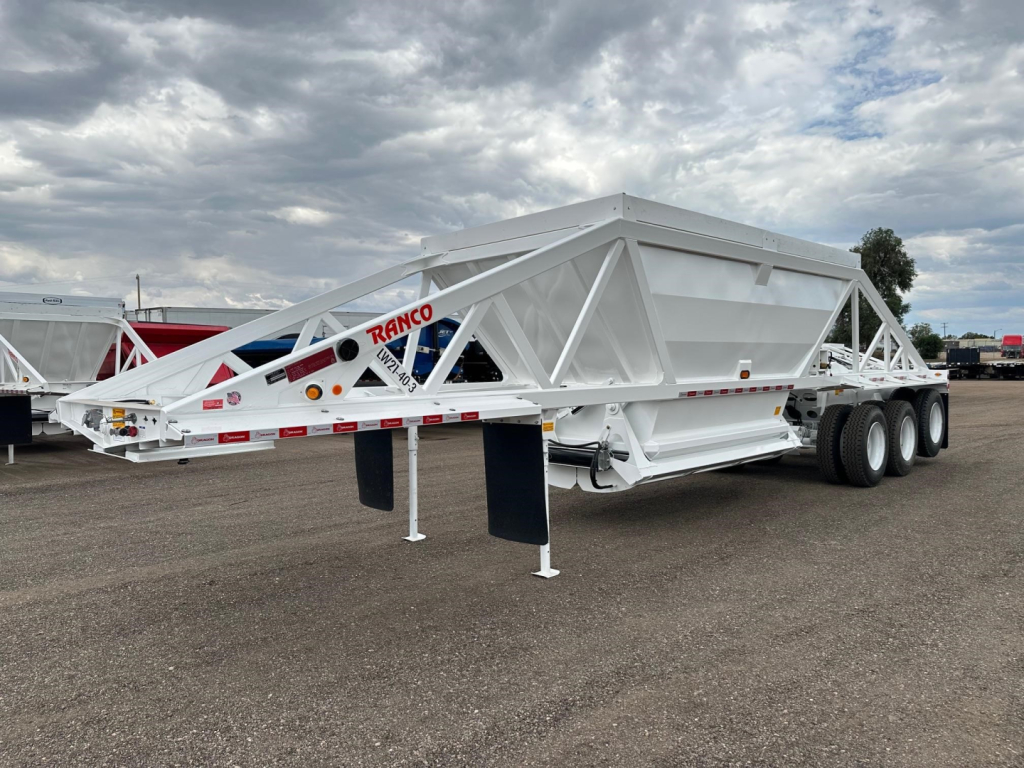
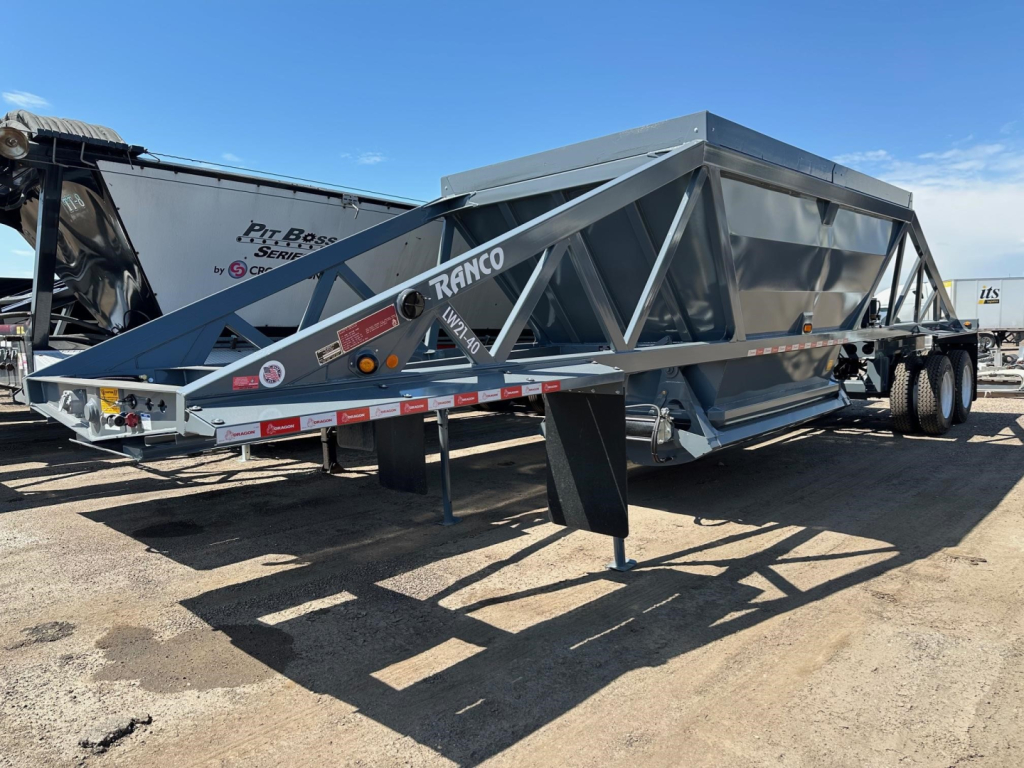
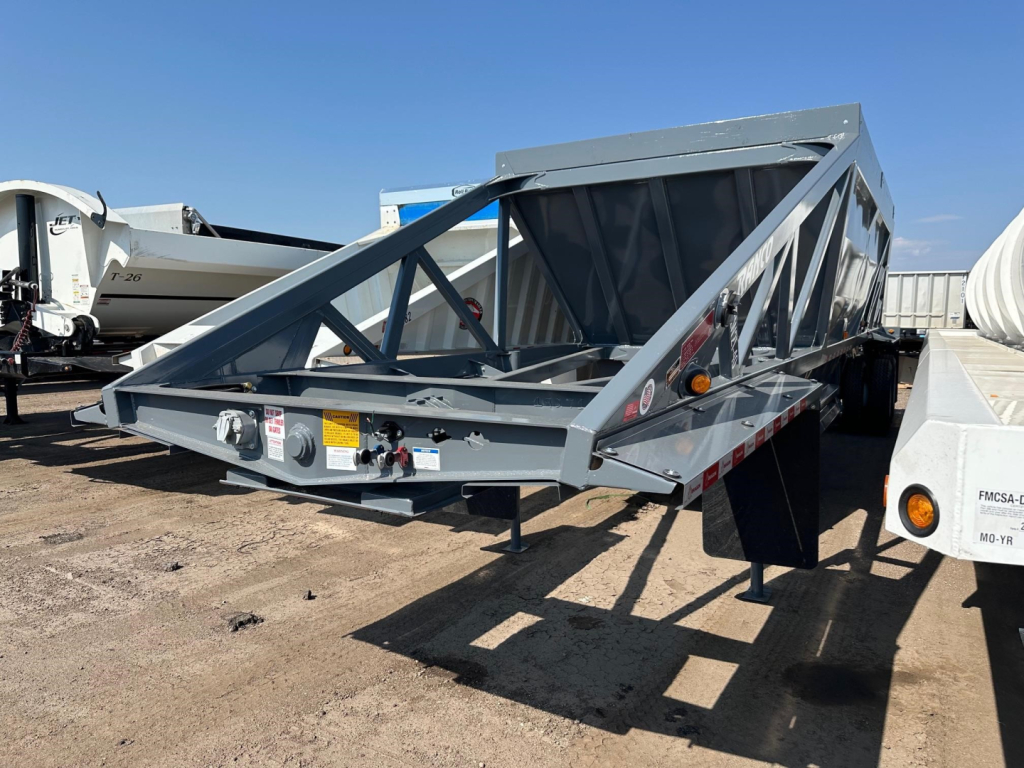
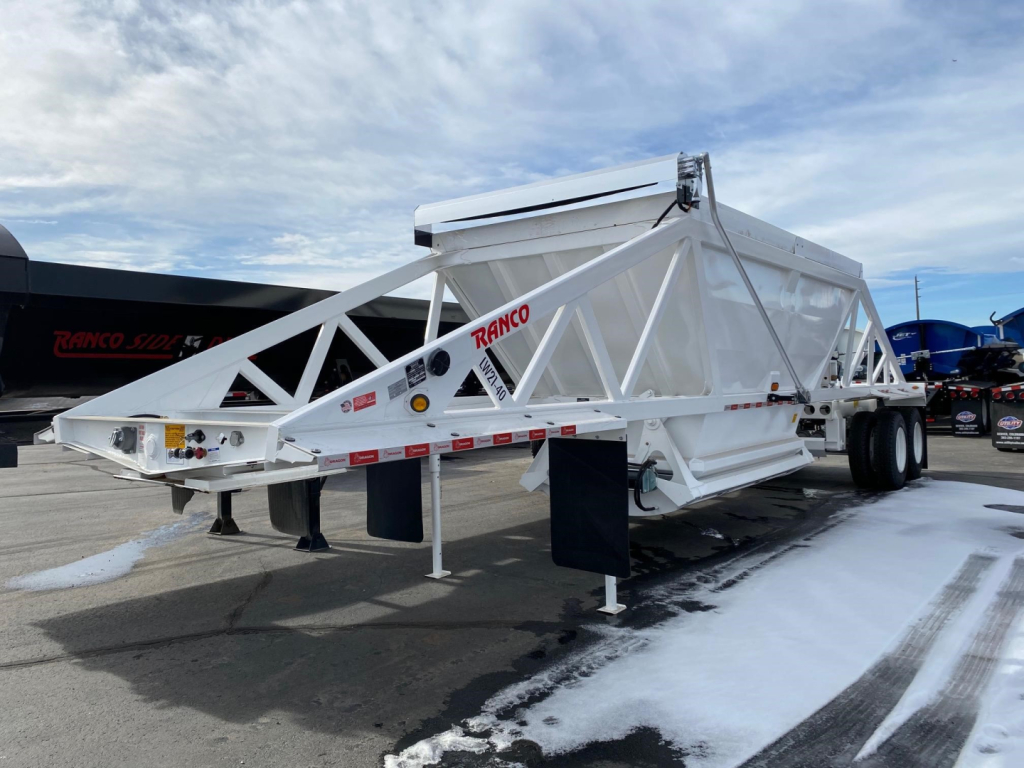
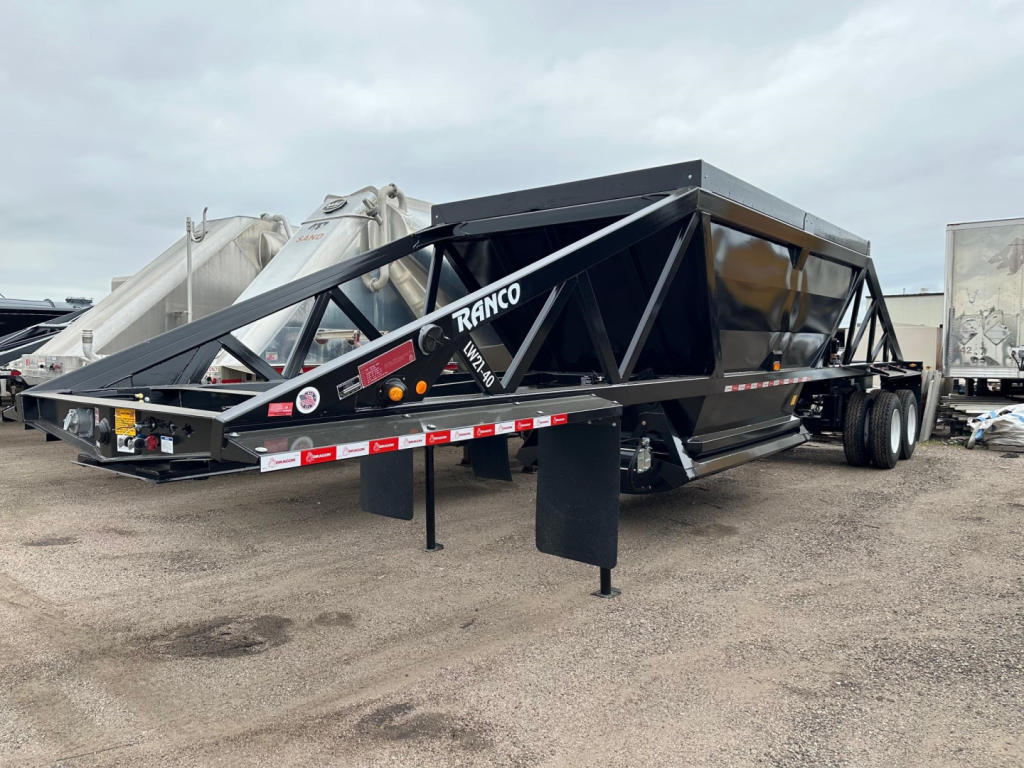
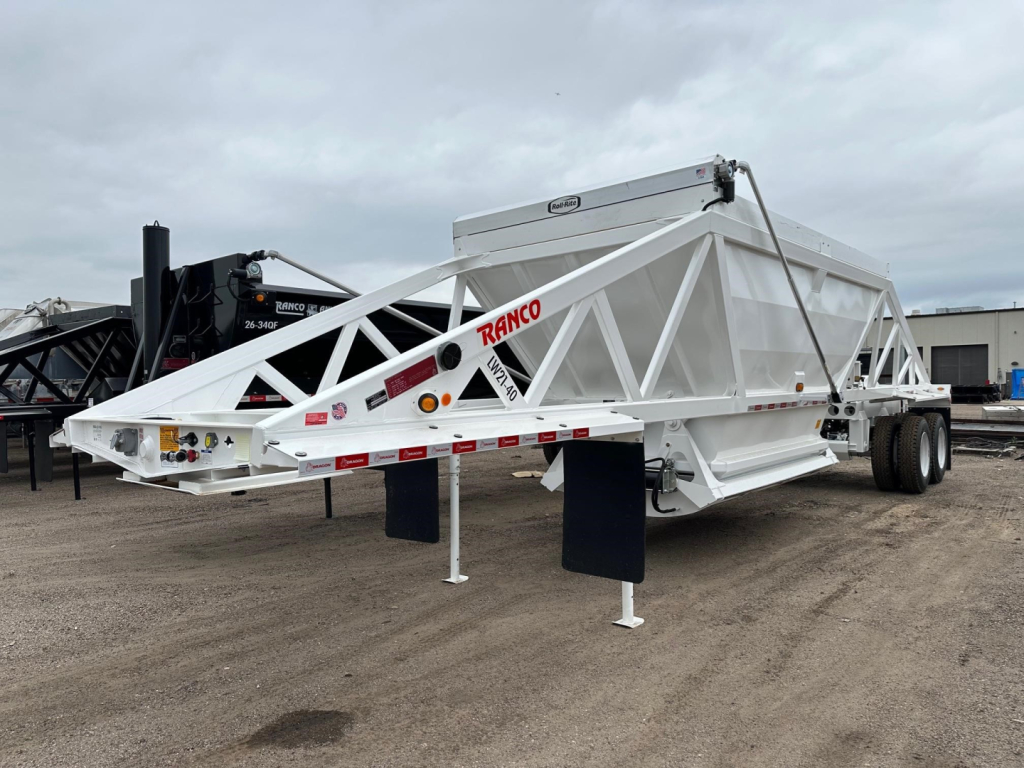
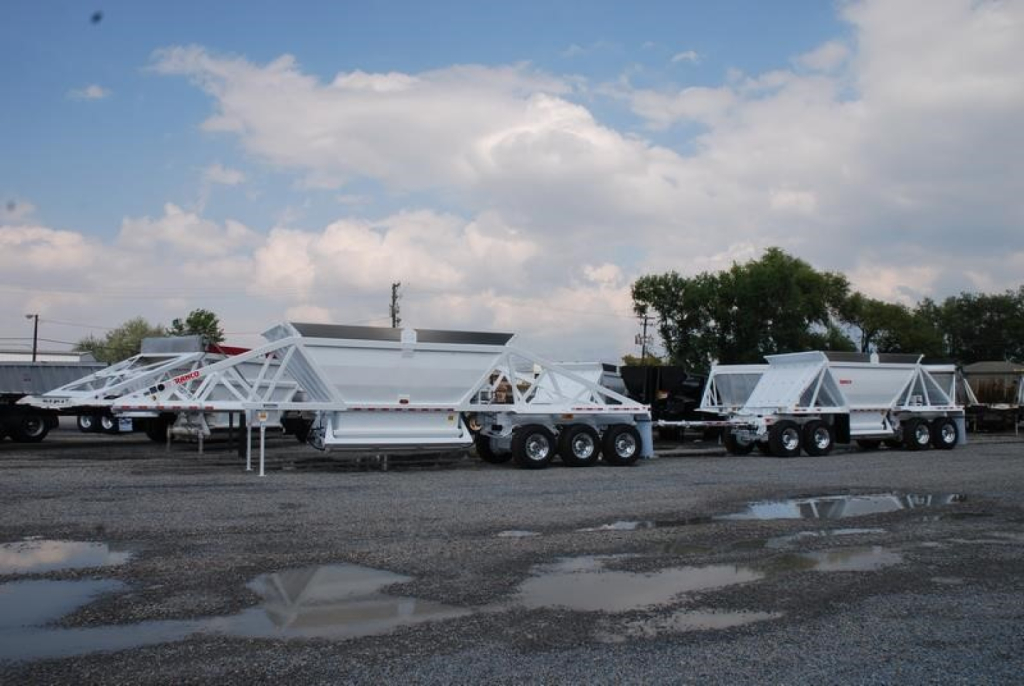
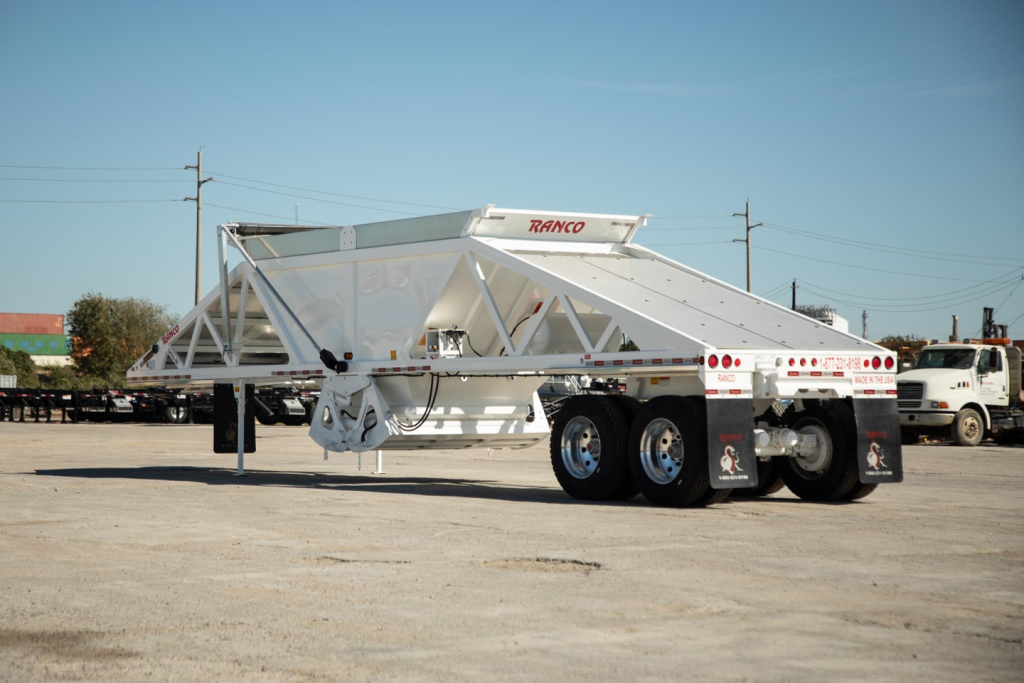
For many buyers, the first decision is bottom dump versus end dump because that determines how the trailer earns money. Ranco bottom dumps are often seen in lightweight 40-foot single-hopper layouts, tri-axle configurations, and train sets with a lead and pup. Common features include pin setting gate limiters, Versa Valve controls, windrow deflectors, bang boards, electric flip tarps, push blocks, and pintle hitch provisions for a pup. These trailers are designed to meter material evenly, which is important when spreading aggregate on grade or feeding asphalt and base operations. Axle layout matters in this category. Closed tandem, tri-axle with lift axle, and lead-pup train combinations affect bridge compliance, maneuverability, tire wear, and legal payload in Colorado and neighboring western states.
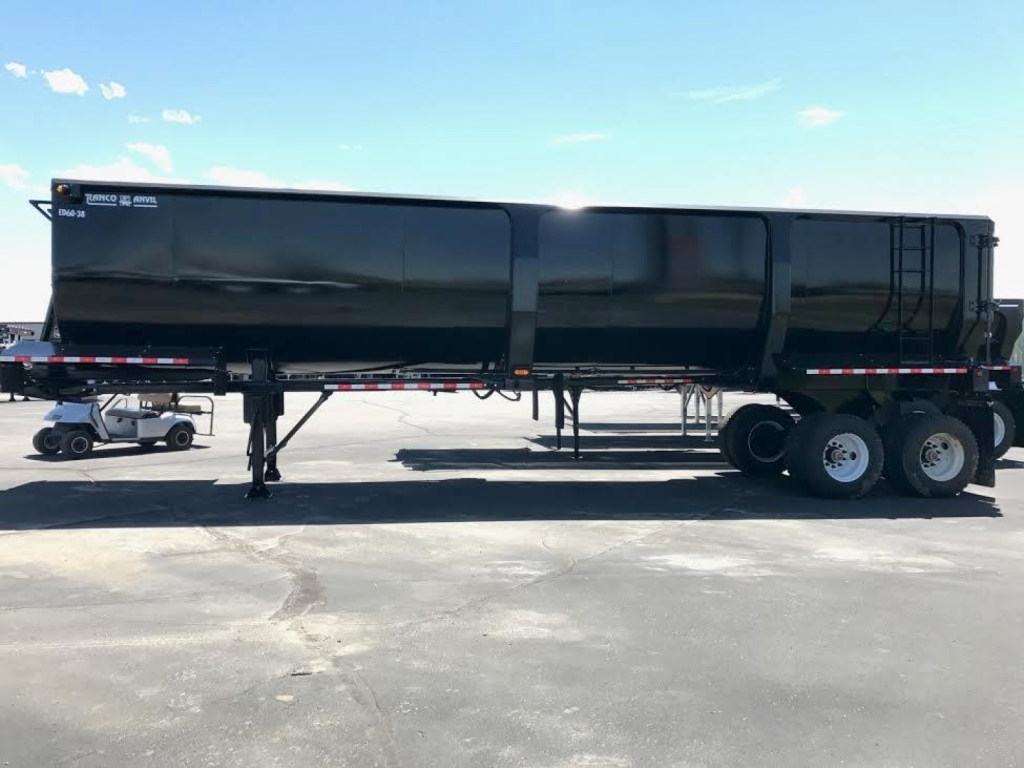
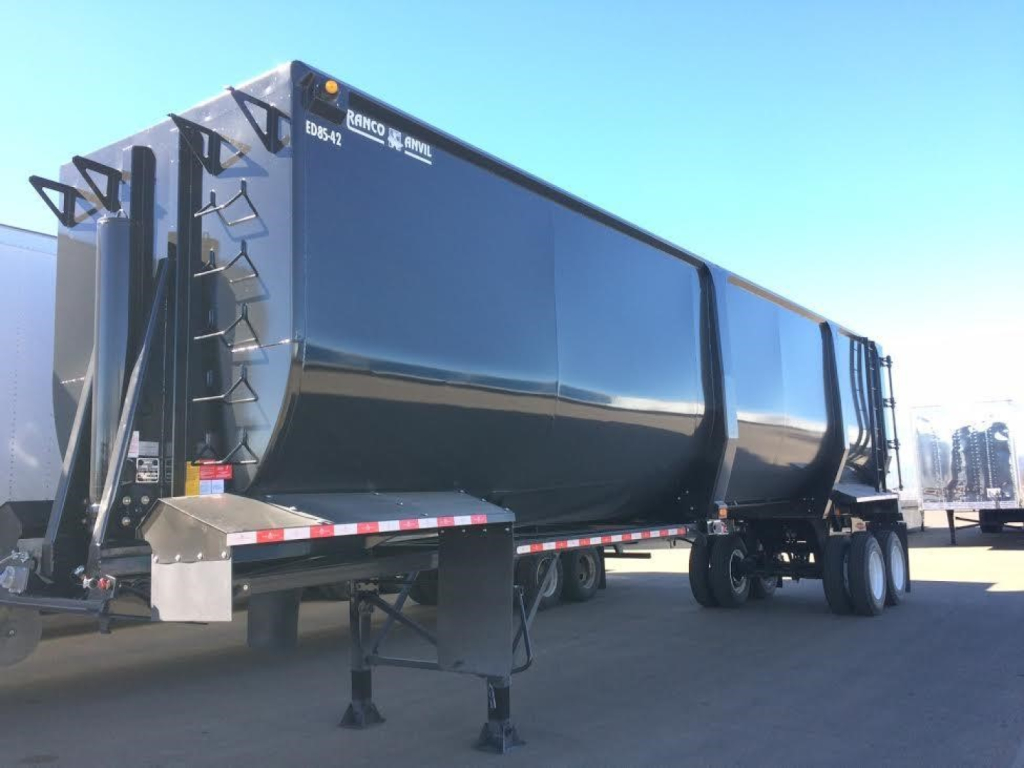
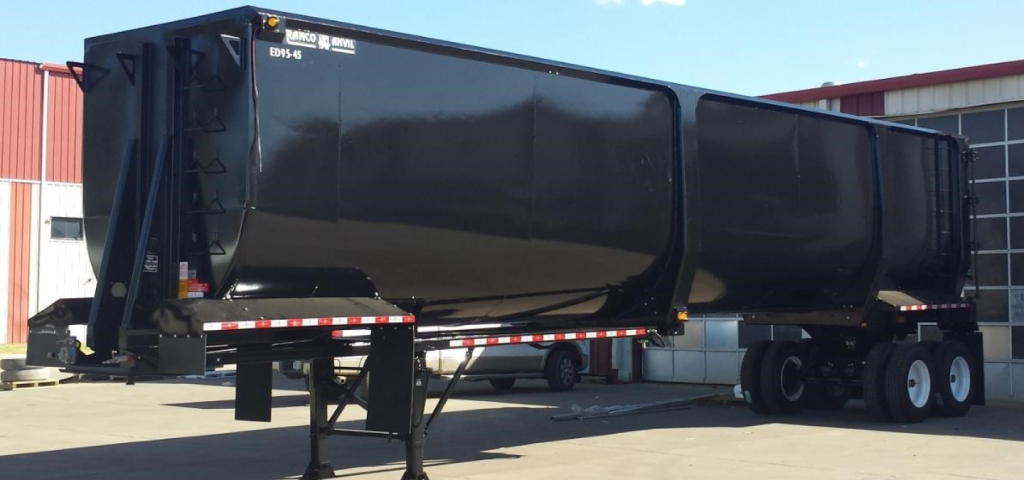
Ranco end dumps, particularly frameless half-round rock tubs, are selected for payload efficiency and clean discharge with fewer hang-up points. Buyers should pay attention to body construction, tub material, gate style, hoist geometry, suspension, and overall center of gravity. A half-round tub in an abrasion-resistant steel package is common for rock, sand, gravel, and demolition material because it sheds material well and stands up to repetitive impact. High-lift gates, electric tarps, single-point suspension, air ride setups, steel wheels, and 11R24.5 rubber are all common spec points in this segment. Frameless designs can save weight and improve payload, but they also require attention to loading discipline and dump-site conditions because trailer stability is heavily influenced by how the load is distributed.
A serious buyer should compare cubic yard capacity, tare weight, axle spacing, suspension type, liner or tub material, gate control system, and tarp setup before focusing on price alone. In Colorado, operating terrain, weather, and haul route conditions can push the spec one way or another. Air ride can improve road manners and cargo stability on certain routes, while single-point or fixed suspension specs may fit harsher aggregate duty cycles. Bottom dump trains make sense where volume and spreading productivity justify the combination, while a frameless rock end dump may be the better fit for shorter quarry-to-jobsite runs. Ranco has a strong presence in these vocational trailer applications because the brand is closely associated with durable dump bodies, practical options, and weight-conscious specs that support high-cycle hauling.
Frequently Asked Questions about 2026 Ranco Dump Trailers in Colorado
What is the difference between a Ranco bottom dump trailer and a Ranco end dump trailer?
A Ranco bottom dump trailer releases material through gates in the floor, which allows controlled spreading while the trailer is moving. That makes it a strong fit for road base, shoulder rock, and paving support work. A Ranco end dump trailer raises the body and discharges the load out the rear, which is better for stockpiling aggregate, hauling demolition material, and moving large rock or irregular bulk material. The right choice depends on how the material needs to be placed at the jobsite, not just how much the trailer can carry.
What should I look for in a 2026 Ranco bottom dump trailer?
Focus on hopper design, gate control system, axle configuration, suspension, and whether the trailer is set up for a lead-pup combination. Features like pin setting gate limiters, Versa Valve controls, windrow deflectors, bang boards, electric tarps, and push blocks directly affect unloading precision and daily productivity. You should also verify cubic yard rating, overall length, tire size, and whether the axle spread and kingpin or hitch arrangement fit your state bridge laws and intended haul routes.
Are frameless Ranco end dumps good for rock and aggregate hauling?
Yes, frameless Ranco end dumps are widely used in rock and aggregate service because they can reduce tare weight and maximize payload. Half-round tubs are especially popular since they help material flow out cleanly and resist build-up in corners. The tradeoff is that frameless end dumps require careful loading and stable dump conditions. Load placement, ground slope, and body raise angle all affect stability, so operators need disciplined procedures and a spec matched to the material being hauled.
How important is axle configuration on a Ranco dump trailer?
Axle configuration is one of the most important buying decisions because it affects legal payload, maneuverability, tire wear, maintenance, and compatibility with state regulations. Closed tandem, tri-axle, lift axle, quad pup, and train setups all serve different hauling models. In western states like Colorado, axle layout often has a direct impact on how efficiently a trailer can run under bridge and weight rules. The best setup is the one that balances payload with route flexibility and jobsite practicality.
What materials are commonly hauled in Ranco dump trailers?
Ranco dump trailers are commonly used for sand, gravel, crushed stone, road base, millings, asphalt support material, dirt, demolition debris, and larger rock depending on body style. Bottom dumps are preferred when material must be spread evenly and efficiently along a roadway or grade. End dumps are better suited to piling, quarry work, and general bulk transport where direct rear discharge is more important than metered placement. Matching the trailer body and gate setup to the material type helps reduce carryback, improve cycle times, and limit unnecessary wear.