
Drop Deck Trailers For Sale in Pennsylvania
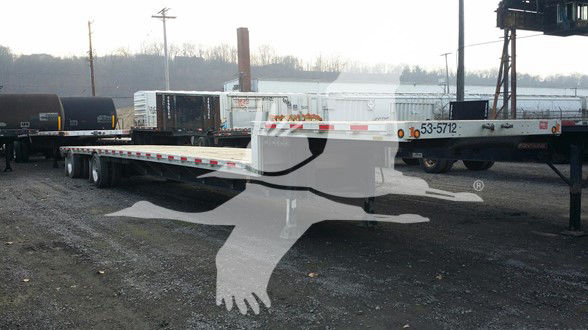
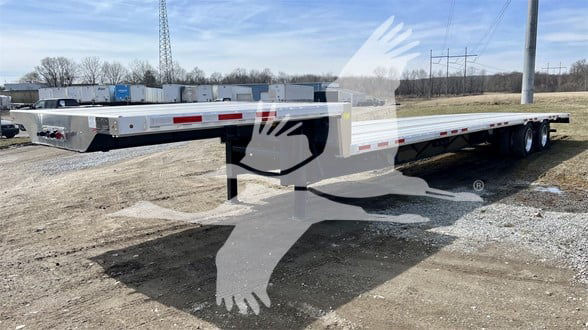
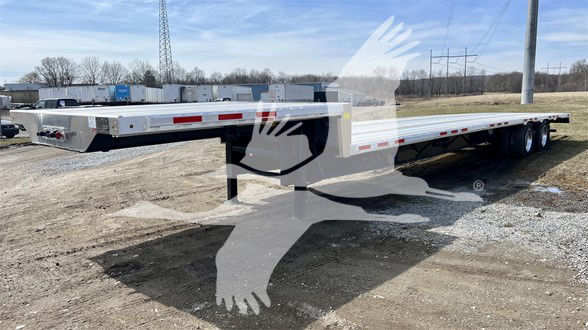
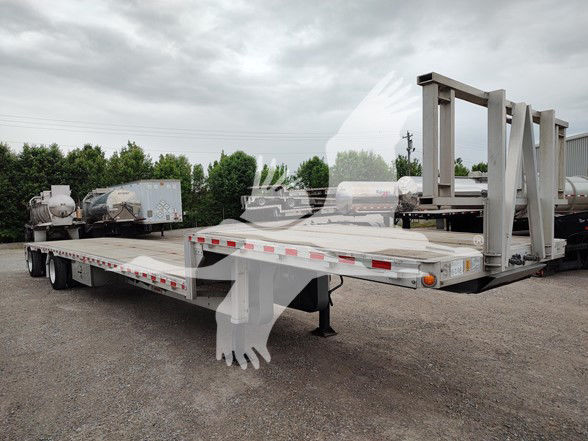
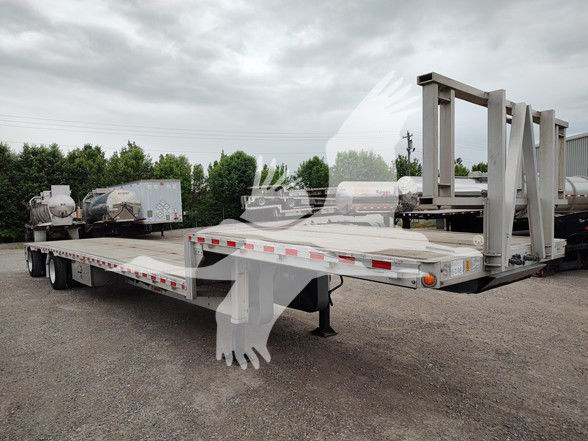
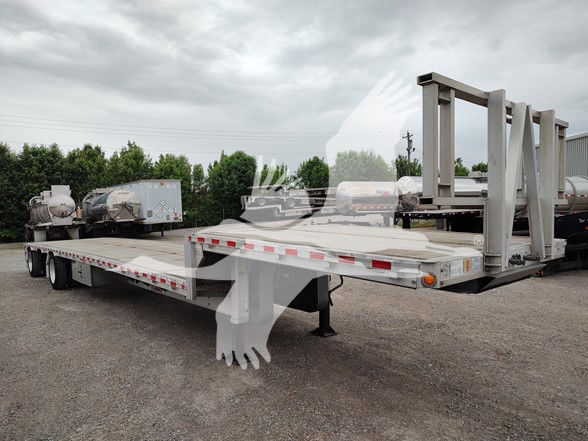
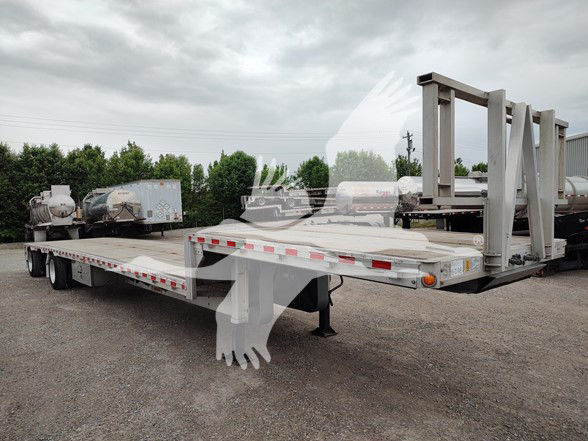
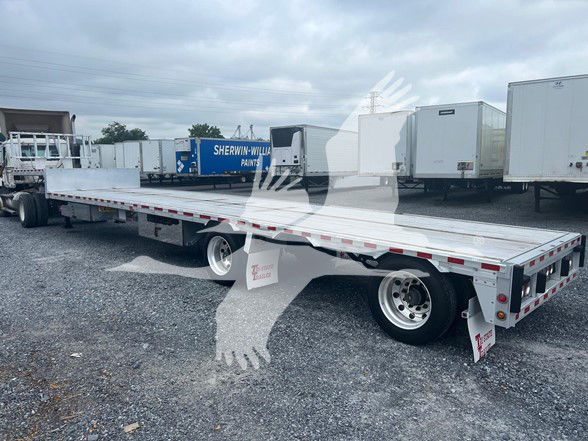
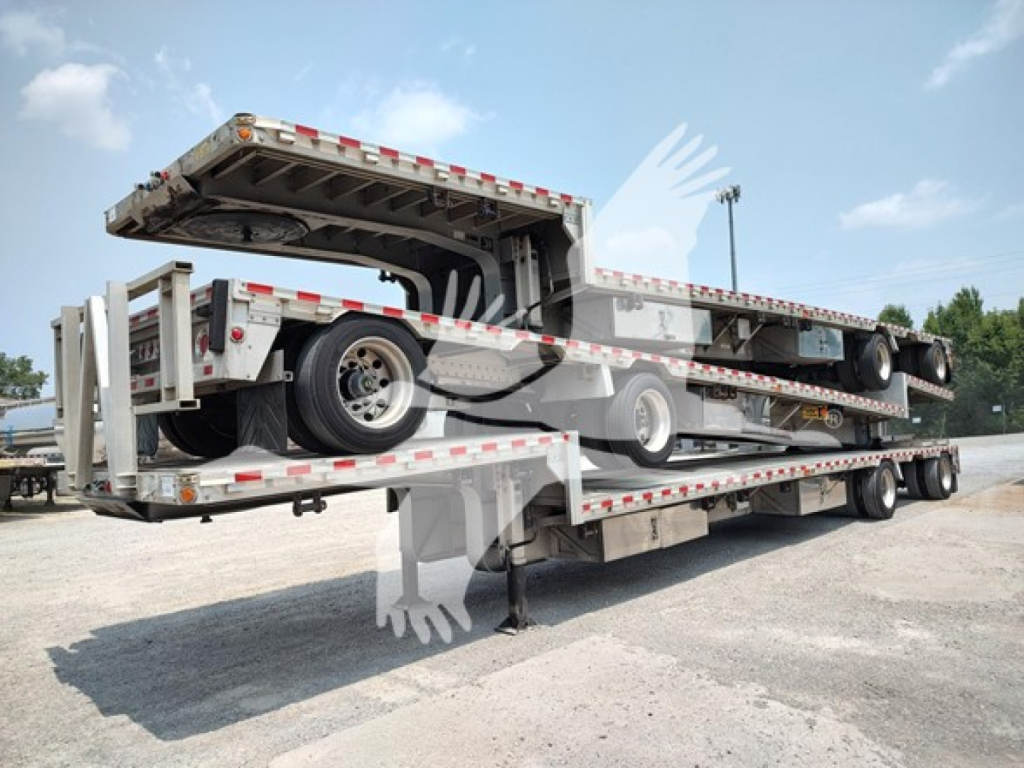
2018 Reitnouer Dropmiser
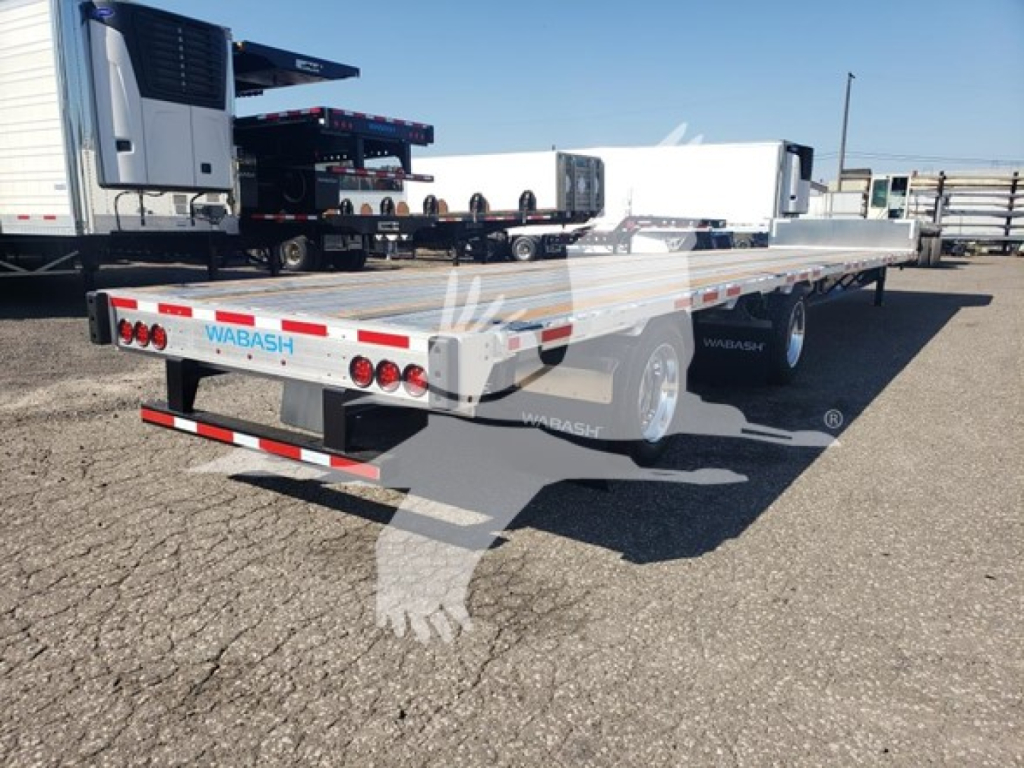
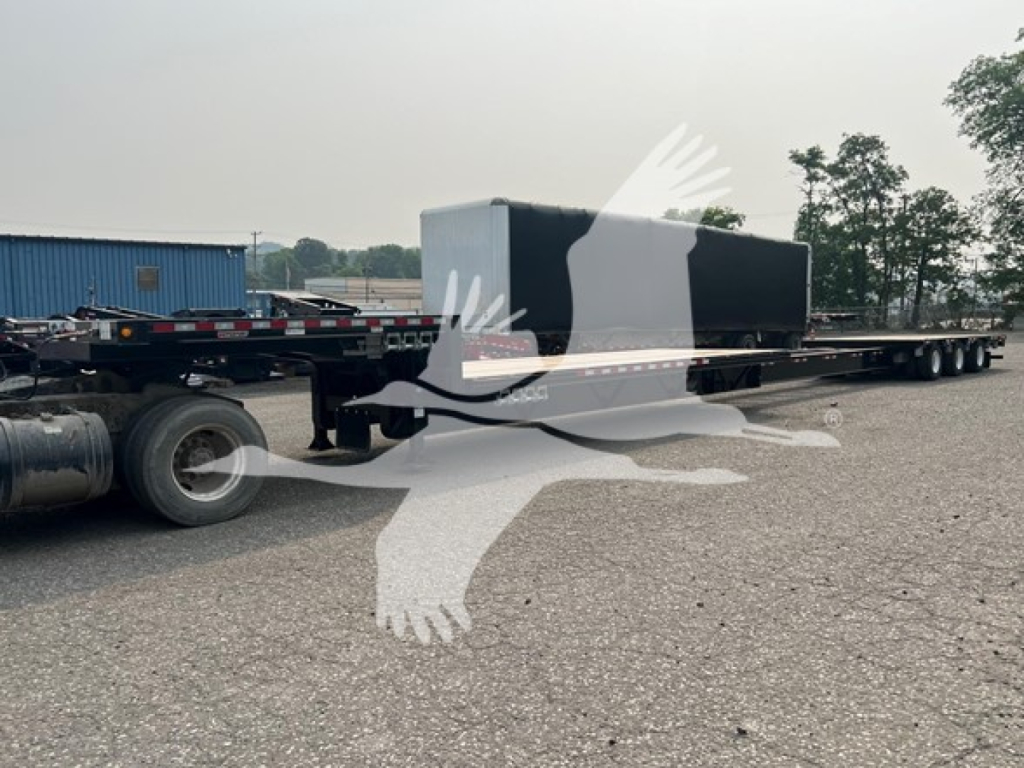
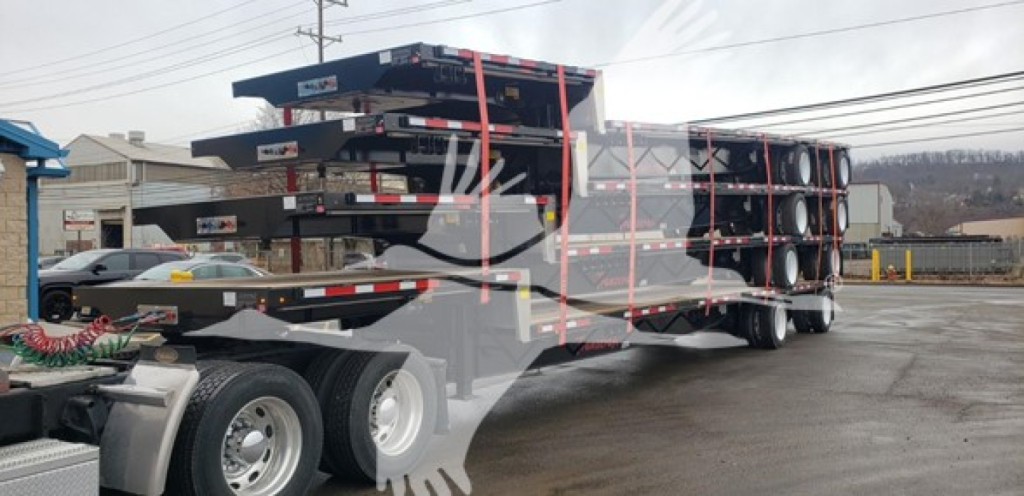
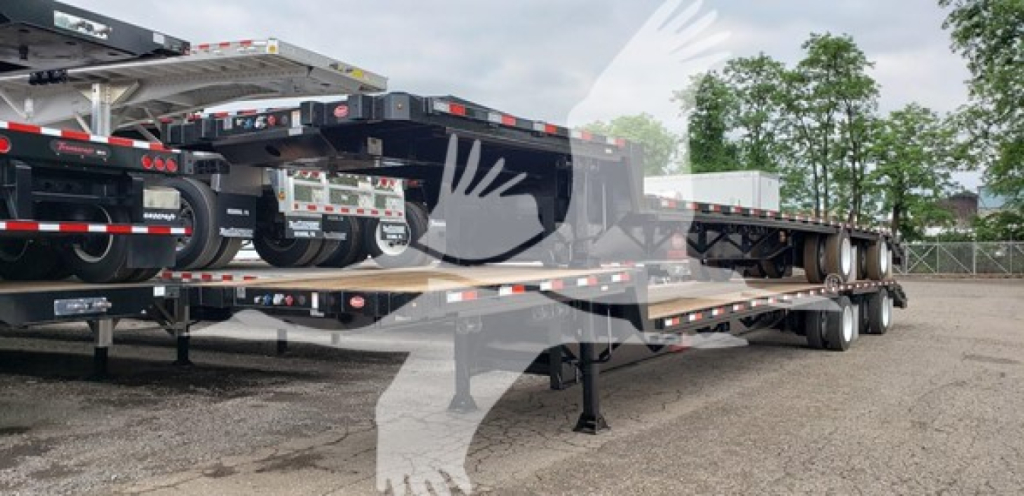
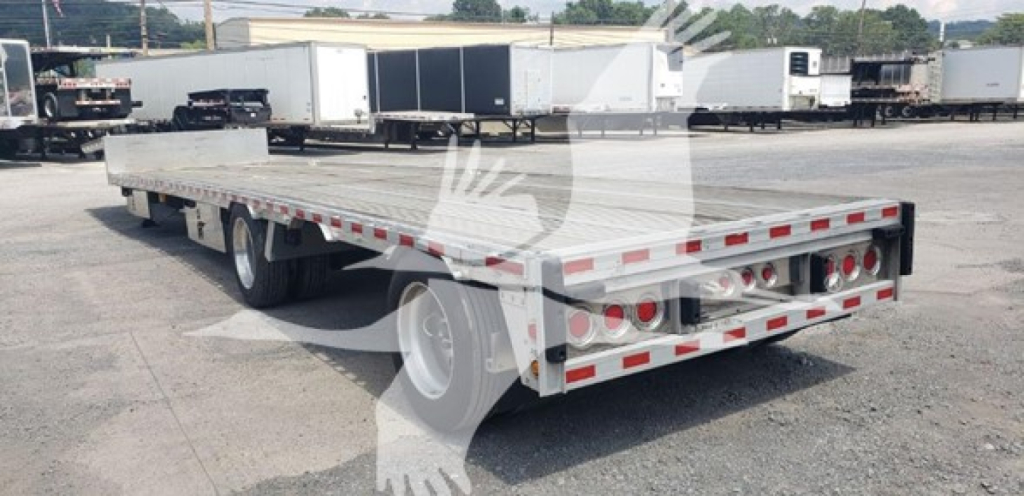
Showing 73 to 86 of 86 results
Have drop deck trailer to sell? List it here to reach thousands of buyers.
Drop Deck Trailers in Pennsylvania
Most drop deck trailers in this class are 48 feet long and 102 inches wide, with a top deck around 10 feet to 10 feet 6 inches and a main deck around 37 feet 6 inches to 38 feet. Main deck height commonly falls in the 40 to 41 inch range, which is the key advantage over a flatbed. Tandem axle and spread axle configurations are both common, often paired with air ride suspension for better cargo protection and dock-to-road stability. Buyers should pay close attention to kingpin setting, axle spread, deck height, crossmember spacing, and flooring. Aluminum models reduce trailer weight and increase payload potential, while steel or combo construction can offer a different balance of durability, repair cost, and purchase price.
Freight securement setup is a major buying factor on a drop deck. Many trailers are equipped with winch tracks, sliding winches, stake pockets, pipe spools, and nailing strips, with some units adding coil packages, extra crossmembers, bulkheads, and multiple toolboxes. Apitong flooring remains common on steel and combo trailers for durability and securement flexibility, while aluminum floors help keep tare weight down. Tire inflation systems, disc brakes, dump valves, and anti-roll systems can also be valuable on higher-mileage regional and over-the-road operations. If the trailer will regularly haul machinery, building products, crated freight, or steel, deck configuration and securement layout should be matched to the freight mix rather than treated as secondary options.
For many fleets and owner-operators, the right drop deck comes down to legal height, empty weight, and how easily it can be loaded in real working conditions. A lower deck improves versatility for taller palletized freight, equipment, and jobsite materials, but buyers should still verify ramp compatibility, bulkhead preference, rear loading angle, and the number and placement of tiedown points. In the used market, suspension condition, floor wear, side rail damage, landing gear condition, brake spec, and corrosion around crossmembers and rear structure deserve close inspection. A well-spec'd drop deck trailer can cover a wide range of freight without moving into the higher cost and narrower application of specialized lowboy equipment.
Frequently Asked Questions about Drop Deck Trailers in Pennsylvania
What is the difference between a drop deck trailer and a flatbed trailer?
A drop deck trailer has two deck levels, with a raised front deck and a lower main deck, while a flatbed has a single continuous deck height. The lower main deck on a drop deck allows taller freight to be hauled within legal height limits in many situations. That makes a drop deck a common choice for machinery, palletized freight, and building materials that would ride too high on a standard flatbed.
What length and deck dimensions are common on a drop deck trailer?
A common spec is a 48-foot by 102-inch trailer with a top deck around 10 feet to 10 feet 6 inches and a main deck around 37 feet 6 inches to 38 feet. Main deck height is often around 40 to 41 inches. These dimensions vary by manufacturer and construction type, but they are typical enough that buyers often use them as a baseline when comparing payload capacity, legal height, and usable deck space.
Is an aluminum or steel drop deck trailer better?
Aluminum drop deck trailers generally weigh less, which helps maximize payload and fuel efficiency. Steel trailers usually offer lower upfront cost and can be attractive in harder service where repair simplicity matters. Combo trailers split the difference by using steel in high-stress areas and aluminum elsewhere. The better choice depends on freight type, annual miles, corrosion exposure, and how much value you place on tare weight versus purchase price and long-term durability.
What features matter most for freight securement on a drop deck trailer?
The most useful securement features depend on the freight, but buyers commonly look for winch tracks on one or both sides, sliding winches, stake pockets, pipe spools, nailing strips, and a floor that accepts blocking well. Coil packages, extra crossmembers, bulkheads, and toolbox storage also add value for specialized freight. A trailer with the right tiedown layout can reduce load time, improve flexibility, and make the trailer more useful across different customers and commodity types.
What should I inspect first on a used drop deck trailer?
Start with structural areas that affect safety and service life, including the frame, crossmembers, side rails, upper deck transition, rear structure, and suspension mounts. Then inspect floor condition, landing gear, brake components, tires, wheel ends, and signs of corrosion or impact damage. On aluminum trailers, look closely for cracking around high-stress points. On any used drop deck, deck height consistency, axle alignment, and securement hardware condition are also worth verifying before purchase.