
2027 Trailers For Sale in Pennsylvania
Browse 2027 trailers for sale in Pennsylvania, including van, flatbed, and lowboy trailers with specs that fit freight, axle, and route needs.
Showing 1 to 24 of 44 results
Have 2027 trailer to sell? List it here to reach thousands of buyers.
2027 Trailers in Pennsylvania
For van trailers, the critical details are interior cube, floor construction, logistics track or post layout, door style, and rear frame durability. A typical road van in this class is 53 feet long and 102 inches wide, often with swing doors, hardwood flooring, aluminum roofs, galvanized rear structures, and air ride suspension. Buyers hauling palletized freight should check inside height, door opening height, scuff liners, crossmember spacing in forklift traffic zones, and whether the tandem slide gives enough flexibility for axle scaling in Pennsylvania and neighboring states. Plate vans and composite-sided vans can offer a good balance of rigidity, repairability, and dock-friendly durability, especially in high-cycle regional freight.
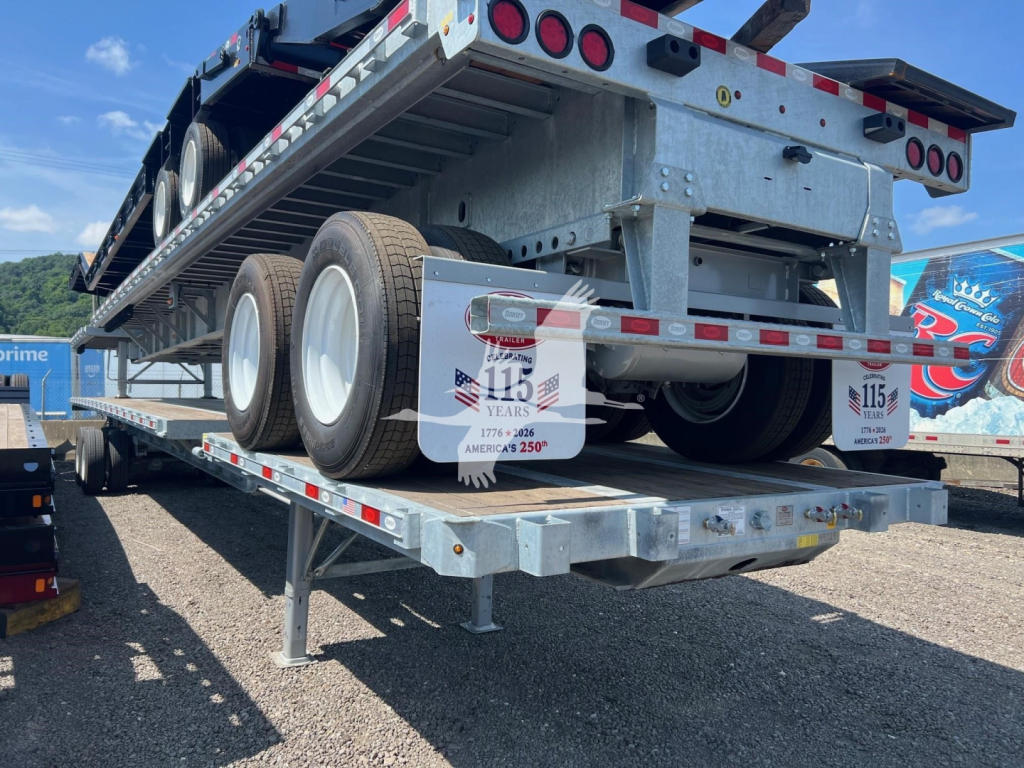
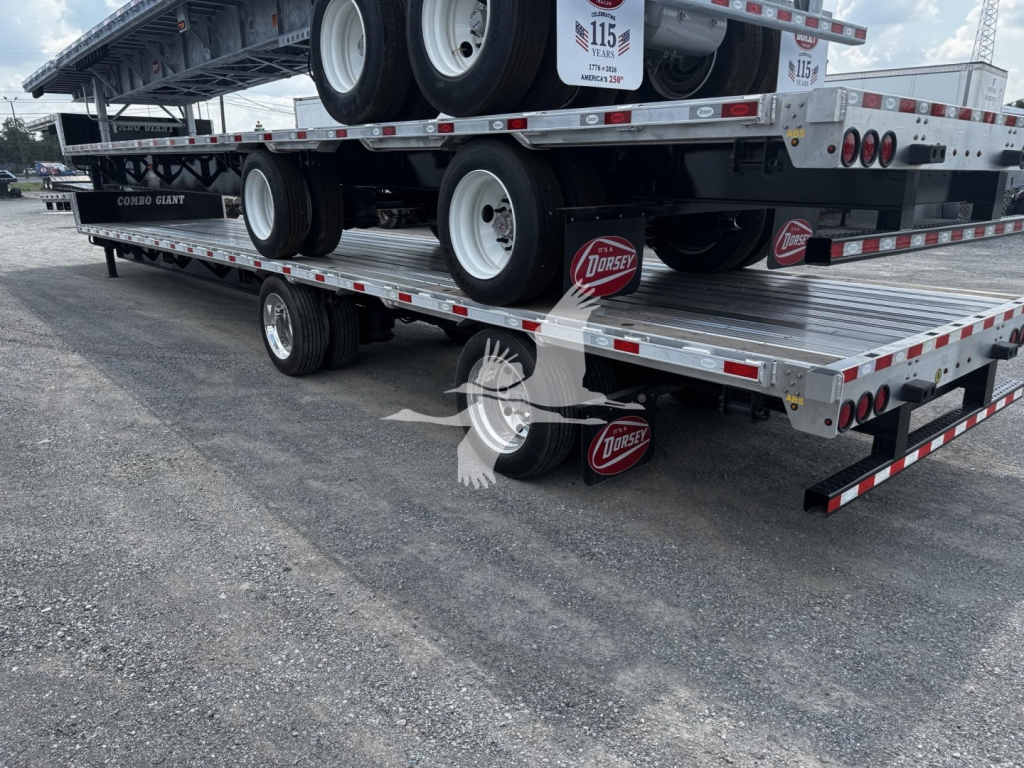
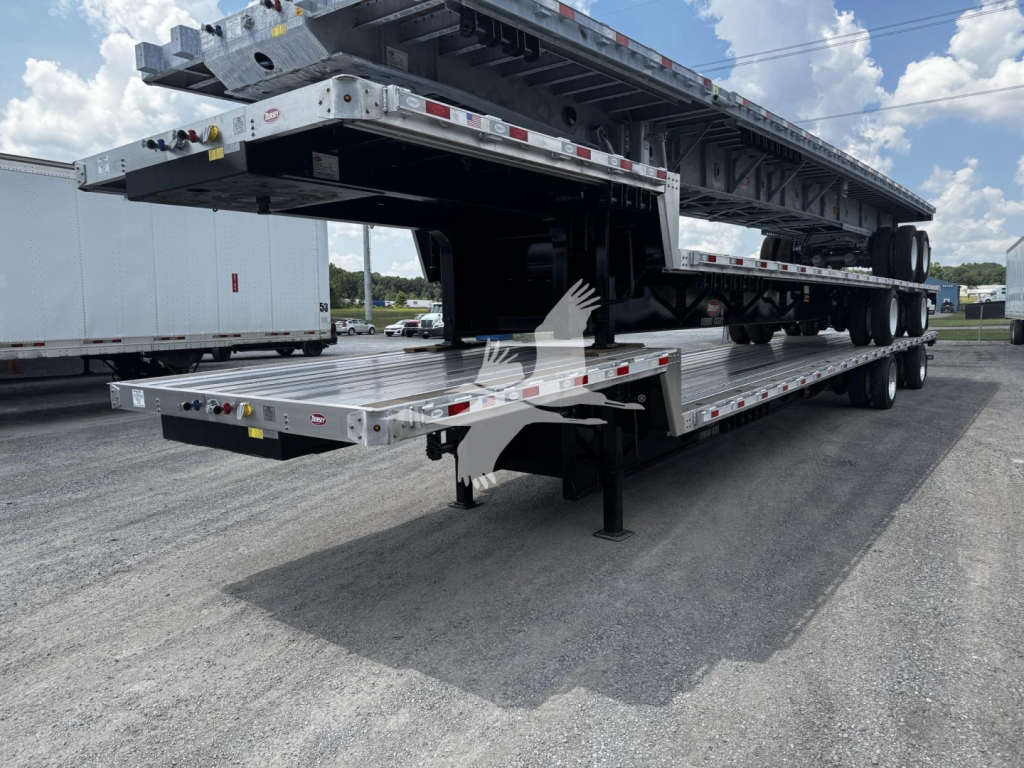
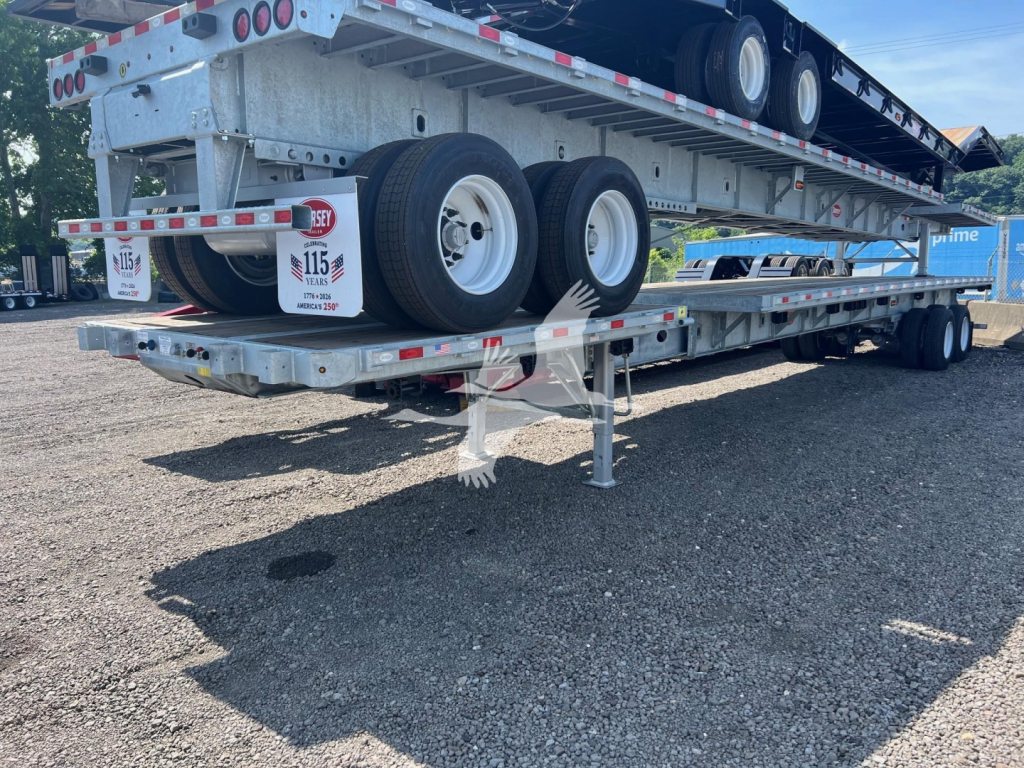
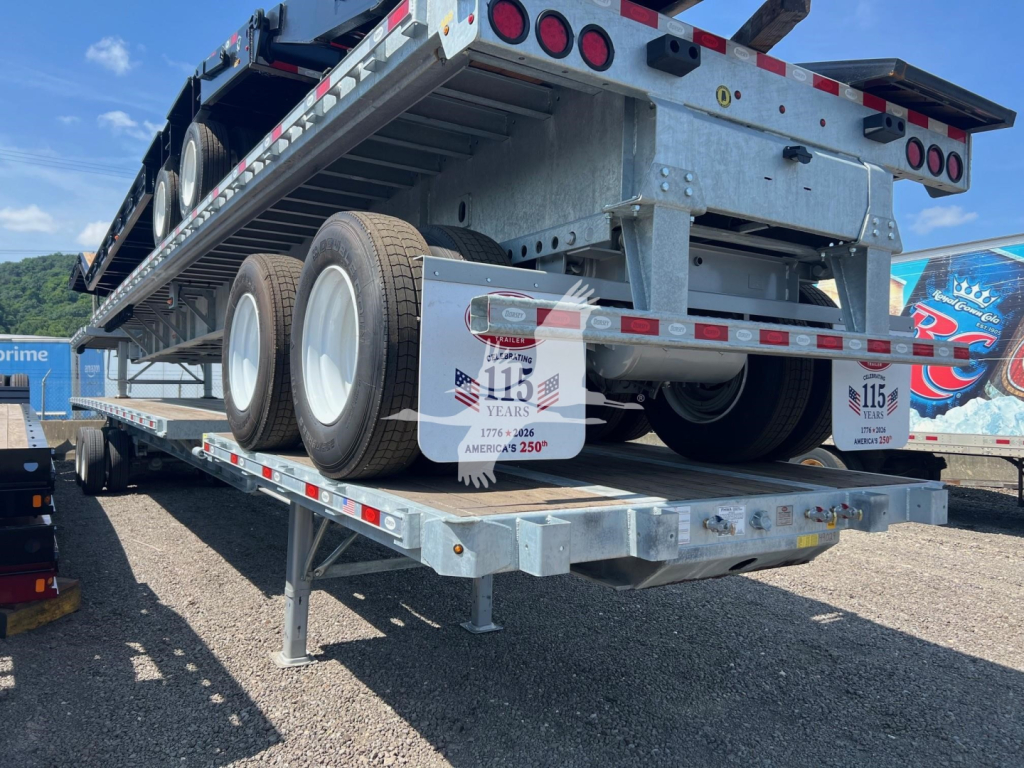
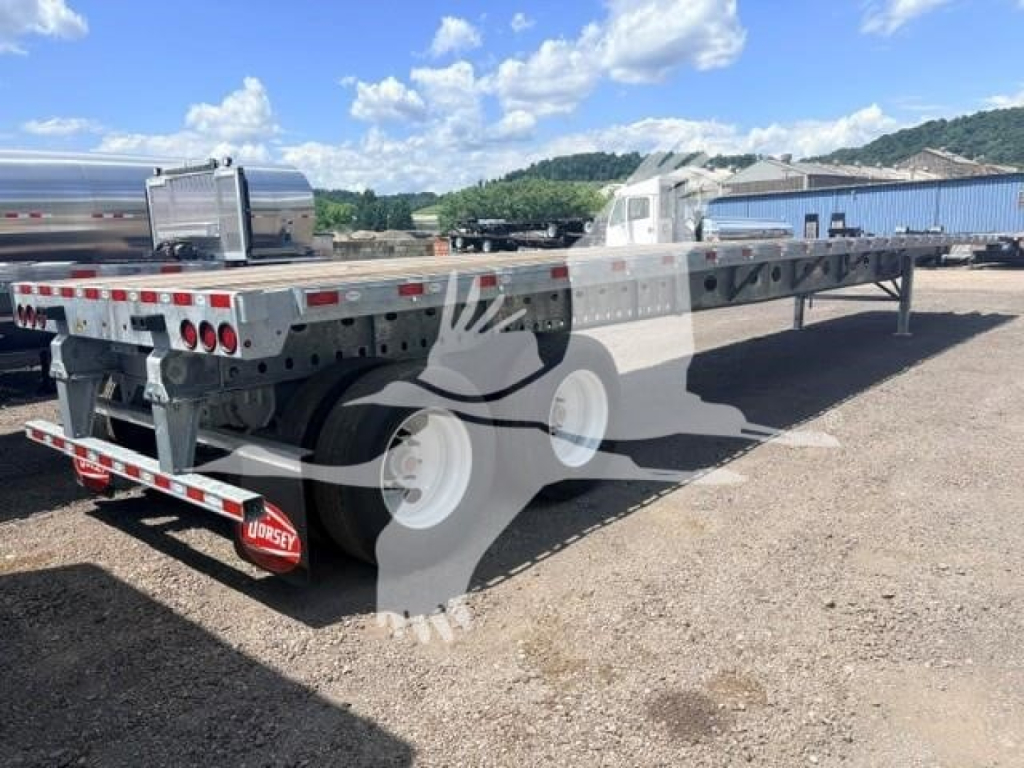
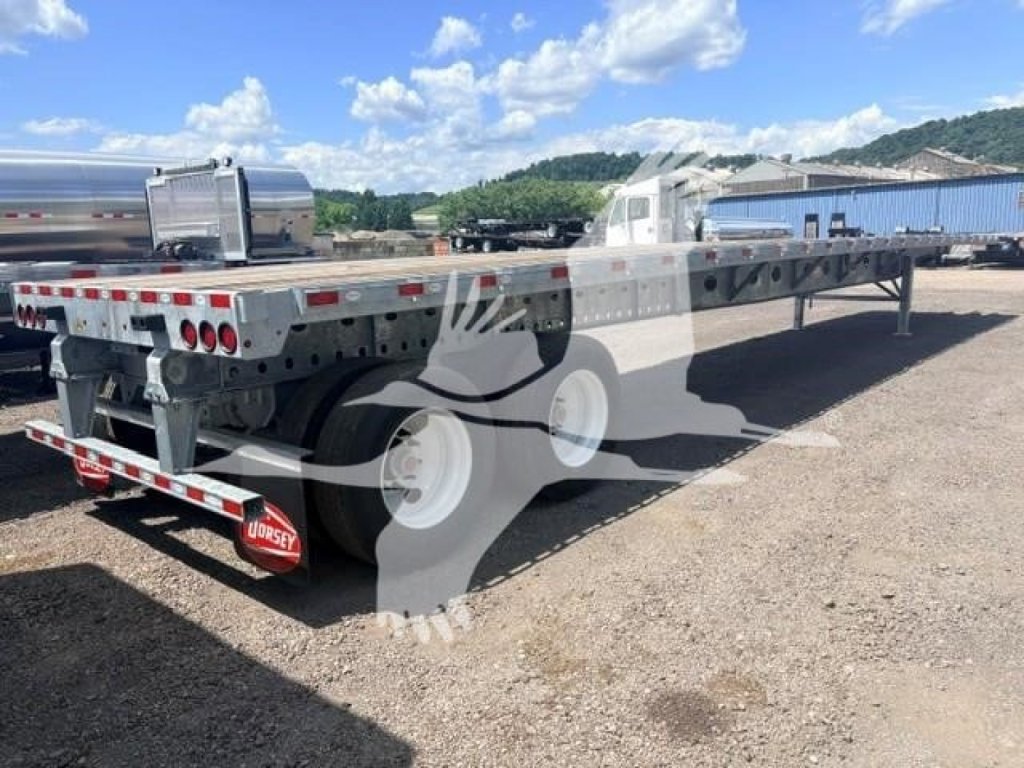
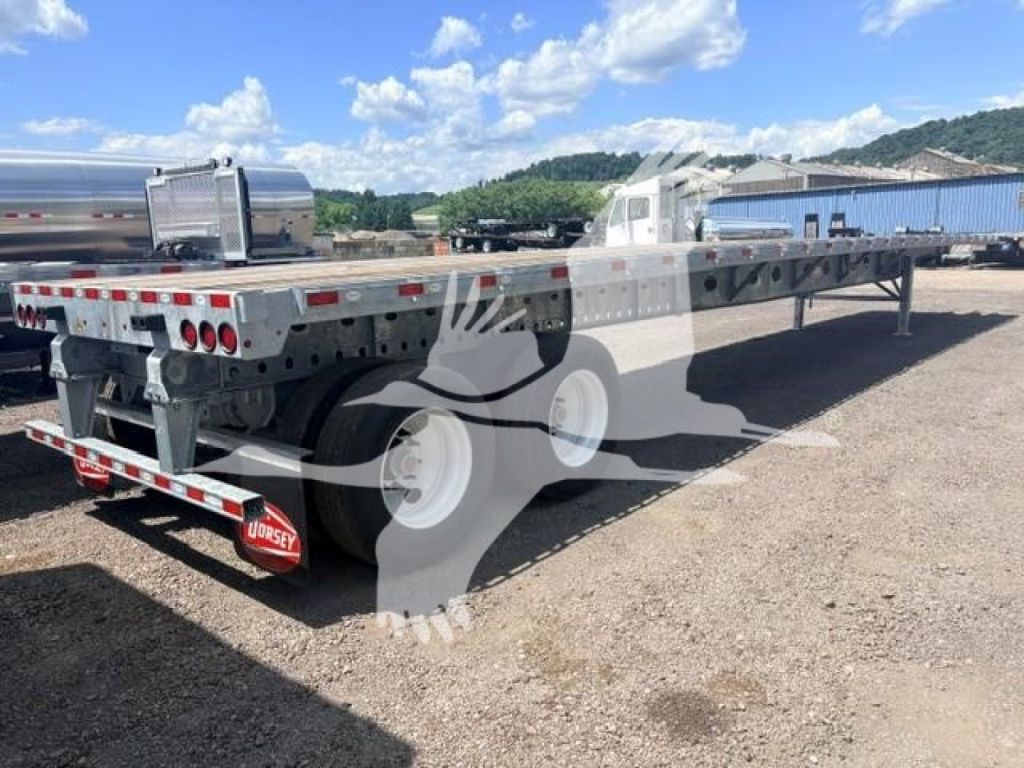
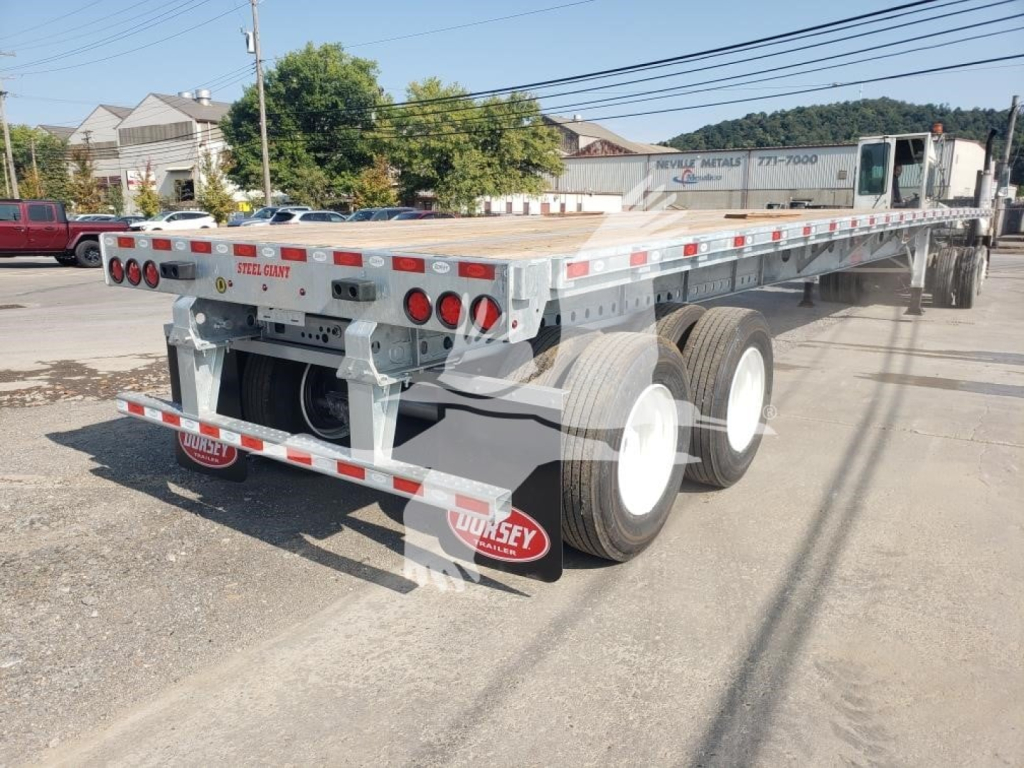
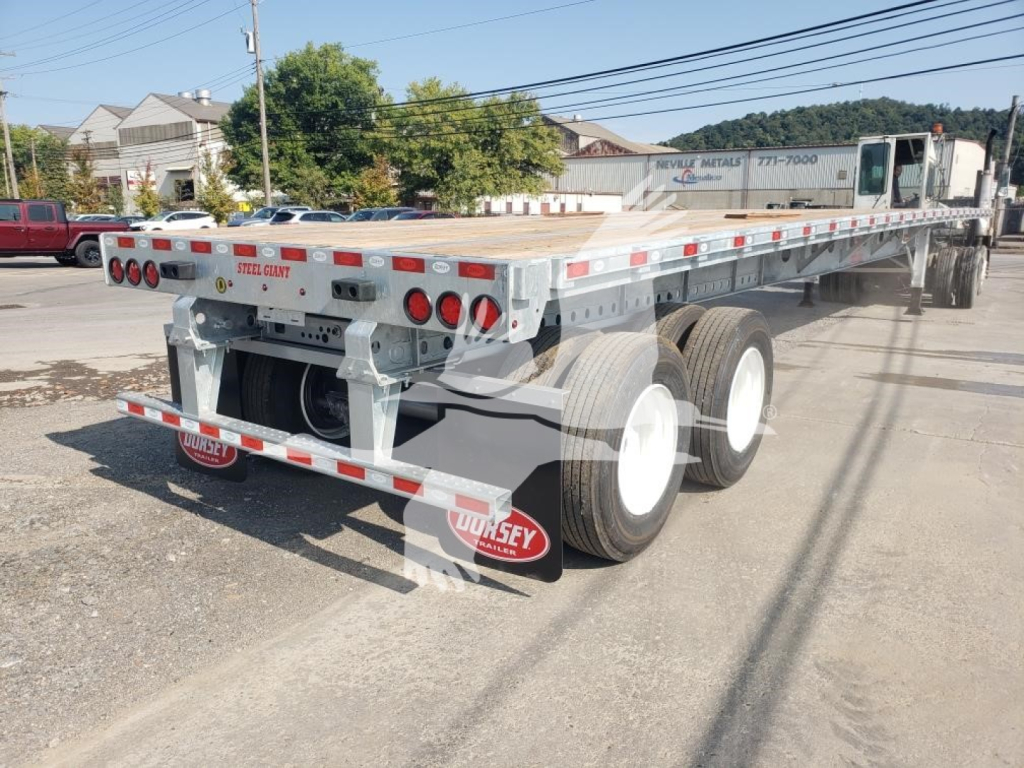
For flatbed trailers, also known simply as flats, the common decision points are aluminum versus steel construction, fixed tandem versus spread axle layout, winch track placement, coil package, crossmember spacing, and kingpin setting. Many buyers prefer aluminum flatbeds for payload advantage and corrosion resistance, especially when running building products, machinery, steel, or general commodity freight. Common specs include 48-foot length, 102-inch width, air ride suspension, all-aluminum or mixed wheel setups, stake pockets, pipe spools, and sliding winches. If the work includes coil, lumber, or multi-stop securement, details like nail strips, side rail strength, dump valves, tire inflation systems, and disc brakes can matter more than the badge on the nose. Flatbed buyers should also look closely at arch, deck condition, and how the axle spread will affect maneuverability versus legal load positioning.
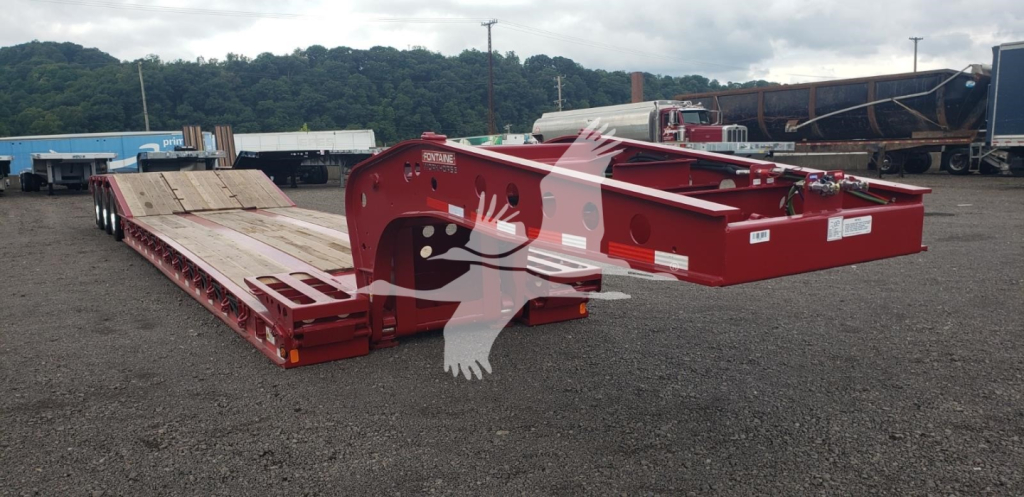
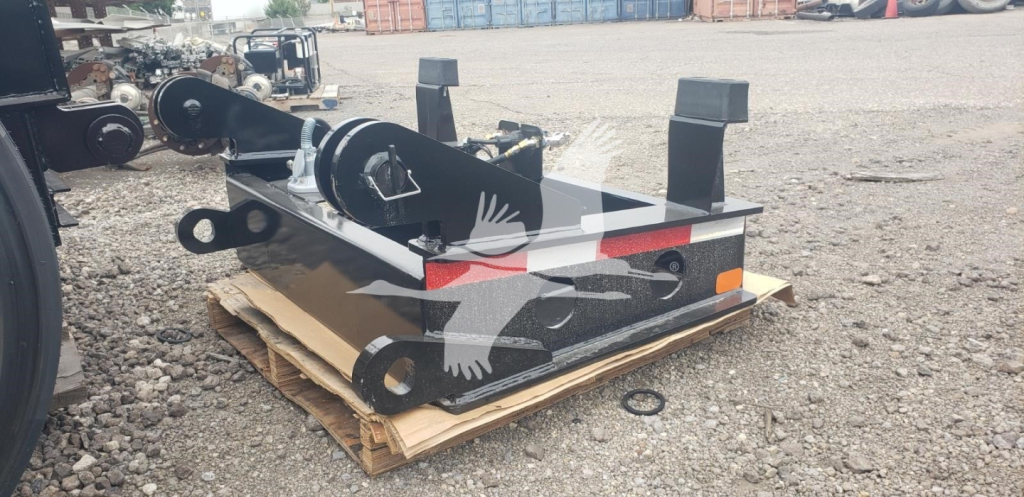
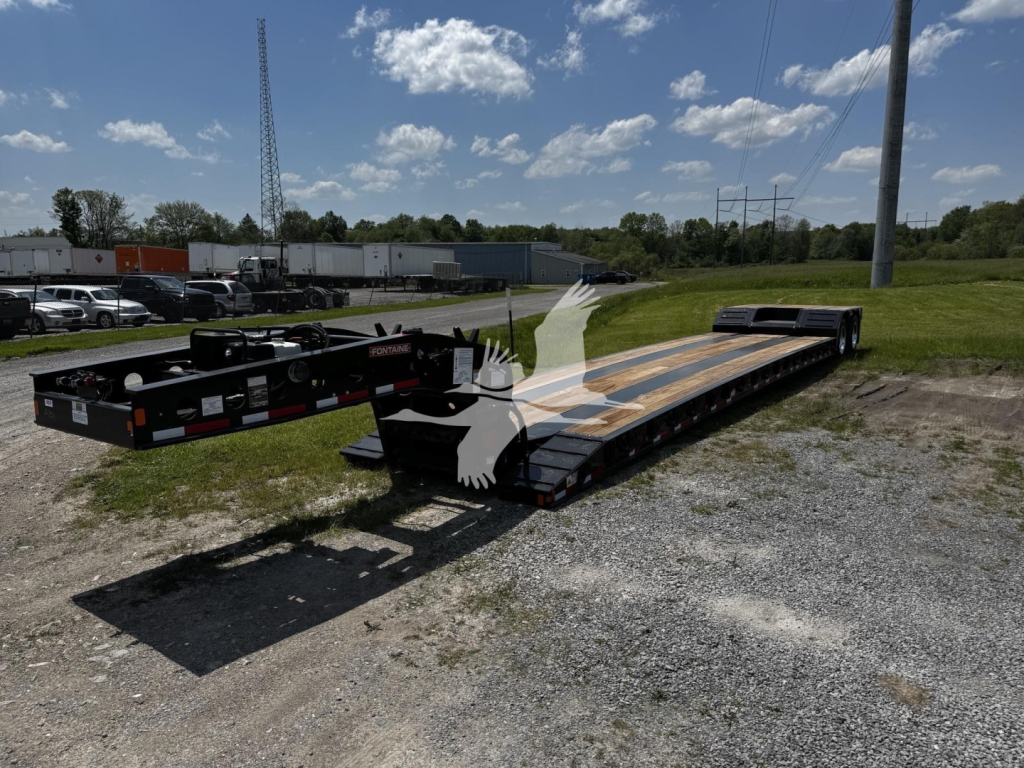
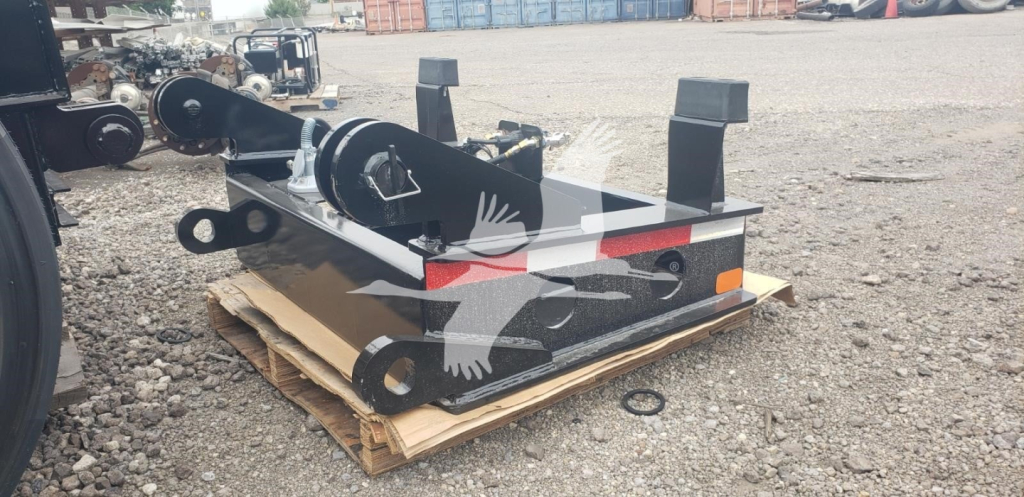
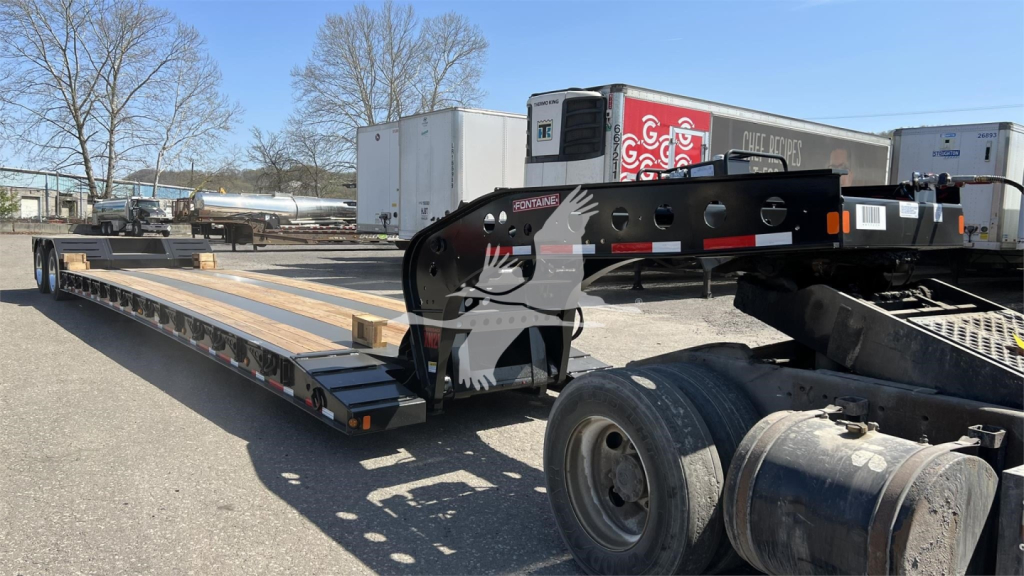
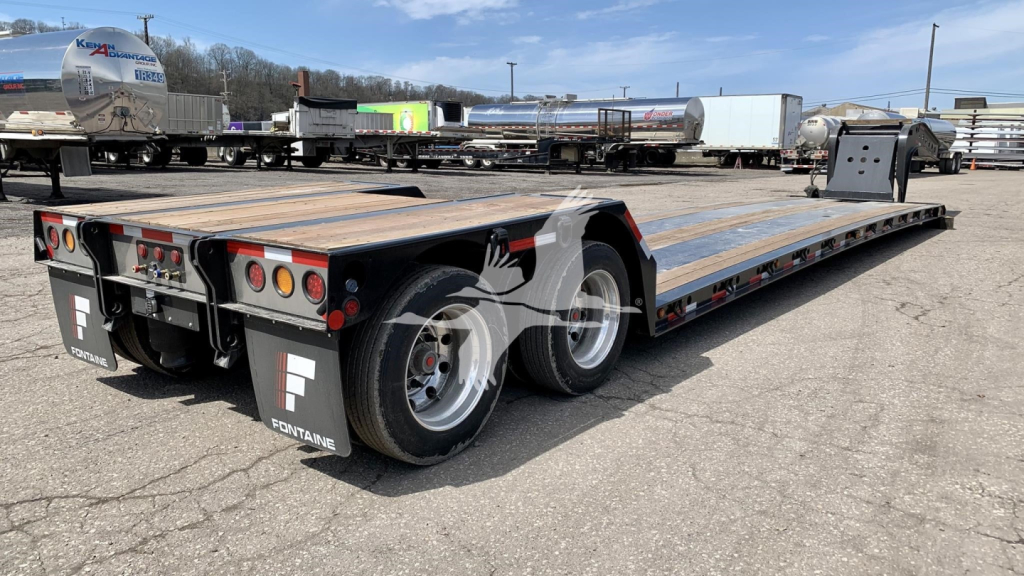
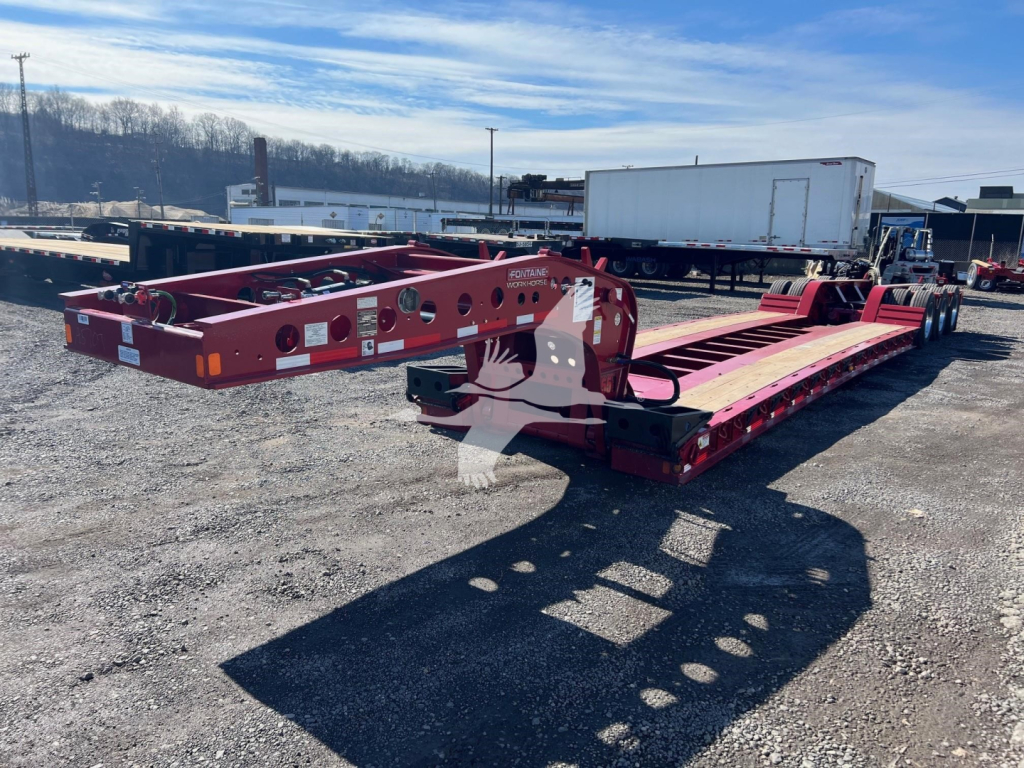
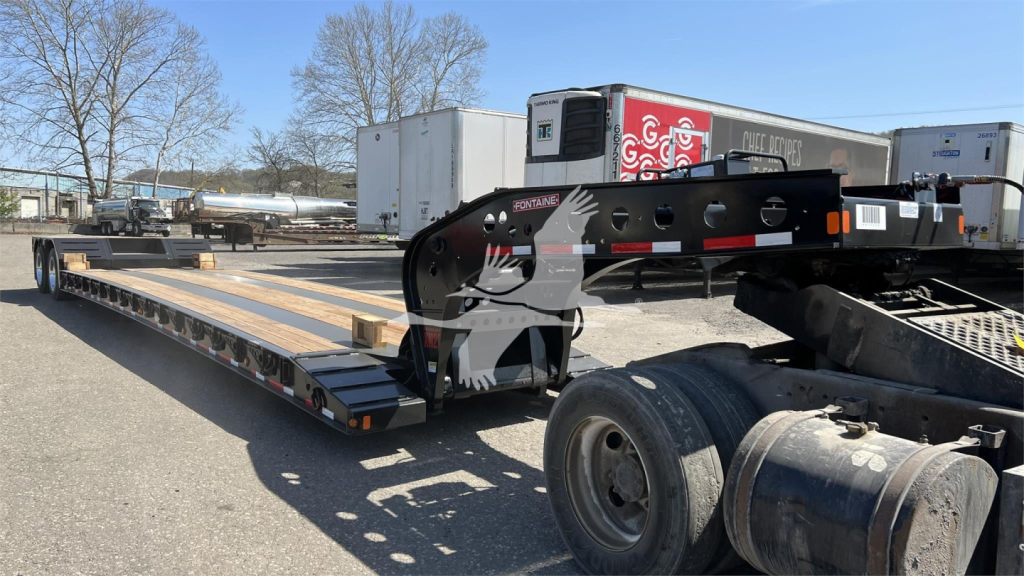
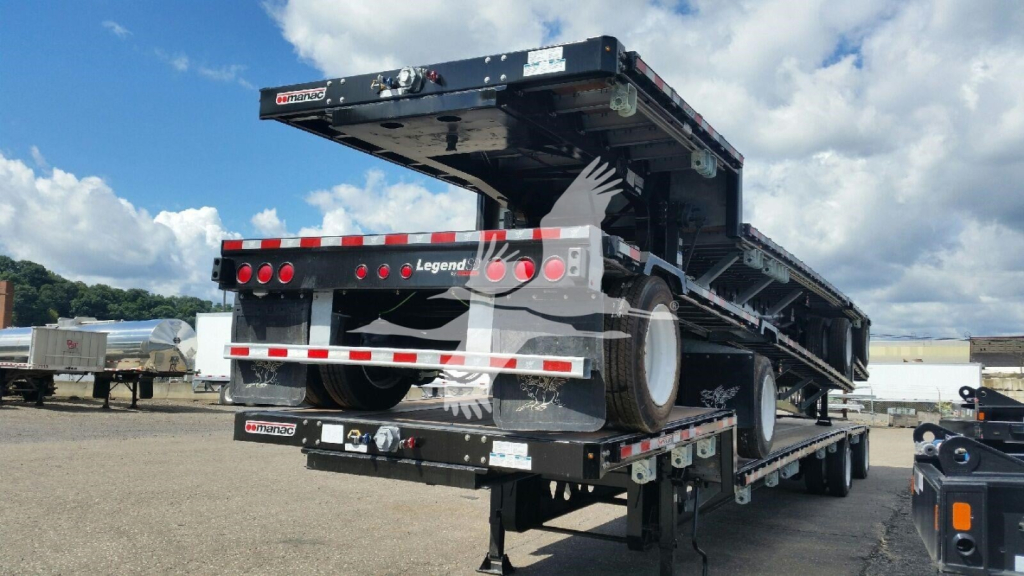
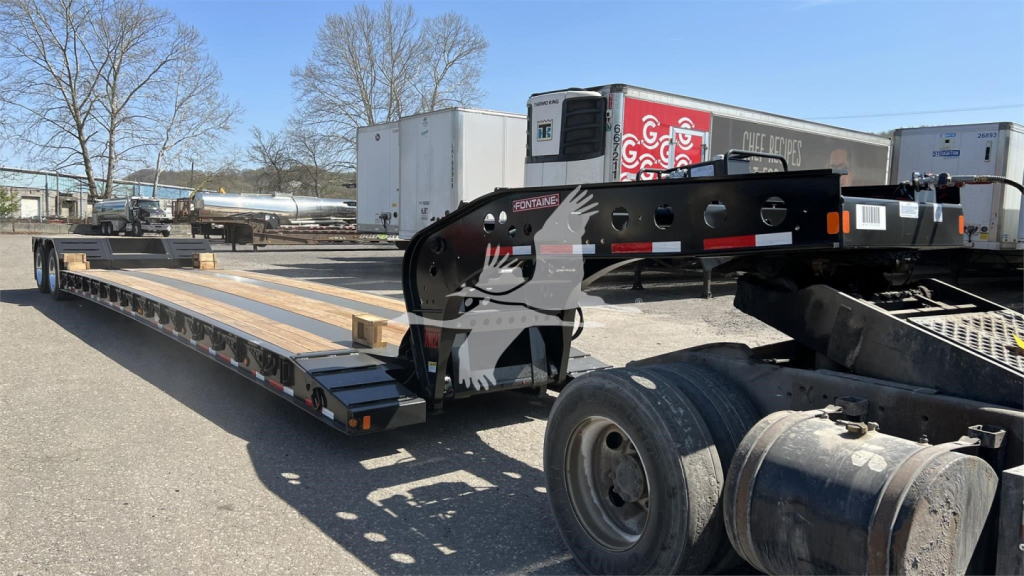
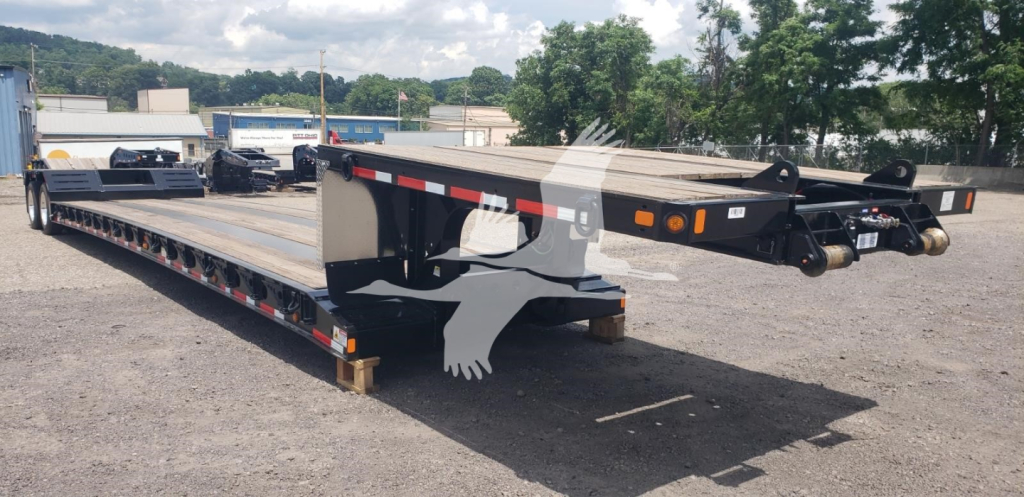
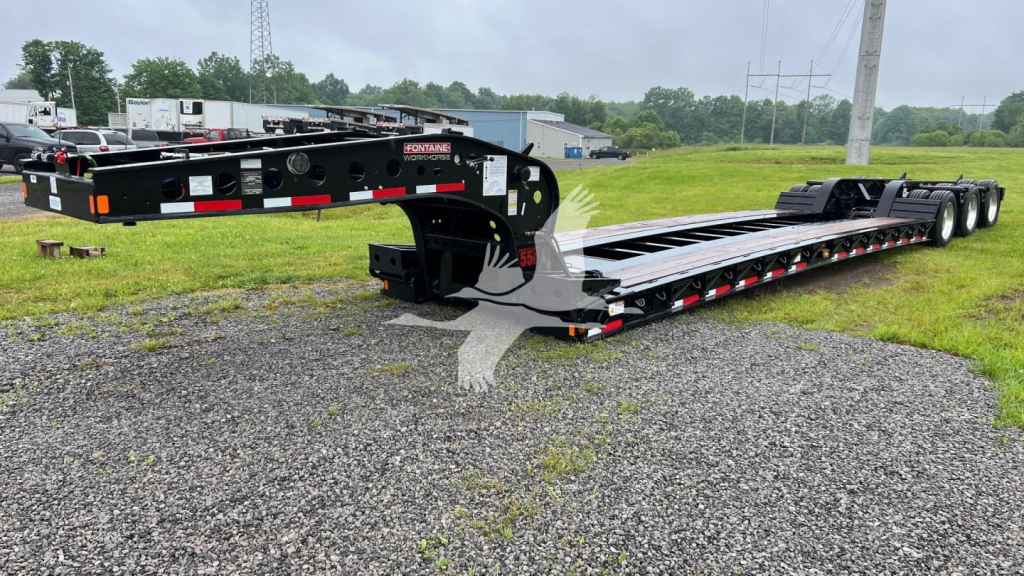
For lowboy trailers and hydraulic detachable neck trailers, capacity and deck geometry are the first filters. A buyer moving iron, paving equipment, or taller machinery needs to compare rated tonnage, loaded deck height, gooseneck style, ramp design, main deck length, and outrigger setup before anything else. Common lowboy specs include steel construction, apitong wood floors, air ride suspension, hydraulic detachable necks, beavertails, spring-assist or hydraulic ramps, and multiple D-ring tie-down points. In Pennsylvania, where route planning, bridge clearances, and jobsite access can all affect profitability, a lowboy with the right neck type and axle spacing can save time on permits, loading, and driver effort. Across trailer categories, buyers should inspect suspension wear, tire condition, brake type, landing gear, coupler area, lighting, and frame integrity, because those items drive operating cost long after the sale.
Frequently Asked Questions about 2027 Trailers in Pennsylvania
What trailer type is most common for freight operations in Pennsylvania?
The most common trailer types depend on the freight mix, but dry vans, flatbeds, and lowboys cover a large share of Pennsylvania commercial hauling. Dry vans are standard for palletized freight, consumer goods, and dock-to-dock distribution. Flatbeds are common in steel, building materials, and machinery work. Lowboys are used for construction equipment and heavier machinery that exceeds standard deck height or weight needs. The right choice comes down to cargo dimensions, loading method, and the roads and facilities the trailer will see every week.
What should I look for when comparing a flatbed trailer?
Start with construction material, axle setup, and deck specification. Aluminum flatbeds usually offer lower tare weight and strong corrosion resistance, while steel designs may fit some heavy-duty applications better. Check length, width, crossmember spacing, kingpin setting, suspension type, winch track layout, coil package, and securement features such as stake pockets and pipe spools. Buyers should also inspect deck wear, side rail condition, brake system, tire condition, and any specialty equipment like tire inflation systems or disc brakes.
Why does tandem slide or axle spacing matter on a van trailer?
Axle spacing affects bridge law compliance, weight distribution, and how easily the trailer can be scaled on different loads. A sliding tandem gives the operator flexibility to adjust axle weight distribution for legal compliance and customer dock requirements. On a 53-foot van, tandem position can also affect turning behavior and trailer tracking in tighter yards. Buyers running mixed freight or multi-state lanes usually benefit from a setup that gives enough adjustment range without adding unnecessary maintenance.
What are the main specs that matter on a lowboy or detachable trailer?
Capacity rating, loaded deck height, main deck length, neck type, ramp style, and tie-down arrangement are the core specs. A hydraulic detachable neck can speed loading and improve versatility for certain equipment, while deck length and deck height determine what machines will fit and remain legal. Buyers should also review axle count, suspension type, beavertail design, outriggers, D-ring placement, tire size, and overall empty weight. Those details have a direct effect on permit planning, loading ease, and how much machine the trailer can safely carry.
Is trailer model year as important as condition and specification?
Model year matters, but condition and specification usually matter more. A newer trailer can still be a poor fit if the axle layout, deck design, suspension, or body construction does not match the job. A properly spec'd trailer with strong maintenance history, sound structure, and the right dimensions can outperform a newer unit that creates payload loss, loading delays, or compliance issues. Buyers should prioritize fit for application first, then verify condition in wear areas like suspension components, frame structure, brakes, floors, doors, and lighting.