
2027 Pneumatic - Dry Bulk Trailers For Sale in Pennsylvania
Shop 2027 pneumatic dry bulk trailers for cement, lime, fly ash, and sand hauling. Compare capacities, hopper layouts, discharge systems, and specs.
Selling a 2027 pneumatic - dry bulk trailer? List your 2027 pneumatic - dry bulk trailer for sale and reach thousands of commercial buyers.
2027 Pneumatic - Dry Bulk Trailers in Pennsylvania
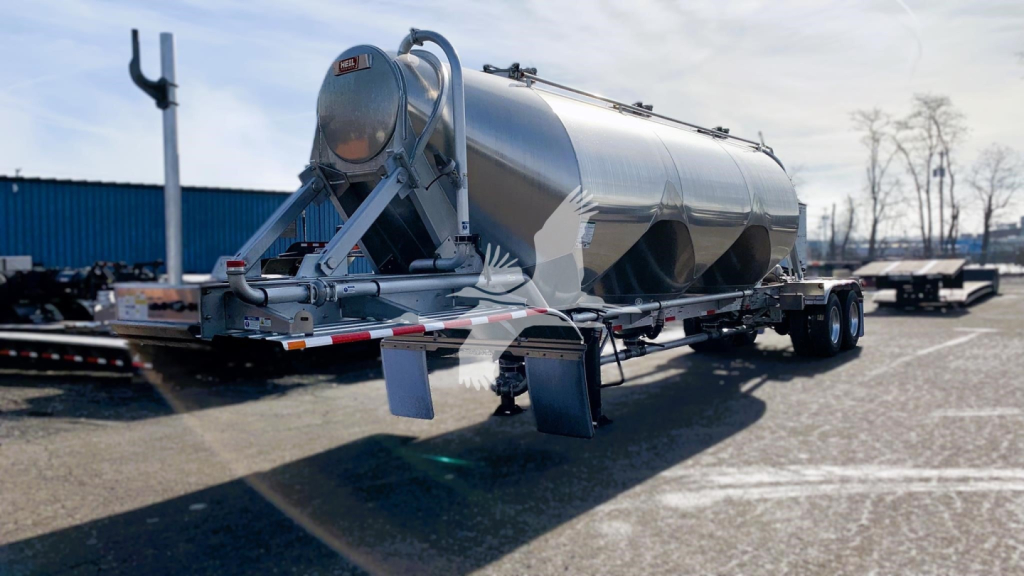
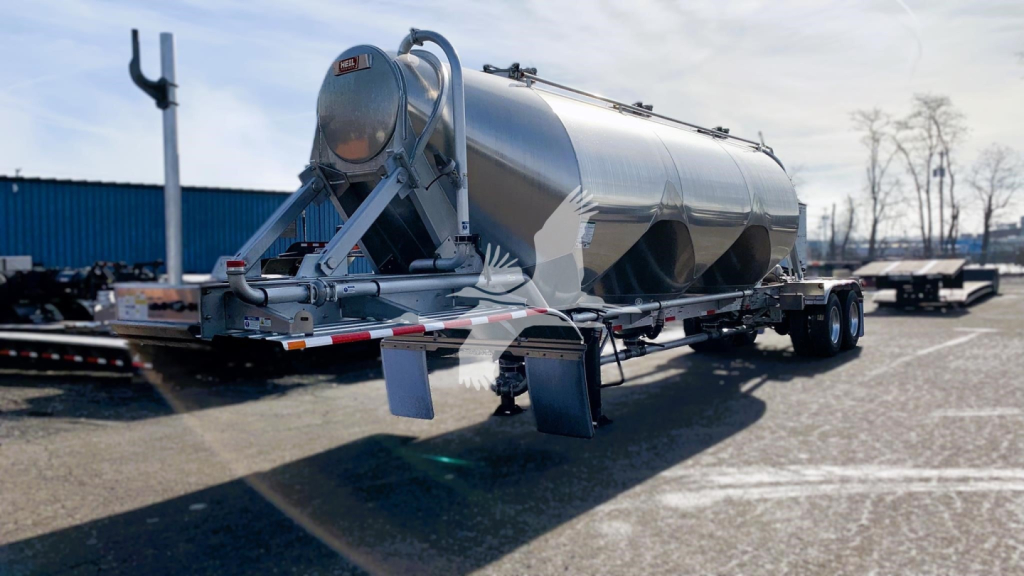
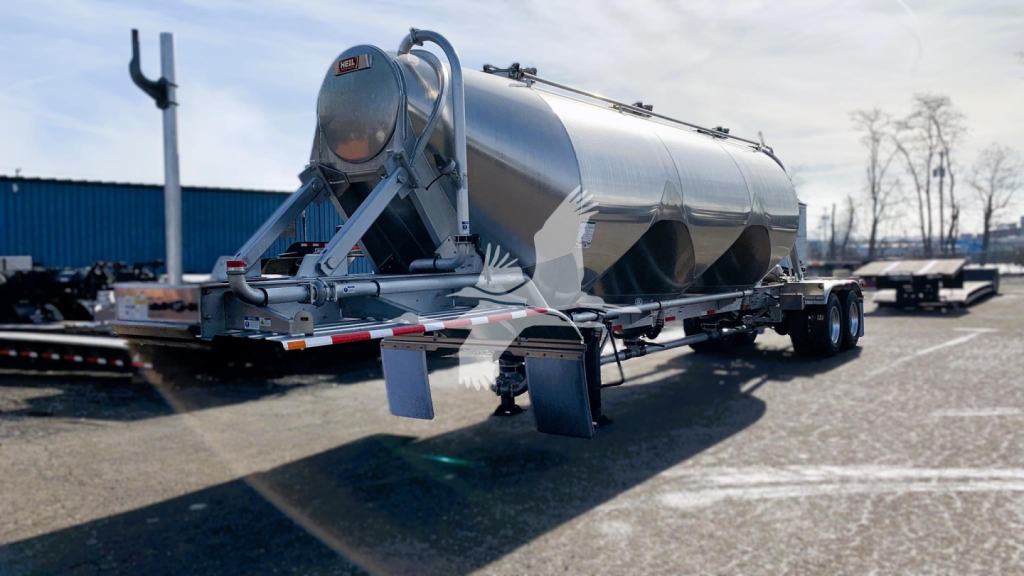
Capacity, hopper design, and plumbing layout are the decisions that affect day-to-day performance the most. Many pneumatic dry bulk trailers in this segment are set up with three hoppers and capacities around 1,000 to 1,040 cubic feet, which is a common target for cement and similar materials. Aeration systems such as flow cones help product move consistently toward the discharge, while 5-inch butterfly valves, aluminum or steel piping, and rear discharge routing determine how efficiently the trailer can unload at plant and jobsite locations. Hose tube placement, manhole count, top air configuration, and gauge cabinet location also matter because they directly affect driver workflow and cleanout time.
Weight and durability should be evaluated together. Aluminum barrels, struts, wheels, and rear structures reduce empty weight, which can improve legal payload on dense materials, but some buyers still prefer galvanized steel end frames, steel piping, or steel tees in high-wear applications. Air ride suspensions from brands like Hendrickson are common on this trailer type and are well suited for bulk tank service, especially when paired with a 49-inch tandem setting and standard 11R22.5 or low-profile 24.5 rubber depending on the spec. Landing gear, fender design, work lights, ladder position, and under-axle discharge routing are not small details on a pneumatic trailer. They affect loading access, washout, serviceability, and how well the trailer holds up in Northeast weather and jobsite conditions.
For a buyer comparing 2027 pneumatic dry bulk trailers for sale, the best approach is to match the trailer to the product first, then confirm blower compatibility, unload pressure requirements, and tare weight. A lighter 1,040 cubic foot aluminum cementer may be ideal for cement and fly ash lanes, while a sand-spec trailer may need a different valve, pipe, and wear package strategy. Also verify axle spacing, suspension spec, and state weight compliance for Pennsylvania and surrounding states before narrowing down options. In this category, the right trailer is the one that unloads cleanly, carries the intended commodity legally, and does not force extra maintenance into the operation.
Frequently Asked Questions about 2027 Pneumatic - Dry Bulk Trailers in Pennsylvania
What products can a pneumatic dry bulk trailer haul?
Pneumatic dry bulk trailers are commonly used for cement, fly ash, lime, sand, mortar mix, and other dry powdered or granular commodities that can be unloaded with compressed air. The exact trailer spec should match the product, because material density, abrasiveness, and flow characteristics affect tank capacity, hopper design, valve sizing, and piping material.
What is a typical capacity for a pneumatic dry bulk trailer?
A common capacity range is around 1,000 to 1,040 cubic feet for cement-style trailers, often with a three-hopper configuration. Capacity should not be viewed by itself, because heavier commodities can gross out before the tank cubes out. Buyers should compare cubic feet, tare weight, and intended product density together.
Is aluminum or steel better on a dry bulk trailer?
Aluminum is popular because it reduces trailer weight and can improve payload, especially on cement and fly ash applications. Steel components still have advantages in certain wear areas, including some piping, tees, and end frame applications where abrasion resistance and long-term durability are priorities. The better choice depends on commodity, route, and maintenance practice.
What should I check on the discharge system of a pneumatic trailer?
Focus on valve size, piping material, aeration design, rear discharge routing, and compatibility with the blower setup used in your operation. A trailer that has the right cubic capacity but the wrong discharge plumbing can unload slowly, bridge product, or create excess maintenance. For many applications, buyers look closely at butterfly valves, flow cone aeration, hose storage, and gauge access.
Why does suspension spec matter on a pneumatic dry bulk trailer?
Suspension affects ride quality, tank stability, tire wear, and service life. Air ride tandems are common in this category because they handle bulk loads well and help protect the trailer structure over uneven roads and plant entrances. Buyers should also confirm axle spacing, tire size, and suspension setting to make sure the trailer fits legal weight requirements and operating conditions in Pennsylvania and nearby states.