
2027 Pneumatic - Dry Bulk Trailers For Sale
Shop 2027 pneumatic dry bulk trailers built for cement, sand, lime, and fly ash hauling, with common specs on capacity, hoppers, piping, and suspension.
Selling a 2027 pneumatic - dry bulk trailer? List your 2027 pneumatic - dry bulk trailer for sale and reach thousands of commercial buyers.
2027 Pneumatic - Dry Bulk Trailers
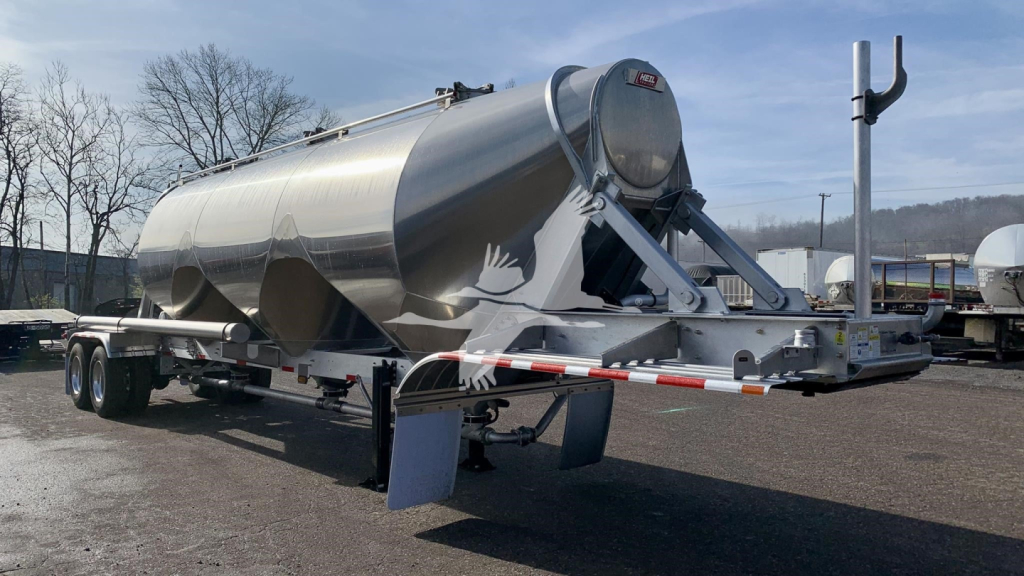
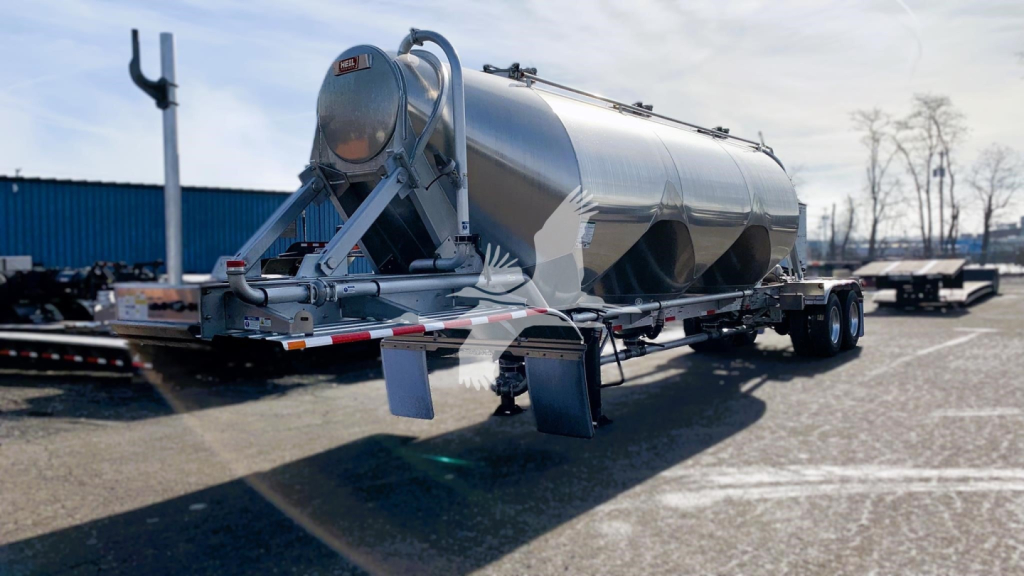
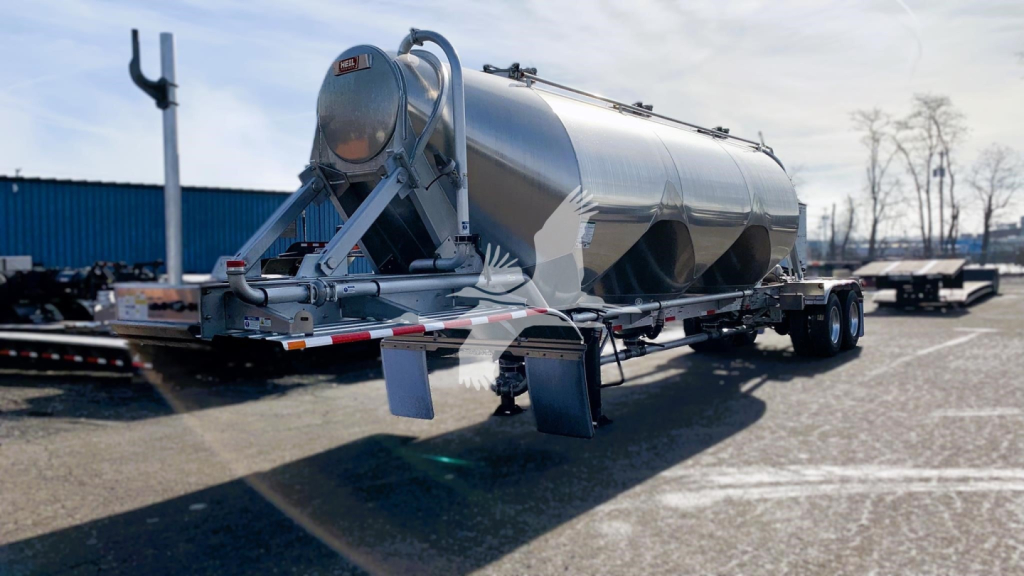
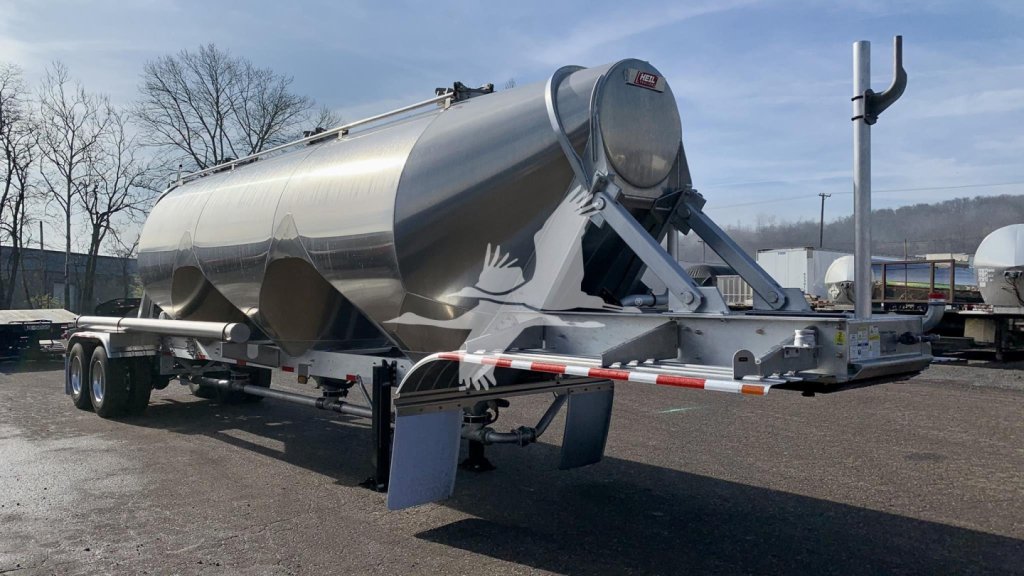
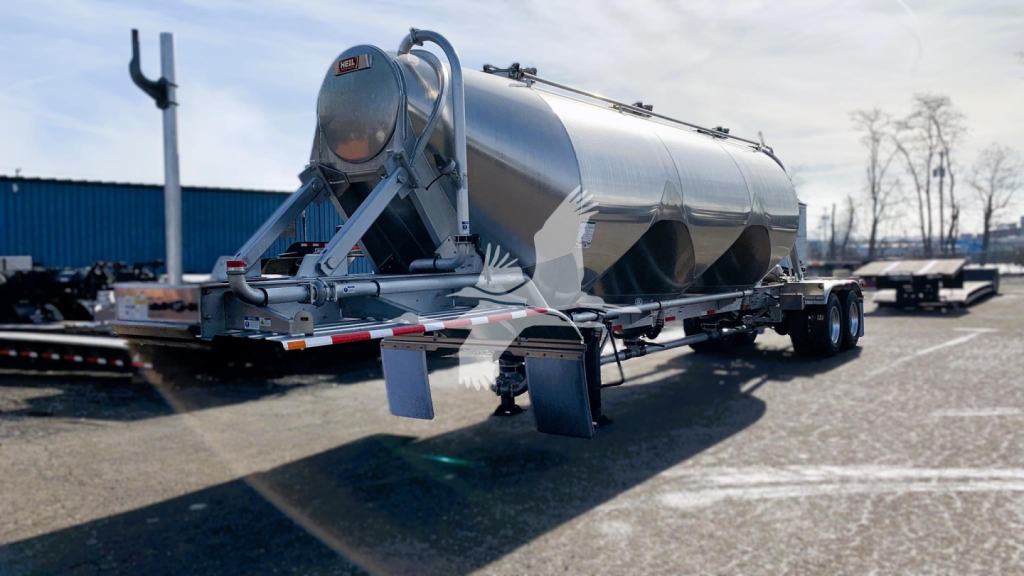
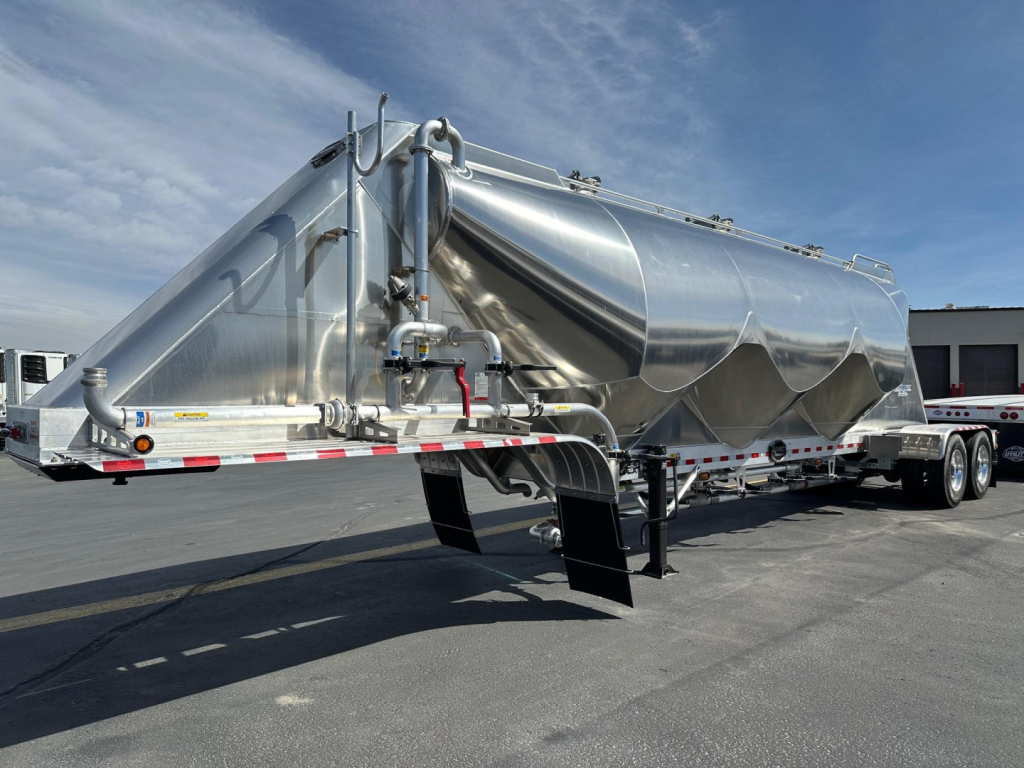
Capacity on many pneumatic trailers falls around 1,000 to 1,350 cubic feet, with 42-foot bodies being a very common length. A three-hopper configuration is typical because it helps product flow and improves complete unloads, especially on cement and fly ash applications. Aeration system design matters. Flow cones, aeration pads, product valves, tees, and pipe material all affect unloading efficiency and long-term maintenance. Aluminum piping and tees can save weight, while steel components may be chosen for durability in abrasive product service. Rear discharge under the axles is common, and hose tube placement, gauge cabinet location, manhole count, and ladder access all make a difference for drivers and plant loading crews.
Suspension and running gear deserve as much attention as the barrel. Many newer dry bulk trailers use Hendrickson air ride suspensions, 49-inch tandem settings, 11R22.5 tires, aluminum wheels, and heavy-duty landing gear. Raised center axle configurations may be specified on some builds for maneuverability and tire wear control, depending on the application and region. Galvanized hangers, corrosion-resistant steel parts, LED work lights, and aluminum fenders are worth noting because pneumatic service often means frequent plant traffic, dust exposure, and washdowns. Buyers should also verify valve brand and size, top air setup, hopper geometry, and axle spread compliance for the states they run.
The right pneumatic dry bulk trailer is the one matched to the product and unload system, not just the one with the highest cubic foot number. Cement and lime operations usually prioritize clean aeration, dependable pressure retention, and lighter tare weight. Sand service often puts more emphasis on abrasion resistance in the plumbing, tees, and valves. If the trailer will spend its life at ready-mix plants, terminals, or frac support yards, look closely at discharge height, hose storage, catwalk and ladder arrangement, and service access to gauges and valves. A well-spec'd 2027 dry bulk trailer should balance payload, unload performance, durability, and compliance without adding unnecessary complexity.
Frequently Asked Questions about 2027 Pneumatic - Dry Bulk Trailers
What is a pneumatic dry bulk trailer used for?
A pneumatic dry bulk trailer is used to haul dry powdered or granular commodities that unload through air pressure rather than tipping. Common products include cement, fly ash, lime, sand, and silica. These trailers are designed with sealed tanks, aeration systems, hopper bottoms, and discharge plumbing so material can be blown into storage silos or plant systems efficiently and with minimal contamination.
What capacity is common for a pneumatic dry bulk trailer?
A common range is roughly 1,000 to 1,350 cubic feet, with many trailers in the 42-foot class landing near 1,040 or 1,050 cubic feet. The best capacity depends on commodity density and legal gross weight, not just tank volume. Dense products like cement can gross out before the trailer is physically full, so a lighter trailer with the correct cubic capacity often performs better than a larger tank with higher tare weight.
Why does hopper count matter on a dry bulk trailer?
Hopper count affects product flow, unload efficiency, and how completely the trailer empties. Three-hopper trailers are very common because they provide a good balance of volume and flow characteristics for cement and similar materials. Hopper geometry, aeration design, and plumbing layout matter just as much as the number of hoppers, especially when the trailer is expected to unload quickly or handle products with different flow properties.
What should buyers check in the discharge and aeration system?
Buyers should look at pipe material, tee material, valve size and brand, top air configuration, rear discharge layout, and the type of aeration system used in the hoppers. These components directly affect unload speed, pressure retention, wear life, and maintenance cost. Abrasive commodities may justify heavier-duty valves and steel wear components, while operations focused on maximizing payload often prefer aluminum where practical.
Is aluminum or steel better for a pneumatic dry bulk trailer?
For the barrel and many structural components, aluminum is commonly preferred because it reduces tare weight and improves payload potential. Steel still has a place in high-wear areas or on components exposed to abrasive material and repeated impact. In practice, many of the best-spec pneumatic trailers use an aluminum tank with selected steel or reinforced wear components to balance weight savings with durability.