
New Garbage Trucks For Sale

Have new garbage truck to sell? List it here to reach thousands of buyers.
New Garbage Trucks
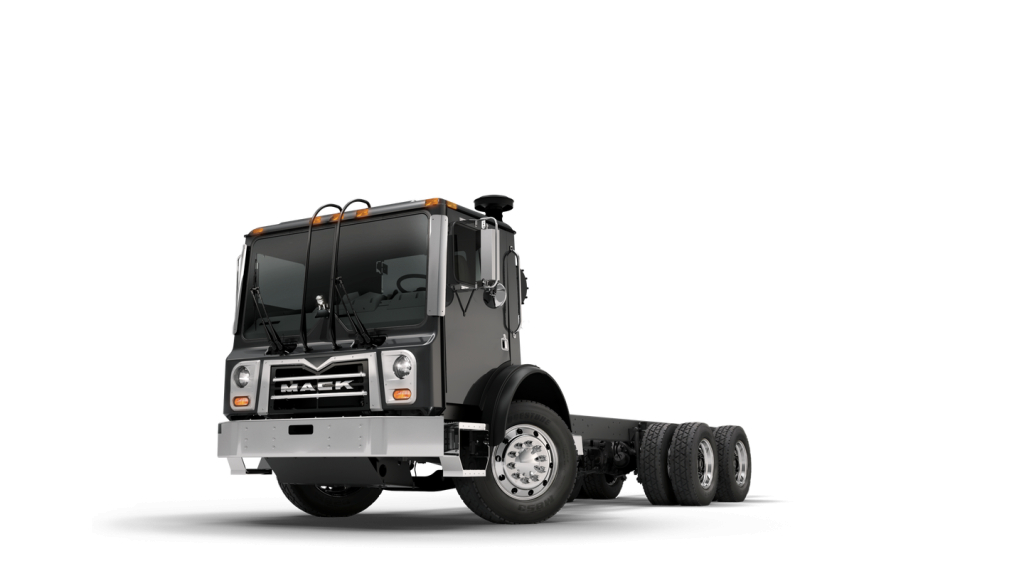
A garbage truck chassis has to be matched correctly to the body, packer, and expected payload. Key specs include front axle capacity, rear axle rating, wheelbase, frame strength, and PTO compatibility for the hydraulic system. Many new refuse trucks are ordered with automatic transmissions such as Allison units because they handle constant starts, backing, and body operation well. Engines are typically diesel in the 300 to 400 horsepower range, with torque tuned for low-speed route work rather than long-haul cruising. Front axle ratings around 18,000 to 20,000 pounds and rear ratings in the 40,000 to 46,000 pound range are common depending on body type and legal payload targets. Suspension choice, bridge formula compliance, and turning radius also matter, especially for dense city routes and transfer station travel.
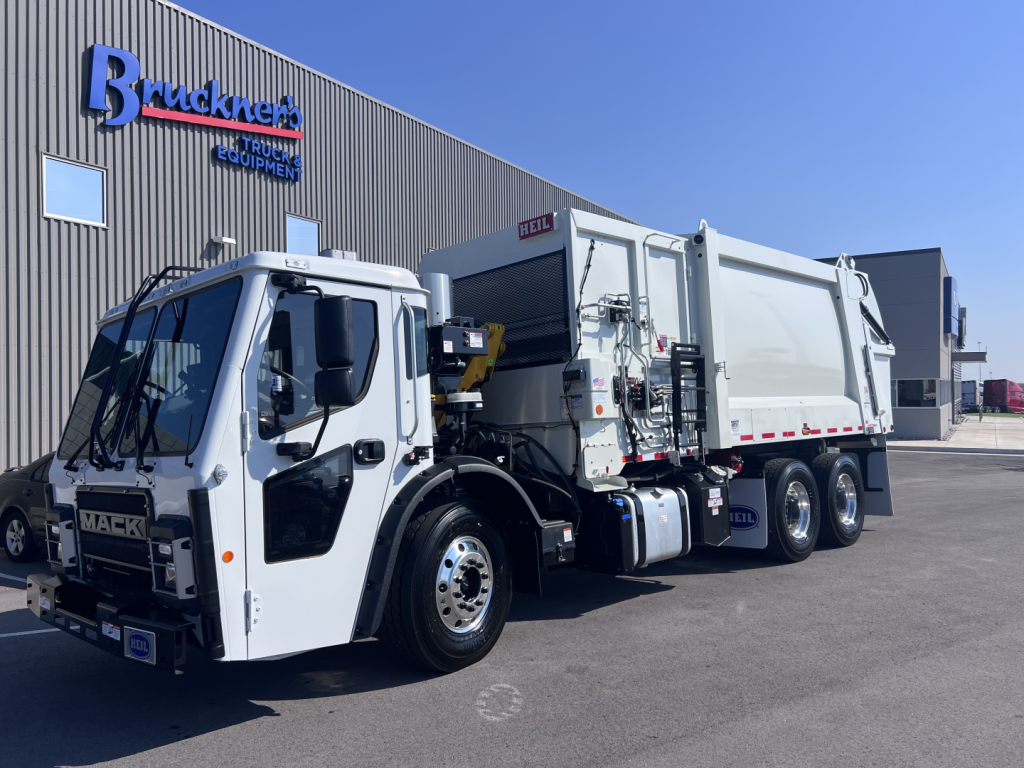
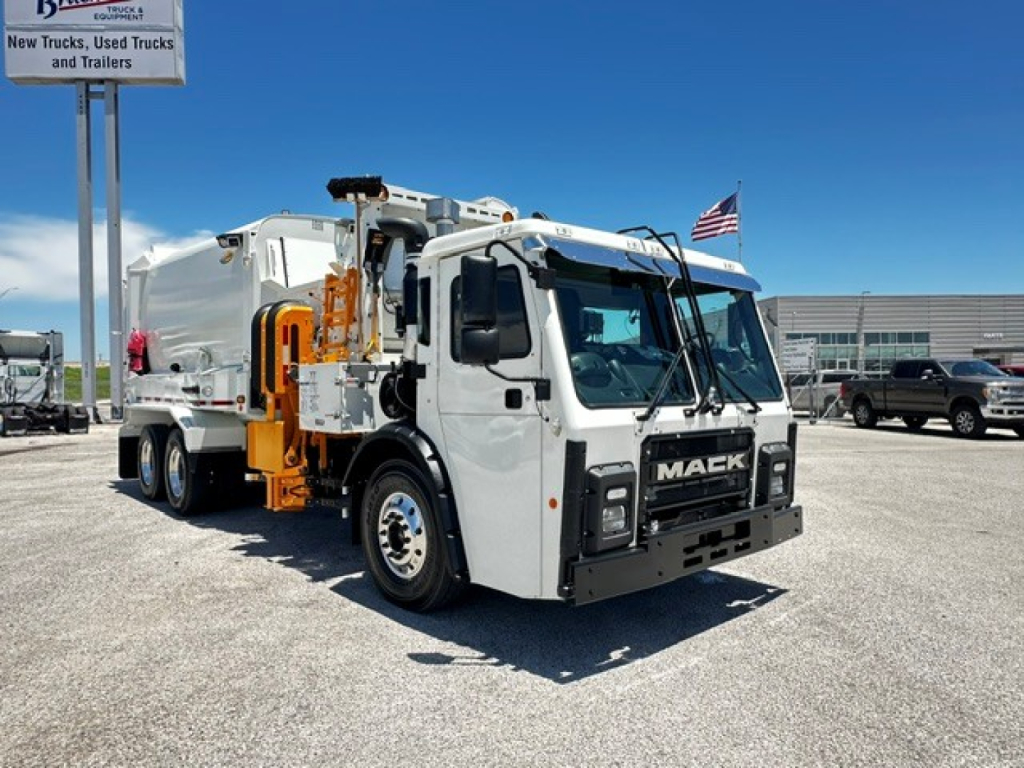
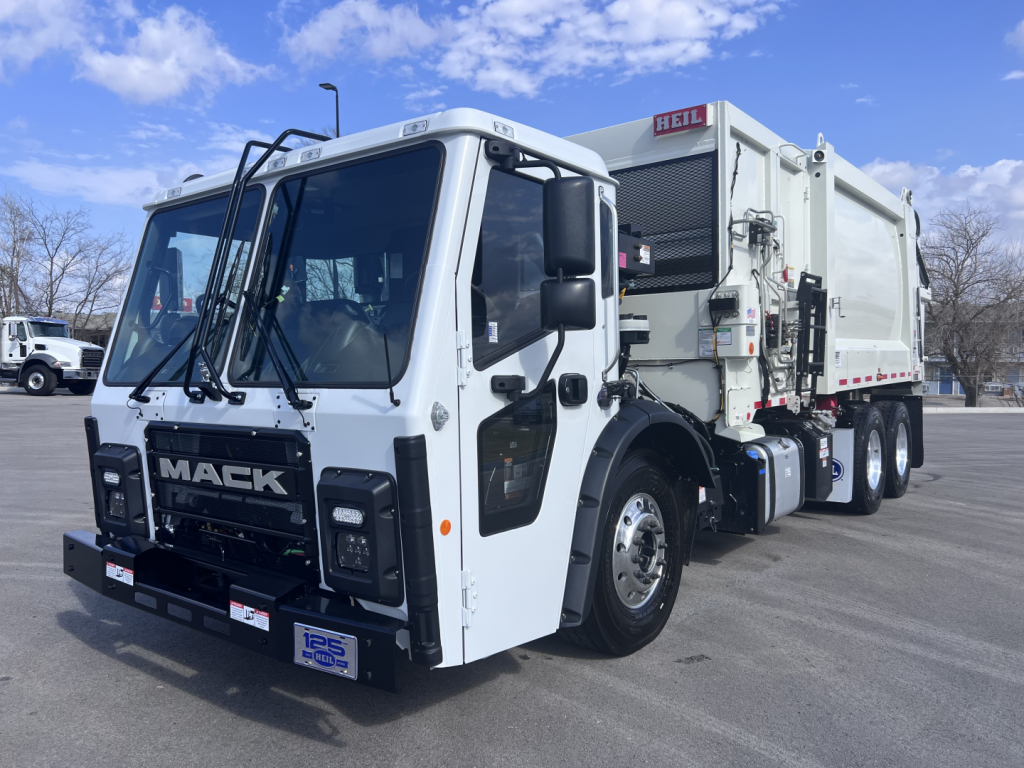
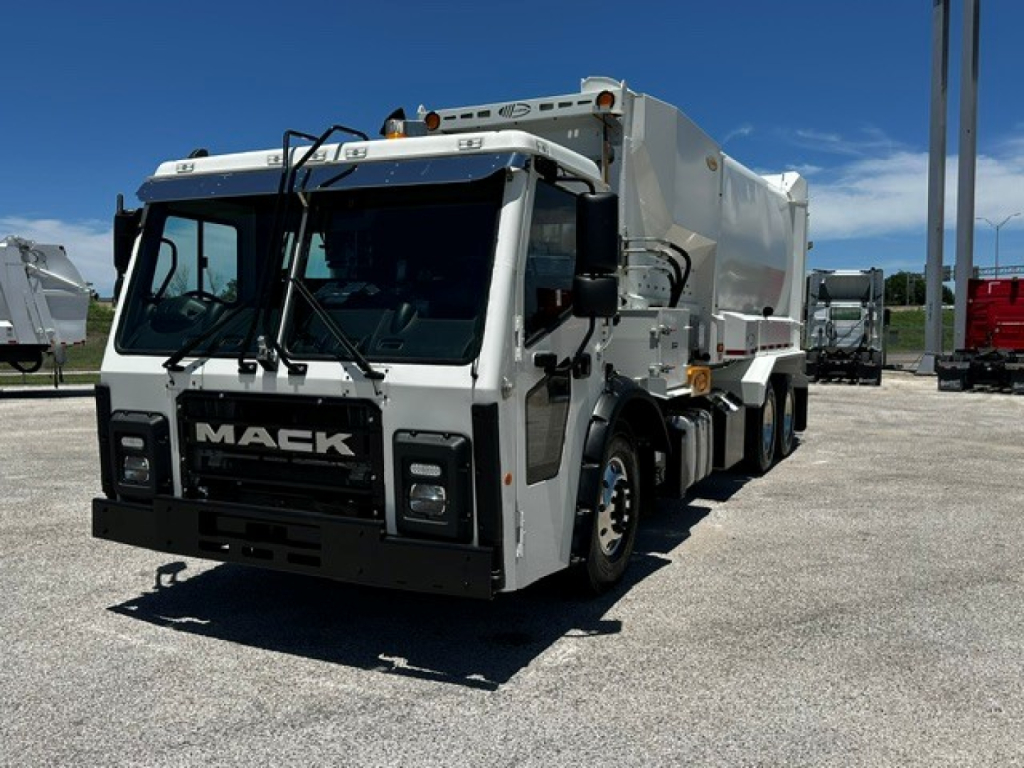
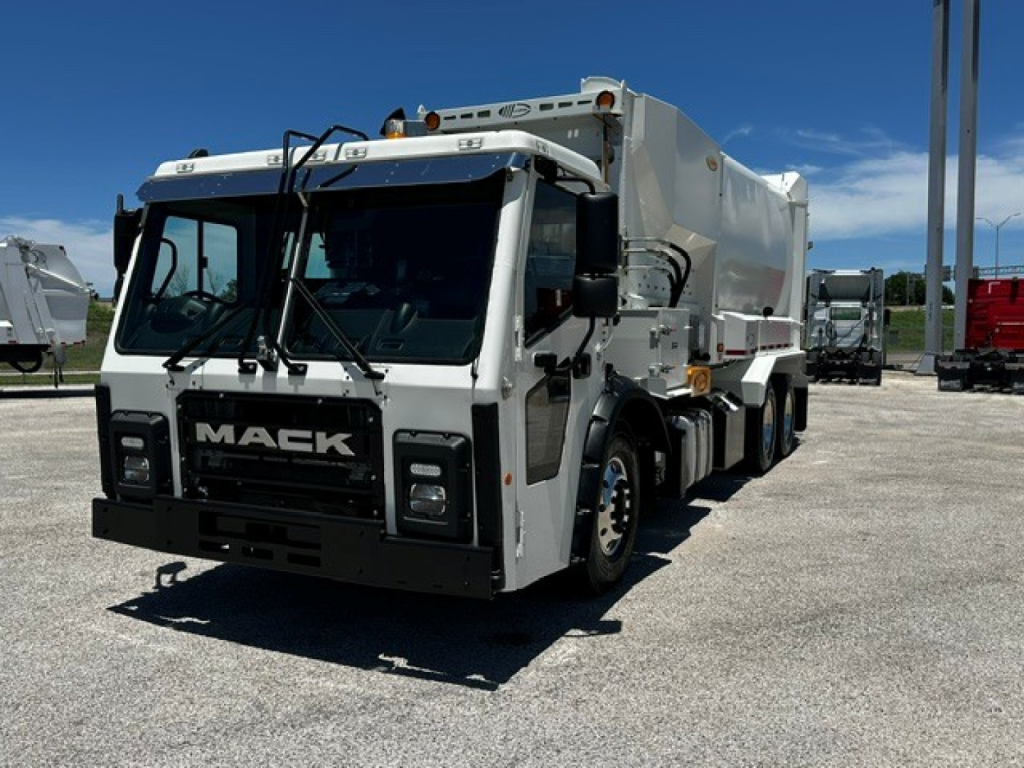
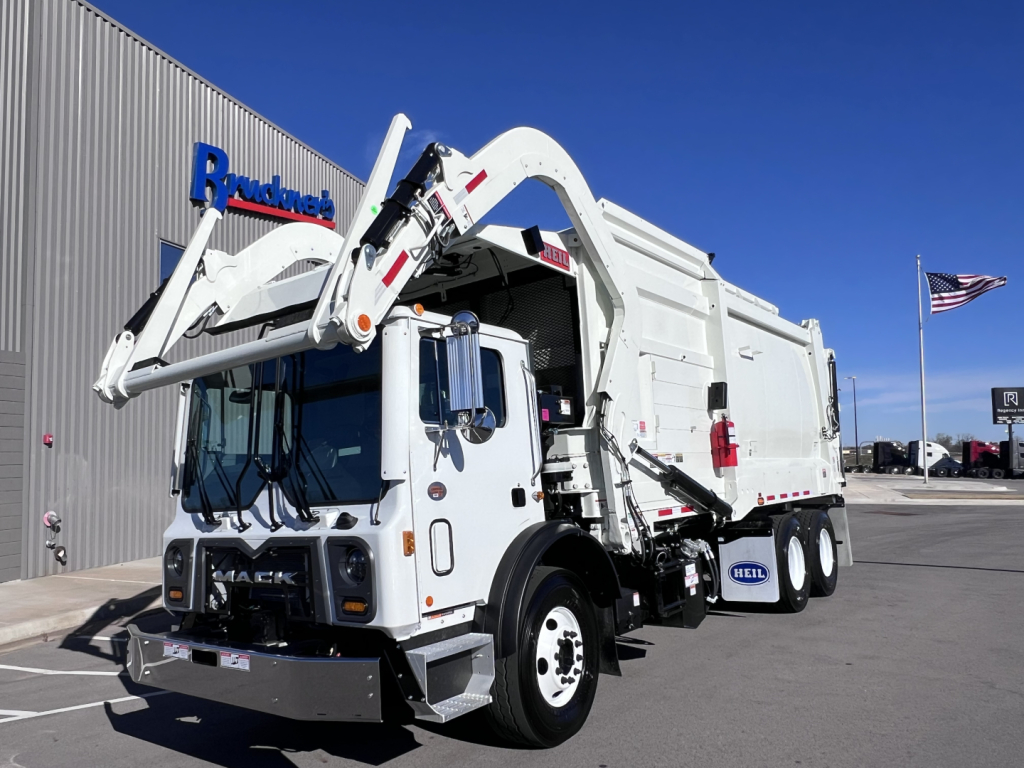
Body specification matters as much as chassis specification. Front loaders are often paired with larger hopper and packer bodies for commercial waste and recycling accounts. Rear loaders can be configured for municipal solid waste, recycling, or yard waste with options like cart tippers, grabbers, and high-compaction packer systems. Side loaders may include automated arm systems, camera packages, and precise reach requirements that affect cab placement and overall length. Buyers should also evaluate hopper size, packing force, body capacity in cubic yards, tailgate seal design, and hydraulic access for service. New units may also be equipped with backup cameras, 360-degree visibility systems, strobe lighting, telematics, and idle management features that support safety and route efficiency.
For many fleets, the real buying decision comes down to route density, driver ergonomics, and maintenance planning. A low-entry cab can reduce driver fatigue on high-stop residential work. A heavier front loader setup may be better suited to commercial accounts with repeated container lifts and higher axle loading. Corrosion protection, body liner material, and hydraulic hose routing are worth close attention because refuse service is hard on equipment and downtime is expensive. When comparing new garbage trucks for sale, focus on body manufacturer, lift configuration, axle ratings, engine and transmission pairing, and how well the truck fits the exact waste stream and route structure it will serve.
Frequently Asked Questions about New Garbage Trucks
What types of new garbage trucks are most common?
The most common types are front loader, rear loader, and automated side loader garbage trucks. Front loaders are typically used for commercial dumpster service and heavier container lifts. Rear loaders are widely used for residential pickup, recycling, and mixed waste collection. Automated side loaders are popular with municipalities that use standardized carts and want one-driver route efficiency. The right type depends on the waste stream, stop density, labor model, and lifting requirements.
What chassis specs matter most on a garbage truck?
The most important chassis specs are axle ratings, wheelbase, frame strength, engine torque, transmission choice, and PTO compatibility. Garbage trucks operate in severe stop-and-go duty cycles, so the chassis has to support the body, hydraulic system, and legal payload without sacrificing maneuverability. Buyers should also review turning radius, suspension, brake configuration, and cab layout, especially if the truck will run in tight alleys, urban streets, or transfer station traffic.
Why are automatic transmissions common in refuse trucks?
Automatic transmissions are common in refuse trucks because refuse collection involves constant stopping, starting, backing, and hydraulic body operation. An automatic transmission reduces driver workload and generally performs better in repetitive route service than a manual. Allison automatic transmissions are frequently specified because they are well suited for low-speed vocational work and can improve consistency across drivers and routes.
Is right-hand steer important on a garbage truck?
Right-hand steer is important for many residential collection applications because it gives the driver a better view of the curbside pickup area. That can improve safety, speed, and cart alignment, especially on automated side loader and certain rear loader routes. It is less critical for some commercial front loader applications, but for residential curbside work it is often a major operational advantage.
How do I choose between a front loader and a rear loader garbage truck?
Choose a front loader if the truck will handle commercial dumpsters, heavier lifts, and larger container-based stops. Choose a rear loader if the route includes residential collection, manual loading, or flexibility across trash, recycling, and yard waste service. Front loaders typically prioritize lift capacity and commercial route durability, while rear loaders prioritize loading access, route versatility, and compatibility with cart tippers or helper-based collection.