
New Garbage Trucks For Sale in Oklahoma
Shop new garbage trucks for sale in Oklahoma, including side loaders and front loaders with modern bodies, PTO setups, cameras, and heavy-duty axle ratings.
Learn more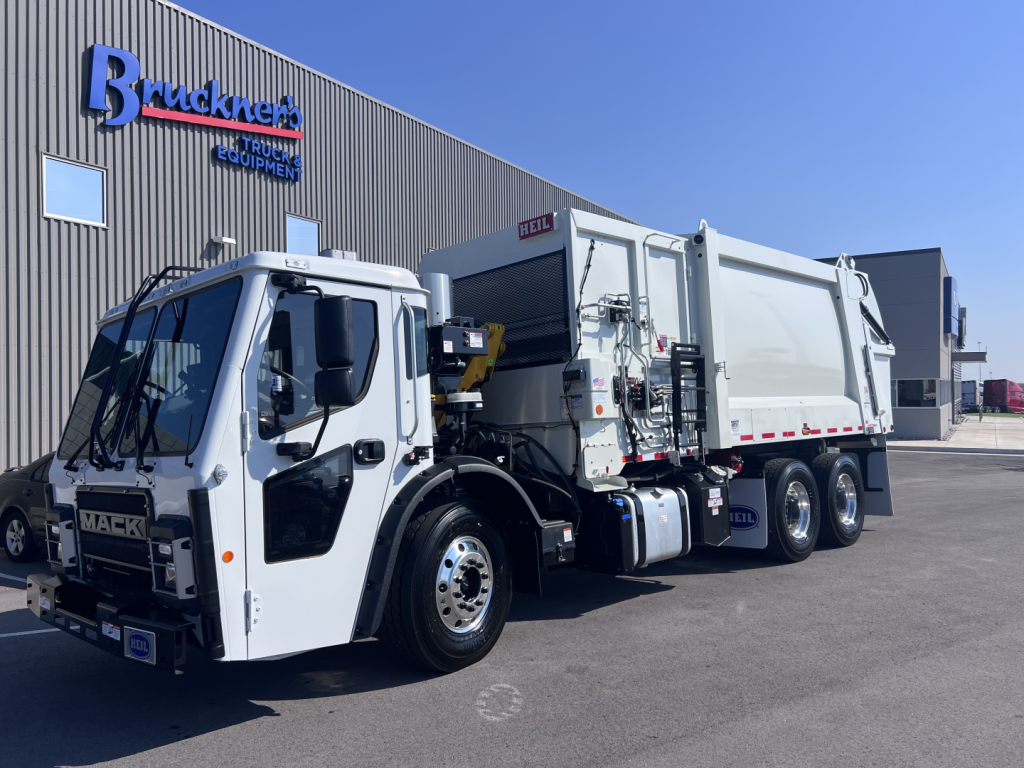
Have new garbage truck to sell? List it here to reach thousands of buyers.
About New Garbage Trucks in Oklahoma
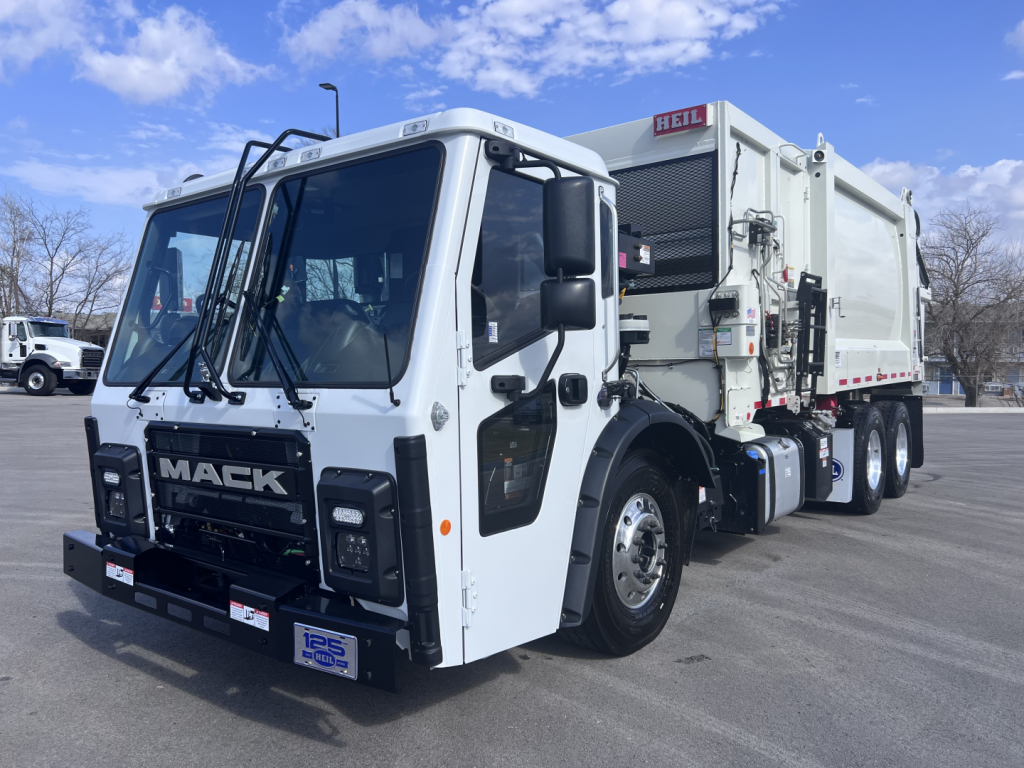
Current new garbage truck specs often center on cab-forward chassis such as Mack LR and TE models, paired with proven refuse bodies from manufacturers like Heil, New Way, McNeilus, or Amrep. In this class, buyers will regularly see diesel engines in the mid-300 horsepower range, Allison automatic transmissions such as the 4500 RDS, front axle ratings around 20,000 pounds, and rear axle ratings around 46,000 pounds. Wheelbase, axle ratio, and PTO setup all affect turning radius, launch performance, and packer operation. On residential side loaders, 28-yard automated bodies are a common fit, especially when paired with full eject systems, cart grabbers, hopper lighting, and in-cab camera systems.
For Oklahoma fleets, durability and serviceability deserve close attention. Route trucks spend their lives in stop-and-go duty cycles, so cooling capacity, hydraulic layout, transmission calibration, and brake life matter as much as engine output. Buyers should look closely at body mount integration, hopper and tailgate access, arm design, and camera coverage around the cab and hopper. Features like work lights, strobe and turn lamps, anti-sail mud flaps, remote lift controls, and onboard tool storage can improve daily operation and reduce minor downtime. Full eject bodies can also simplify unloading and help when working in conditions where material carryback becomes a concern.
A new garbage truck should be matched to the containers it will service, the legal weights it will carry, and the streets it will run every day. Residential fleets may prioritize automated arms that handle 60-gallon and 90-gallon carts, tighter maneuverability in subdivisions, and strong visibility from the cab. Commercial fleets may focus more on fork ratings, frame reinforcement, body durability, and front-end lift performance. The right spec is the one that keeps cycle times low, supports local maintenance practices, and gives the truck enough capacity without overbuilding the chassis for the route.
Frequently Asked Questions
What is the difference between a side loader and a front loader garbage truck?
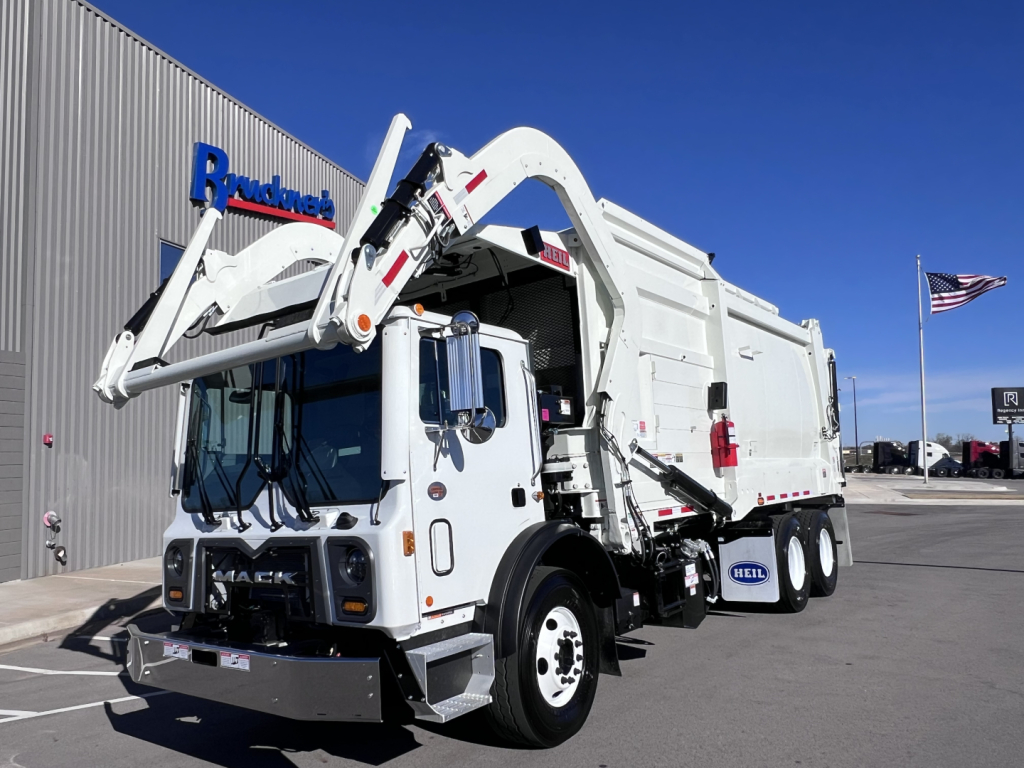
A side loader is designed primarily for residential cart collection and usually uses an automated arm to grab and dump containers from the side of the truck. A front loader is built for commercial waste collection and uses front forks to lift dumpsters over the cab into the body. Side loaders improve route efficiency with one operator and frequent stops, while front loaders are better for heavier container service and commercial accounts.
What engine and transmission specs are common on new garbage trucks?
Many new garbage trucks use diesel engines in the 300 to 355 horsepower range, matched to fully automatic transmissions such as the Allison 4500 RDS. That combination is popular because refuse work demands repeated starts, low-speed control, and dependable PTO performance for hydraulic body functions. Axle ratings often fall around 20,000 pounds in the front and 46,000 pounds in the rear, depending on body style and intended payload.
What body size is common for a residential automated side loader?
A 28-yard body is a common choice for residential automated side loader applications. It offers a practical balance of route capacity, maneuverability, and chassis compatibility for suburban and urban collection work. Buyers should still verify that body volume, legal gross weight, and packing performance align with the material stream and route density they expect to handle.
What features should buyers look for on a new garbage truck?
Important refuse-spec features include full eject capability, compatible cart grabbers or forks, quality work lighting, camera systems covering the hopper and both sides of the cab, remote lift controls, and durable mud flap and splash protection. Buyers should also evaluate hydraulic pump setup, body mount quality, access for service, and visibility from the driver's seat. These details have a direct effect on safety, uptime, and route productivity.
Why does wheelbase and axle ratio matter on a garbage truck?
Wheelbase affects turning radius, body fit, and how well the truck handles tight residential streets or commercial lots. Axle ratio changes launch feel, gradeability, and engine speed under load, which matters on stop-and-go routes with frequent compaction cycles. A garbage truck that is correctly matched in wheelbase, axle ratio, and body length will generally perform better on route and place less strain on the drivetrain over time.