
New 2026 Garbage Trucks For Sale in Oklahoma
Shop new 2026 garbage trucks in Oklahoma, including side loaders and front loaders built for residential and commercial refuse routes.
Learn more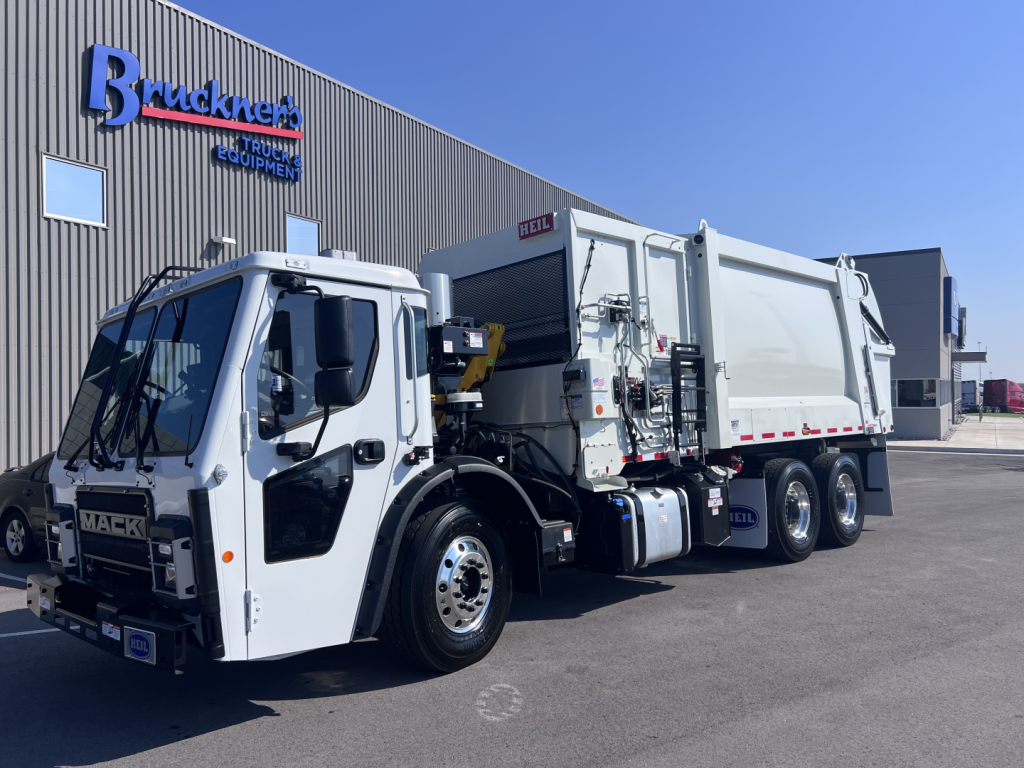
Have new 2026 garbage truck to sell? List it here to reach thousands of buyers.
About New 2026 Garbage Trucks in Oklahoma
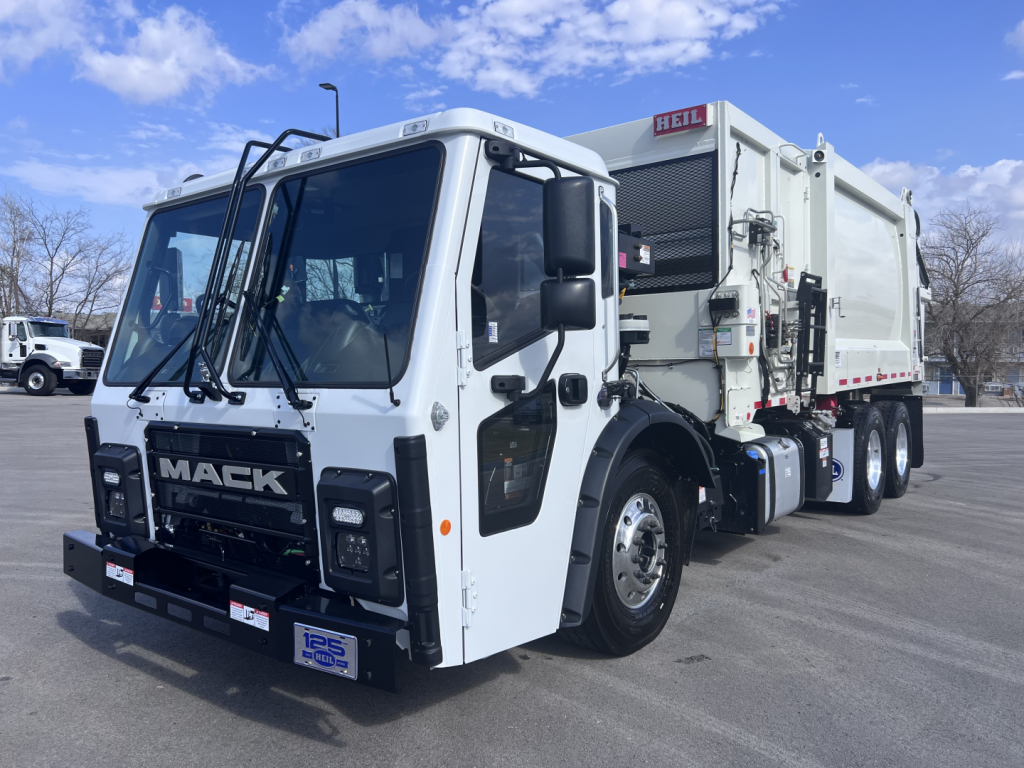
Automated side loader garbage trucks are a strong fit for residential cart service where one operator needs to maintain a fast, repeatable route. A 28-yard automated side loader body is a common size in this class, often equipped with a grabber designed for 60-gallon and 90-gallon carts, full eject, and operate-in-gear-at-idle hydraulic systems. Buyers should pay close attention to wheelbase, body overhang, turning radius, hopper design, camera coverage, and lighting packages. In dense neighborhoods, visibility and maneuverability matter as much as rated capacity. Low-entry cab layouts, right-hand operating controls, hopper work lights, side-mounted grabber lights, and multi-camera systems can reduce fatigue and improve safety during hundreds of stops per shift.
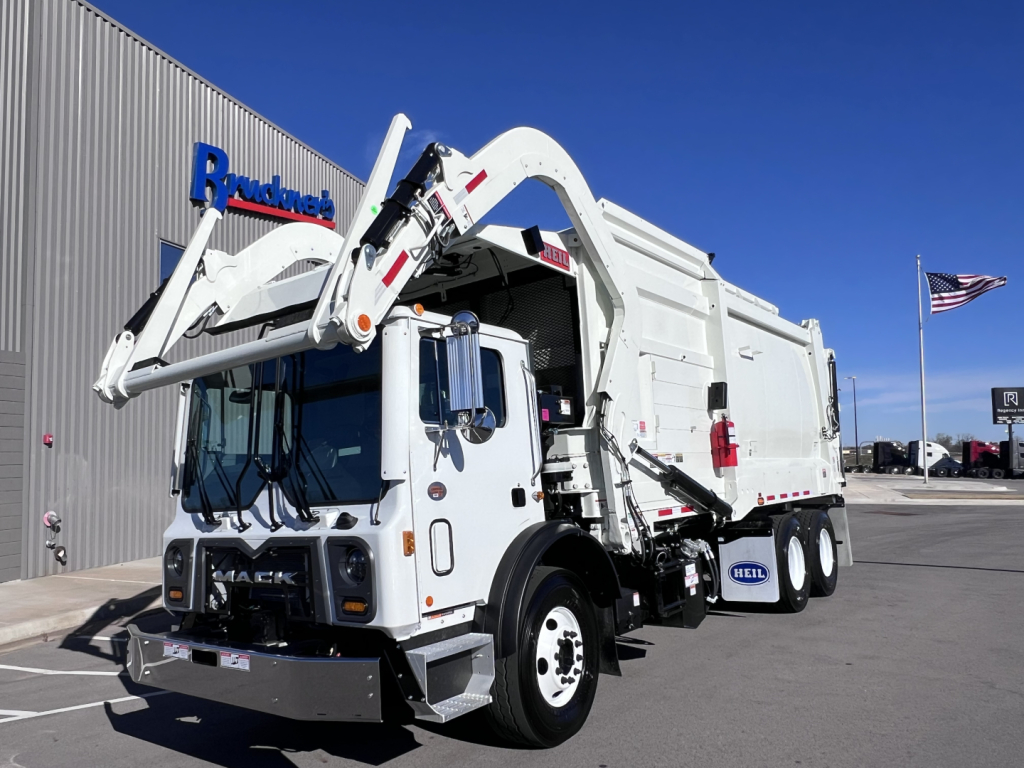
Front loader garbage trucks are typically chosen for commercial dumpsters, industrial waste accounts, and heavier container service. These units usually carry robust front axle ratings, heavy rear suspensions, and drivetrain specs built to handle repeated lifting cycles and concentrated loads. In this category, buyers may see power levels around the mid-300 hp range, Allison 4500RDS automatics, and rear axle ratios such as 5.31 to balance launch performance with route speed. If the route includes frequent alley access, tighter urban turns, or transfer station traffic, cab layout, sightlines, and axle placement deserve close review. Body builder details also matter, including factory mounts, hydraulic pump configuration, tailgate sealing, and access for maintenance.
For Oklahoma operation, buyers should think beyond published body size and focus on total route demands. Heat, dust, rough pavement, and long idle periods can all influence spec decisions, especially cooling capacity, electrical reliability, camera durability, and hydraulic performance. New 2026 garbage trucks often include practical municipal features such as work lights, strobe and turn lamp packages, fire extinguishers, mud flaps, tool storage, sump chutes, and rear caution decals. A well-matched refuse truck should be sized for the container stream, legal axle loading, and service area, while also giving technicians straightforward access to major service points. The right spec is the one that keeps the truck collecting every day with minimal downtime and enough body and axle capacity to avoid overworking the chassis.
Frequently Asked Questions
What is the difference between a side loader and a front loader garbage truck?
A side loader is typically used for residential collection with automated carts, allowing one operator to service a route from the cab using a hydraulic arm. A front loader is usually used for commercial collection, lifting dumpsters over the cab and emptying them into the body. Side loaders prioritize route speed, operator efficiency, and neighborhood maneuverability, while front loaders prioritize container lifting capacity, commercial account flexibility, and durability under heavier concentrated loads.
What body size is common on a new residential garbage truck?
A 28-yard body is a common size for new automated residential side loader garbage trucks, although body size should always be matched to route density, compaction needs, and legal axle loading. Bigger is not always better if the truck spends the day overweight or struggles in tight neighborhoods. Buyers should compare rated payload, hopper capacity, packer design, and axle specs together instead of choosing only by cubic yards.
Why are Allison automatic transmissions so common in garbage trucks?
Allison automatic transmissions are widely used in refuse applications because garbage trucks operate in constant stop-and-go service with frequent starts, backing, and PTO-driven hydraulic functions. An automatic transmission helps with drivability, reduces operator fatigue, and is well-suited to repeated route work. In heavier refuse specs, models such as the Allison 4500RDS are common because they can handle the demands of dense loads and severe-duty collection cycles.
What chassis specs matter most when buying a new garbage truck?
The most important chassis specs are front axle rating, rear axle rating, wheelbase, engine horsepower and torque, transmission model, rear axle ratio, and cab configuration. In refuse work, these specs directly affect legal payload, turning radius, launch performance, body fit, and service life. Buyers should also review frame strength, suspension type, PTO compatibility, and how well the chassis is matched to the body manufacturer's mounting and hydraulic requirements.
What features improve safety and productivity on a refuse route?
Useful refuse truck features include multi-camera systems, hopper and work lights, grabber-area lighting, strobe and turn lamp packages, remote lift controls, low-entry cabs, and well-placed mirrors. These features help the driver maintain visibility around carts, containers, pedestrians, and backing areas. Productivity also improves when the truck has the right grabber design for local cart sizes, full eject capability for fast dumps, and a layout that allows easy daily inspections and routine maintenance.