
Toyota Equipment For Sale in New York
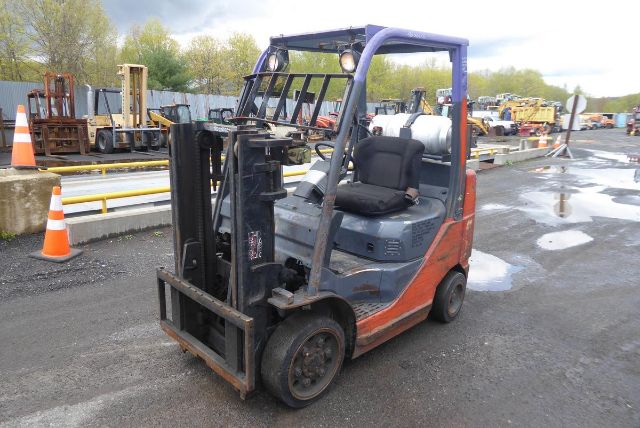
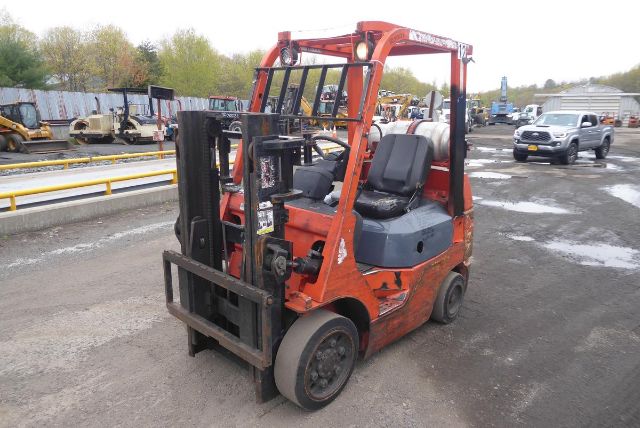
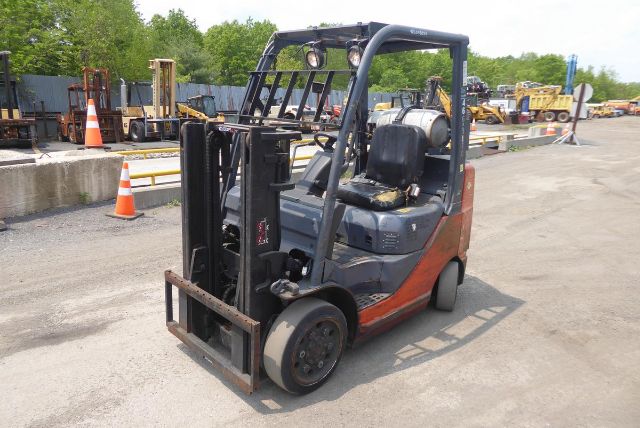
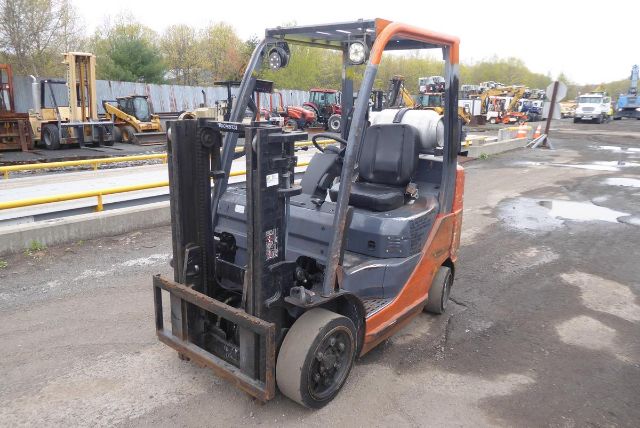
Shop Toyota trucking equipment for sale, including durable Toyota forklifts with LP power, solid tires, and warehouse-ready lift capacity.
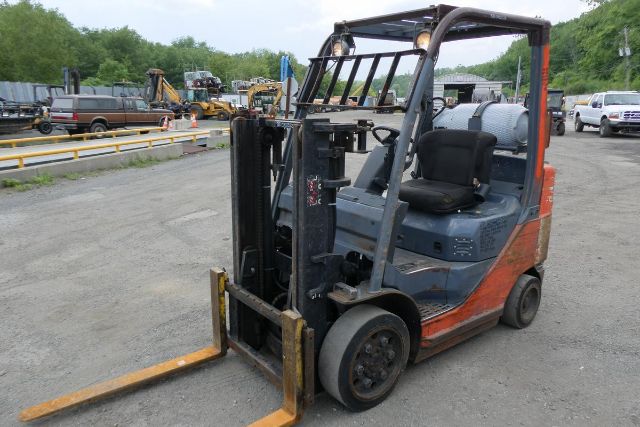
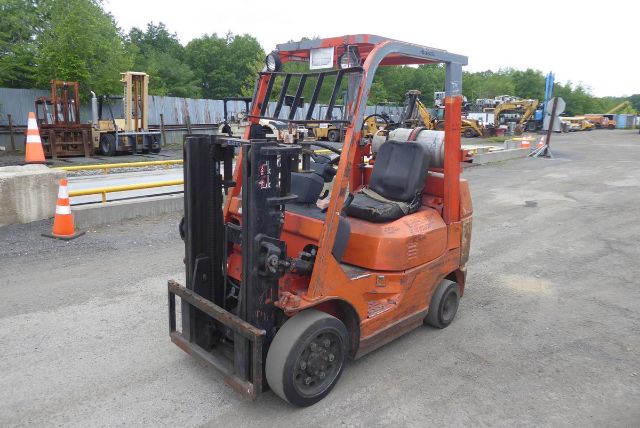
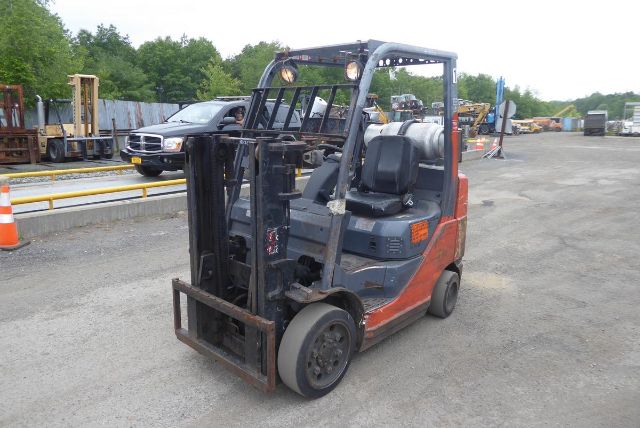
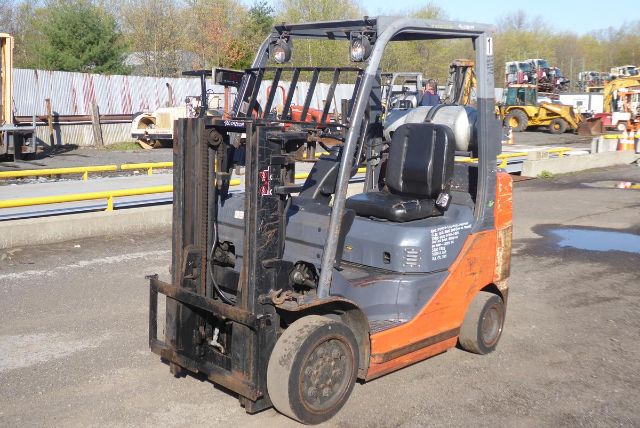
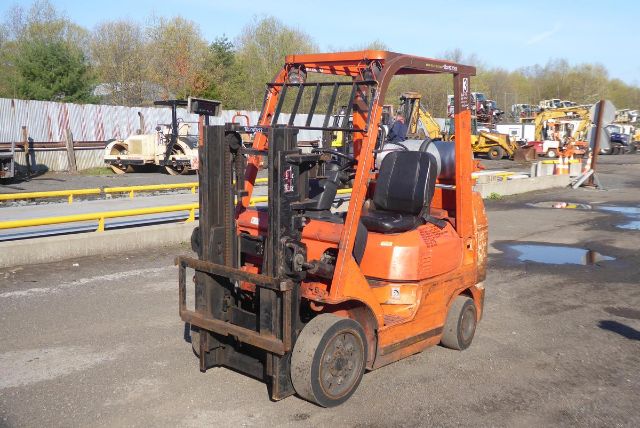
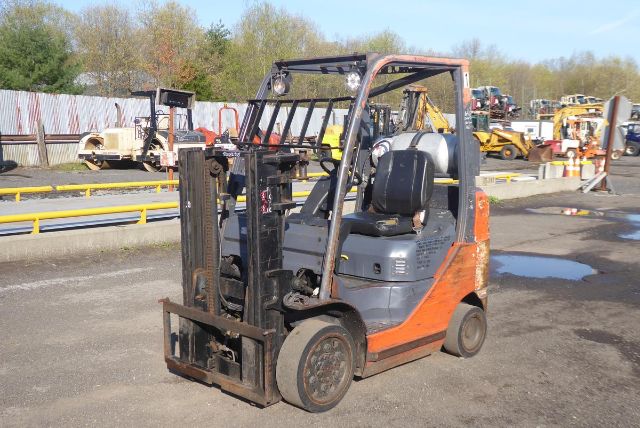
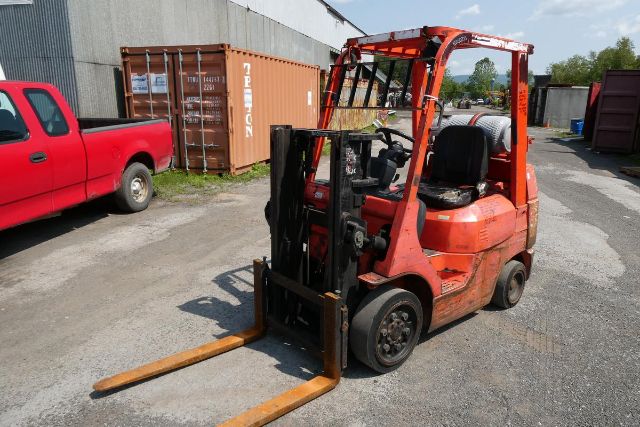
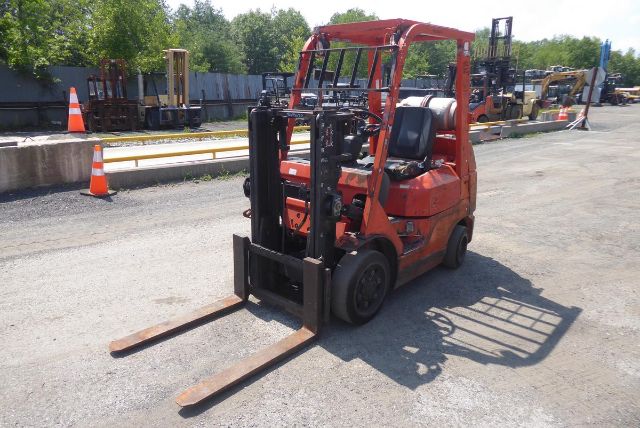
Showing 1 to 24 of 30 results
Have toyota equipment to sell? List it here to reach thousands of buyers.
Toyota Equipment in New York
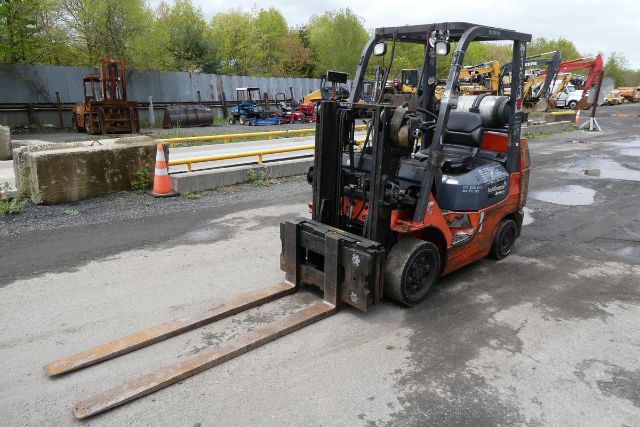
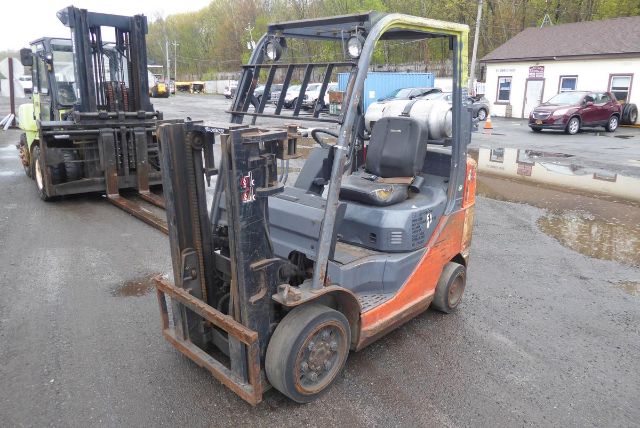
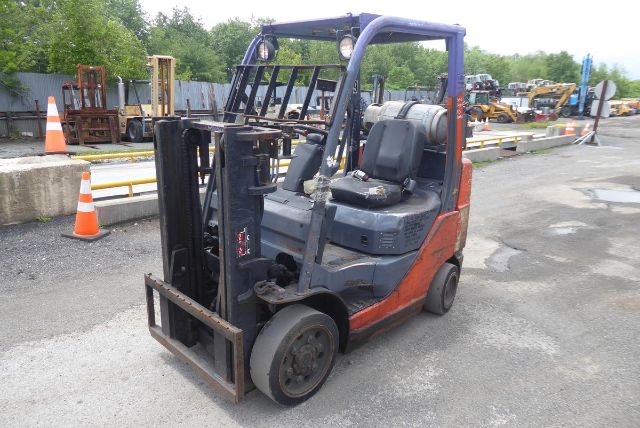
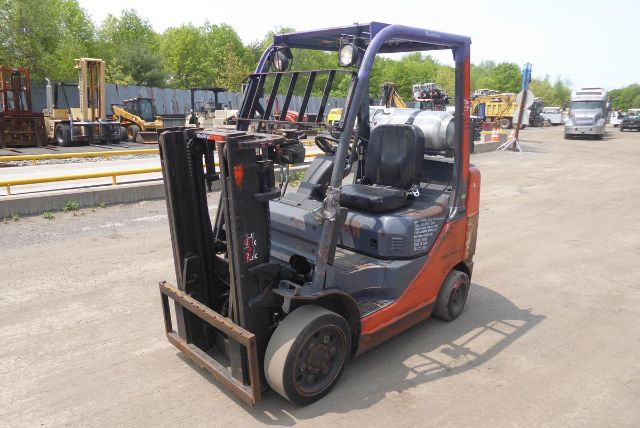
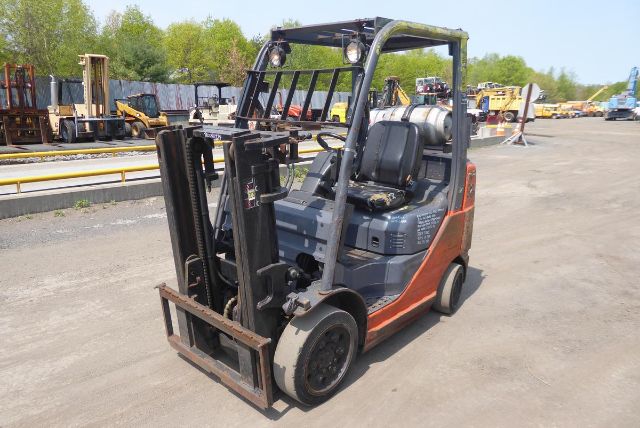
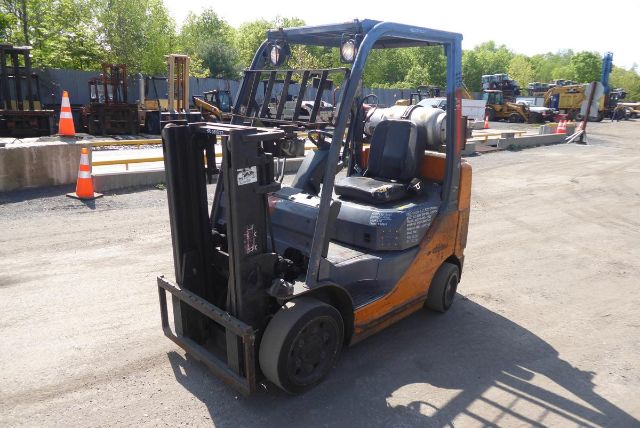
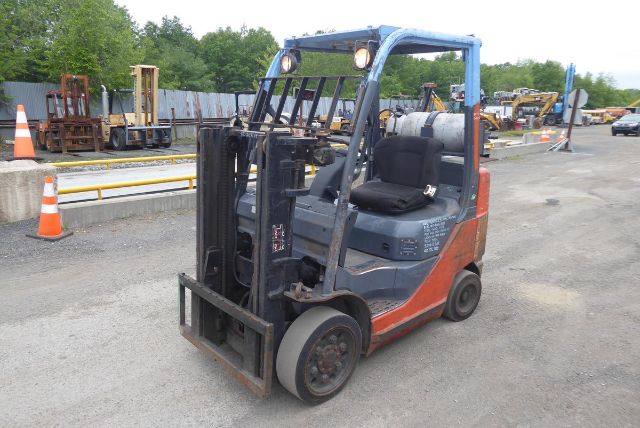
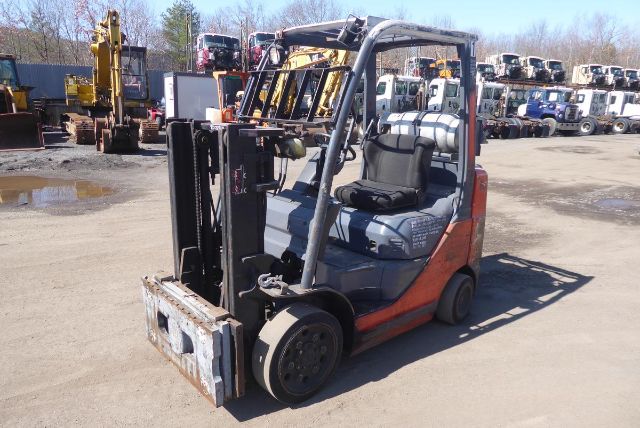
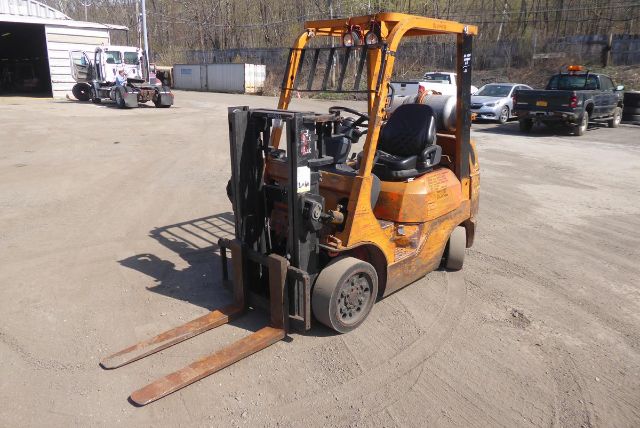
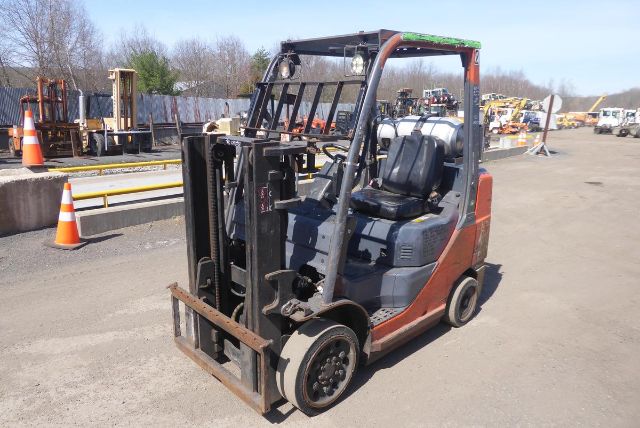
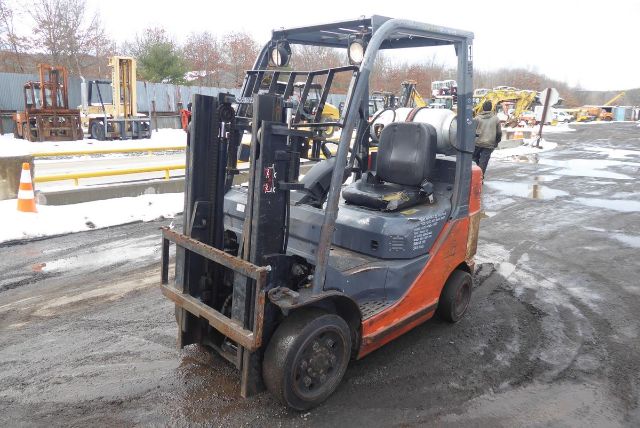
A common spec range for Toyota forklifts in this class is around 4,000 to 5,000 pounds of capacity, often with cushion tires and LP or propane power for indoor and mixed-use operations. Models like the 7FGCU25 and 8FGCU25 are typical examples of mid-capacity warehouse forklifts with compact dimensions, automatic transmission, and a low overhead profile that works well around standard dock doors and inside trailers. Buyers should confirm the data plate, actual lift height, free lift, mast stage, and back tilt angle because two units with the same model number may be configured differently for racking, dock work, or general pallet movement.
Condition matters more on a used forklift than model year alone. Hour meter readings, hydraulic cylinder condition, mast wear, chain stretch, steer axle play, brake function, and engine performance should all be checked closely. On propane Toyota forklifts, it is smart to inspect cold starting, throttle response, intake and sensor issues, and whether the LP tank bracket and related components are complete. Tire type is another practical buying point. Solid cushion tires are common on indoor units and perform well on smooth concrete, but they are less forgiving on rough outdoor surfaces than pneumatic tires.
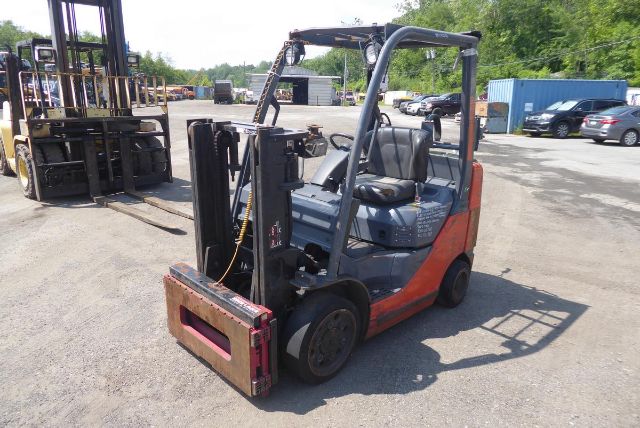
For New York buyers, application and facility layout should drive the decision. A compact Toyota forklift with a lower overall height can be a better fit for older warehouses, tighter loading areas, and frequent trailer entry. Width, turning radius, and fork length affect how efficiently the truck handles standard pallets in narrow aisles or crowded docks. If a unit is missing forks or has a basic dual mast, budget for the right fork set, carriage inspection, and any attachment upgrades before putting it into regular service. A properly matched Toyota lift truck can be a dependable choice for shipping departments, distribution centers, building supply yards, food handling operations, and general freight support.
Frequently Asked Questions about Toyota Equipment in New York
What should I check first when buying a used Toyota forklift?
Start with capacity, mast type, lowered height, and fuel system because those determine whether the forklift fits your building and workload. After that, inspect hour meter reading, hydraulic leaks, mast rollers, lift chains, brake performance, steering play, and tire condition. On propane units, verify clean starting, smooth idle, throttle response, and the condition of the LP components. If the forklift does not include forks or has warning lights on, factor those repairs or replacements into the total cost.
Are Toyota propane forklifts a good choice for warehouse and dock work?
Toyota propane forklifts are a common choice for warehouses and docks because they offer consistent power, quick refueling, and strong maneuverability in indoor and mixed-use environments. They are especially practical for operations that need repeated trailer loading, pallet movement, and short-cycle handling throughout the day. Buyers should still confirm ventilation requirements, tire type, and mast height to make sure the unit matches the facility and the application.
What is the difference between cushion tire and pneumatic tire Toyota forklifts?
Cushion tire forklifts are typically built for indoor use on smooth concrete floors and are common in warehouses, freight terminals, and manufacturing plants. They usually have a tighter turning radius and lower overall stance, which helps in confined spaces. Pneumatic tire forklifts are better suited for rougher outdoor surfaces, gravel, broken pavement, or lumber yard conditions. If most of the work happens at docks and inside buildings, a cushion tire Toyota forklift is often the better fit.
How important is mast height on a Toyota forklift?
Mast height is critical because it affects both clearance and storage capability. The lowered height has to clear doorways, trailer openings, and overhead obstructions, while the maximum lift height must reach the top rack beam or loading point safely. Buyers should also look at free lift if the forklift will work inside trailers or containers where overhead space is limited. A forklift with the right capacity but the wrong mast can create daily operational problems.
Do model numbers like Toyota 7FGCU25 and 8FGCU25 tell you everything about the forklift?
No. The model number gives a useful baseline for series and general size class, but it does not tell the full story. Actual configuration can vary by mast stage, attachment setup, tire type, lift height, fuel system details, and rated capacity at a specific load center. Always verify the truck's data plate and inspect the exact equipment on the machine instead of relying only on the model designation.